Which herbs root from cuttings
| Herb | Roots from cuttings? | Notes |
|---|---|---|
| Basil | Yes, fast | Roots in about 1-2 weeks in water |
| Mint | Yes, very easily | One of the easiest to root |
| Oregano / marjoram | Yes | Soft stems root well |
| Rosemary | Yes, slower | Be patient; use semi-woody stems |
| Parsley, cilantro, chives | No | Grow from seed or division instead |
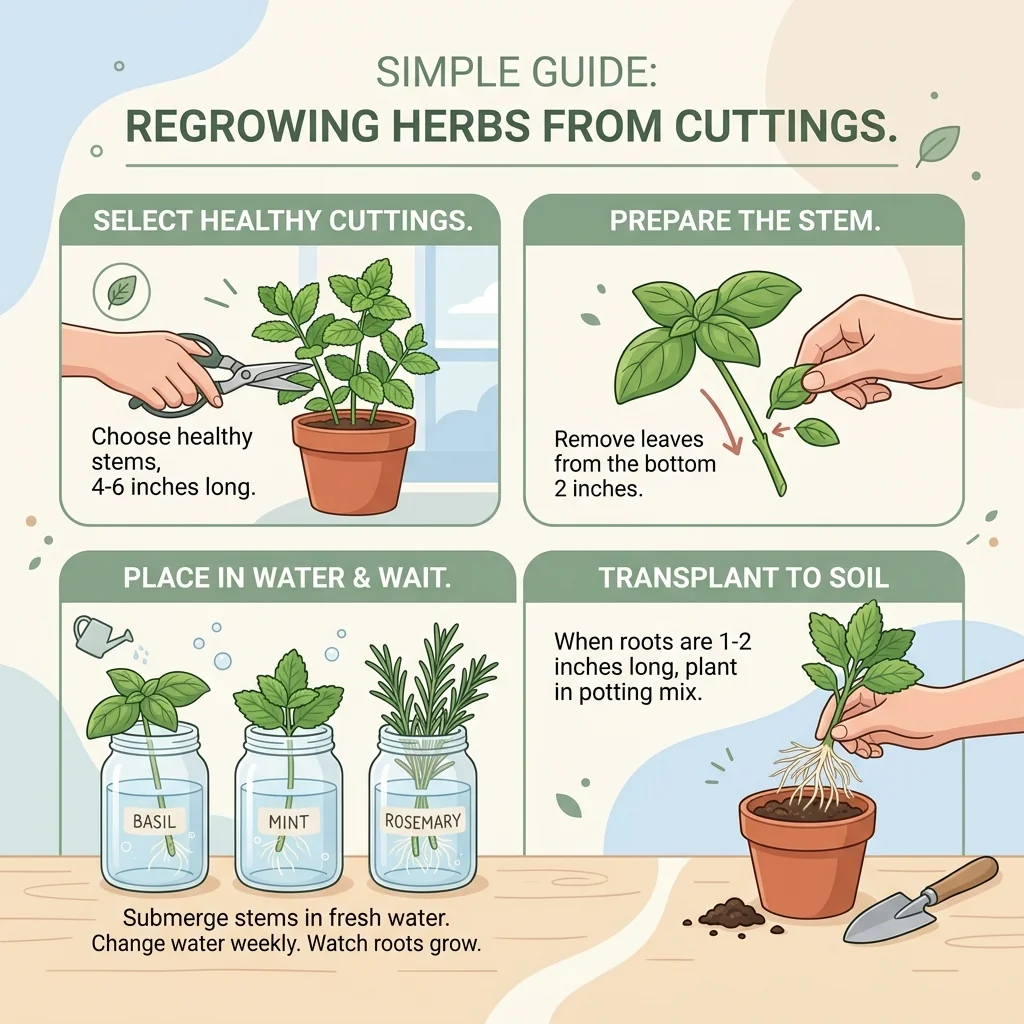
Many herbs can produce a new plant from a suitable stem cutting. A common starting method is to take a healthy non-flowering stem, remove submerged leaves, root it under bright indirect light, and pot it once a functional root system develops. Timing varies with species, stem maturity, temperature, and plant health; a week-or-two result is possible for basil or mint, not guaranteed.
Step by step
- Take a cutting. Choose a healthy, non-flowering stem and snip a 4 to 6 inch length.
- Cut below a node. Trim just below a leaf node (where leaves meet the stem); this is where roots form.
- Strip the lower leaves. Remove leaves from the bottom couple of inches so none sit underwater.
- Stand it in water. Use a glass of water on a bright windowsill, out of harsh direct sun.
- Change the water every few days to keep it fresh and oxygenated.
- Pot it up. Once roots reach an inch or two, plant the cutting into a pot of moist potting mix.
Which herbs root from cuttings
Soft-stemmed herbs root most readily, basil, mint, oregano, marjoram, and lemon balm. Rosemary roots too, just more slowly, using semi-woody stems. Parsley, cilantro, and chives do not root from stem cuttings; grow those from seed or by division instead, as the table above summarises.
Potting up without shock
The move from water to soil is where many cuttings stall. Pot them gently into moist mix, keep them out of harsh sun for a few days, and let them settle before normal care. The same low-stress approach applies as in how to repot herbs without slowing growth.
Regrowing supermarket herbs
A fresh supermarket bunch of basil or mint is full of potential cuttings. Rooting a few stems turns a throwaway bunch into living plants, which pairs well with how to keep supermarket basil alive. And if you are storing basil on the counter in water, you may notice the stems rooting on their own, the first step of this whole process; see how to store fresh basil.
Improve the odds before cutting
Use a vigorous, pest-free stock plant. Avoid flowering, yellowing, slimy, or heavily bruised stems, and never propagate material showing suspicious spots or rot. Clean and sanitize the cutting tool between plants so the experiment does not spread a problem through the collection.
Water rooting is easy to observe, but it is not the only method. A clean, moist propagation medium can avoid the abrupt change from water roots to potting mix. Whichever route you choose, keep leaves above the water or medium, provide bright indirect light rather than scorching sun, and avoid sealing wet foliage in stagnant air.
Keep a propagation record
Label each cutting with species, source, and date. Record the number started, the first visible roots, how many survive potting, and new growth after two weeks. This turns “roots readily” into a result you can reproduce under your conditions. Do not repeatedly disturb a cutting to check it; new resistance to a very gentle tug in media or visible branching roots in water is enough.
Discard cuttings that become soft, foul-smelling, or extensively discolored. Change cloudy water and clean the vessel rather than merely topping it up. A supermarket stem may have been stored too long or treated for culinary sale rather than propagation, so failure is not evidence that the species cannot be rooted.
Transition from roots to a growing plant
Use a small container with drainage and fresh potting mix. Set water-rooted cuttings gently into pre-moistened mix, firm it just enough for contact, and keep humidity and moisture relatively stable during the first few days. Do not leave the pot saturated, add strong fertilizer immediately, or move it straight into harsh sun.
Success is not just root appearance. Wait for firm new shoot growth and a root ball that begins to hold the mix together before treating the cutting as established. Quarantine it from valuable plants until you have inspected new leaves for pests.
Sources
If you are propagating herbs, also read
These guides cover reviving supermarket herbs, potting up rooted cuttings, and storing the harvest.
Common questions
How do you regrow herbs from cuttings?
Snip a healthy 4 to 6 inch stem, cut just below a leaf node, strip the lower leaves, and stand it in a glass of water on a bright windowsill. Change the water every few days, and once roots reach an inch or two, pot it into soil.
Which herbs grow best from cuttings?
Soft-stemmed herbs root most easily, basil, mint, oregano, marjoram, and lemon balm, and rosemary roots well too with a little patience. Parsley, cilantro, and chives are grown from seed or division instead.
How long do herb cuttings take to root?
Usually one to three weeks in water, depending on the herb and the warmth and light. Basil and mint are fast; rosemary is slower.
Can you regrow supermarket herbs from cuttings?
Yes. A fresh supermarket bunch of basil or mint often roots from its cuttings, which is a cheap way to turn a few stems into living plants. See the guide on keeping supermarket basil alive.
Related guides
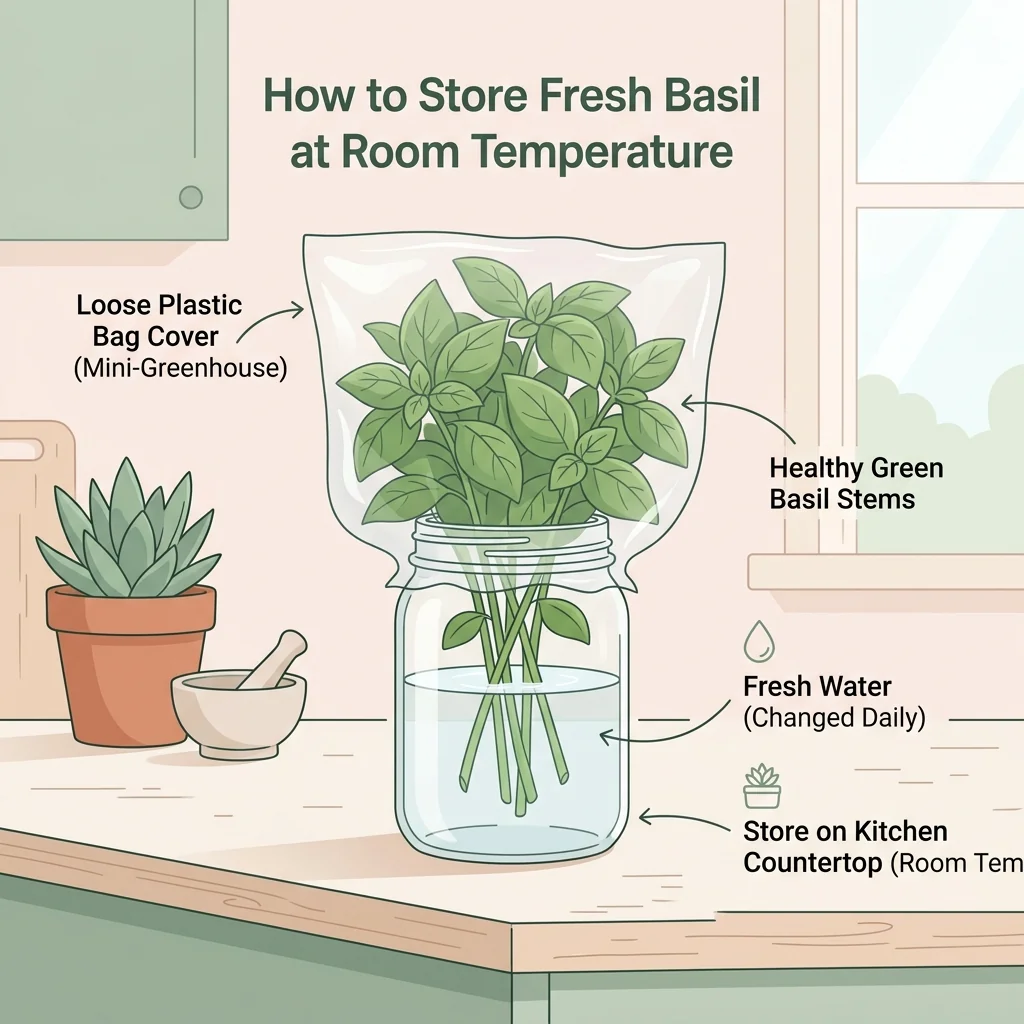
How to store fresh basil so it lasts
Basil is cold-sensitive, but storage also depends on whether it is a rooted plant, cut stems, or loose leaves. Use this test-and-inspect method.
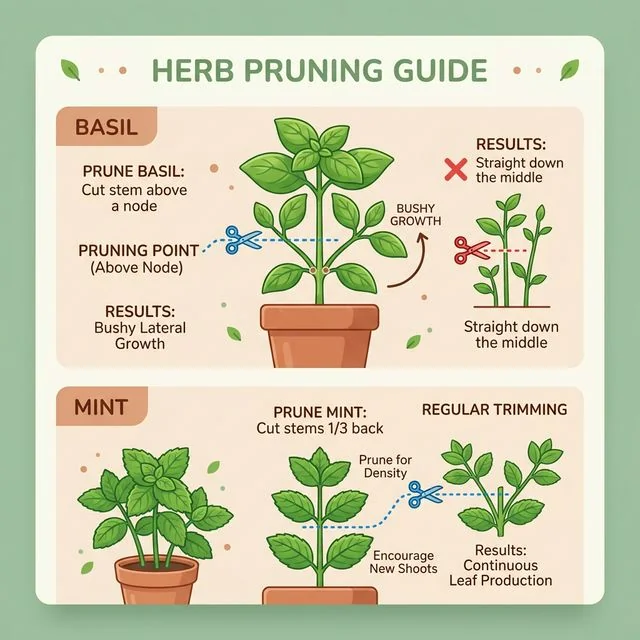
How to prune basil, mint, parsley, and chives without stunting growth
Basil and mint should be cut above a node, parsley should be harvested from the outer stems, and chives should be cut like a small patch of grass.
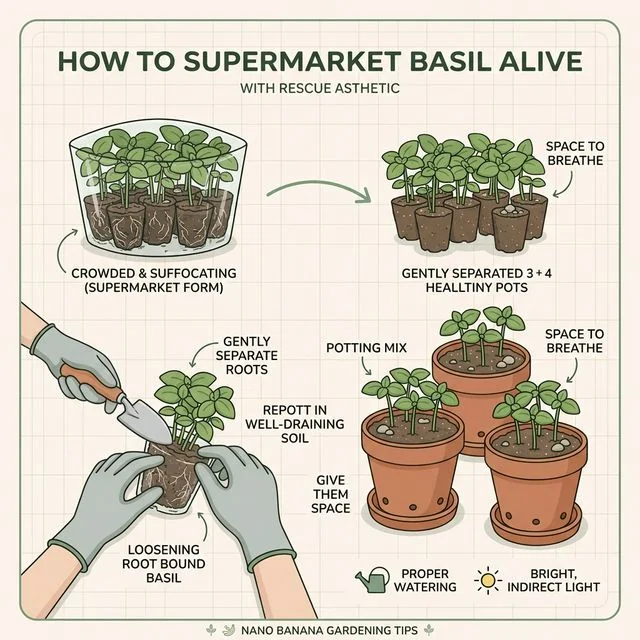
How to keep supermarket basil alive longer than two weeks
We have all done it. You buy a beautiful, lush basil plant from the produce aisle to make pesto. You put it on your windowsill, and exactly 12 days later, it collapses and dies. Here is why the supermarket set you up to fail, and exactly how to rescue the plant.