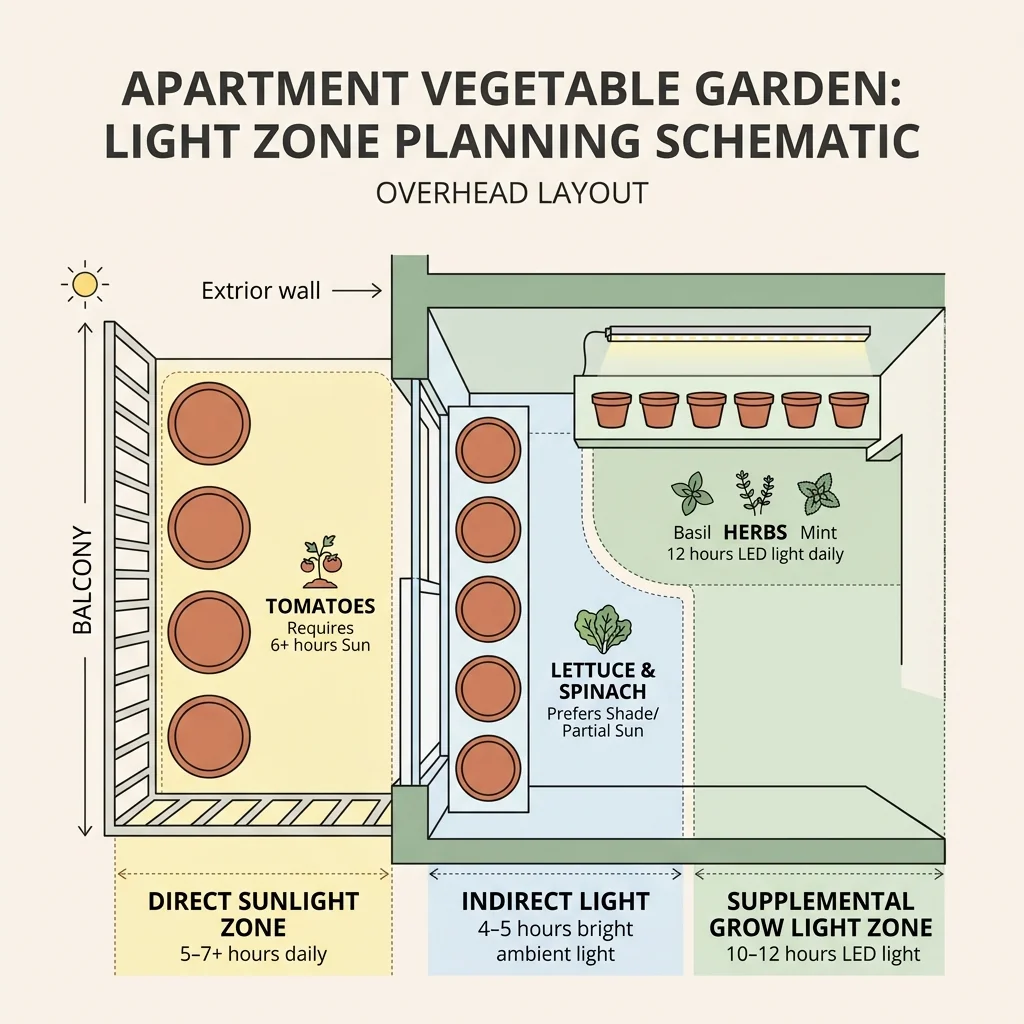
A beginner's apartment vegetable garden plan
Growing food in an apartment works when light, containers, crops, and routine are planned together. This is a simple, step-by-step plan to start from scratch.
Start with a broad setup guide, jump into a topic hub, or go straight to the problem you need to solve now.
Growing food in an apartment works when light, containers, crops, and routine are planned together. This is a simple, step-by-step plan to start from scratch.
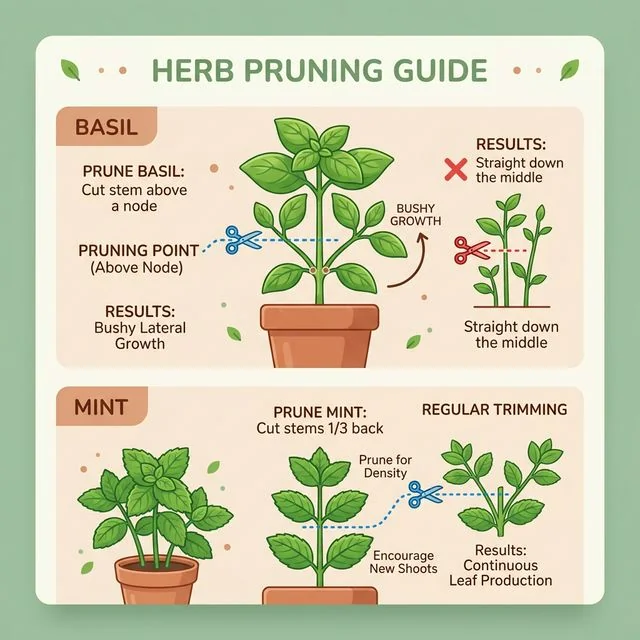
Basil and mint should be cut above a node, parsley should be harvested from the outer stems, and chives should be cut like a small patch of grass.
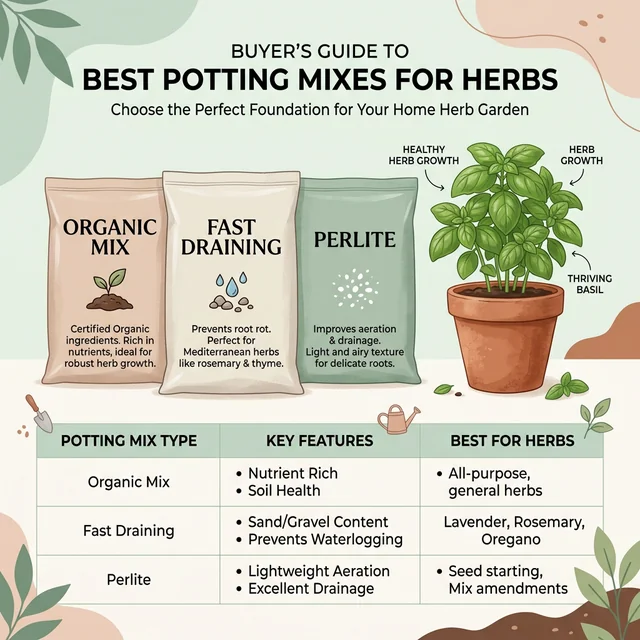
A practical buyer's guide to choosing potting mix for potted herbs, from richer blends for basil and parsley to faster-draining options for rosemary and thyme.
Browse every article or jump into a category: Urban Gardening , Hydroponics , Grow Lights , Containers , Soil & Fertilizers , Plant Problems , Microgreens .
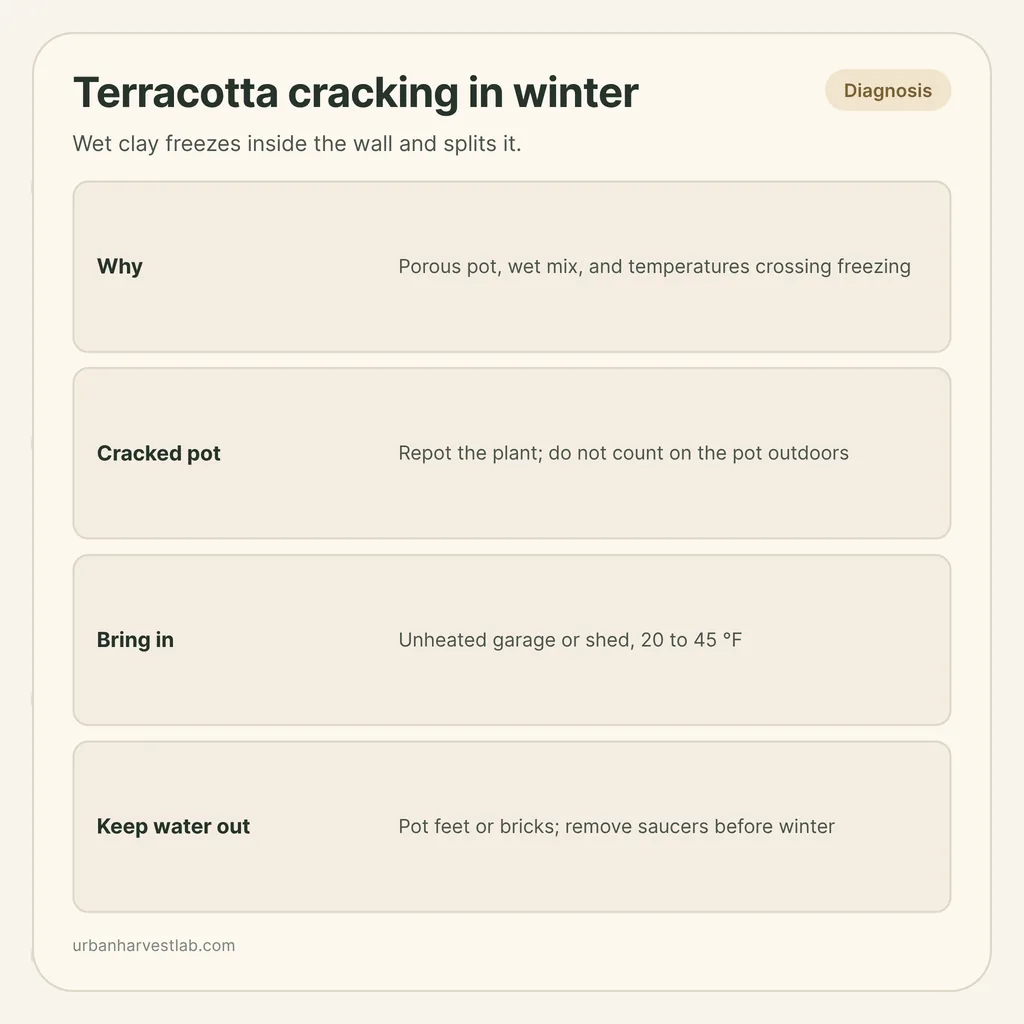
A pot that was fine in October splits in January. The cause is water inside the clay, and the fix is keeping that water out or moving the pot somewhere it cannot freeze.
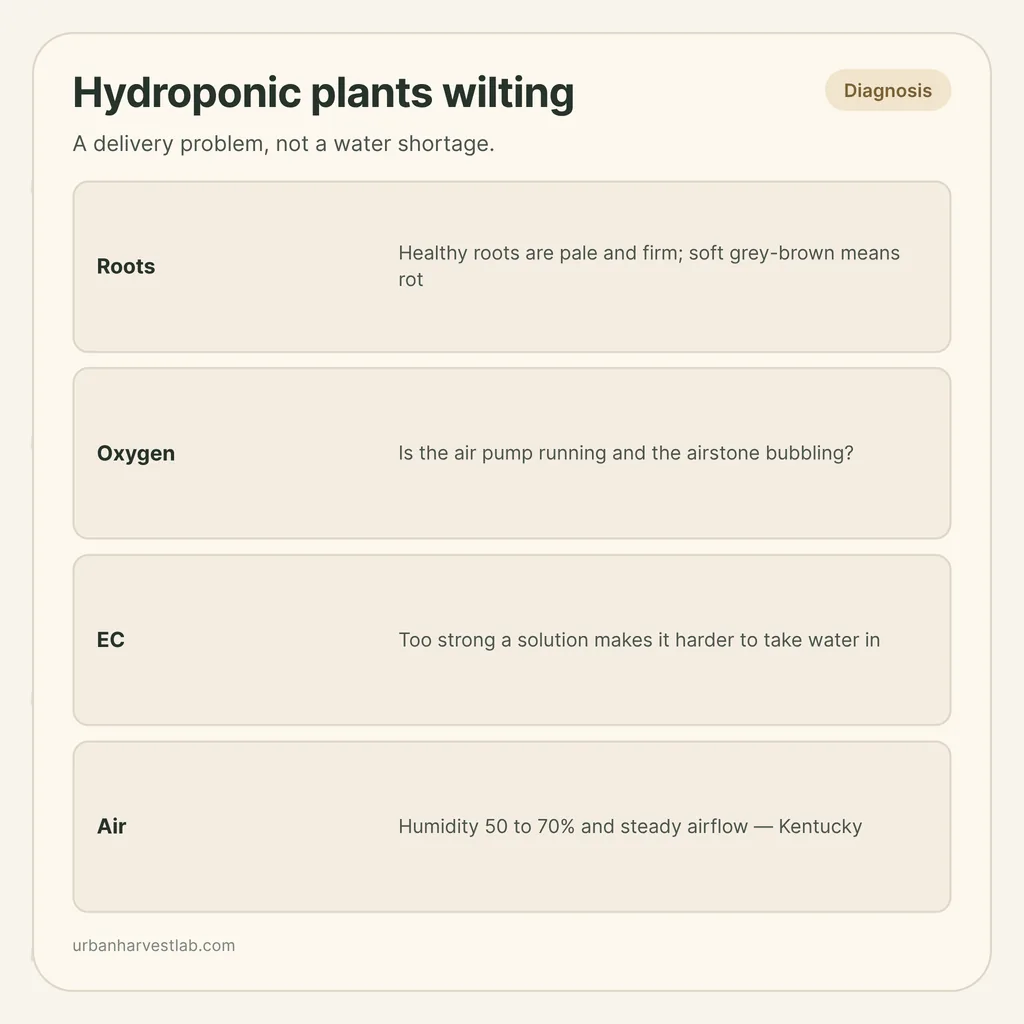
A wilted plant standing in water is not short of water. Work through the roots, the oxygen, the EC and the air in that order and the cause usually shows itself.
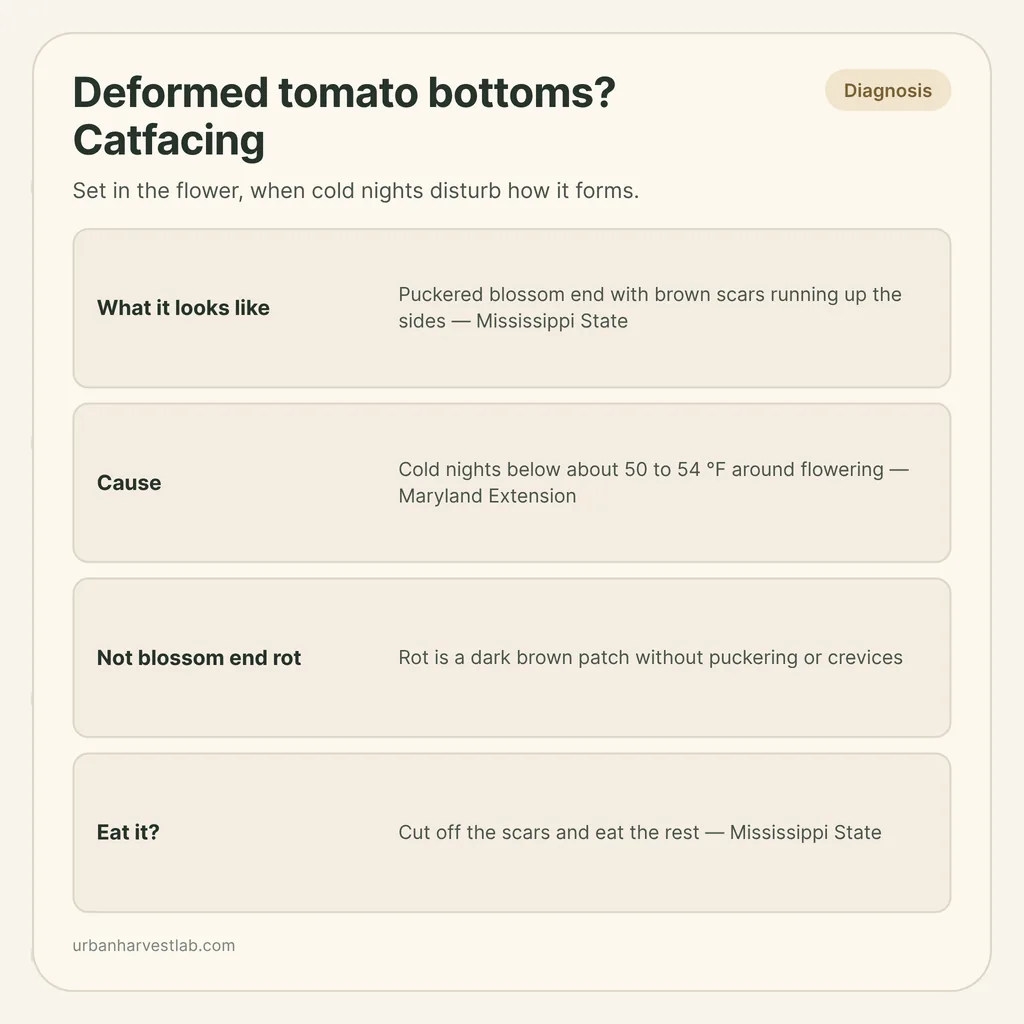
Puckered, scarred, lumpy tomatoes on the first trusses are usually catfacing, a flower-stage problem tied to cold nights. Here is how to confirm it and what to change.
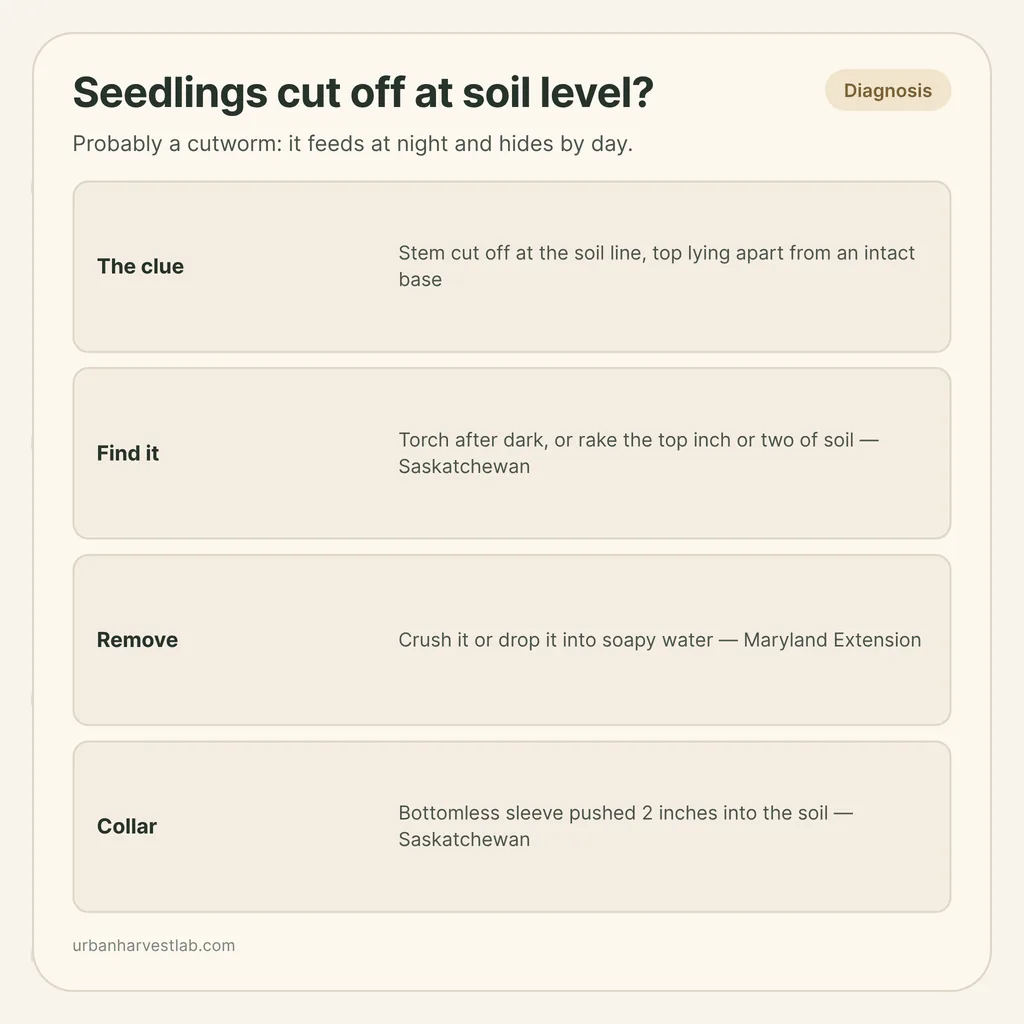
A clean cut at the base, a missing seedling in the morning, nothing in sight. Here is how to confirm cutworms, what to do tonight, and how to stop the next one.
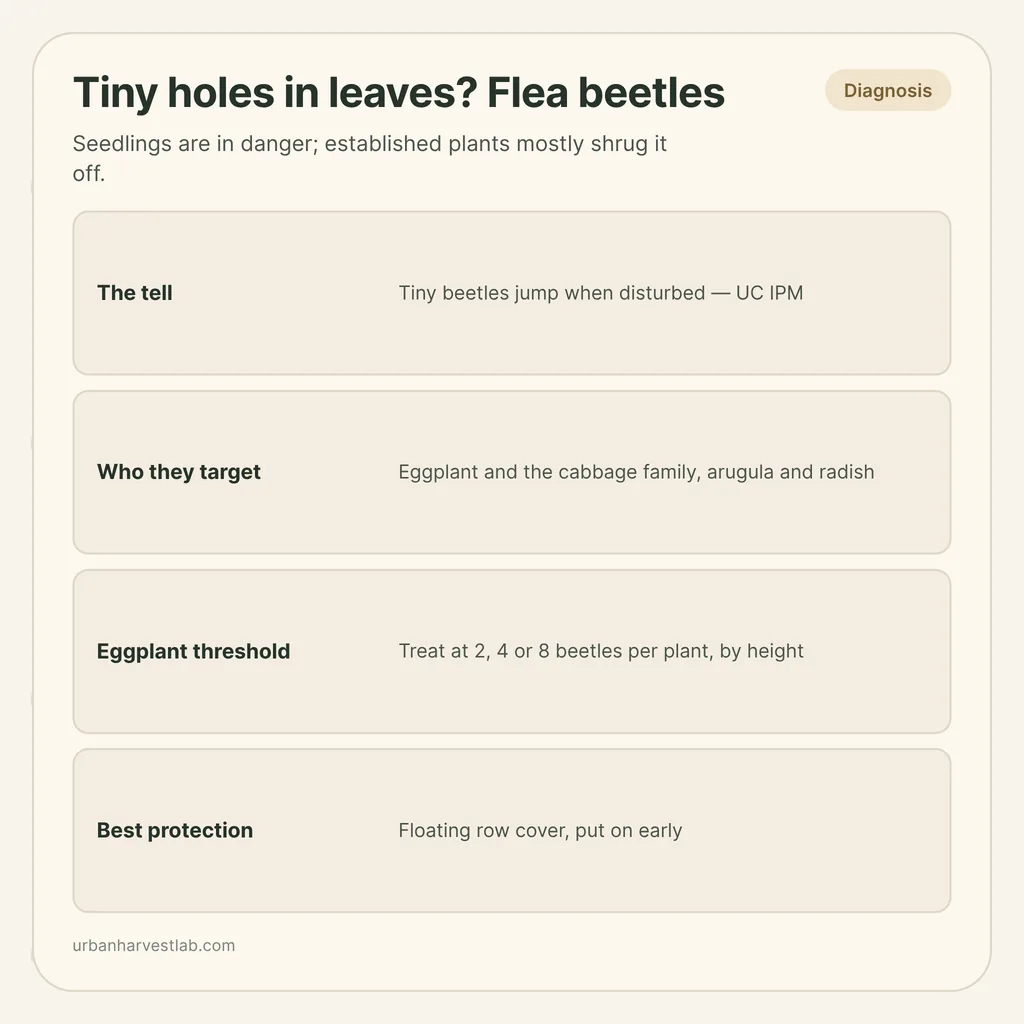
Flea beetles riddle the leaves of eggplant, arugula, radish and kale with tiny holes. Seedlings are at risk; established plants usually outgrow it.
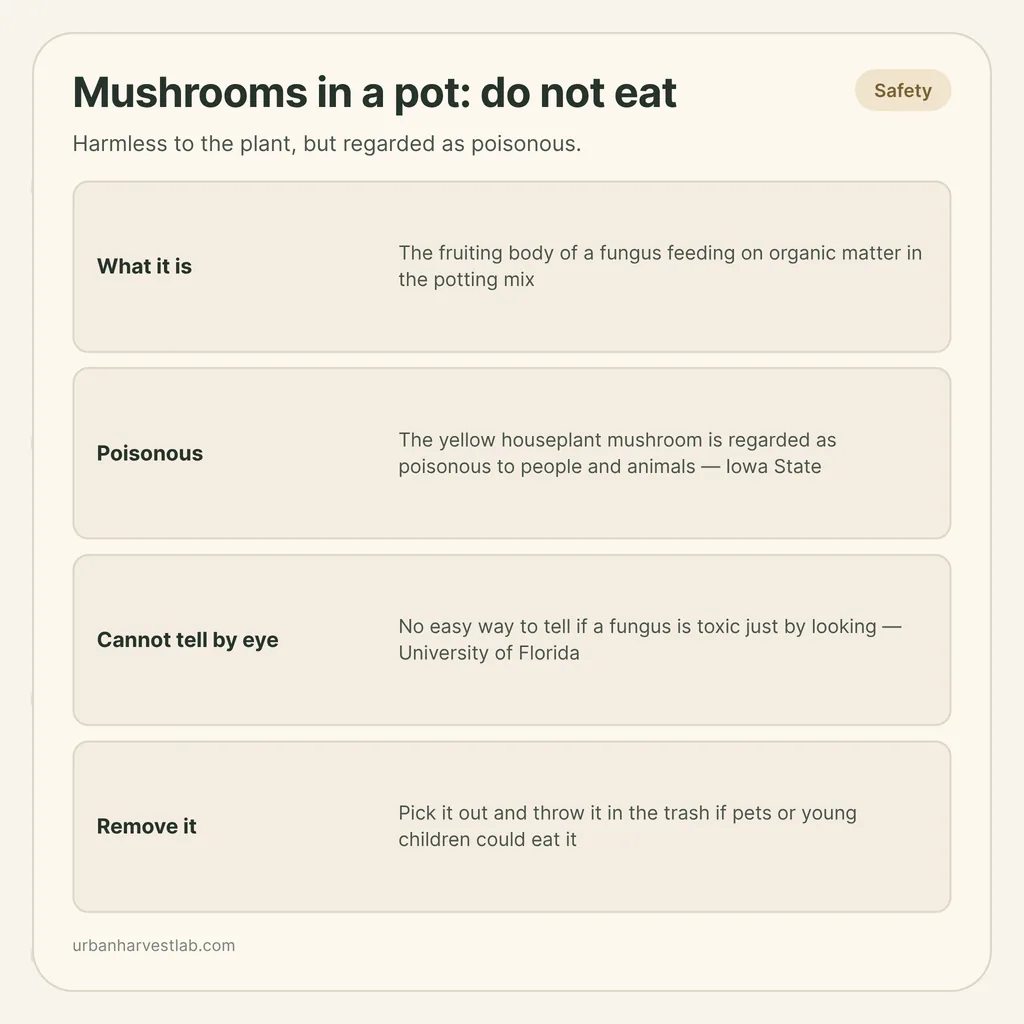
Mushrooms in a pot are the fruiting bodies of a fungus living on the organic matter in your mix. They rarely hurt the plant, but some are poisonous if eaten.
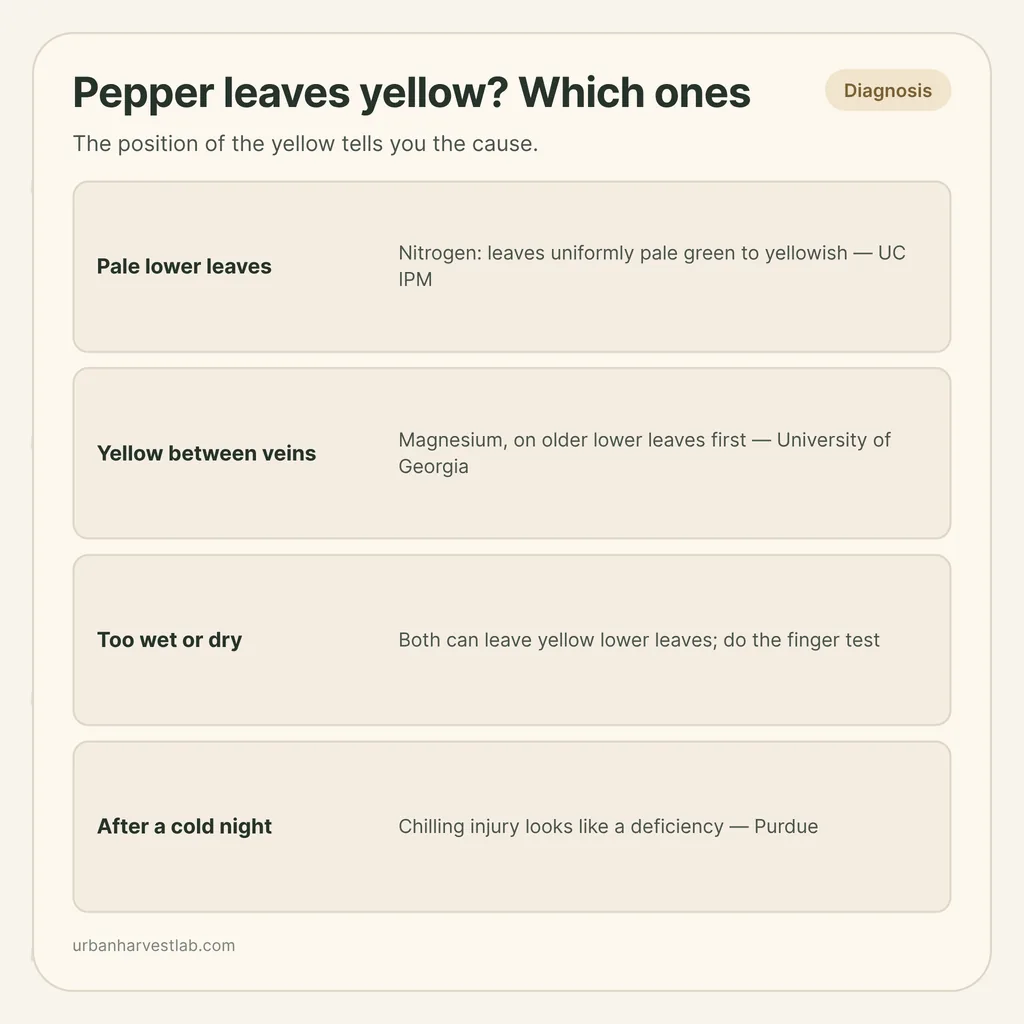
Lower leaves going pale is often hunger, a cold snap or a soggy pot. Spots or yellow new growth point elsewhere. Here is how to sort them.
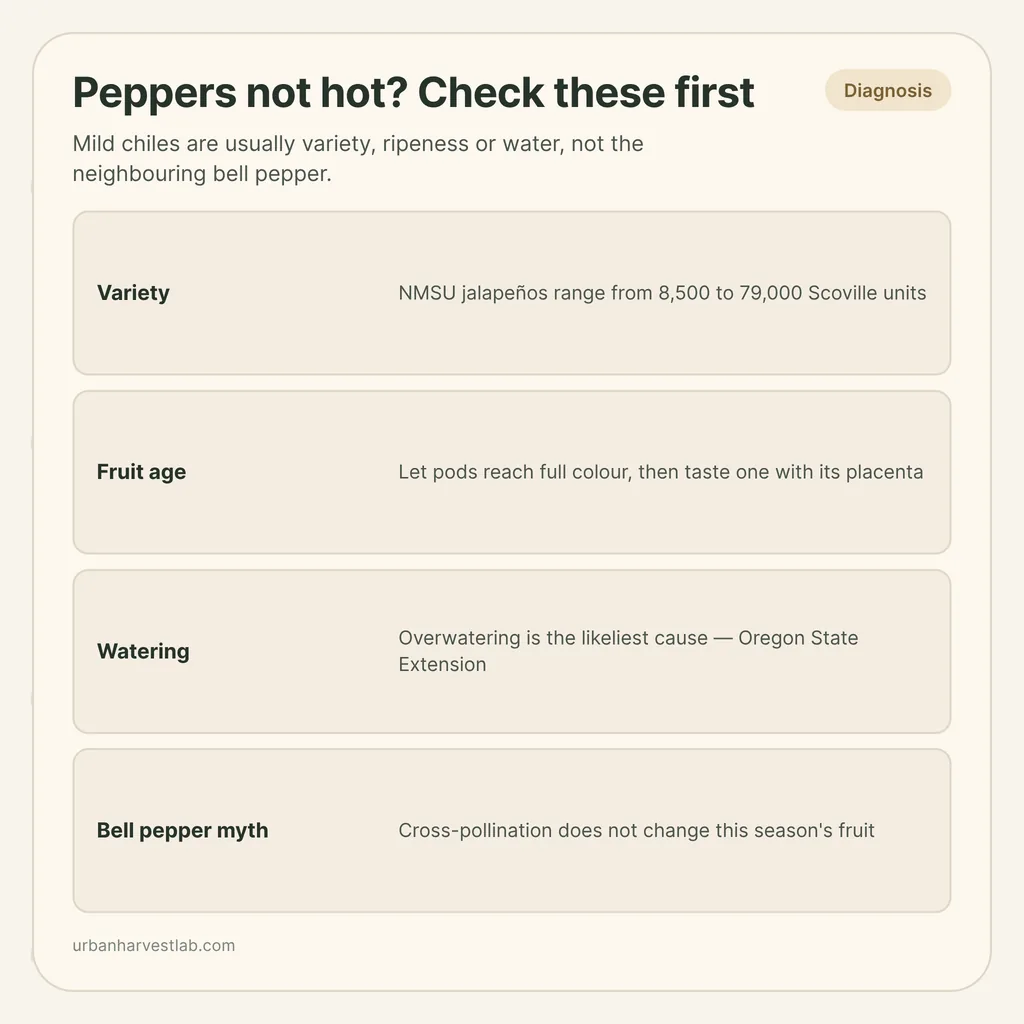
Heat in a chile pepper is set by genetics first, then by weather, growing conditions and fruit age. Cross-pollination from a nearby bell pepper does not change this year's fruit.
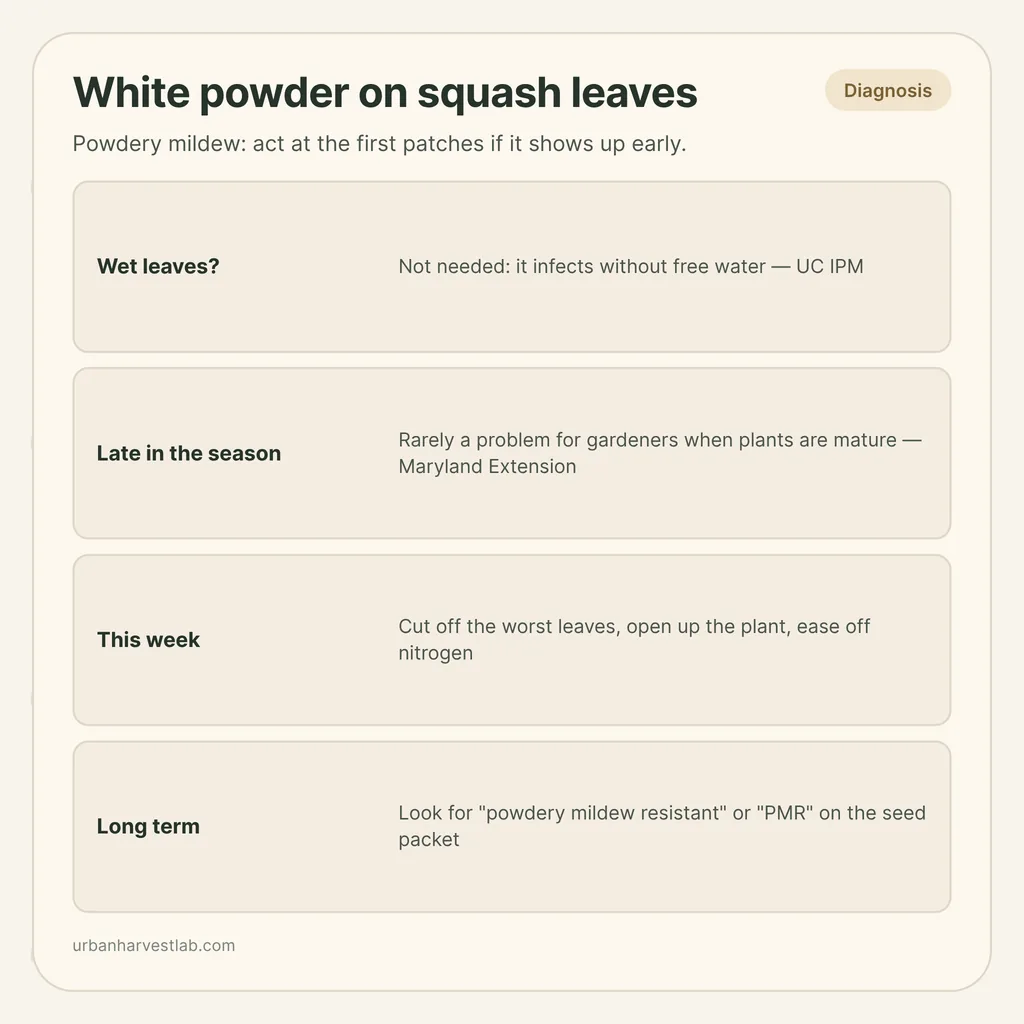
White powder on zucchini and cucumber leaves is usually powdery mildew. Late in the season it is often a nuisance; early on, act before it spreads.
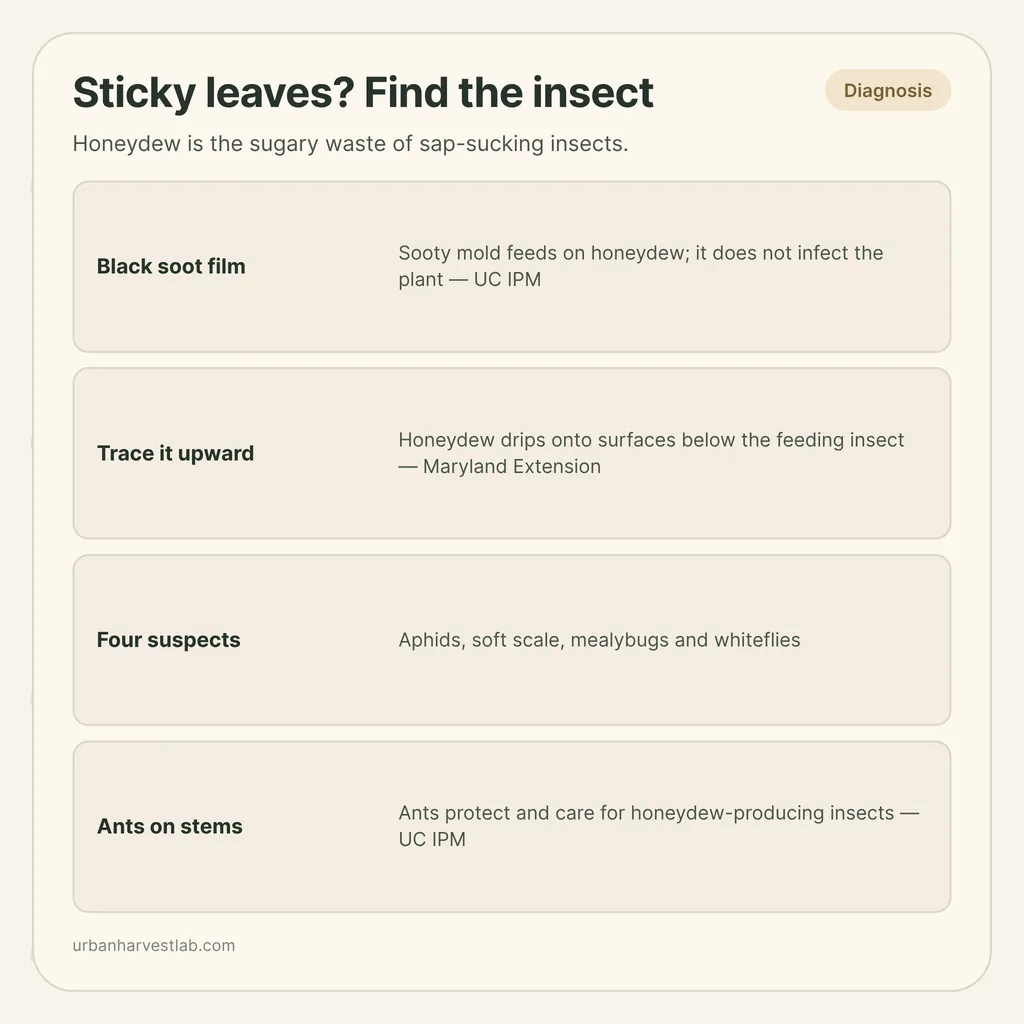
Tacky leaves, a glossy film, or a black soot-like coating all point to honeydew. Here is how to trace it to aphids, soft scale, mealybugs or whiteflies.
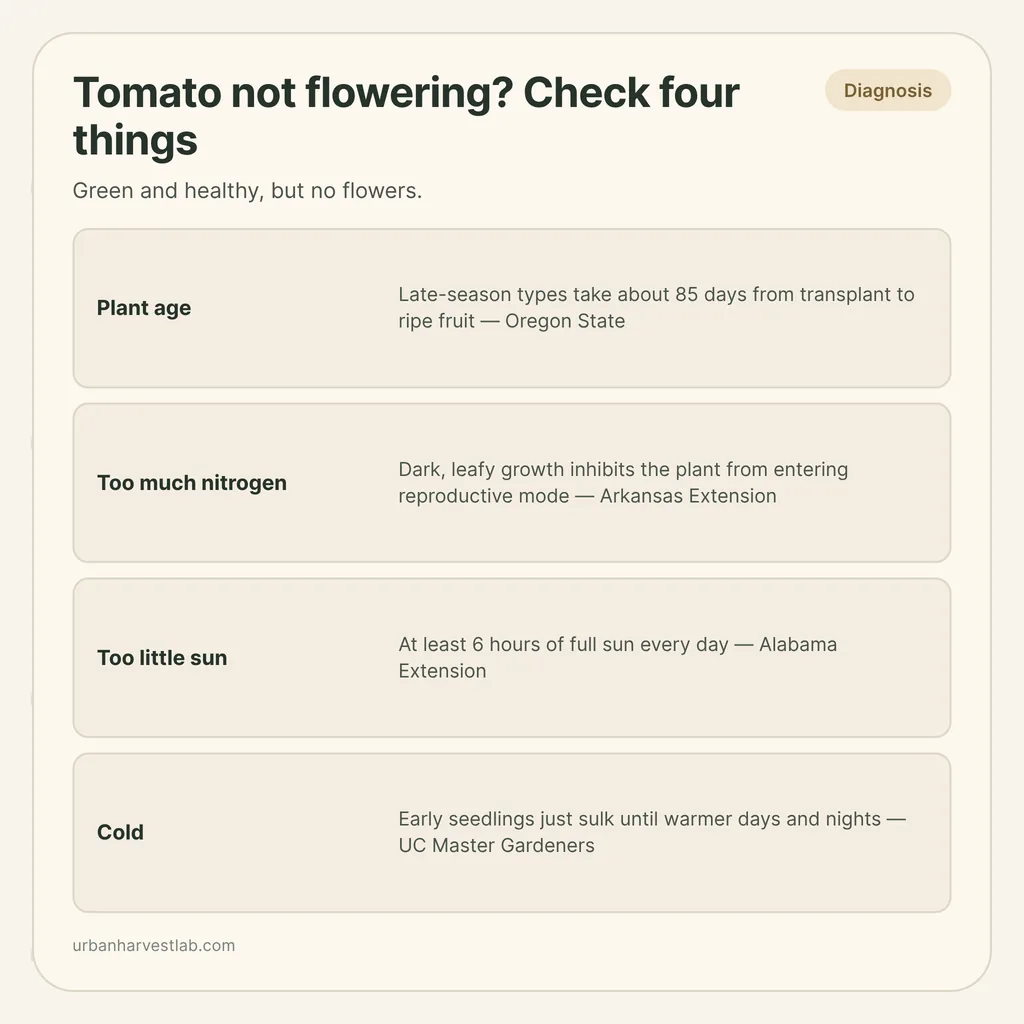
Green, healthy and flowerless: the usual causes are age, light, nitrogen and temperature. Here is how to tell them apart and what to change.
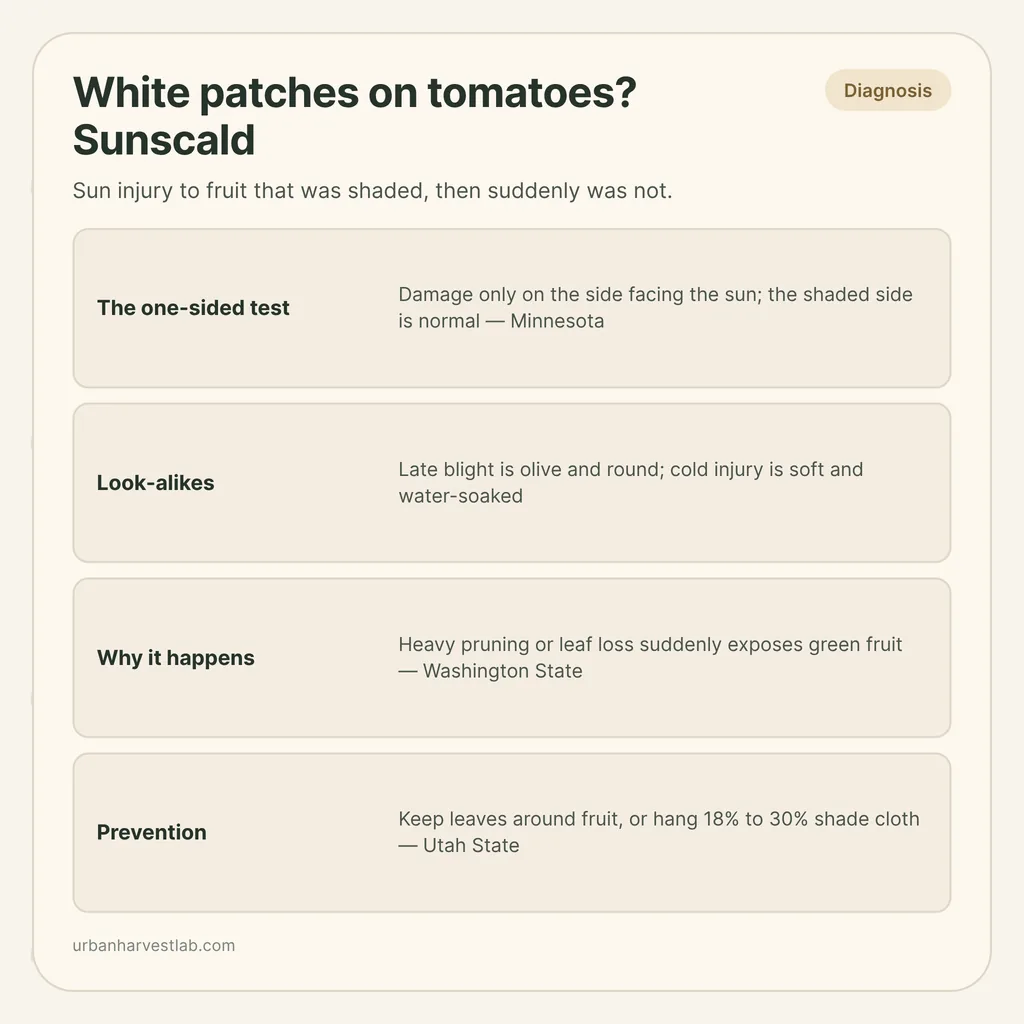
A tomato or pepper that was shaded by leaves and then suddenly was not can bleach on the exposed side. The damage stays on that fruit, but the next ones are avoidable.
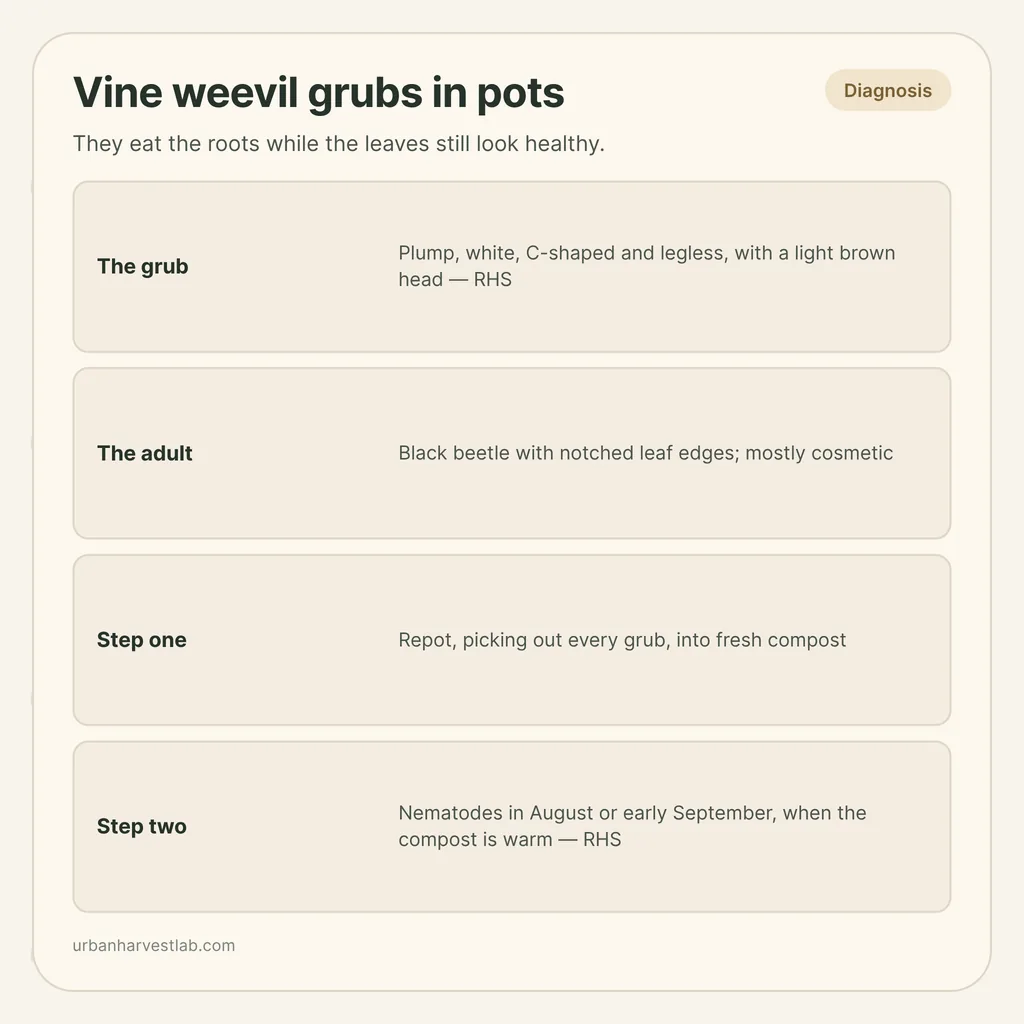
Plump white C-shaped grubs in the root ball, and notched leaf edges above, point to vine weevil. Here is how to confirm it, clear the pot, and use nematodes when the compost is warm enough.
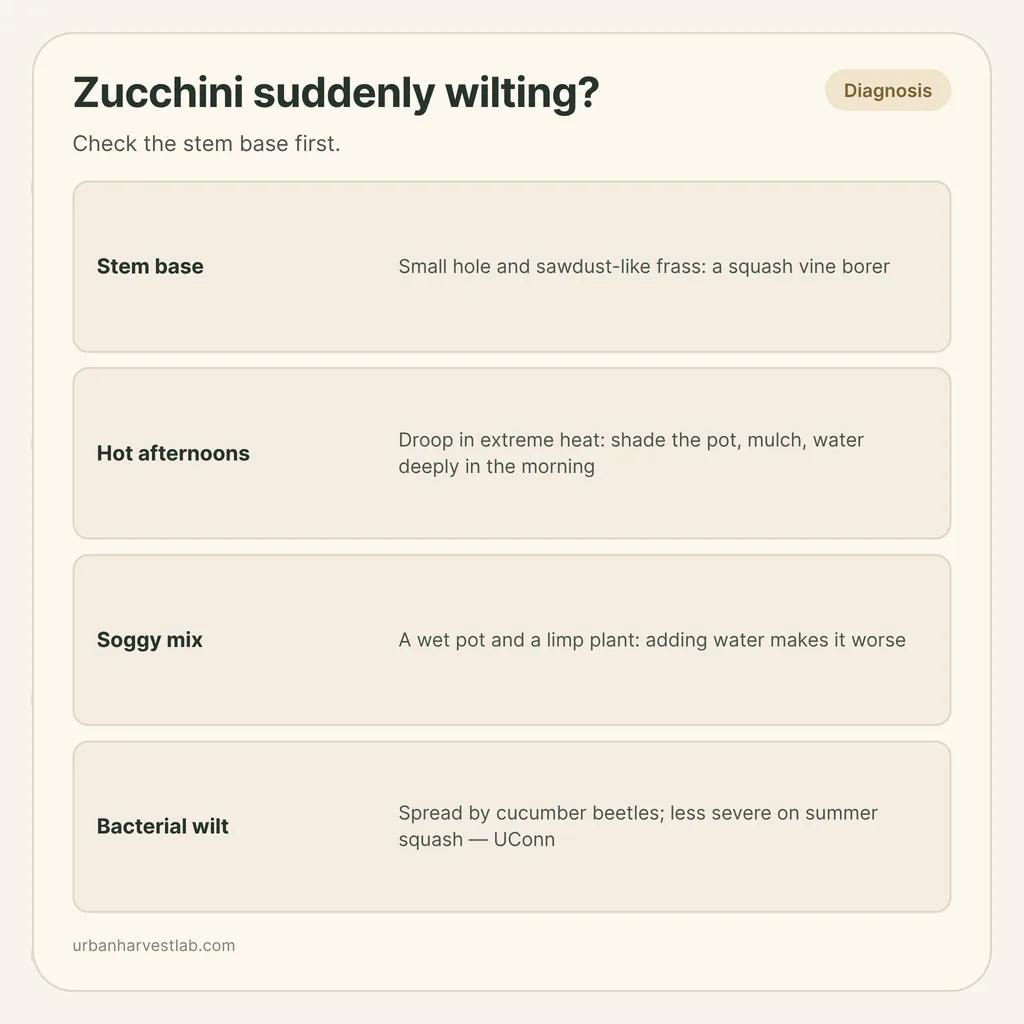
A healthy-looking zucchini that collapses in days often has a borer in the stem. Heat, soggy roots and bacterial wilt are the other suspects, and the stem base tells them apart.
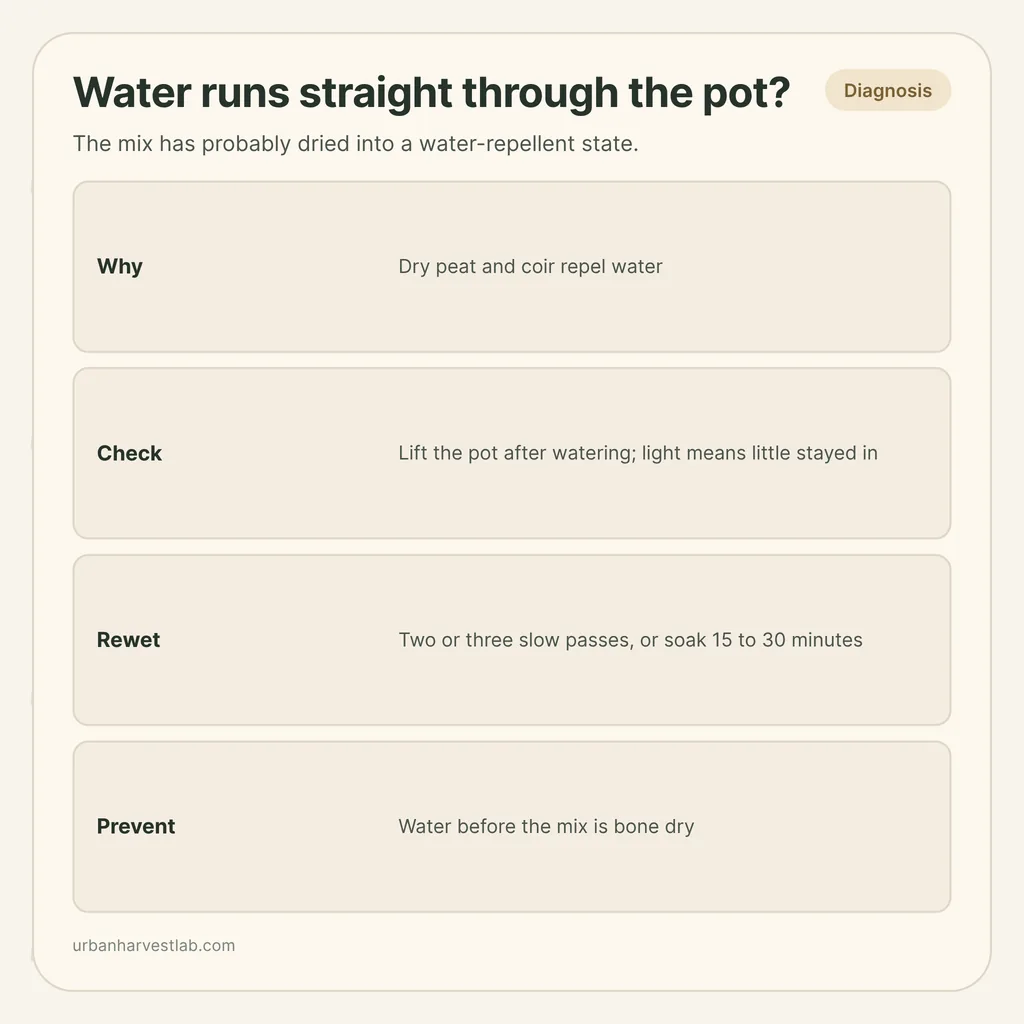
When water runs straight through a pot without wetting the mix, the peat or coir has dried into a water-repellent state. A slow, patient soak fixes it, and a few habits keep it from coming back.
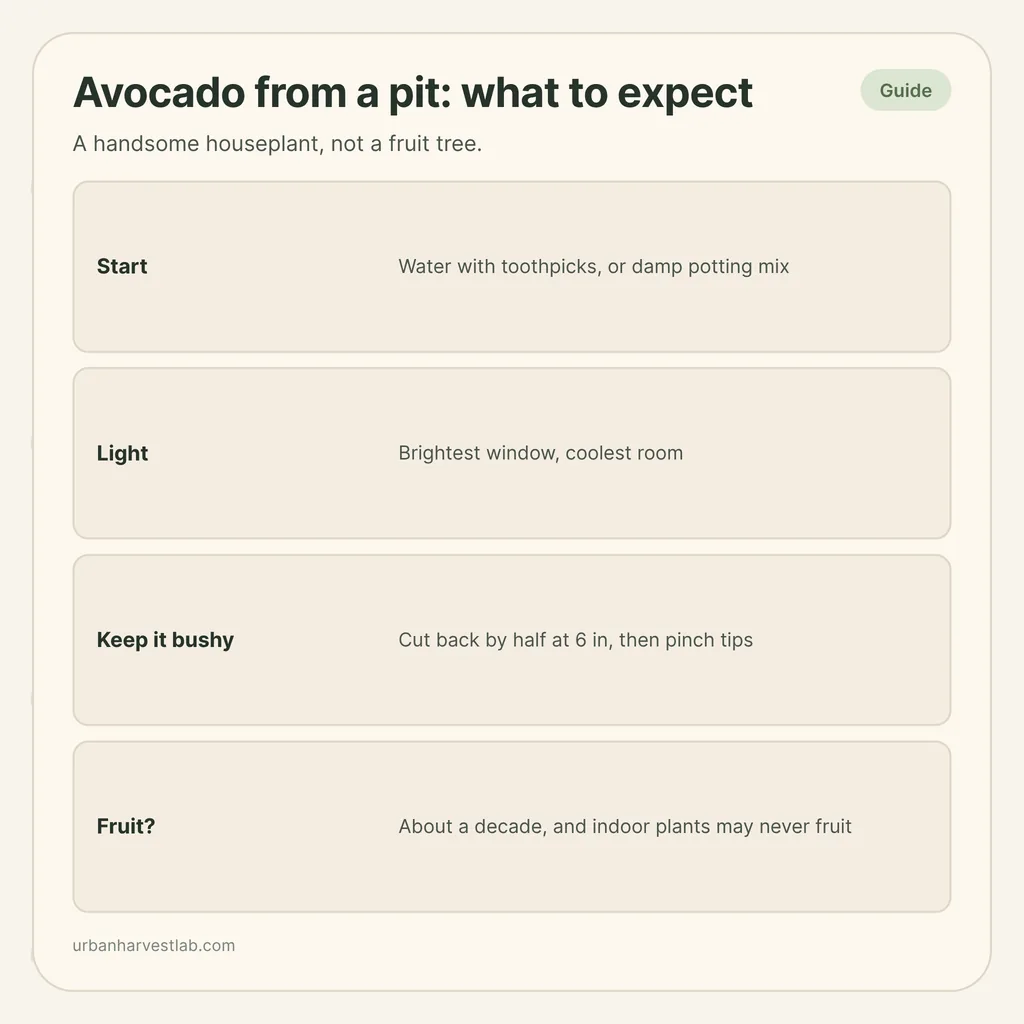
Toothpicks or soil, how long it takes to sprout, and how to keep a leggy seedling bushy. Also the part most guides skip: why the fruit rarely comes.
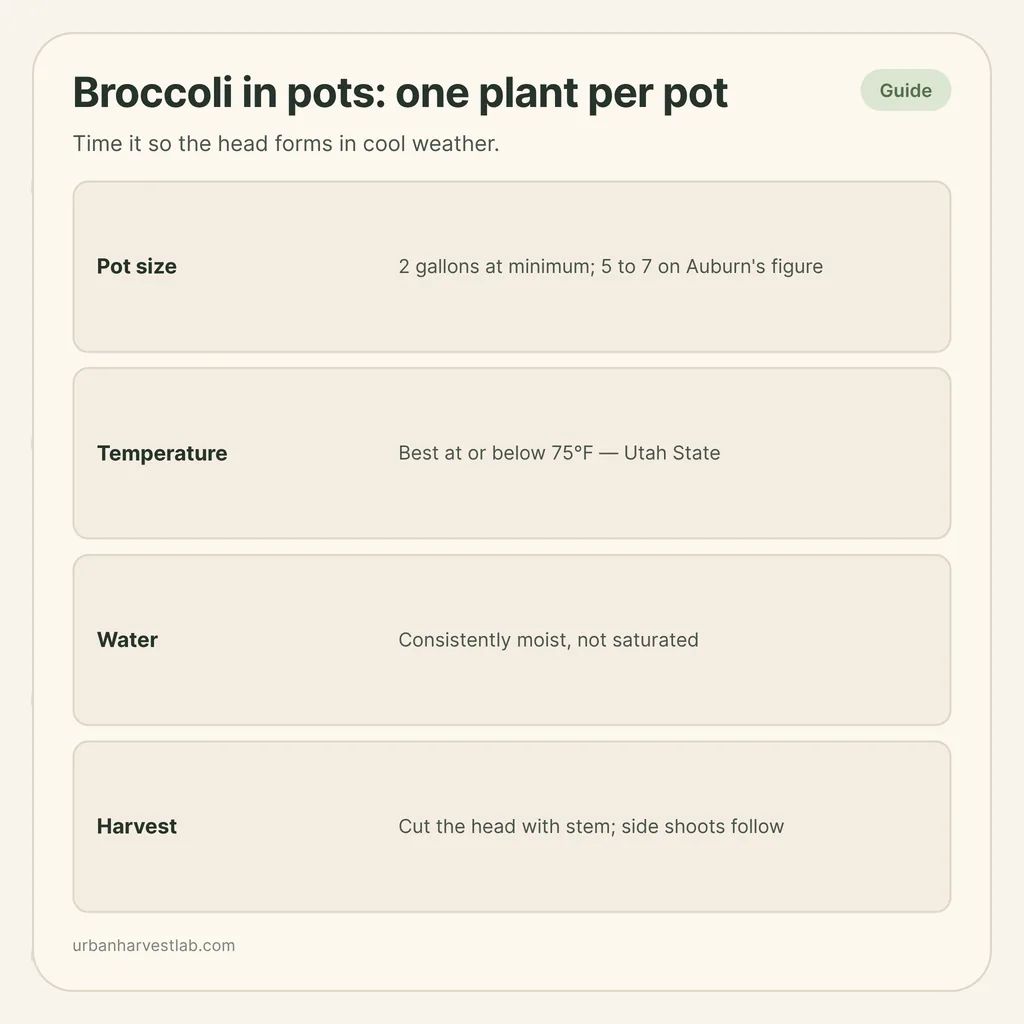
Broccoli works on a balcony if you give each plant its own pot, aim for cool weather, and cut the main head so the side shoots can follow.
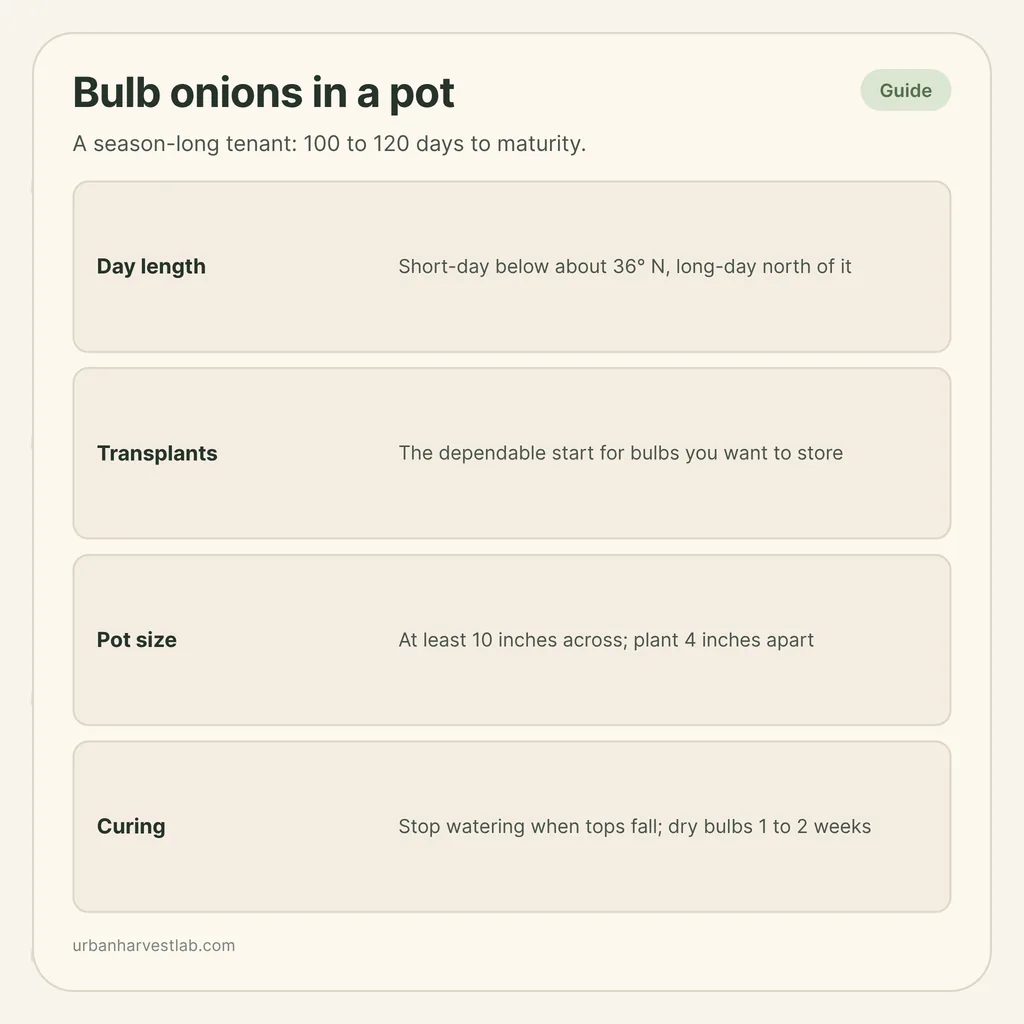
A bulb onion decides when to swell based on day length, not on how big your pot is. Pick the right type, plant transplants, and the container work is simple.
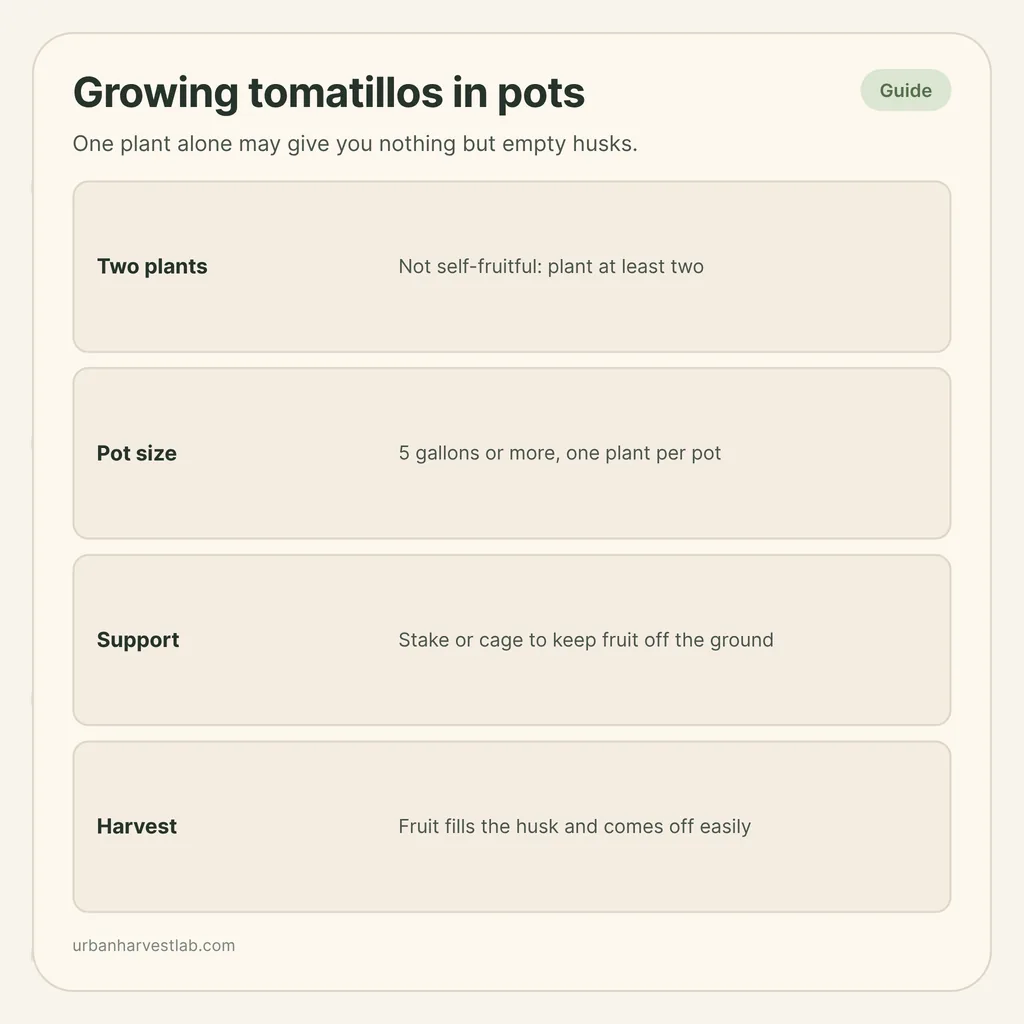
A single tomatillo in a pot flowers happily and gives you papery husks with nothing inside. Grow two, give each a cage, and pick when the fruit fills its husk.

A bucket, a drilled lid, and one low overflow hole turn a free container into a planter that waters itself from below. Here is the build, the fill, and the upkeep.

A planter box on legs is a depth decision first and a weight decision second. Here is how to size one for what you want to grow and for the floor it will stand on.

Fruiting plants are the heaviest light users on an indoor shelf. Extension figures for full-sun plants and a strawberry trial show how much more than herbs, and why hours alone will not close the gap.

The switch from growth to bloom feed is really a staged rise in nitrogen and potassium, timed by flower trusses rather than by the calendar. Here is what the university programmes change, and what they leave alone.

Old reservoir water still carries nitrogen and phosphorus. Put it to work on soil plants, and keep it out of storm drains and waterways.

The four media most home growers choose between behave very differently: one needs a pH soak, one drains in seconds, one carries salt, one falls apart. Here is which fits which system.

Where a symptom starts tells you which nutrient is short. Use the chart to narrow it down, then rule out pH and roots before you add anything to the reservoir.

Watercress is a water-loving crop that suits a still tank, if you keep it cool and refresh the solution. The Hawaii work gives numbers, and CDC gives one food-safety rule worth knowing.

A balcony gives a hydroponic system free light and takes away your control of temperature and water. Here is what to do about the reservoir heat, algae, rain and wind.

Woody Mediterranean herbs evolved for dry roots, so constant water culture is the wrong default. Here is what the research shows and which systems suit them.

Fish waste becomes plant food through two kinds of bacteria. What that means for a home setup: the start-up wait, fish and crop choices, daily upkeep and handling raw greens safely.

A tower grows many more plants per square foot of floor than a flat system, but plants at the base get less light and yield less. Light and pump head decide whether one suits you.

Vinegar works for a day and costs you growth. Here is what a university trial measured when vinegar and lime juice were compared with pH Down, and what to do instead.

Amaranth is a warm-season crop with a tiny seed, so the tray rewards thin sowing, a warm start and a cut at the cotyledon stage rather than a long wait.

Utah State's table gives arugula the lowest seeding rate (10 g per tray), a 1-2 day cover and 6-8 days to harvest, with a peppery flavor to match.

Extension sources soak buckwheat for 6 to 12 hours, cover it for about three days and grow it like sunflower or pea. One plant compound sets it apart.

Chia is the opposite case to the soak-first crops: the seed coat releases mucilage the moment it is wet, so the method is dry seed, a thin layer and careful water.

Cress is a small-seeded, peppery brassica relative that grows on almost any damp surface. Here is what extension sources say about timing, seeding rate, paper versus soil, and when to cut.

Red cabbage is a fast brassica grown for its purple stems and its nutrition reputation. Here is what the sources support about colour, light and what to expect from a tray.

A jar sprout is grown wet and dark and eaten whole, root and seed included. Here is the rinse routine, and the FDA and CDC advice on who should cook theirs or skip them.

Old water from a freshwater tank is a mild, incomplete feed. What it holds, which tanks to rule out, and how to use it on a pot without adding to salt buildup.

Bone meal is a phosphorus source and blood meal is a nitrogen source, so the choice follows the nutrient your plant is short of. Feather meal is the third option, with its own release-speed puzzle.

Cinnamon dusted on seed trays is a popular fix for damping-off and soil mold. The research behind it is real but narrower than the claim, and sanitation and watering do the actual protecting.

Compost tea promises disease control and a microbe boost, but controlled trials are few and mixed, and additives can grow Salmonella and E. coli. Here is what holds up.

Pouring pharmacy peroxide on roots is a popular rescue for overwatered plants. Here is what USDA and a controlled root-dip trial actually show, and why the oxygen claim falls short.

Rinse water from rice does contain nutrients. A Malaysian field trial matched a full fertilizer rate with daily watering, which is not something a potted herb tolerates.

Fireplace ash raises pH fast and carries salts, and every published rate is for lawns and garden beds. A pot has no room for error, so the safe default is to leave it out.

Basil is sold as one plant but behaves like several. Here is how to choose between Genovese, Thai, lemon, purple and dwarf types when you only have room for a pot or two.

Bay laurel suits a pot because it grows slowly, but slow is not the same as stuck. Here is what a container bay needs, how to prune it, and what to do about scale and winter.

Blueberries are fussy about acidity, not about space. Here is the pot size, the mix, the pollination partner and the watering that keep a container bush fruiting.

Not every pot deserves a spot on the windowsill. Here is how to decide what comes in, clear the pests, and get the plants through the light drop.

Chamomile is easy in a pot once you pick the right type and leave the seed uncovered. Here is how German and Roman differ, how to water, and when to pick and dry the flowers.

Chervil is a cool-season herb that bolts in heat and sulks when moved. Sow it where it will grow, give it shade and steady water, and resow in small batches.

Four words on a seed packet decide whether a plant fits your balcony, and they do not mean the same thing. Here is what each one tells you and what it leaves out.

A crowded perennial herb does not need a bigger pot. Split the clump, discard the tired centre, and replant the healthy sections in fresh mix.

A potted dwarf lemon can fruit on a windowsill, but only with strong light, careful watering and a paintbrush. Here is what each stage needs, winter included.

A few edible flowers do well in containers. The real question is safety: what you can eat, where it was grown, and what to leave on the plant.

A fig in a container needs a big pot, strong sun, regular water and a dormant winter in an unheated, frost-free spot. Here is how to size, prune and overwinter it.

Ginger and turmeric are tropical rhizomes that a pot makes manageable anywhere. The trick is warmth at the start, patience while they sprout, and a long season before harvest.

A kit is the easiest way to grow mushrooms indoors: soak, mist, wait for pins, then cut. What to do on each step, what a bad block looks like, and how to store the harvest.

A hanging basket frees floor space but dries out faster than most containers. These are the edibles that cope, the ones that do not, and a watering routine that keeps the basket alive.

Hardening off is a week or two of gradually longer, sunnier days outside before a seedling is planted out for good. Enter your planting-out date and get the day-by-day schedule.

A jar with no hole turns every watering into a gamble. Here are the three setups that work, the one that mostly does not, and which herbs to put in each.

A leek is a slow, shallow-rooted crop that earns its white stem from soil piled around it. In a pot that means planting deep, leaving headroom, and keeping the mix evenly moist for months.

Lemon balm is a mint-family herb that behaves differently from mint: it spreads by seed, not runners. A pot keeps it in bounds if you cut it back before the seed forms.

Lemongrass is a tropical grass that a pot keeps portable. Start from a grocery stalk, give it sun and heat, and move it inside when autumn turns cold.

Marjoram is oregano's milder, sweeter cousin, and in most climates it is a tender plant you treat as an annual. Here is how to start it, pot it, harvest it and decide whether to keep it over winter.

Most melon vines are too big for a balcony. A bush or small-fruited variety, a large pot, a trellis with fruit slings and a paintbrush make it workable.

A container raspberry lives or dies on three choices: which type you buy, what holds the canes up, and which canes you cut. Here is each one, with the pot sizes and cane counts the extension services give.

A rhubarb planting stays productive for 8 to 15 years, according to Michigan State Extension, so the pot, the winter and the patience matter more than any feeding trick. Here is what a container changes, and what it does not.

Tomatoes, peppers, beans and peas are the easiest vegetables to save seed from, as long as the variety is not an F1 hybrid. Here is how to do each one from a pot.

Covers add a few degrees on cold nights and far more heat on sunny days. Here is what each device buys you on a balcony, and how to pick one you can manage.

Leftover seed is usually still good, but how long depends on the crop and where it sat. Here are the sourced ranges, how to store packets, and a test that runs for the germination time on the packet.

Shiso grows quickly in a container, but it flowers as nights lengthen and then drops seed everywhere. Here is how to start it, keep it bushy and control the volunteers.

Sorrel is a perennial that returns each spring and gives lemony leaves from spring to autumn. Here is how to keep it in a pot, pick it young and use it sensibly.

Stevia seed germinates poorly, the leaves are sweetest before the plant flowers, and the plant will not survive a freezing winter outdoors. Here is how to handle all three in a pot.

Sweet potatoes are a warm, patient crop, and a deep pot on a hot balcony suits them. Here is how to start slips, plant them, know when to dig and cure the roots.

Tarragon seed usually gives you the bland Russian type, and French tarragon hates wet feet. Here is how to buy the right plant, pot it, propagate it and carry it through winter.

Seed packets ask you to sow thick and then remove most of what comes up. Here is when to do it in a pot, how to cut without hurting the keepers, and what to do with the extras.

A wall of pockets looks like free growing space. Whether it is depends on how often you can water, how much light the wall gets and what you plant in it.

Flower buds on basil are the plant switching from leaves to seed. Pinching them off keeps leaf production going; letting them open trades leaves for pollinator food.

Bitterness comes from cucurbitacin moving into the fruit when the vine is stressed. Learn how to rescue mild cases, keep pot cucumbers sweet, and tell when bitter fruit is not worth eating.

Potted tomatoes swing between soggy and bone dry faster than garden ones, and that swing is what starves the fruit of calcium. Steady watering fixes most cases.

Three common diseases cause brown spots on tomato leaves, and each leaves a different mark. Read the spot, then pick the response that fits.

Three look-alike green caterpillars feed on kale, and a white butterfly fluttering round the pot is the early warning. Here is how to tell them apart and what actually protects a container crop you plan to eat.

Hornworms are green, up to 3 inches long, and nearly invisible among the leaves. The droppings give them away, and hand removal is the first and often only fix a balcony needs.

Where the yellow starts and whether the veins stay green separate nitrogen, iron, magnesium and wet roots on a potted lemon, lime or orange.

Where the yellow starts and what it looks like tells you whether a potted cucumber is hungry, waterlogged, mildewed or infested.

Male-only blooms at the start are the usual cucumber pattern. Learn how to spot the first female flower, what delays it, and when to step in.

Earwigs in a pot are usually sheltering, and they eat aphids. They only earn a trap when you can show they are chewing seedlings, lettuce, or soft fruit.

Raised bumps under the leaves that start clear and turn tan and corky are usually edema, caused by too much water and too little evaporation, not an insect.

Fruit flies breed in fermenting food and drains. Fungus gnats breed in damp potting mix. Where the flies gather tells you which one you have, and the fix for each is different.

A full-size green tomato that refuses to blush is usually waiting on the weather. Heat above the mid-80s and nights below the mid-50s both stall color, and fruit picked at the right stage will finish indoors.

Lavender is built for dry, stony ground, so a pot that holds water kills it faster than neglect does. Work through drainage, winter, light, and pruning in order.

A plant that sheds leaves in the weeks after moving inside is mostly adjusting to much weaker light. Dry winter air, drafts and carried-over watering habits add to it.

A houseplant or seedling that goes straight into outdoor sun can bleach within hours. The damaged leaves will not heal, but the plant usually does.

A tall, thin, floppy seedling is telling you it is short of light, too warm, crowded, or started too early. Find which, fix the setup, and bury the stems that can take it.

Curling pepper leaves are harmless in a heat wave and a warning when they come with distorted new growth. Here is how to tell the two apart.

Flowers that open and fall without setting fruit point to temperature, nitrogen, water, shade or wind. Work through them in order and match each to what you see.

Grey, armoured, roll-into-a-ball creatures in your potting mix are usually decomposers. Here is when they threaten seedlings, how to confirm it after dark, and what actually reduces them.

Sage is a drought-tolerant Mediterranean shrub, so brown leaves in a pot point to drainage first, age second, and disease or pests after that.

Purple stems and leaf undersides on seedlings are a stress response, and cold roots are one of the commonest triggers. Often it is a short-lived stress rather than a mix that needs fertilizer. A few checks separate the harmless cases from the ones that need action.

Craters in the soil, uprooted seedlings and bare roots on the rim usually mean a squirrel or a dust-bathing bird. Cover the soil surface and the digging loses its payoff.

A strawberry pot with leaves and no berries is rarely sick. The variety type, the plant's age, the sun, the heat and an early frost explain most of it.

Flowers that yellow and fall without setting fruit are usually reacting to temperature or stress, not disease. Work out which, then change the one thing that applies.

Most curling tomato leaves are a harmless response to heat or uneven watering. Twisted new growth, bronzing, or stunting points elsewhere.

Which leaves yellow, and in what pattern, tells you whether a potted tomato is hungry, waterlogged, short of magnesium or diseased.

Midday droop that clears by evening is usually heat. Wilt that stays after watering points to rotting roots or a vascular disease, and a cut stem tells you which.

Cracked tomatoes are almost always a water-swing problem. Learn which split you have, whether the fruit is safe to eat, and how to stop it in pots.

Wilting after transplanting is common and usually temporary. Prevention is mostly hardening off and watering; recovery is measured in days to a couple of weeks.

Zucchini rotting from the blossom end has three possible causes, and the fruit itself tells you which. Here is how to read it and what to change in a container.

Arugula is quick, cool-loving and easy in a container. What goes wrong is heat: plants bolt and the leaves turn sharp. Here is how to sow, pick and time it.

Bush beans crop in a burst from a small pot with no support. Pole beans climb a trellis and keep producing for longer. Here is how to choose, plant and pick each one in a container.

A beet seed is really a cluster of seeds, so a pot sown once comes up crowded. Thinning on time, and watering evenly, is what turns that crowd into round roots.

Bok choy suits a balcony pot better than most brassicas, but only in cool weather. Here is the pot, the spacing, the sowing window and the bolting fixes.

Eggplant is the heat-lover of the container garden. One plant, a 5-gallon pot, a warm spot and a cage cover most of it. The rest is timing, steady water and a gentle tap on the flowers.

Kale suits containers: it is shallow-rooted enough for a modest pot, shrugs off frost, and gives leaf after leaf if you pick from the bottom.

Peas are a cool-season crop that suits a pot well, as long as the support goes in at sowing and the plants finish before summer heat arrives.

Radishes are one of the fastest crops you can grow in a pot, and the one that most often goes wrong in the same way: big leaves, no root. Here is what to change.

Chard is one of the few vegetables that rewards a small pot for months. The trick is cutting the right leaves, keeping the pot evenly moist, and planning for what summer heat does to it.
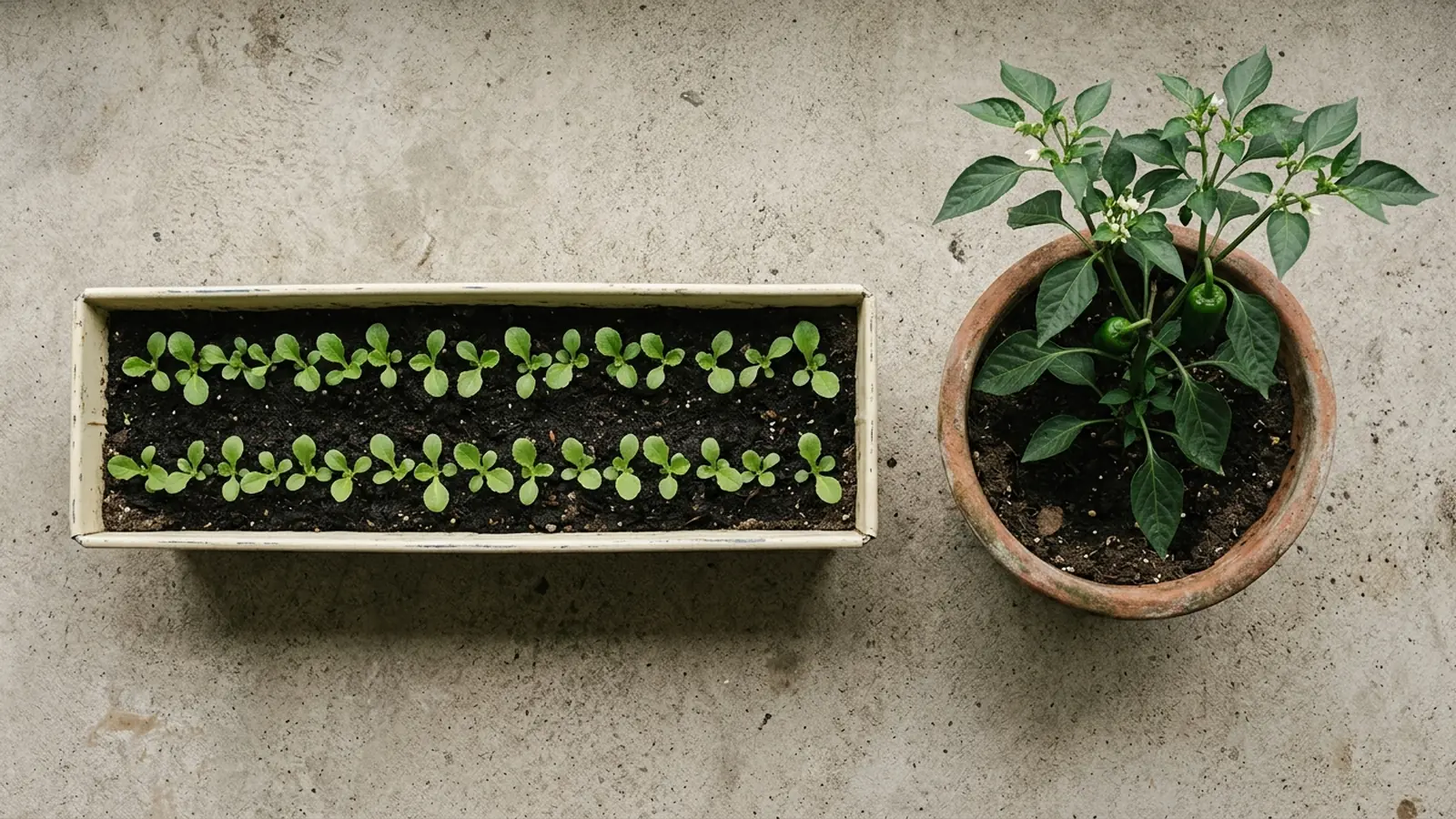
Most container guides answer the opposite question -- one plant, what pot? The one people actually ask standing over an empty window box is how many go in, and it has two answers that have to agree.
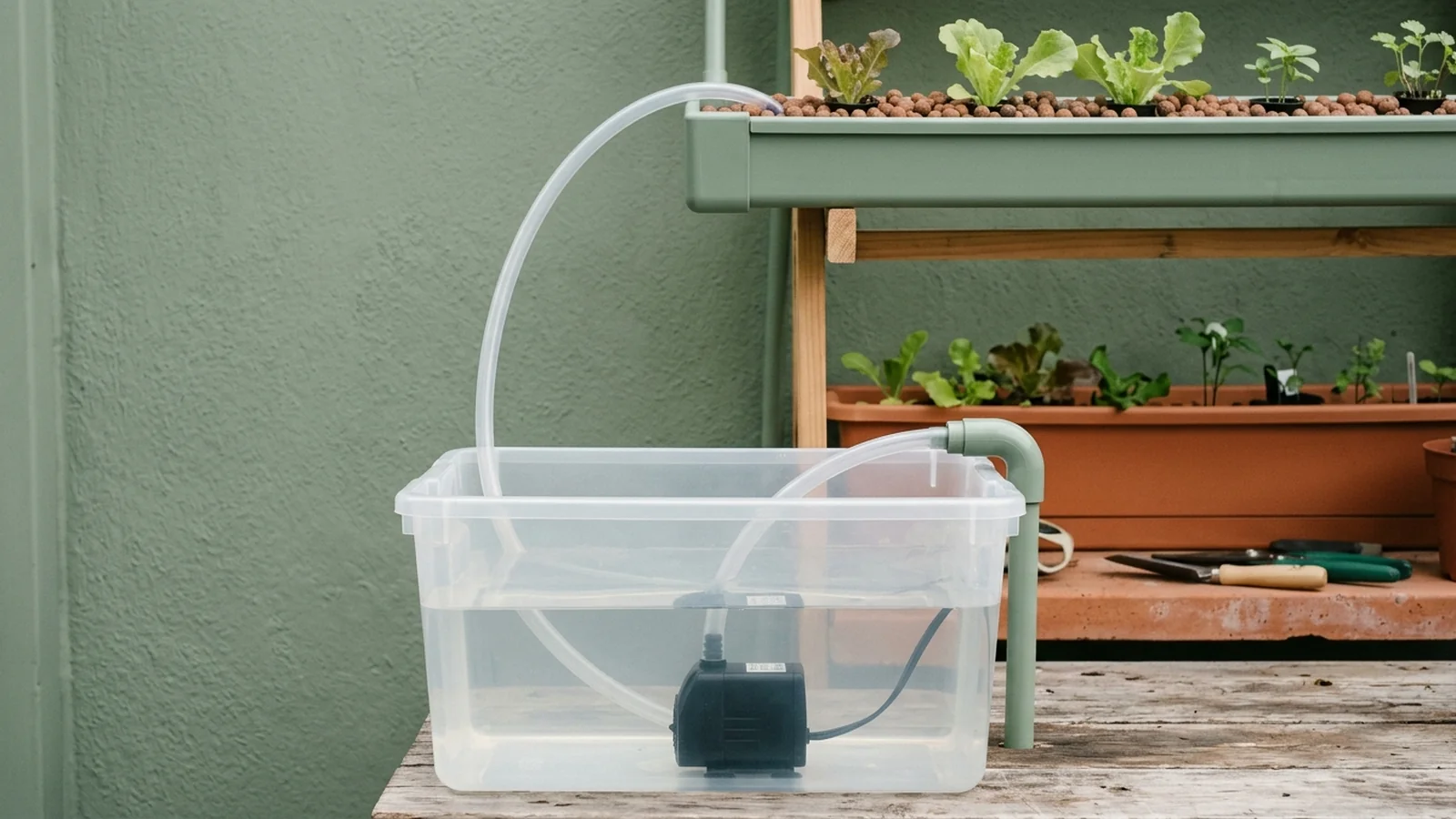
The GPH figure on a submersible pump's box is measured with no vertical lift at all. The moment that pump has to raise water, flow drops along a curve specific to that model, reaching zero at its maximum head.
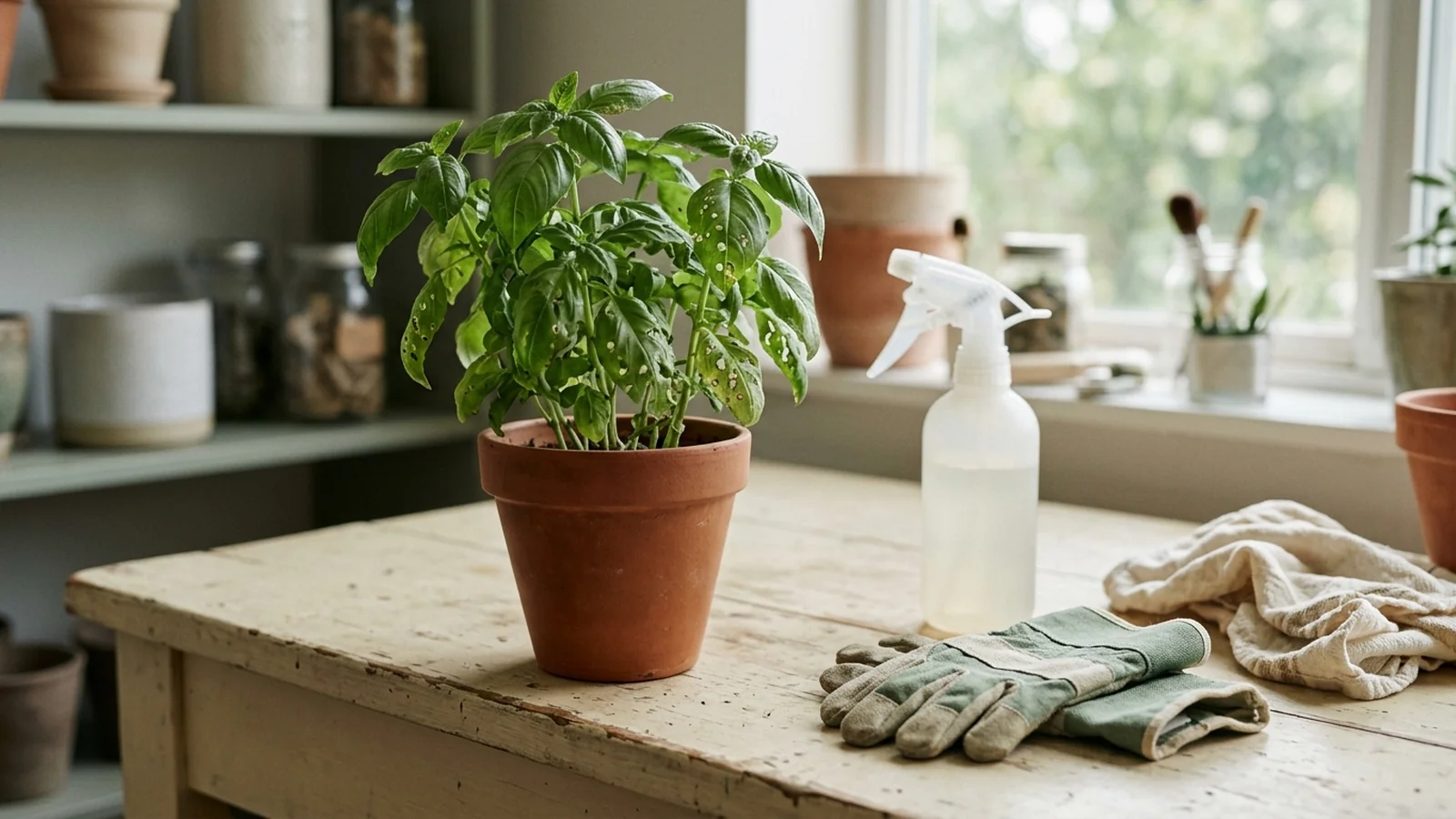
Once you know which pest you have, the next question is what you can treat it with without compromising the food. The answer is a ladder of methods, and the label on any product you buy sets the legal limits of the top rung.
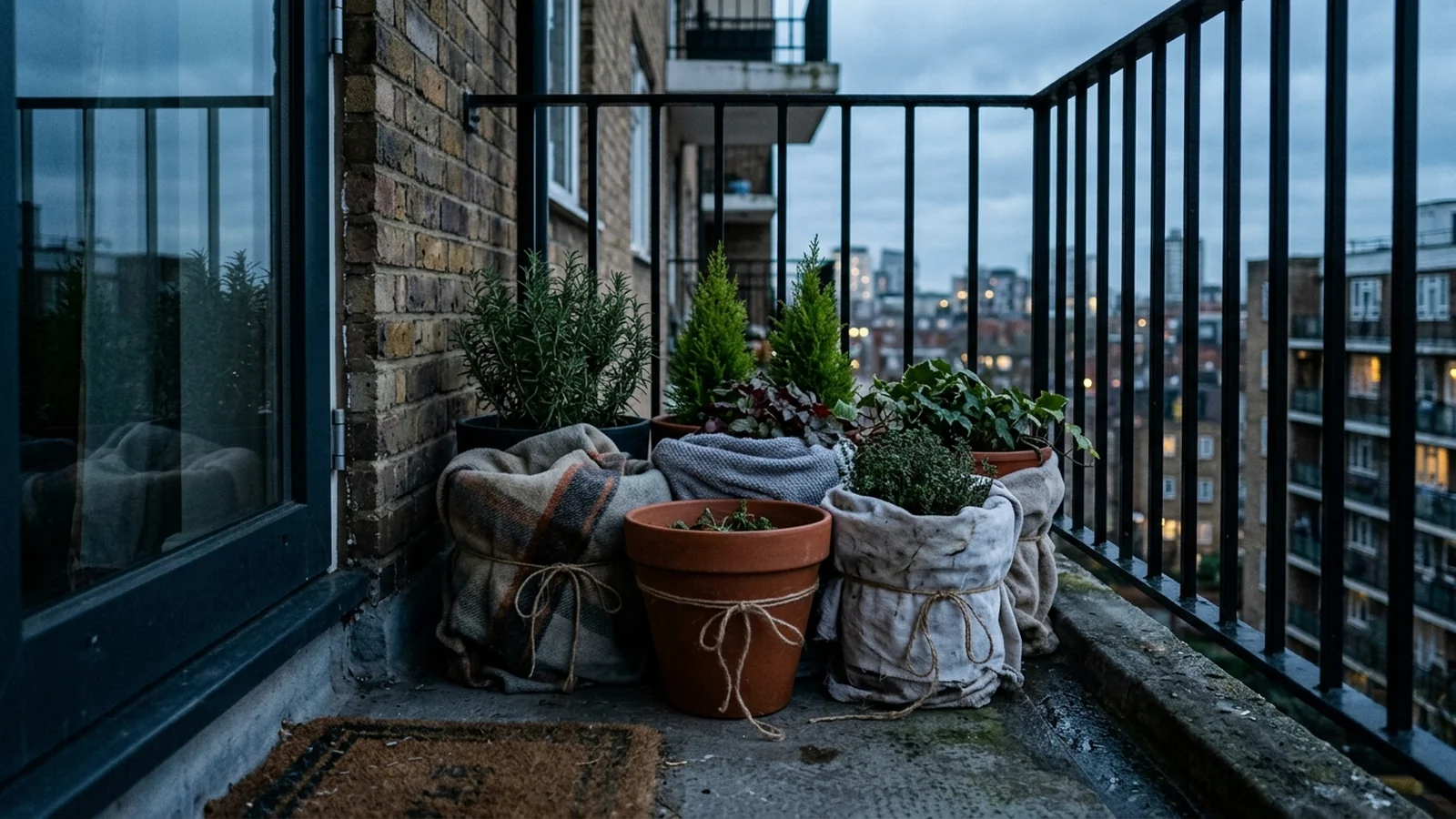
A frost or freeze warning lands differently when the only space you have is a balcony, a windowsill, and a flat with no garage to wheel anything into. Here is the version of this response that assumes that.
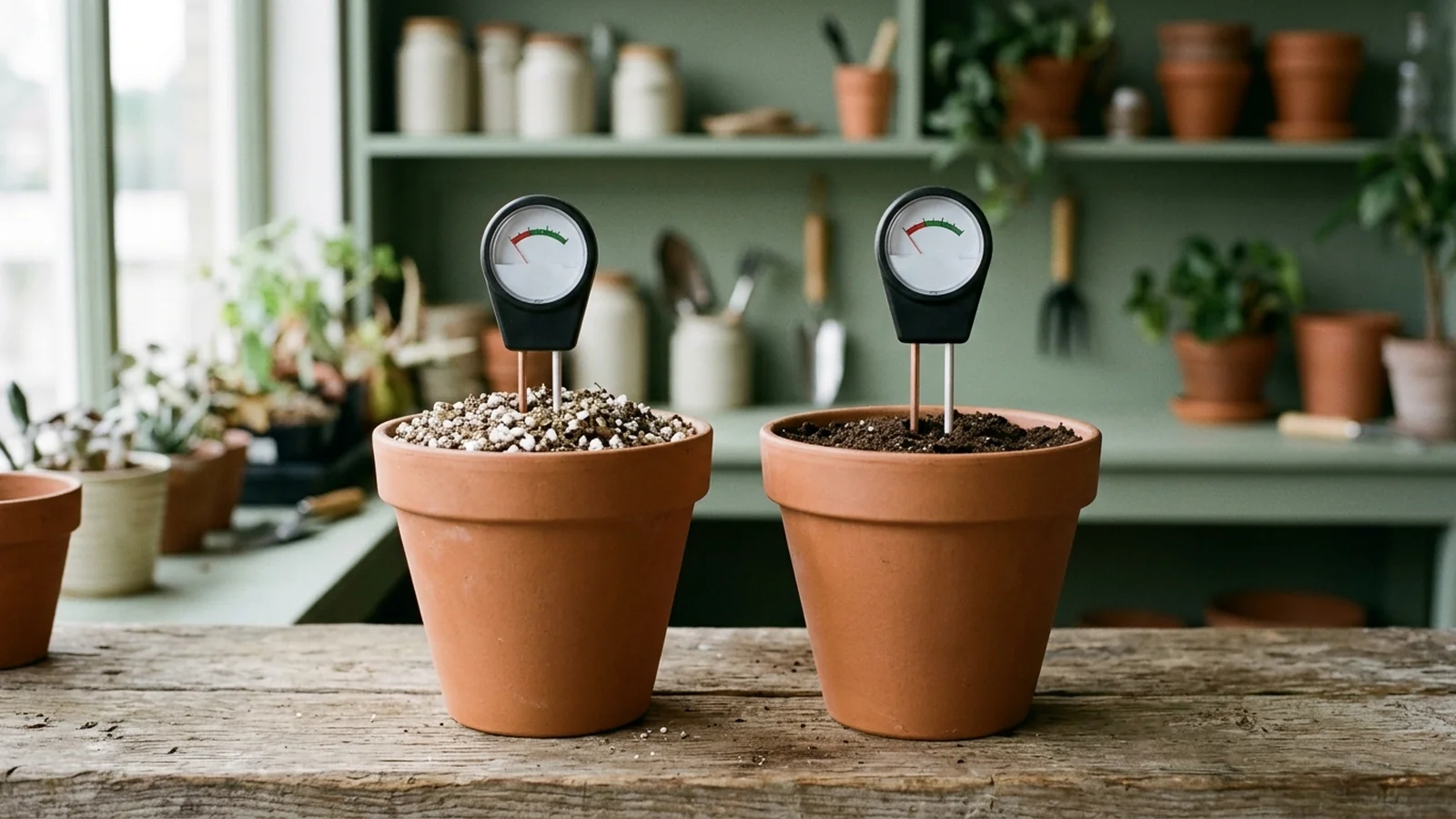
The two-prong dial in most garden centers does not touch water directly. It reads an electrical signal that salts, contact, and depth all distort, and knowing that changes how you should read the dial.
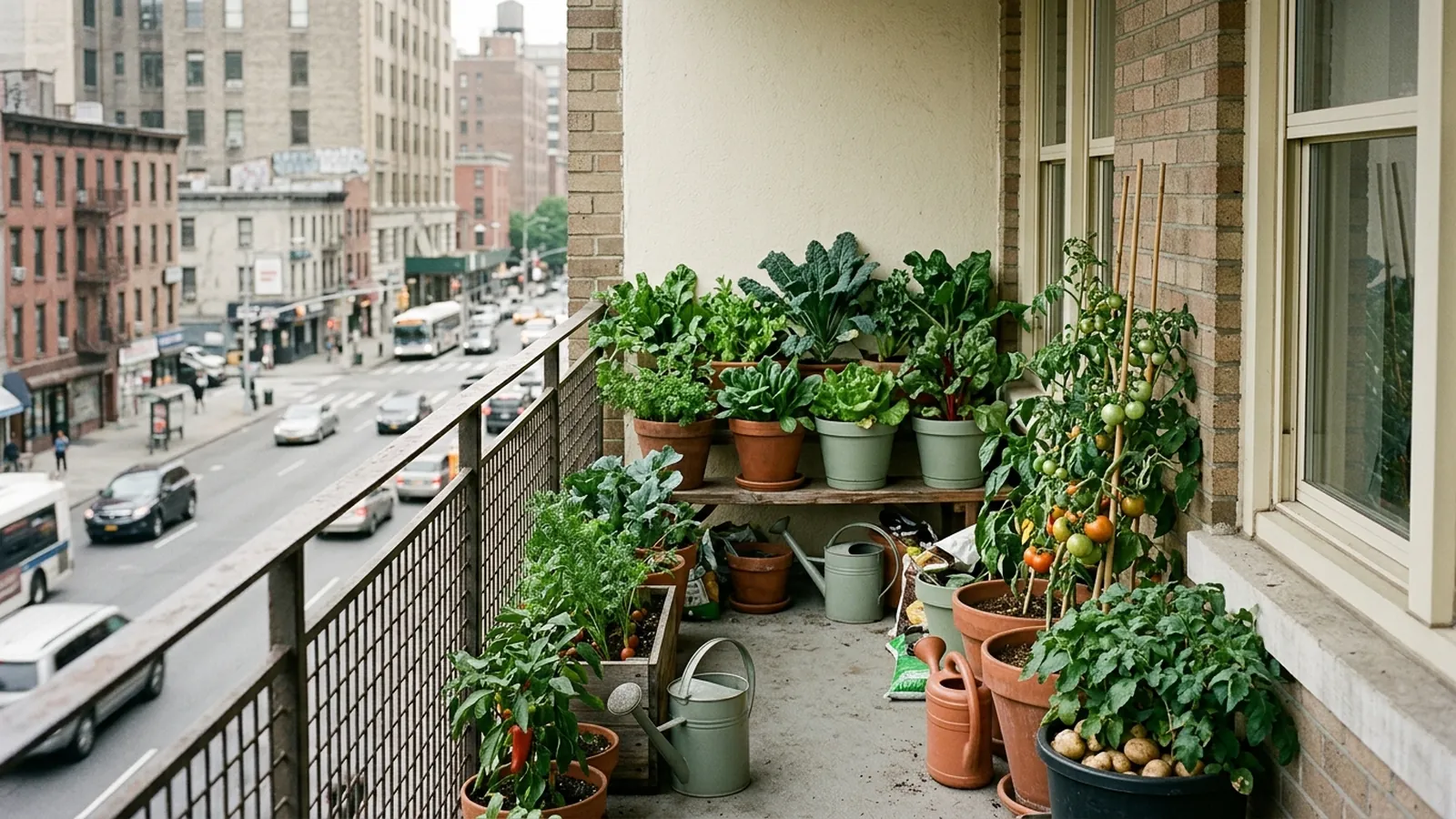
Almost every published answer to this question is about lead in urban ground soil. A balcony starts from a bag of potting mix, which moves the question from what roots take up to what settles on leaves — and flips the usual advice about which crops are the safe ones.
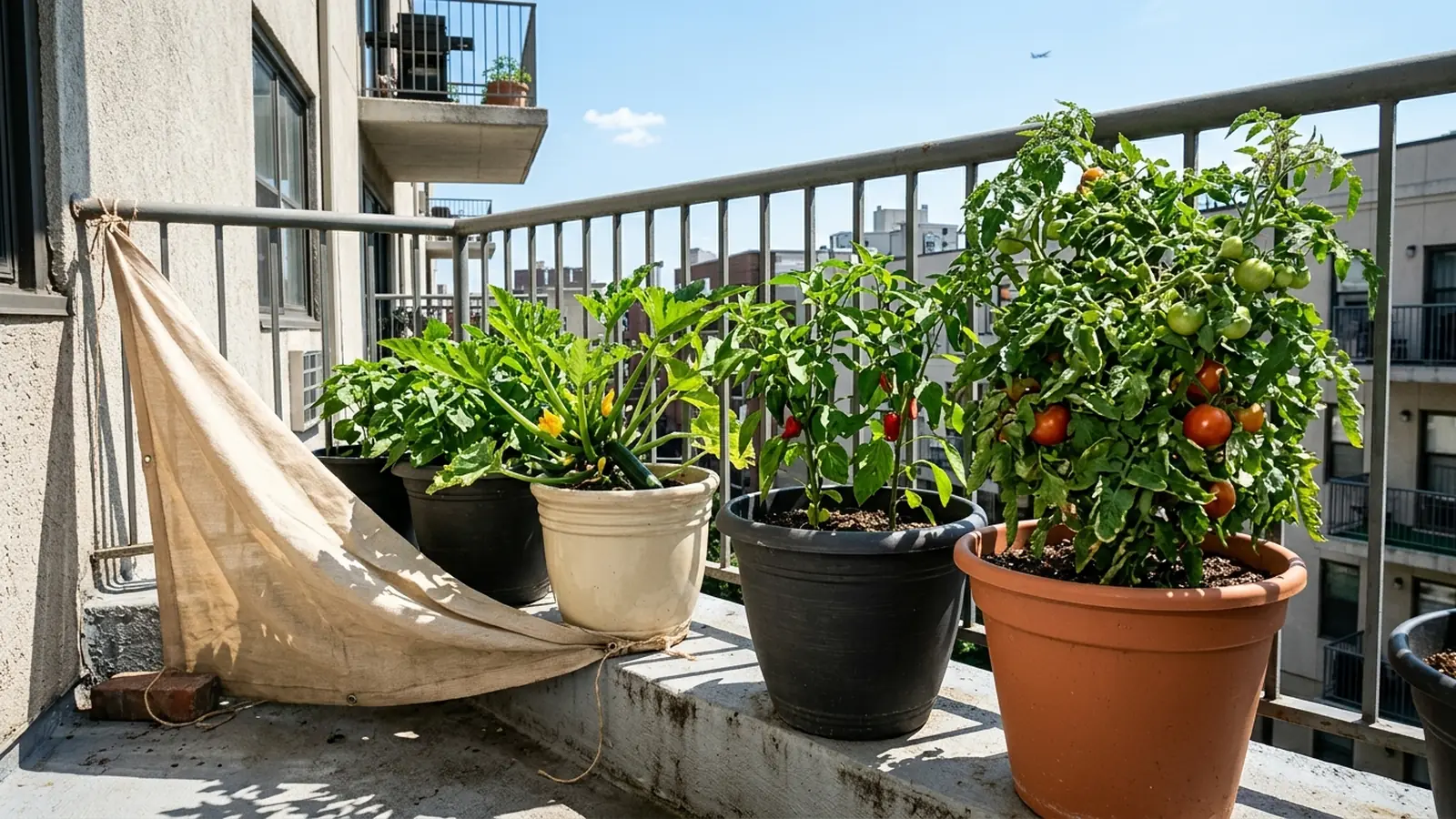
A balcony that tracks 6 or more hours of direct sun can carry the fruiting crops every shadier balcony has to skip. The trade is a container that heats up far faster than garden soil, and managing that trade is the real work.
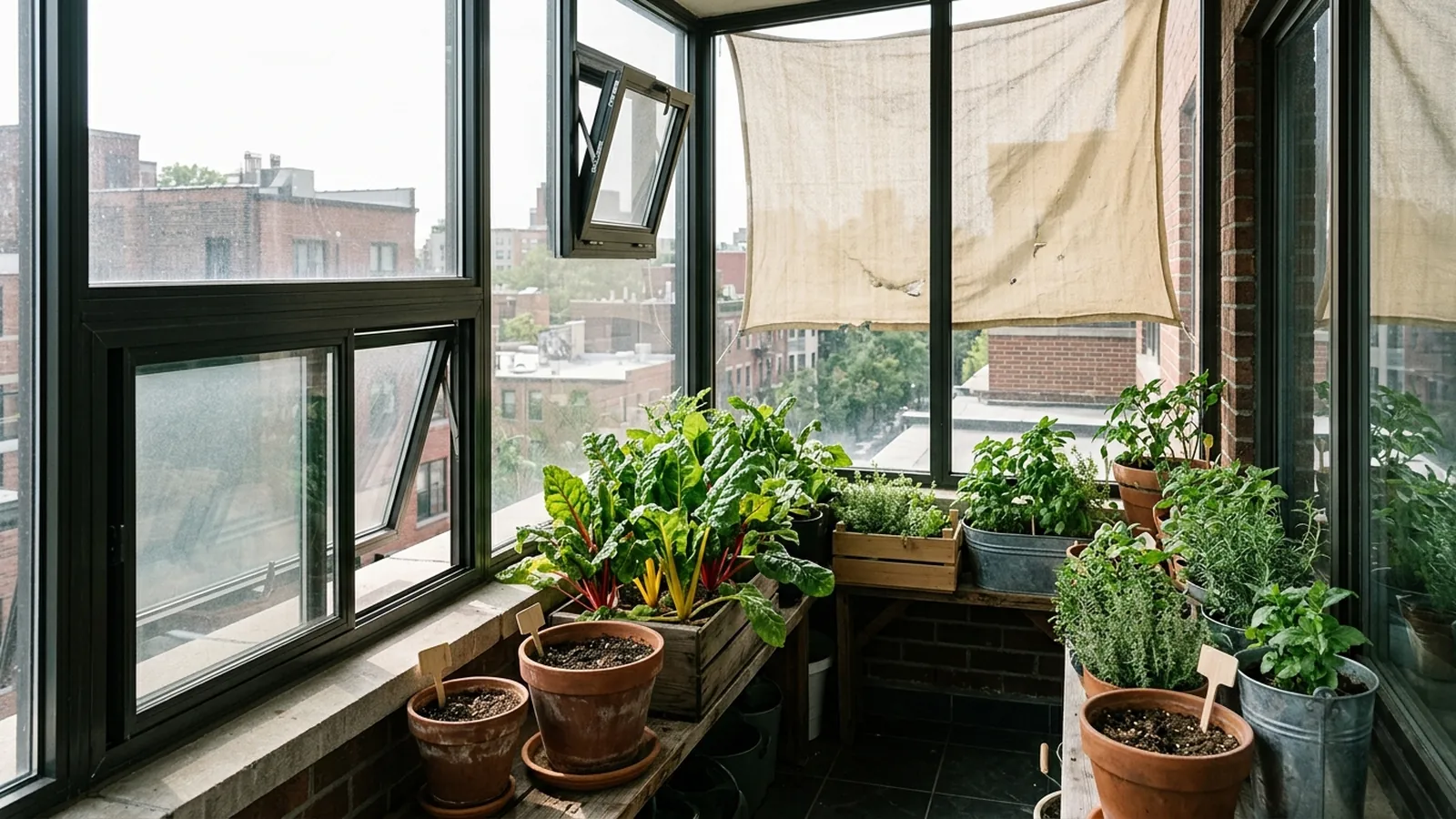
Glaze in a balcony and you have built a small greenhouse with no roof vent. That one structural fact decides how it overheats in July, why shade has to go outside the glass, and why it can still be growing chard in December.
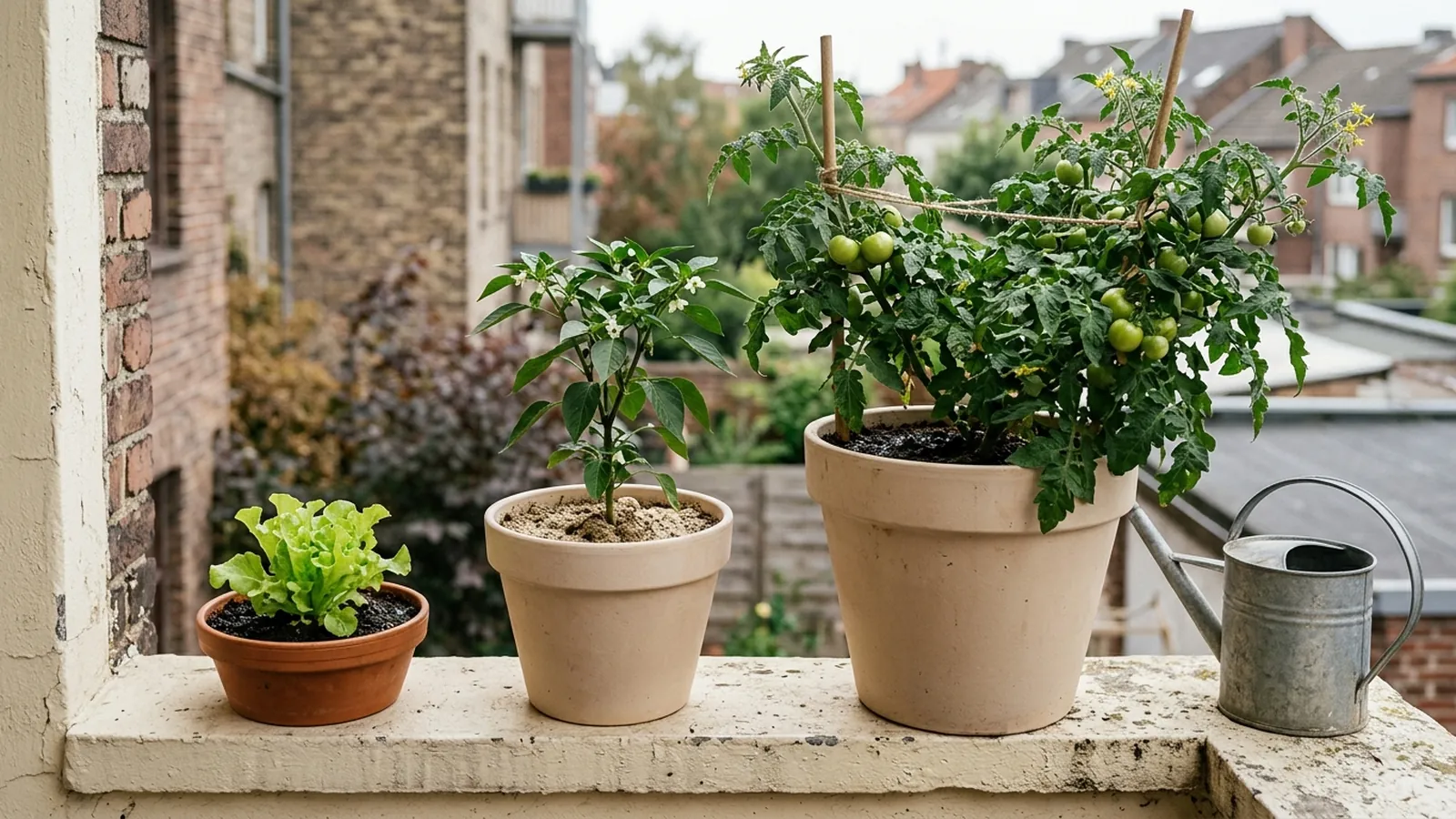
A pepper in a 2-gallon pot in May and the same pepper in the same pot in August are two different watering problems. Once you can see why, the question stops being how often and becomes how much mix you gave the plant, and what it is carrying right now.
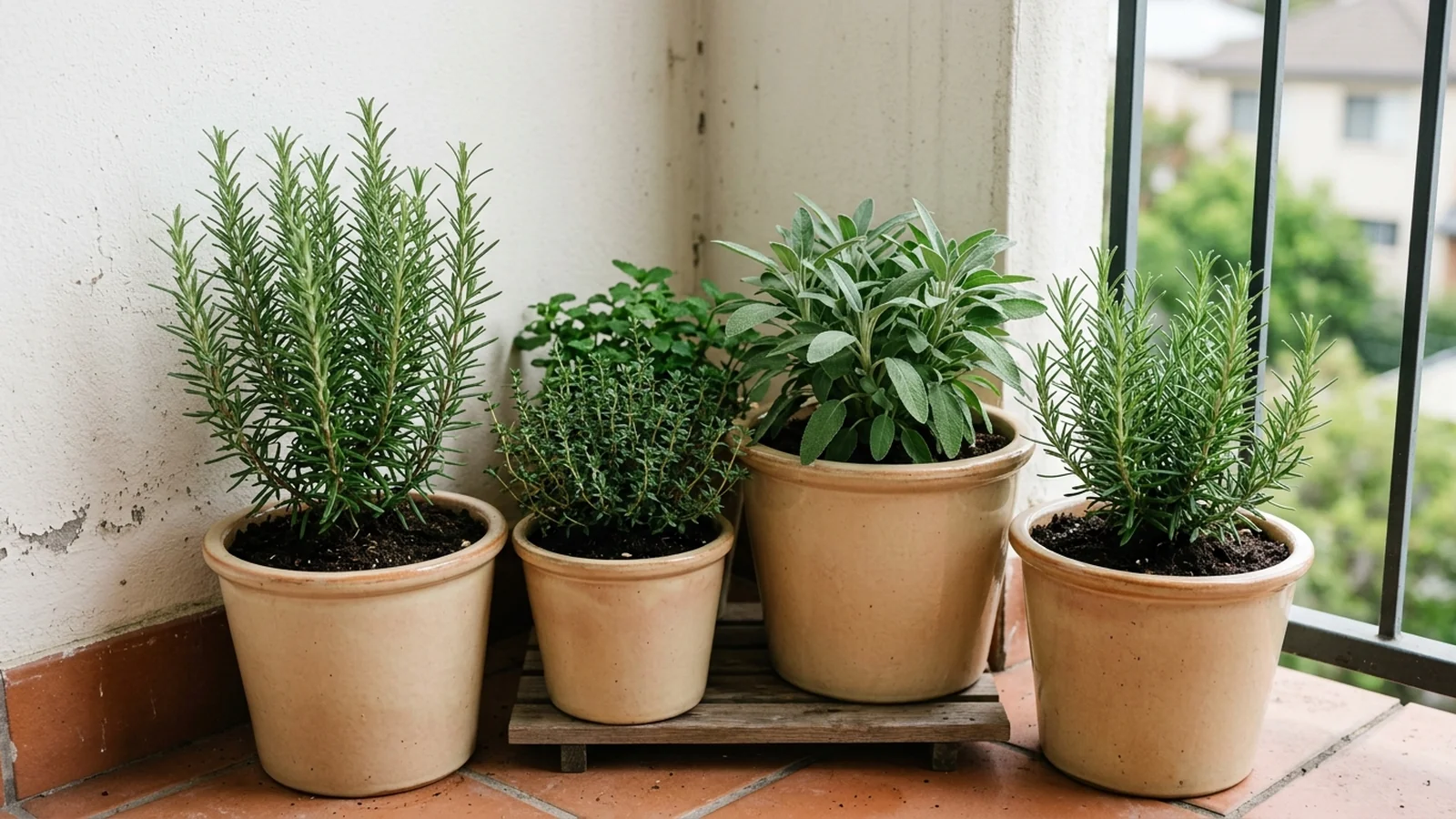
No potted edible plant survives on nothing. But some tolerate a missed watering far better than others, and a system built around that gap is what actually holds up for someone who travels every few weeks.
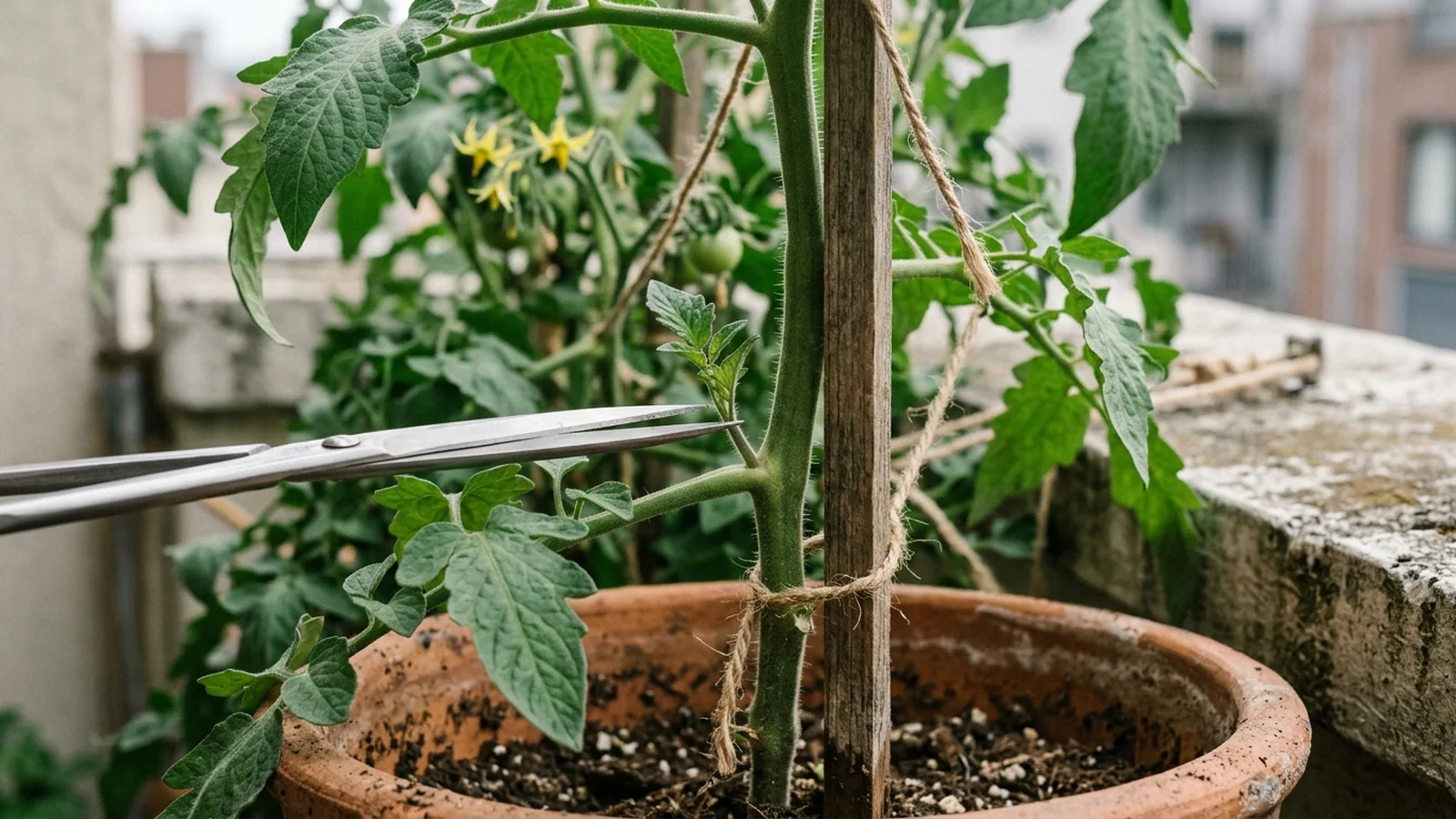
Cut a leafy herb and it branches back thicker. Cut a container tomato the same way and you are managing how much plant a bucket of potting mix can actually support. Same scissors, opposite goal.
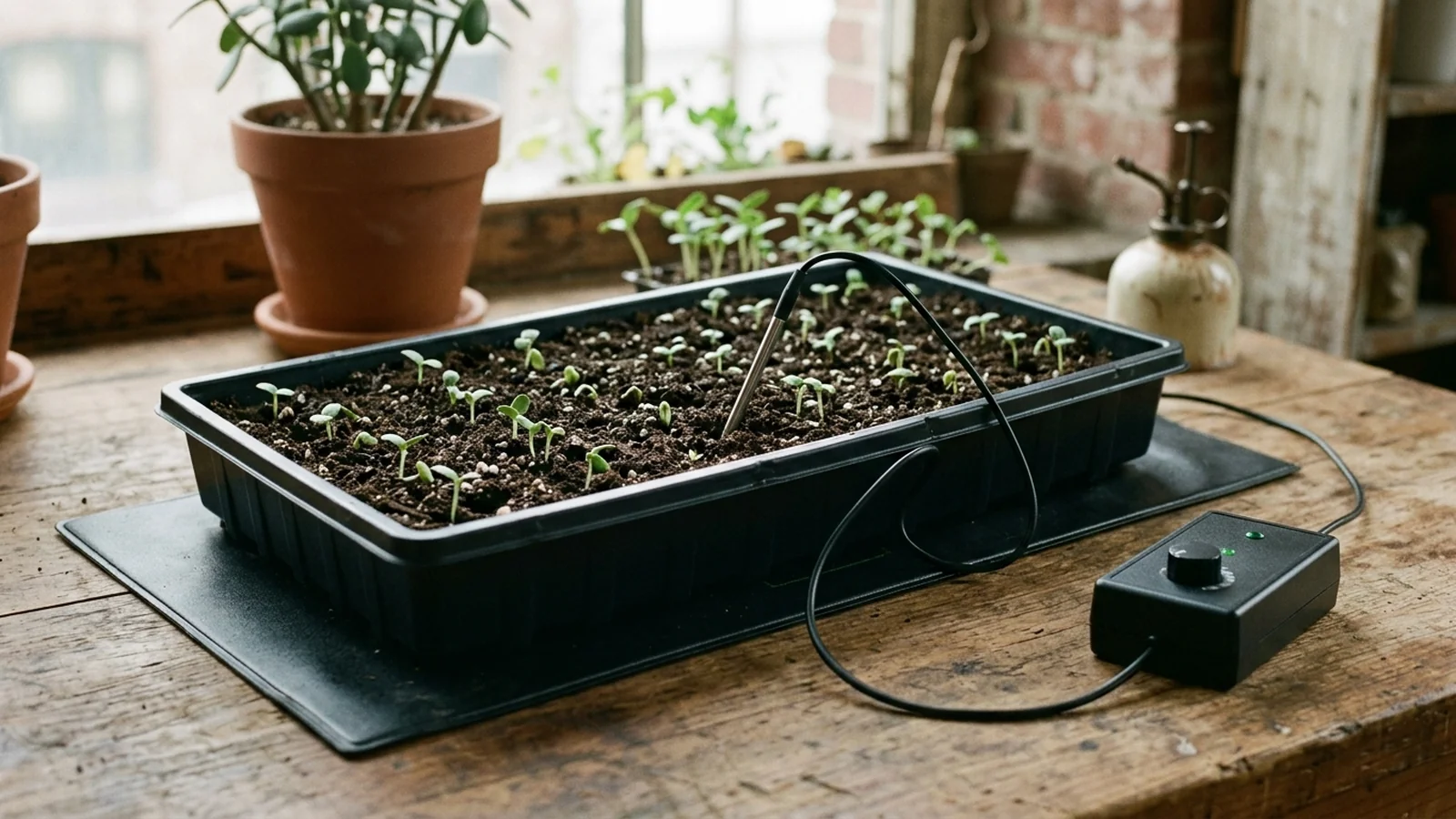
A heat mat's whole case rests on one fact: germination responds to the temperature of the mix, not the air around it. Without a thermostat that fact works against you as easily as for you.
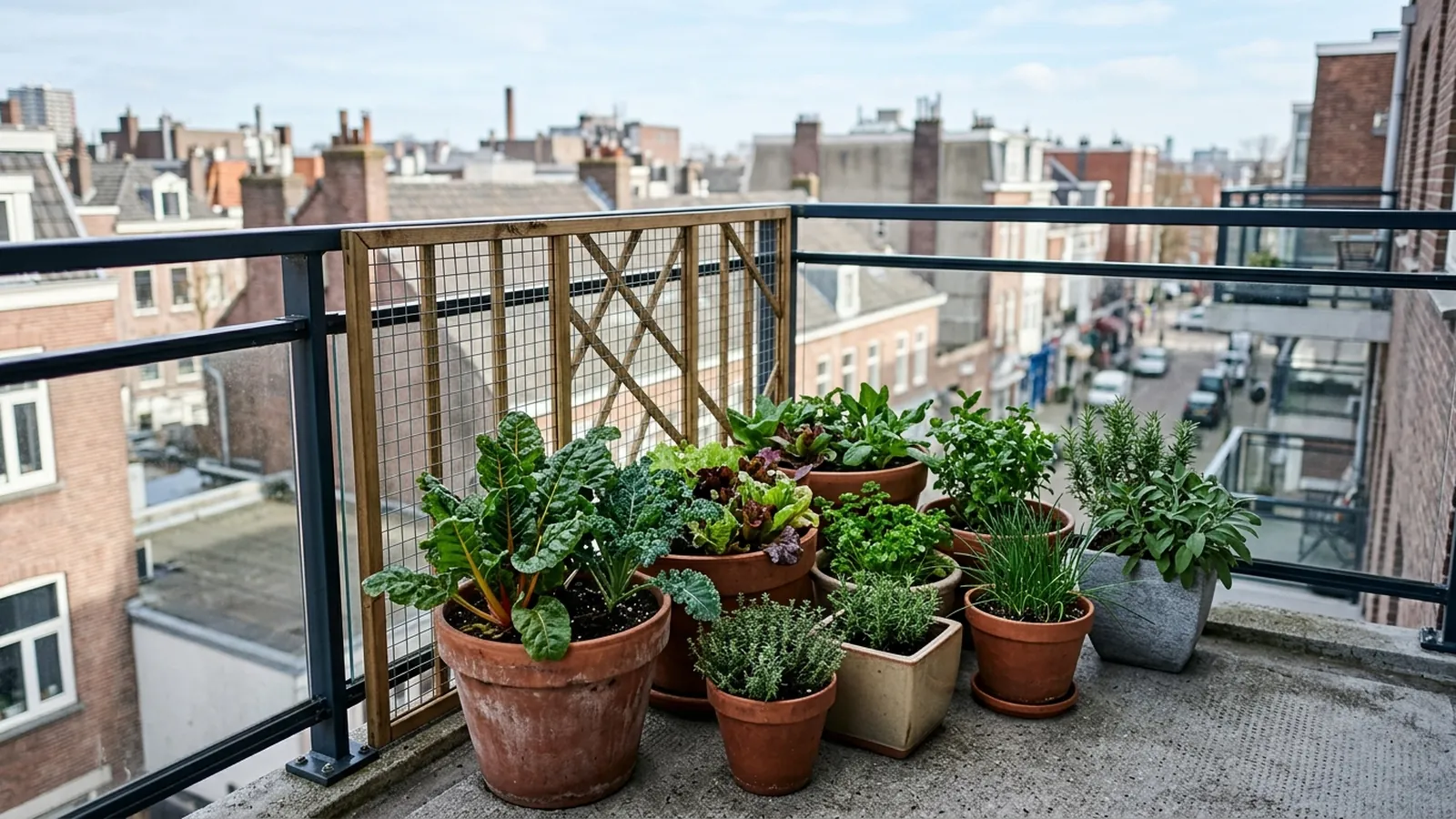
Chicago gives a container garden a real six-month outdoor season and a real zone split — the airport station reads a full zone and a half colder than a lakefront balcony. Here is how to read both honestly instead of picking one reassuring number.
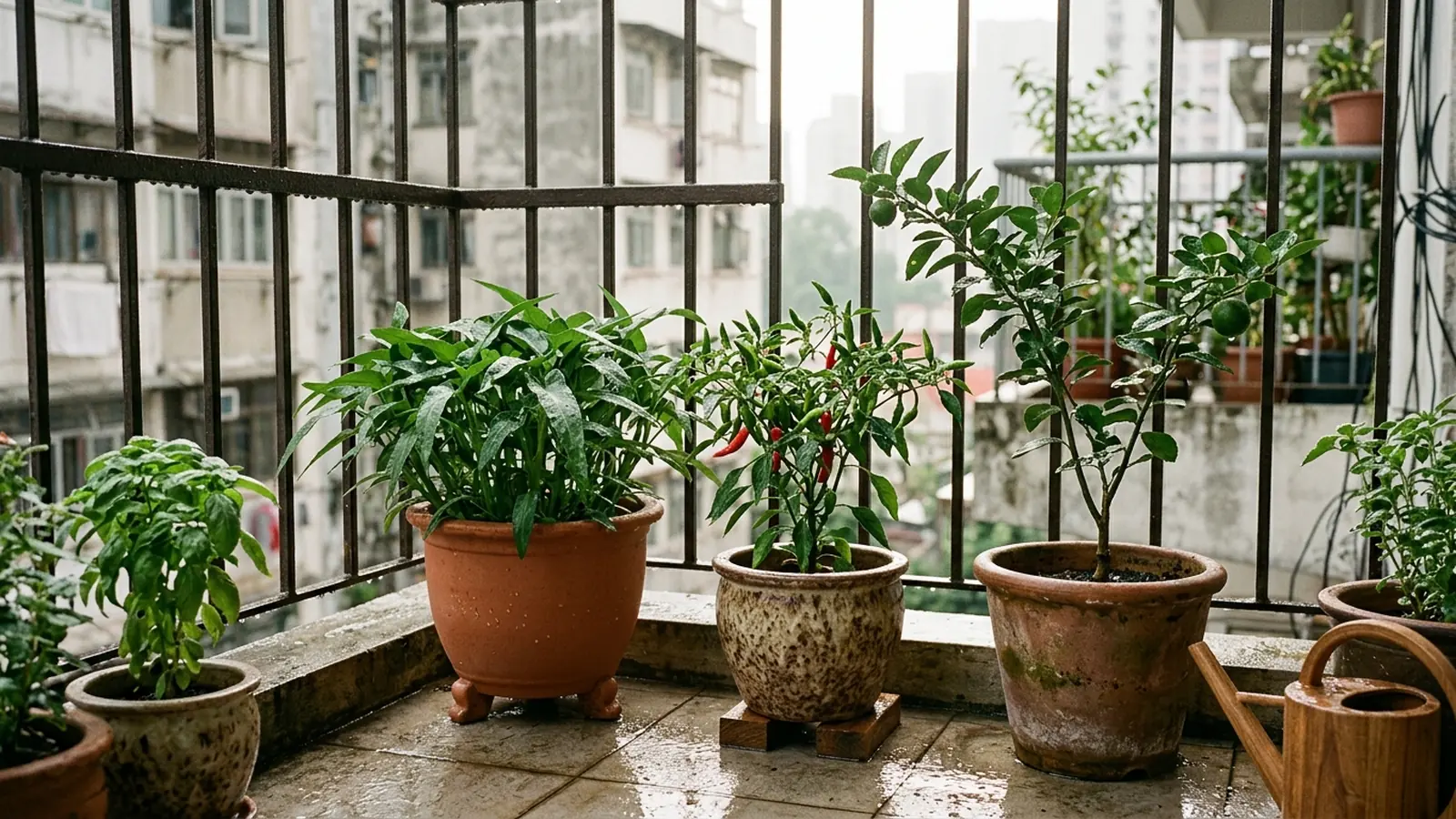
There is no frost date to circle on a Miami calendar. The real deadline is summer, when heat and heavy rain turn drainage into the decision that makes or breaks a container.
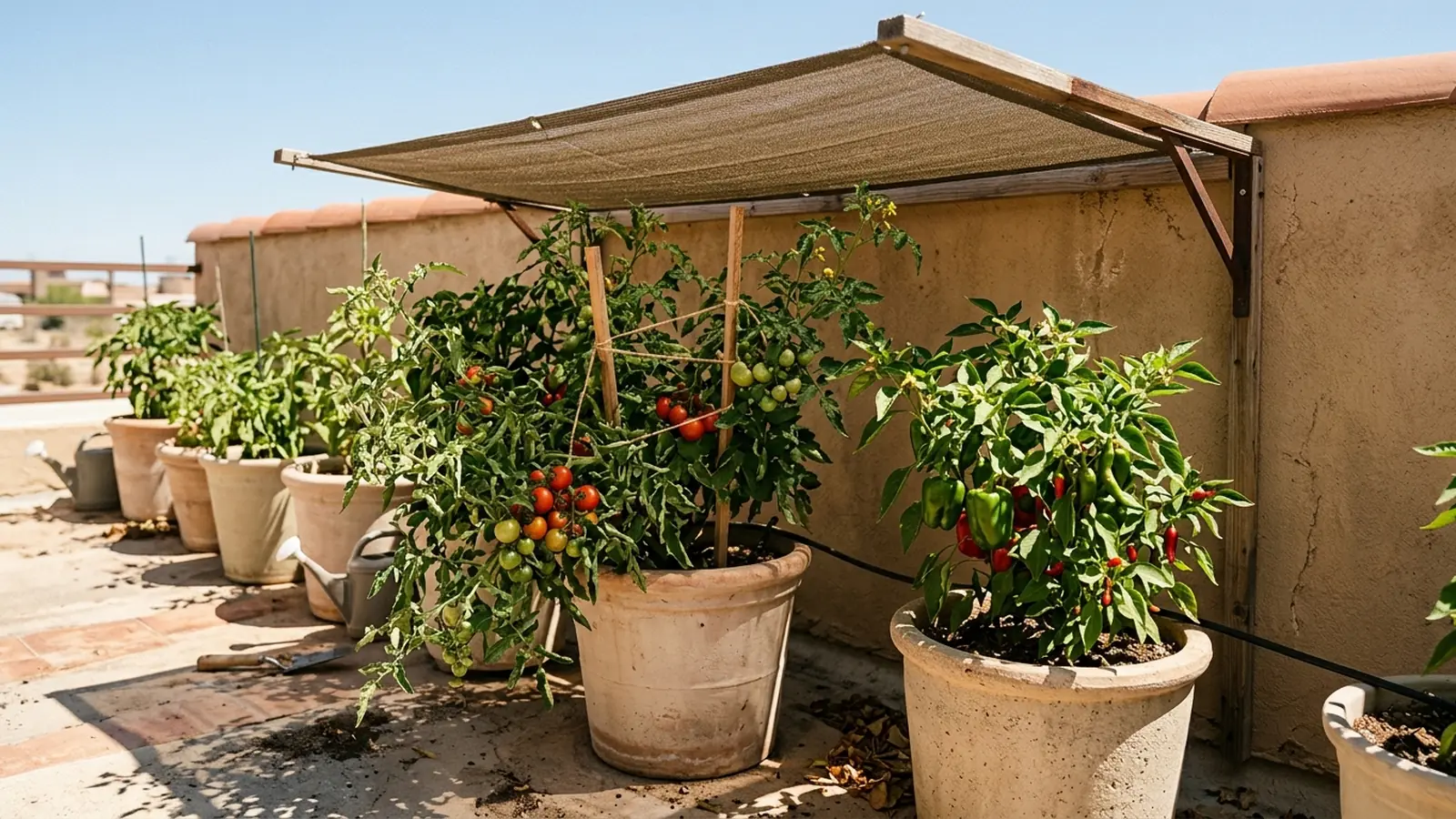
In Phoenix, the plant is rarely the first thing to fail — the pot is. Here is how to plan around two real growing windows, get the containers through the summer between them, and stop root-zone heat and salt buildup from doing the damage a 'just water more' routine misses.
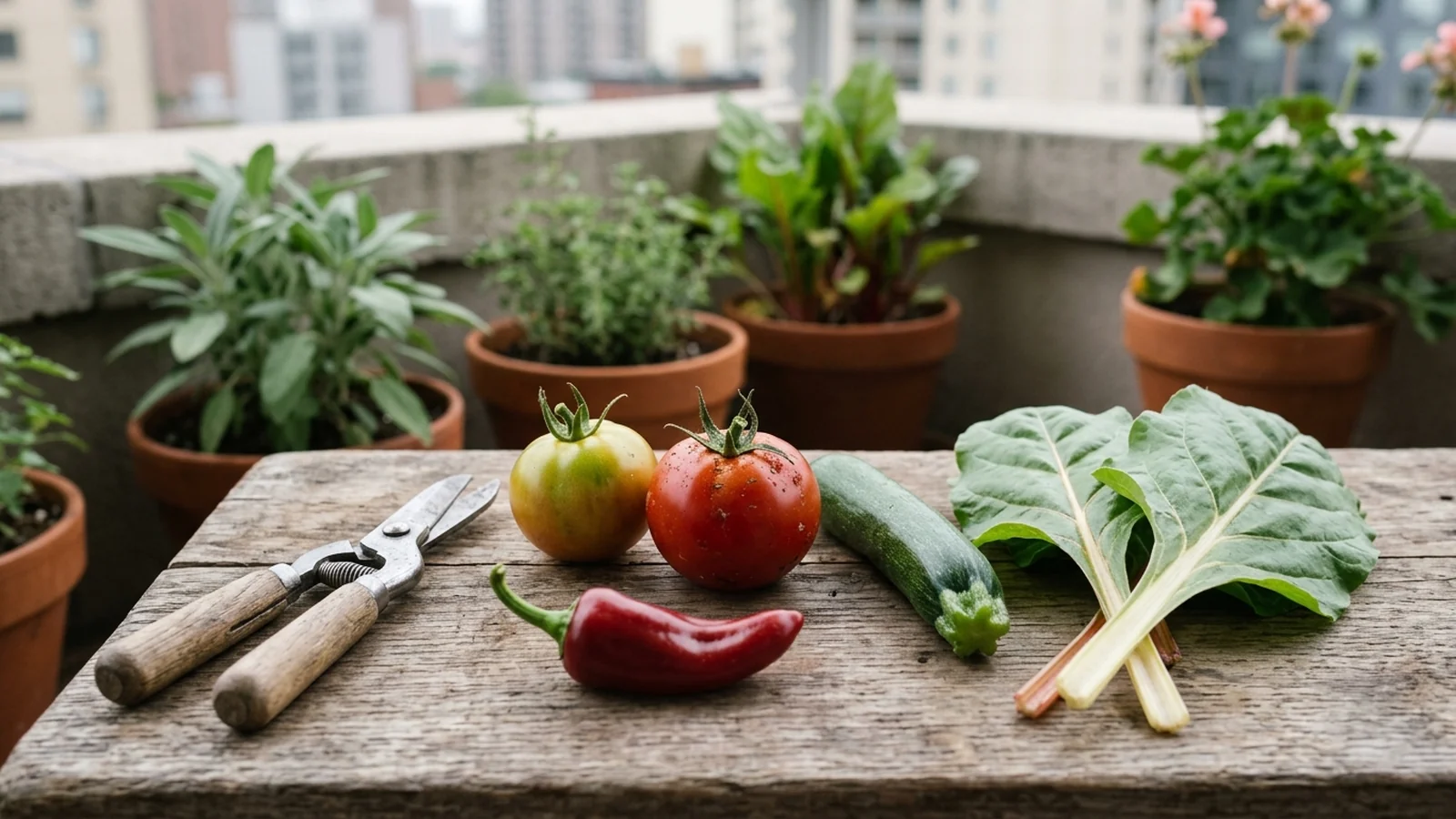
A tomato tells you it's ready with color and give. A zucchini tells you with size and how easily it lets go. The signal is different for every crop, and waiting costs more when the plant only has a pot's worth of reserve behind it.
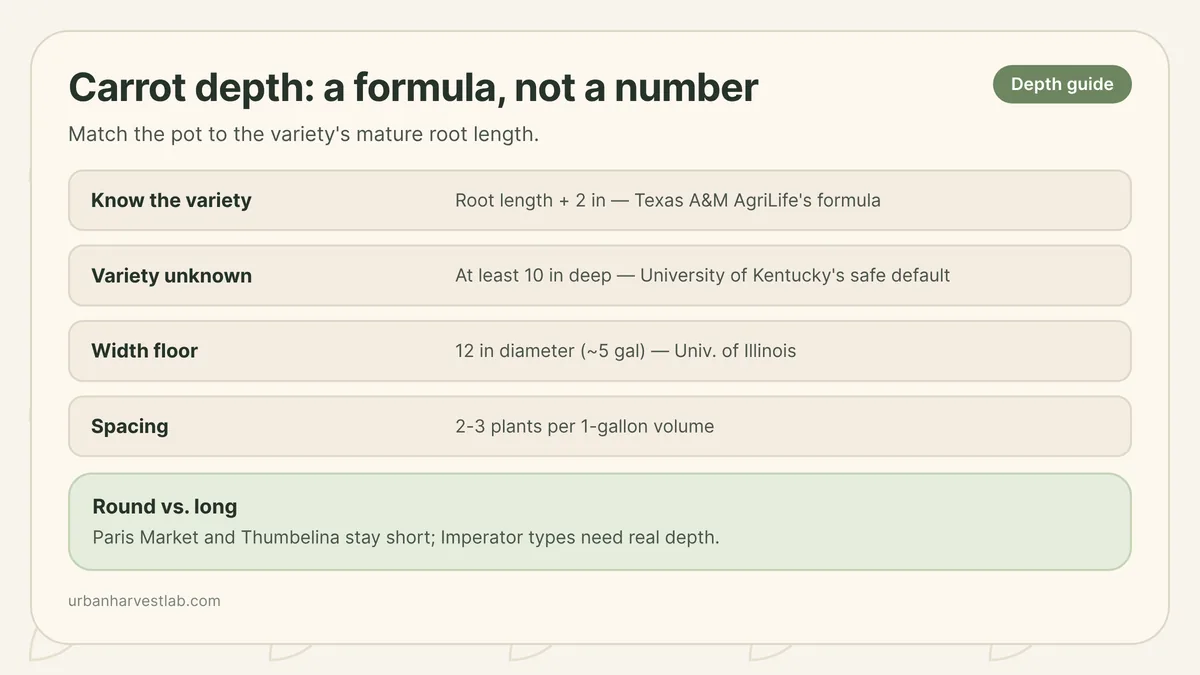
A round baby carrot and a long, tapering Imperator need very different container depths. Match the pot to the variety instead of guessing one number for every carrot.
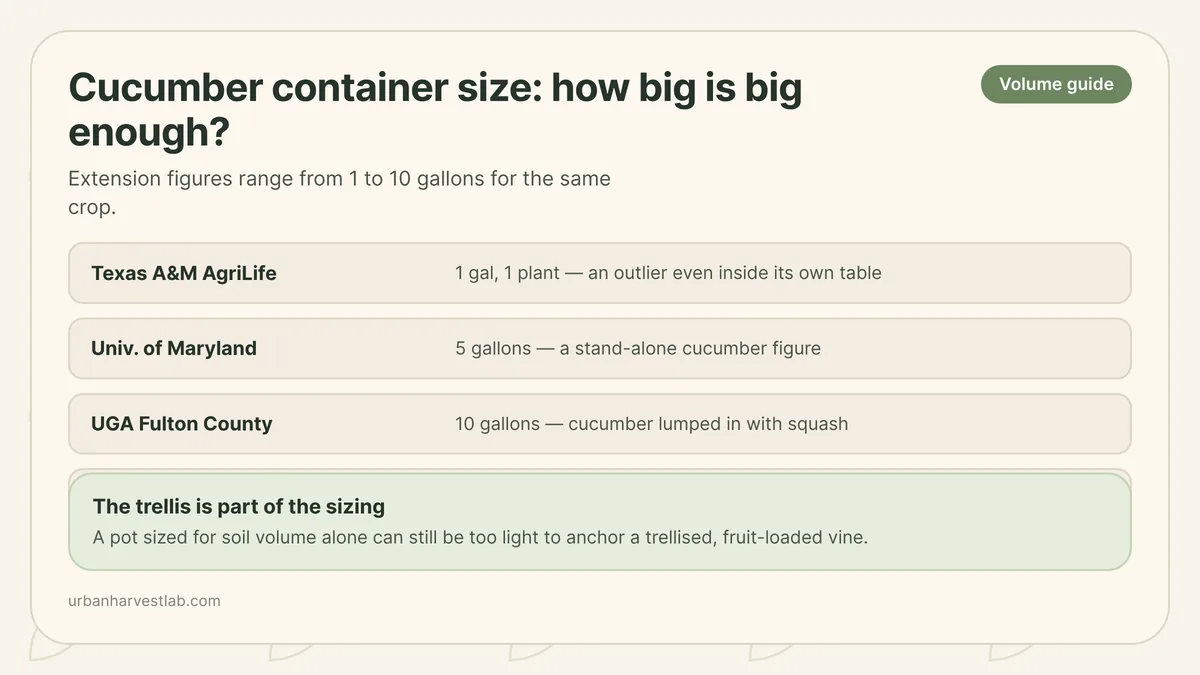
Cucumbers are vines with a fruit load to support, and extension sources disagree sharply on how much container that takes. The safer number is bigger than the smallest one you will find.
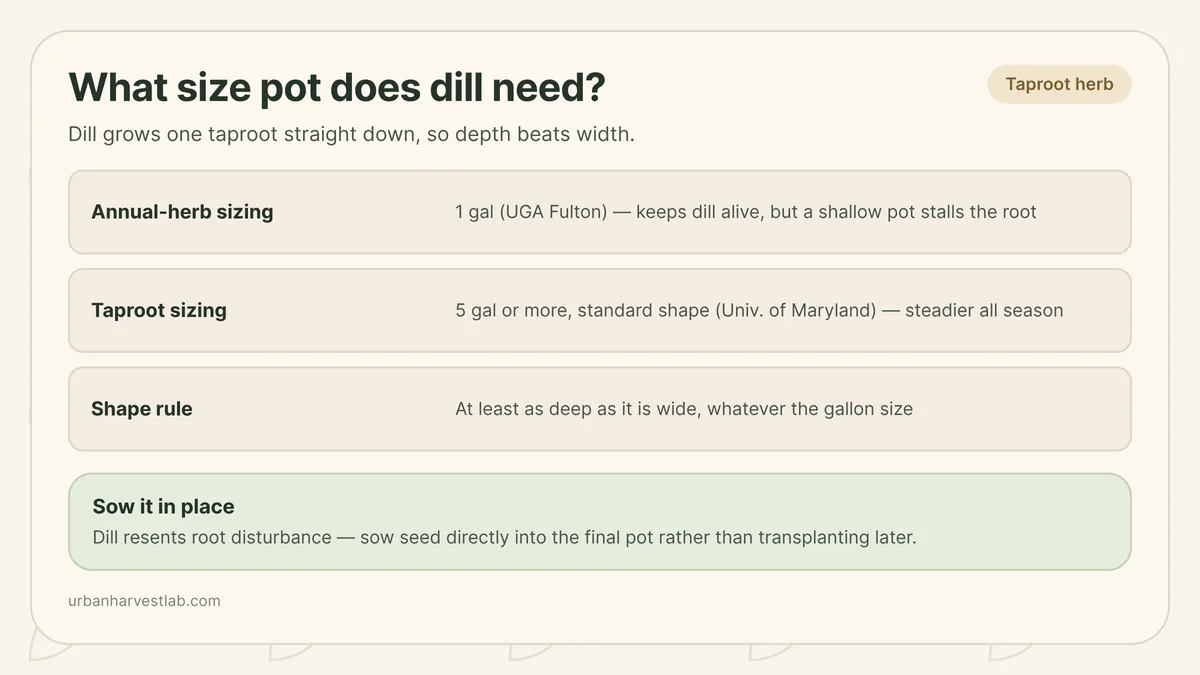
Dill sends a single root straight down, not out, so the usual width-first pot shopping gets this one backwards. Depth is the number that actually matters.
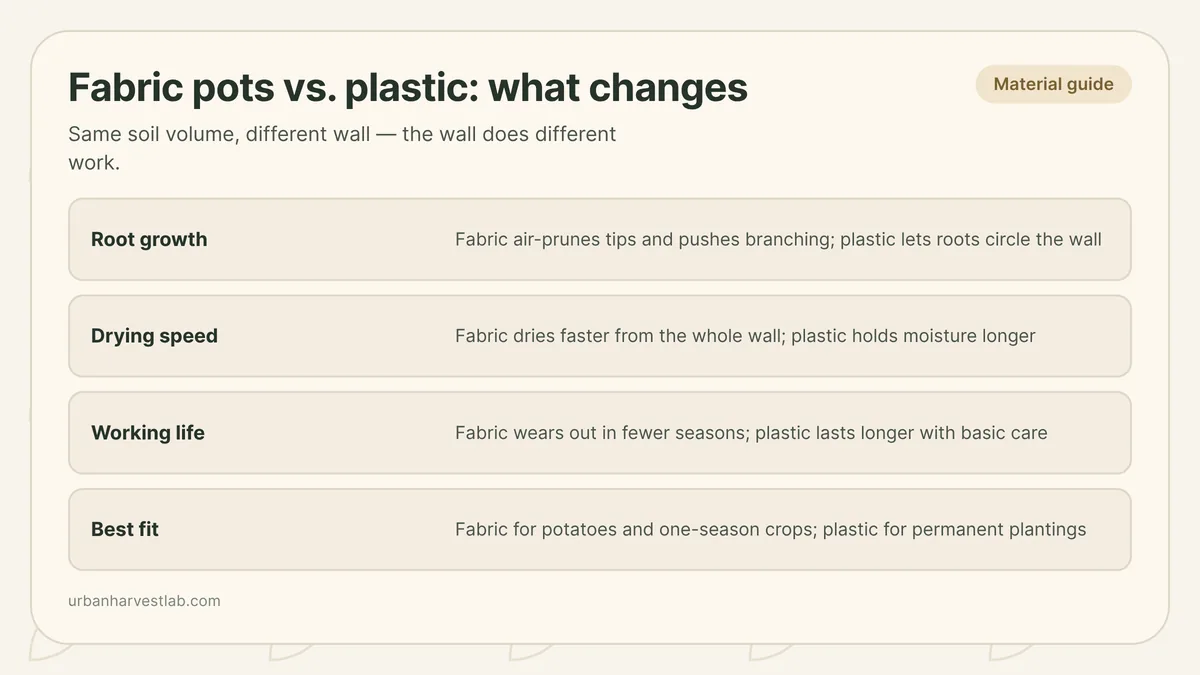
A fabric pot and a plastic pot can hold the same soil volume and still grow different root systems, because the wall itself does different work.
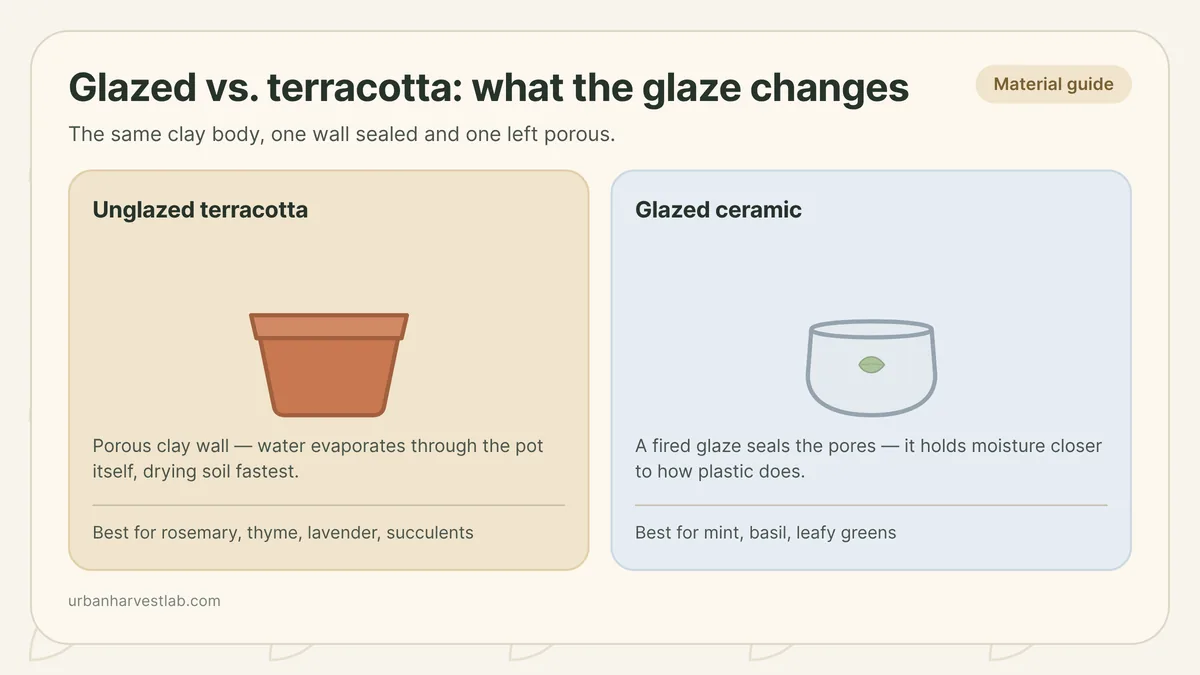
Two pots can look nearly identical and behave completely differently once you fill them with soil. The glaze on one of them is the whole difference, and it changes drying speed, weight, and winter risk all at once.
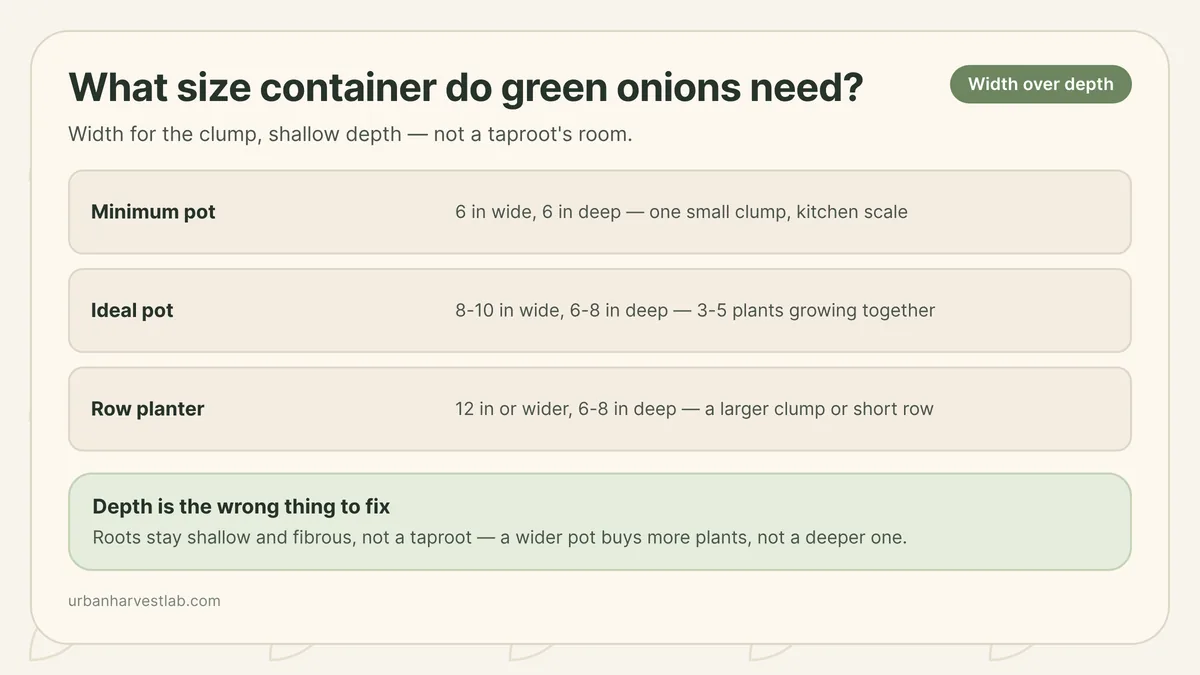
Green onions ask for width and shallow depth, not the deep taproot room parsley or carrots need, so one small container goes further than most growers expect.
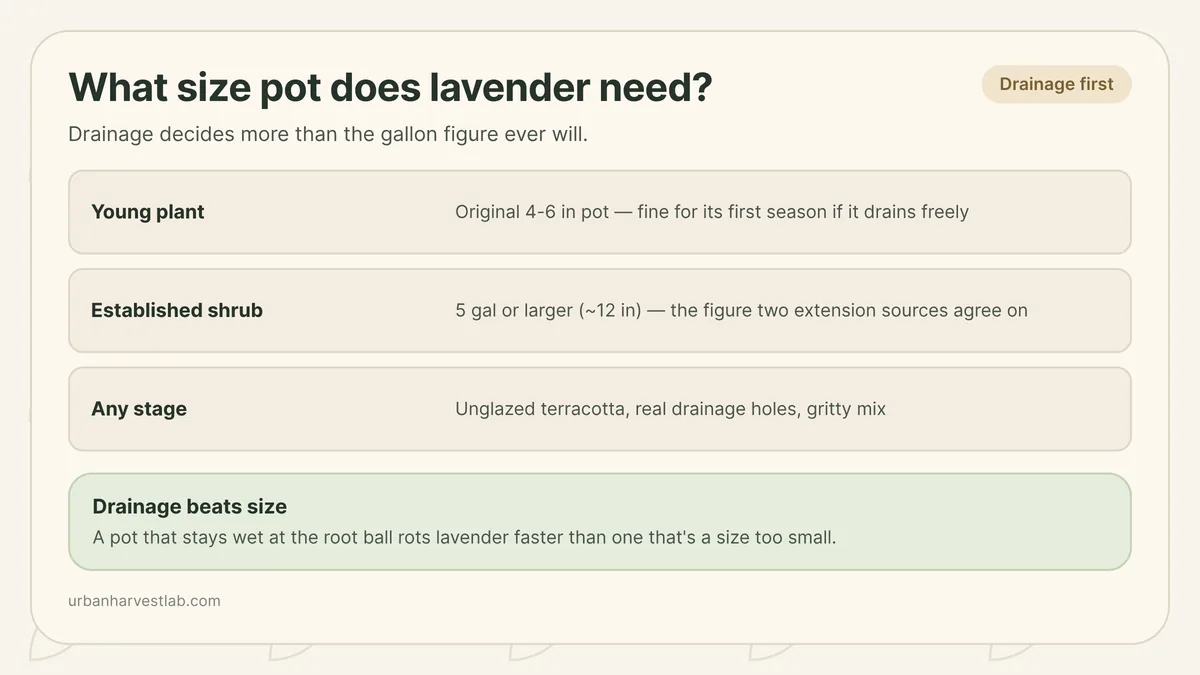
Lavender is Mediterranean and drought-adapted, so the pot that keeps it alive is defined by how fast it drains, not just how big it is.
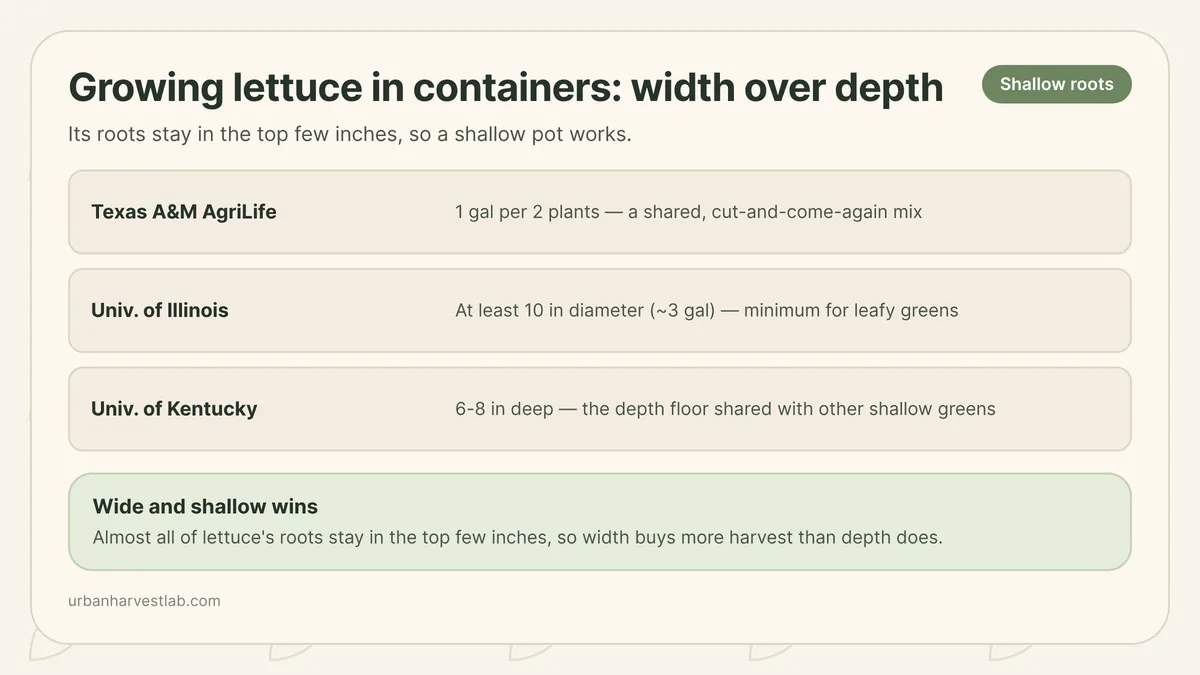
Lettuce keeps its roots in the top few inches of soil, which changes the whole container math. Here is how wide, how deep, and how far apart to space it.
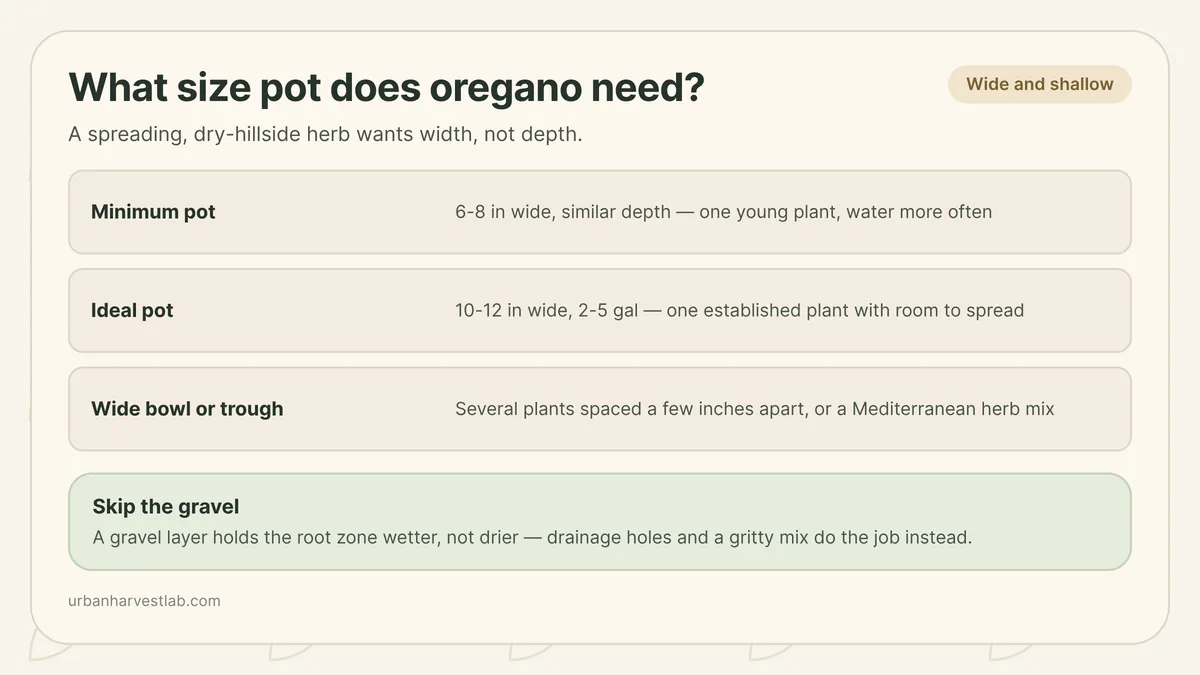
Oregano spreads outward more than it grows downward, so a wide, shallow pot with fast drainage suits it better than a deep, narrow one.
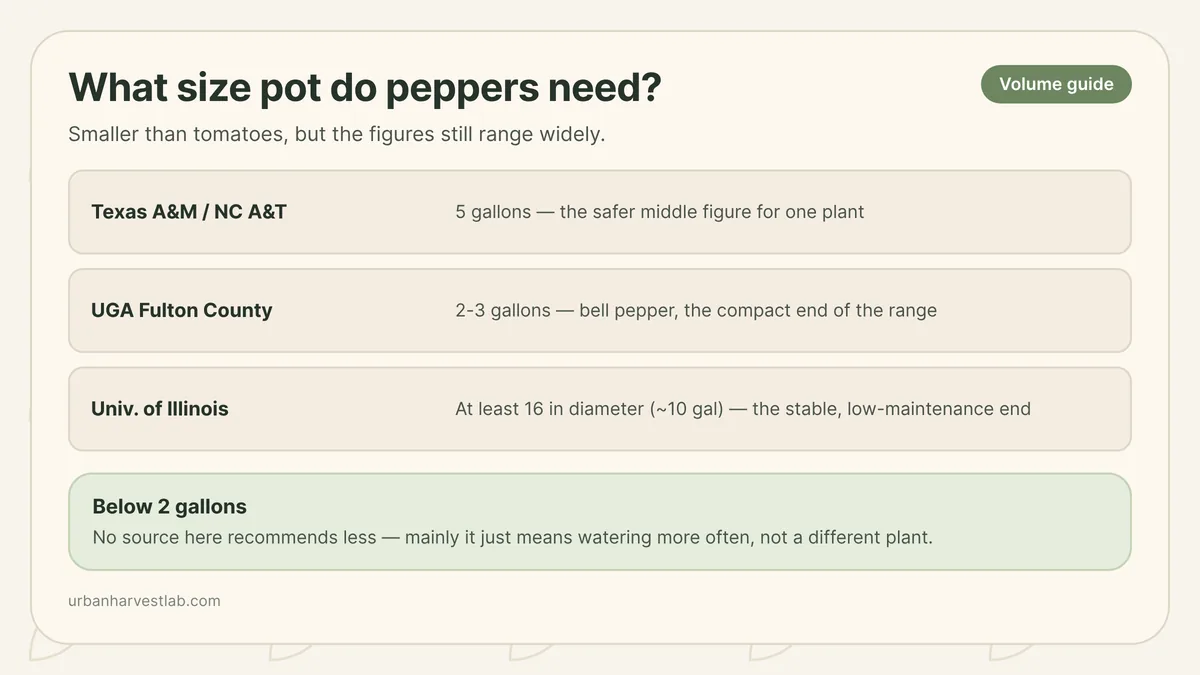
Peppers need less room than tomatoes, but not as little as their compact size suggests. Here is the real range and what moves it.
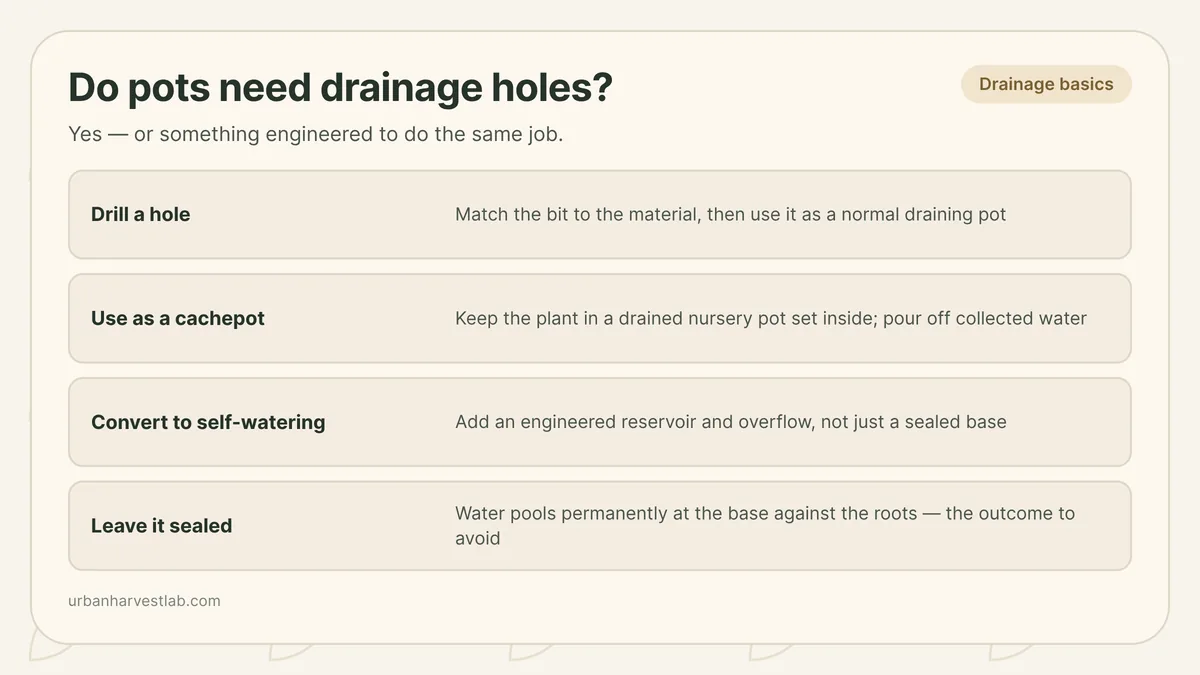
A pot with no drainage hole is not a design quirk you can water around. Here is why that matters, how to drill one safely by material, and how to use a hole-less pot the right way instead.
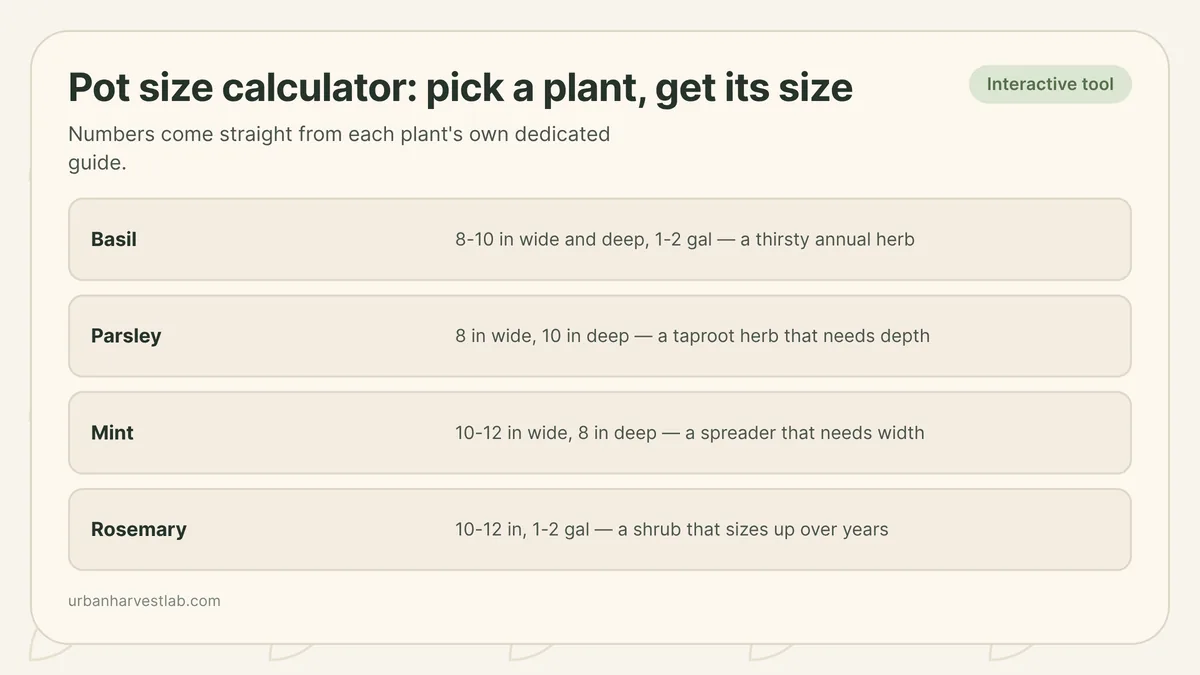
A plant-and-stage picker that pulls its numbers straight from each herb's own dedicated pot-size guide, not a separate estimate.
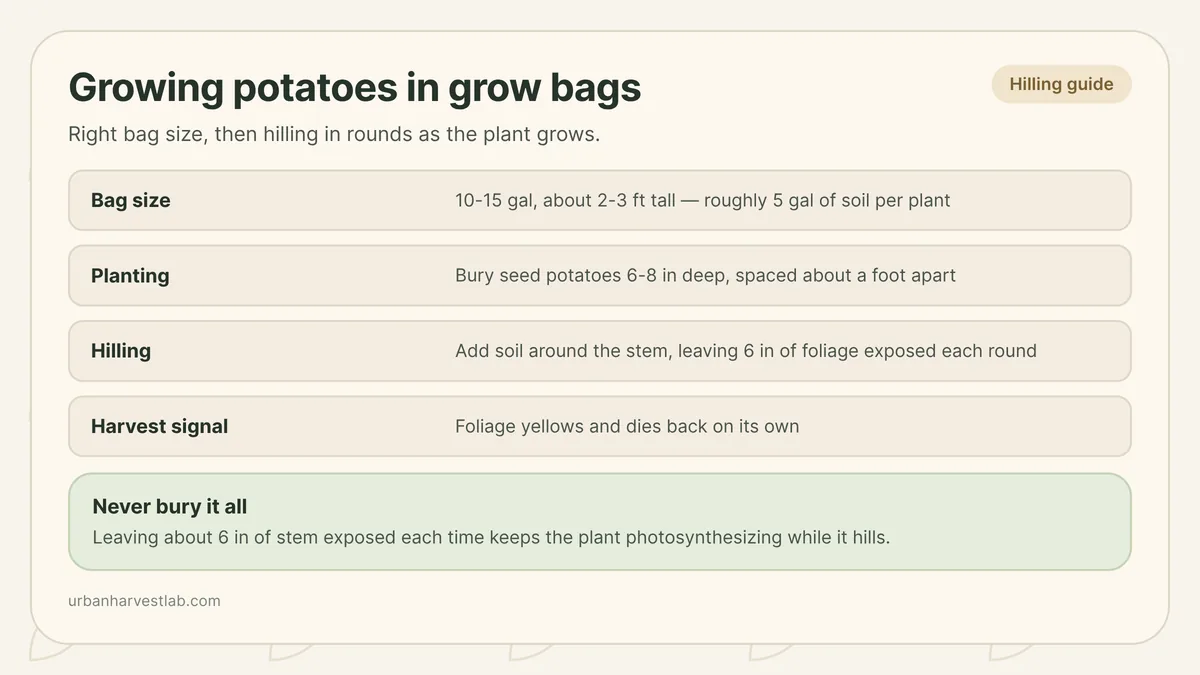
A grow bag turns potato growing into a container job with one extra step: adding soil around the stem as the plant grows so more tubers can form along it.
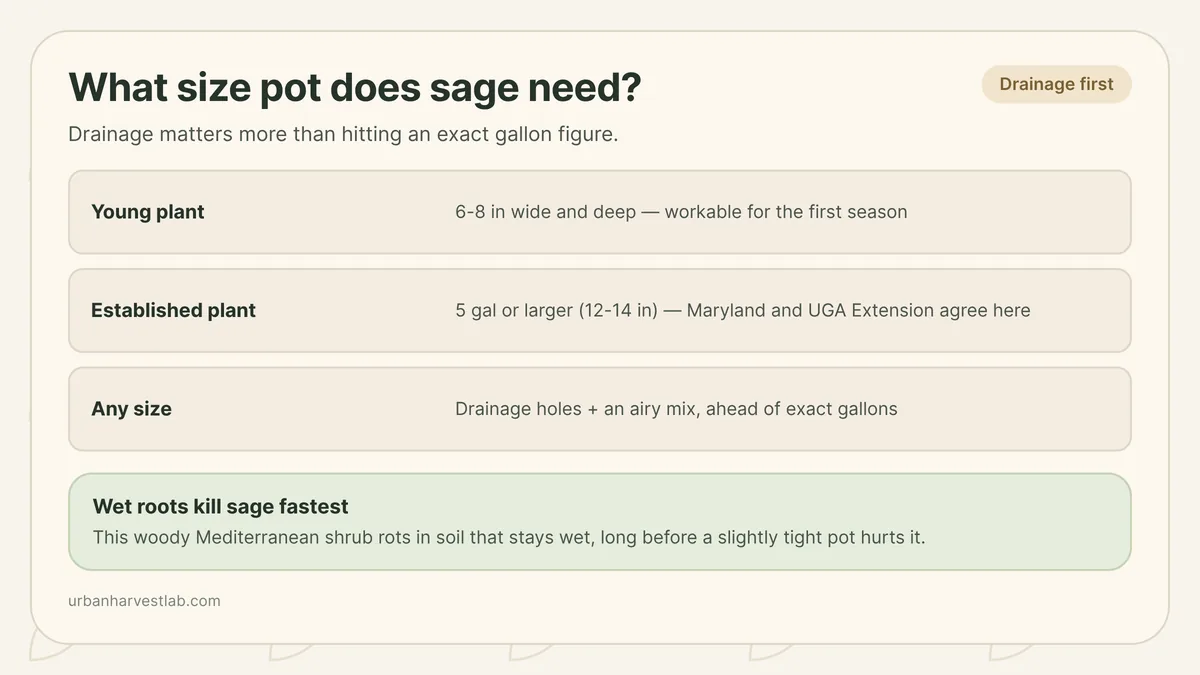
Sage is a woody, drought-tolerant Mediterranean perennial that resents wet feet more than a cramped pot. Here is the container size, material, and drainage that actually keep it alive.
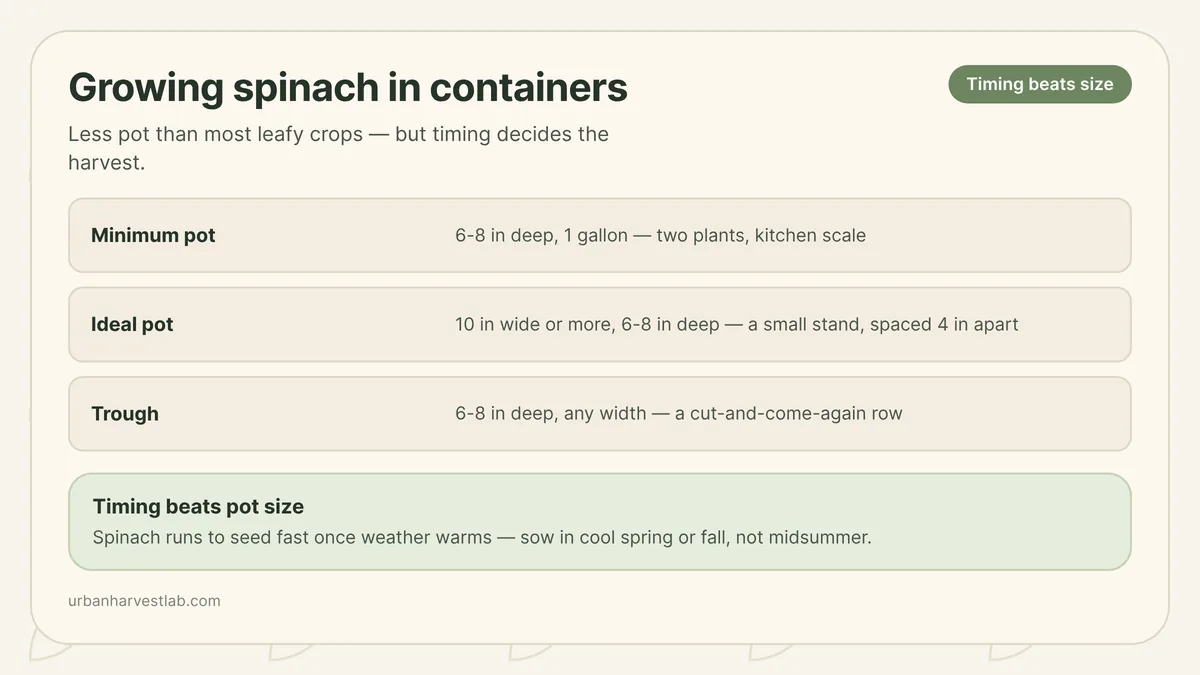
Spinach asks for less pot than most leafy crops, but the container is not the part growers get wrong. Timing it around heat is.
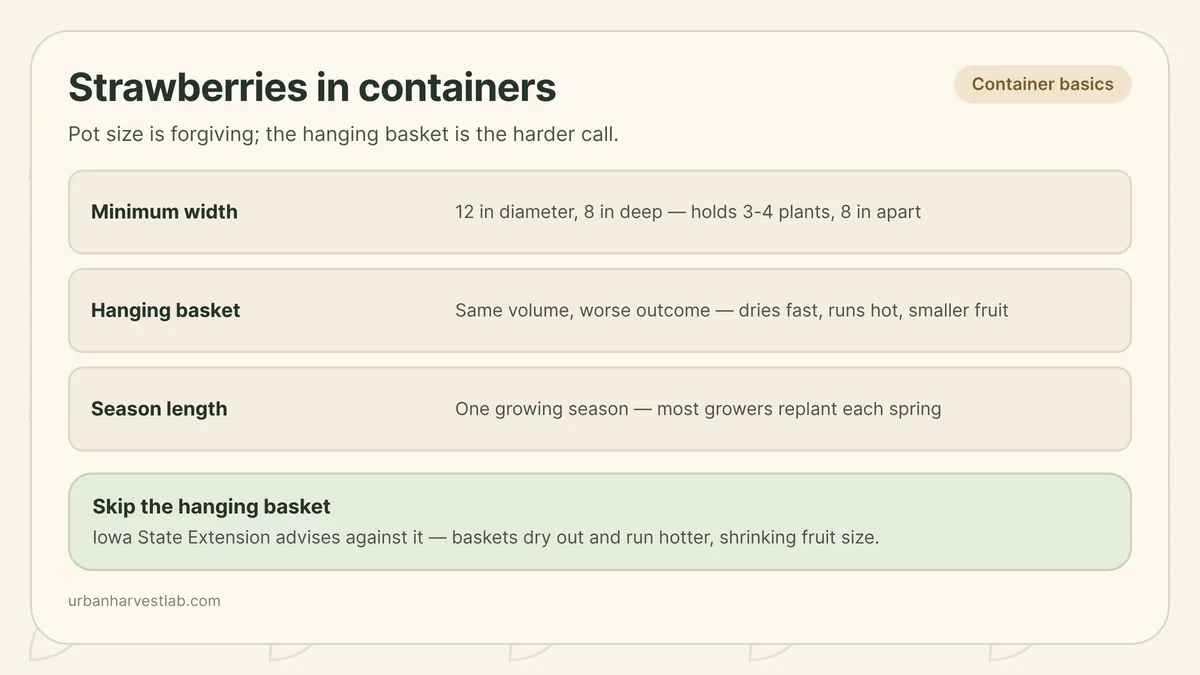
Container strawberries behave differently from garden strawberries: the pot size is forgiving, hanging baskets are the harder option, and most growers treat the planting as a one-season crop.
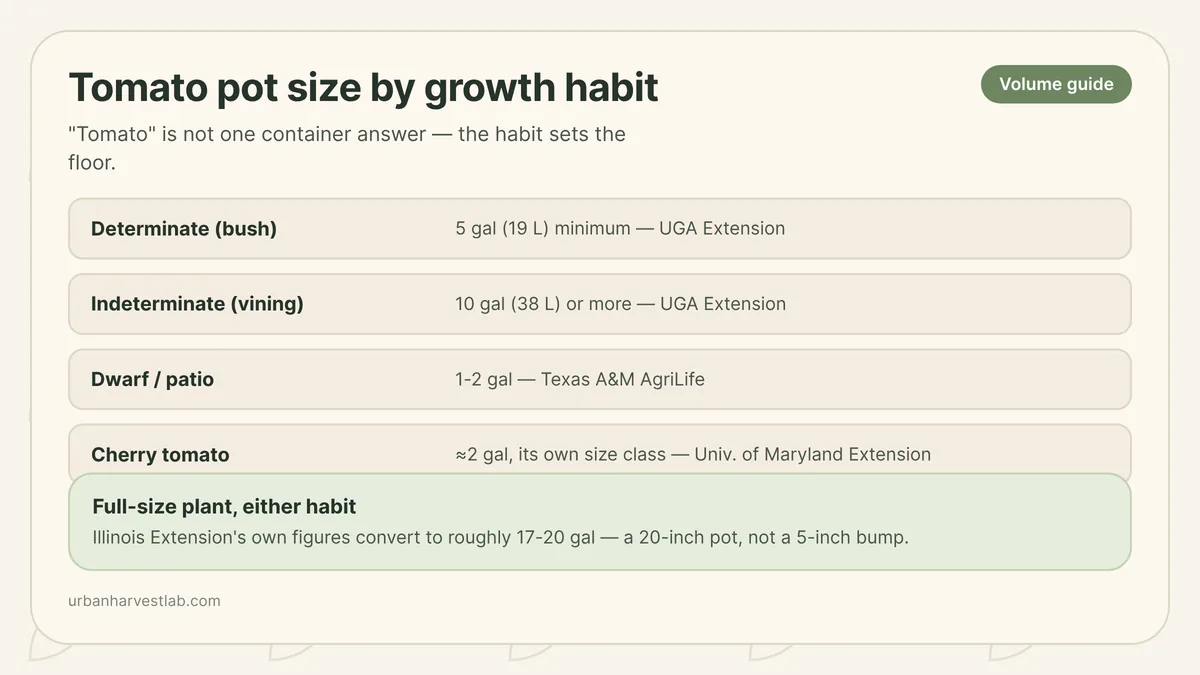
The right container for a tomato depends less on the fruit than on how the plant grows: determinate, indeterminate, or dwarf. Extension figures for the same word vary by more than three times.
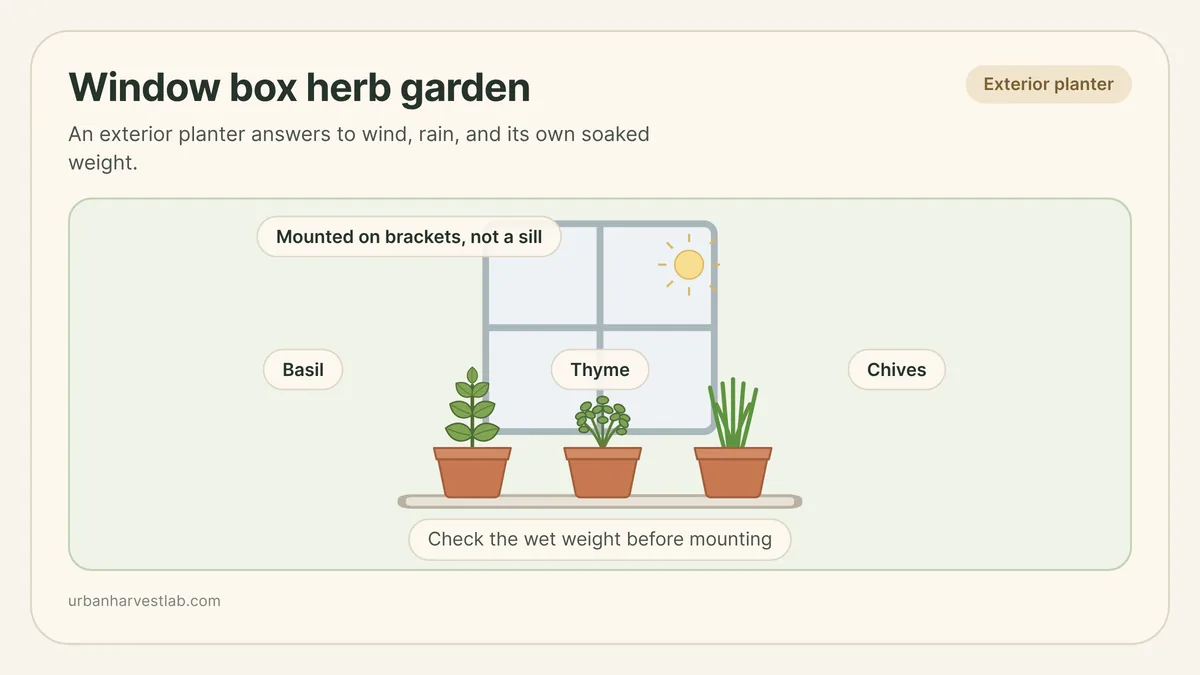
An exterior window box answers to gravity and weather in a way an indoor sill does not. Here is how to size, mount, and plant one without turning it into a hazard.
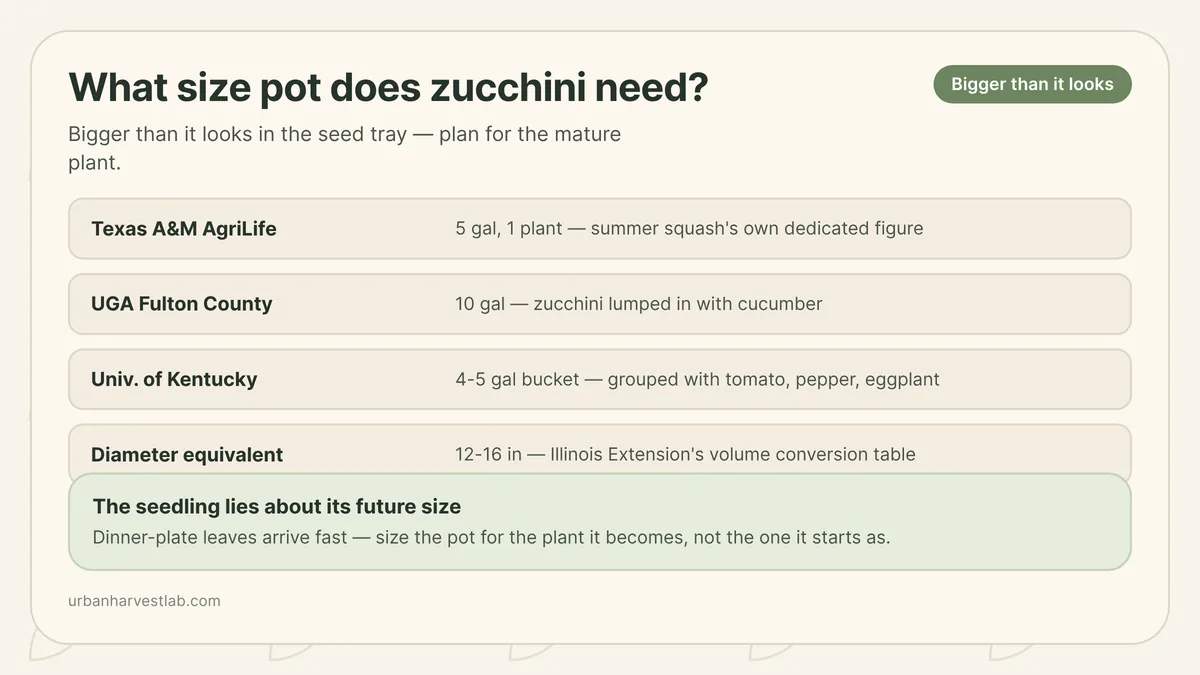
A zucchini seedling looks modest for weeks, then fills a pot almost overnight. The container has to be sized for the plant it becomes, not the one it starts as.
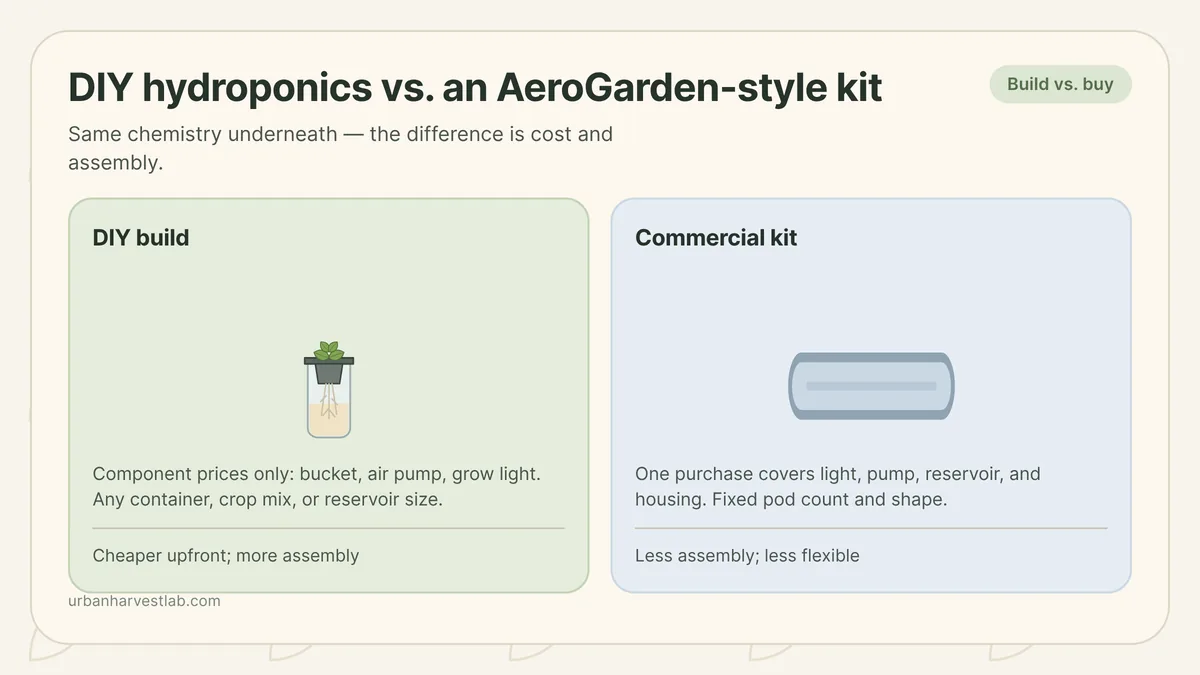
A DIY bucket build and a commercial countertop kit run on the same chemistry. What differs is upfront cost, ongoing cost, and how much assembly you want to do yourself.
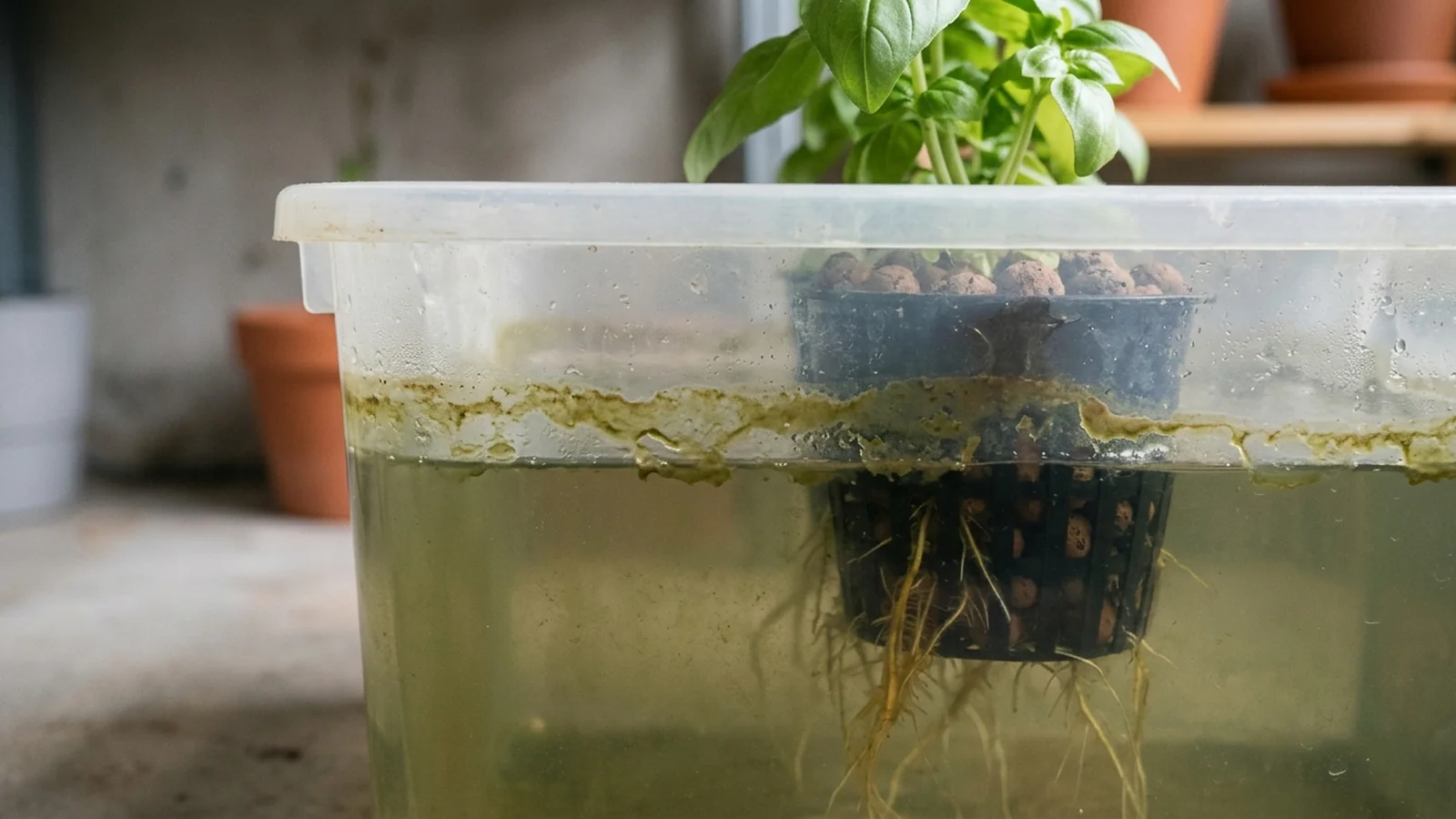
Algae needs light, water, and nutrients, and a hydroponic reservoir hands it all three. Block the light and the outbreak stops feeding itself.
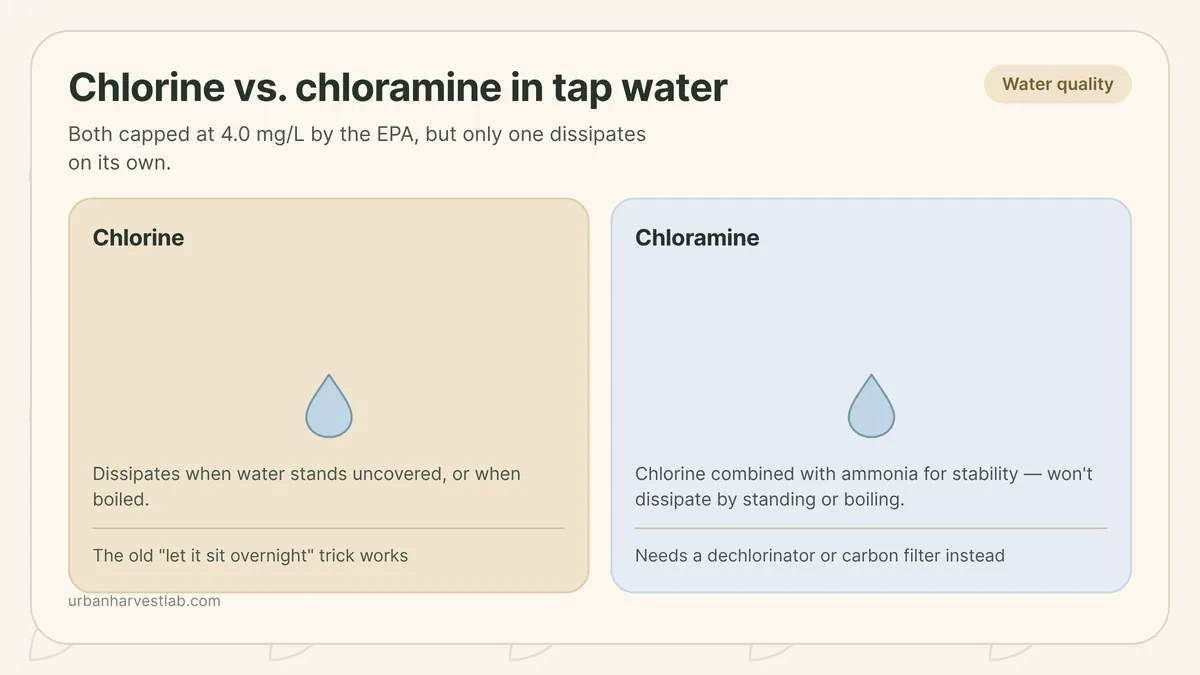
Tap water usually carries some chlorine or chloramine. Here is how much is actually in it, why the two disinfectants behave differently, and when dechlorinating is worth the extra step.
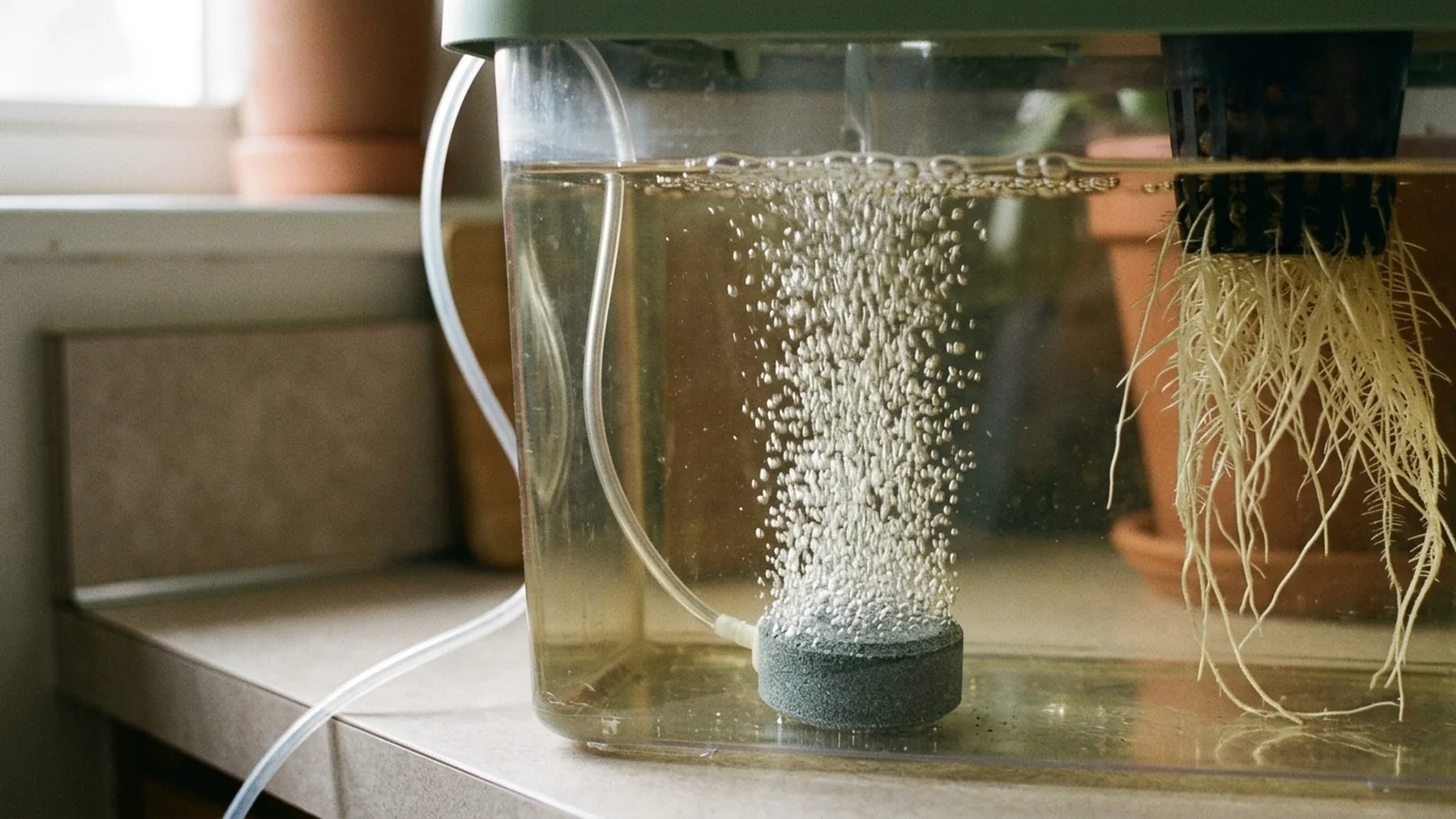
Roots breathe oxygen dissolved in the water around them, not the air above it. Here are the actual targets, what temperature really does to that oxygen, and how to check yours without a lab meter.
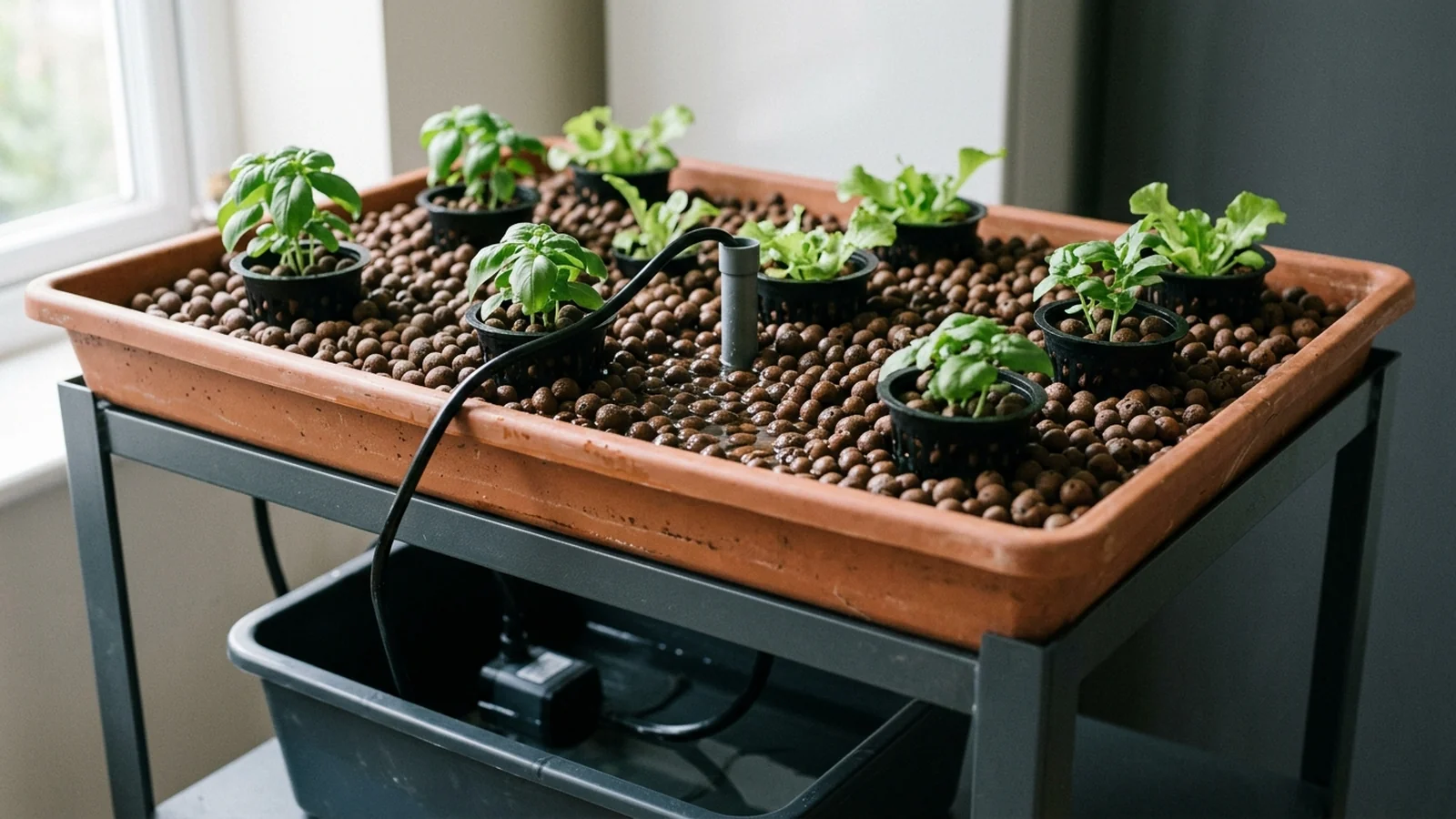
Ebb and flow floods a grow tray on a timer, then drains it back to the reservoir. Get the cycle and the media right and the roots stay out of stagnant water.
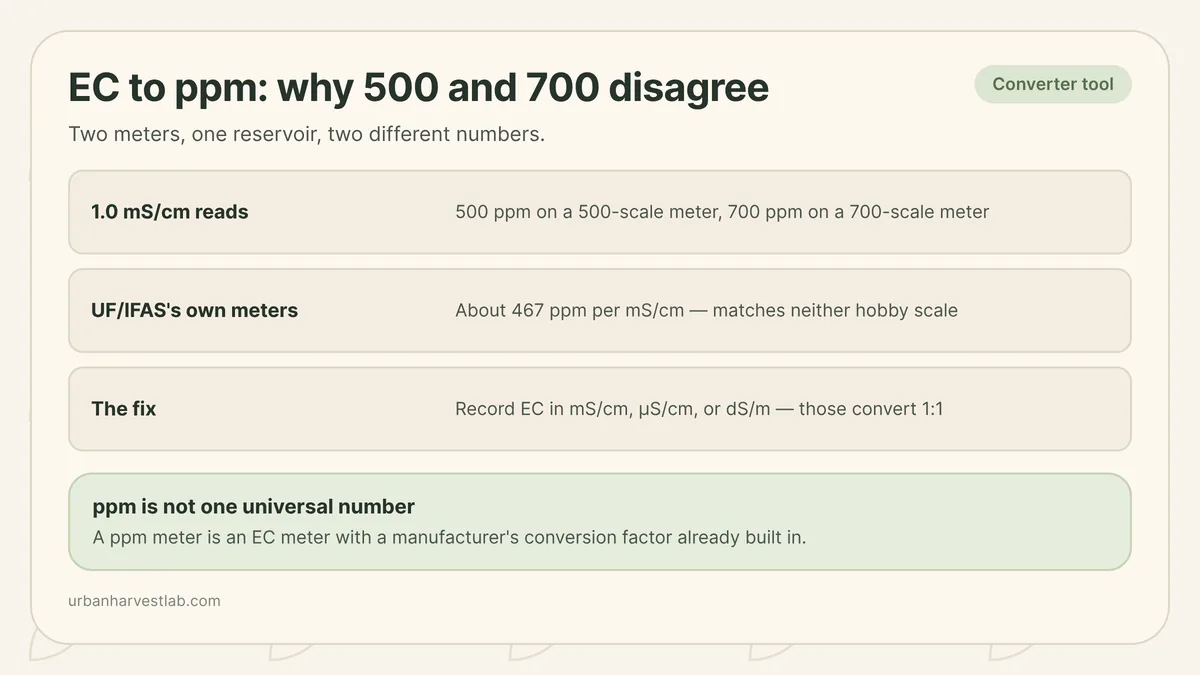
An EC reading converts to two different ppm numbers depending on which scale a meter uses. Convert both directions here, and see why 500 and 700 disagree.
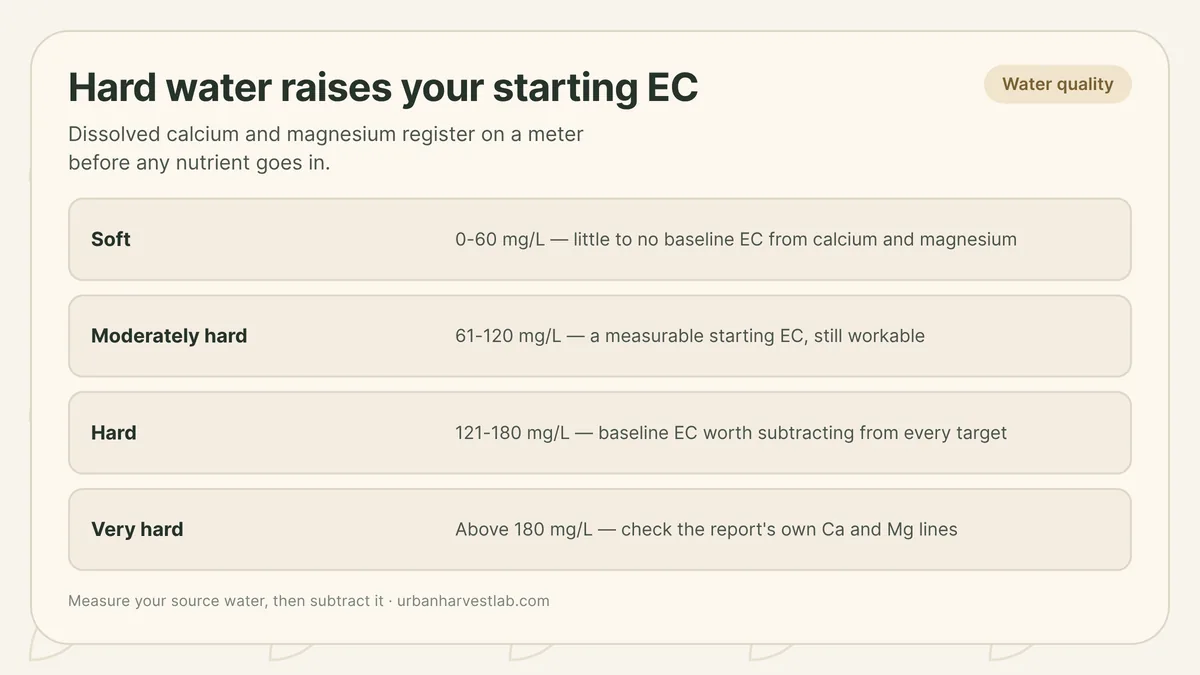
Tap water carrying dissolved calcium and magnesium does not start at zero EC. Here is how much that shifts your baseline, and how to mix around it.
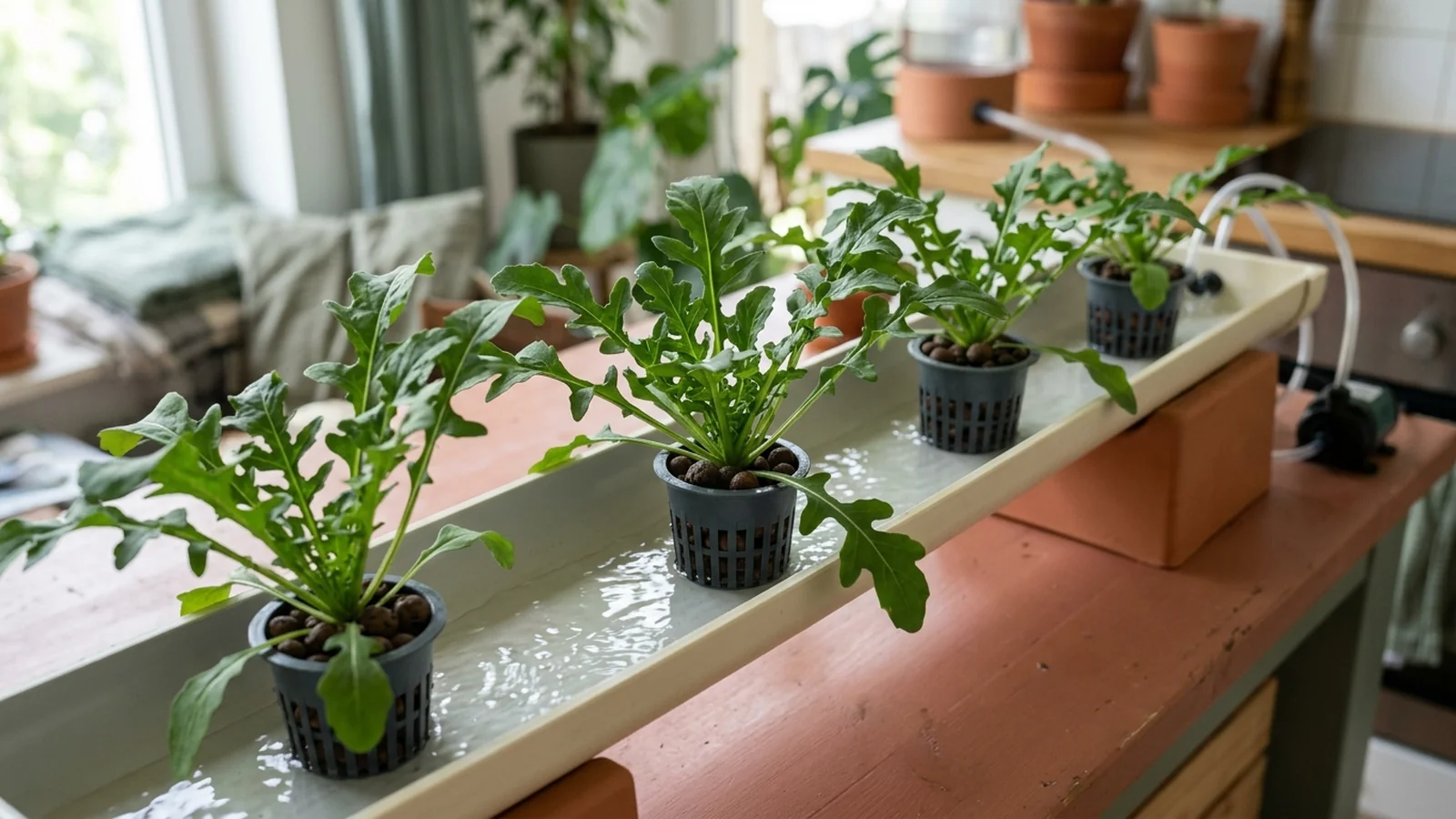
Arugula has no dedicated hydroponic EC or pH figure in the extension research, and it is one of the few crops grown here as both a full hydroponic leafy green and a fast microgreen.
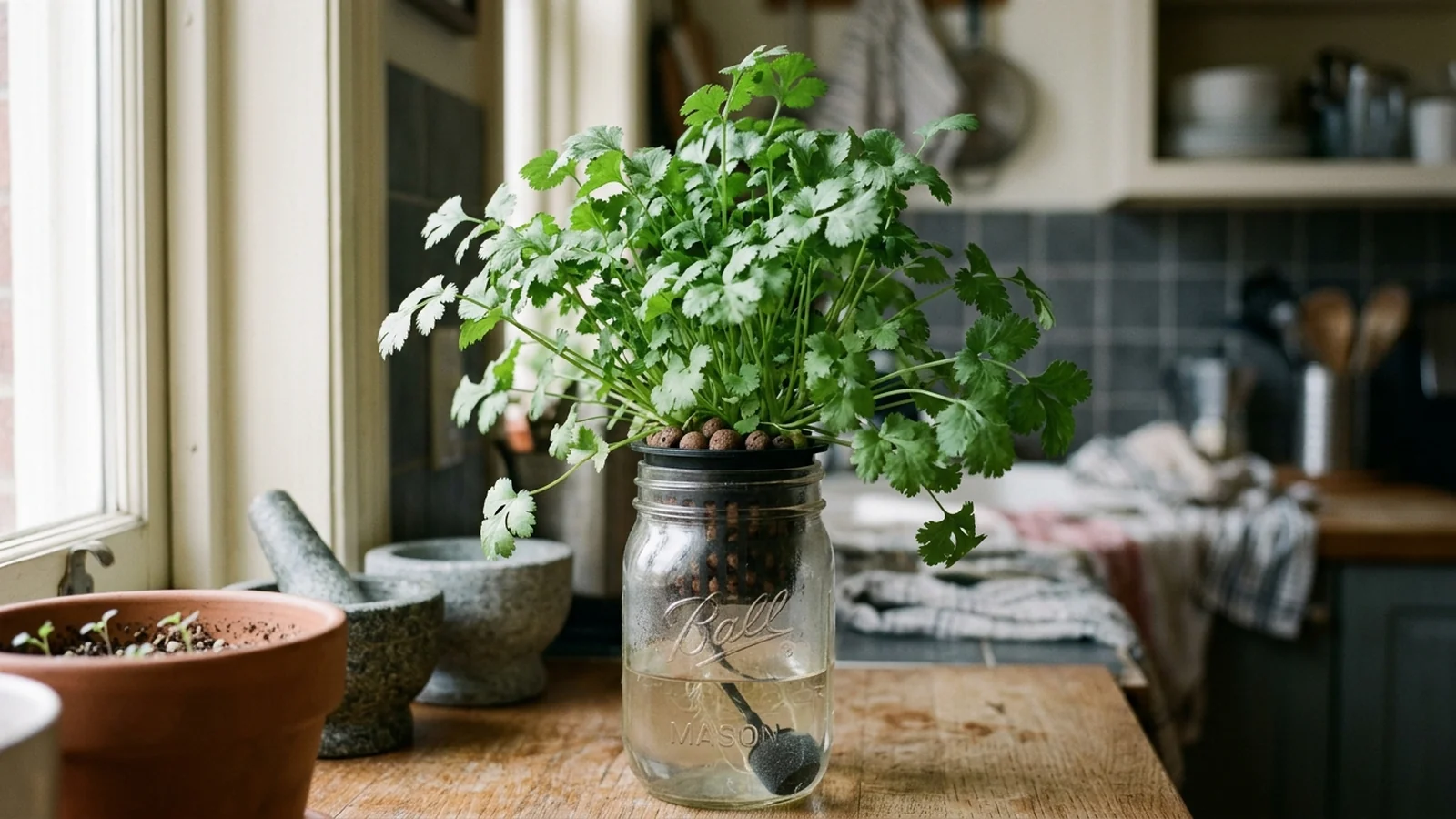
Oklahoma State's hydroponic crop table skips cilantro the way it skips mint and arugula. Here is what to run instead, and why the plant's speed to flower matters more than its water chemistry.
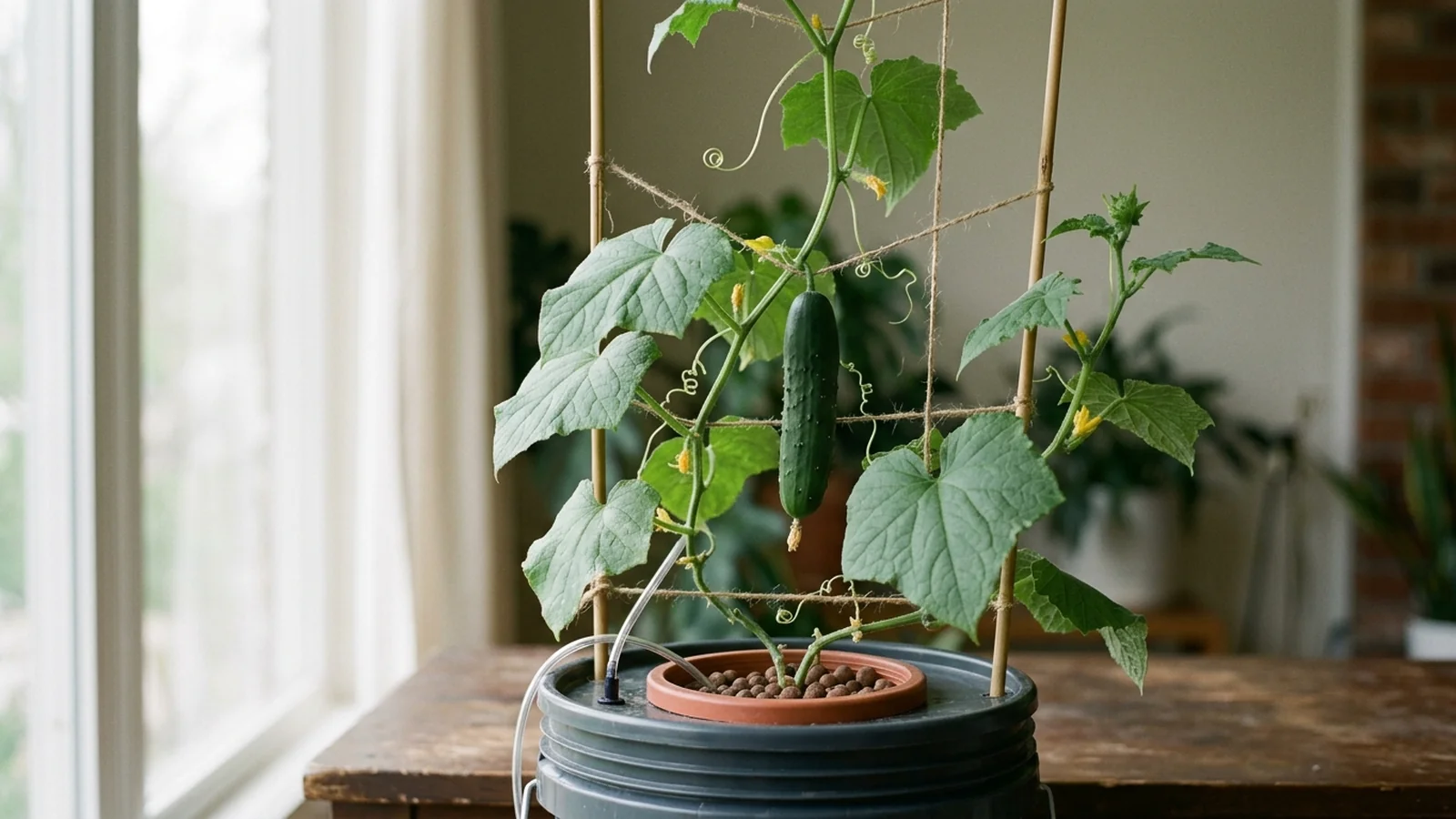
Hydroponic cucumbers need a more acidic solution than most crops, and a vine that keeps climbing well past where a leafy-green tray stops. Here is the footprint an apartment setup actually takes, trellis included.
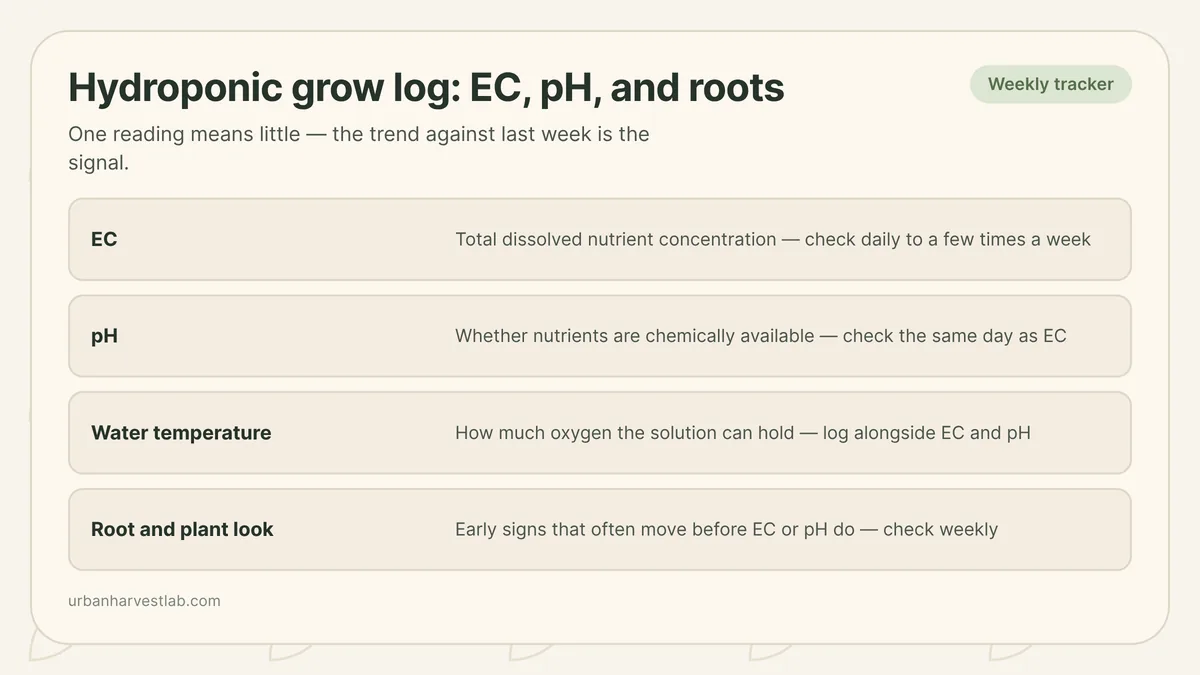
A single EC or pH reading tells you almost nothing. The same number logged every week, compared against last week's, is what actually catches a problem before the plant shows it.
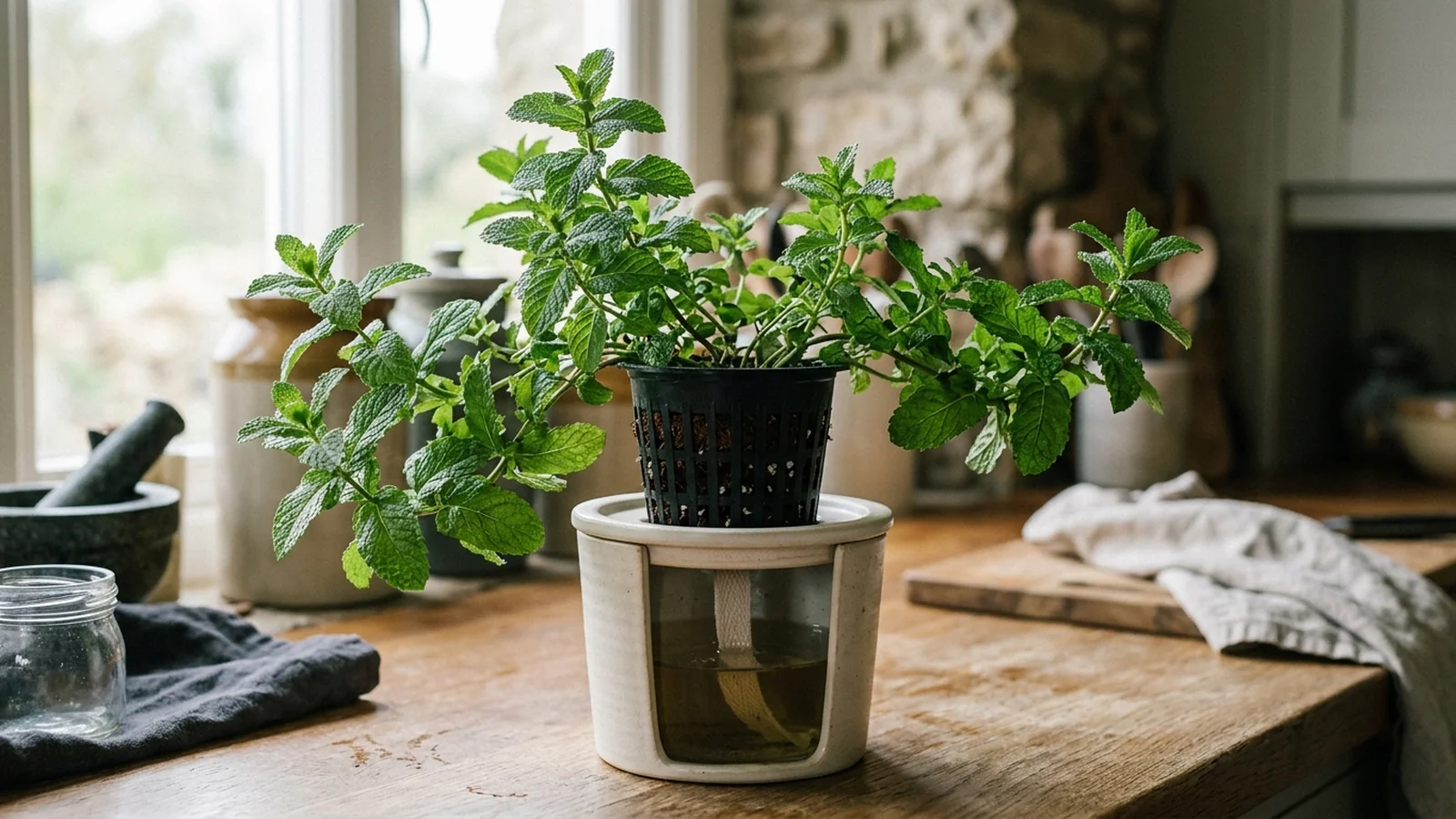
Mint's spreading roots make it one of the easiest hydroponic herbs and one of the worst reservoir-mates. Give it a system of its own and harvest it hard, and it rewards you all season.
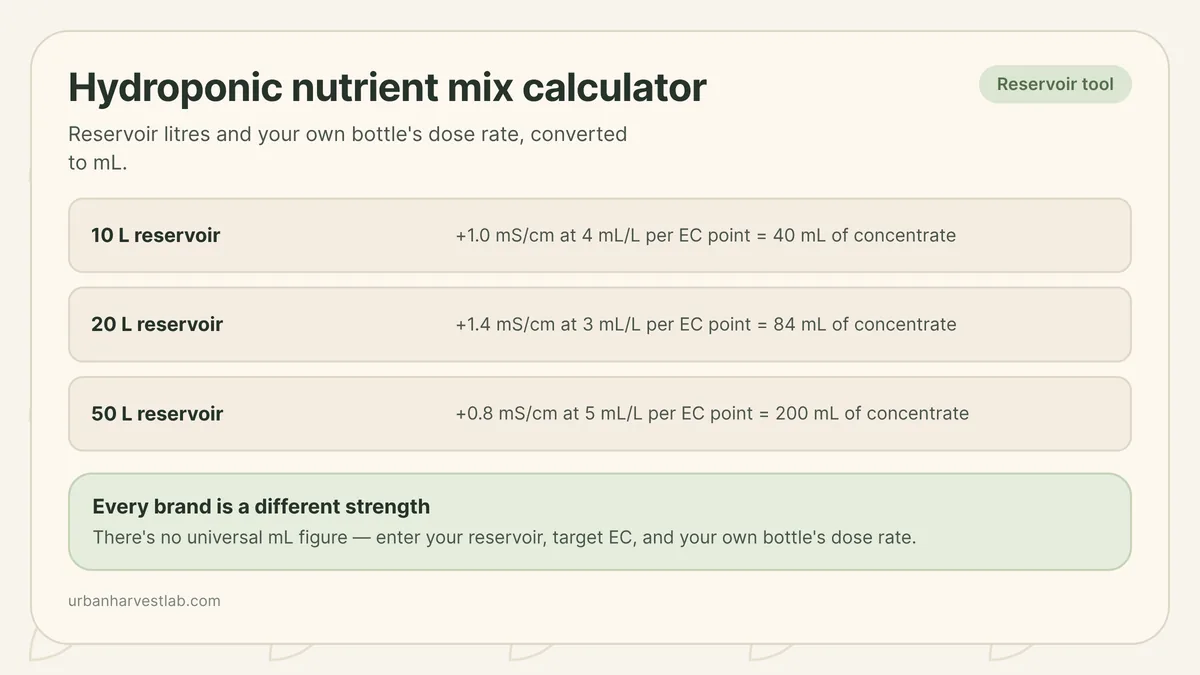
There is no single ml-per-litre number for hydroponic nutrients, because every brand's concentrate is a different strength. Enter your reservoir, your target EC, and your own label's dose rate here.
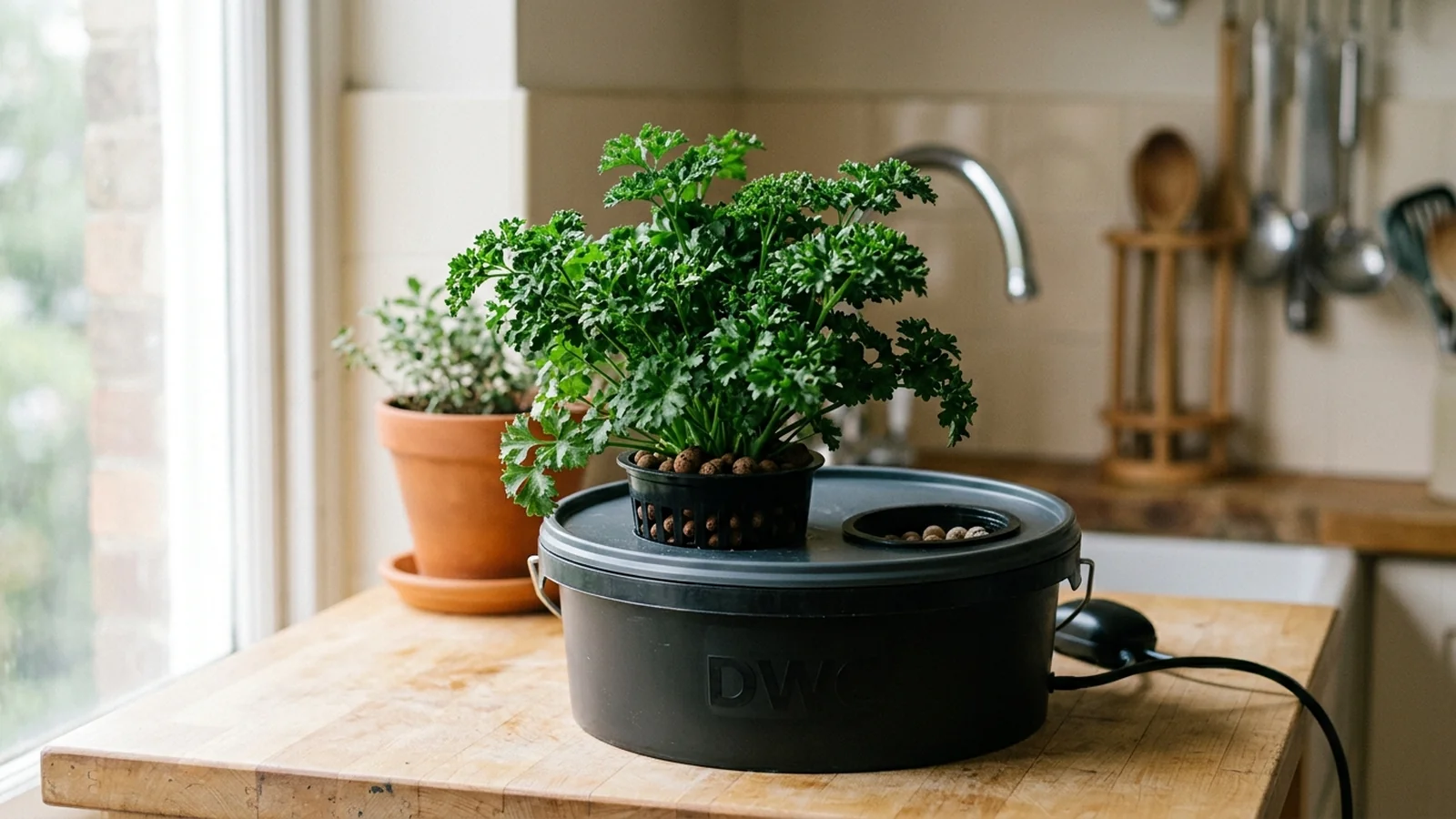
Parsley grows into a dense, productive hydroponic herb, but it makes you wait for it. Here is what to expect at the germination tray and at the reservoir.
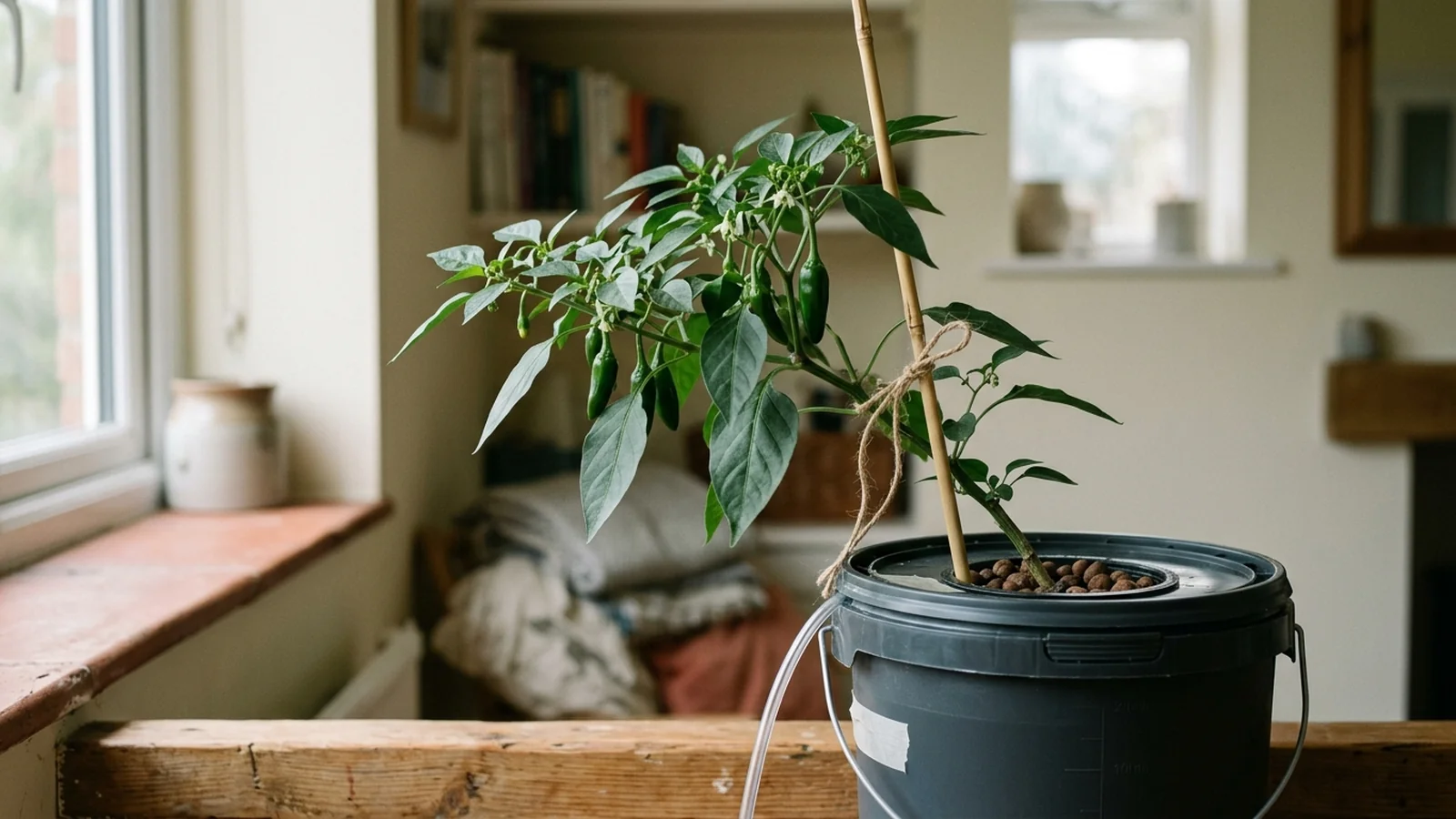
Peppers are the hydroponic fruiting crop that forgives a mixing mistake tomatoes would not. That does not make them a light or pollination shortcut.
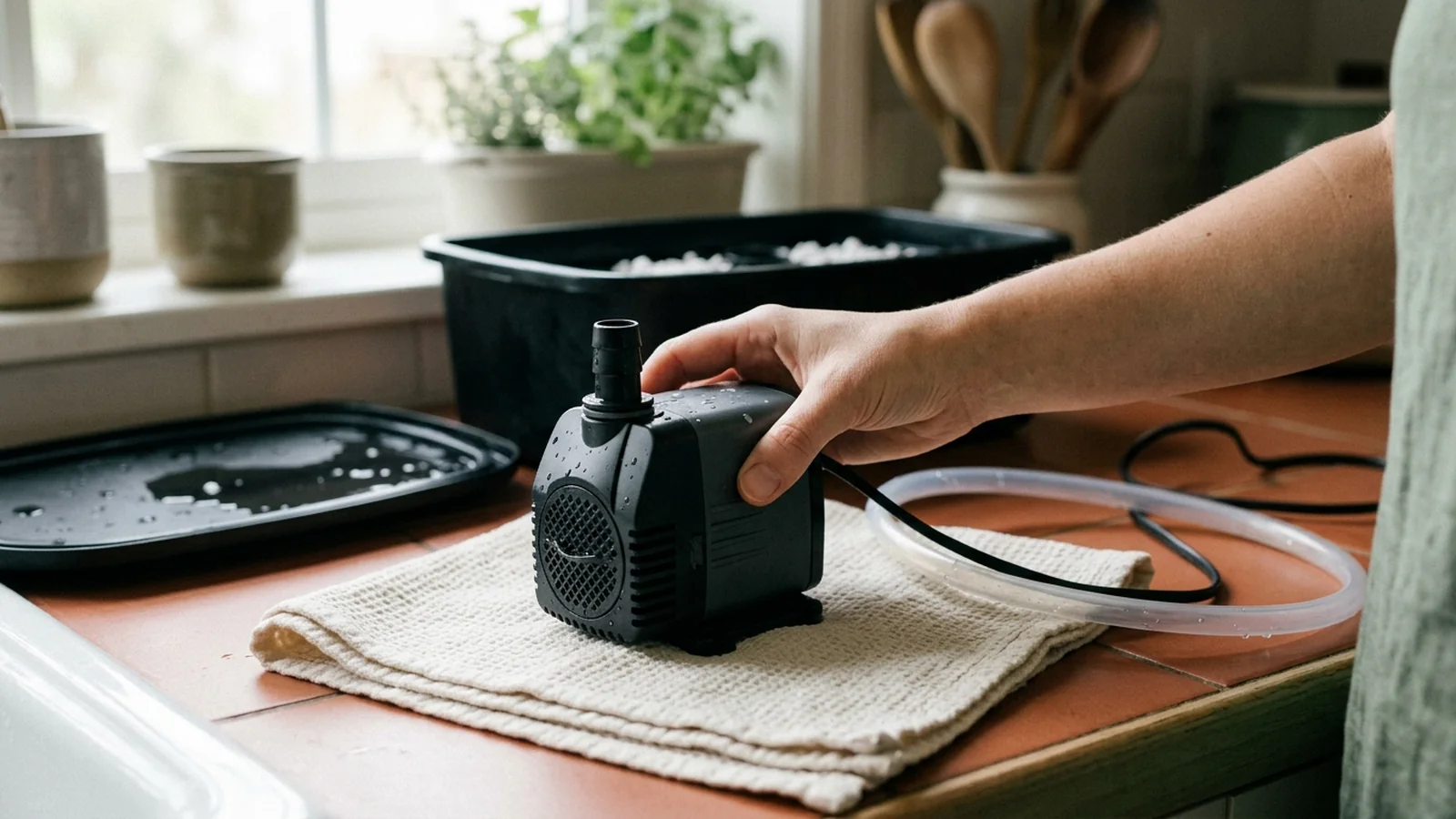
A stopped pump does not threaten every hydroponic system the same way. Here is the mechanism behind each one, and the plan to run when yours goes quiet.
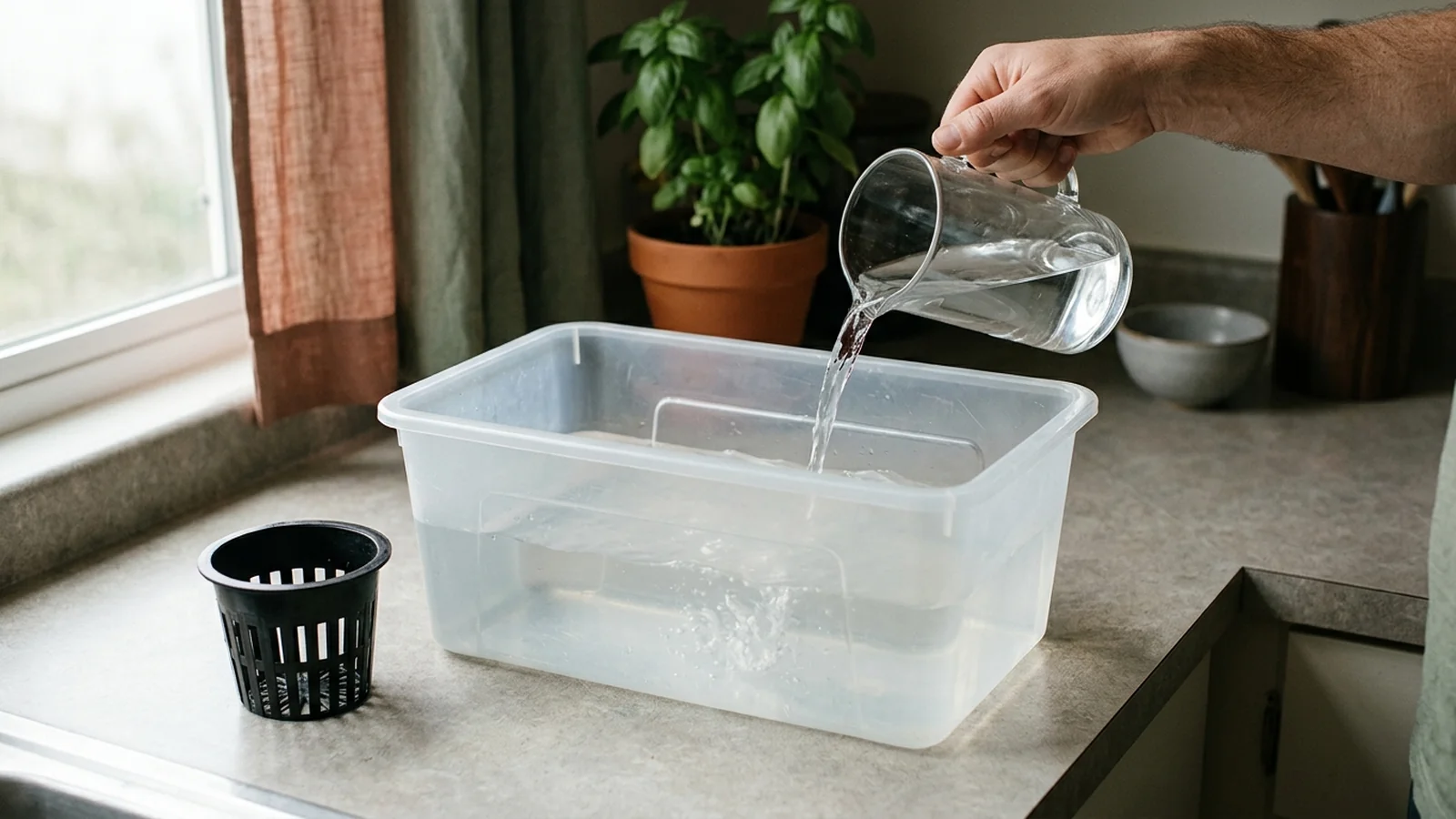
Reservoir size is a function of plant count, system type, and one sourced rule for deep water culture: more than 4 litres per plant. Here is how to size yours.
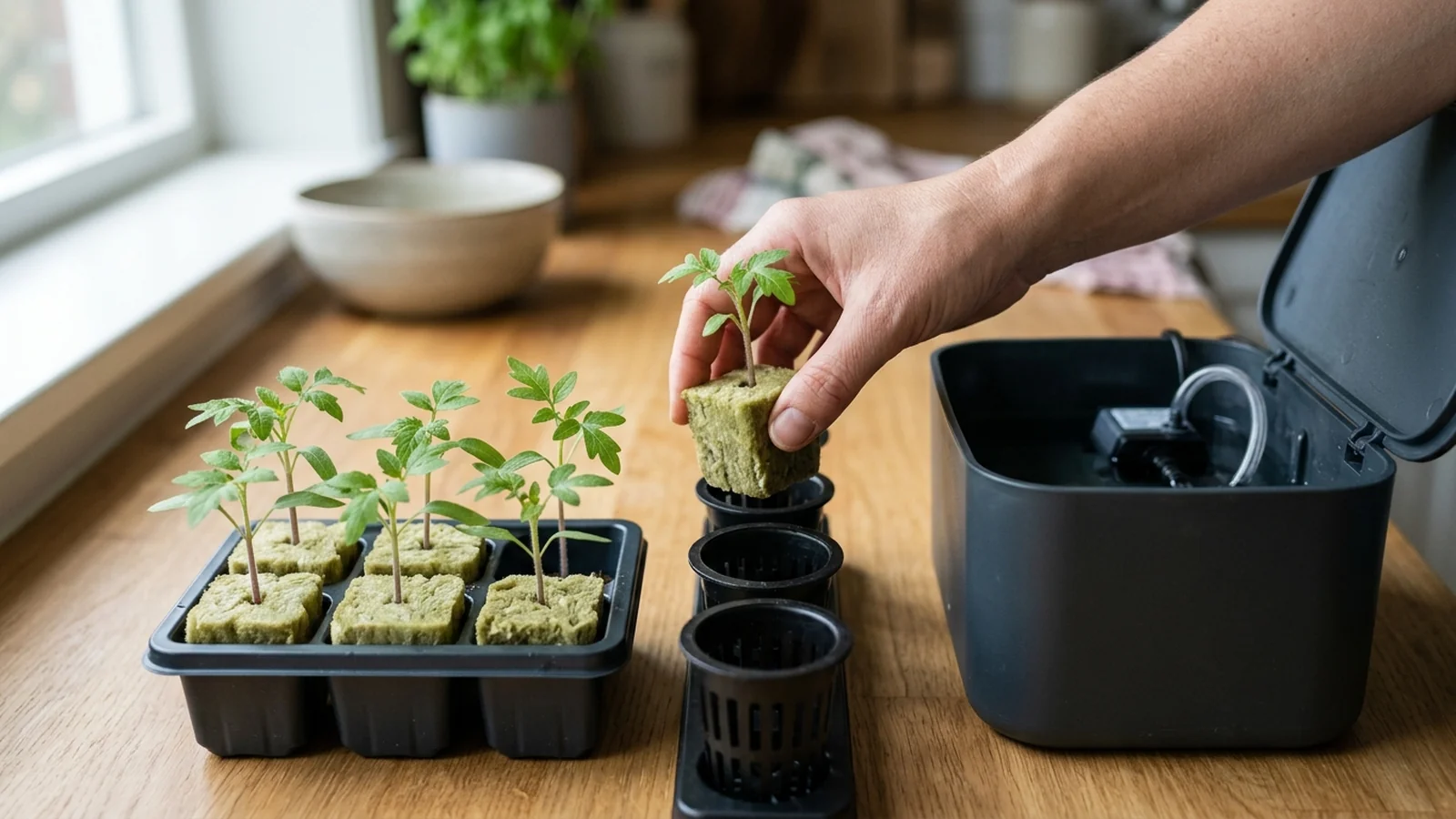
Print this before you move a single seedling: root and leaf checks, reservoir prep, and the handling steps that keep transplant shock from turning into a lost tray.
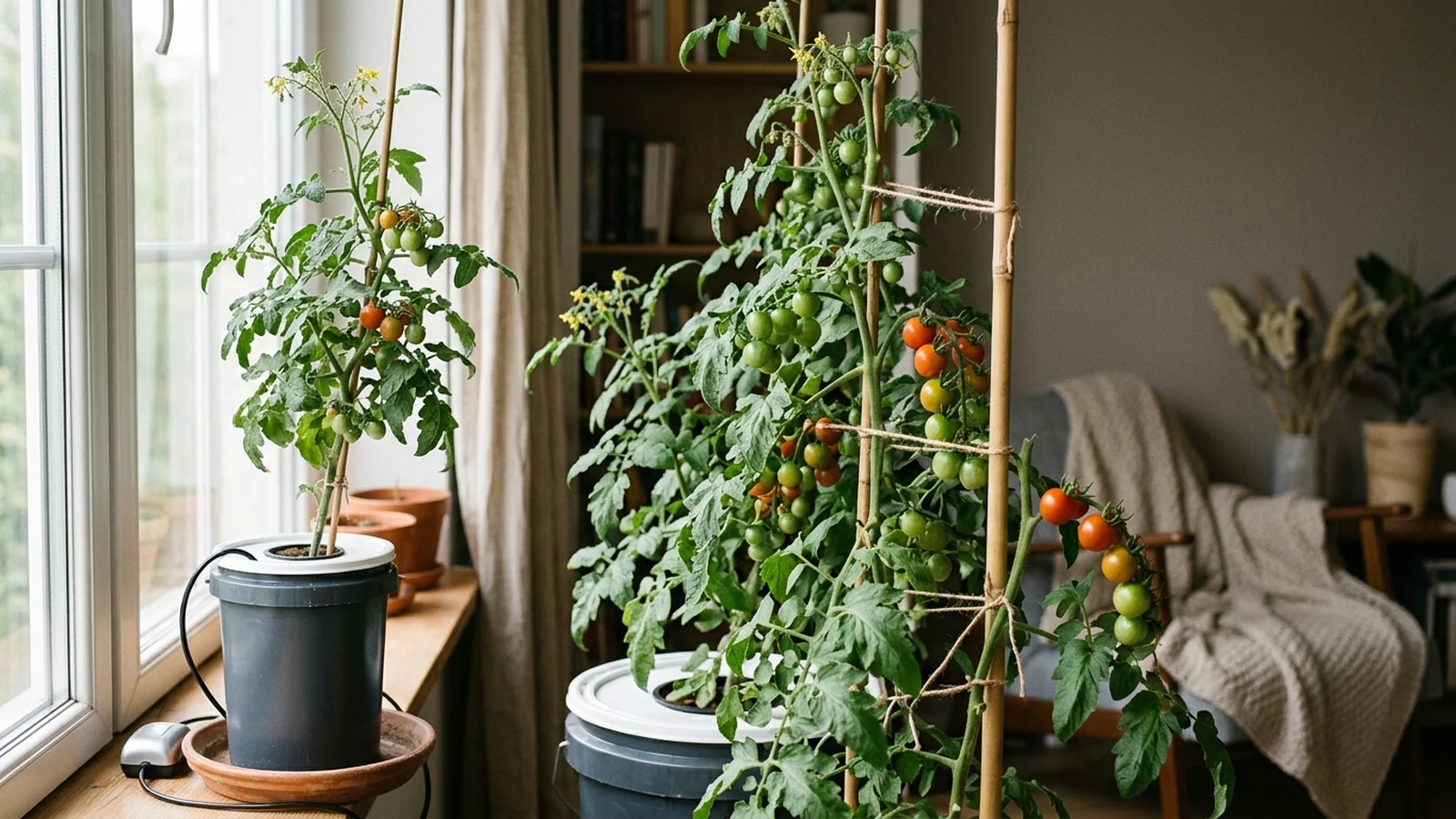
Tomatoes are the first fruiting crop most hydroponic growers try indoors, and the jump from lettuce is bigger than it looks. Here is the system, the EC program, and what to expect.
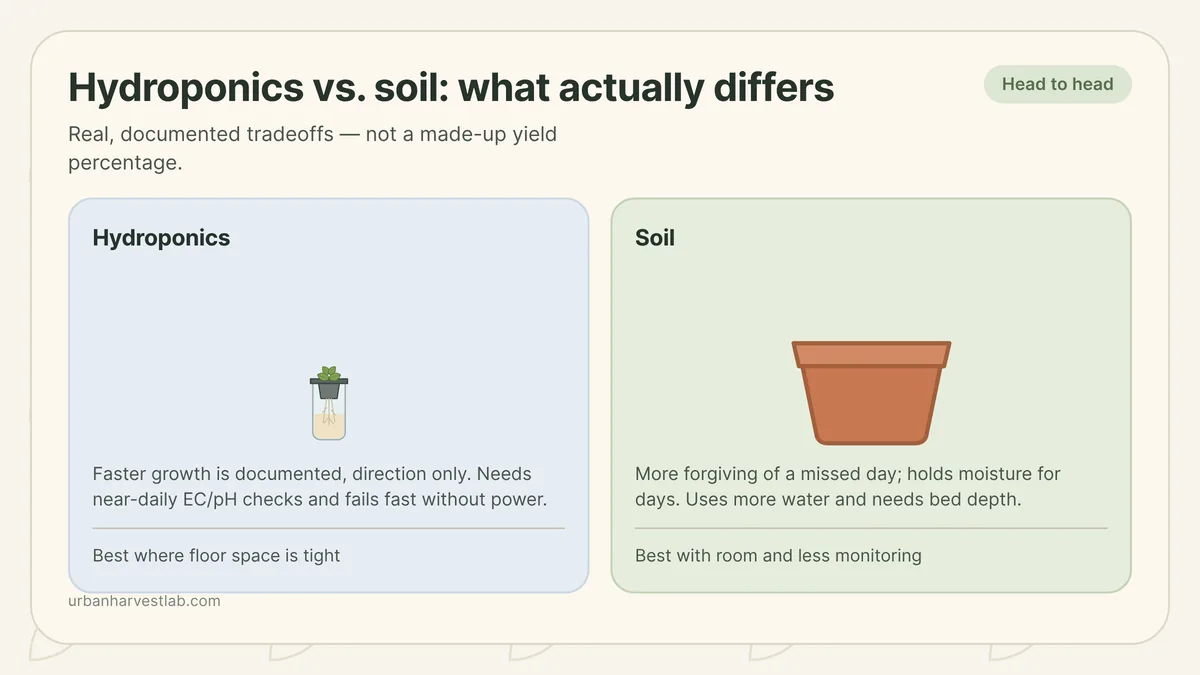
Hydroponics and soil differ in real, documented ways, but a single head-to-head yield percentage is not one of them. Here is what university extension research actually measured.
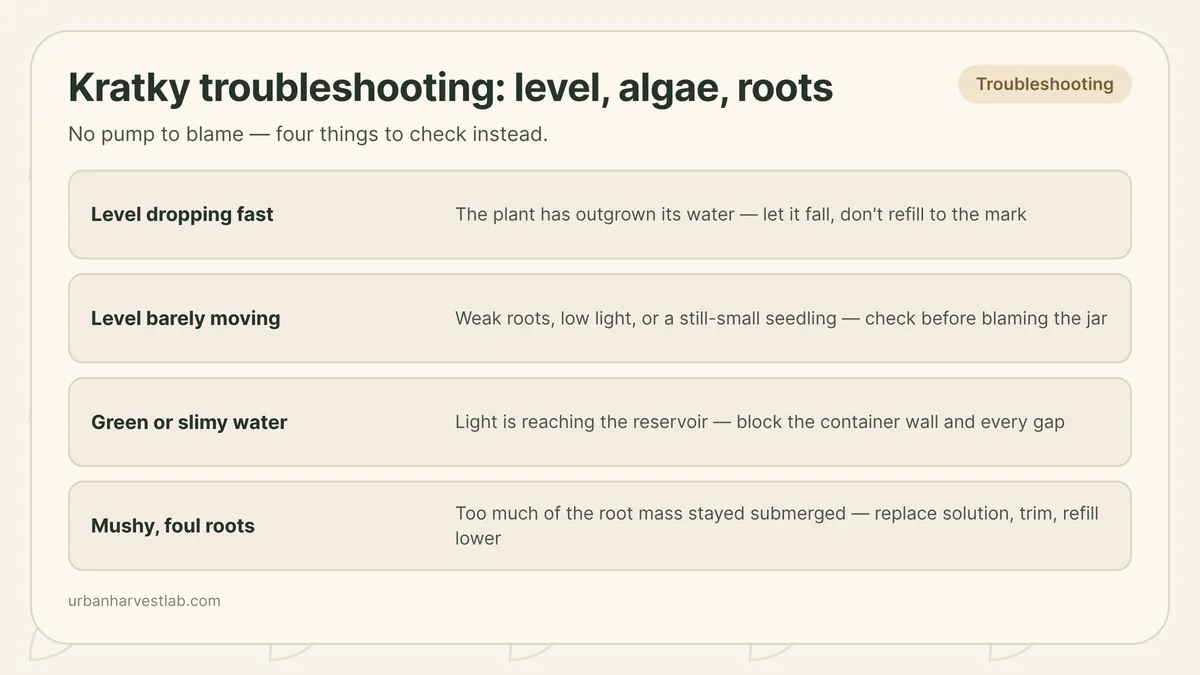
Most Kratky failures trace to one of four things: the water level, light reaching the reservoir, an over-submerged root zone, or a tray too small for the plant. Here is how to tell which one is yours.
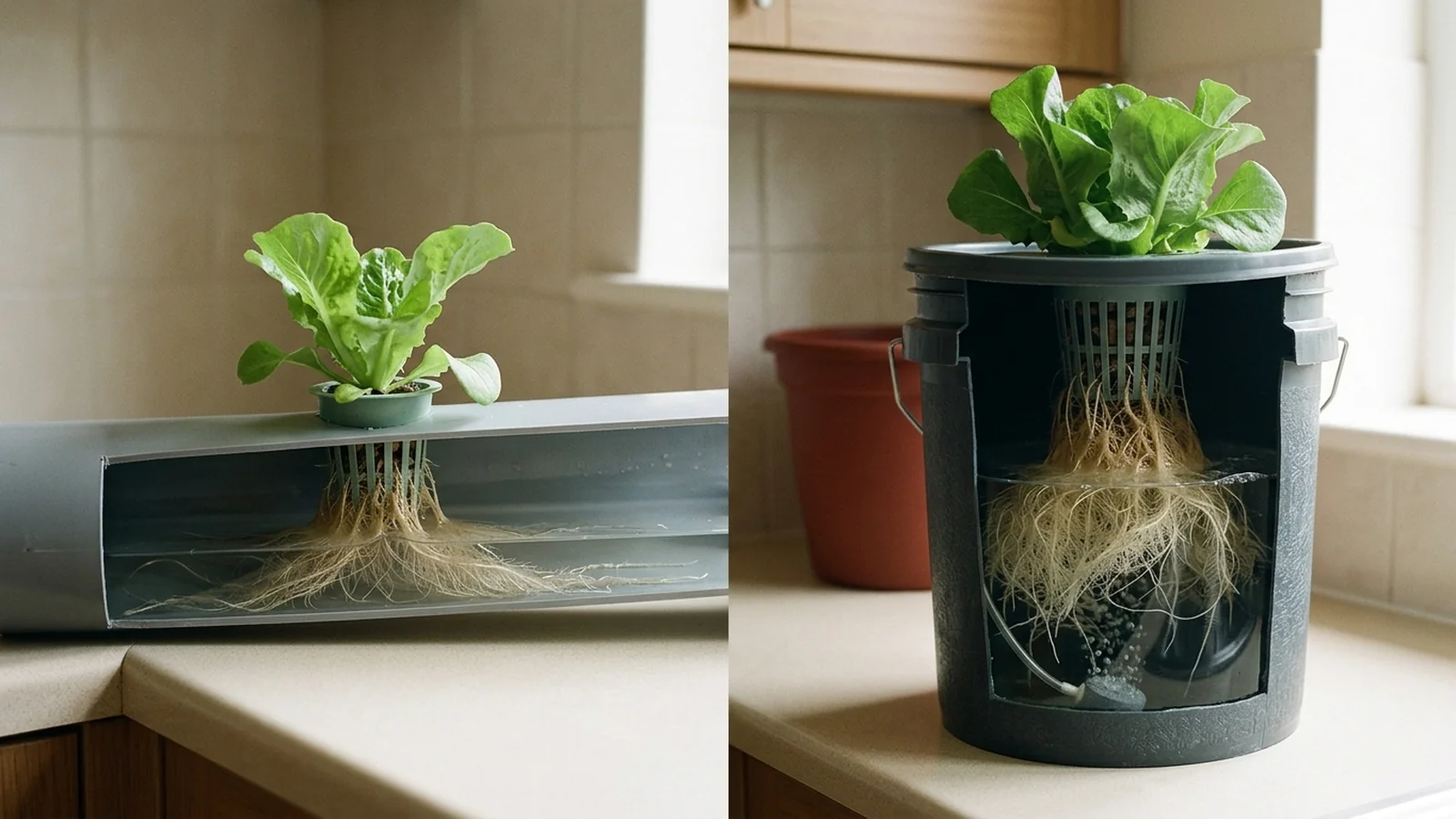
NFT and DWC both grow lettuce and greens well, but they get oxygen to the roots in opposite ways, and that difference decides how each one fails.
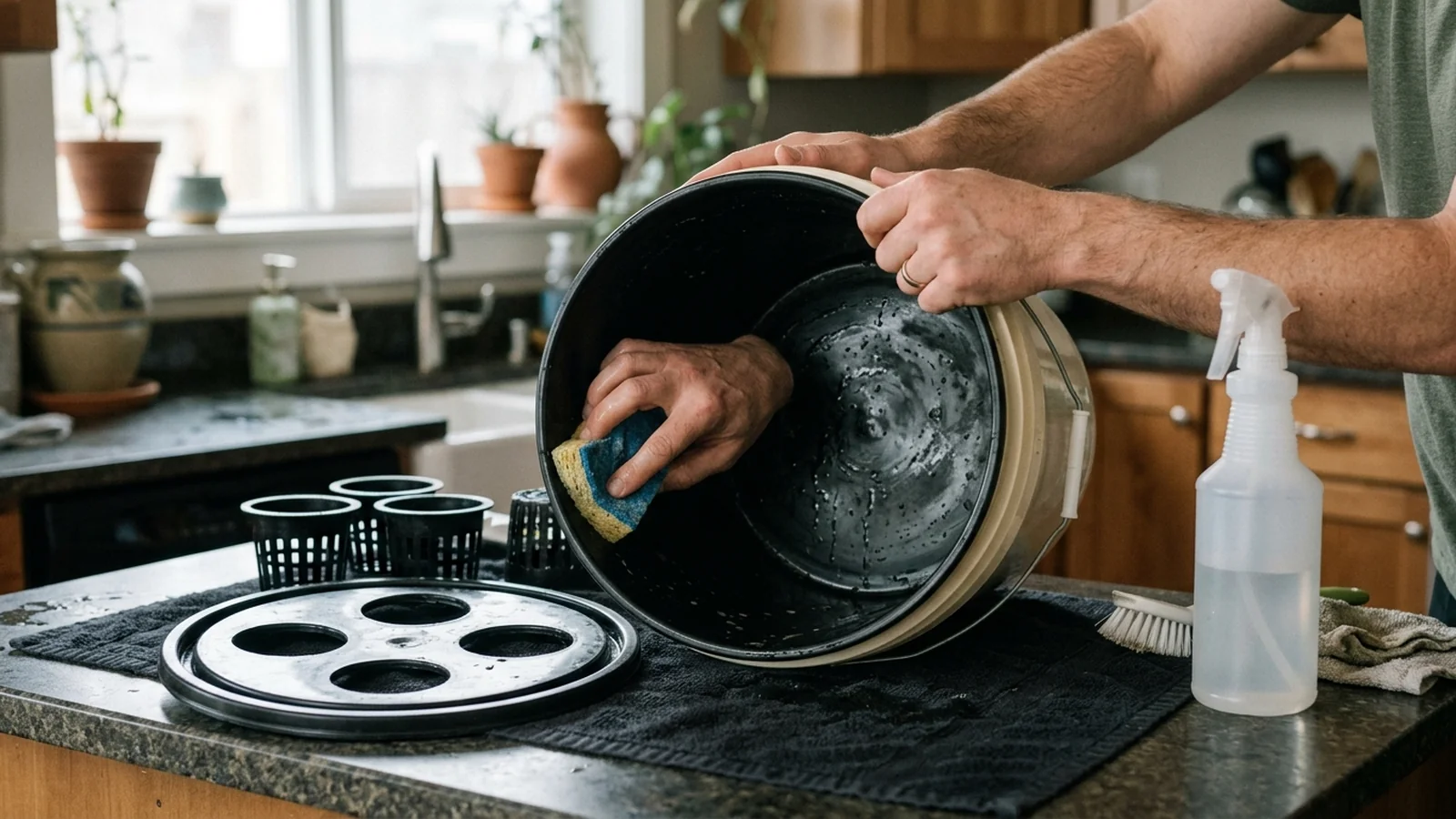
Cleaning gets the biofilm off. Sanitizing between crops is a separate, timed step with its own dose and its own rinse rule — and the reservoir and the equipment surfaces do not get the same ending.
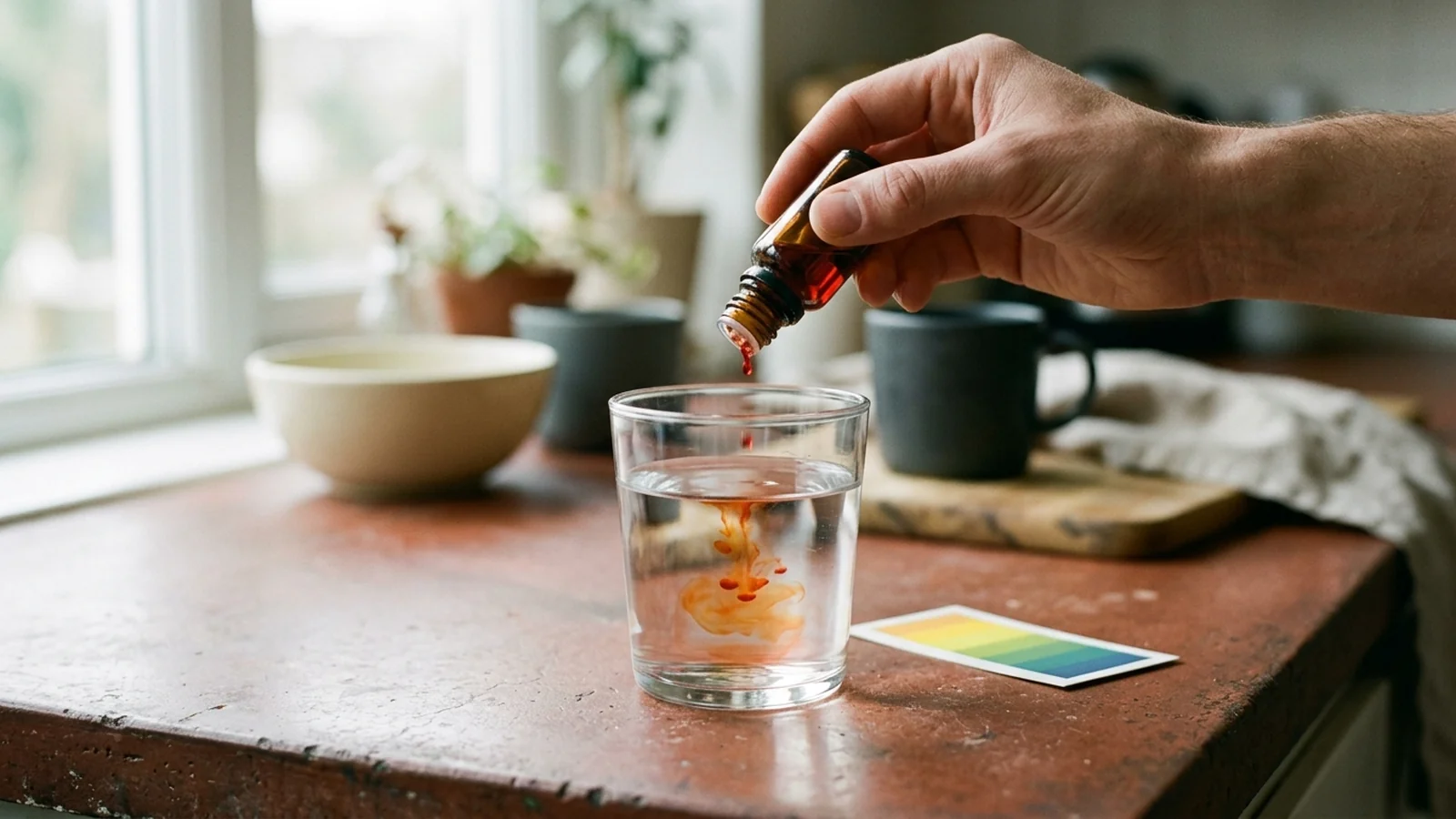
Dosing pH down and watching the reading climb back up within a day usually means the water itself is buffered against the change. Here is what alkalinity measures, the range that keeps a reservoir stable, and how it differs from hardness.
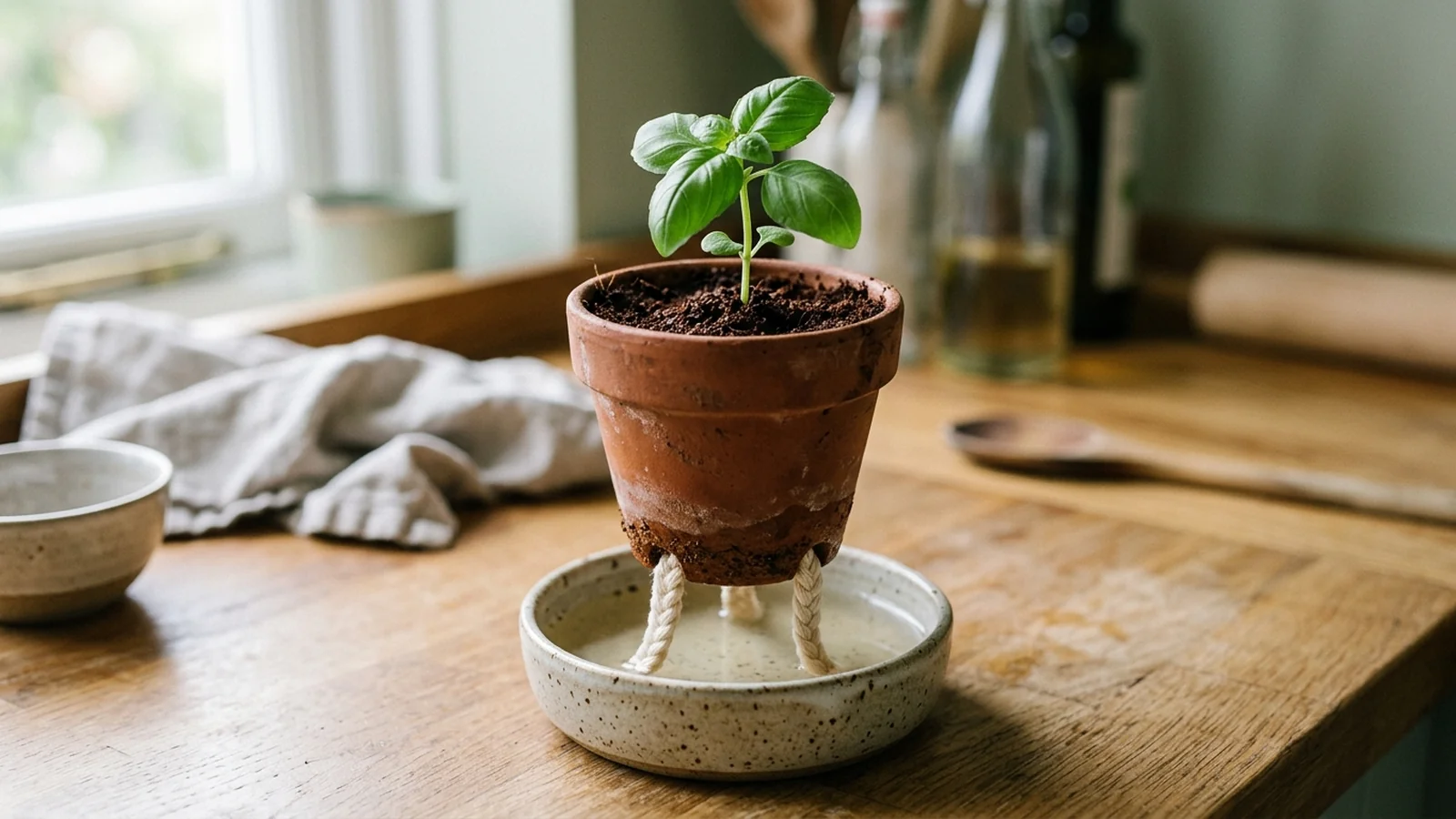
A wick hydroponic system has no pump, no air stone, and no moving parts at all; a wick just pulls nutrient solution up into the growing medium. That simplicity is also its ceiling.
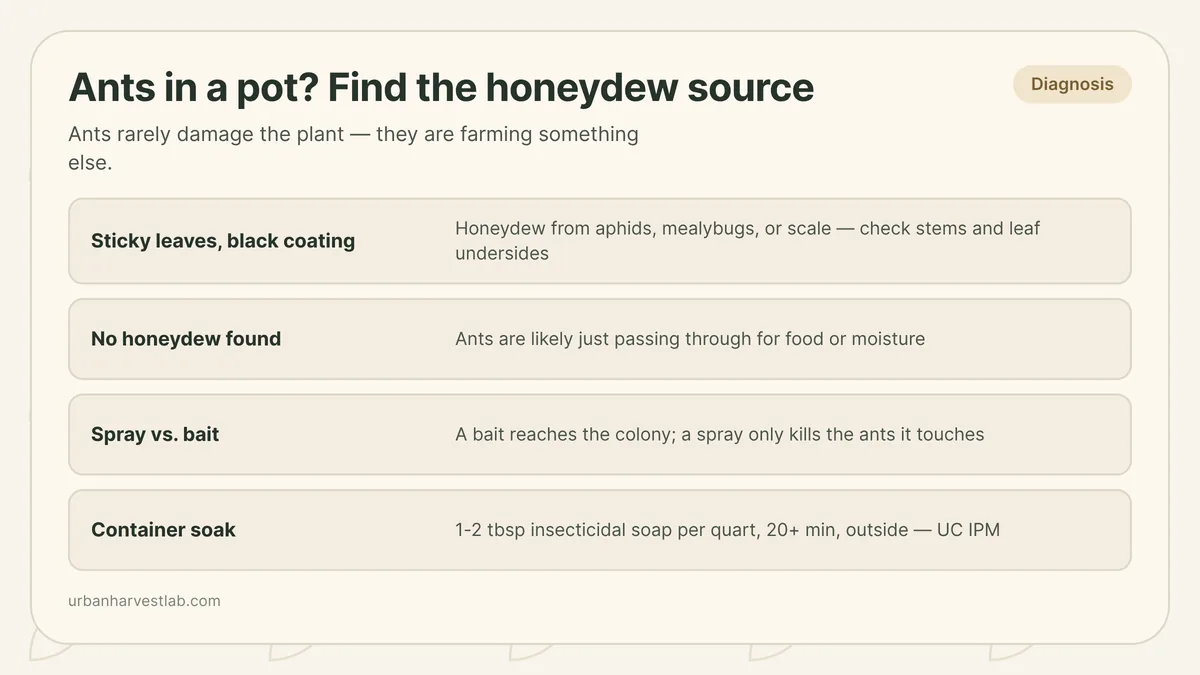
A trail of ants on a potted plant is almost always chasing honeydew from another pest, not damaging the plant itself, so the fix starts with finding that pest.
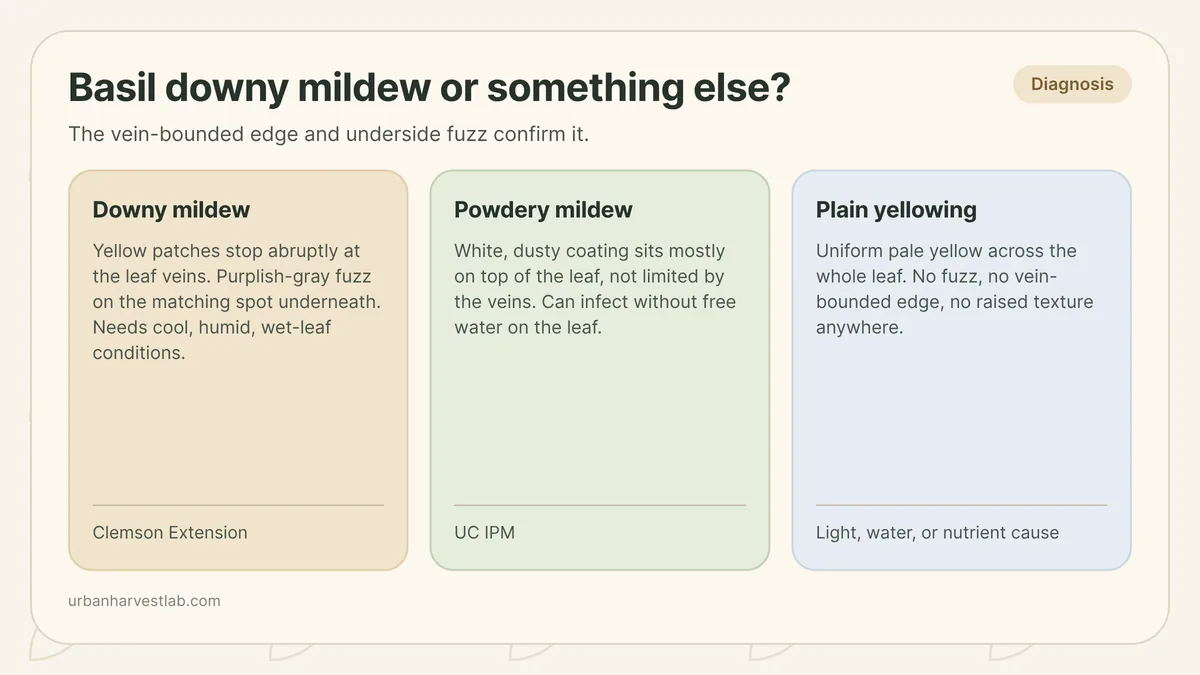
Vein-bounded yellowing on top with purplish-gray fuzz underneath means downy mildew, not a feeding problem and not powdery mildew.
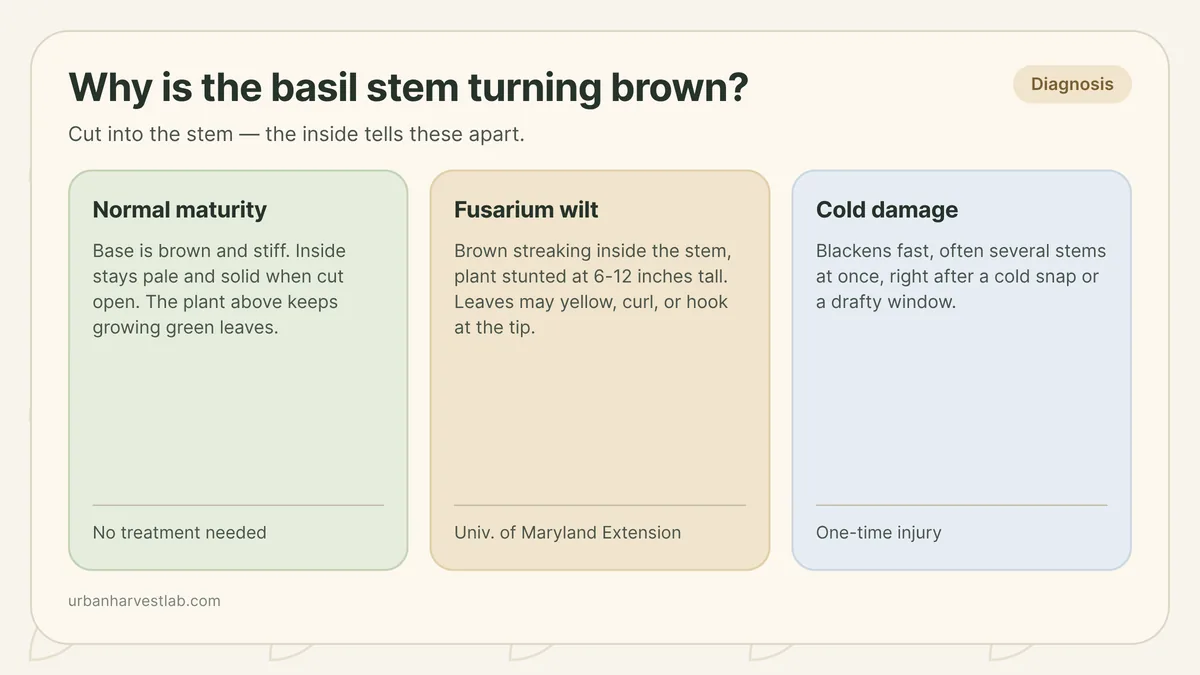
Where the browning starts, what the stem looks like when you cut into it, and how fast it happened are the three details that tell these apart.
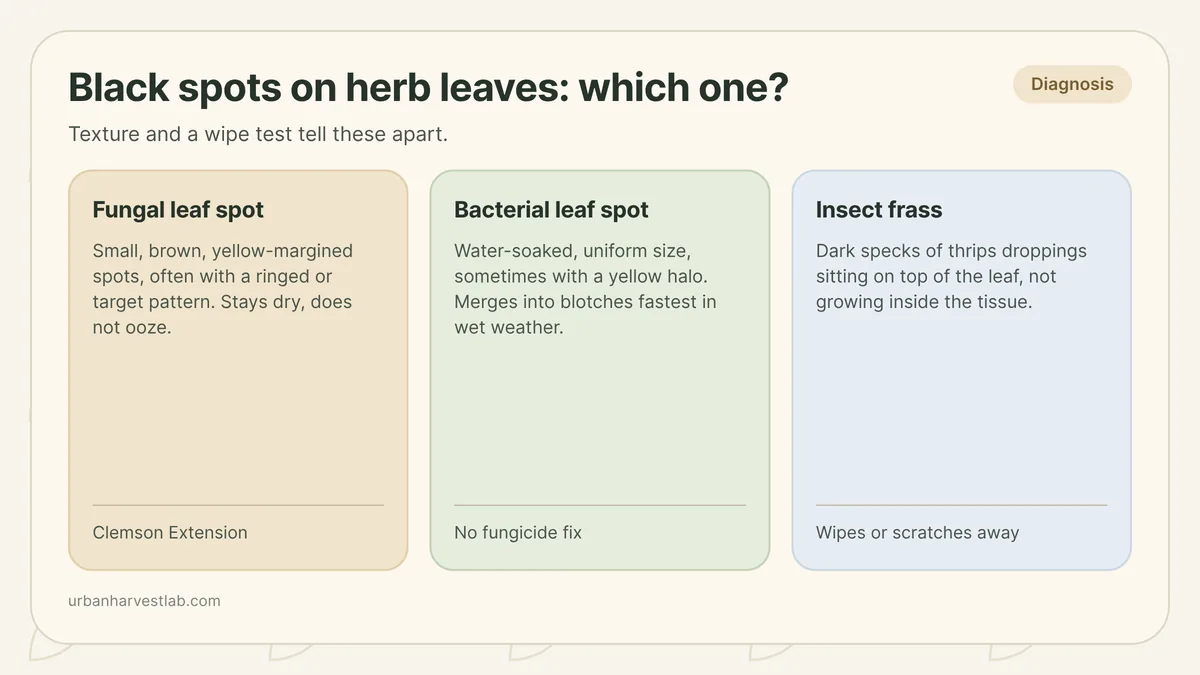
Black spots on herbs can be a fungal disease, a bacterial disease, or just insect droppings sitting on the leaf, and each one calls for something different.
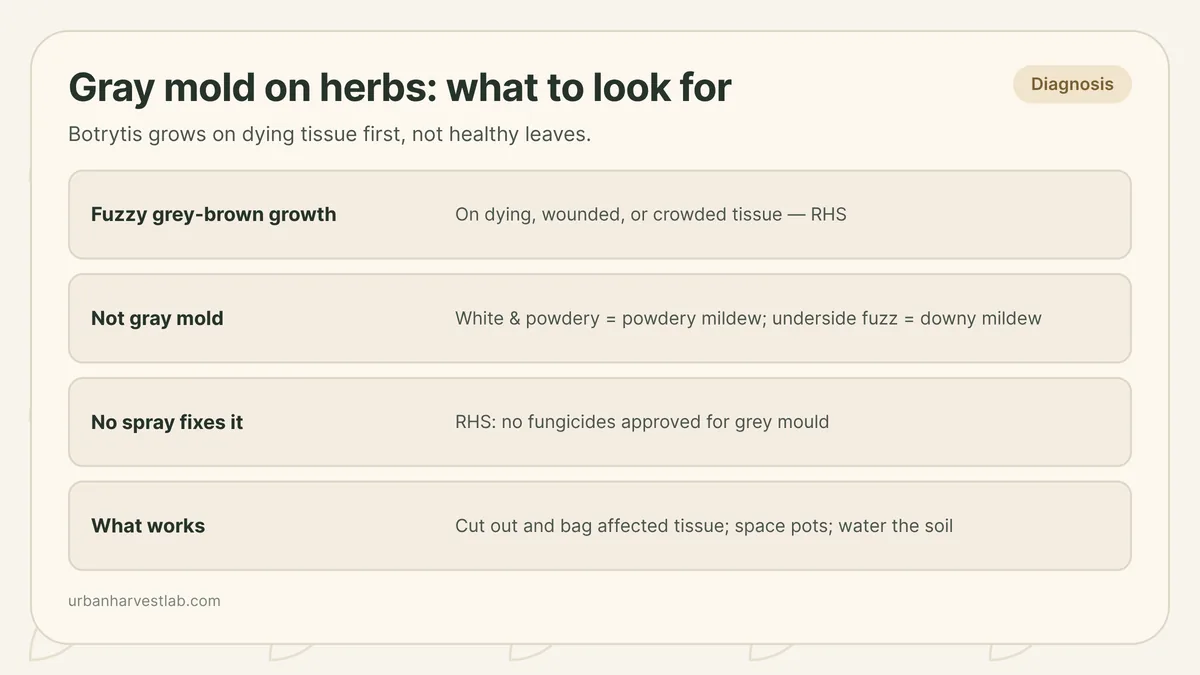
Gray mold grows on dying or wounded tissue first, not healthy leaves. Remove the source, open up the canopy, and stop watering overhead.
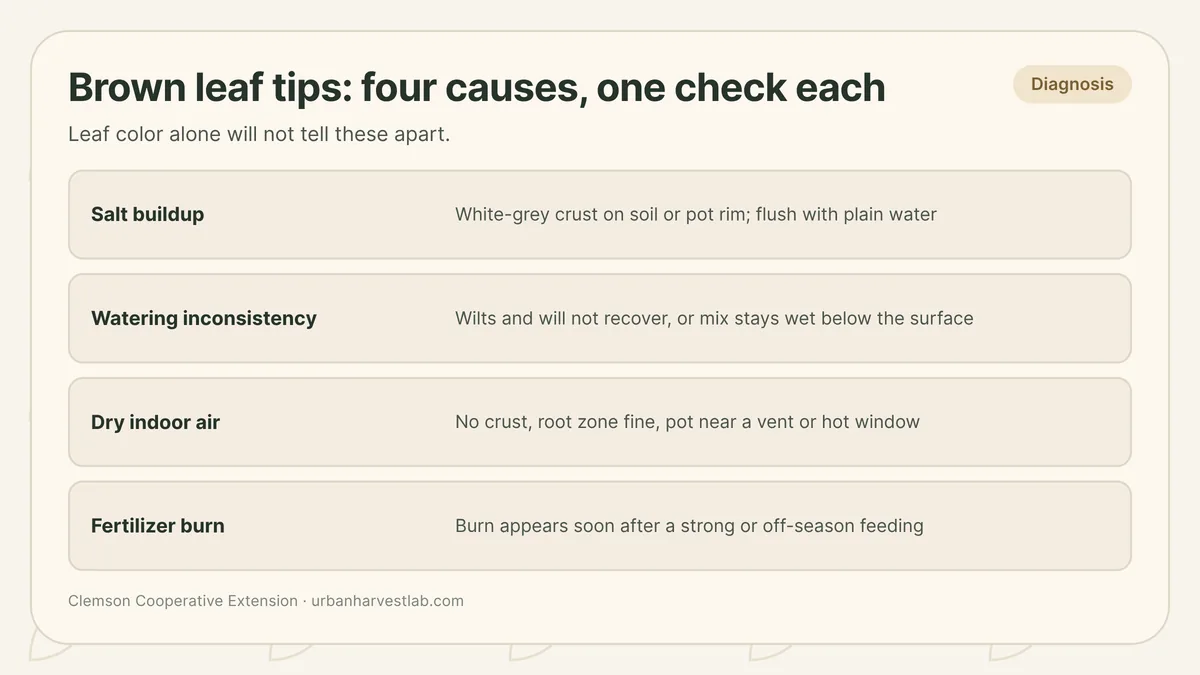
Four different problems produce the same crisped, brown tip. The soil surface, the root zone, and your last feeding date each point at a different one.
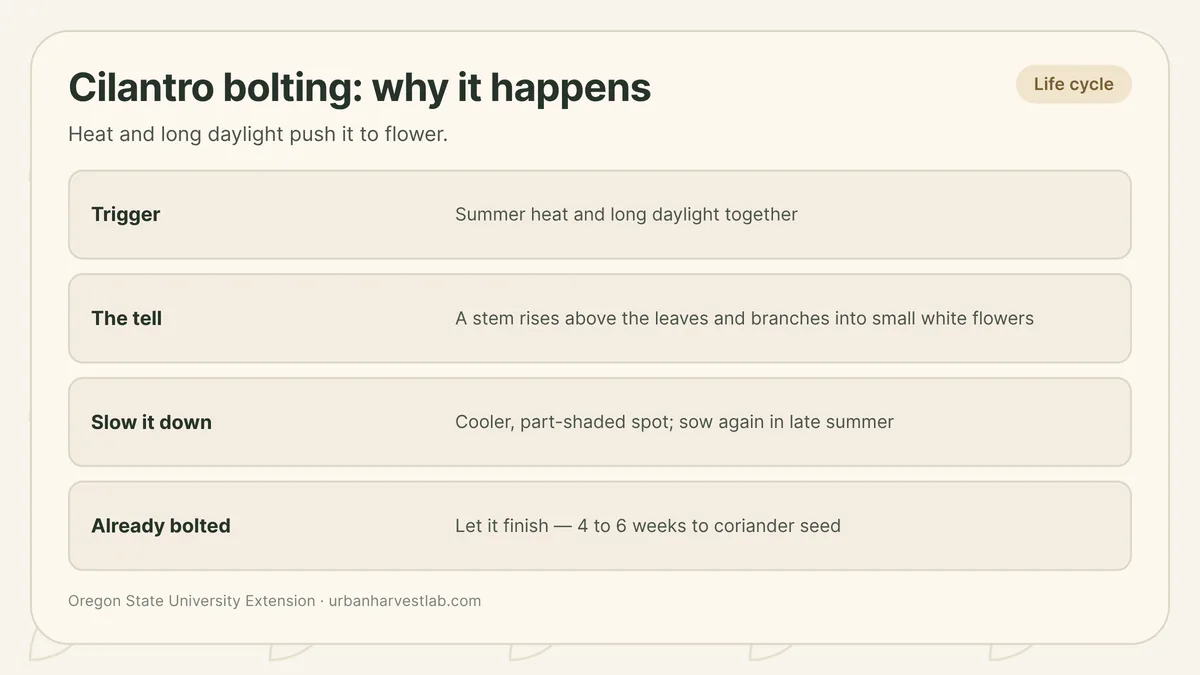
Cilantro is an annual that bolts once heat and long daylight hours push it toward flowering, and cooler placement, sowing timing, and succession sowing are what actually slow it down.
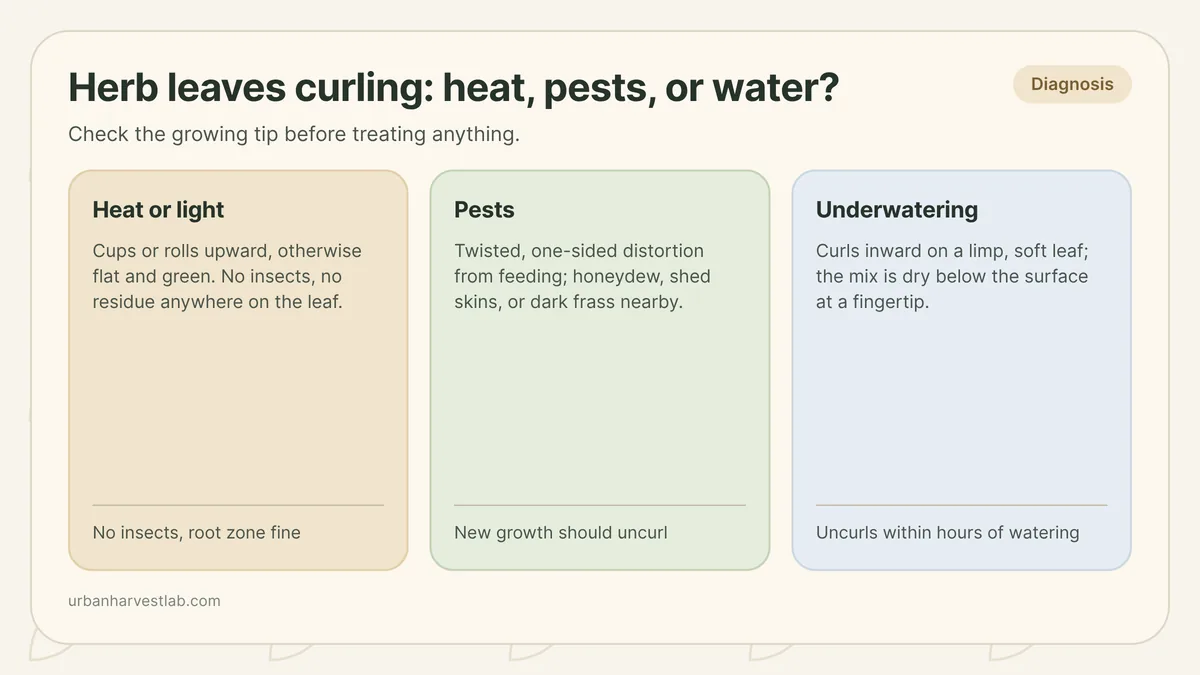
Curling herb leaves usually mean one of three things: heat or bright light, a pest on the growing tip, or a root zone that has gone too dry.
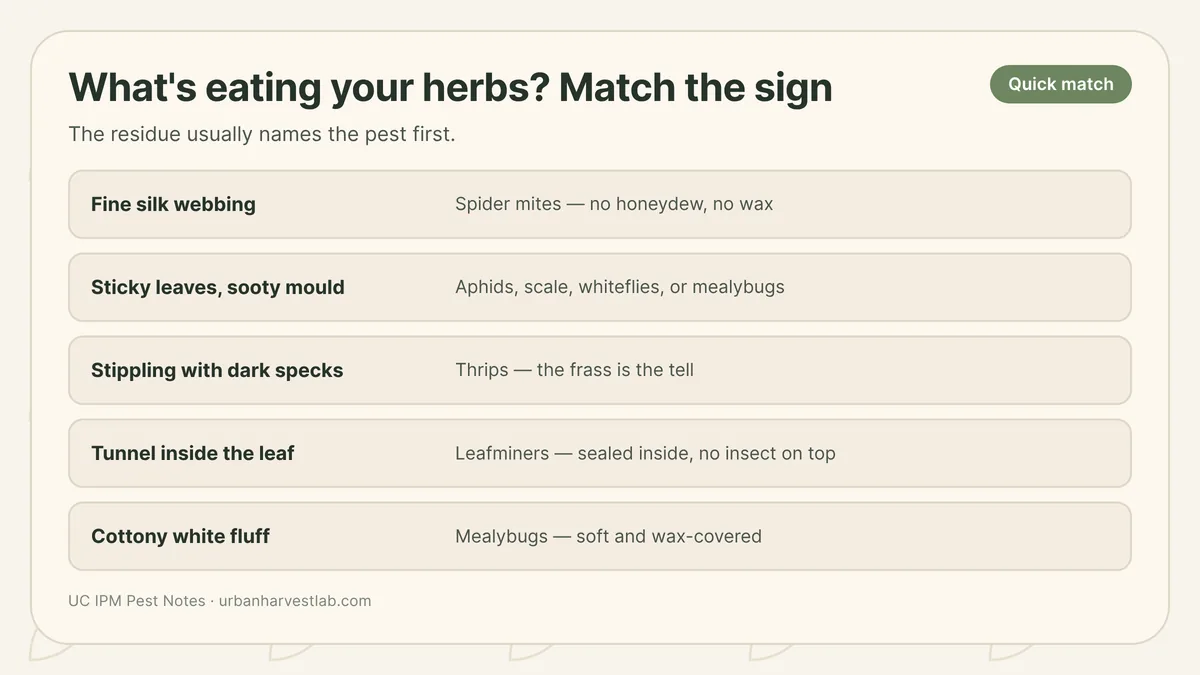
Every common herb pest leaves its own tell before you ever spot the insect itself. Pick out what you are actually seeing, then go straight to the page that treats it.
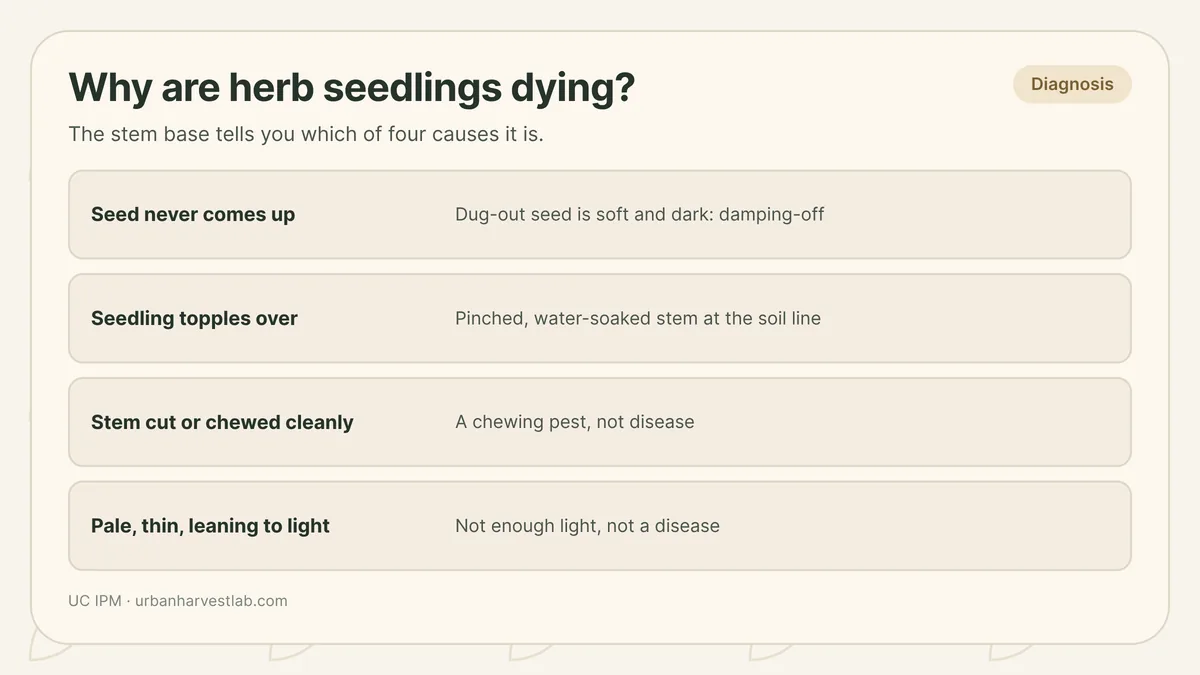
A tray of herb seedlings can fail three or four different ways, and they do not all look the same up close. The stem base and the seed itself tell you which one you have.
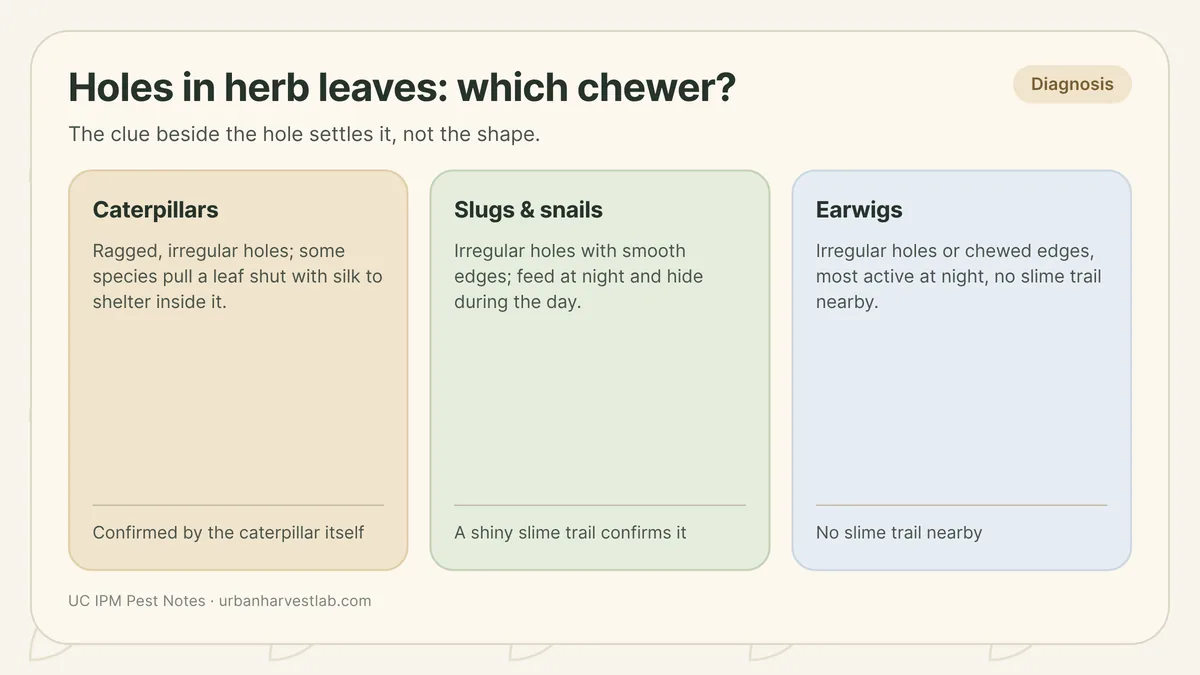
Three insects punch actual holes through a herb leaf: caterpillars, slugs and snails, and earwigs. Each leaves its own clue, and the clue matters more than the shape of the hole.
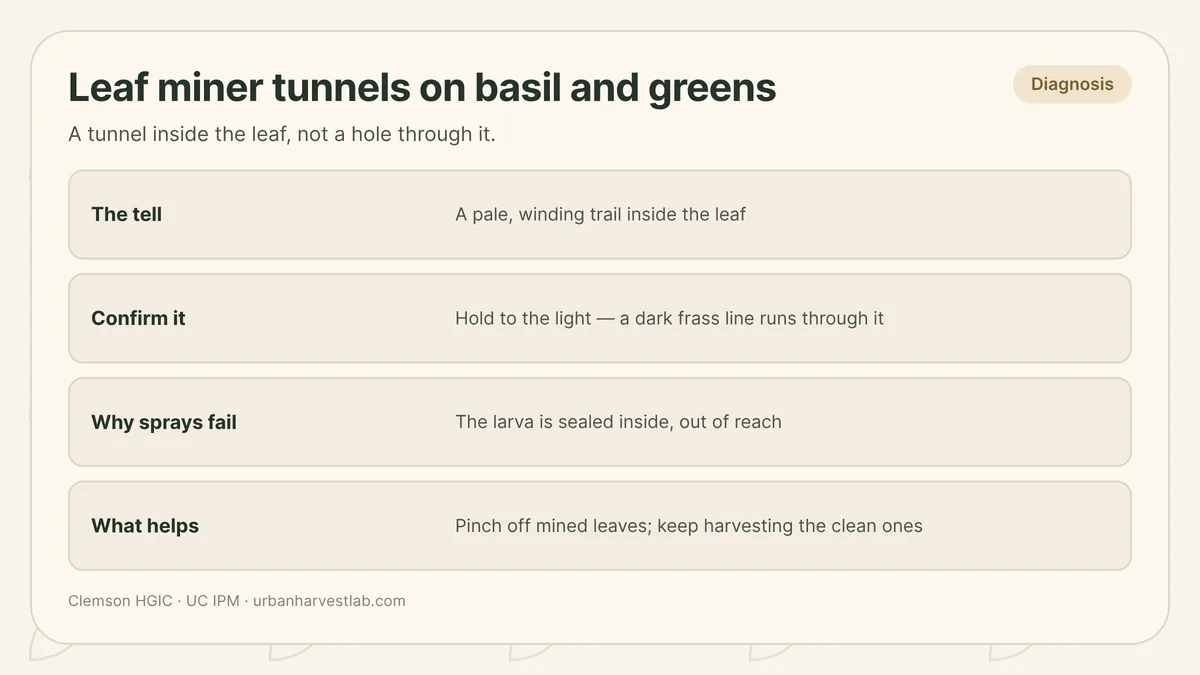
Leaf miner damage on basil and leafy greens shows up as a pale, winding tunnel inside the leaf tissue itself, and most sprays cannot reach the larva causing it.
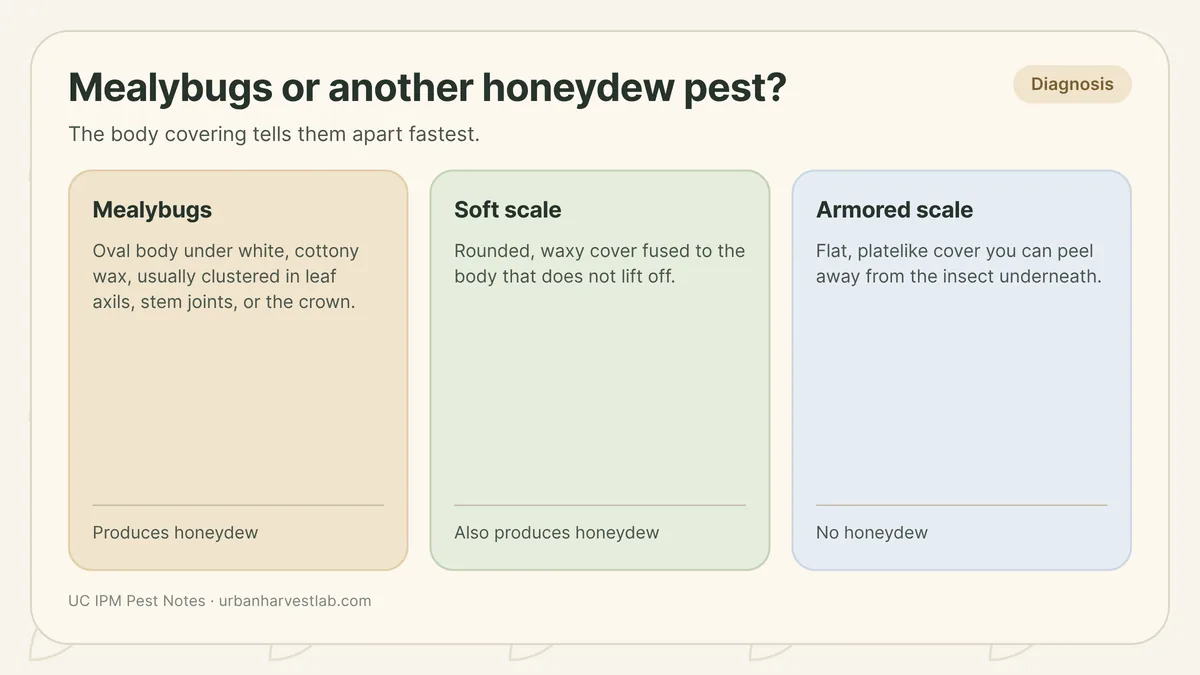
Mealybugs show up as white, cottony masses tucked into leaf axils and stem joints, and they keep coming back until every hiding spot and every generation has been treated.
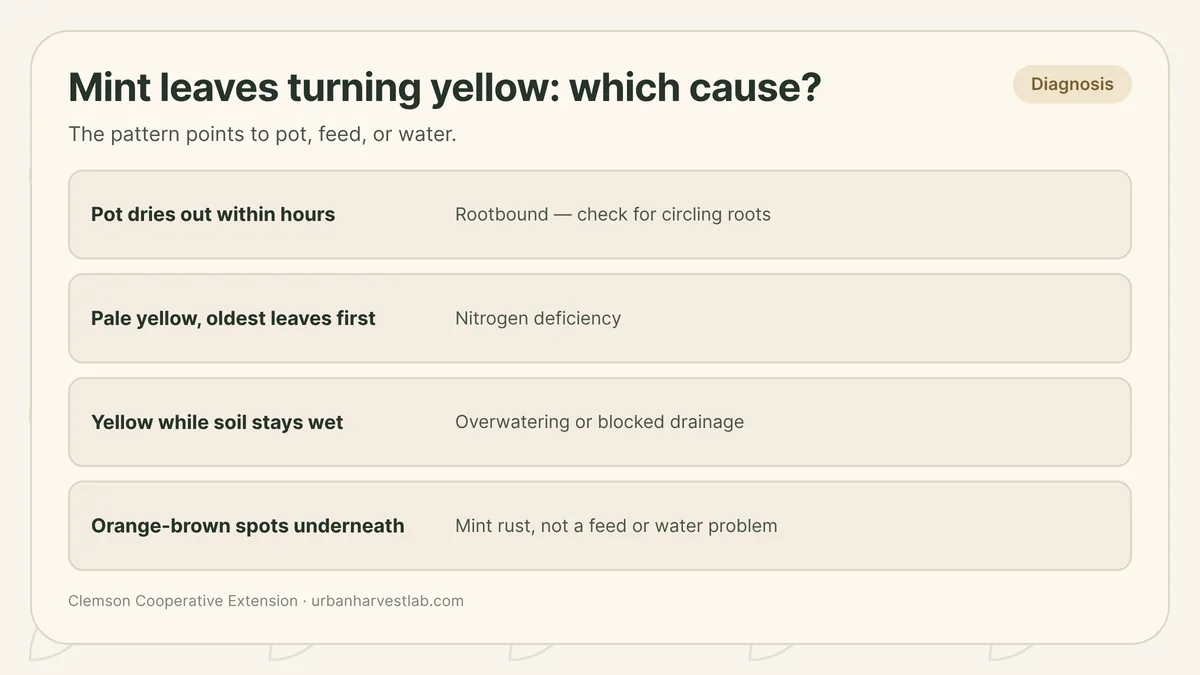
Yellow mint leaves have three usual sources: a pot the roots have outgrown, short nitrogen, or soil that stays too wet. The pattern tells you which.
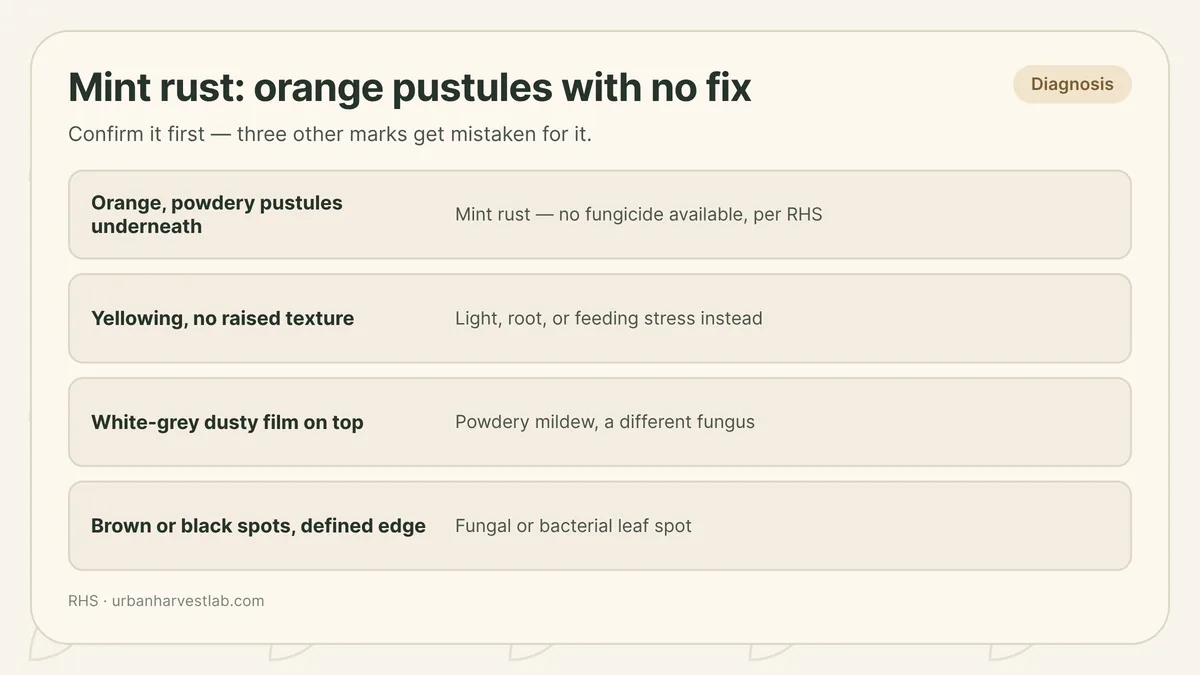
Mint rust cannot be treated away once it is on the leaf. The realistic job is removing infected growth, improving airflow, and knowing when to start over.
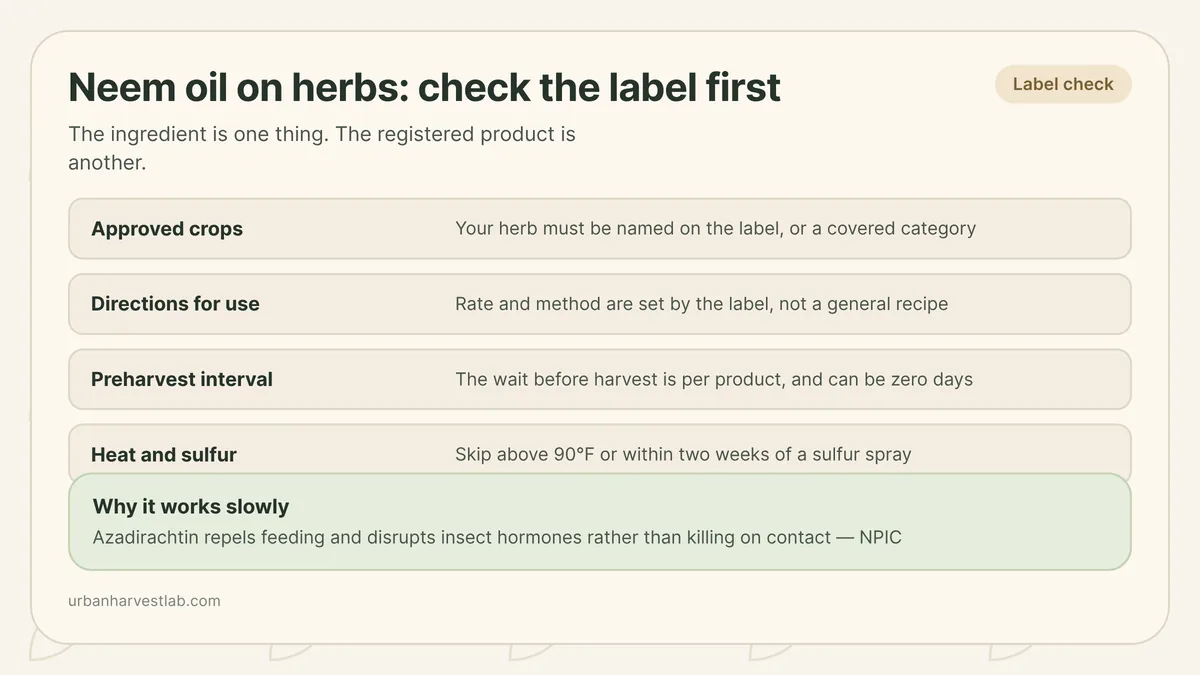
Whether neem oil is safe for a herb depends on the product's label, not on neem oil as an ingredient — and the label also sets the wait time before harvest.
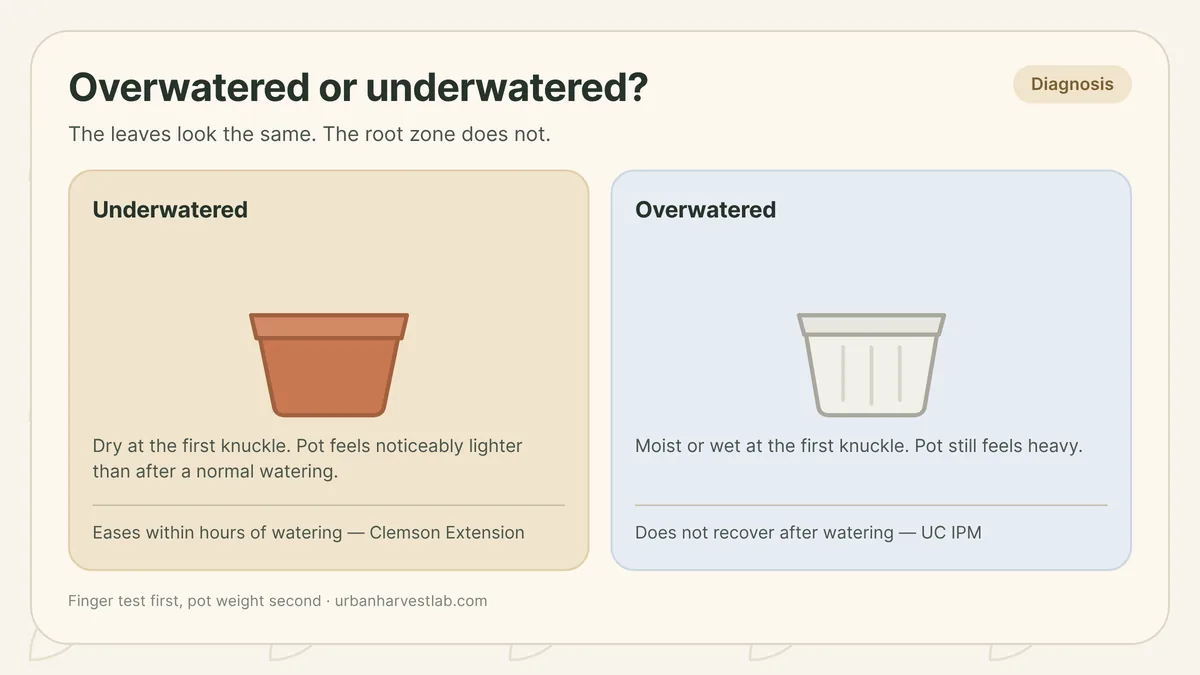
Reading the root zone directly, with a finger test, pot weight, and how the plant responds to being watered, settles what the leaves alone cannot.
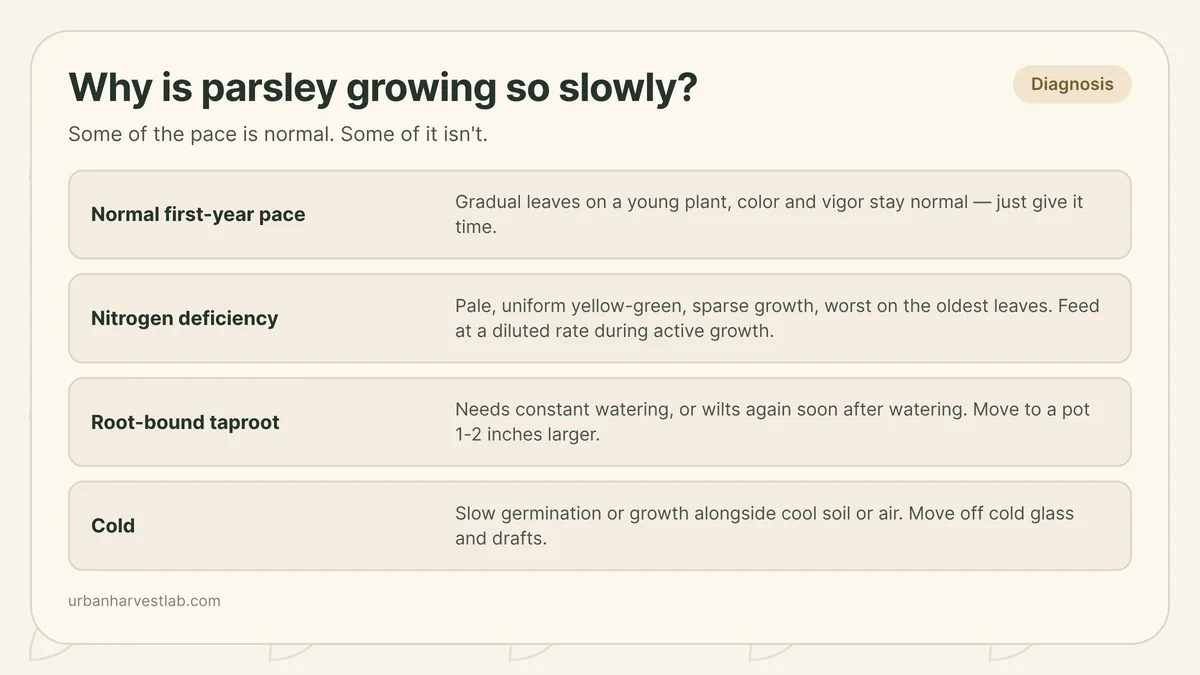
Some of parsley's slow pace is just how the plant works. Here is how to tell normal first-year growth apart from nitrogen deficiency, a cramped taproot, and cold.
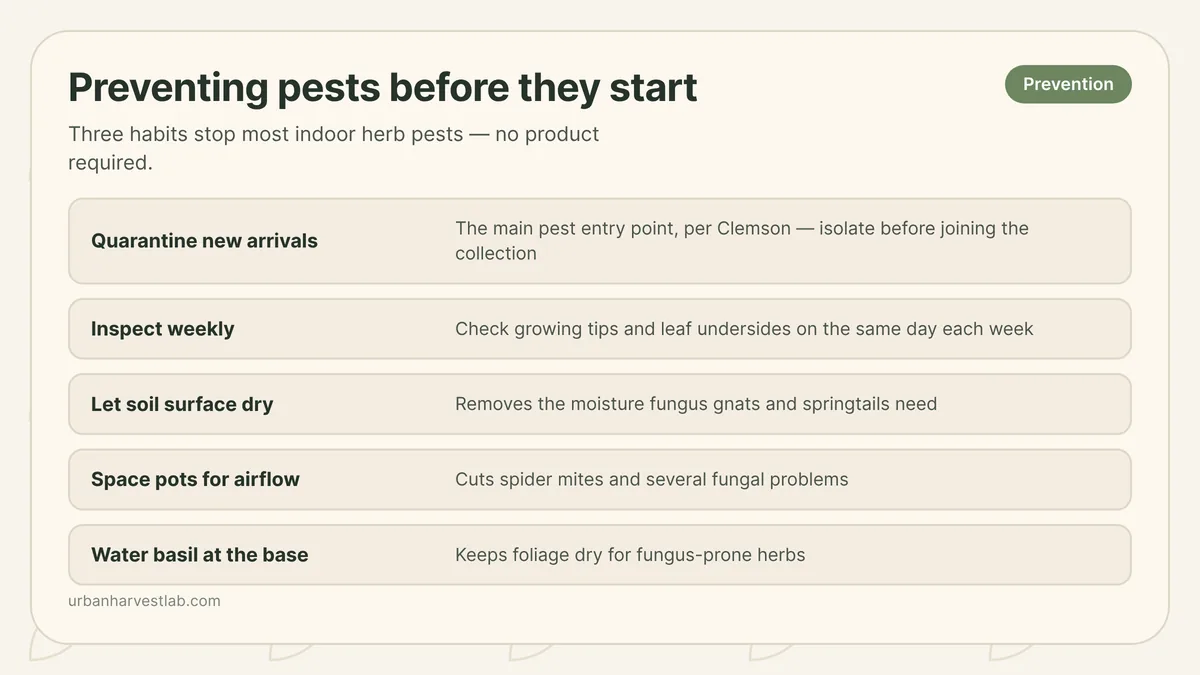
Most indoor herb pests arrive on a new plant or one that spent summer outdoors, and most of them are stopped by isolating that plant, checking it on a schedule, and keeping the soil and air from favoring the pest in the first place.
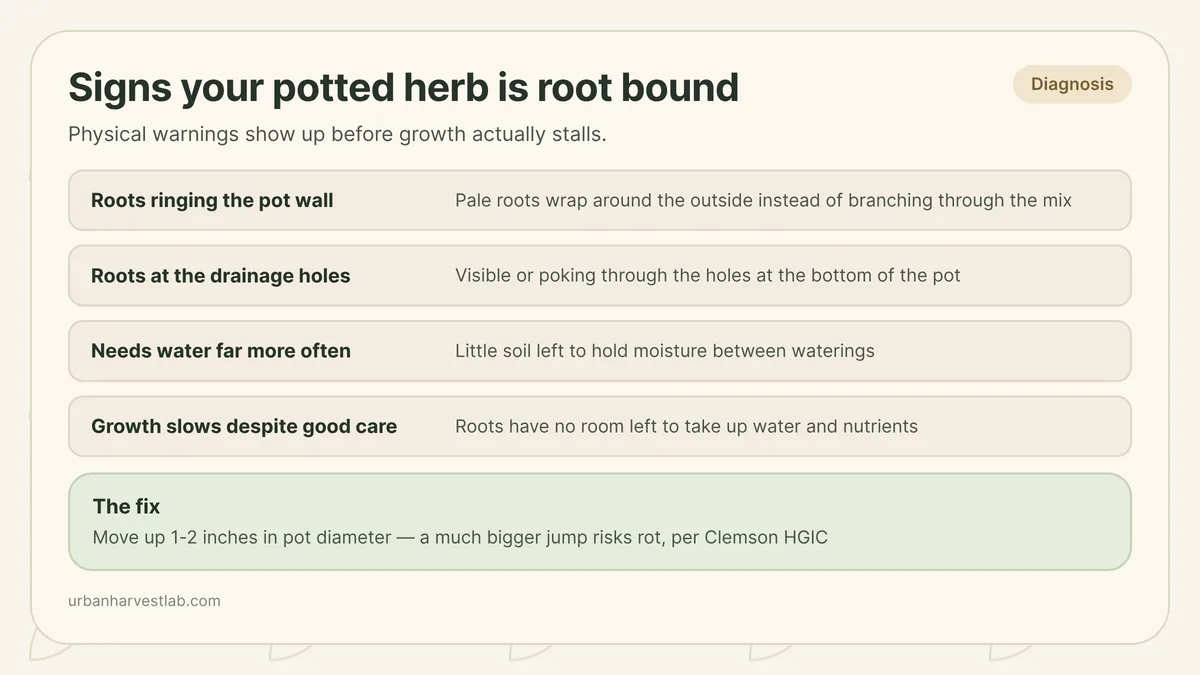
A root bound herb gives off physical warnings before growth actually stalls. Here is what to look for, why the signs show up together, and how to repot without shocking the plant.
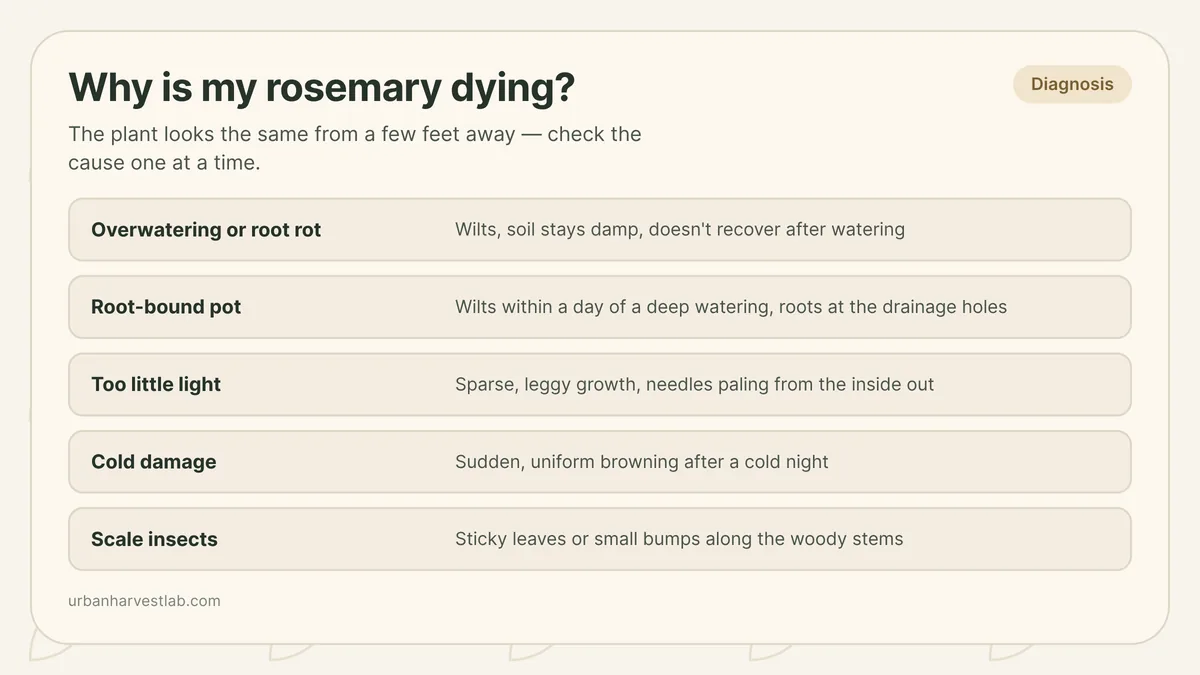
A dying rosemary looks much the same from a few feet away no matter what caused it, so finding the fix means ruling causes in and out one at a time, not guessing.
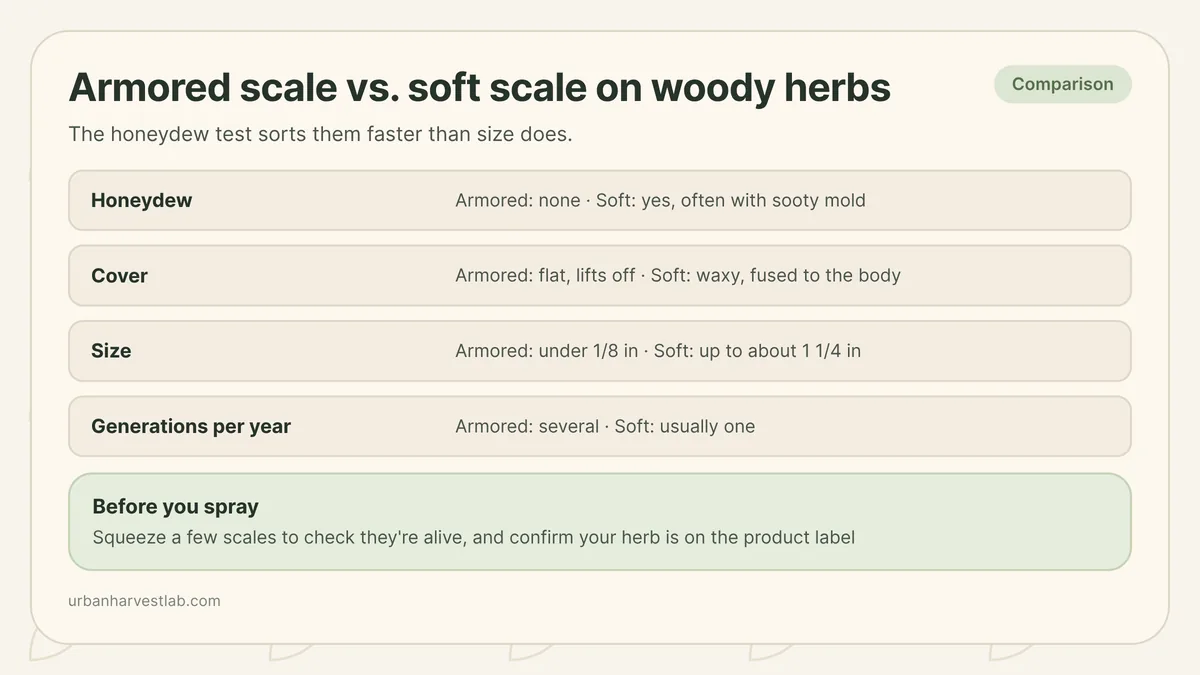
Scale on a woody herb often goes unnoticed until the leaves turn sticky or a stem starts to die back, and the right treatment depends on which kind of scale you have.
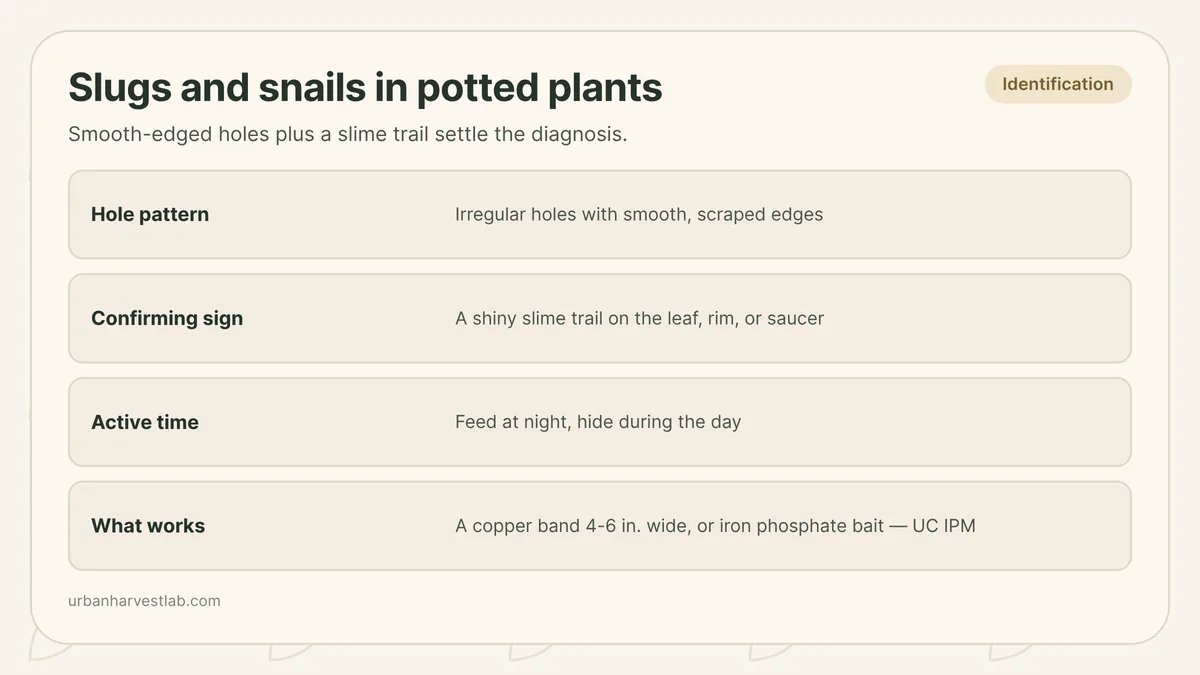
Smooth-edged holes and a shiny trail on a potted herb point to slugs or snails. A copper barrier, iron phosphate bait, and checking after dark are the responses with evidence behind them.
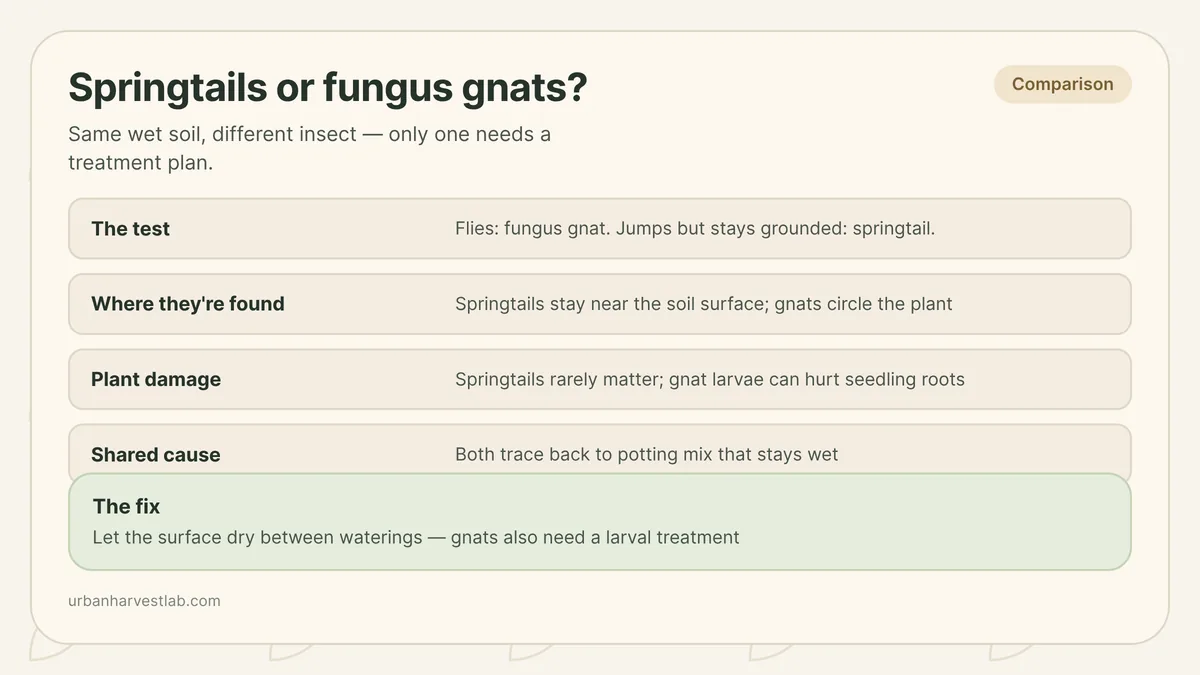
If the bugs in your potting soil jump but stay grounded, they are springtails. If they lift off and buzz around the plant, they are fungus gnats. Both are pointing at the same watering habit.
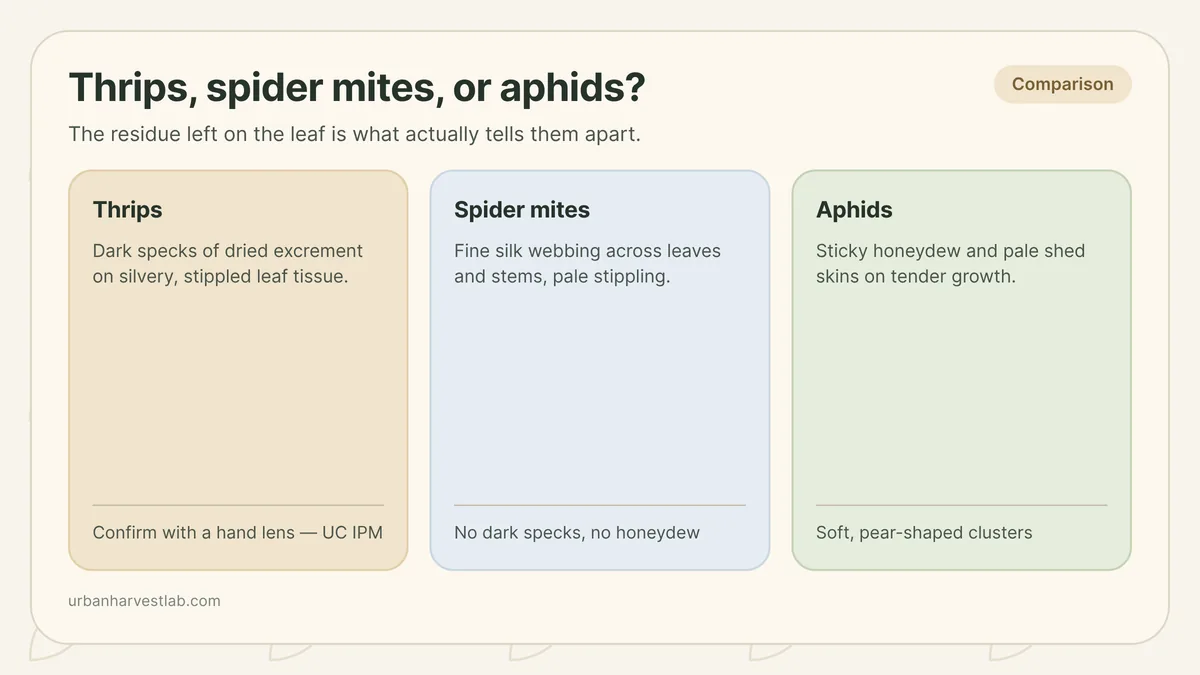
Thrips leave silvery, stippled leaves and dark specks of excrement rather than webbing or honeydew, and confirming the insect matters more than guessing from the damage alone.
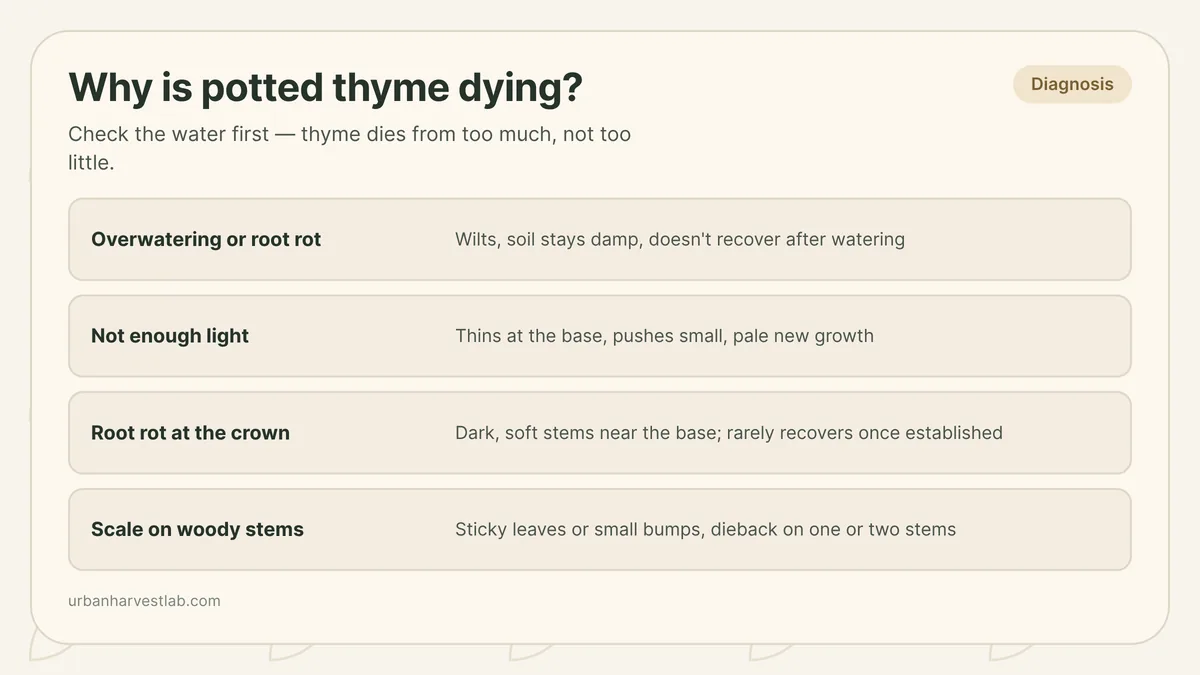
Thyme fails indoors far more often from a soggy pot than a dry one. Check the root zone first, then work through light, rot, and pests in that order.
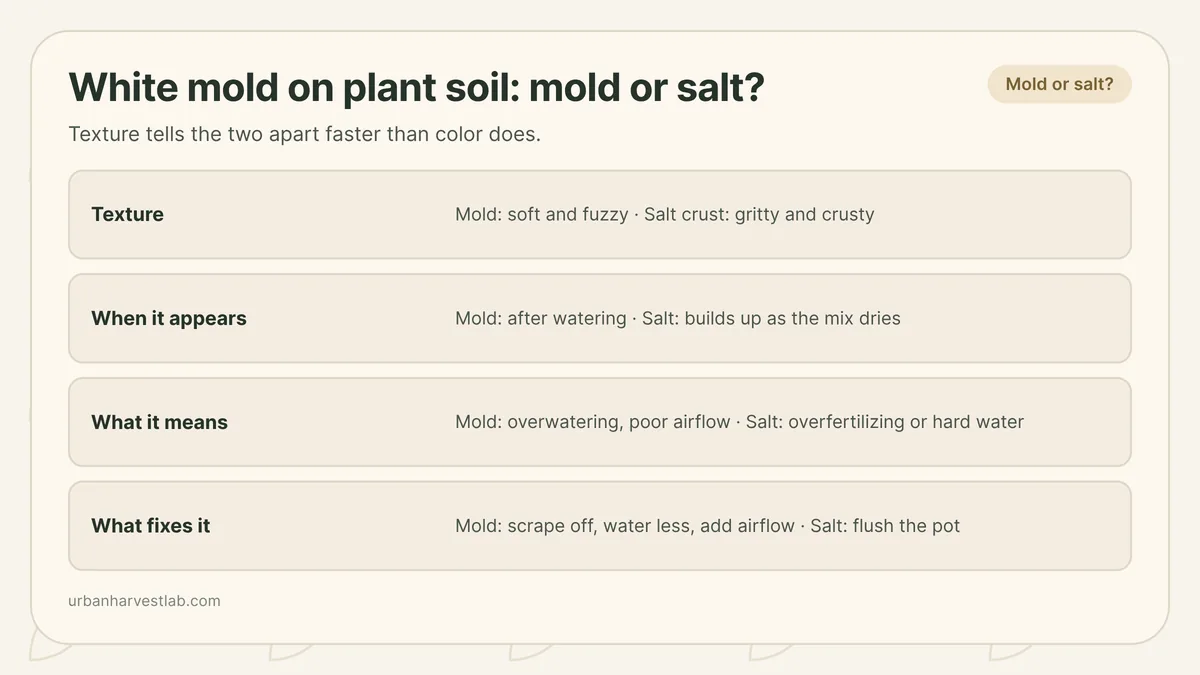
A white, fuzzy patch spreading across the soil surface looks alarming, but it is usually a cosmetic fungus feeding on the mix, not the plant.
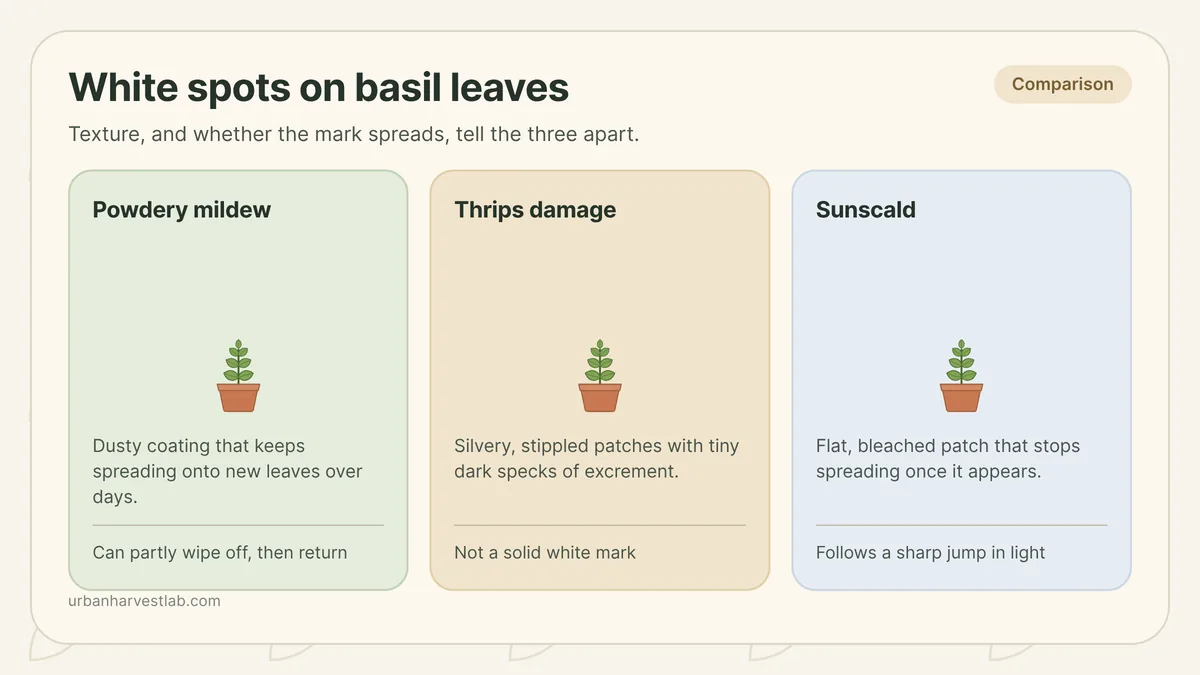
White spots on basil usually come from one of three different causes, and a hand lens plus a few days of watching tells you which.
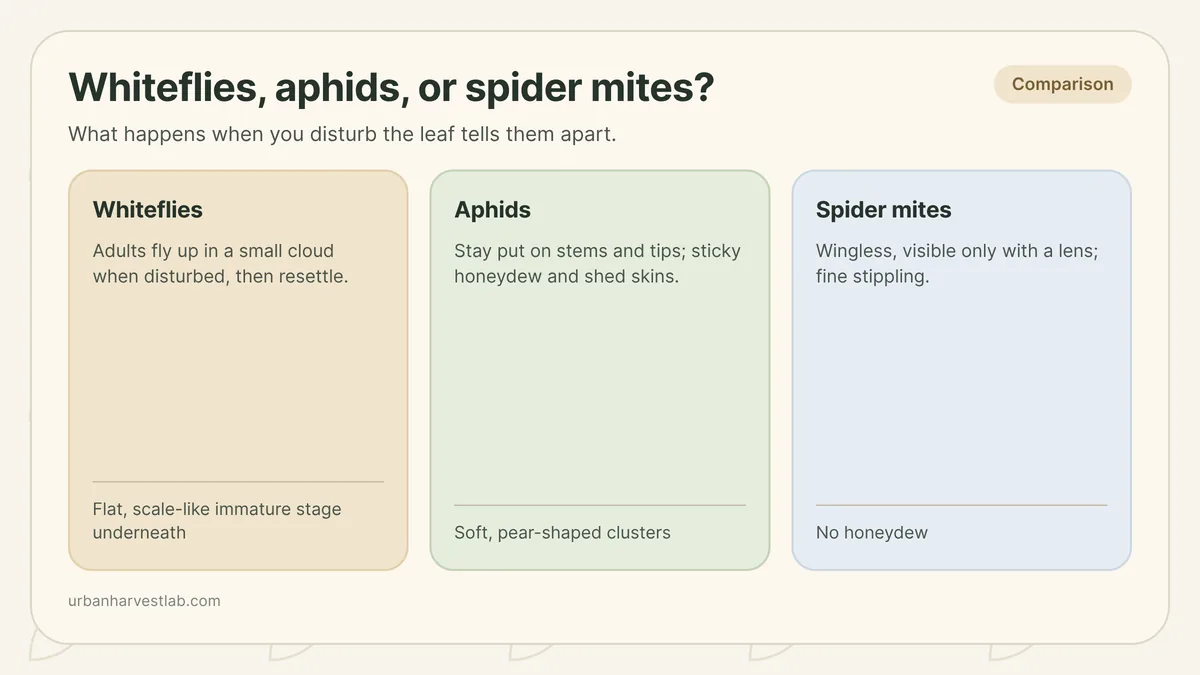
Whiteflies on a balcony vegetable plant are easiest to confirm by disturbing the foliage and watching what flies up, then working the population down with sprays, traps, and repeat checks.
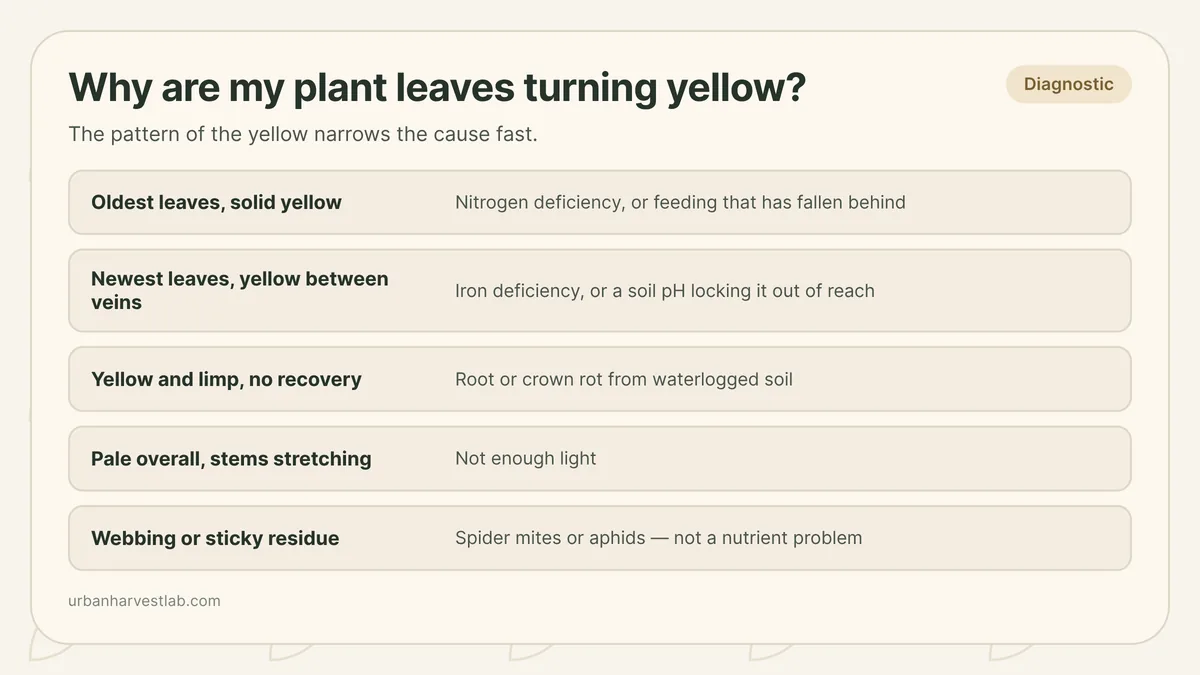
Yellow leaves have a short list of real causes, and the pattern of the yellowing narrows it fast, once you know what to look for.
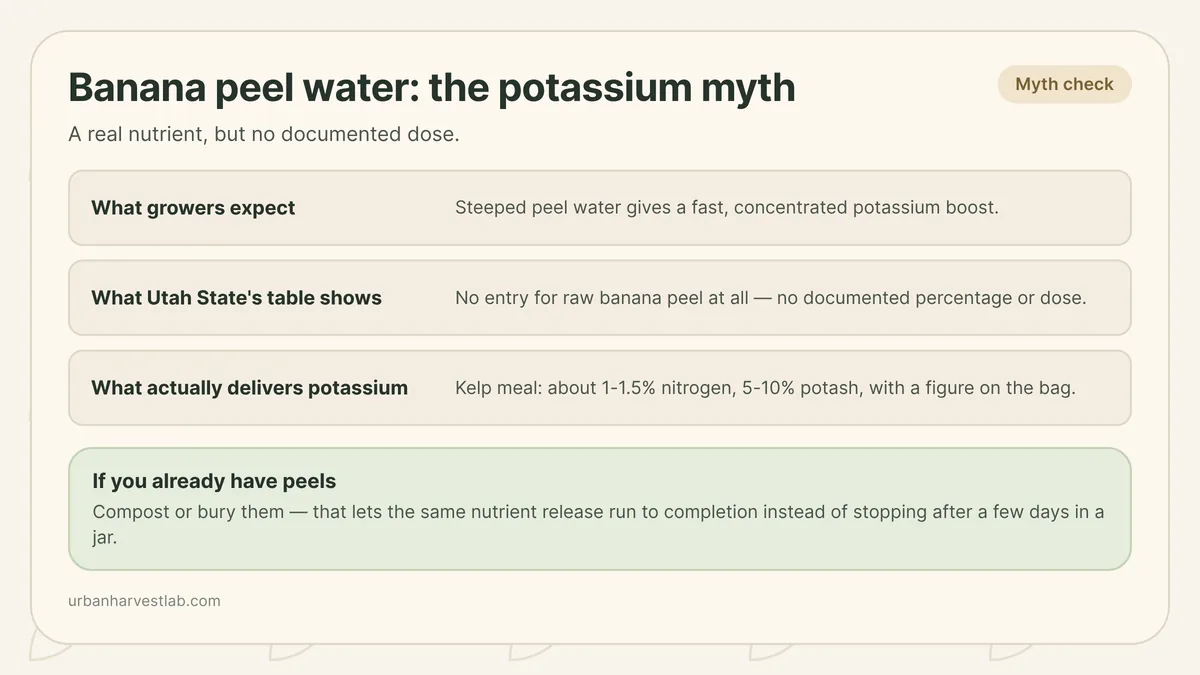
Soaking banana peels in water is a popular DIY feed, but Utah State's organic-fertilizer table has no entry for it, and the mechanism explains why the soak barely helps.
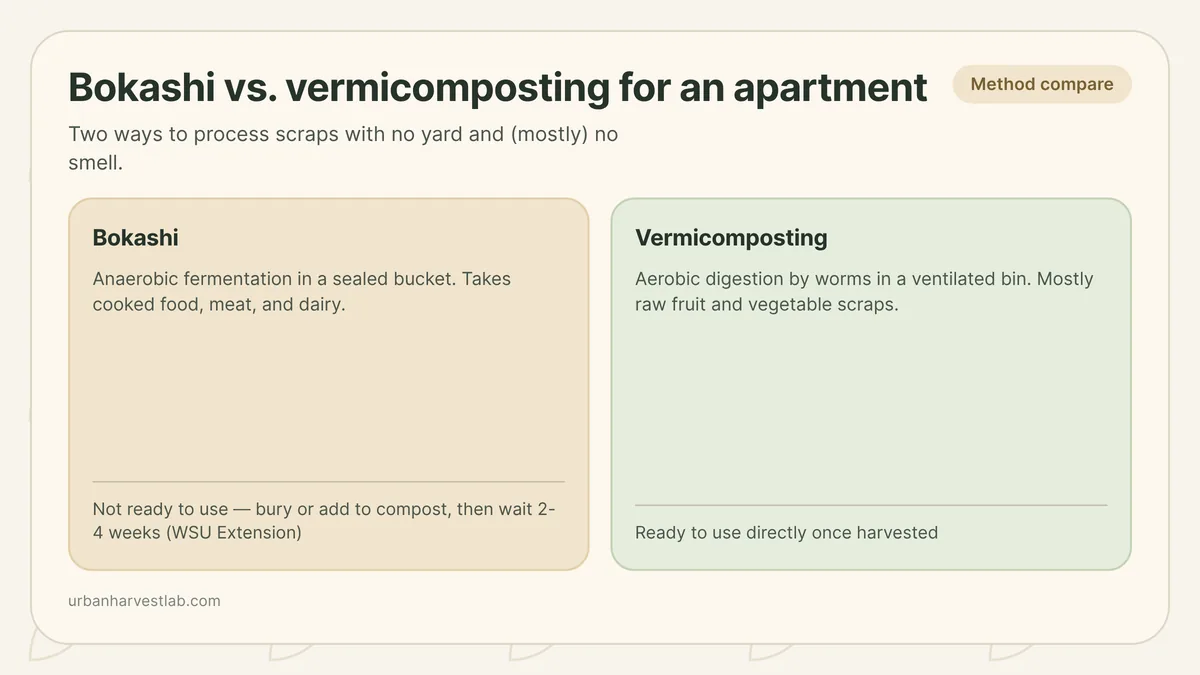
Bokashi ferments food waste in a sealed, airtight bucket instead of decomposing it in the open, which is why it works in an apartment with no yard and no smell. The ferment still has to finish breaking down before it feeds a plant.
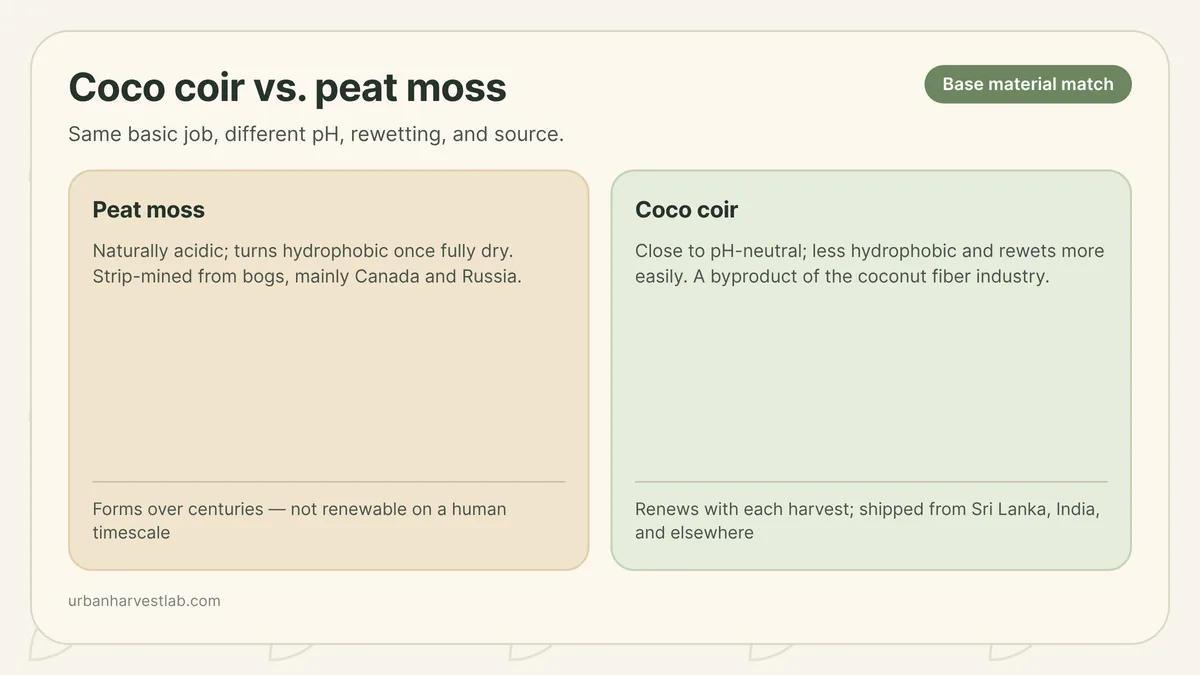
Peat moss and coco coir do the same basic job in a potting mix, but they part ways on pH, on how they behave once they dry out, and on the environmental cost of getting the bag to your shelf.
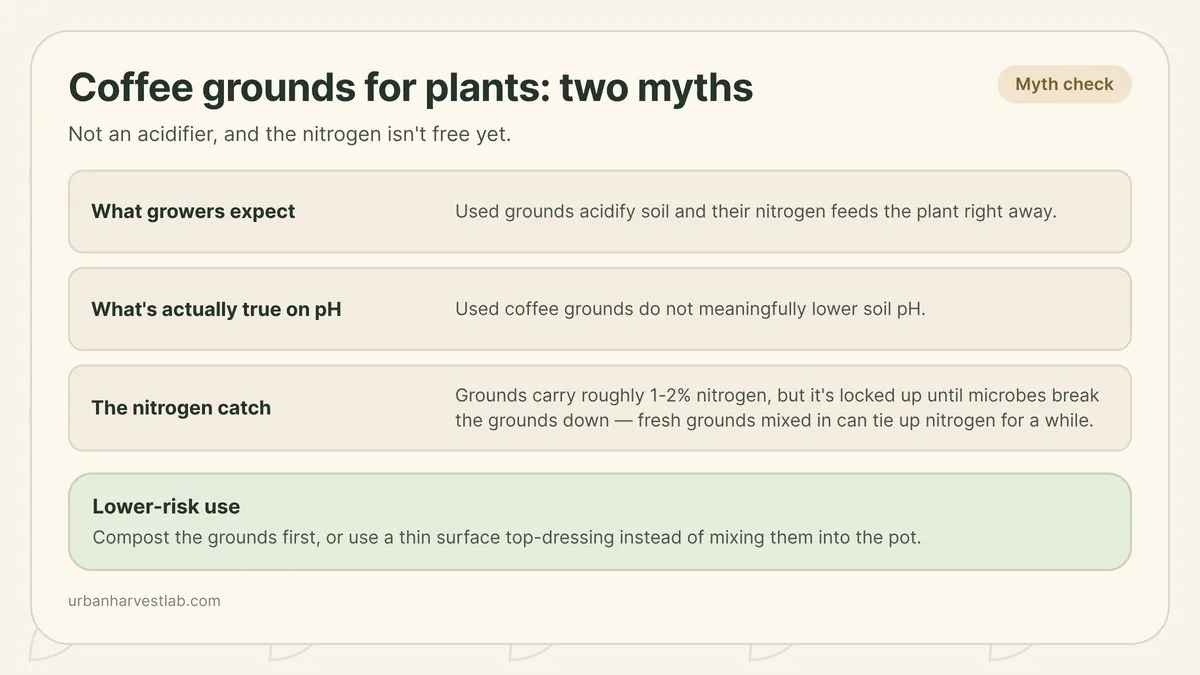
Used coffee grounds do not meaningfully lower soil pH, and the nitrogen inside them stays locked up until soil microbes finish decomposing the grounds.
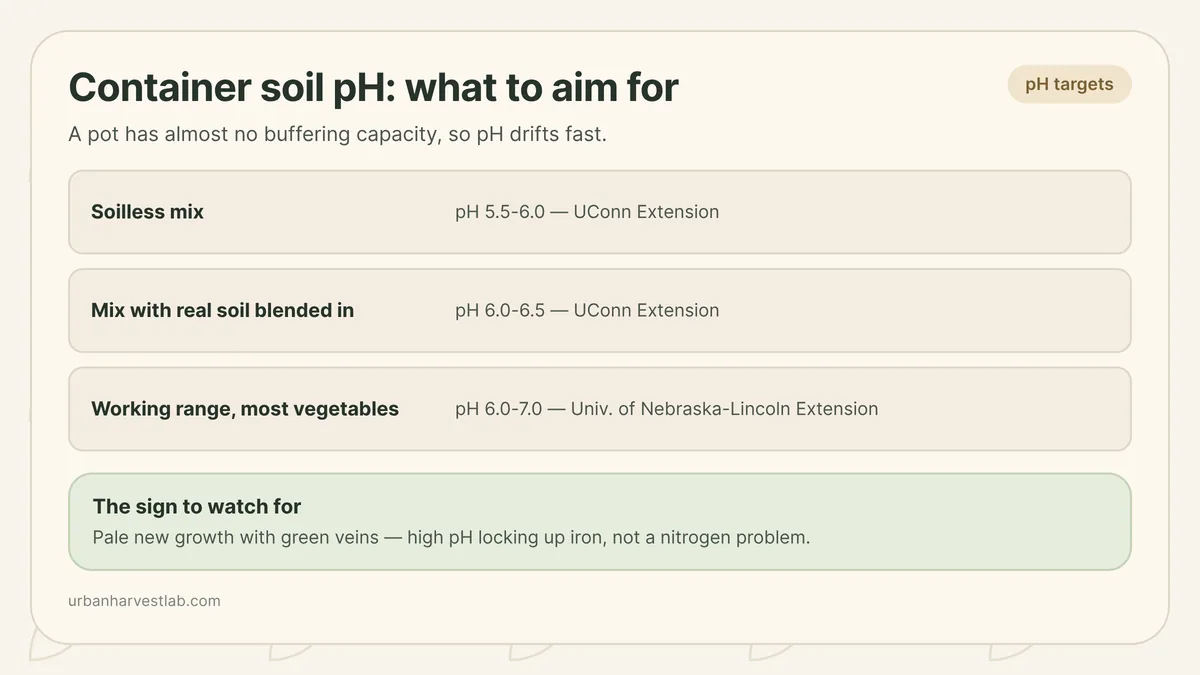
A container's small volume has almost none of the buffering capacity open ground has, so pH drifts faster and matters sooner. Here is when to test, what to aim for, and how to move it.
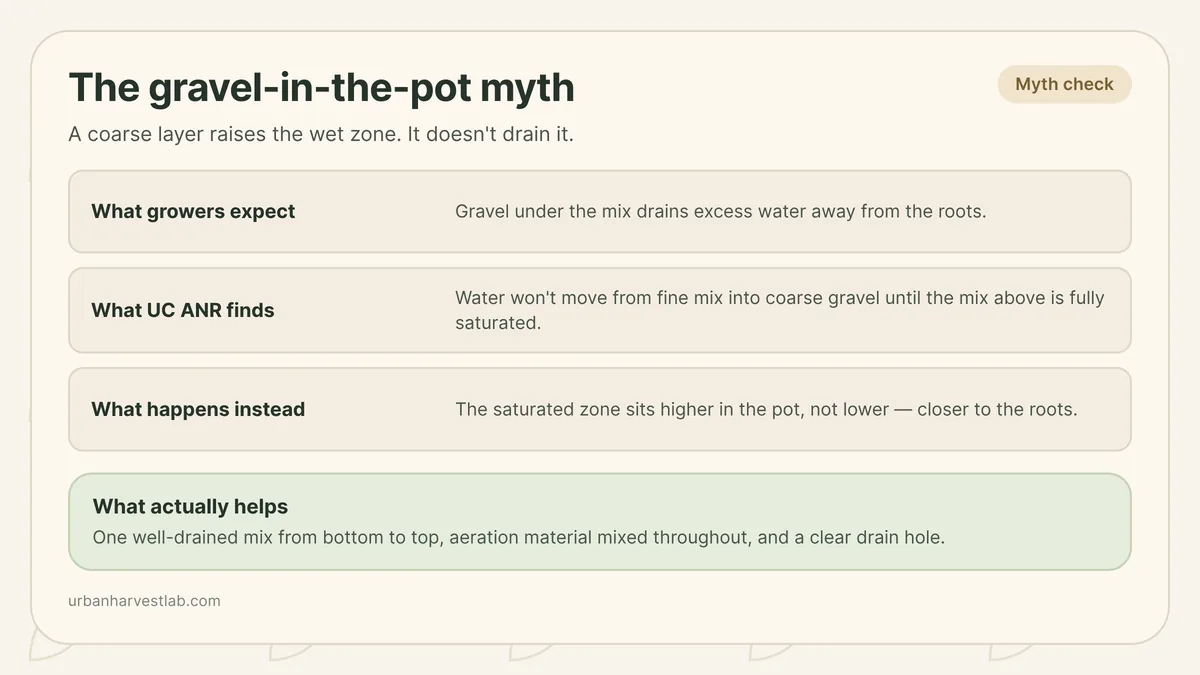
Putting gravel or rocks under potting mix feels like it should help drainage, but it creates a wetter zone right where roots grow, not a drier one.
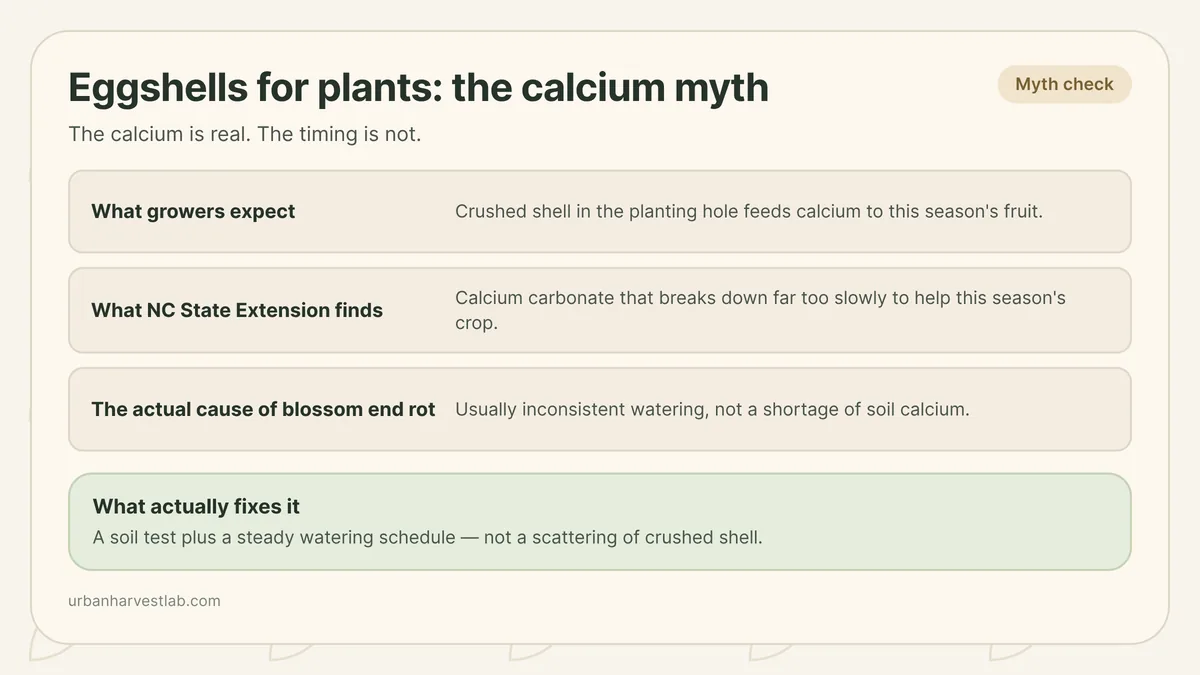
Crushed eggshells in the potting mix feel like free calcium, but the shell breaks down far slower than a growing tomato needs it to.
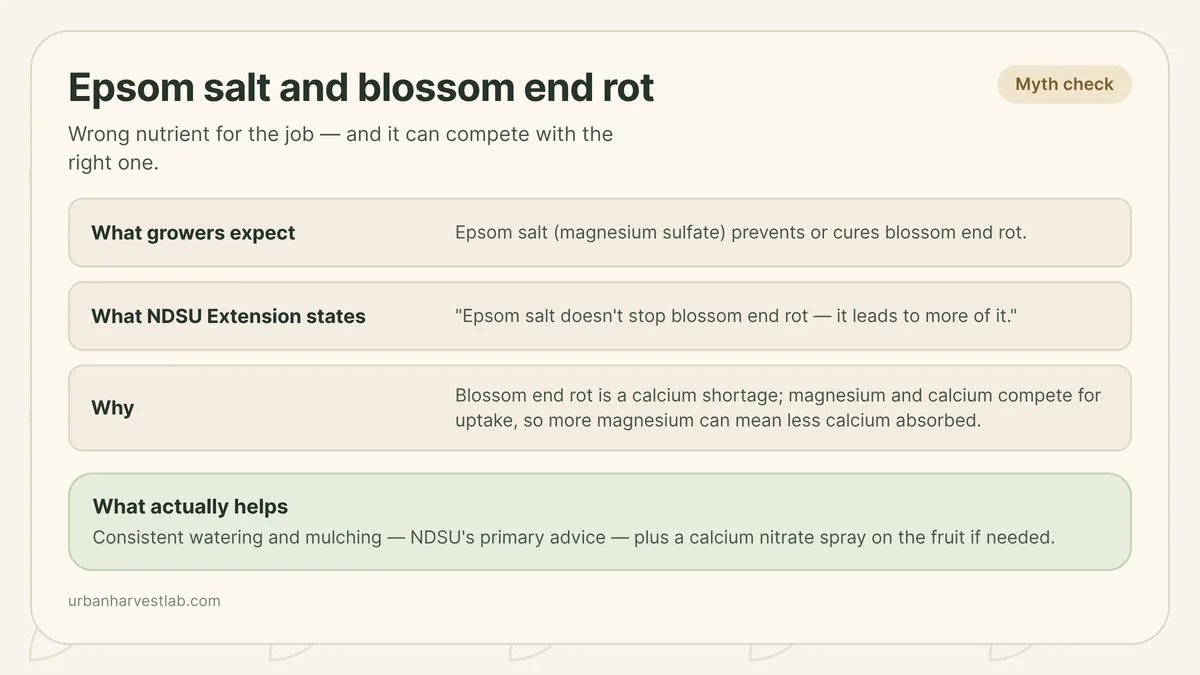
Epsom salt is one of the most repeated garden fixes there is, and North Dakota State University Extension says the opposite of what the jar's reputation claims.
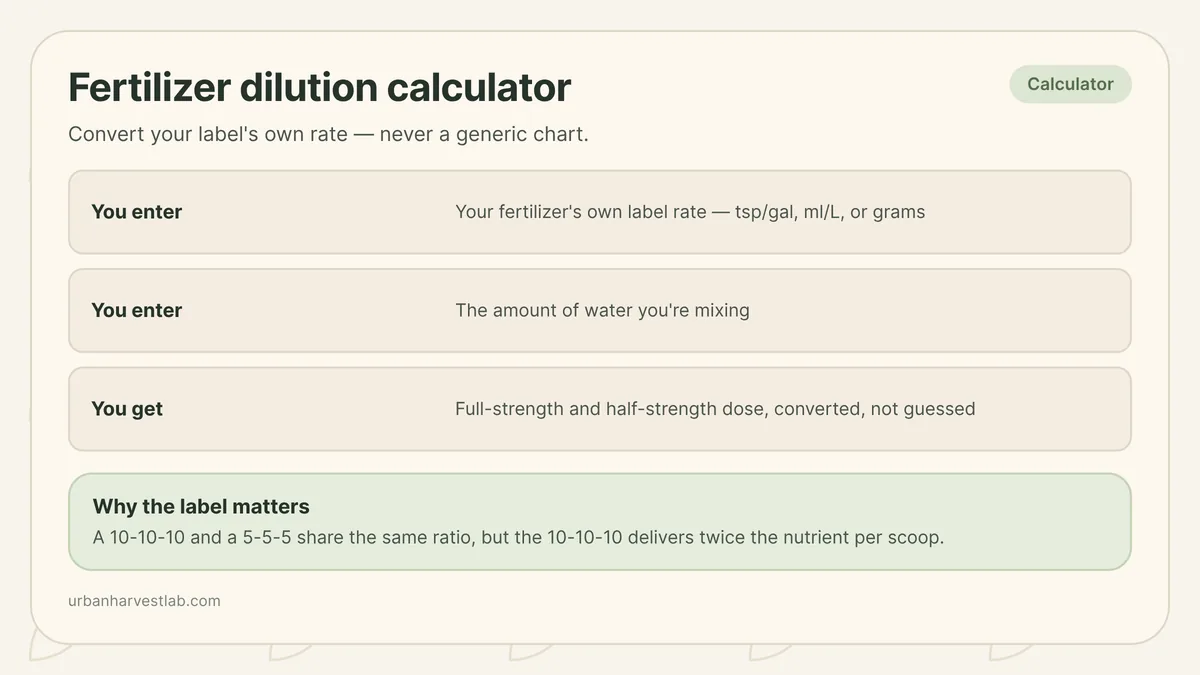
A calculator that converts a fertilizer's own label rate into ml/L, tsp/gal, or a half-strength dose for the water you're mixing, plus the manual conversion if you'd rather check it by hand.
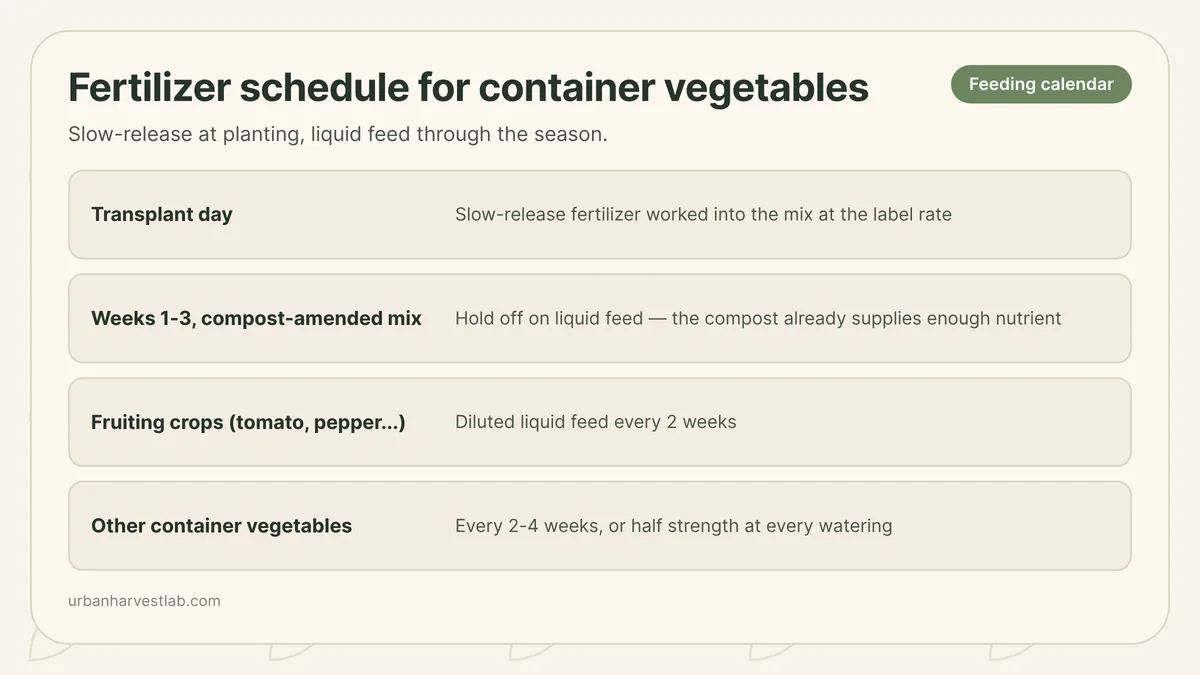
A stage-by-stage feeding calendar for container vegetables, built from extension guidance on slow-release charges, liquid top-ups, and the intervals that keep fruiting crops producing.
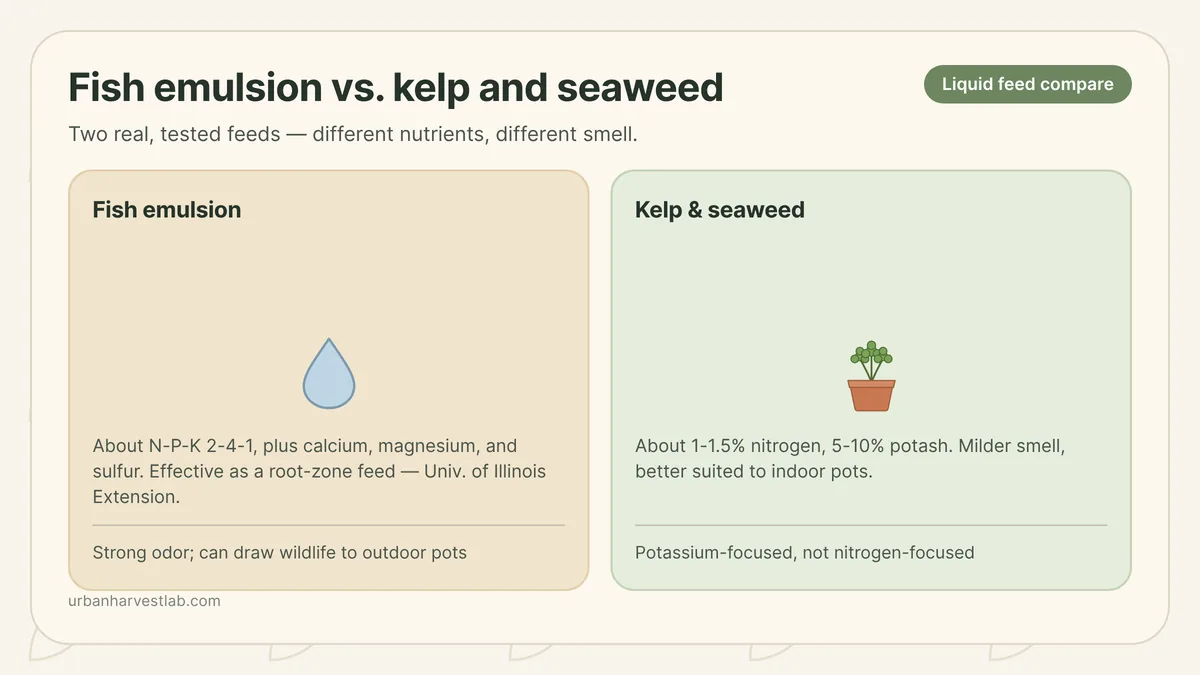
Fish emulsion and seaweed products are genuine fertilizers with a documented N-P-K profile, but two of their most repeated claims do not hold up under testing, and the smell changes where you should use them.
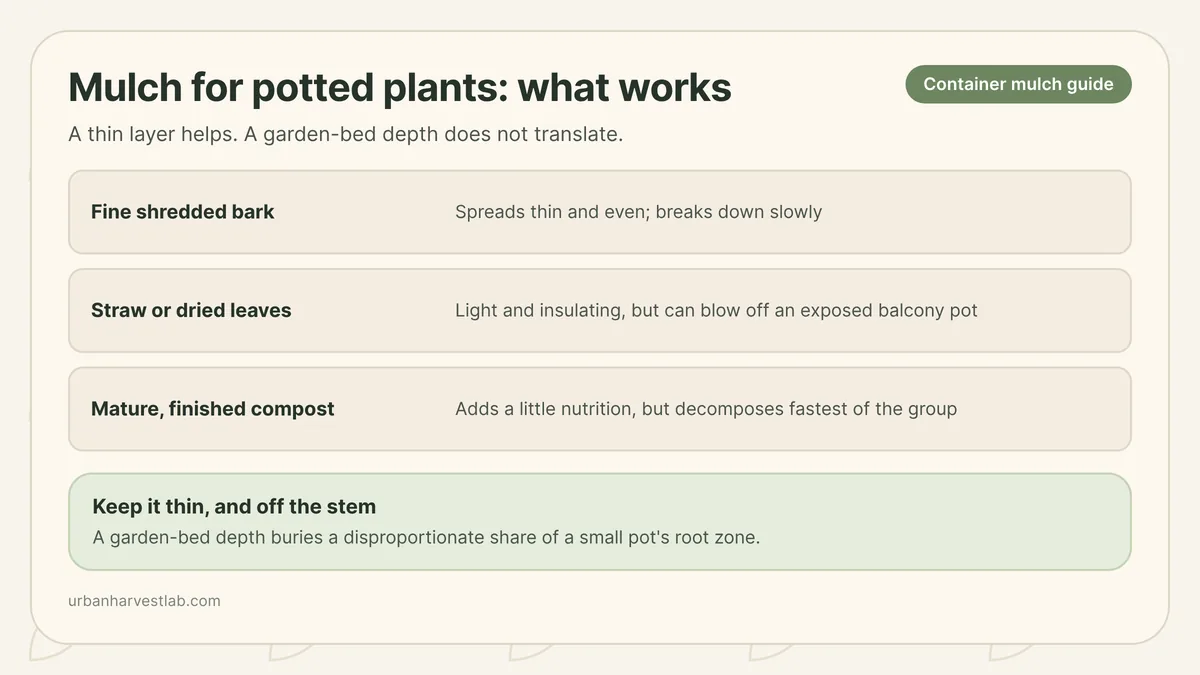
A thin surface layer slows evaporation and softens heat swings in a container, but it does not fix a small pot, a compacted mix, or salt buildup on its own.
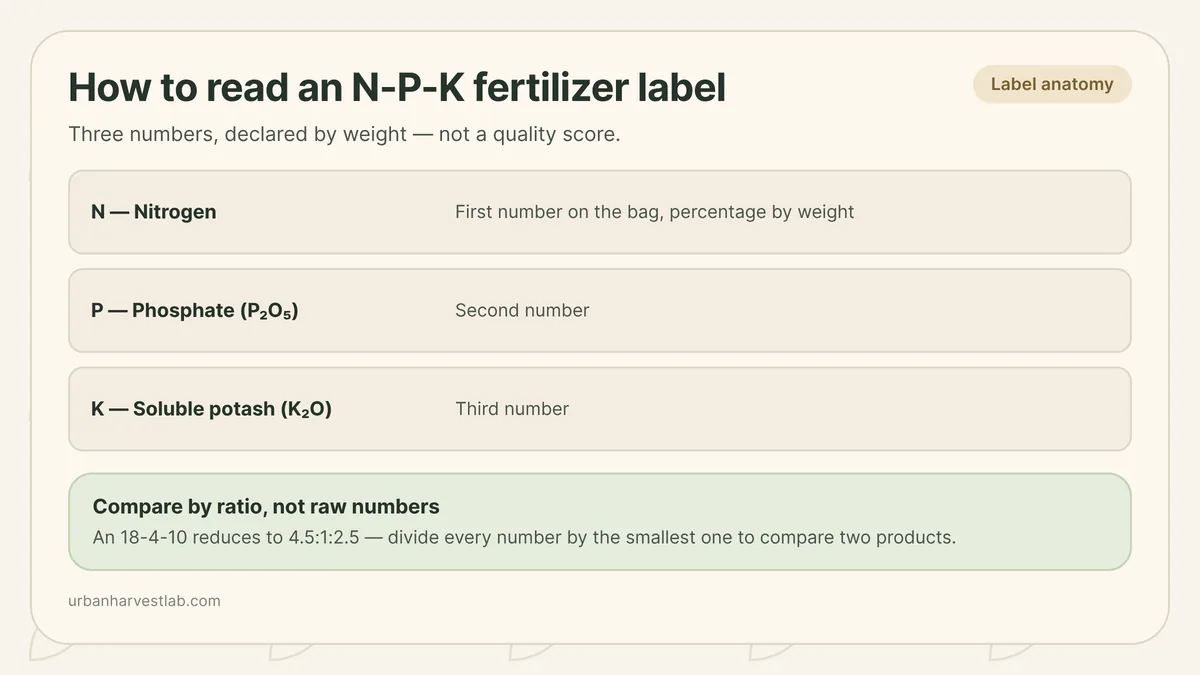
The three numbers on a fertilizer bag tell you exactly what's inside by weight, nothing about whether your herbs need it. Here's how to read them and compare products correctly.
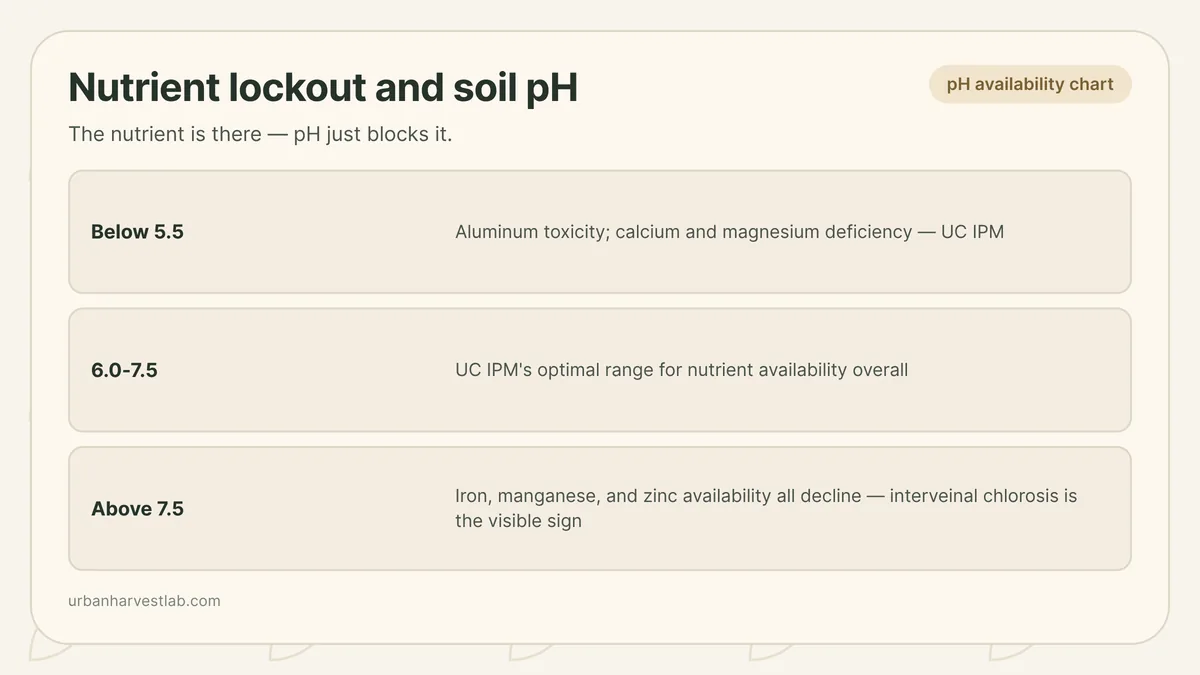
A fertilizer that tests complete on the label can still leave a plant starving if the mix's pH is wrong. Here is what pH does to nutrient availability, zone by zone, and why it isn't a salt problem.
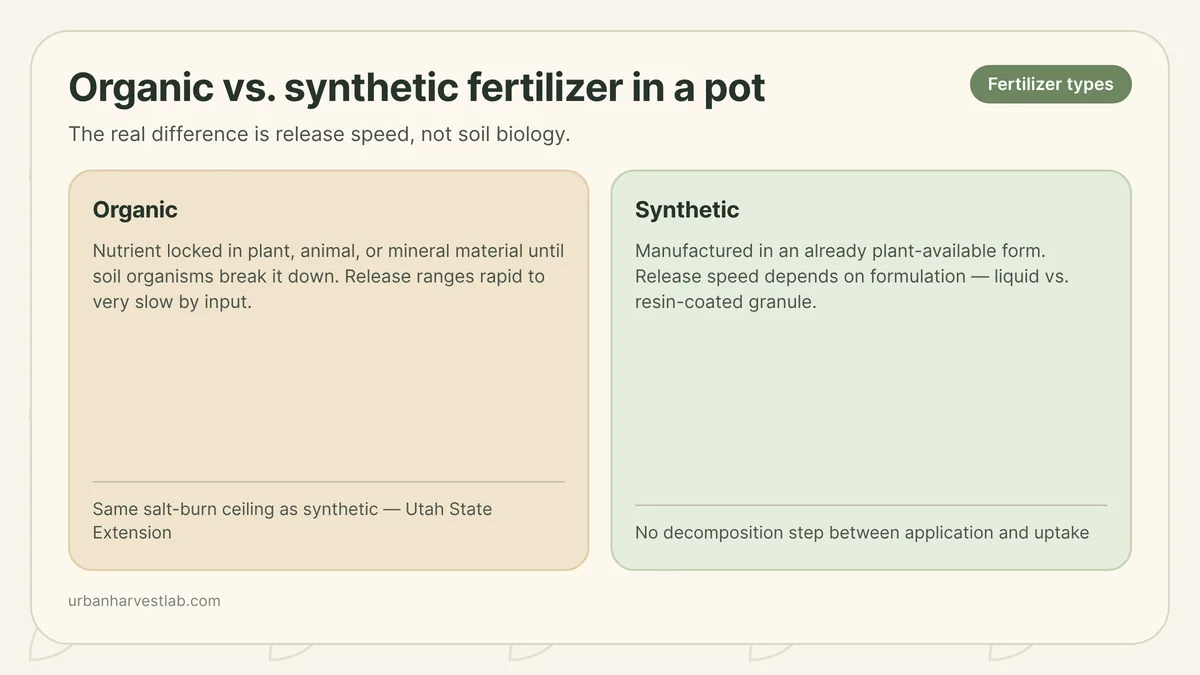
Extension sources sort organic fertilizer by release speed, not by a soil-biology edge over synthetic feed, and the same salt-burn ceiling applies to both.
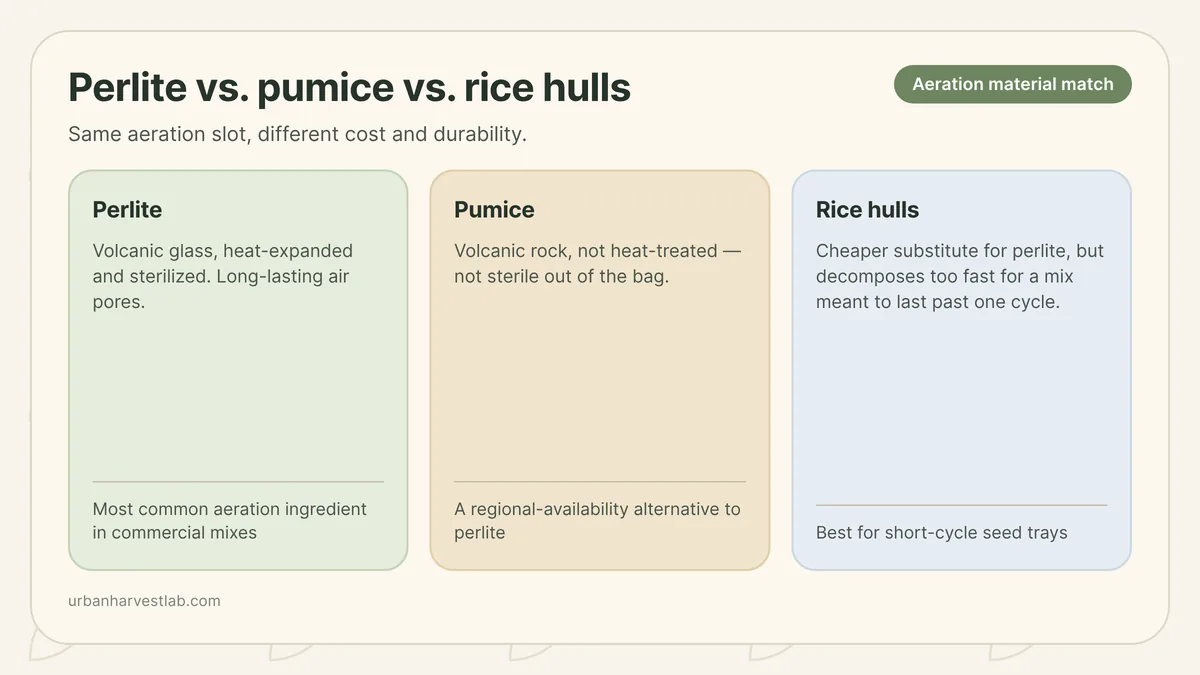
All three fill the same aeration slot in a mix, but they get there differently. Here is what separates them on cost, how long they last, and sterility.
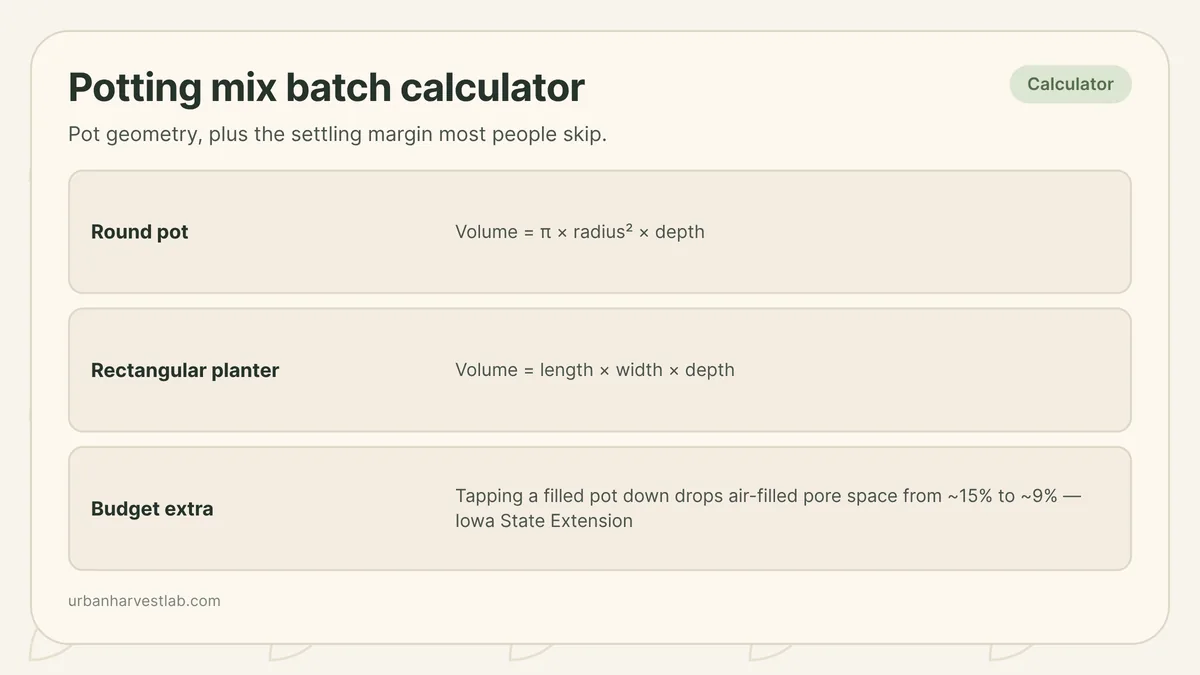
Pot volume is basic geometry, but the mix inside a pot settles more than most people plan for. Get both numbers before you buy or mix a batch.
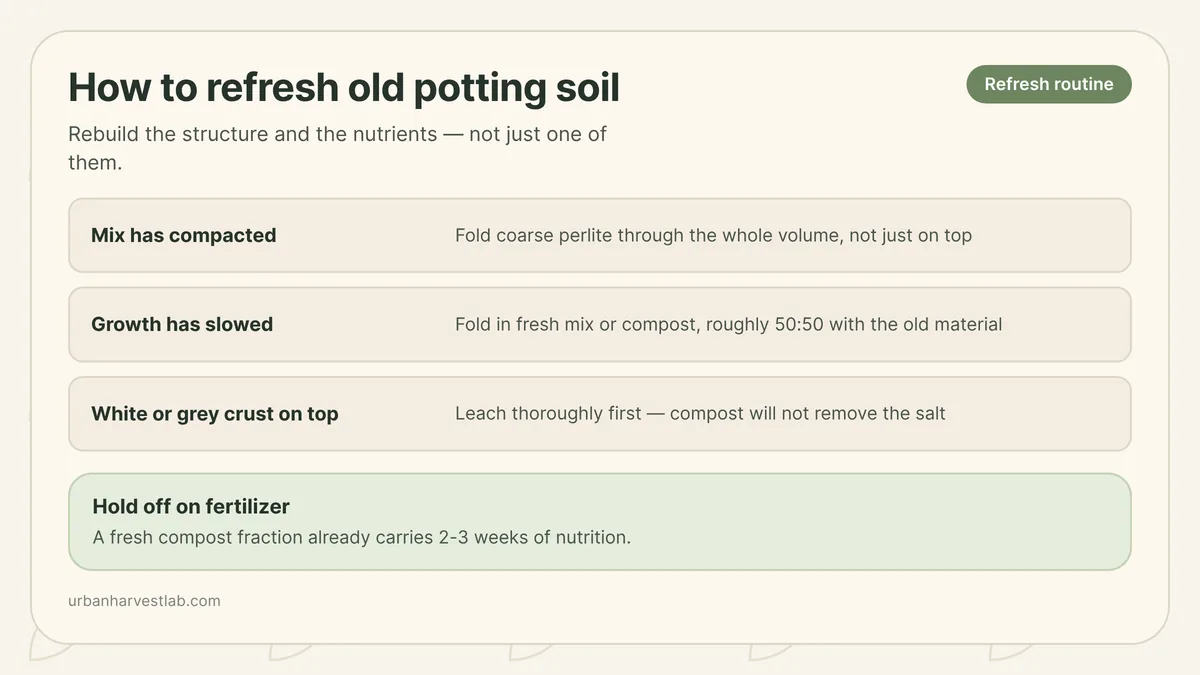
Old potting mix has usually lost two things at once: its air-filled structure and its nutrients. Fixing one without the other is why a refreshed pot still underperforms.
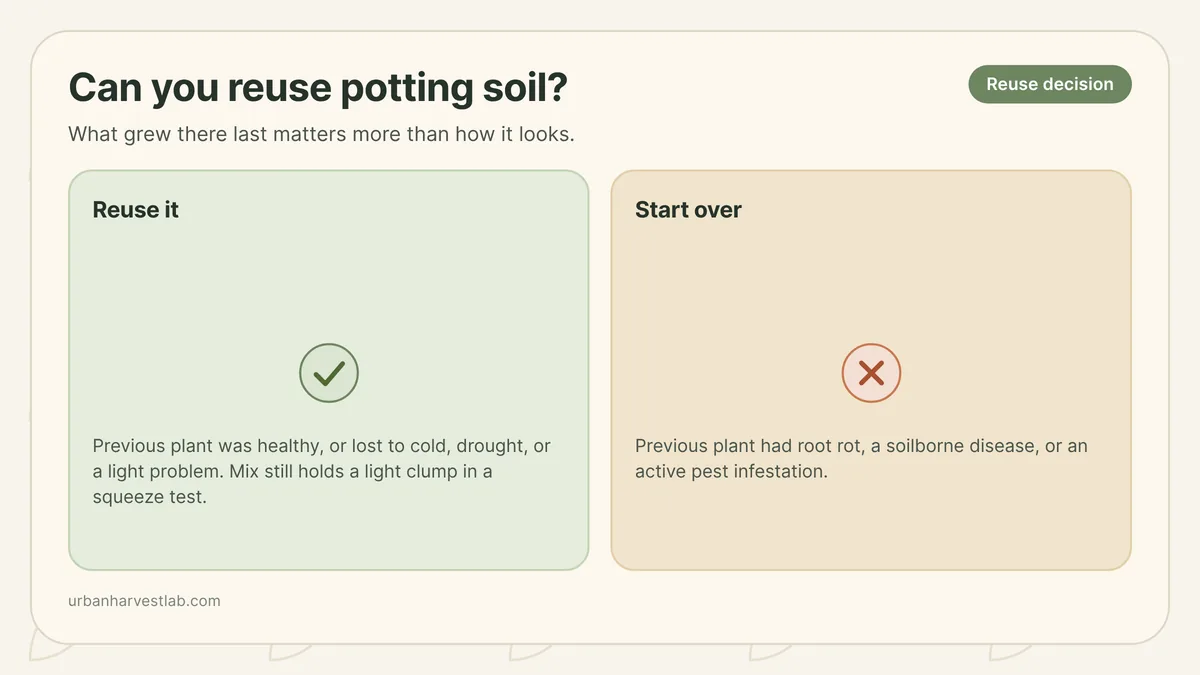
Whether last season's mix belongs back in a pot depends less on how it looks than on what grew in it and why that plant left.
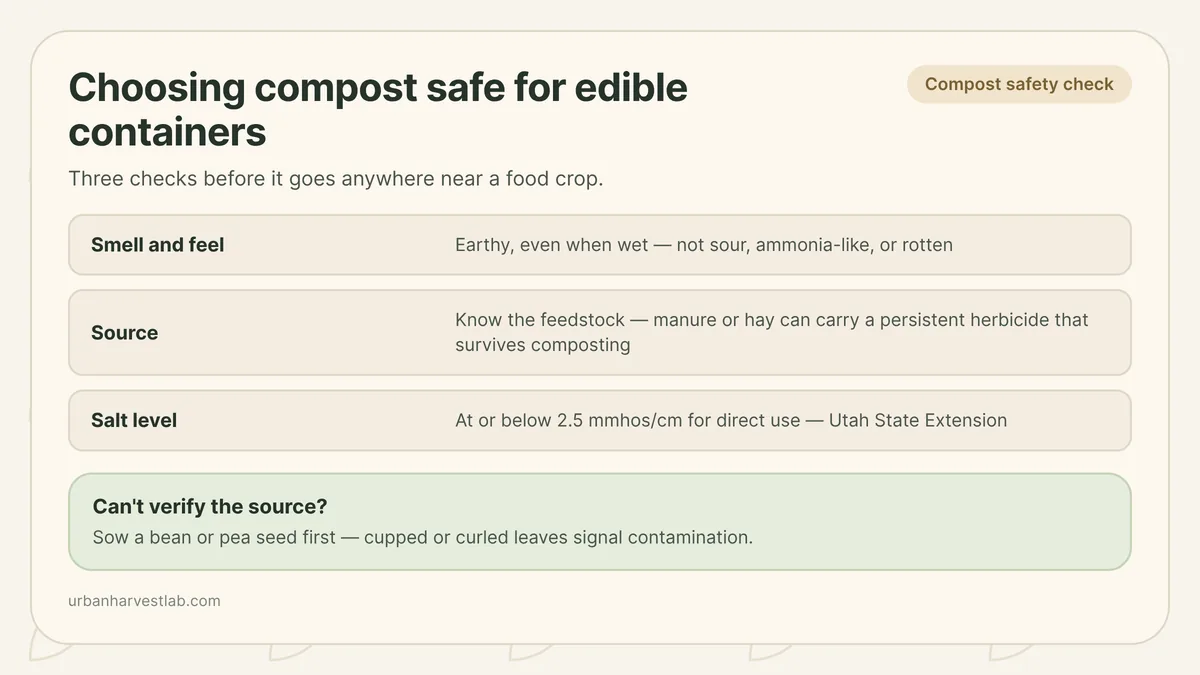
A pile or a bag that looks like good compost can still carry a persistent herbicide or too much salt for a small pot. Three checks catch most of it before you plant.
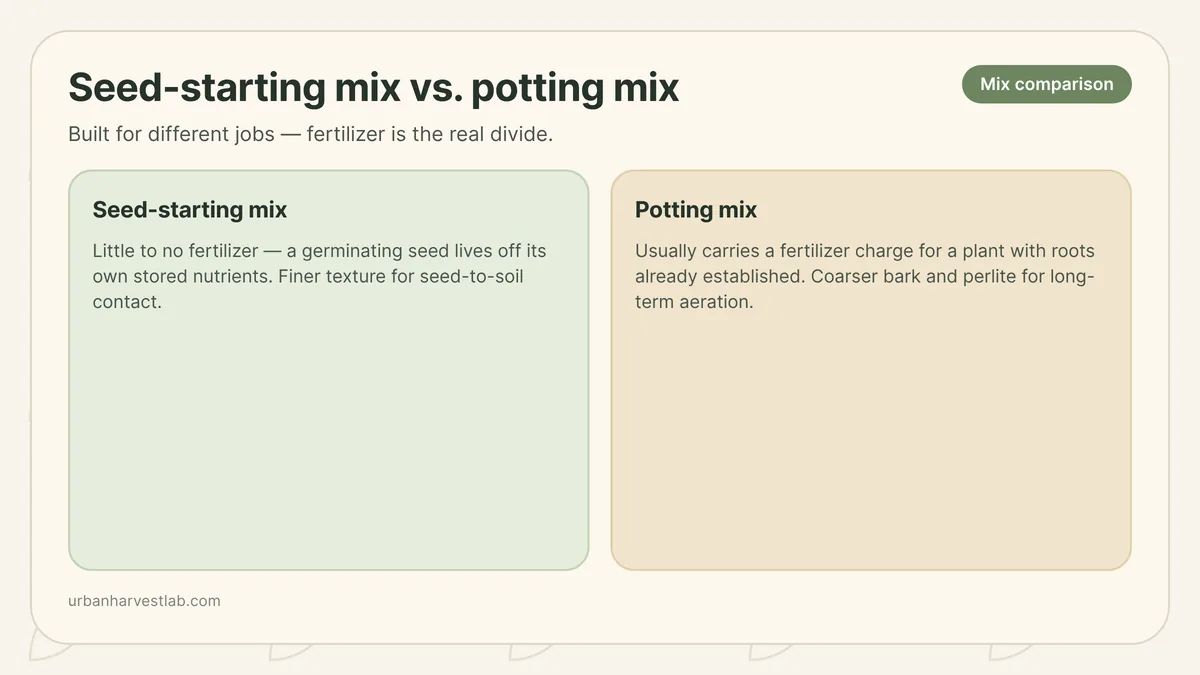
Potting mix is built to feed an established plant; seed-starting mix is built to stay out of a germinating seed's way. The difference is fertilizer content and particle size, and it matters before the first true leaf appears.
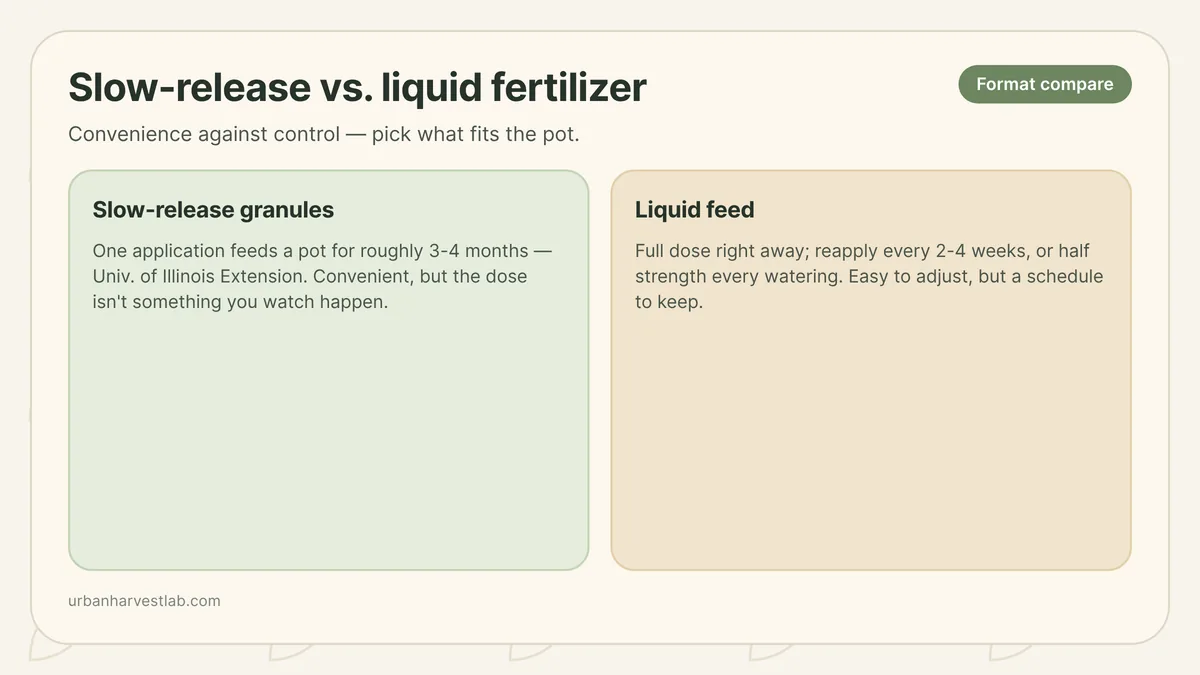
Granular slow-release and liquid fertilizer solve different problems in a pot. Here is how each one actually releases nutrient, and which situation calls for which.
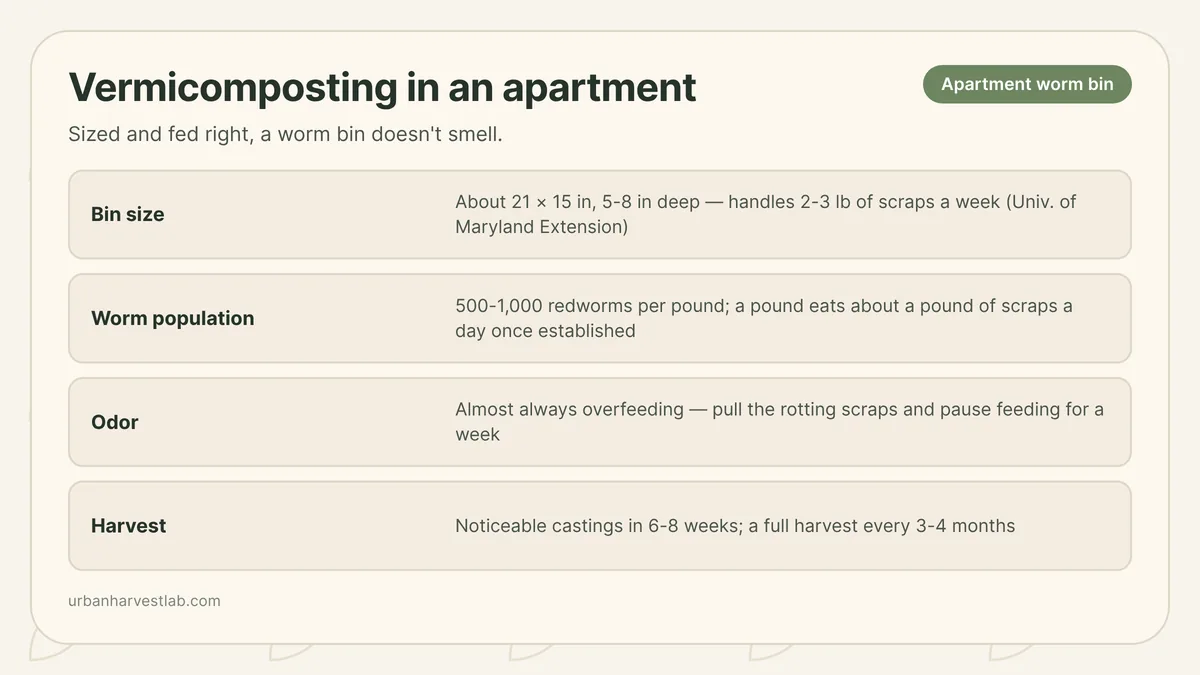
A worm bin sized and fed correctly runs in a closet or under a sink without odor. Here is the setup, the feeding rules, and how to harvest the castings.
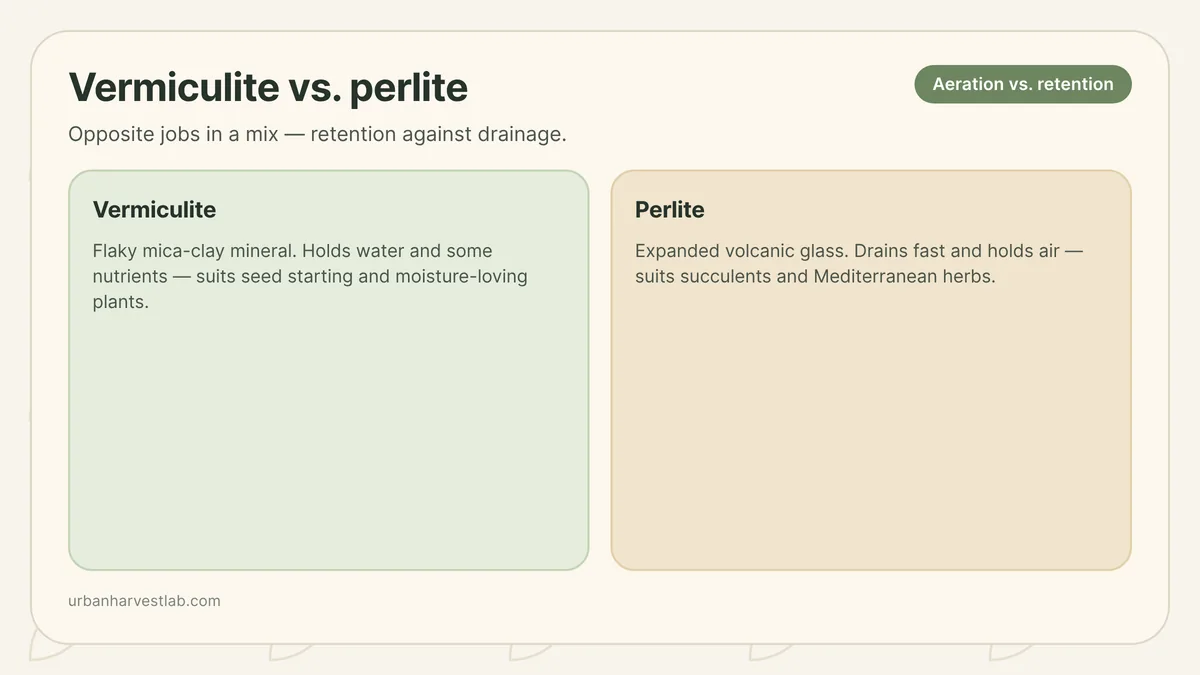
Vermiculite and perlite solve opposite problems in a growing medium. Here is which one your container actually needs, and when the answer is both.
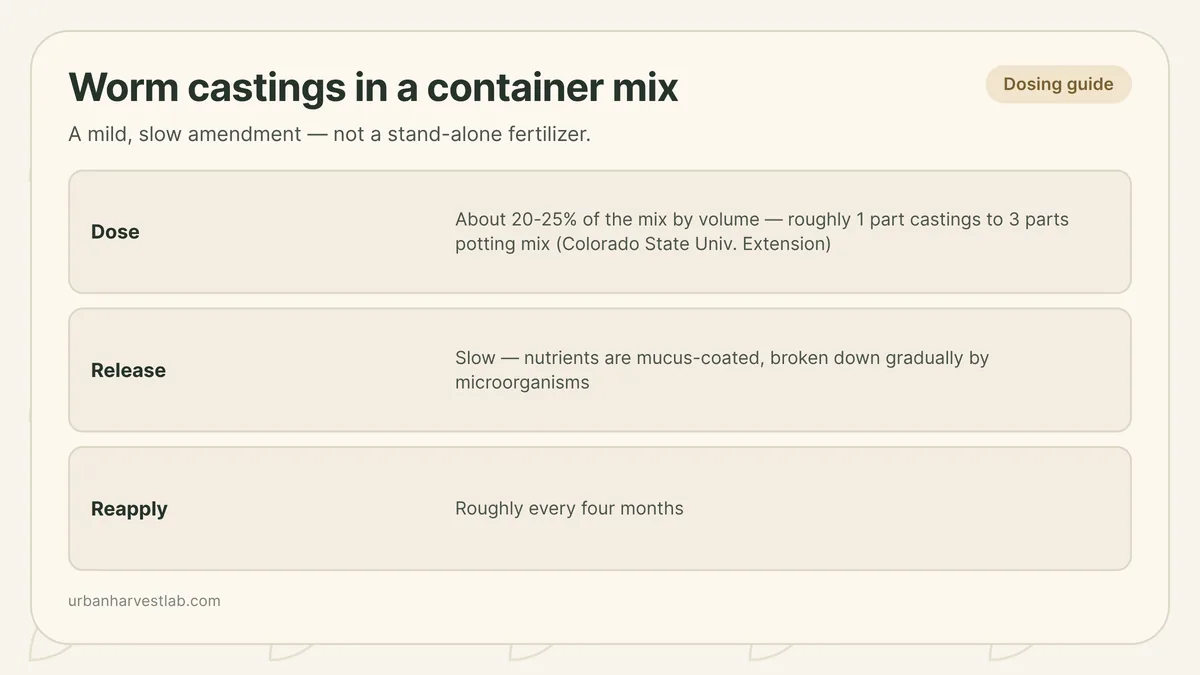
Worm castings are a modest, slow-release amendment, not the cure-all the bag copy suggests. Here is what the extension research actually supports and the ratio to mix them at.
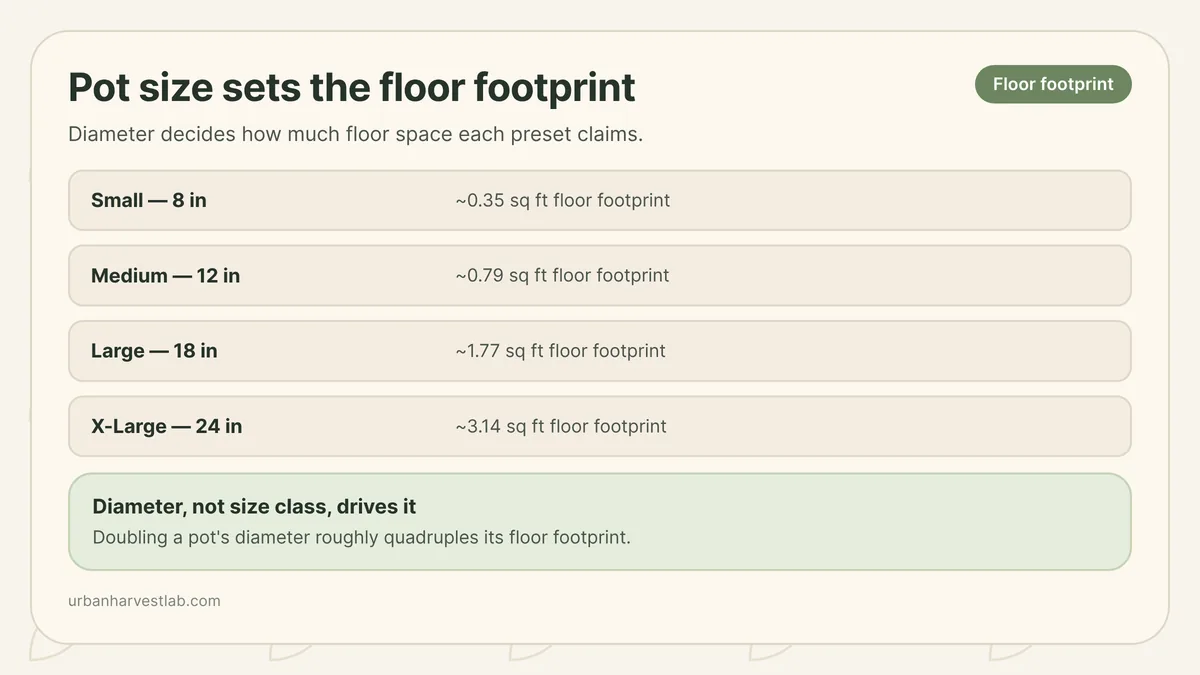
Type in width, depth, and orientation, then drop pots onto a to-scale diagram to see what actually fits and roughly how much sun it gets.
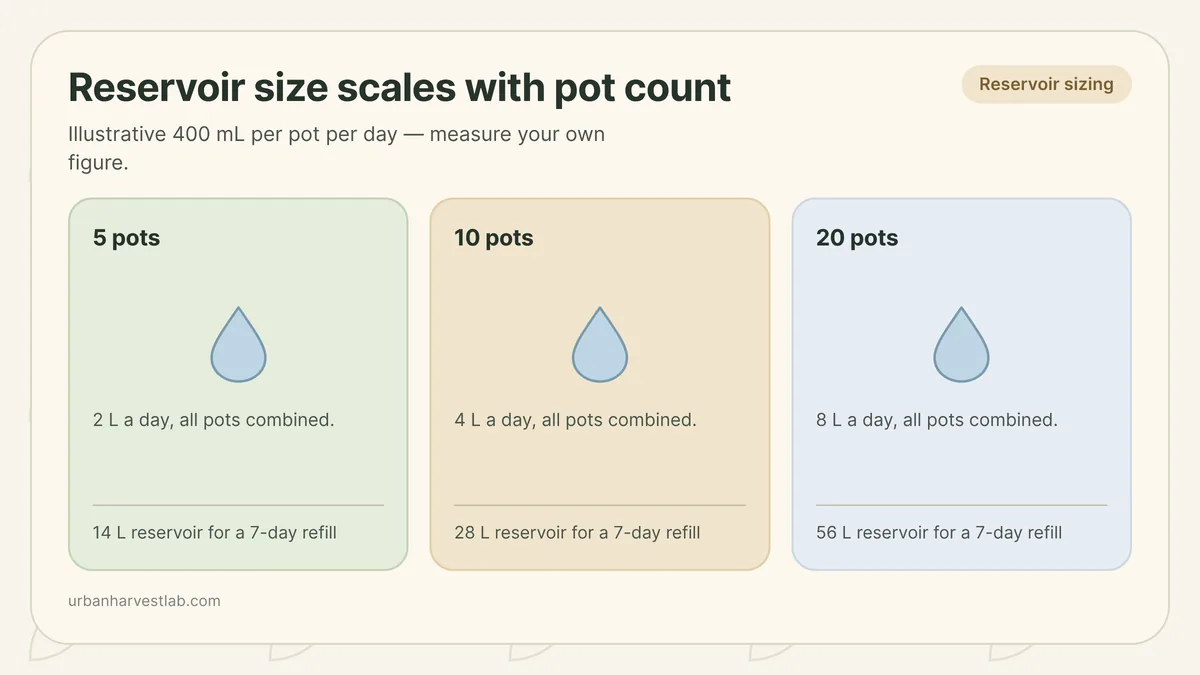
A gravity-fed drip system with its own reservoir waters a whole row of balcony pots without a hose bib. Here is how to size the emitters and the tank from your own numbers.
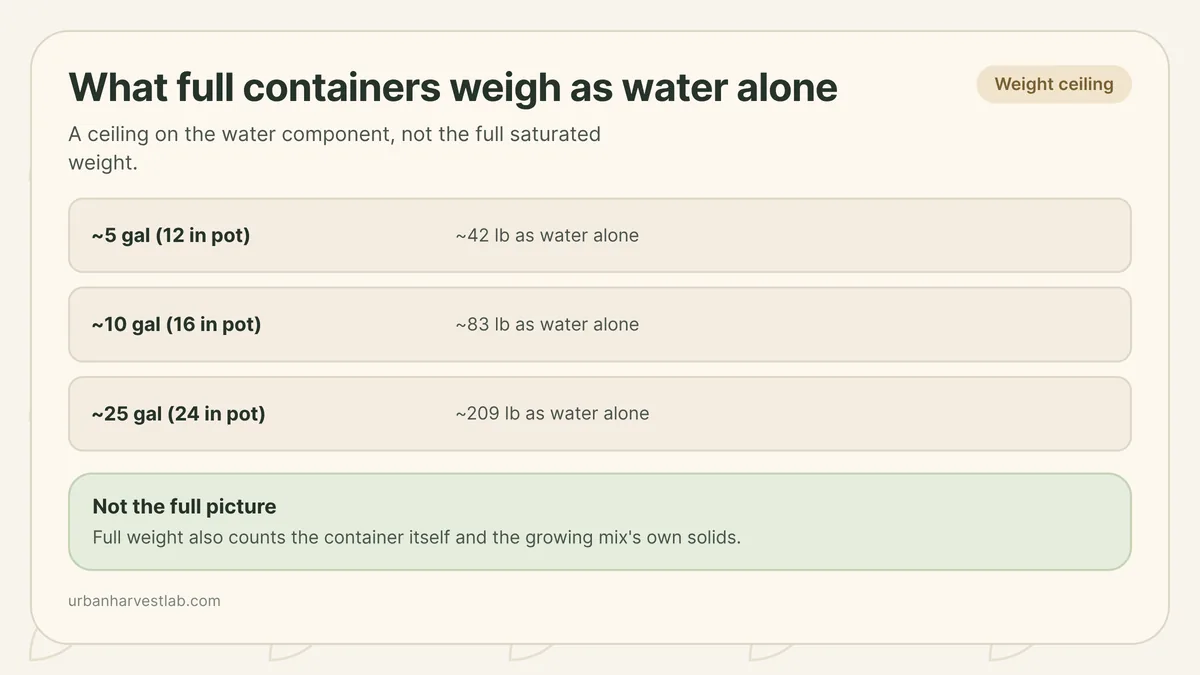
A balcony's real weight allowance comes from its own structural documentation, not a one-size figure online. What you can calculate yourself is exactly how much your containers weigh once every one of them is soaked through.
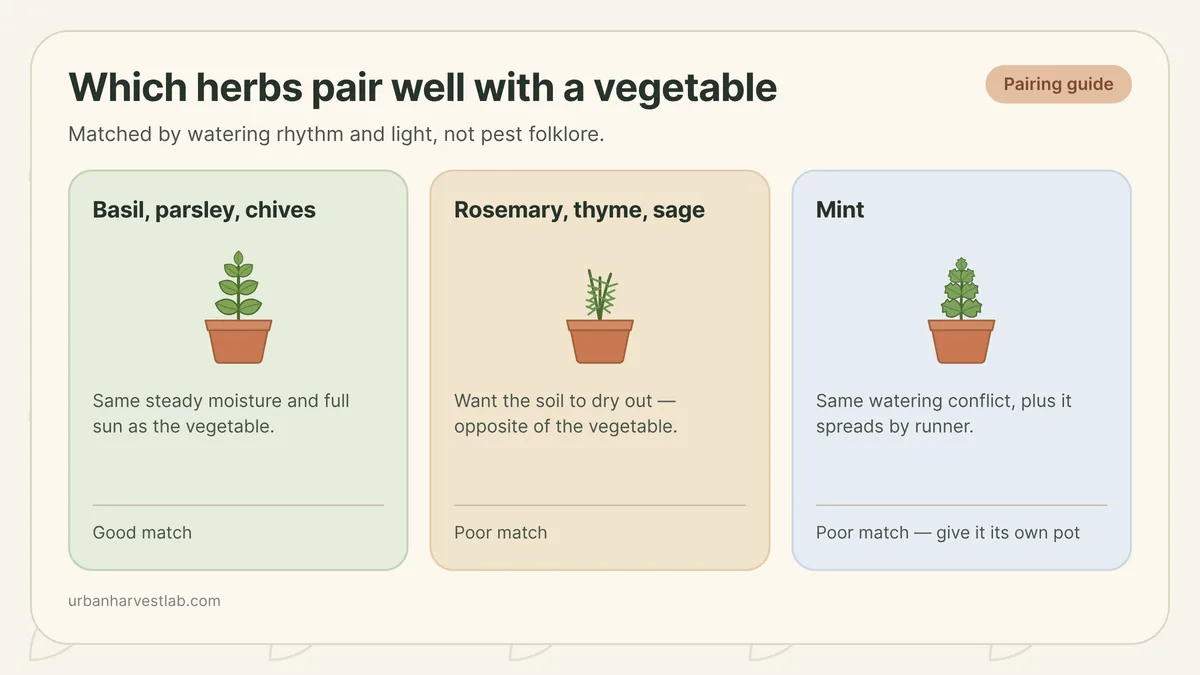
A tomato or pepper can share a large pot with certain herbs, but the deciding factors are water, light, and root space, not the pest-repellent pairings companion-planting charts repeat.
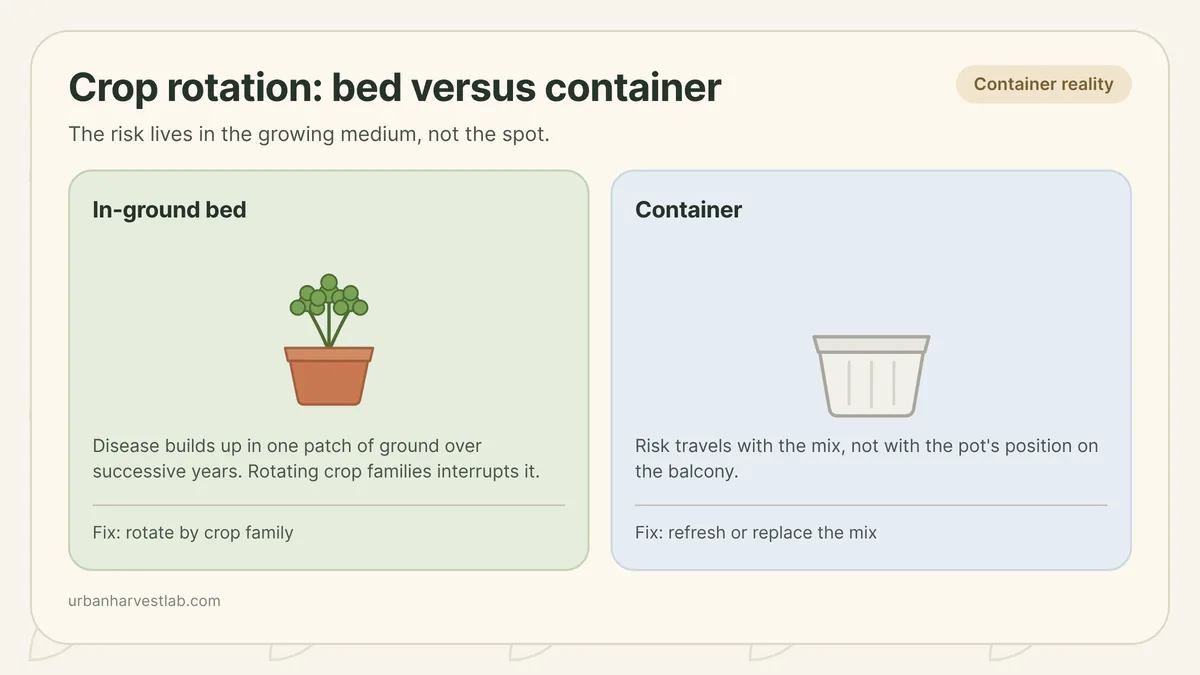
The rotation habit that protects an in-ground vegetable patch does not transfer cleanly to a pot, because the thing it was protecting against lives in the soil, not the spot.
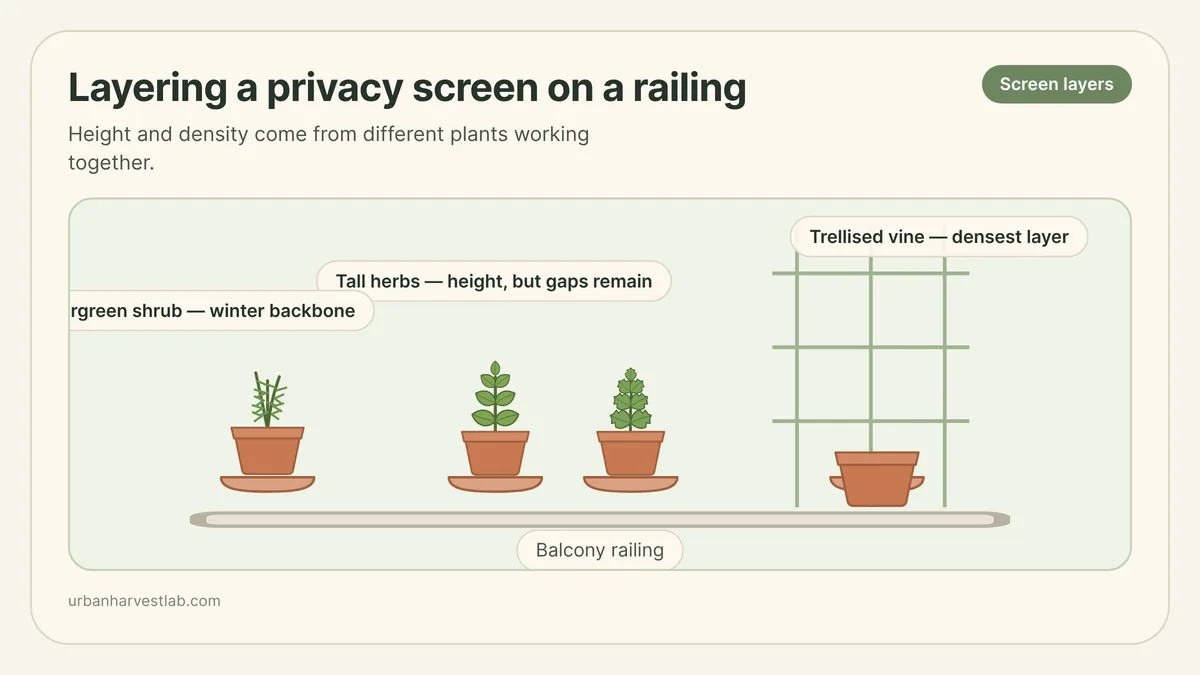
A privacy screen needs height and density working together, and most balcony pots only ever supply one of the two. Here is which edible plants actually close a sightline, and which just look like they will.
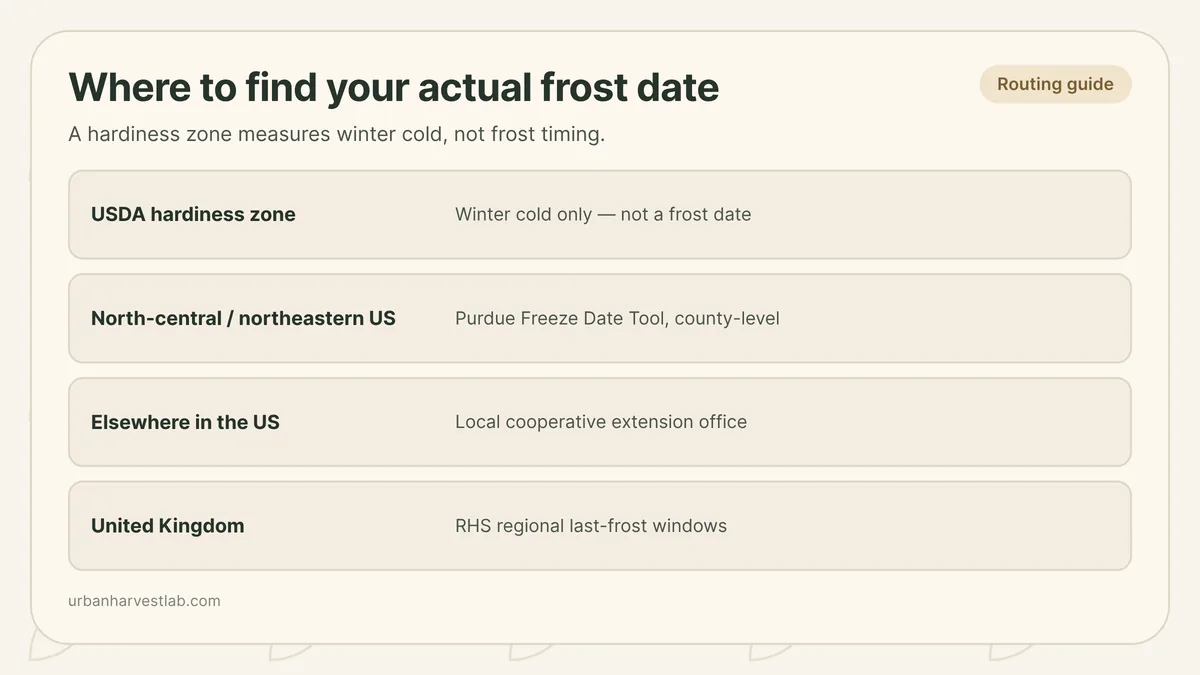
Your hardiness zone tells you how cold winter gets, not when frost starts or ends. Look up the zone's temperature band, then use the tools built to answer the date question directly.
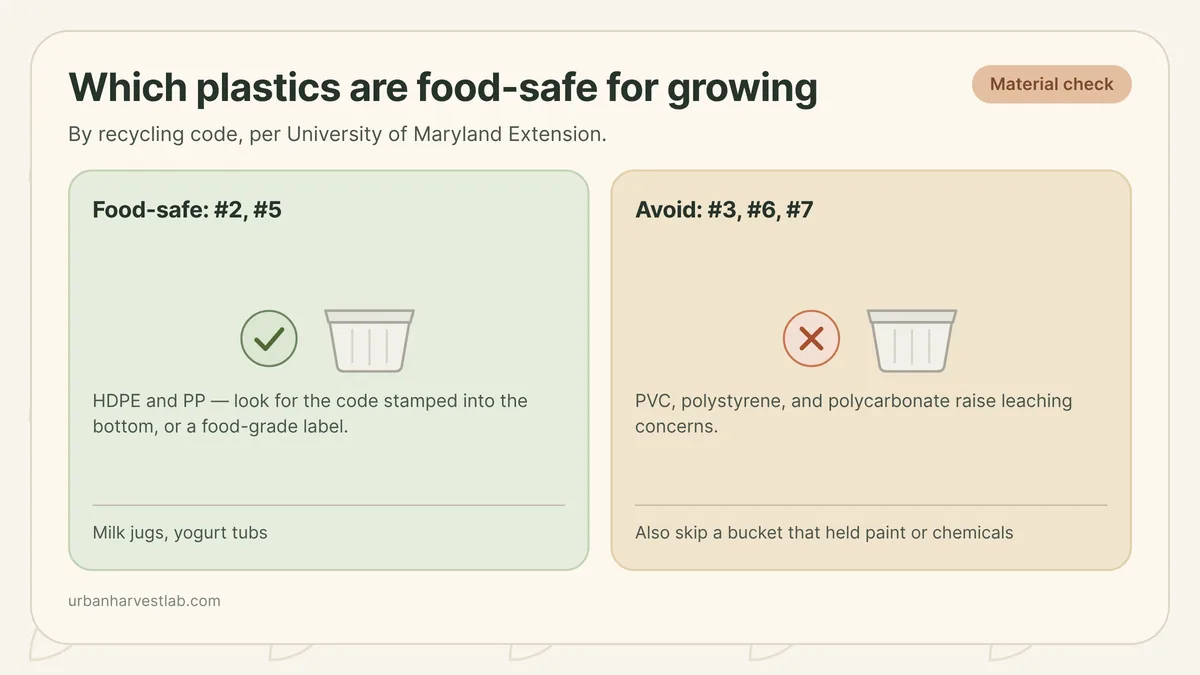
A container's recycling code and its history both decide whether it's safe to grow food in -- and the two questions have different answers.
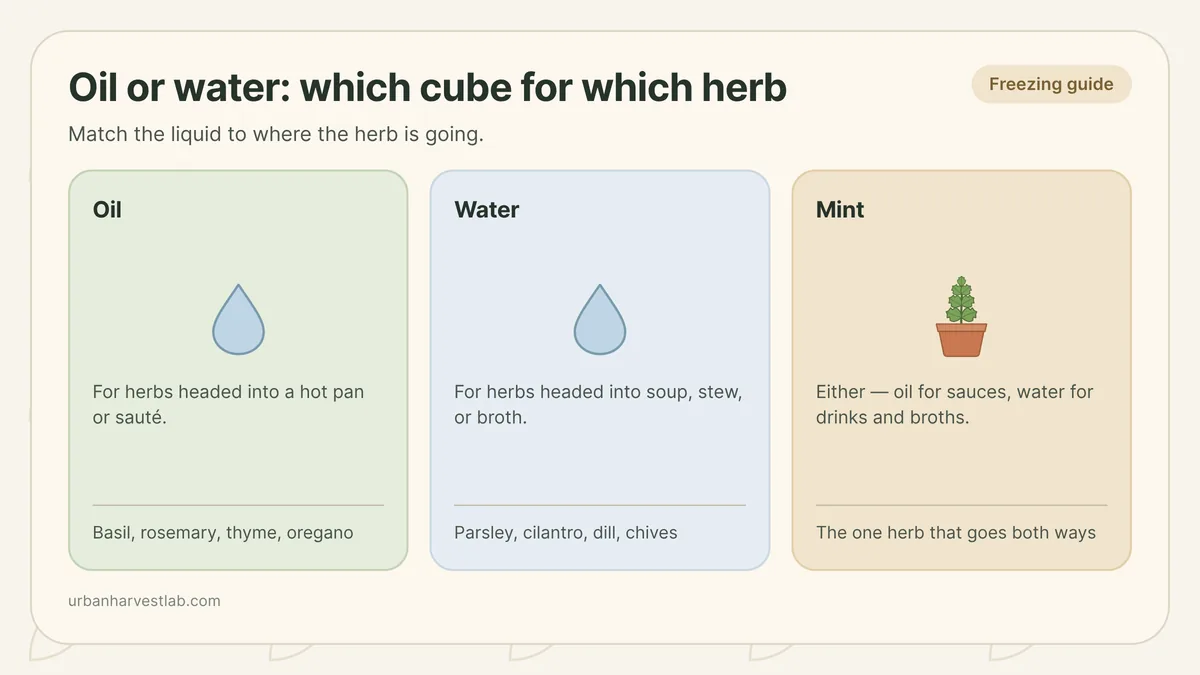
An ice-cube tray turns a fistful of chopped herb into pre-portioned cooking cubes. The details that decide whether it works are how much herb per well, oil or water, and how long you can trust the result.
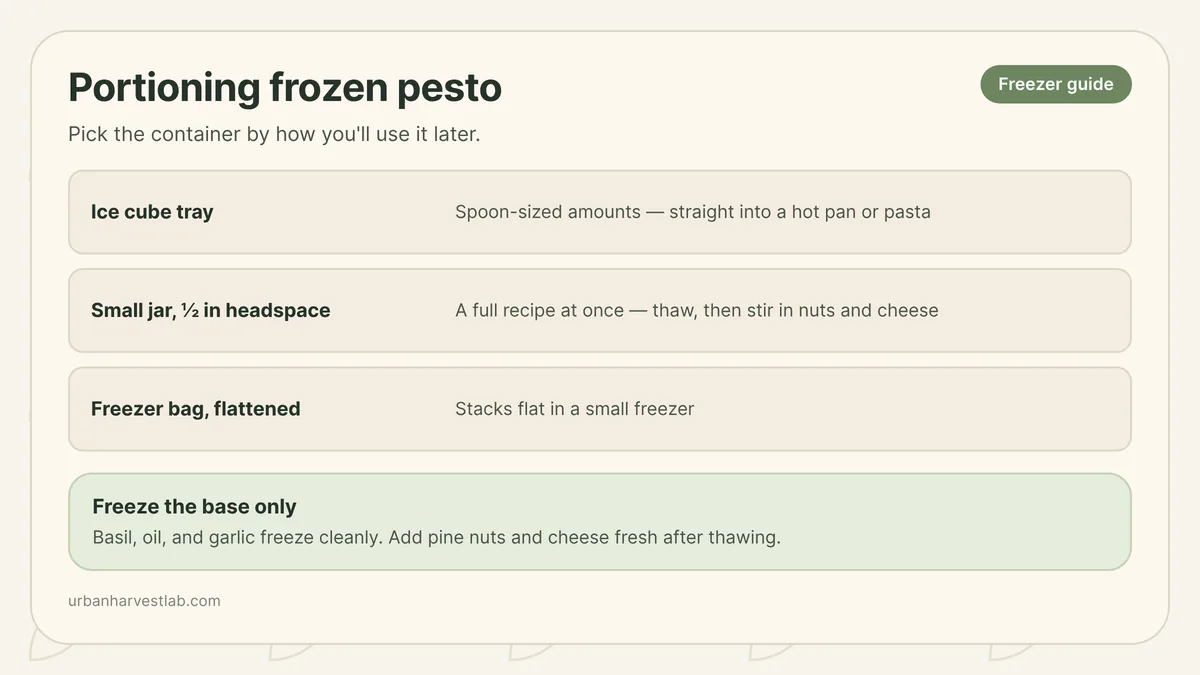
A big basil harvest turns into pesto fastest, but the freezer treats pine nuts and cheese worse than it treats the basil itself. Leave both out until it thaws, and a portion keeps its flavor for months.
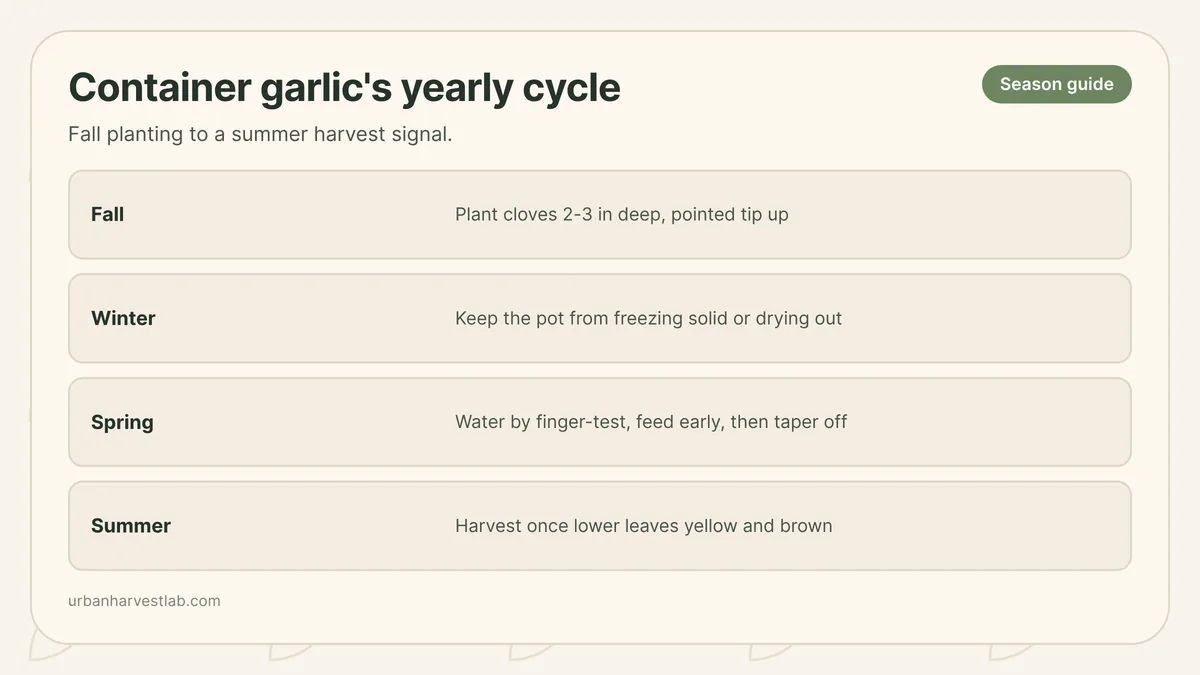
Container garlic runs the same yearly cycle as garlic in the ground, but a pot freezes and dries out faster than garden soil. Here is the full process, season by season.
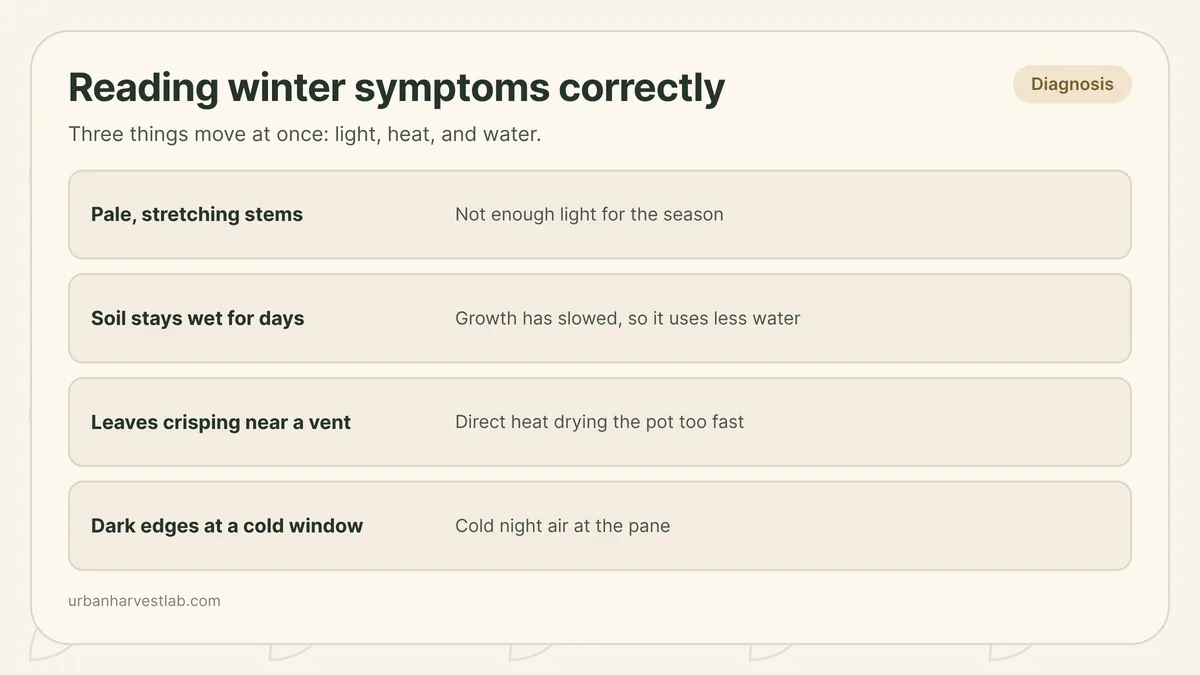
A kitchen windowsill that carried herbs all summer often starts failing in November, and it is rarely one single cause. Light, heated air, and watering all shift at the same time.

Watering more is only one piece of getting containers through a heatwave. This is the wider plan: cutting the heat load, grouping and staging pots, and reviving one that has already dried out.
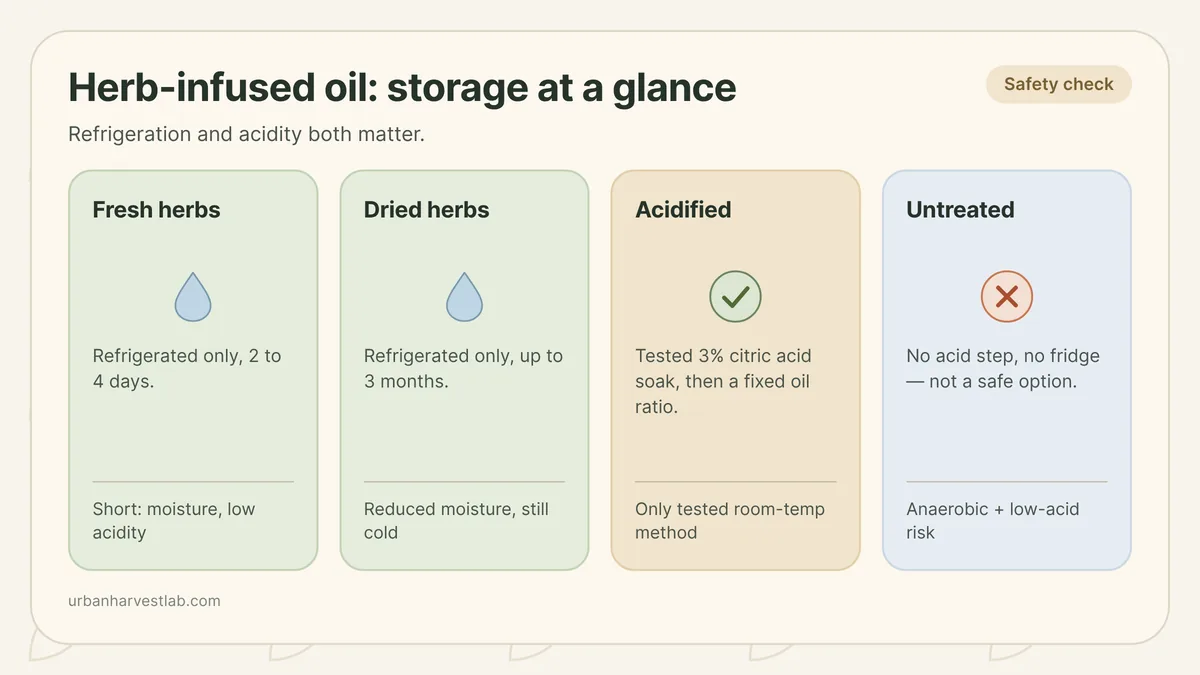
Herb-infused oil is only as safe as its storage temperature and, if it sits at room temperature, whether the herbs were acidified first.
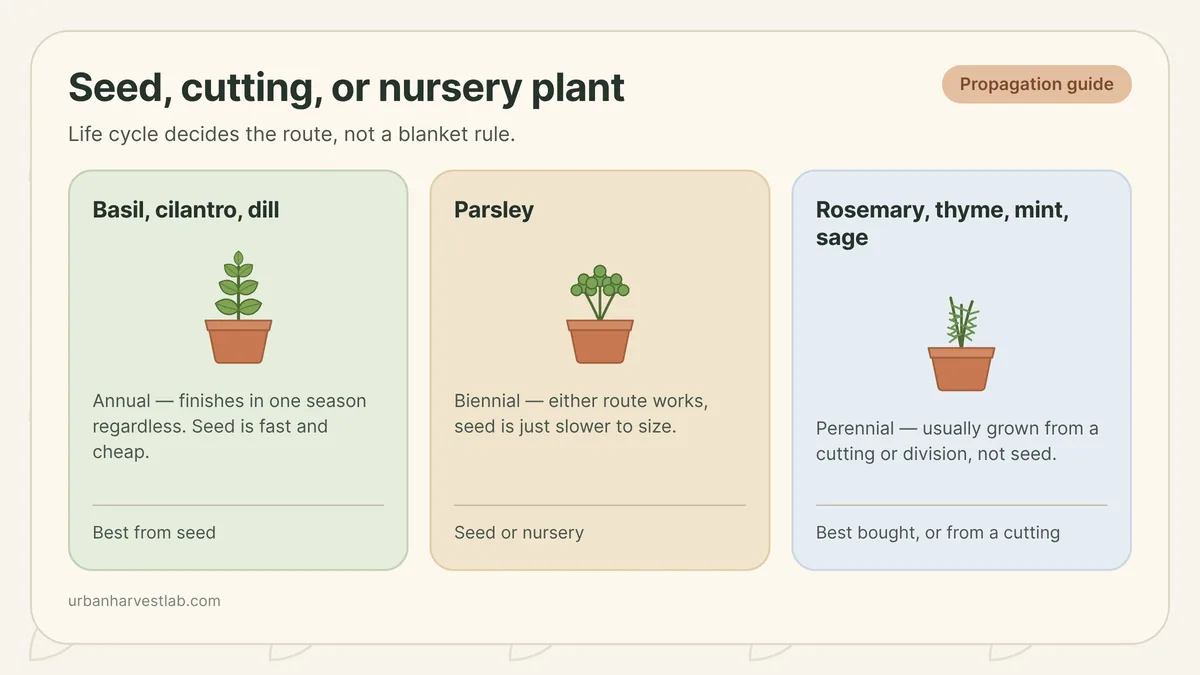
Some herbs finish a whole life cycle from seed in a matter of weeks; others are slow, woody, or simply propagated a different way. The life cycle of the herb, not a blanket rule, is what actually decides which route makes sense.
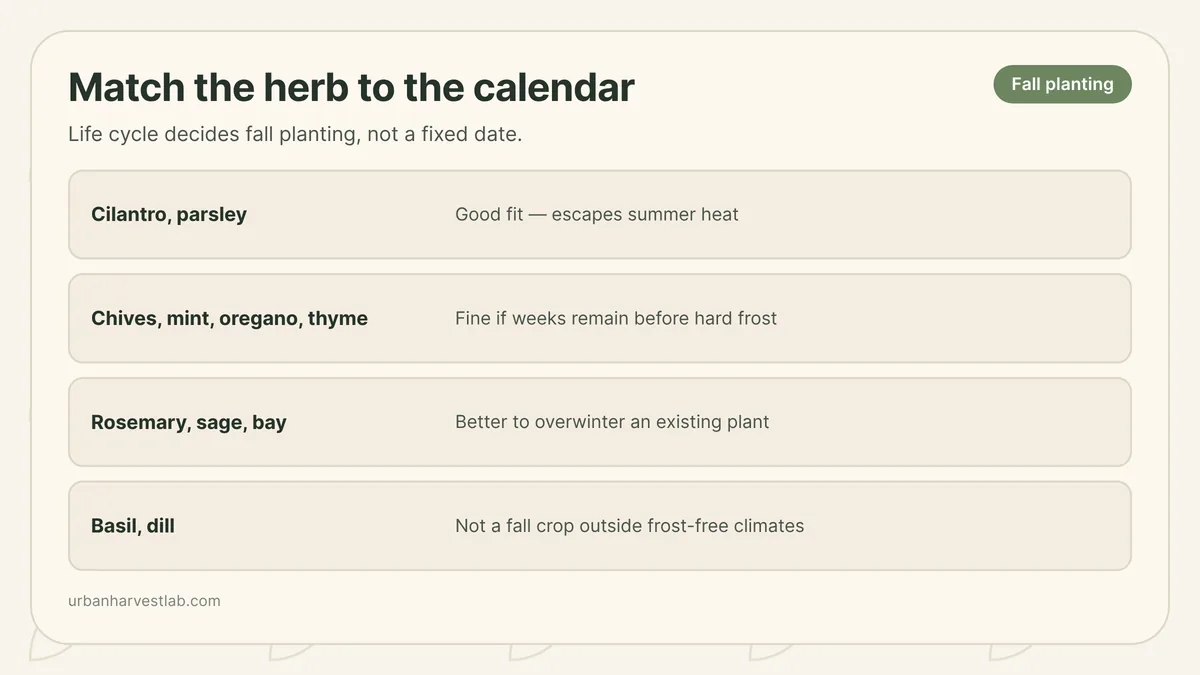
Fall planting suits herbs by life cycle and climate, not by calendar date. Cool-season herbs, cold-hardy perennials, and heat-loving annuals each answer the question differently.
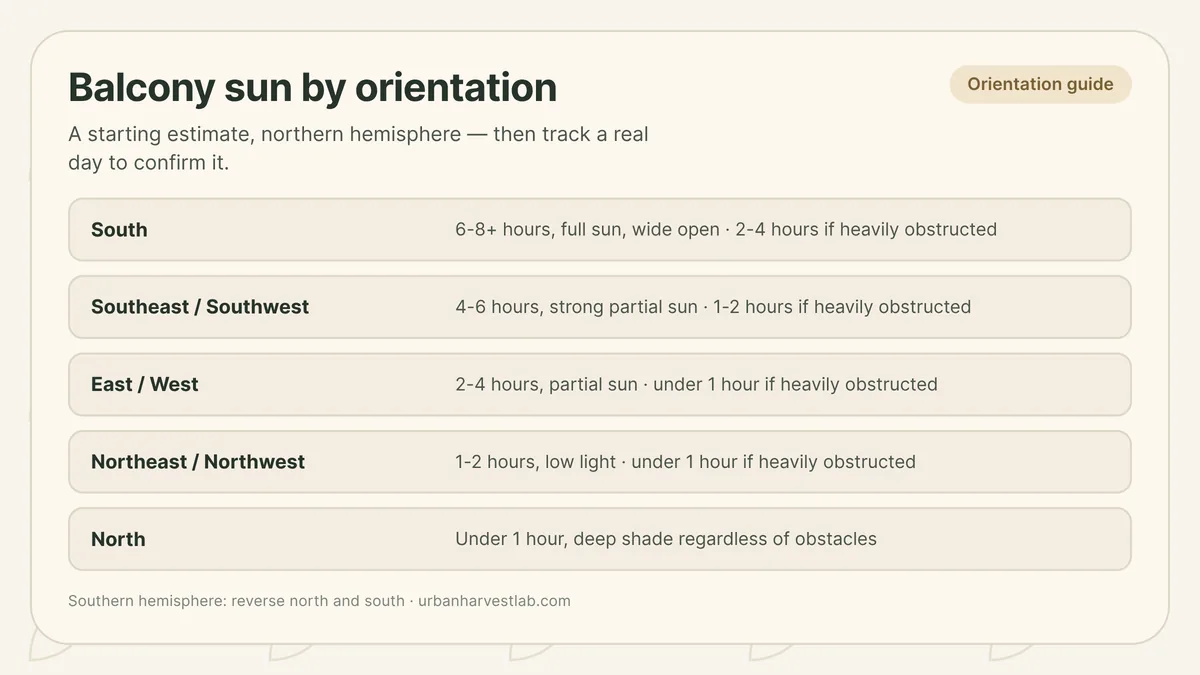
Compass direction and nearby obstacles give a starting range for how much sun a balcony gets. One day of tracking turns that range into a real number.

Frost kills a pepper plant back every winter, but the plant itself is not actually an annual. Here is the tender-perennial method for carrying one over instead of starting from seed again.
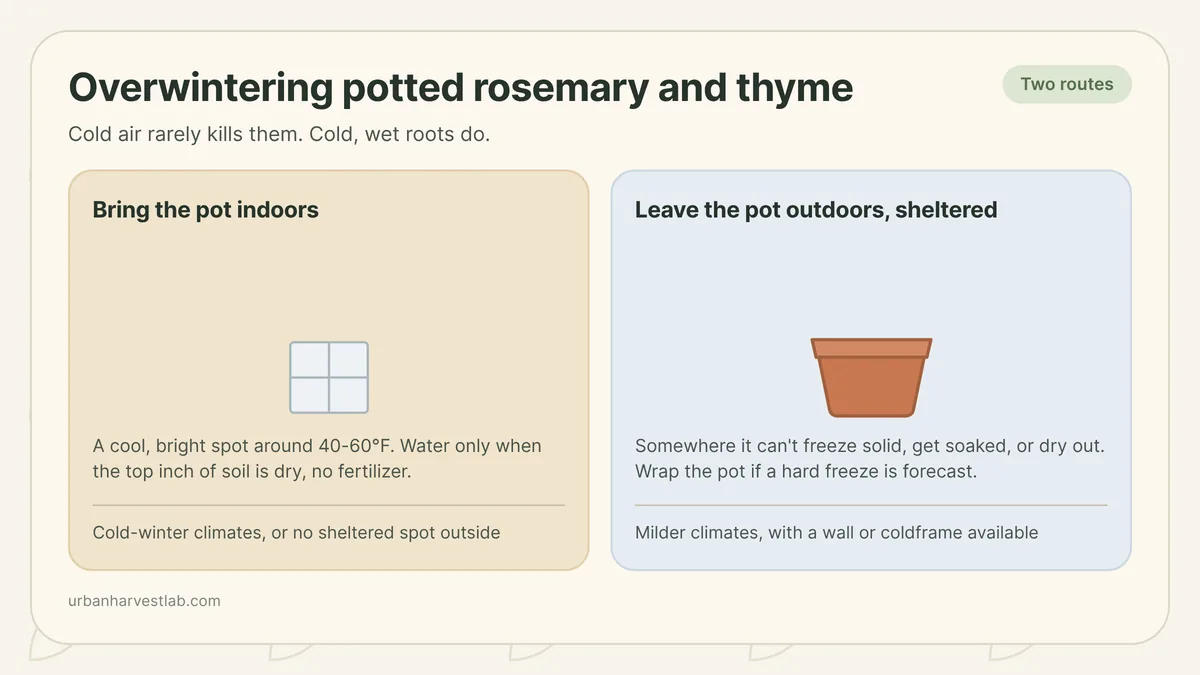
Winter kills more potted rosemary and thyme through mistimed watering and cold-wet roots than through cold air alone. Here is what to do indoors and out.
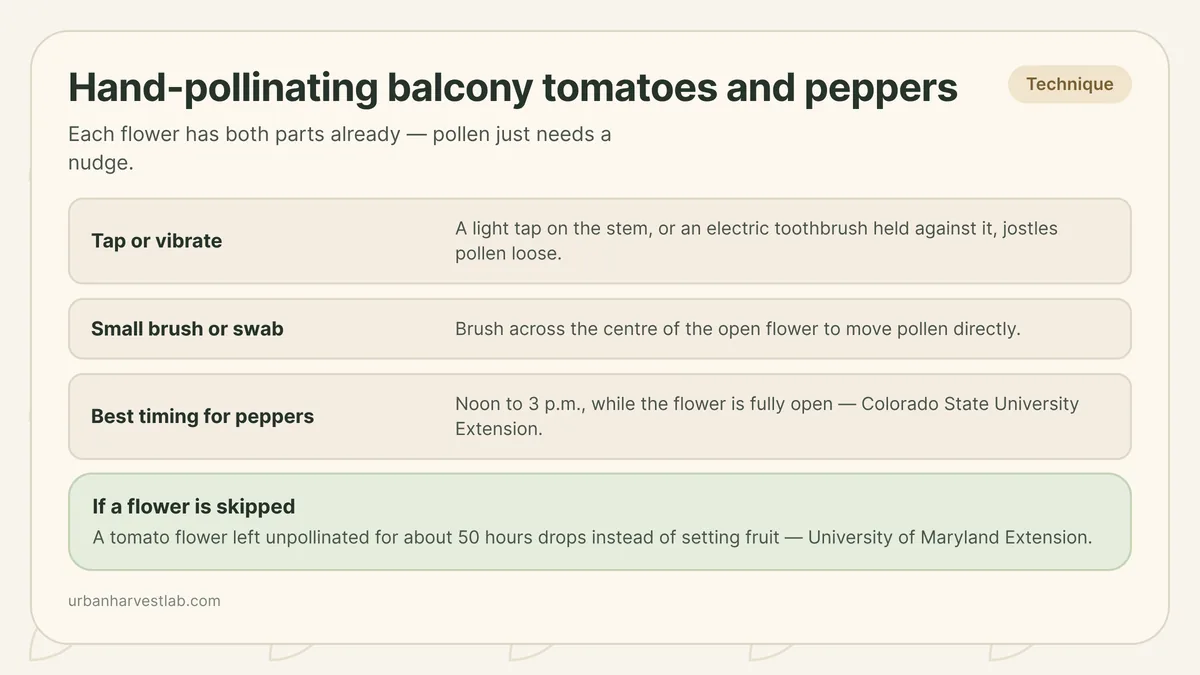
A tomato or pepper flower already carries both male and female parts, but nothing on a balcony reliably moves the pollen between them. This is the tap, brush, or vibrate technique that stands in for a bee.
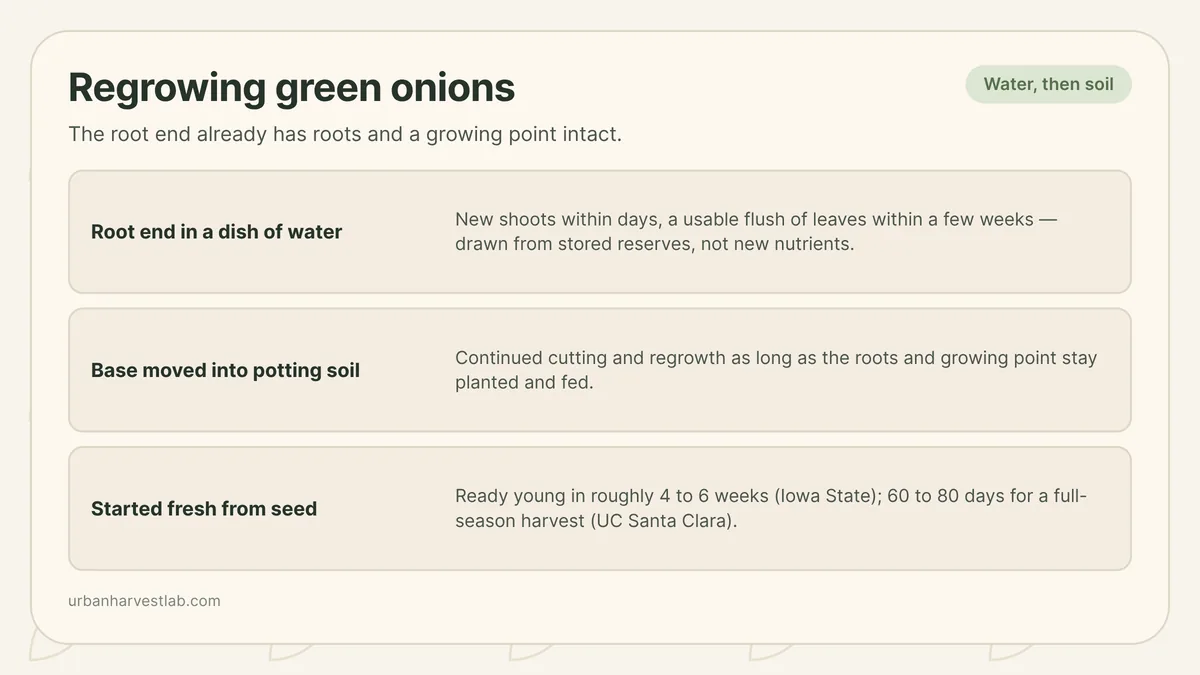
The white root end of a green onion still has its roots and growing point attached, so it resprouts in a dish of water within days. Water alone only carries it so far.
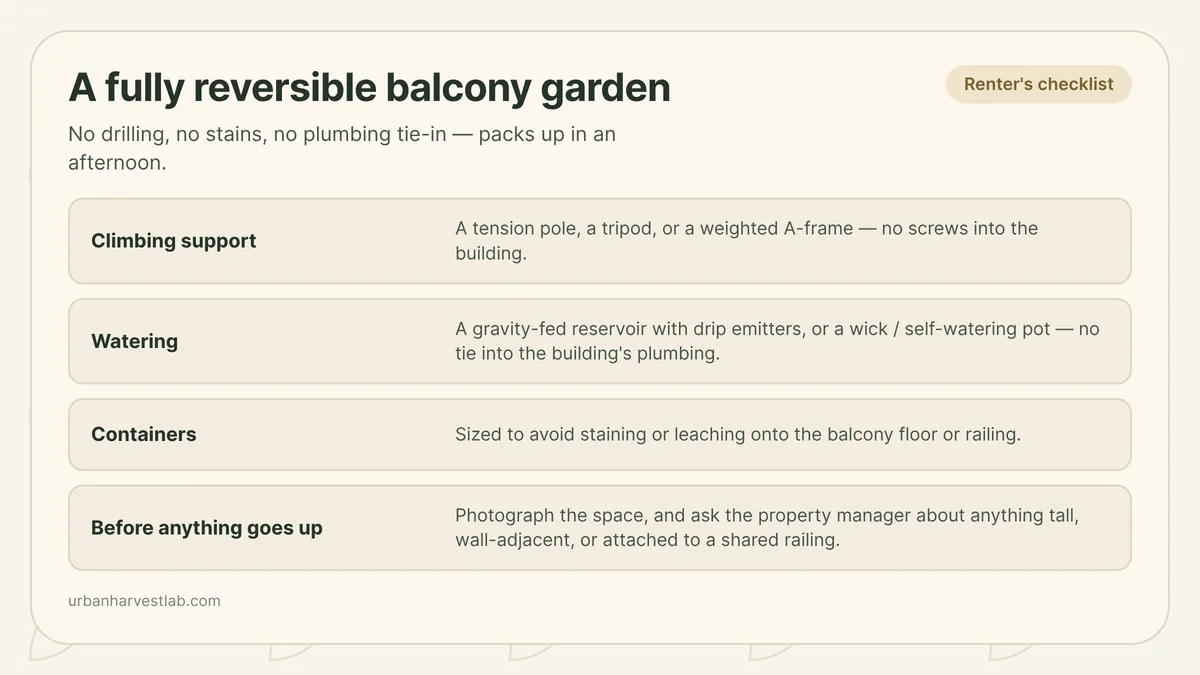
A rental garden holds up under a lease when nothing in it is drilled, stained, or plumbed in permanently -- the container, support, and watering choices that keep it that way, in one before-you-start checklist.
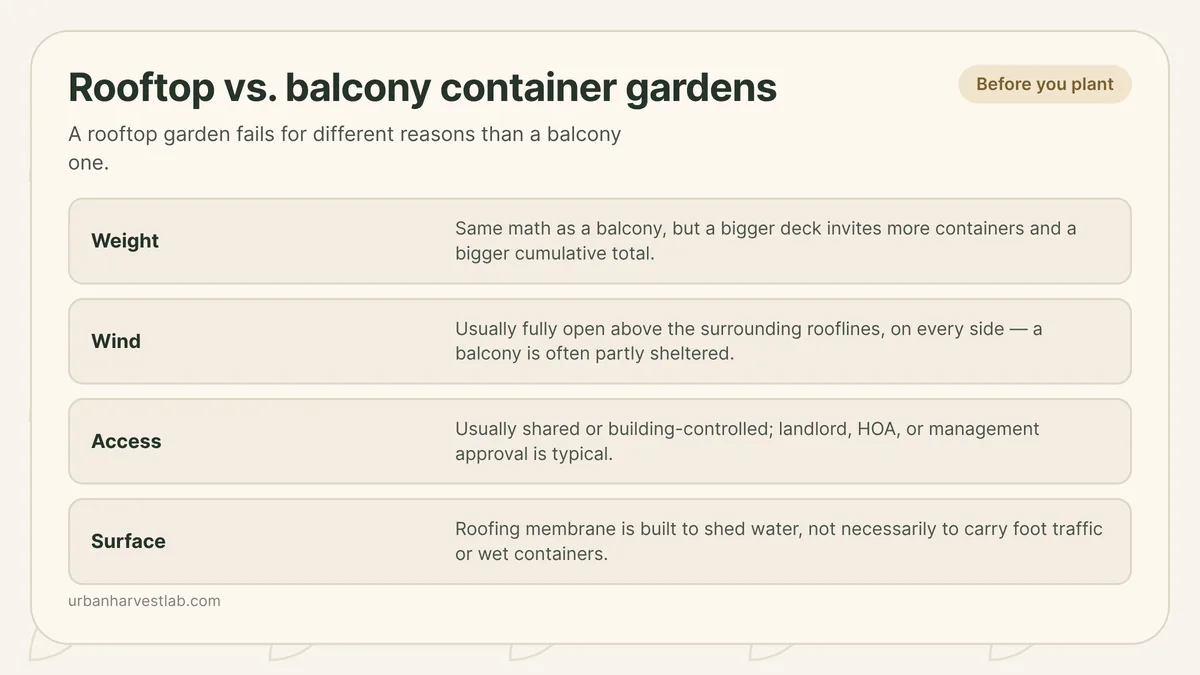
A rooftop looks like a bigger, sunnier balcony, but three things behave differently up there: the weight question gets more urgent, the wind gets worse, and someone else usually has to approve access before a single pot goes up.
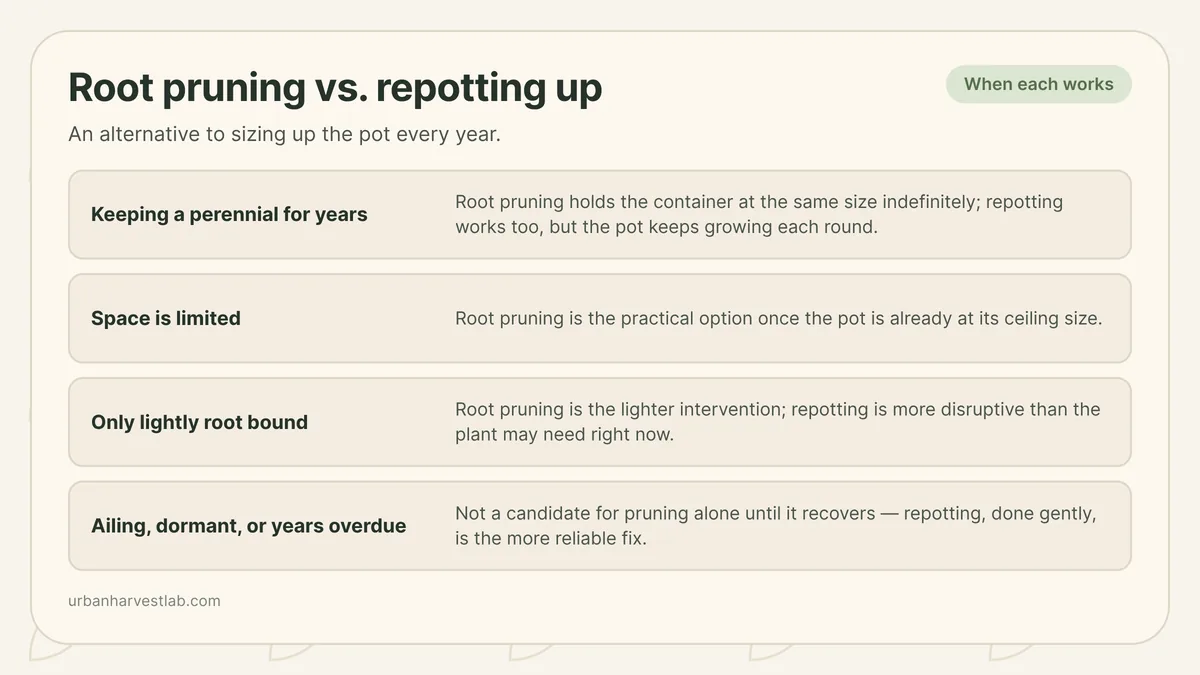
A bigger pot is not the only answer to a root-bound herb. Trimming the root mass and refreshing the soil can hold a perennial in the same container for years, for the herbs it actually suits.
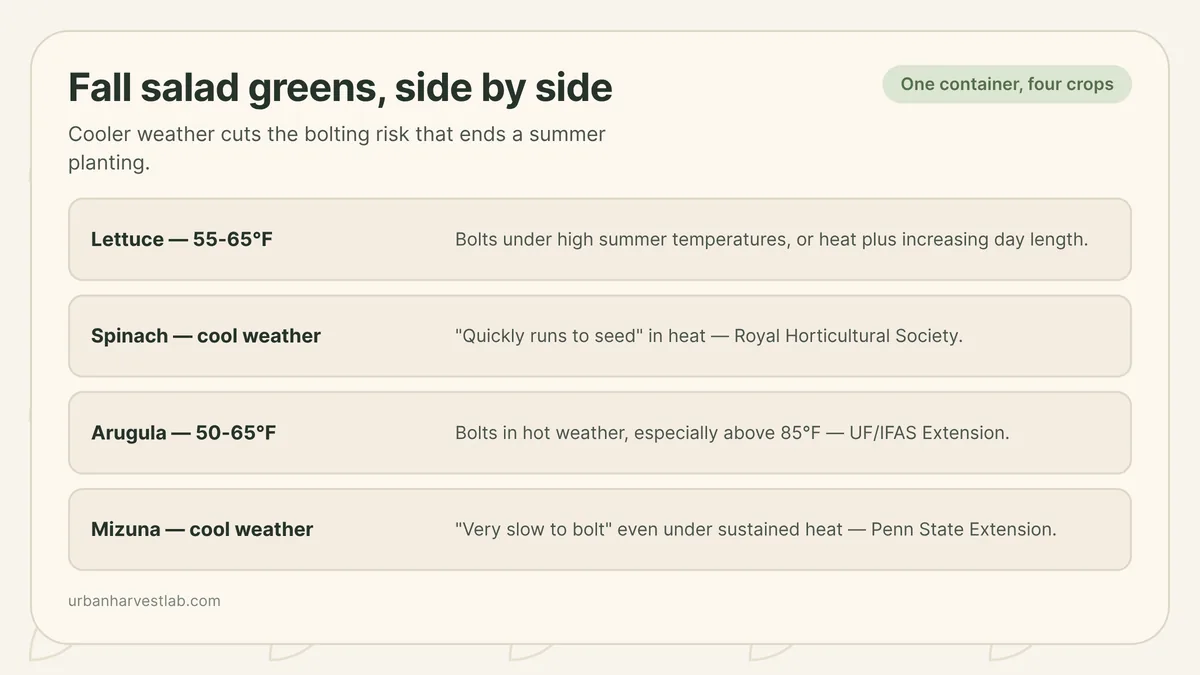
Lettuce, spinach, arugula, and mizuna all share the same summer problem and the same fall fix. Here is how to grow them together once the heat breaks.
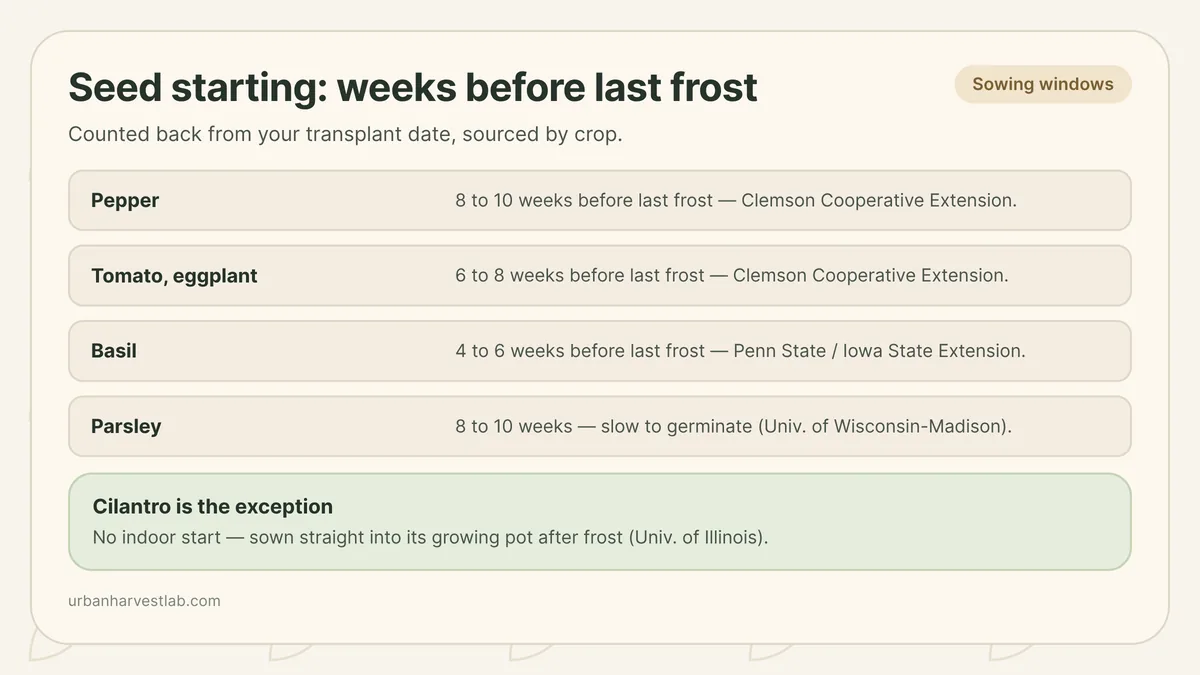
A last frost date is only useful once you count backward from it. This works out that count crop by crop, instead of applying one week figure to everything in the seed drawer.
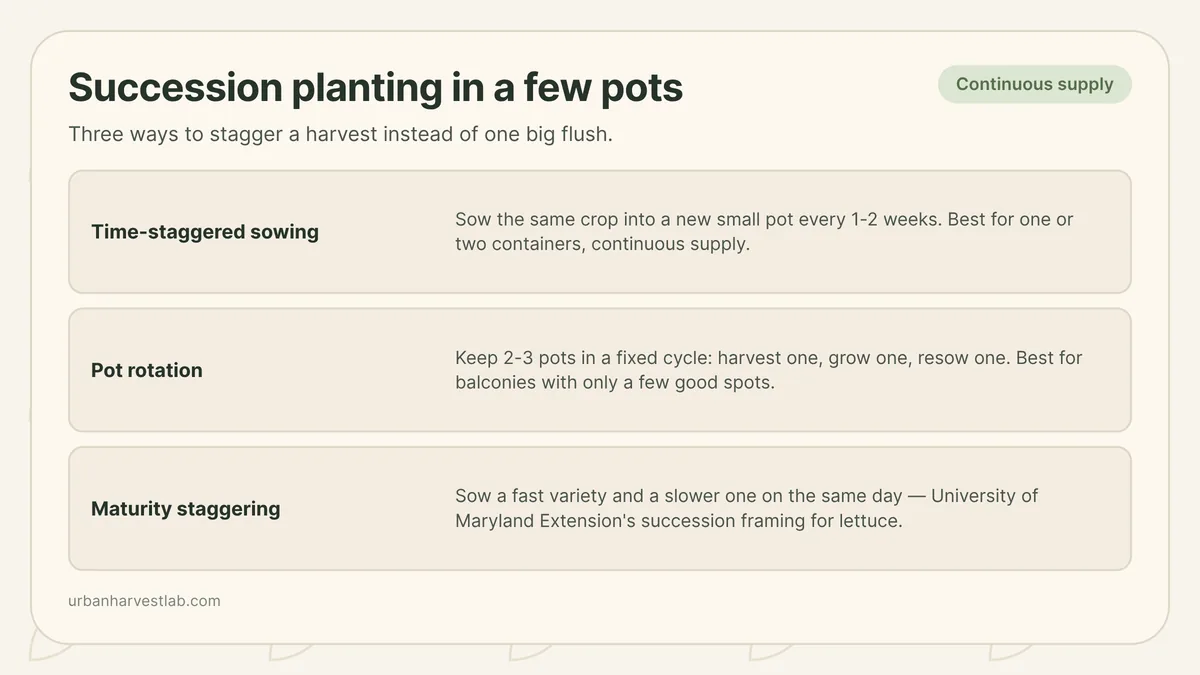
Succession planting in containers is a sowing rhythm: a few pots restarted on a schedule keep producing, where one large planting ripens together and then quits together.
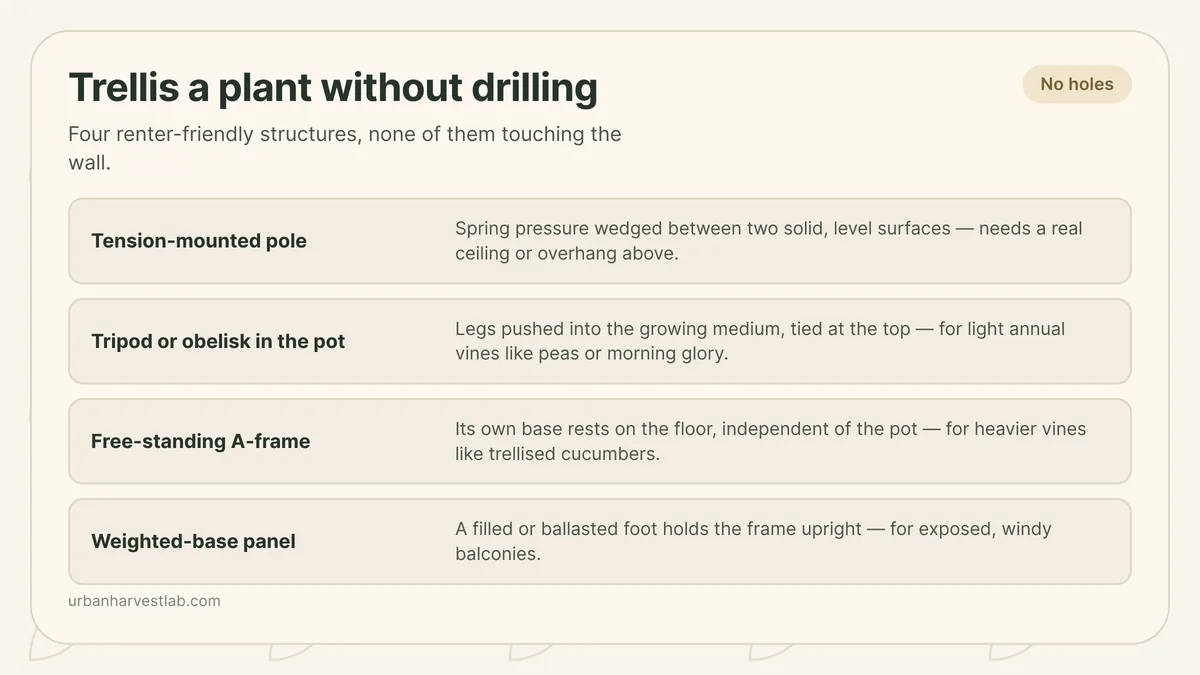
A container has no ground to sink a post into, so a renter-friendly trellis has to get its stability from somewhere else. Four approaches do that without touching a wall, railing, or ceiling.
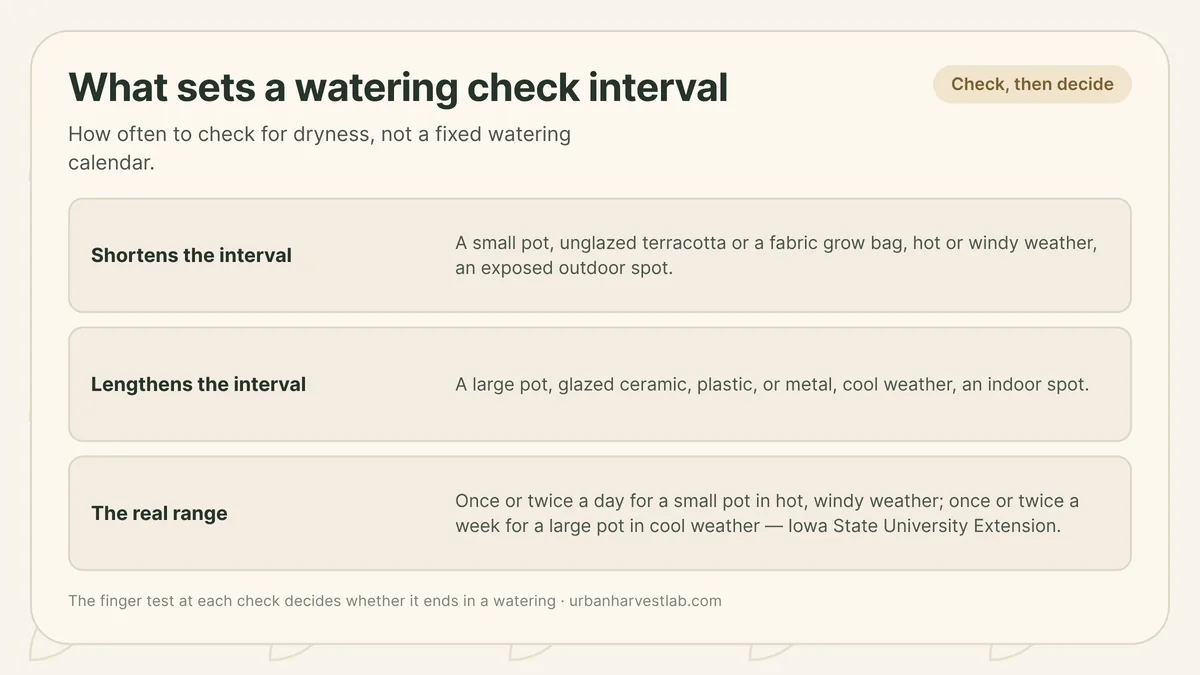
Put in your herb, pot, material, season, and location, and get back a check-interval schedule — a result you can print and tape by the pot. It answers when to test the soil, not when to pour the water.
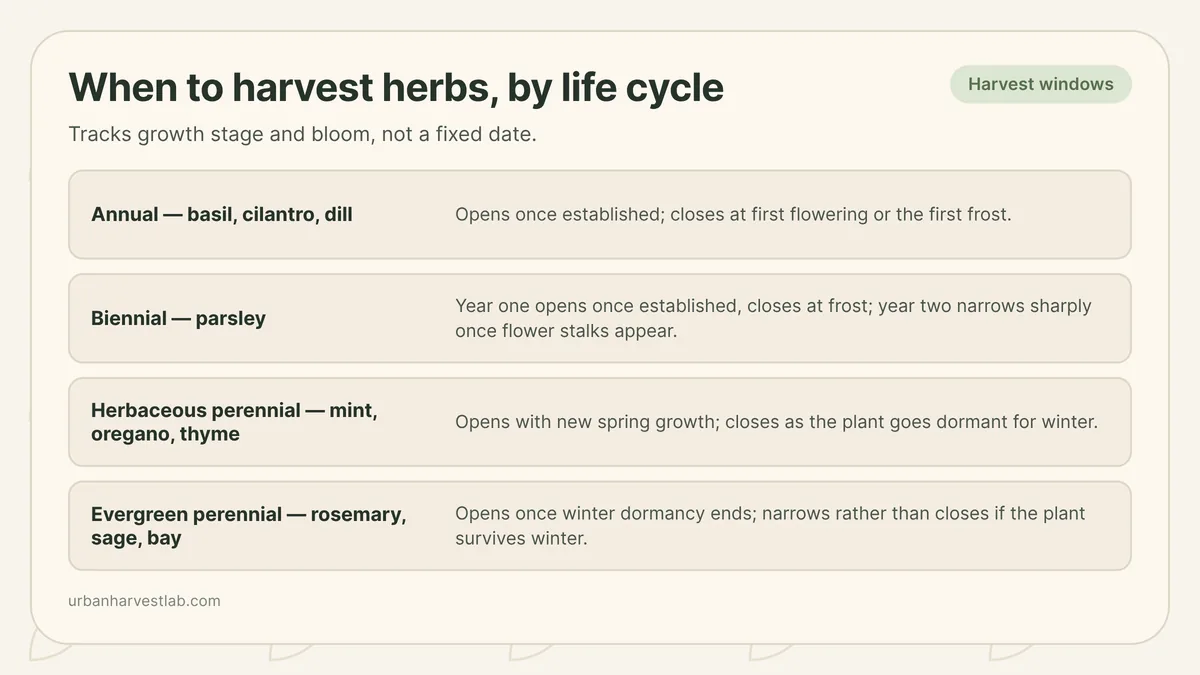
Herb harvest timing is not one fixed date. It follows the plant's life cycle and how close it is to flowering, and that window opens and closes differently for annuals, biennials, and perennials.
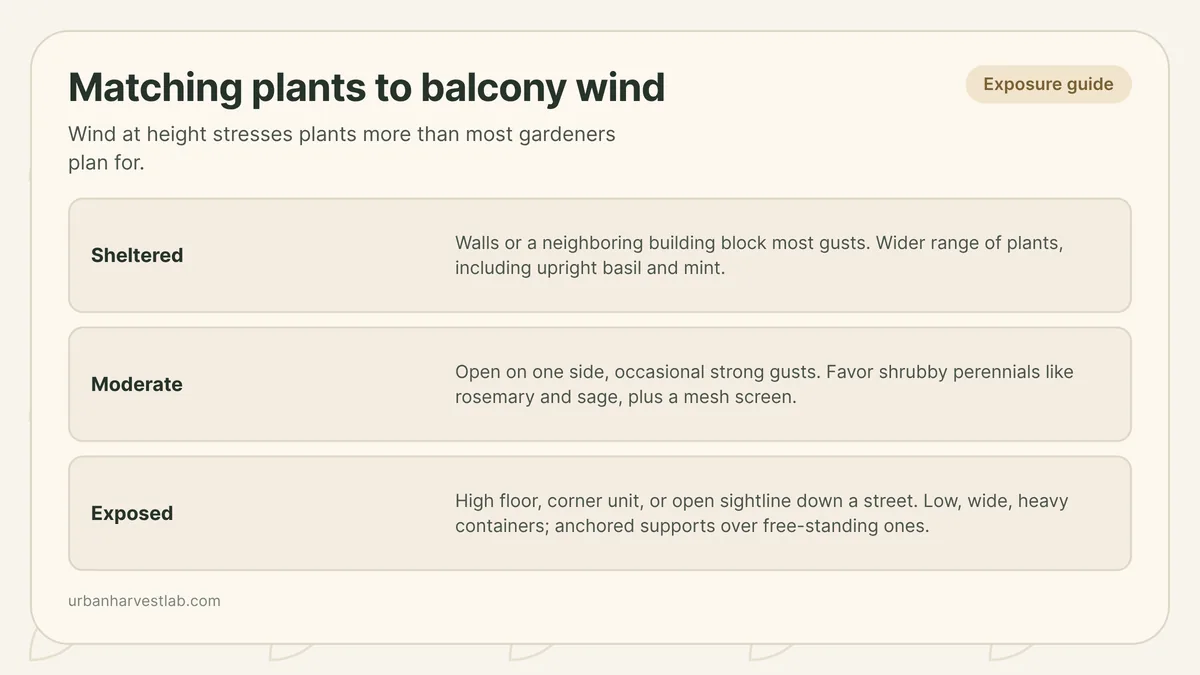
A balcony catches wind differently than a yard does, and the fix is not one trick but three working together: heavier containers, plants suited to an upright or shrubby habit, and a windbreak that softens gusts instead of stopping them dead.

Daily light integral is PPFD multiplied by the hours a light runs, converted from a per-second rate into a per-day total. Enter both below to get the number, then check it against a target.

A single DLI number does not fit every herb. Here is the general target for leafy greens, and what published research on basil, sage, and mint actually measured.

There is no watts-per-area figure that describes how far a grow light's coverage reaches. Measure your own shelf with a PAR grid, then turn that reading into a footprint number you can trust.

A warm top shelf is not just a comfort problem. It changes the light your herbs want and wears the fixture down faster, and the fix is usually smaller than a fan.

A grow light is not dangerous equipment. But it does put a driver, a timer and a power strip in the one room where you deliberately add water — and that combination deserves five real minutes of attention.

Most grow light problems trace back to a handful of repeatable mistakes, not a mysterious plant failure — and most of them show up as a visible sign you can check today.

Pick a growth stage and how bright the room already is, and the planner below returns a recommended runtime, the matching on and off times, and the dark period that goes with it.

Full spectrum, blurple, enhanced red — the labels change every season, but for herbs the answer is simpler than any of them.

Wattage alone does not predict how much light reaches a plant, and an equivalent-wattage claim predicts even less. Here is the arithmetic that gets closer to a real answer.

A tray of seedlings under lights needs more than a bulb overhead. It needs the right kind of fixture, a photoperiod on a timer, and a distance that changes every week as the seedlings grow.

Sunlight and a fixture are not competing technologies. They are two ways of delivering the same thing, and the comparison runs on three axes.

The same windowsill that carried a plant in June often cannot carry one in December. That is a delivery problem, and a grow light is usually the smallest fix for it.

An LED that still turns on is not necessarily still doing its job. Here is the arithmetic behind L70, and how to catch a fixture that is quietly falling behind.

The appeal is obvious: a clean glass front instead of exposed pots and cords. What is less obvious is that sealing plants behind glass changes the air around them as much as any light you add.

Light one shelf and you are done. Light four stacked shelves and the decisions start talking to each other: heat moves upward, height budgets shrink, and one crop's best tier is another crop's worst.

Lux measures what a human eye sees; PPFD measures what a plant can use. The gap between the two explains why a bright reading does not guarantee strong growth.
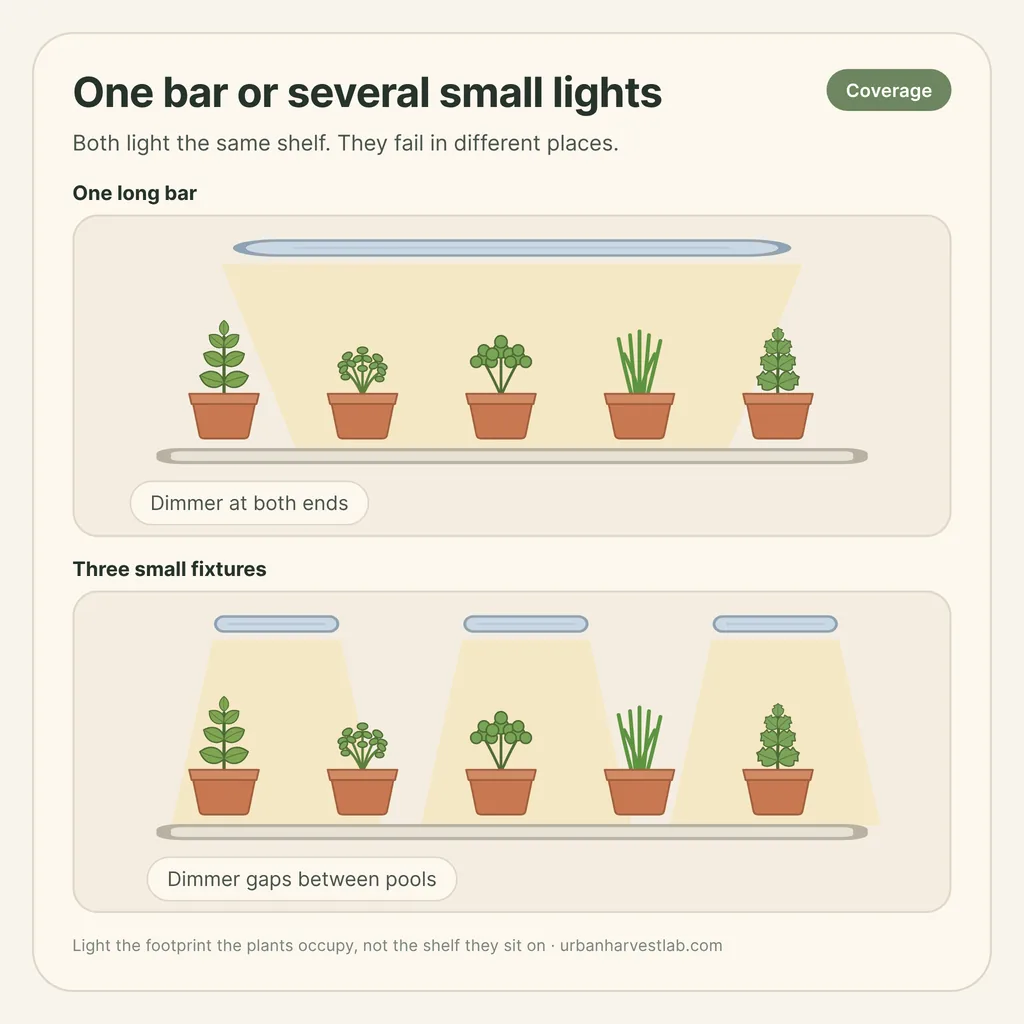
There is no fixed ratio of lights to shelf feet. The count follows from your plants' footprint and their light target, and it changes depending on whether they sit in a row or a cluster.

Foil, mylar, and white paint can return some of the light that would otherwise land on a wall. Whether that is worth doing depends more on your shelf than on the material.

A straight answer for anyone eyeing the bulb already in a lamp: the spectrum is usually fine, and intensity plus daily run time are what actually decide whether it will grow something.

A sealed tent solves problems most herb growers don't have, and creates one they do: heat. Here's when the enclosure earns its place anyway.
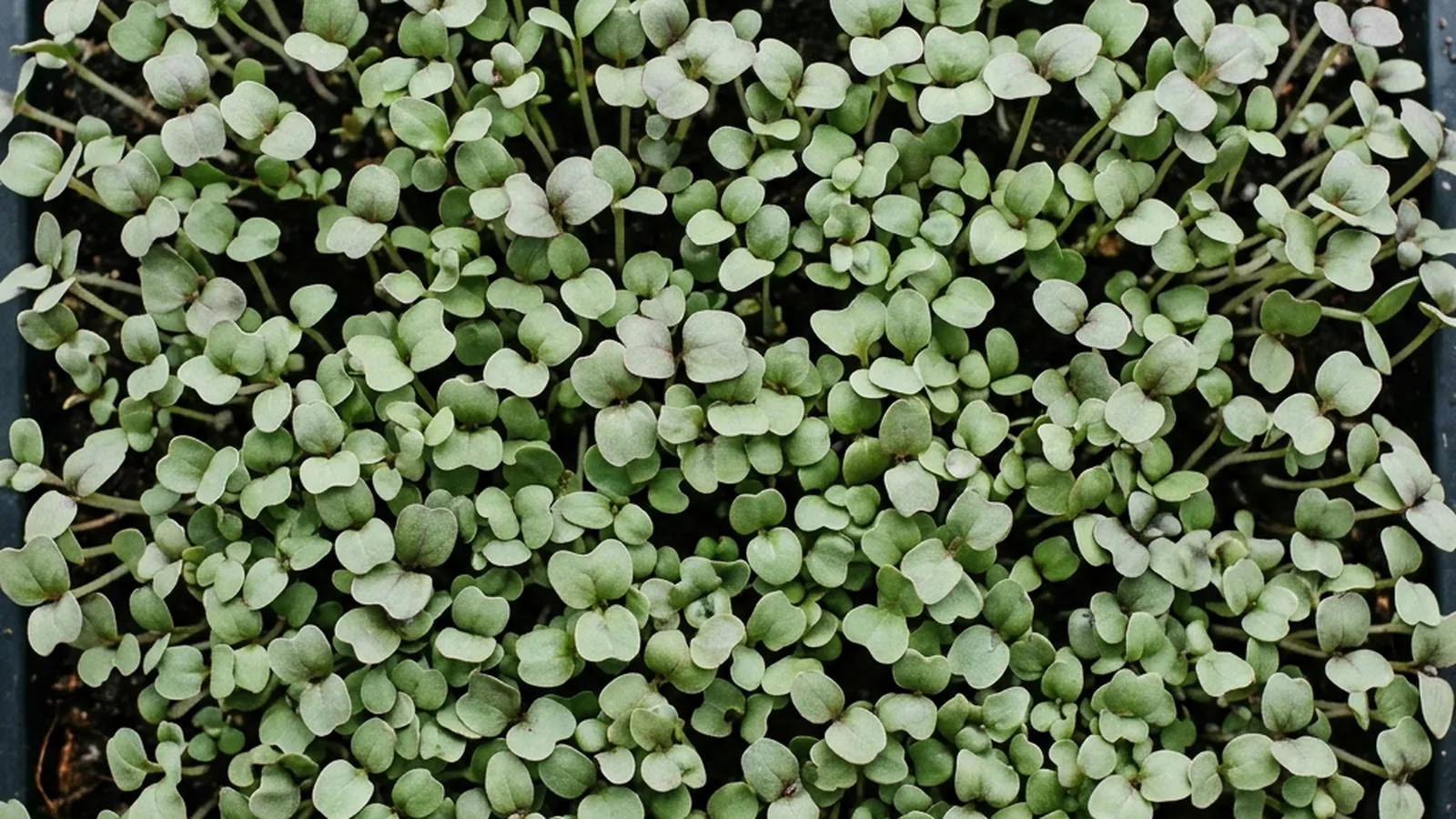
Basil's seed turns to gel instead of soaking, and Utah State puts it at 12 to 16 days to harvest — a mid-pack crop that needs deliberate watering and airflow to avoid mold.

Beet is one of the slower crops in the tray, and its seed is not really one seed at all. That single fact explains most of what looks unusual about it.
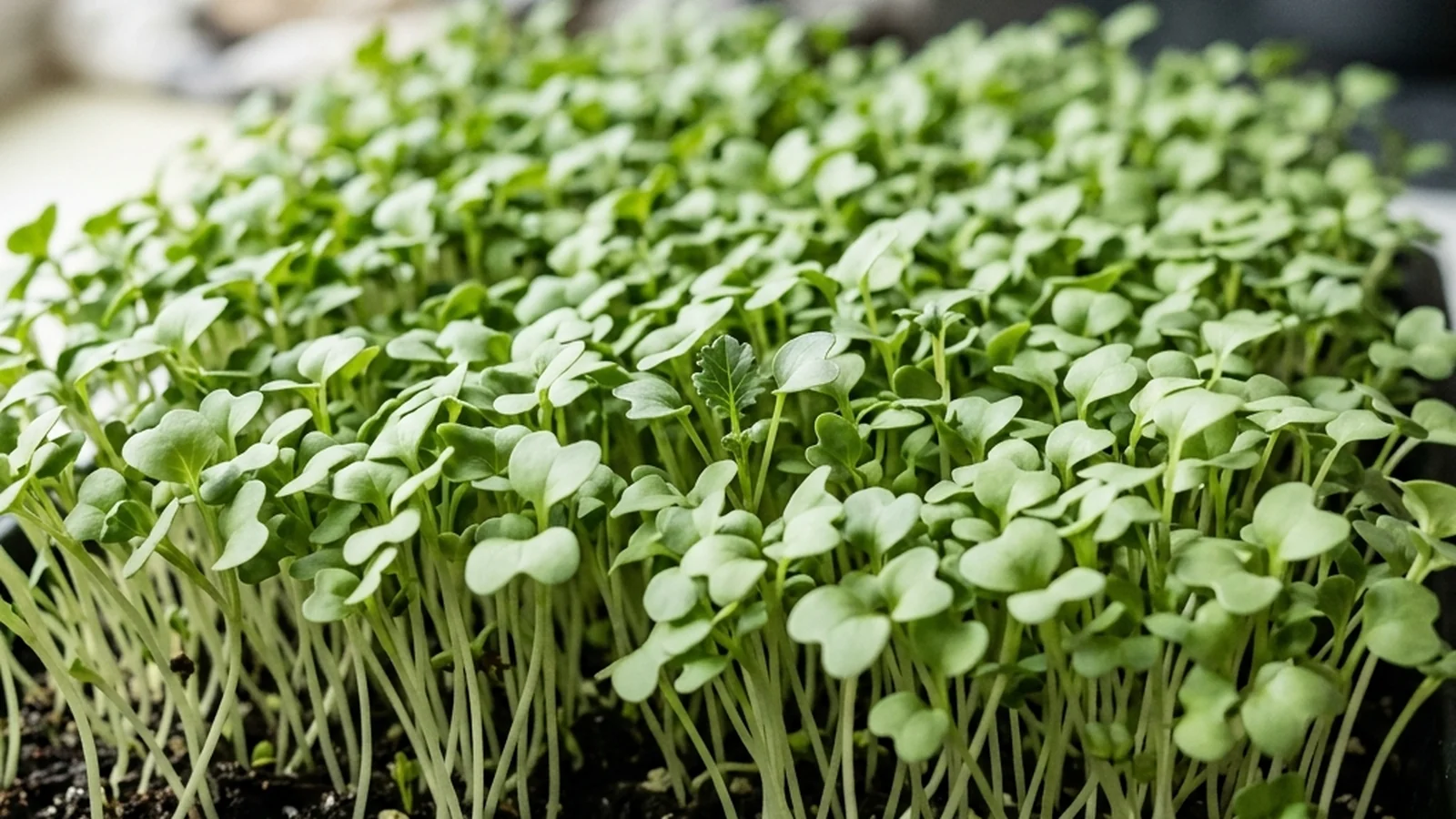
Broccoli microgreens follow the same fast brassica schedule as radish, but the reason people search for them is different. Here is the typical timeline, and what the nutrition claims actually support.
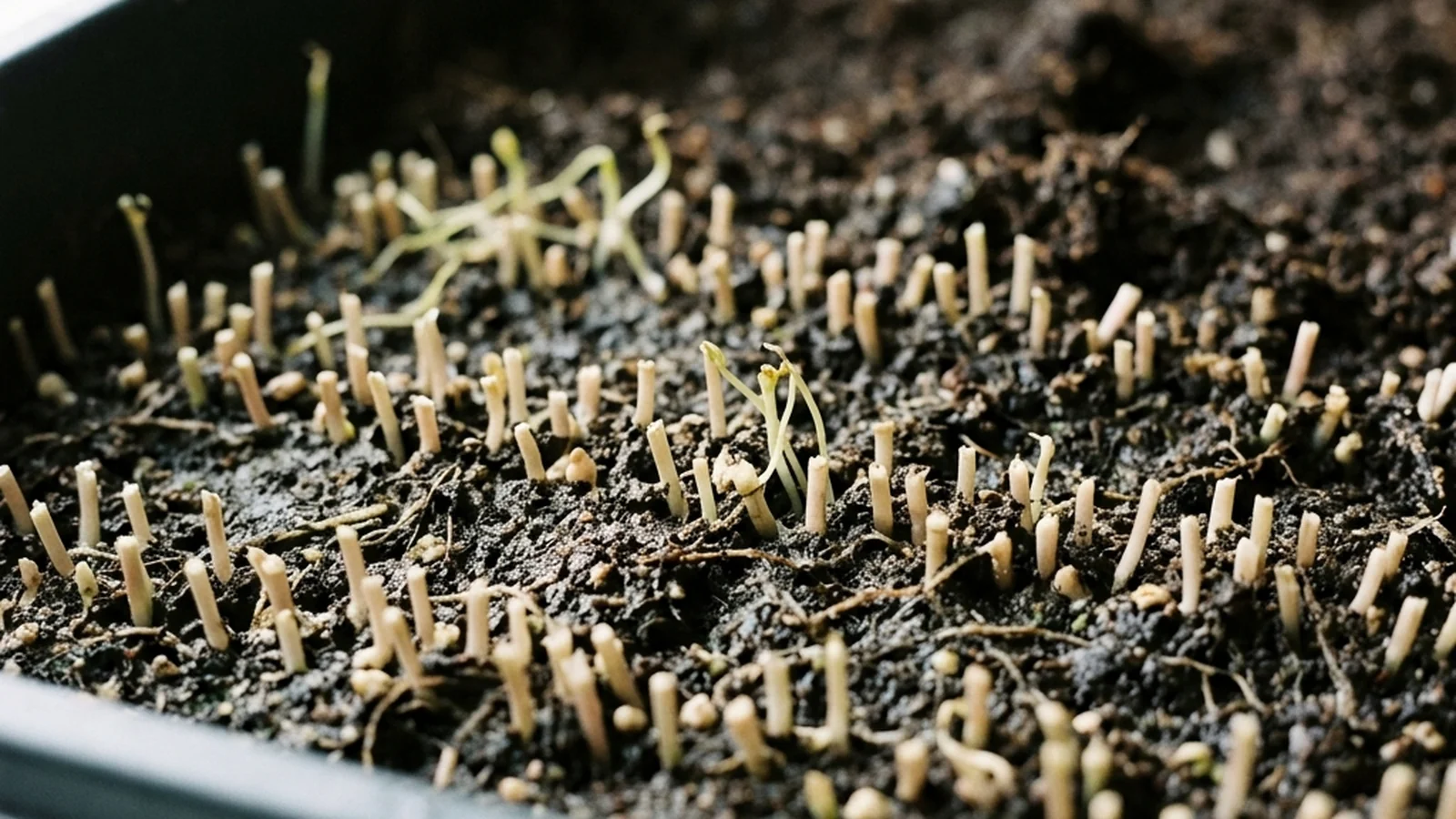
The cut you make decides everything. For almost every crop it removes the one part of the plant that could grow back.

Cilantro microgreens taste like the herb, but the seed is a split fruit and the tray is one of the slowest in the cluster. Here is what that actually changes.
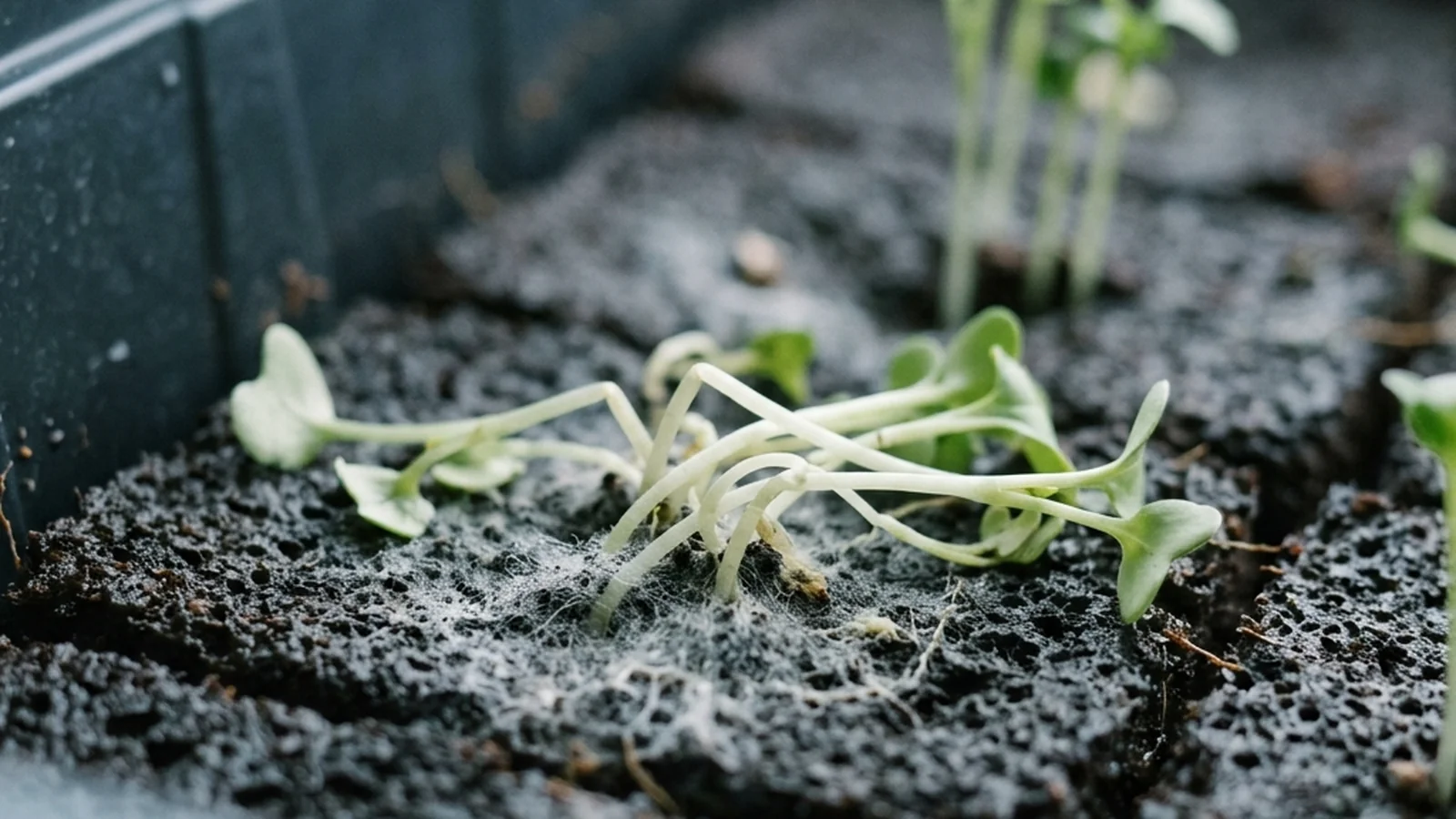
Damping-off attacks the seedling itself, not the tray surface. Here is how to recognize pre- and post-emergence stages and control outbreaks with sanitation, not fungicide.
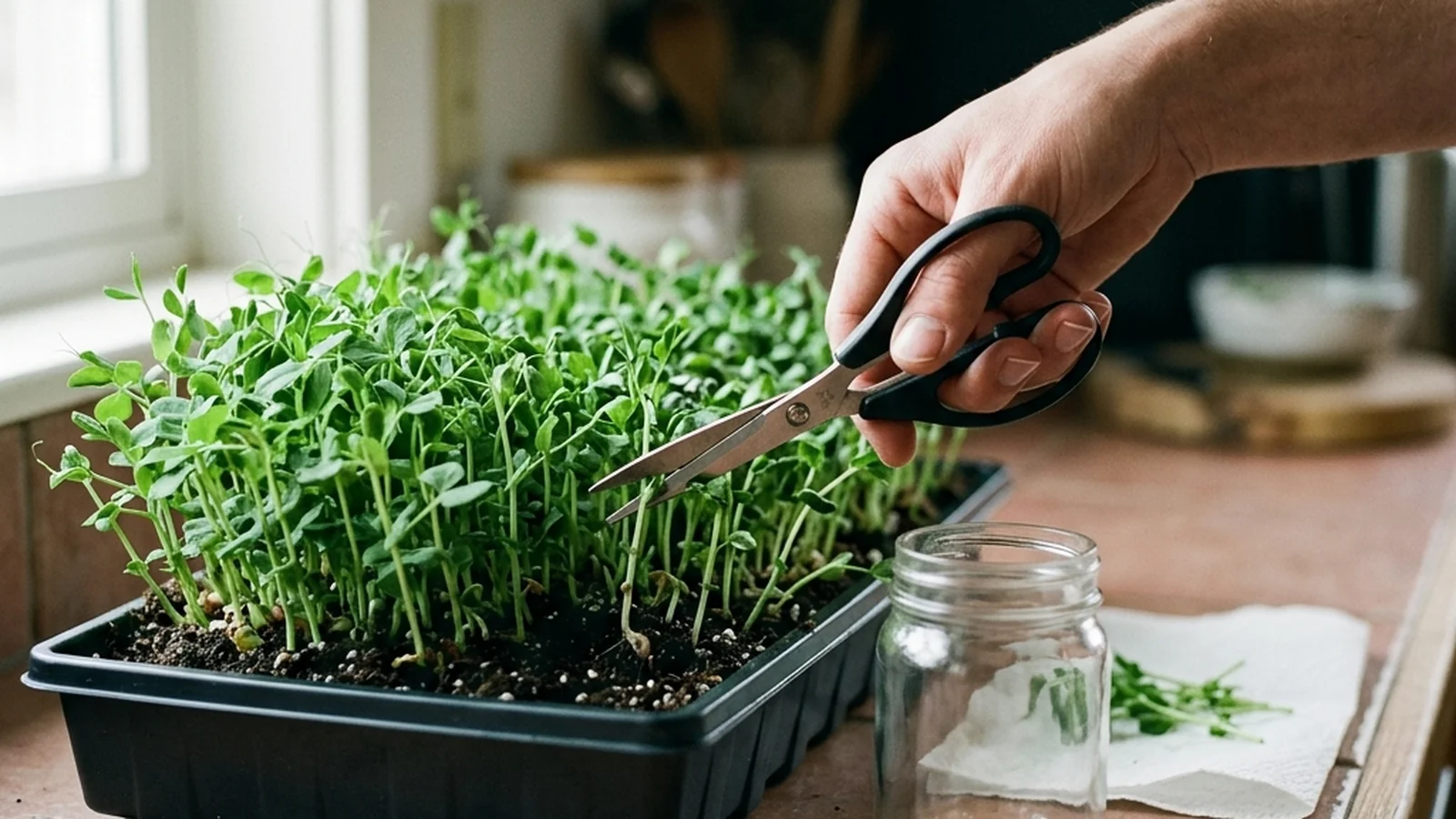
The cut and the fridge decide how long a tray lasts. Here is when to harvest, why you should not wash before storing, and what the shelf-life data actually shows.

Kale and broccoli microgreens grow the same way, on the same clock. The reason to pick one over the other is what you do with the tray after you cut it.
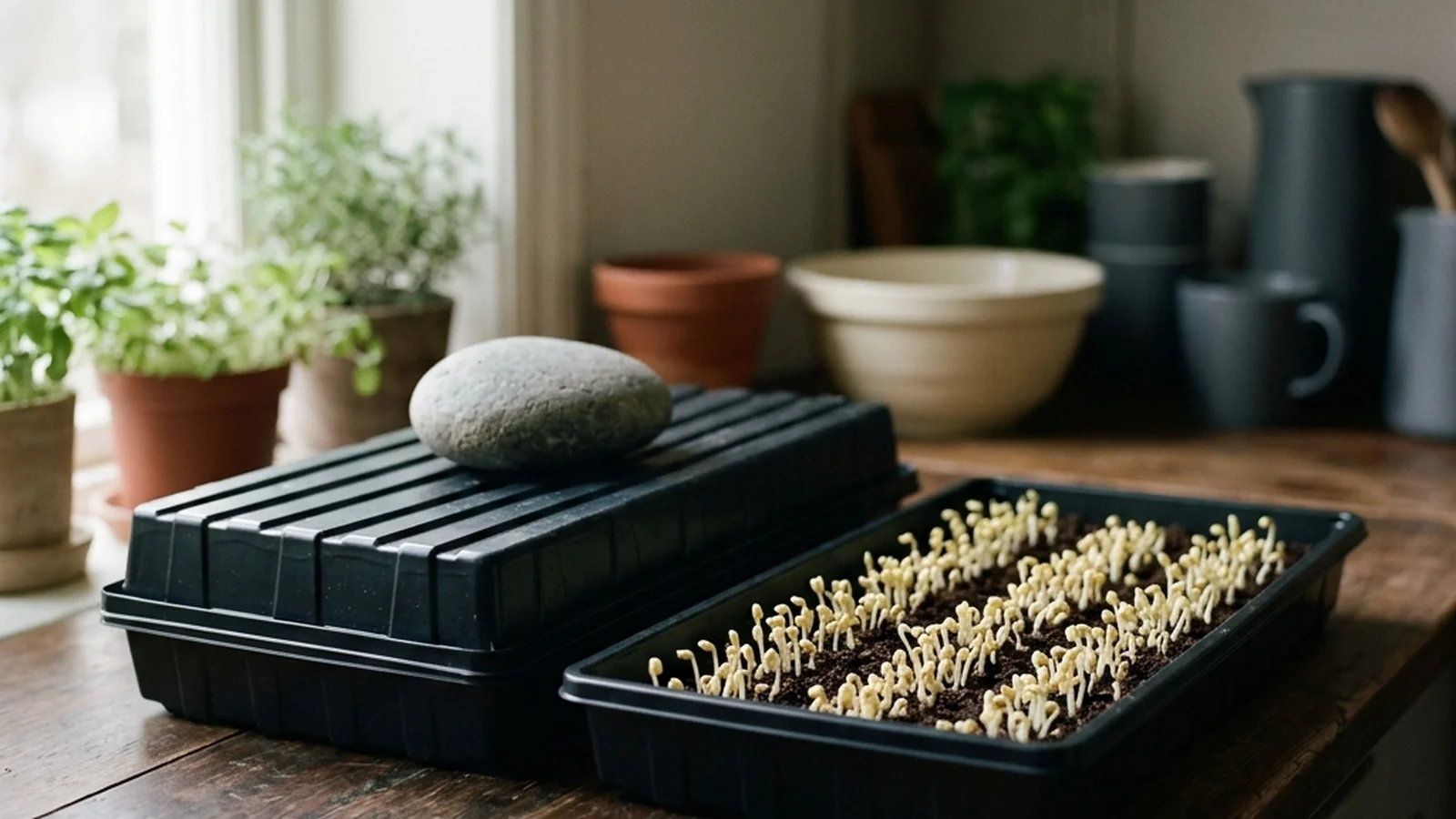
Blackout time varies by crop — Utah State's table runs from 1-2 days for arugula to 7-14 for cilantro. Here is how that compares to the documented blackout methods, and how to judge readiness by the tray instead of the calendar.

Seed, substrate, and light are the only three costs a tray of microgreens has. Enter your own prices below and see what your tray costs per 100 g, not a stranger's estimate.

A collapsed tray is not always damping-off. The stem at the medium line tells you whether the fix is more light, gentler watering, or the compost bin.
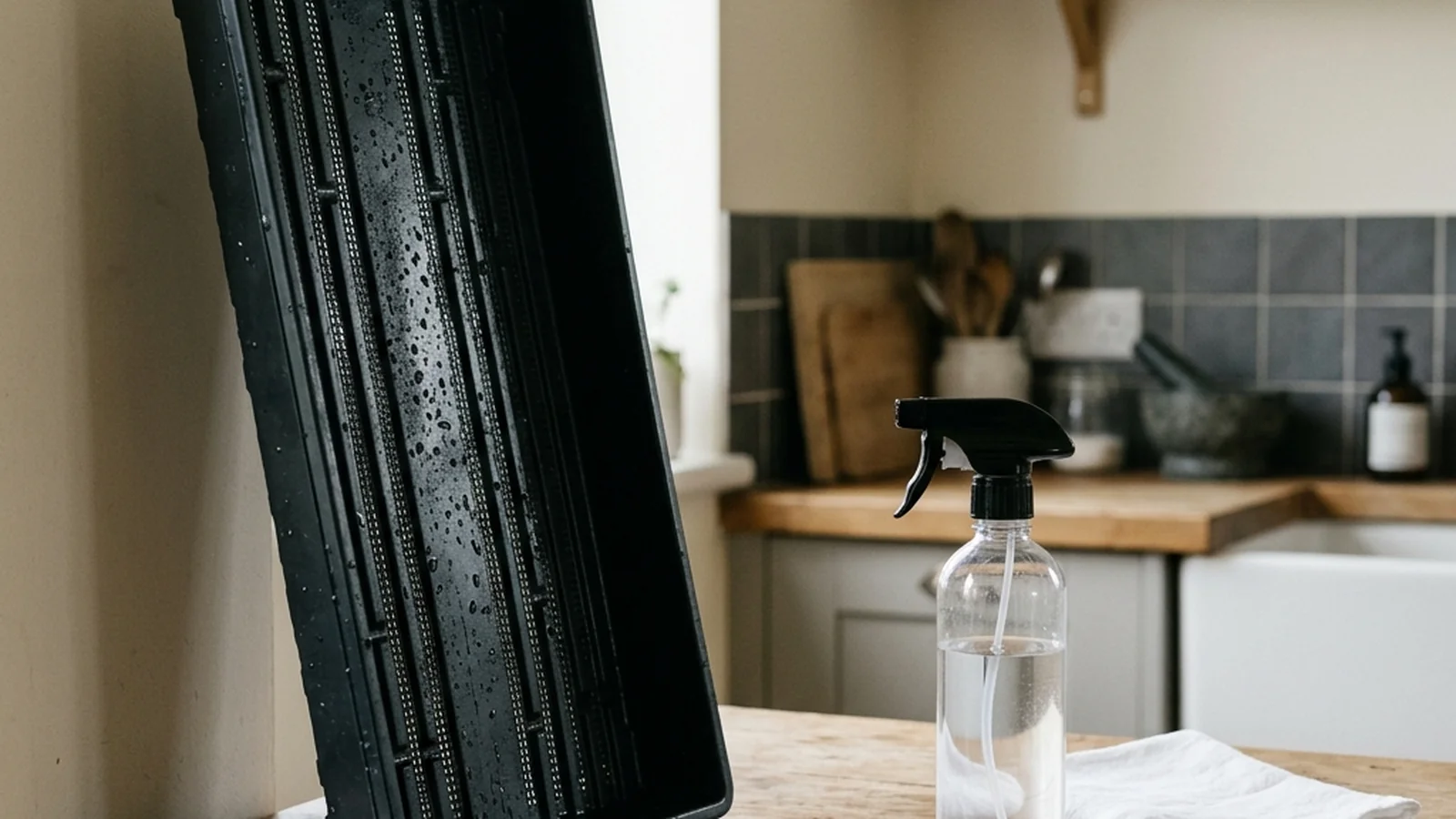
Sprout recalls do not automatically make microgreens risky. The harvest method is what separates them, and one hydroponic setup can erase that gap.

A bare tray after a few days is usually not a dead batch. Most cases trace to timing, a cold room, or moisture - work through the list before assuming the seed failed.

The number gets repeated everywhere, usually stripped of the two words that make it accurate: one nutrient, one crop. Here is what the underlying study actually found, and what that does and does not tell you about eating microgreens.
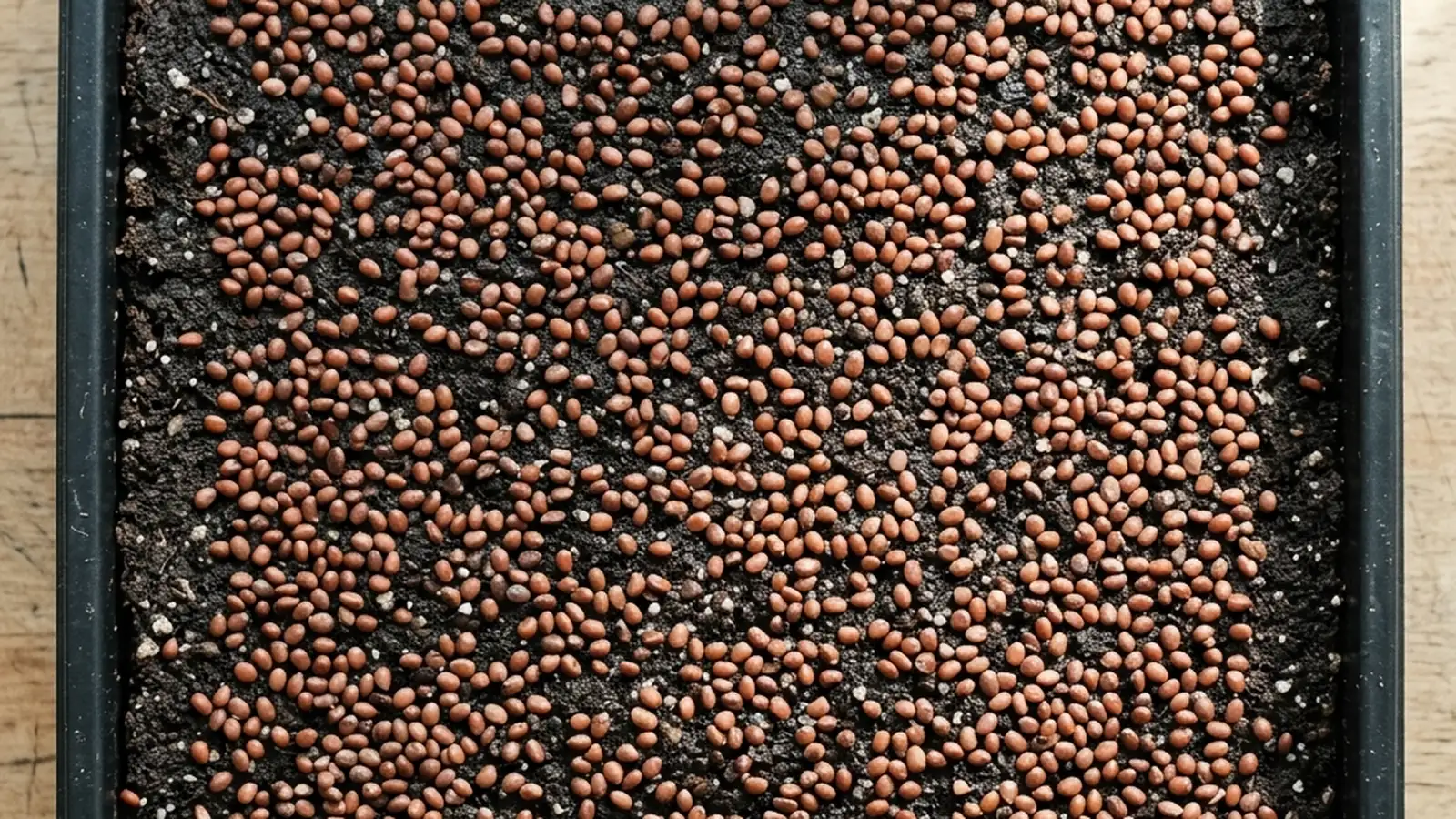
Seed density is the one variable that decides whether a tray comes up as an even carpet or a patchy, mould-prone mat. Here is how to calculate it from your own seed.

Soaking is not a step every crop needs. Two extension sources cover it — one general rule and one per-crop protocol — and they agree with each other.

A tray's calendar depends on the crop in it. Enter a sow date and a variety below and get the blackout, light and harvest dates worked out for you, plus the numbers behind them.
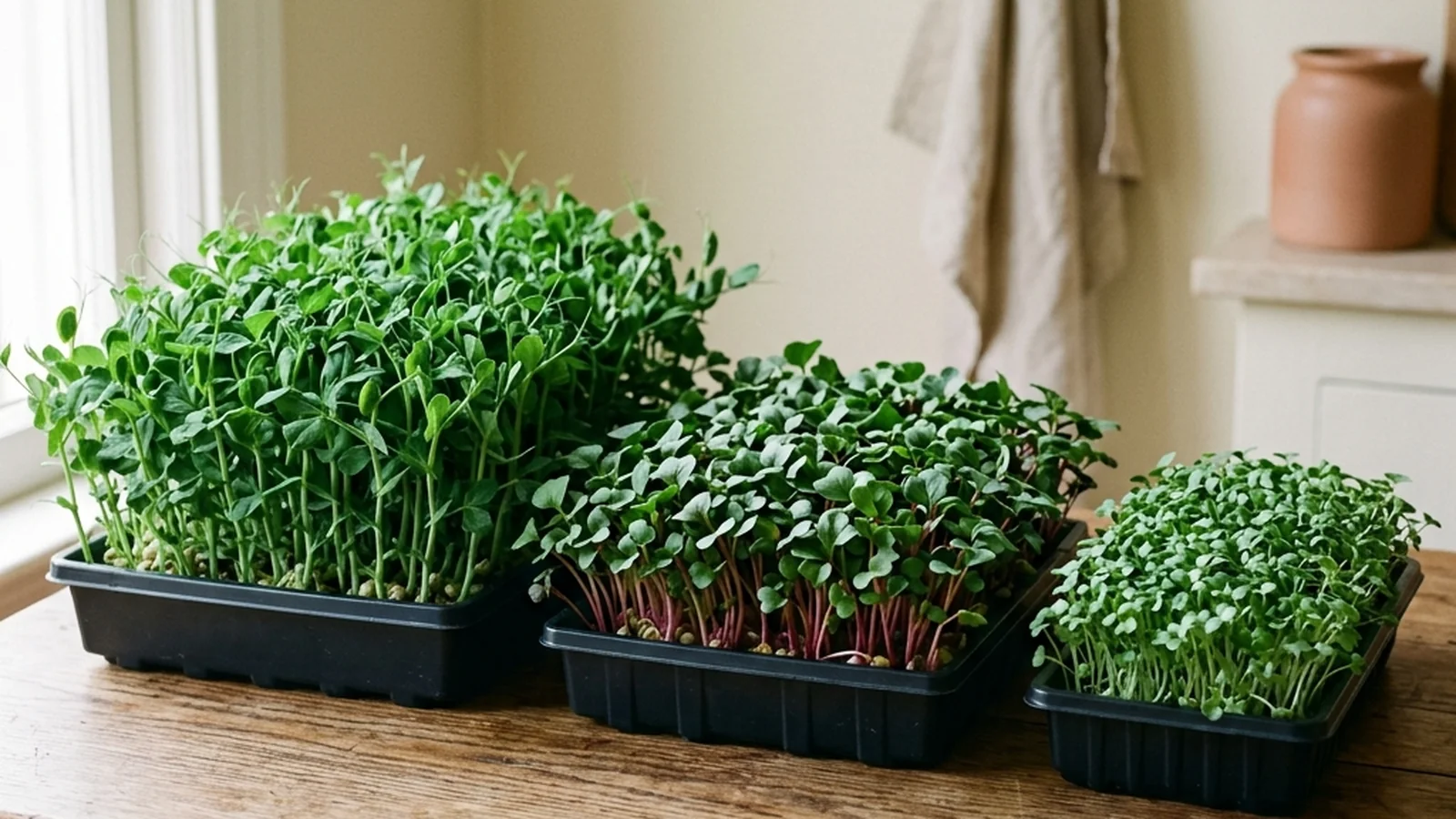
One tray of microgreens can weigh anywhere from 47 to 201 grams at harvest depending on the crop, and the tray size behind that figure matters as much as the crop itself.

Pale, yellow, leggy microgreens right after you lift the cover are usually fine. Here is how to tell that from a light problem, a crowded wet tray, or disease.
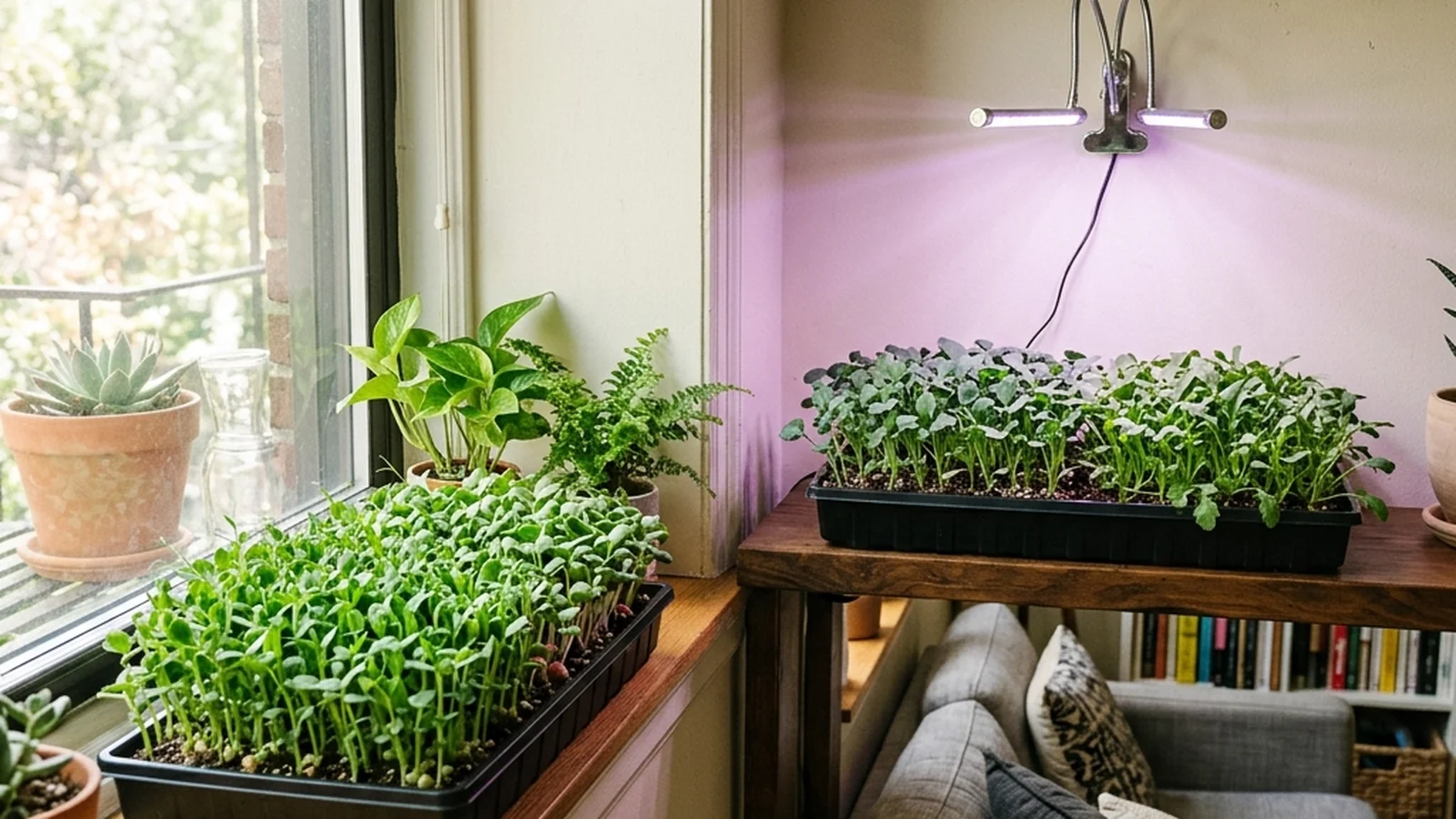
A grow light is not the default requirement it looks like online. This is the decision page: what a window can do for microgreens, and the point where it can't.

Mustard is the brassica people either love or badly over-sow. Sown like broccoli, a full tray delivers far more heat than most first-timers want.
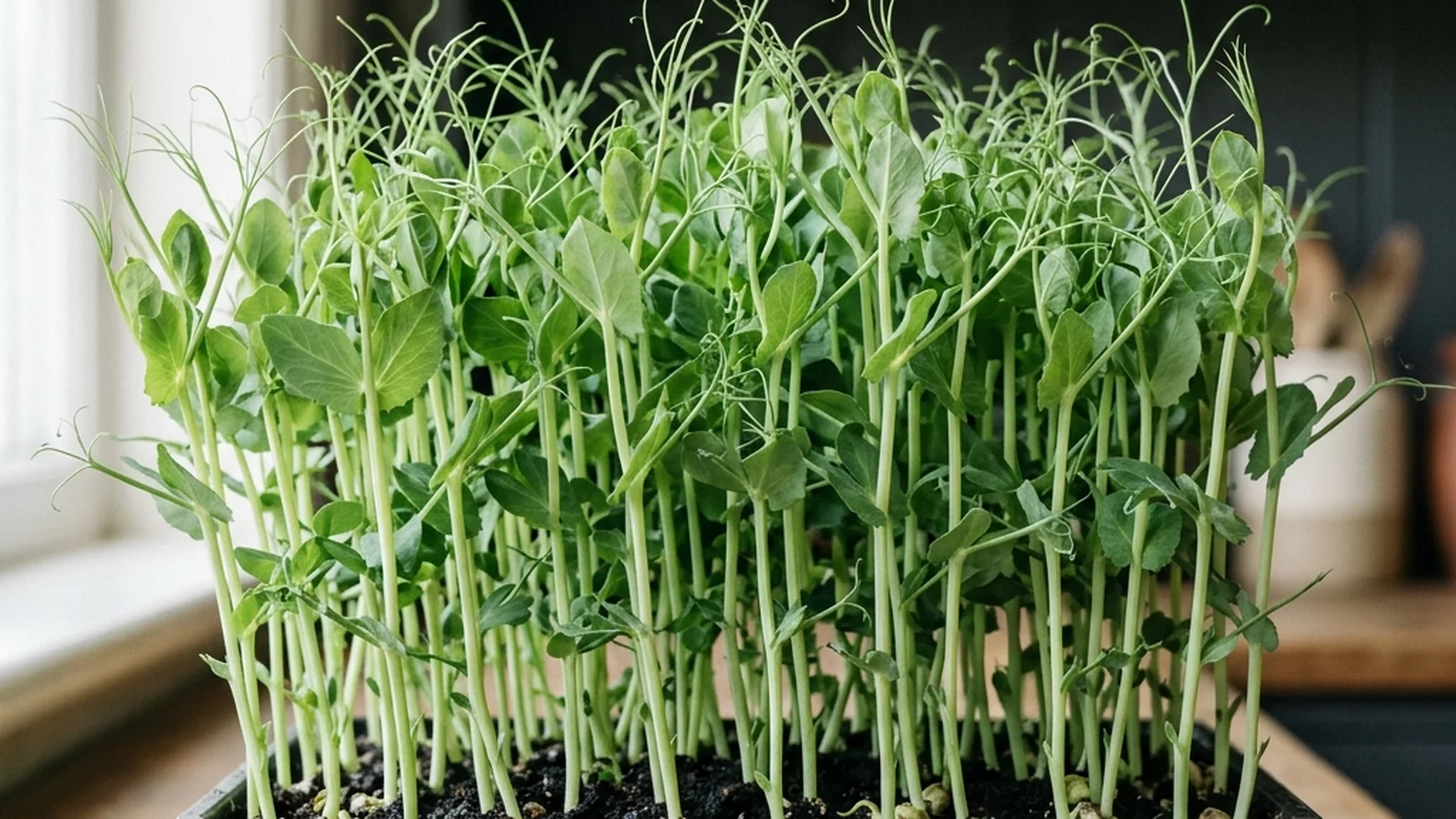
Pea shoots are the one microgreen documented to regrow. Here is the realistic day-by-day timeline, the long soak they need, and exactly where to make the cut.
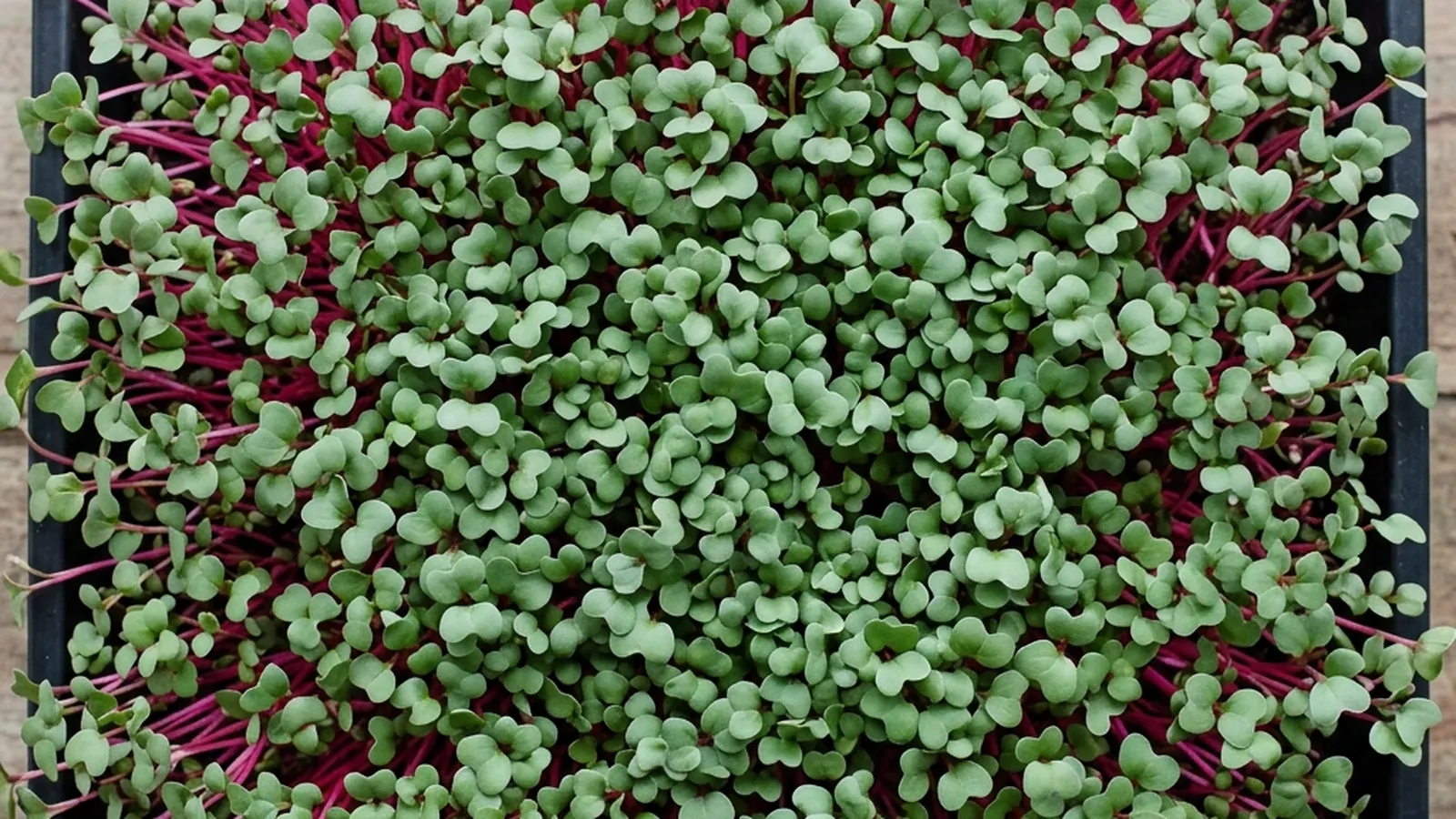
Radish is one of the fastest common microgreens, which is why it works as the benchmark crop for beginners. Here is the realistic week it takes, stage by stage.
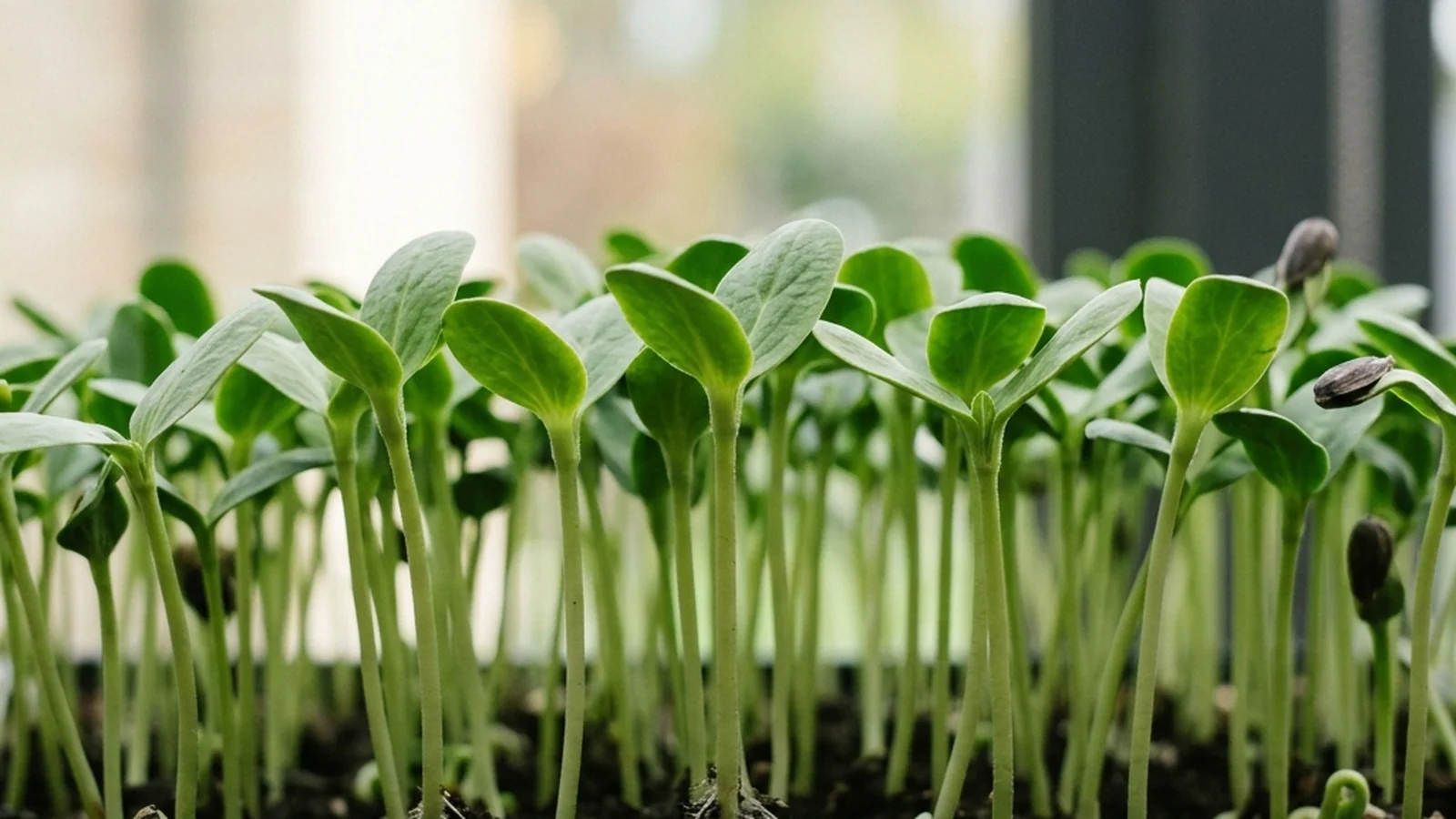
Sunflower microgreens follow the same basic method as other crops, but the seed changes the process — a real presoak, a heavier blackout weight, and hulls that often do not let go of the cotyledons on their own.

Same seed tray, same water, two very different harvests. The line between wheatgrass and microgreens comes down to one decision: are you eating the leaf, or juicing it?
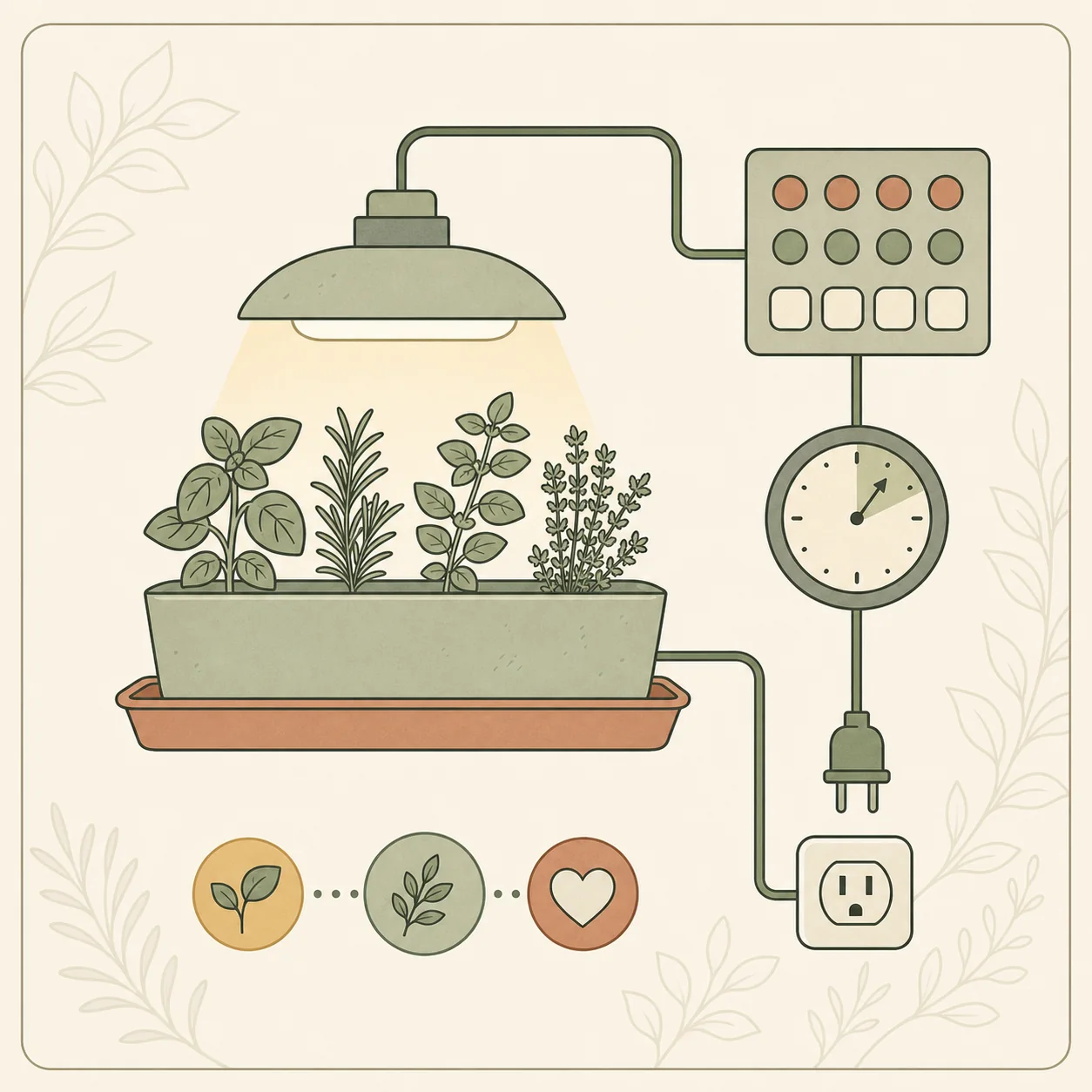
The monthly cost of a grow light is a four-input calculation. Measure wall power when possible, then compare cost per useful growing area—not labels alone.
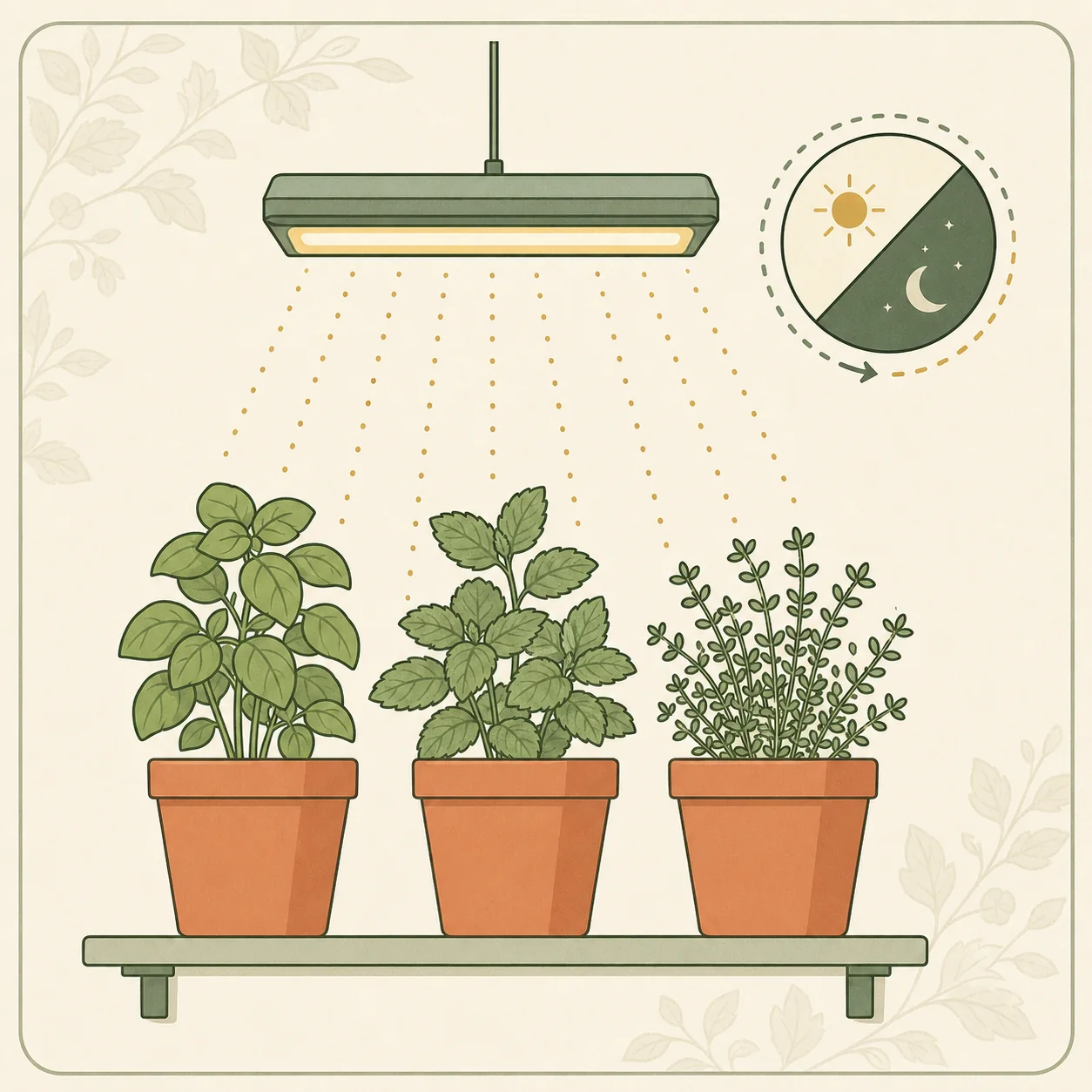
PPFD is a snapshot; DLI is the daily total. Used together, they turn grow-light setup from a distance rule into a measurable map.
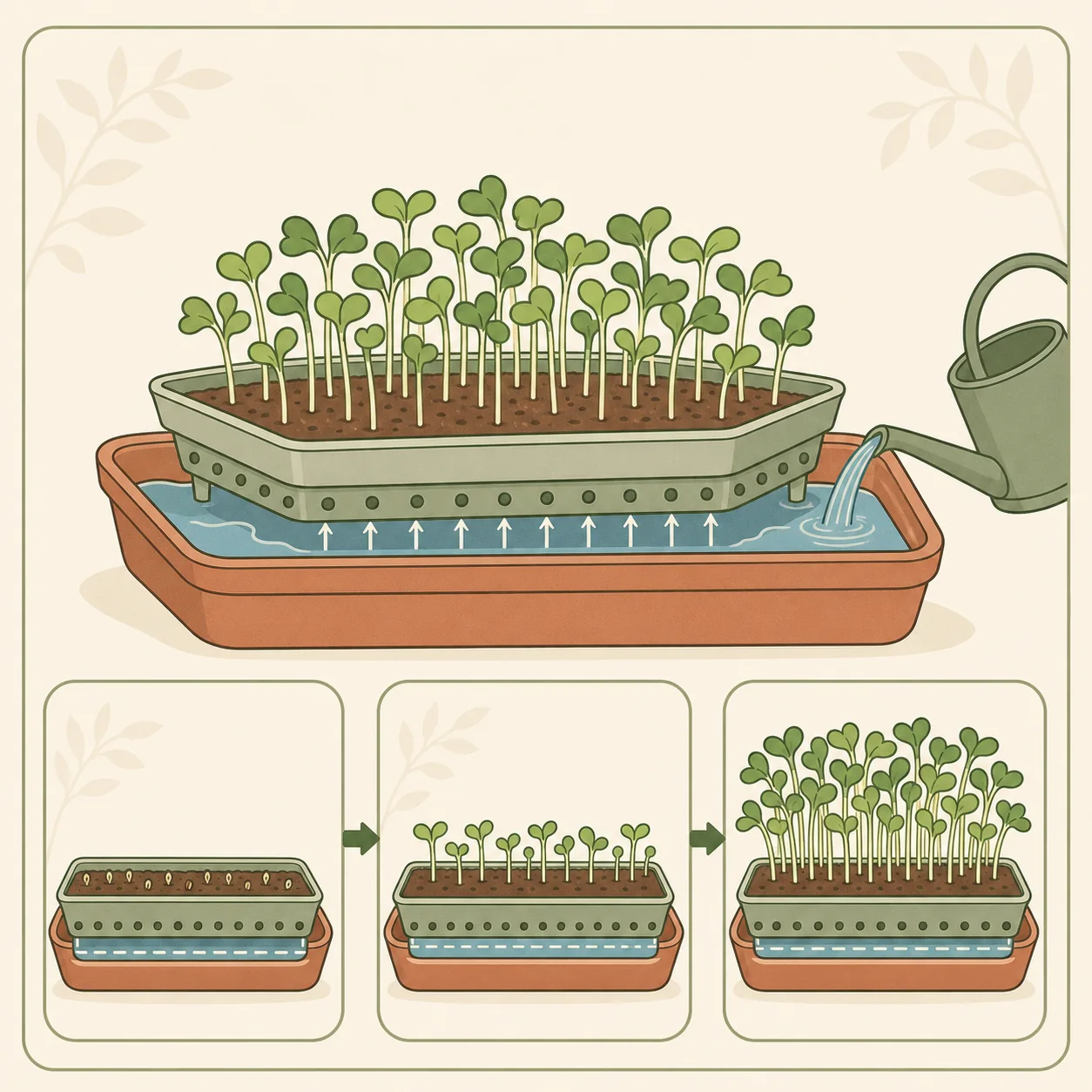
Bottom watering is a controlled transfer, not permanent standing water. Add a measured amount, let the medium absorb it, and drain what remains.
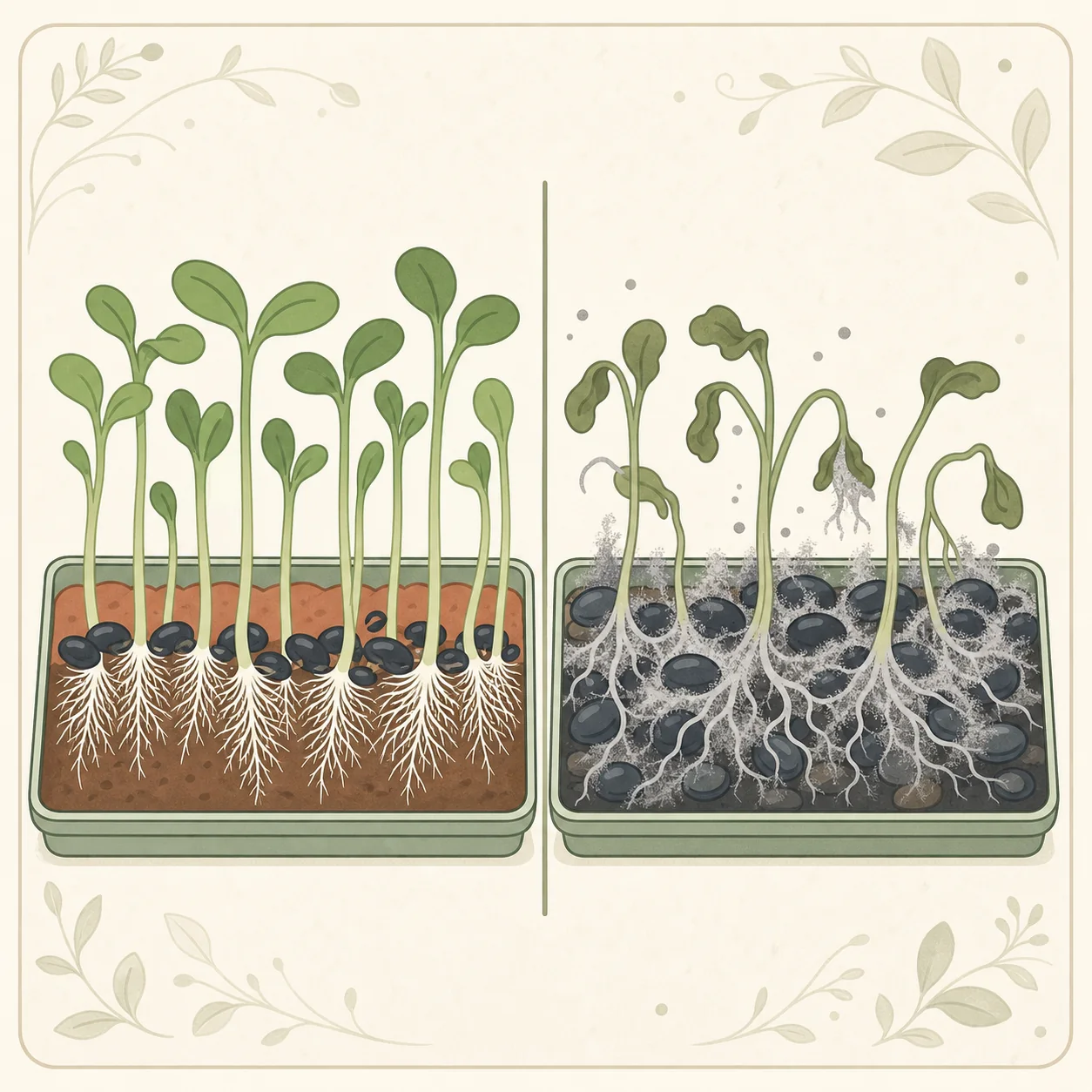
White fuzz around newly emerged roots is often normal root hair growth. Irregular spread, bad odor, slime, or collapsing stems changes the decision.
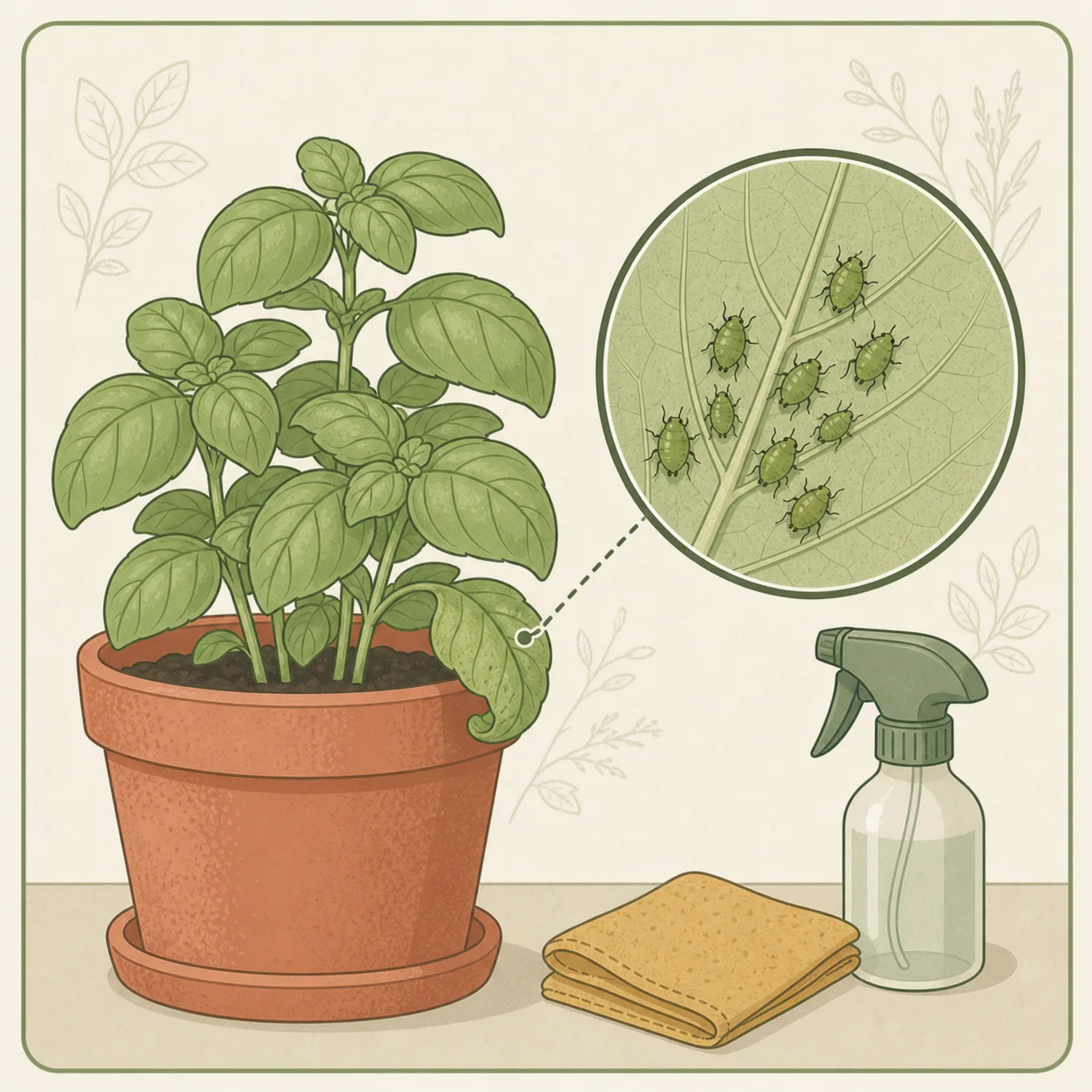
Aphids are manageable when you find the colony, isolate the plant, remove most insects physically, and repeat inspections through the next generation.
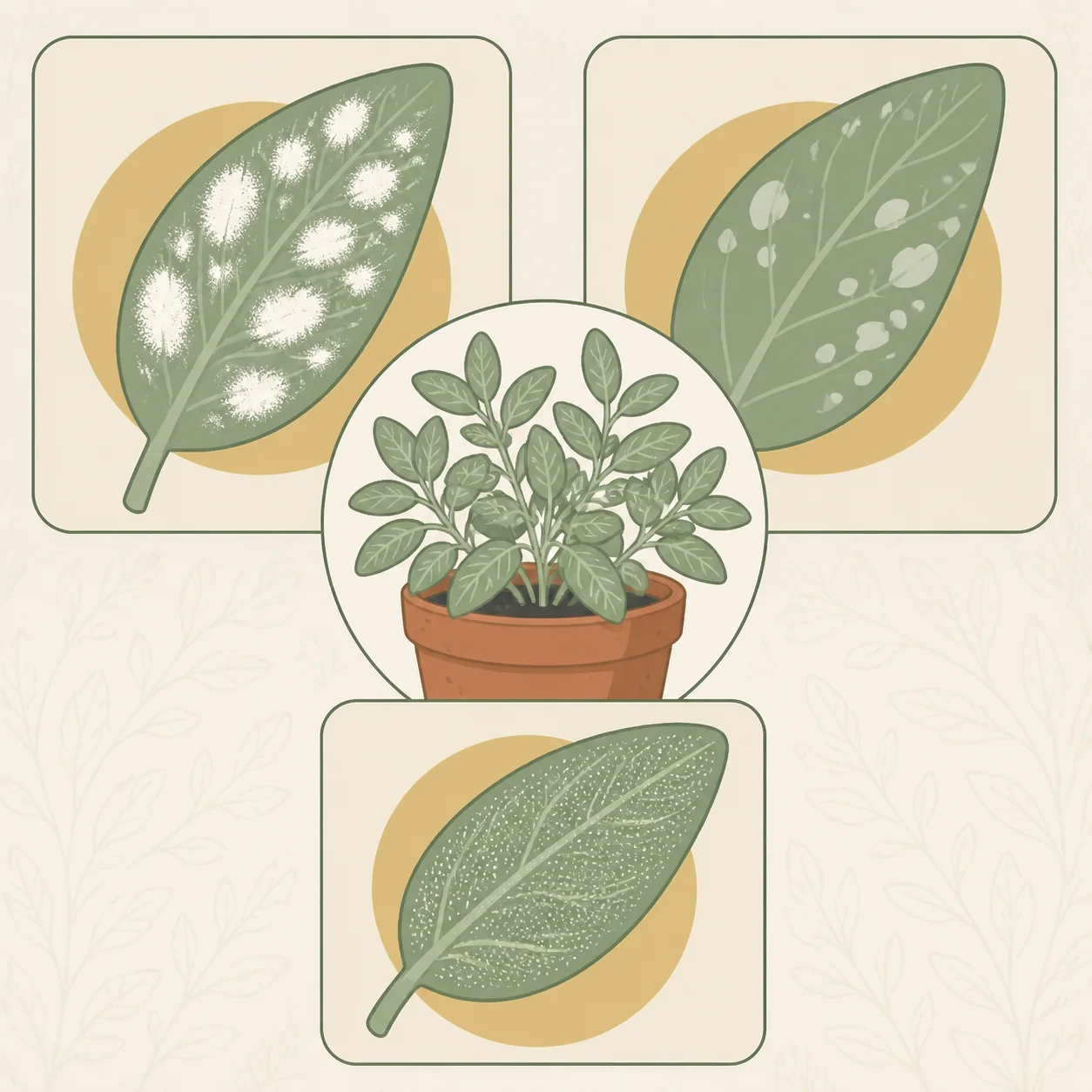
A white mark is not automatically mildew. Confirm whether patches recur and spread on living tissue before changing the entire care routine.
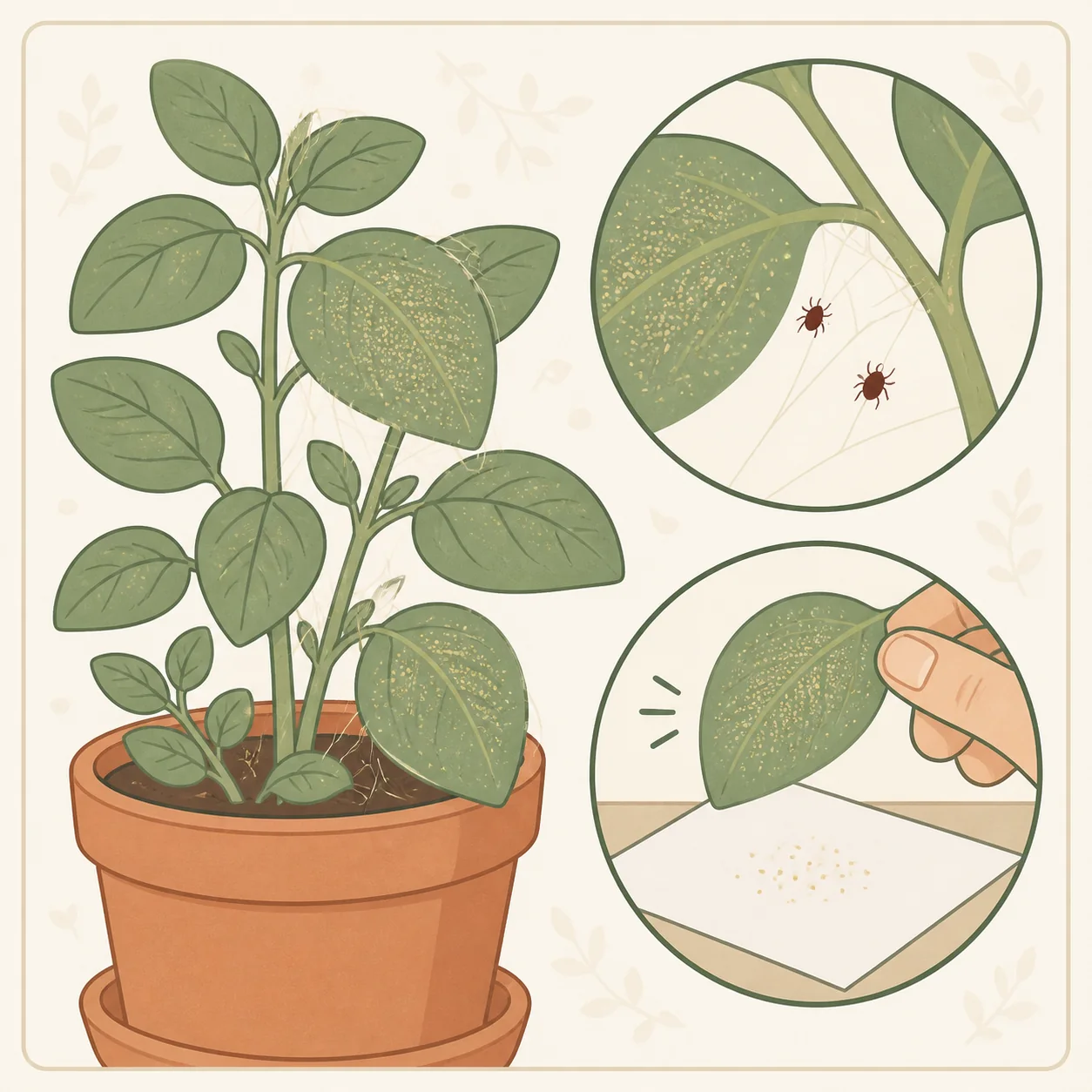
Spider mites are easiest to control before webbing is obvious. Look for fine pale stippling and confirm moving specks over white paper.
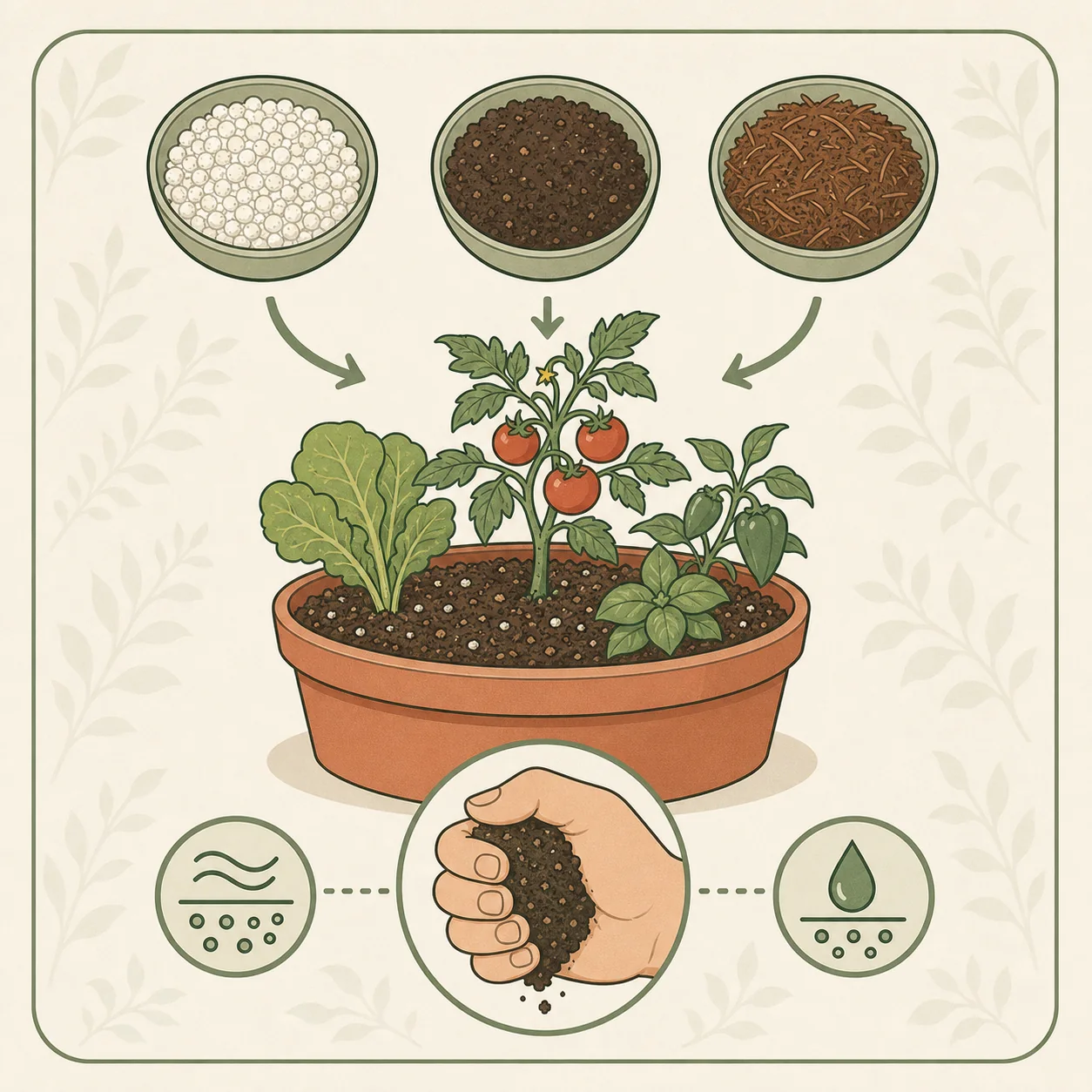
A useful potting mix recipe describes the job of each ingredient and gives you a way to correct the result. The goal is stable air and moisture, not a magic ratio.
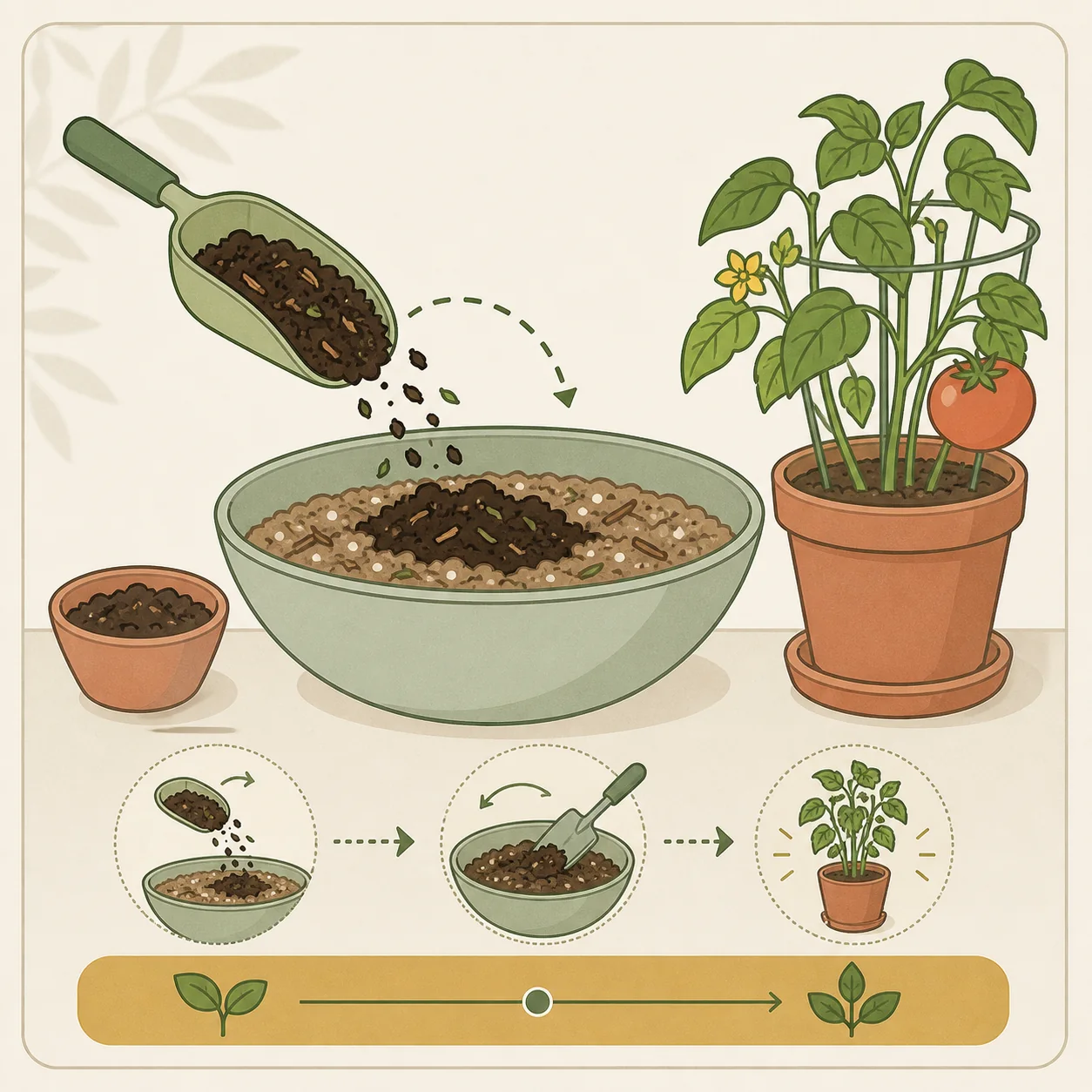
More compost is not automatically better. In a container, compost must share limited space with the coarse particles that preserve air around roots.
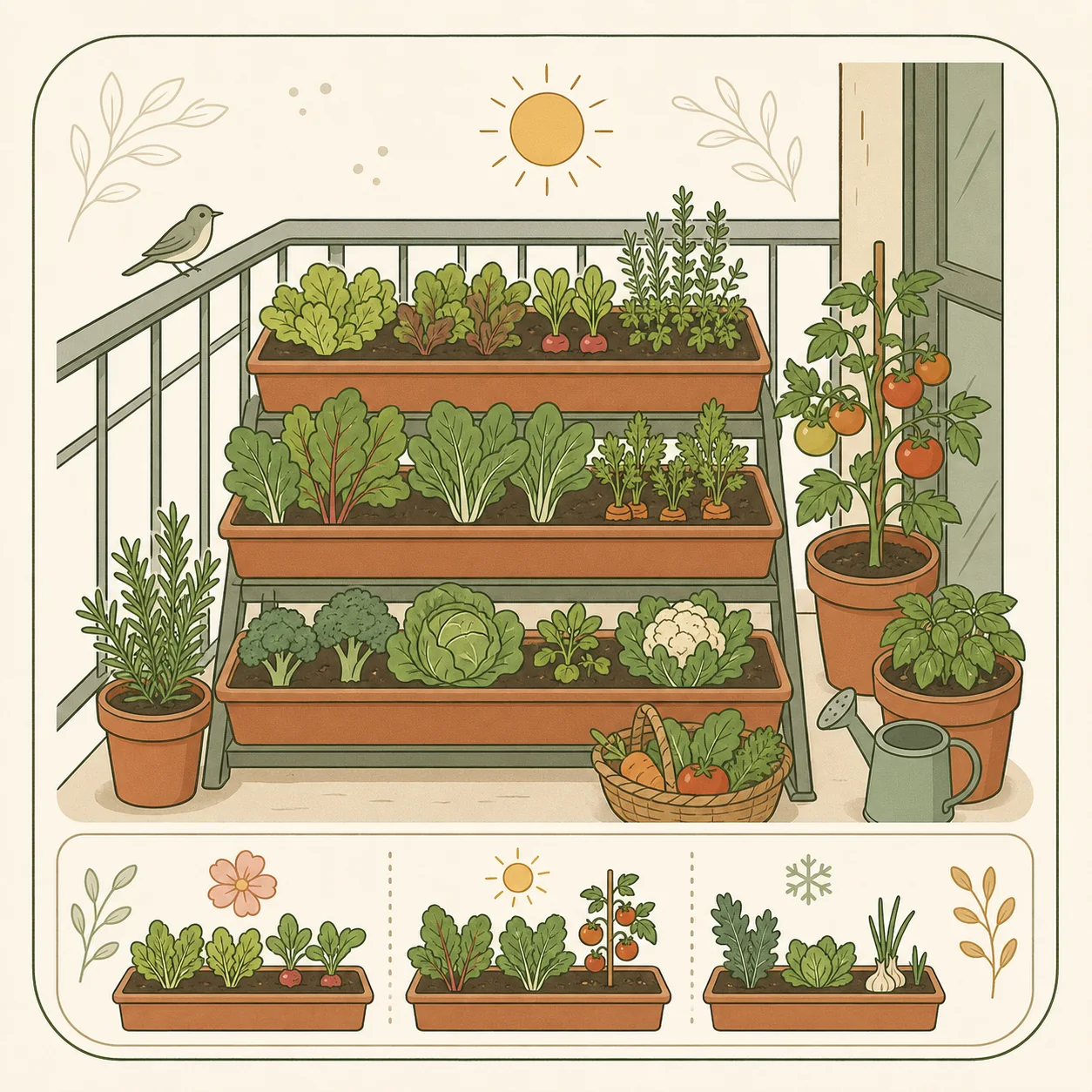
A useful balcony calendar is a set of seasonal decisions, not twelve fixed planting lists. Use temperature, light, and container conditions to decide what happens next.
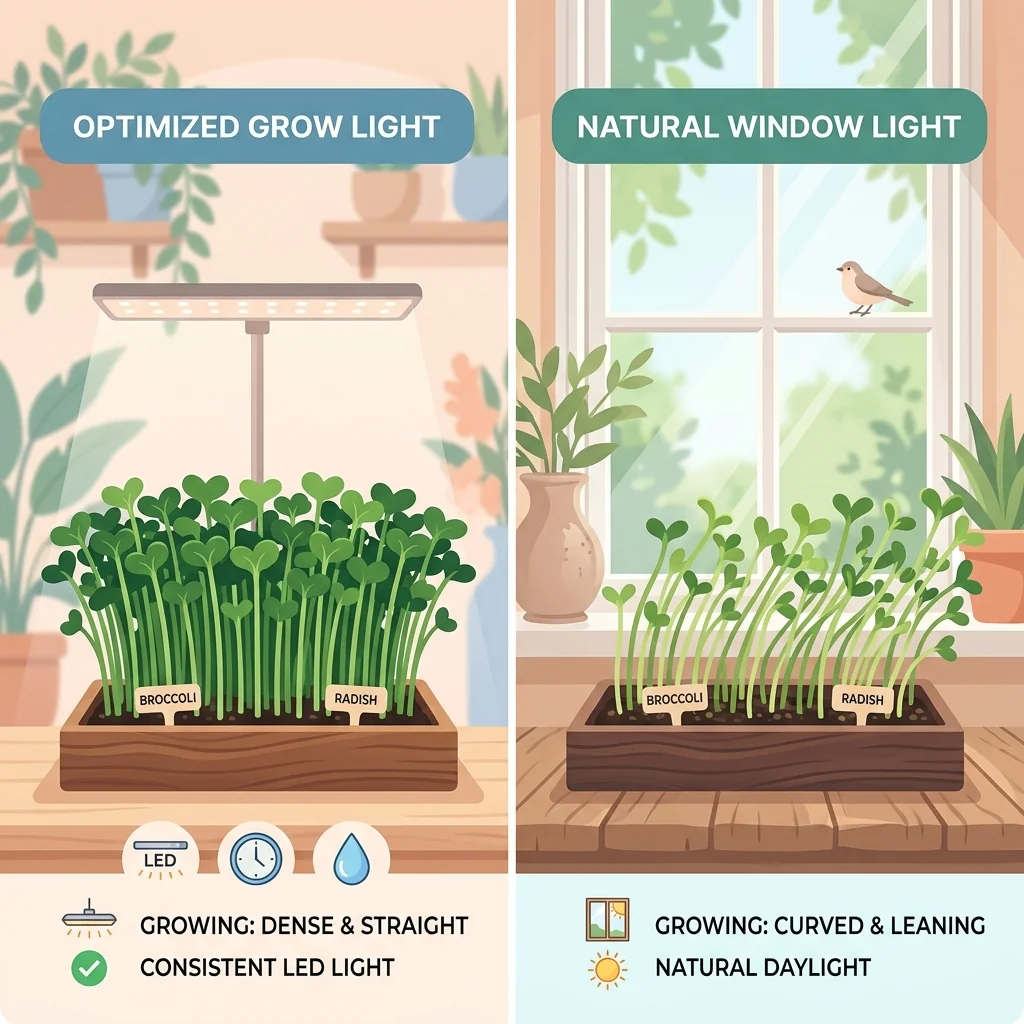
Microgreens are kept dark to germinate, then need good light to stay short and green. Here is how much light they need and the simplest windowsill or LED setup.
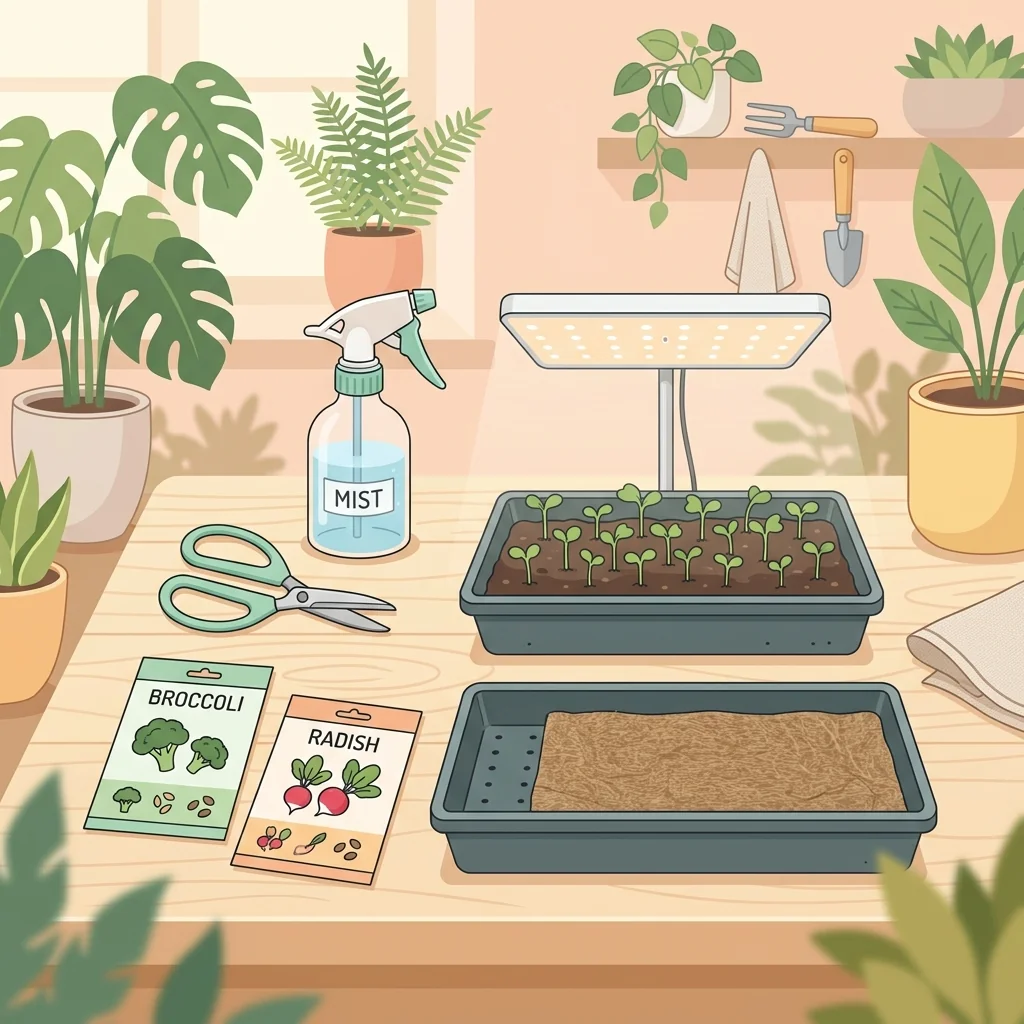
The microgreens supply list is short: tray, medium, seeds, spray bottle, light, scissors. Here is exactly what to get for your first setup and what not to waste money on.
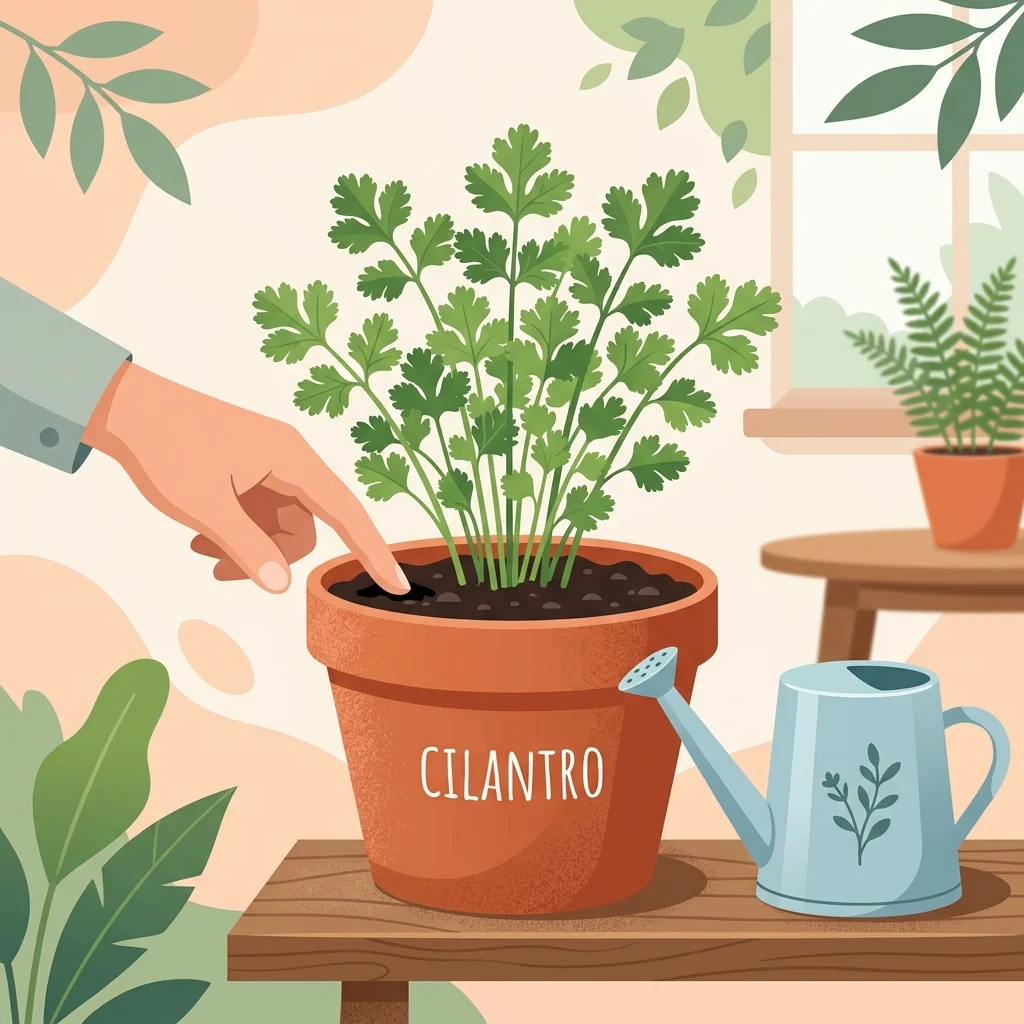
Cilantro wants even moisture and cool conditions, and it bolts when stressed. Water when the top inch dries, and use a deep pot to keep the rhythm steady.
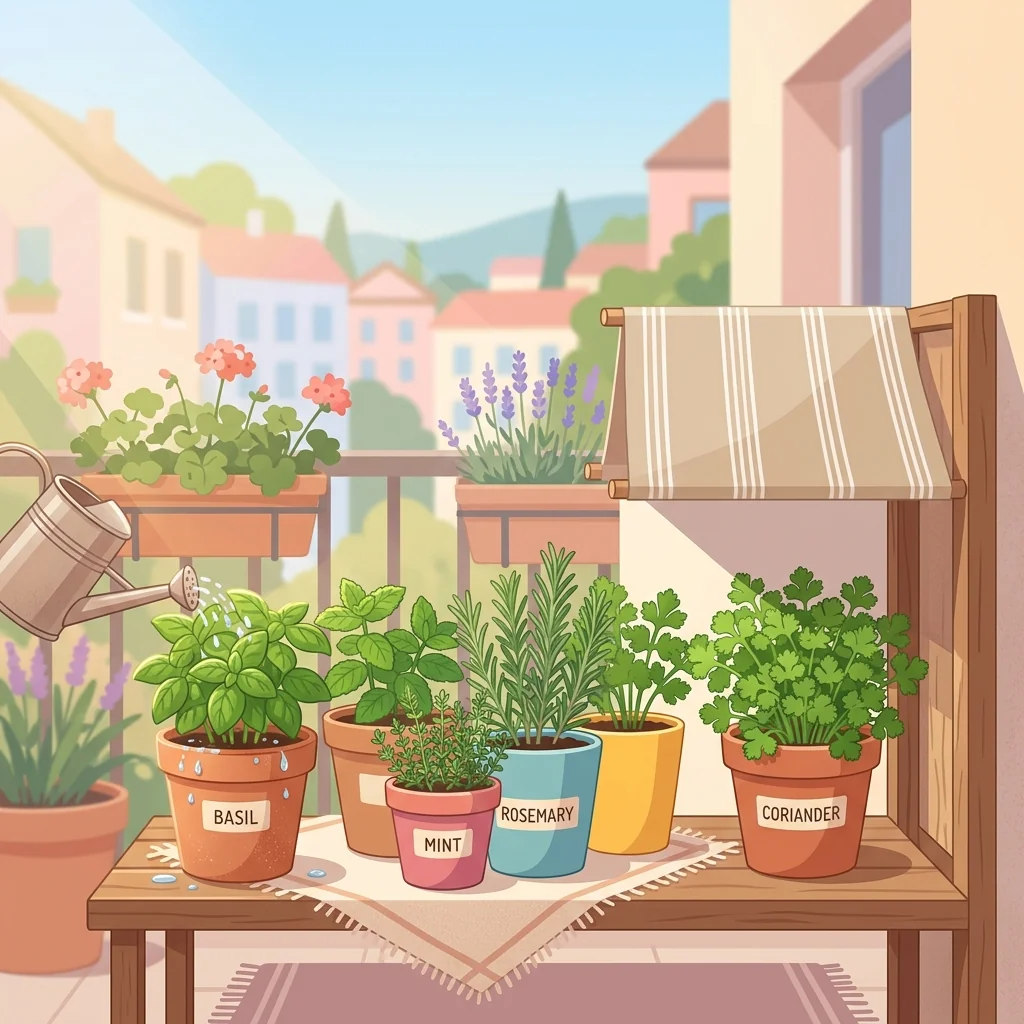
Summer heat can double how fast pots dry out. Here is how often to water each herb in hot weather, plus the shading and mulching tricks that keep pots alive in a heat wave.
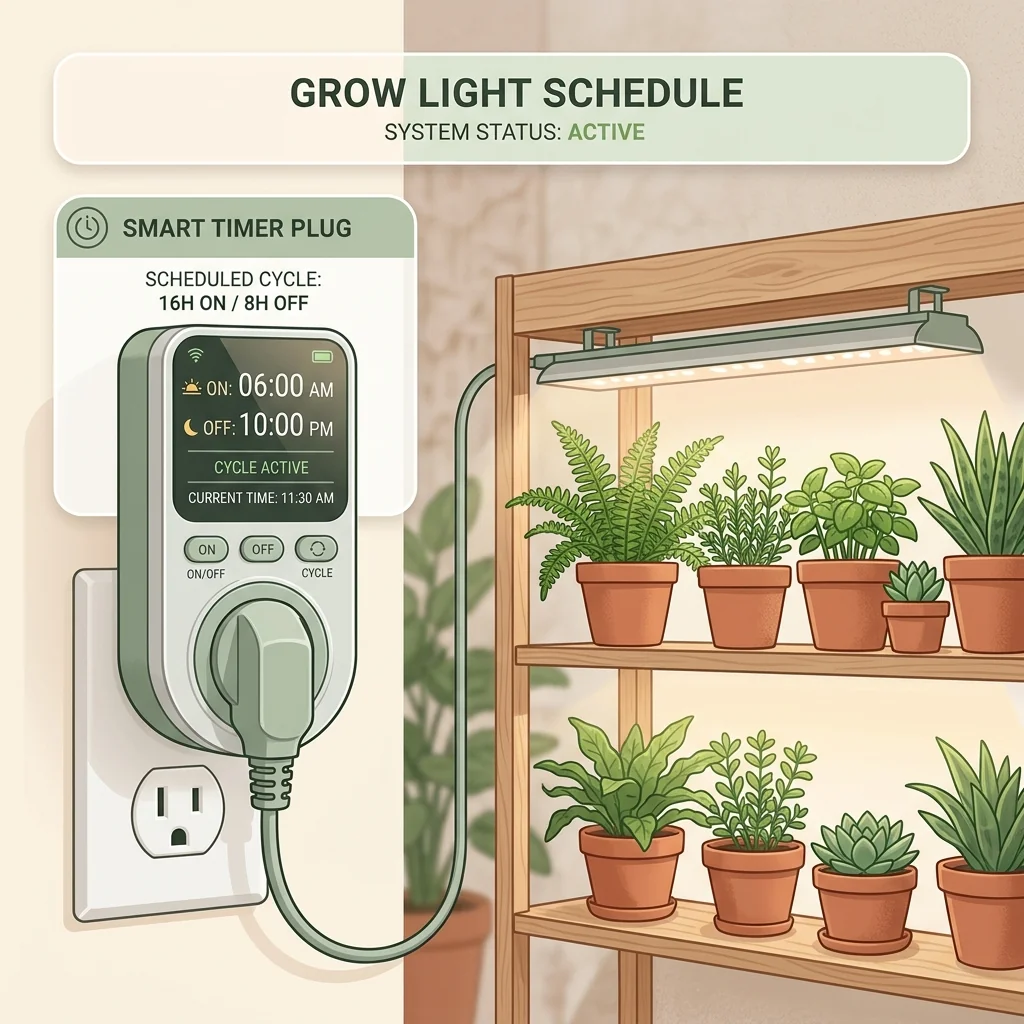
Consistency is everything in indoor horticulture. If you forget to turn your grow lights on, your plants will starve. If you leave them on too long, your greens will stress and bolt. Automating your photoperiod with a reliable outlet timer is the single easiest upgrade you can make. Here are our top picks.
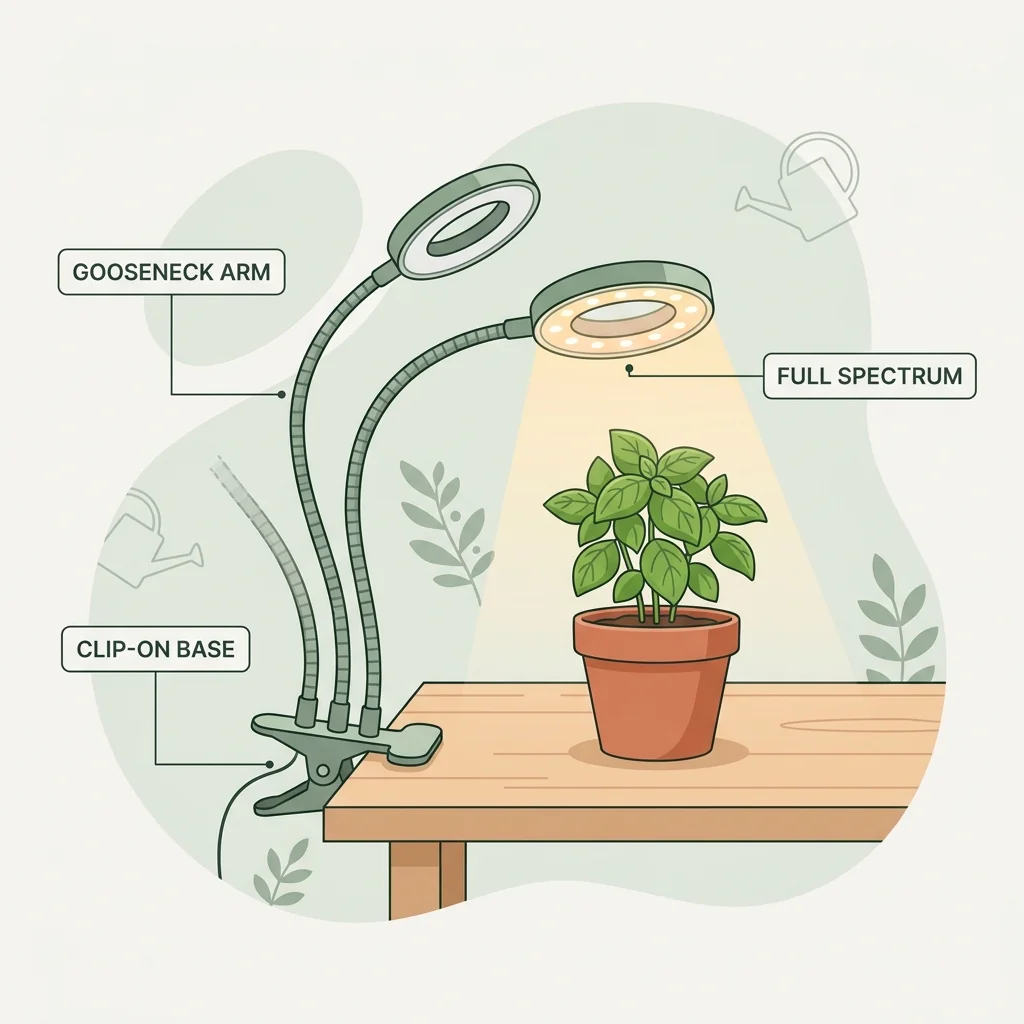
You do not need to install massive ceiling-mounted grow panels or ugly industrial fixtures to keep your indoor herbs alive. With a flexible, clip-on gooseneck LED grow light, you can clamp a soft, full-spectrum light source directly onto your desk or windowsill in seconds. Here are our top-rated options.
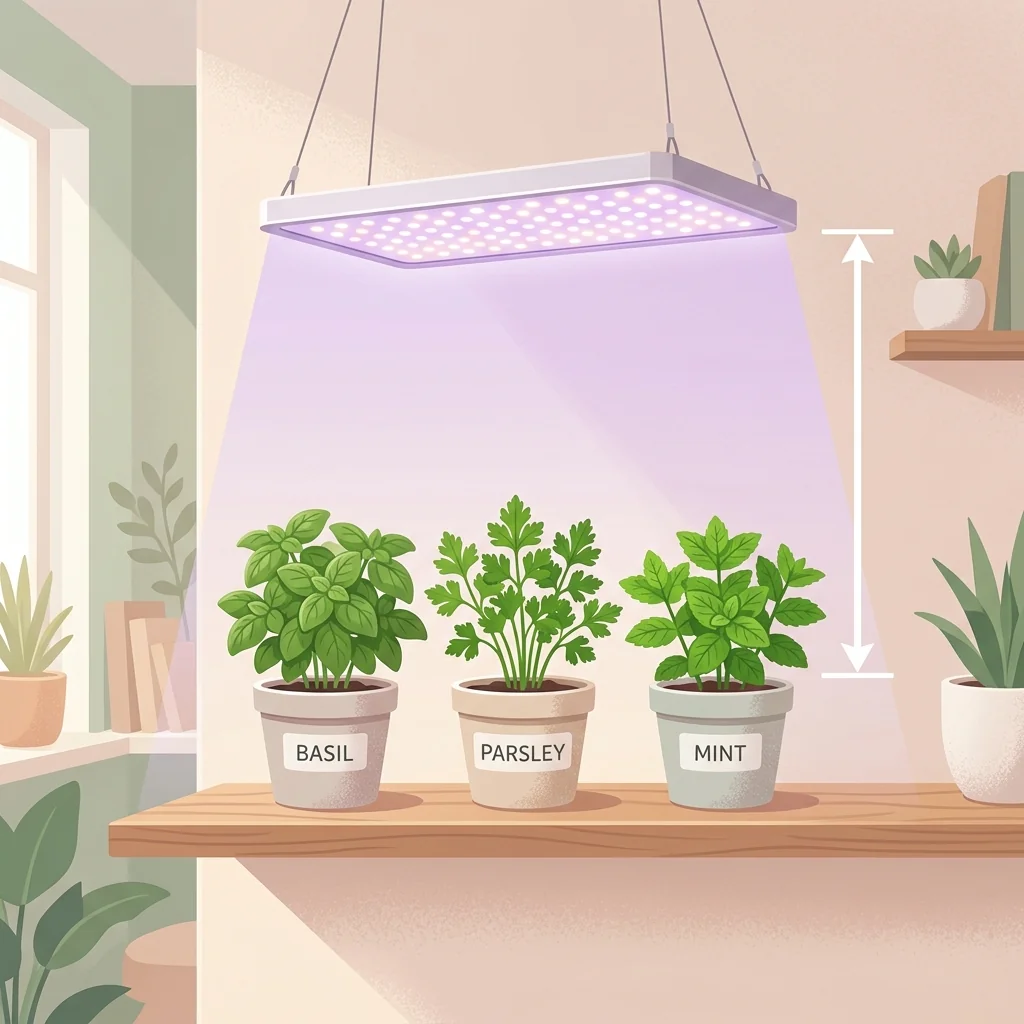
A grow light lets you grow herbs indoors anywhere, even with no sun. Here is the simple end-to-end setup: which light, how high, how long, and how to avoid leggy growth.
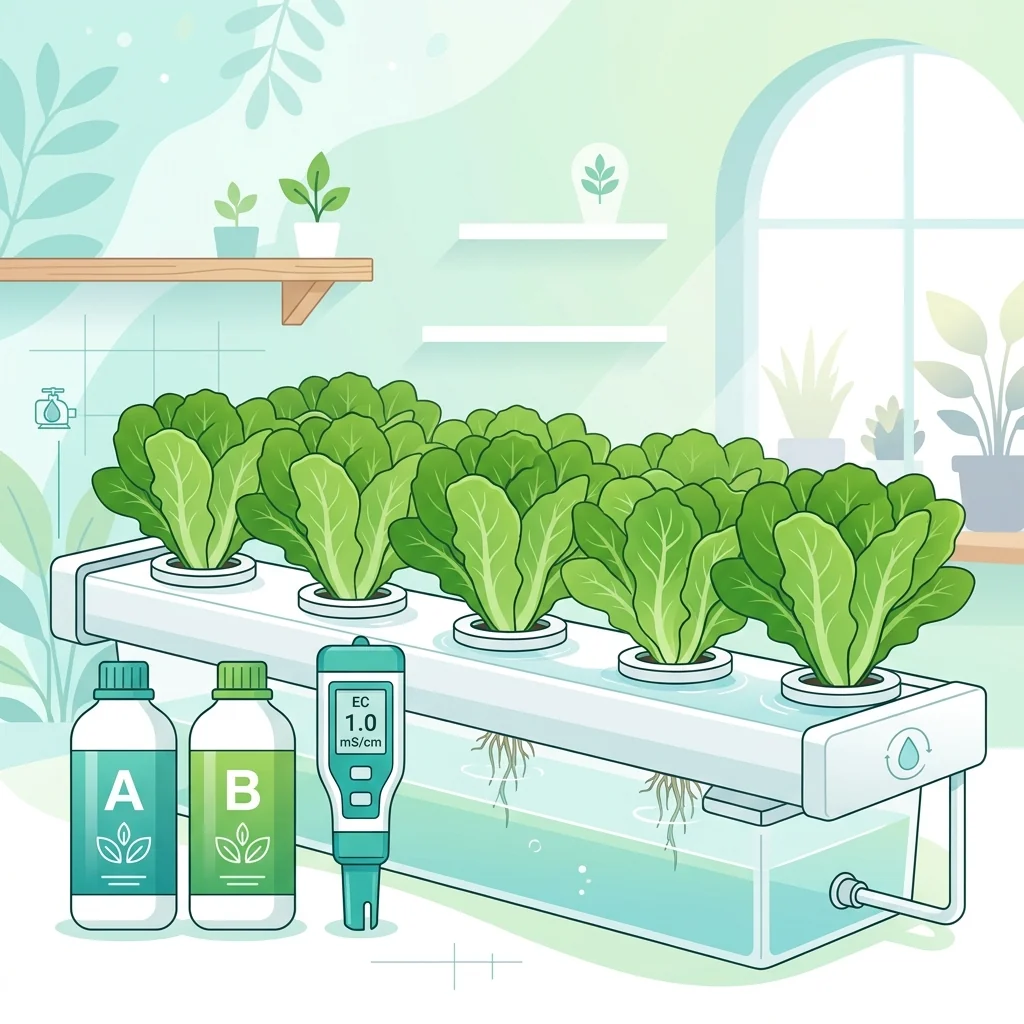
Lettuce is a light, fast feeder. It does not need a fancy nutrient, just a complete leafy-green formula run at a low EC. Here is what to buy and how to dose it.
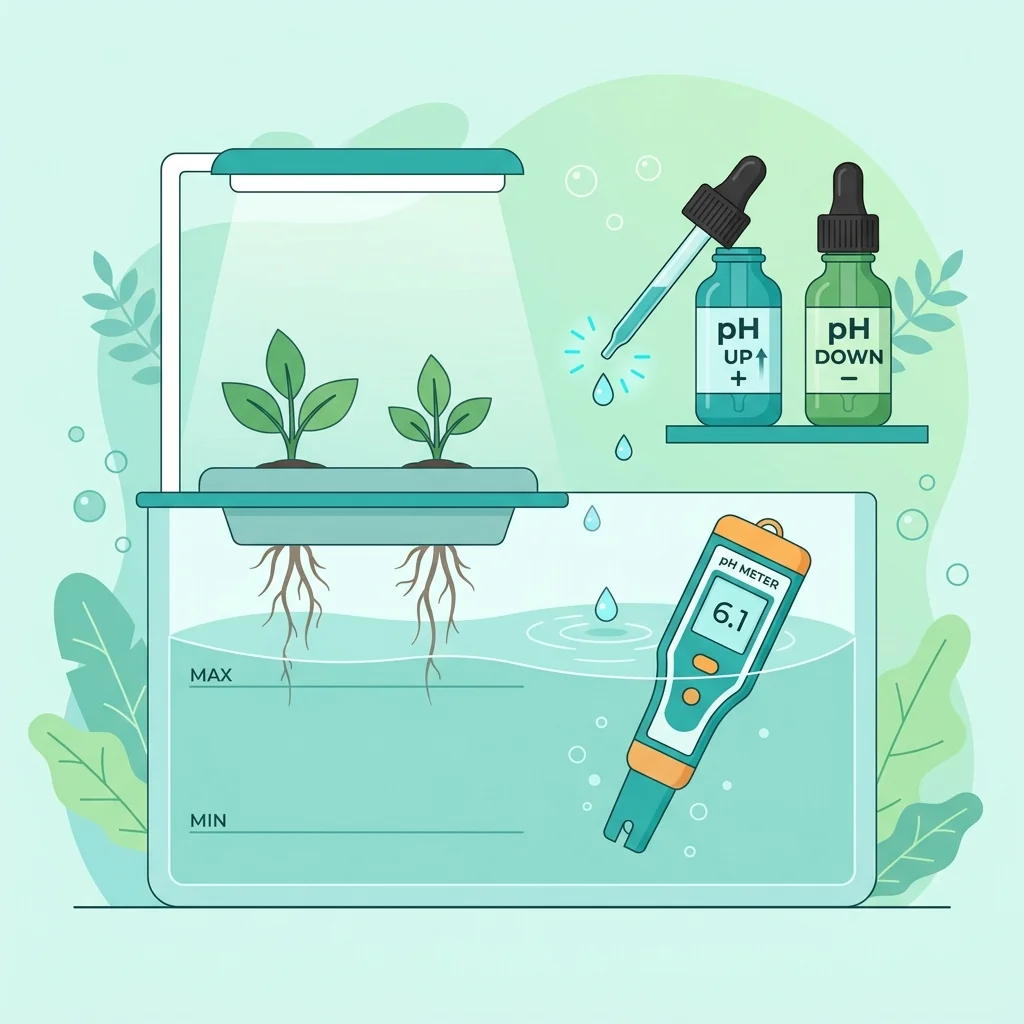
Adjusting hydroponic pH is simple once you know which product does what. Here is how to raise and lower pH safely, in small steps, without chasing the meter.
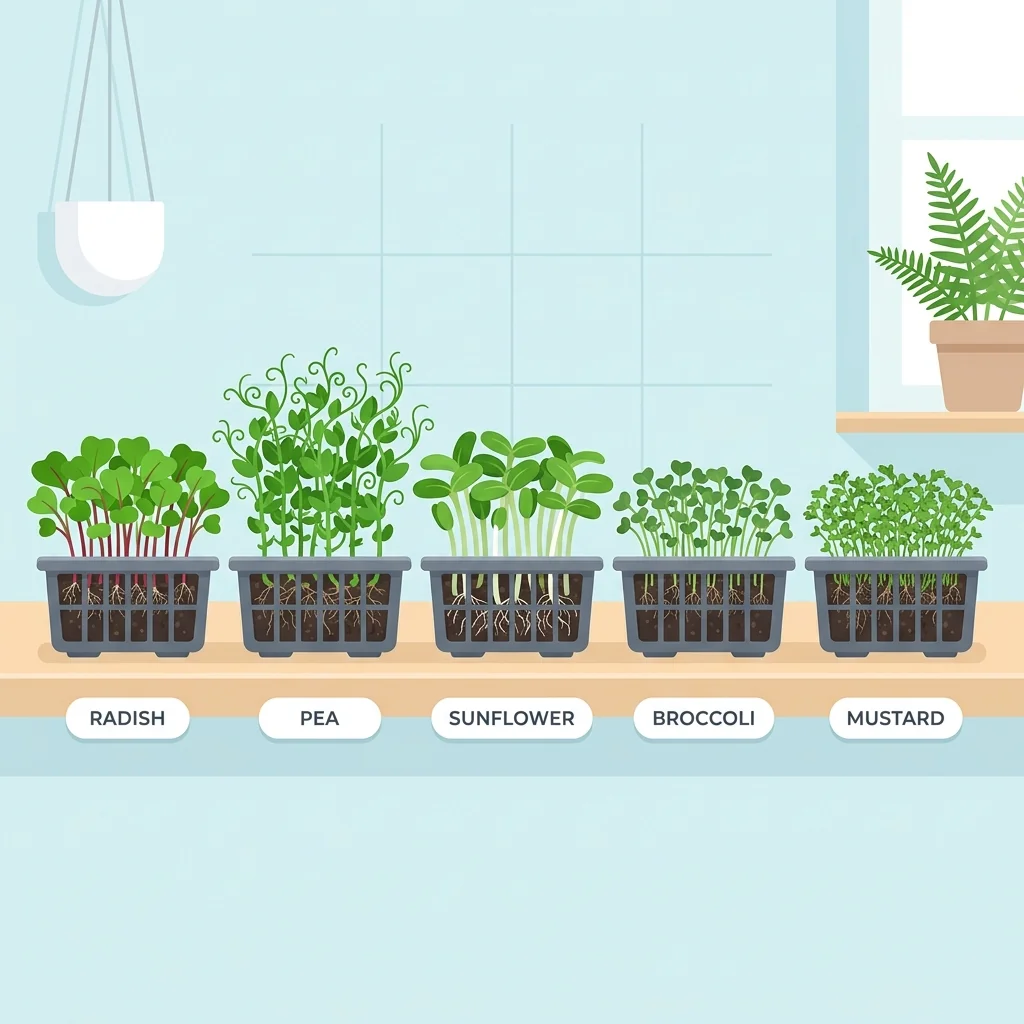
Start with microgreens that germinate fast and forgive mistakes. Radish, peas, sunflower, broccoli, and mustard are the easiest first trays, ready in about a week.
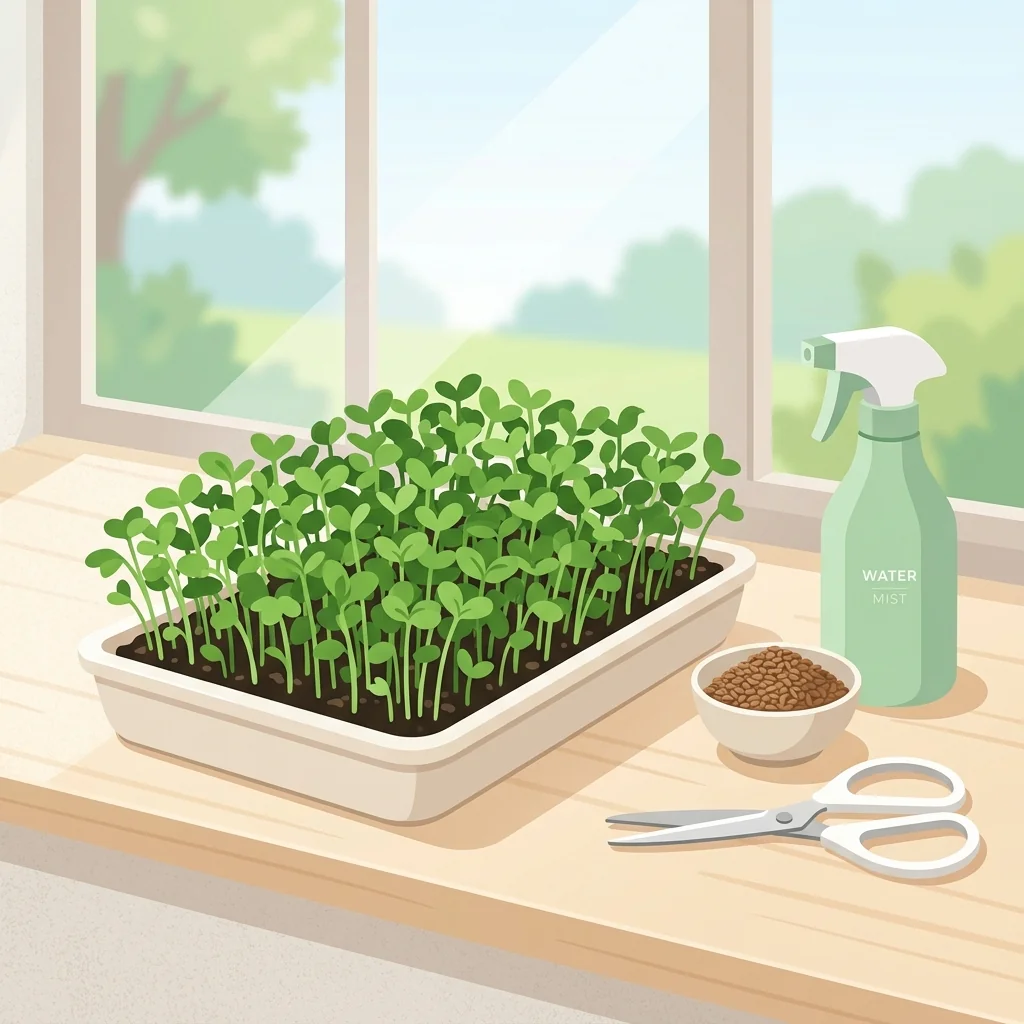
Microgreens are the fastest crop you can grow indoors. This beginner guide walks through sowing, watering, light, and harvesting your first tray in about ten days.
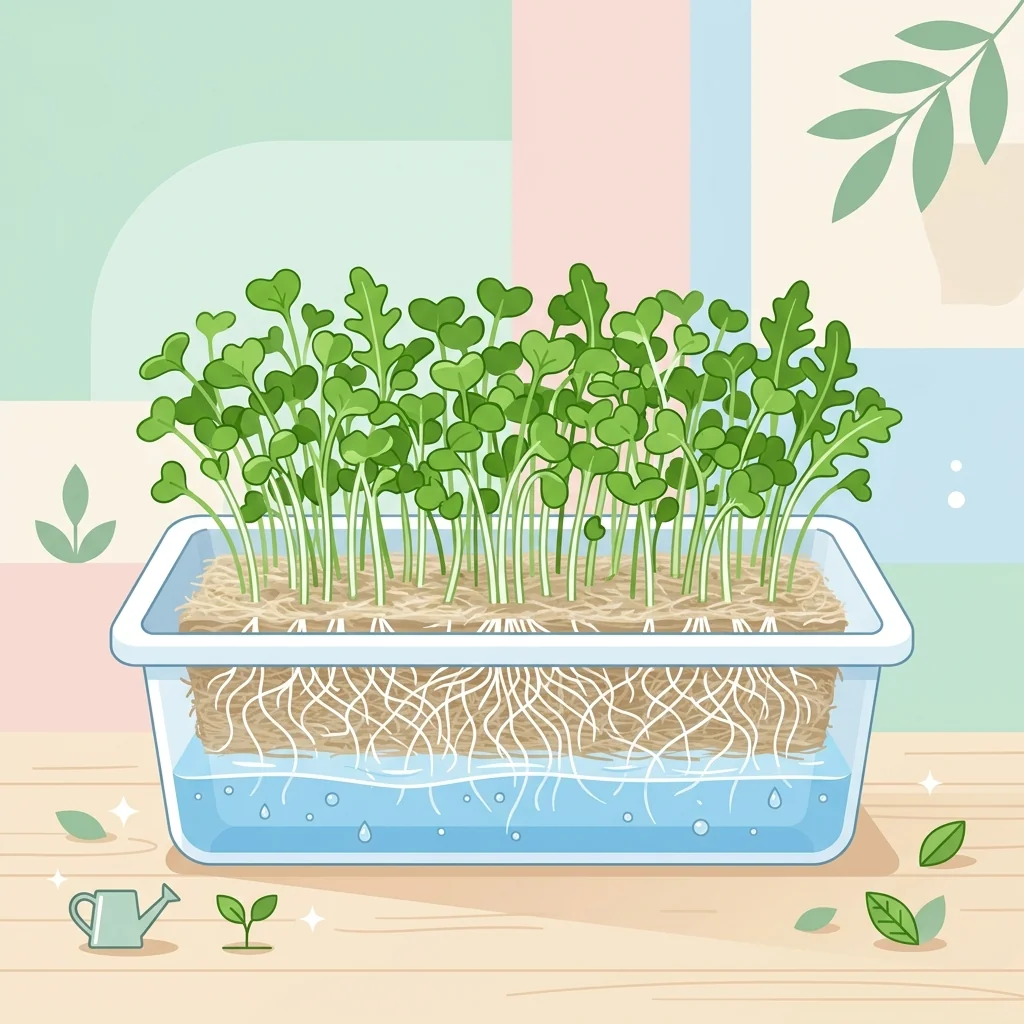
No soil, no mess. Grow microgreens hydroponically on a grow mat or pad for clean, tidy trays indoors. Here is how the soil-free method works and where it shines.
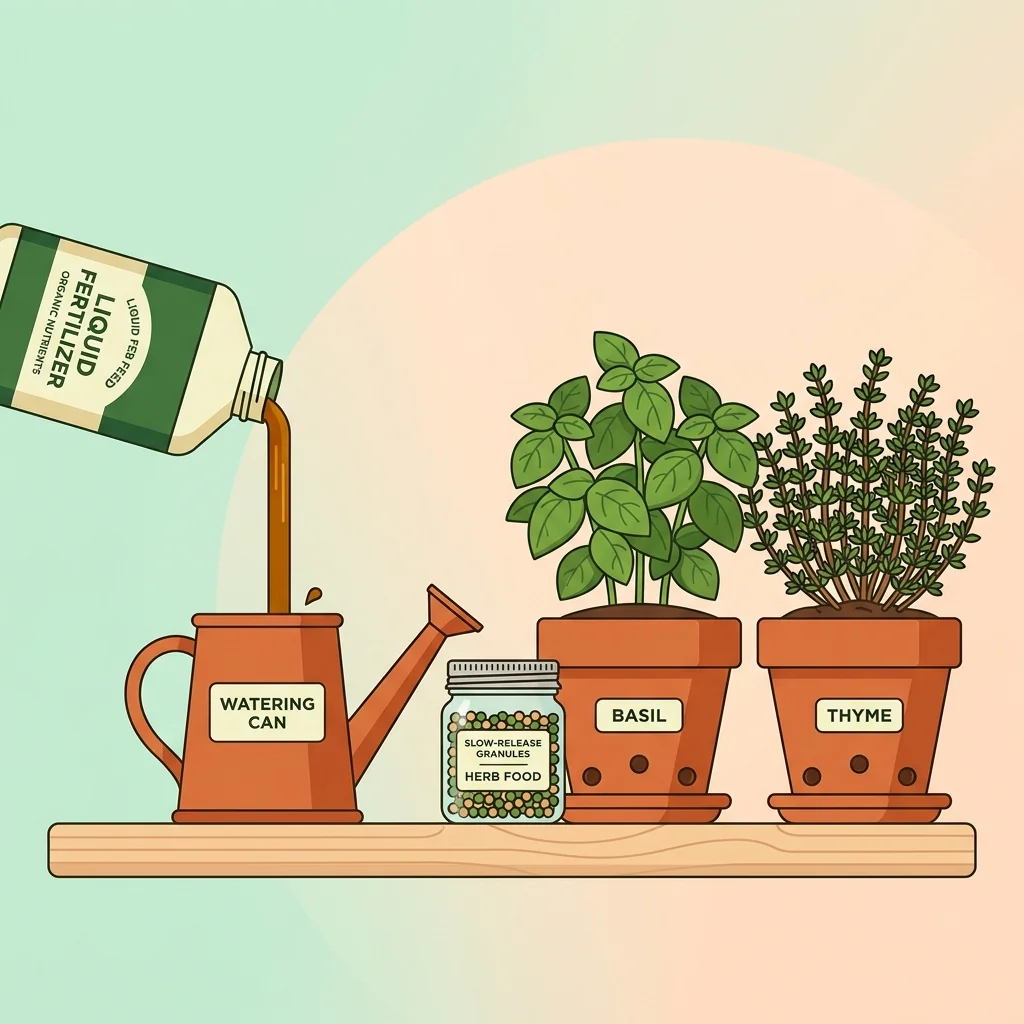
A practical, label-first guide to complete liquid and controlled-release fertilizers for potted herbs, with a decision table and a safer first application.
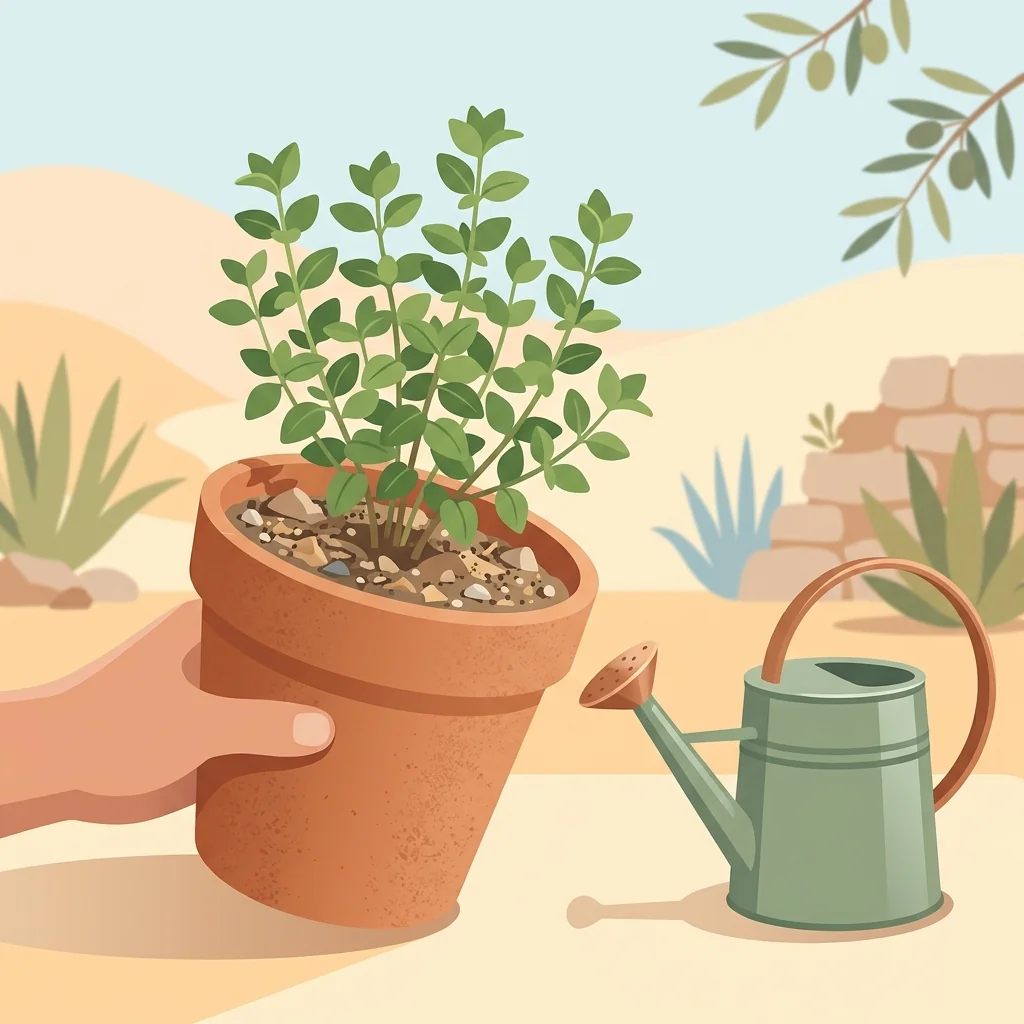
Oregano is a Mediterranean herb that prefers dry, gritty soil. Overwatering is the fastest way to kill it. Water only when the soil has dried out, not on a schedule.
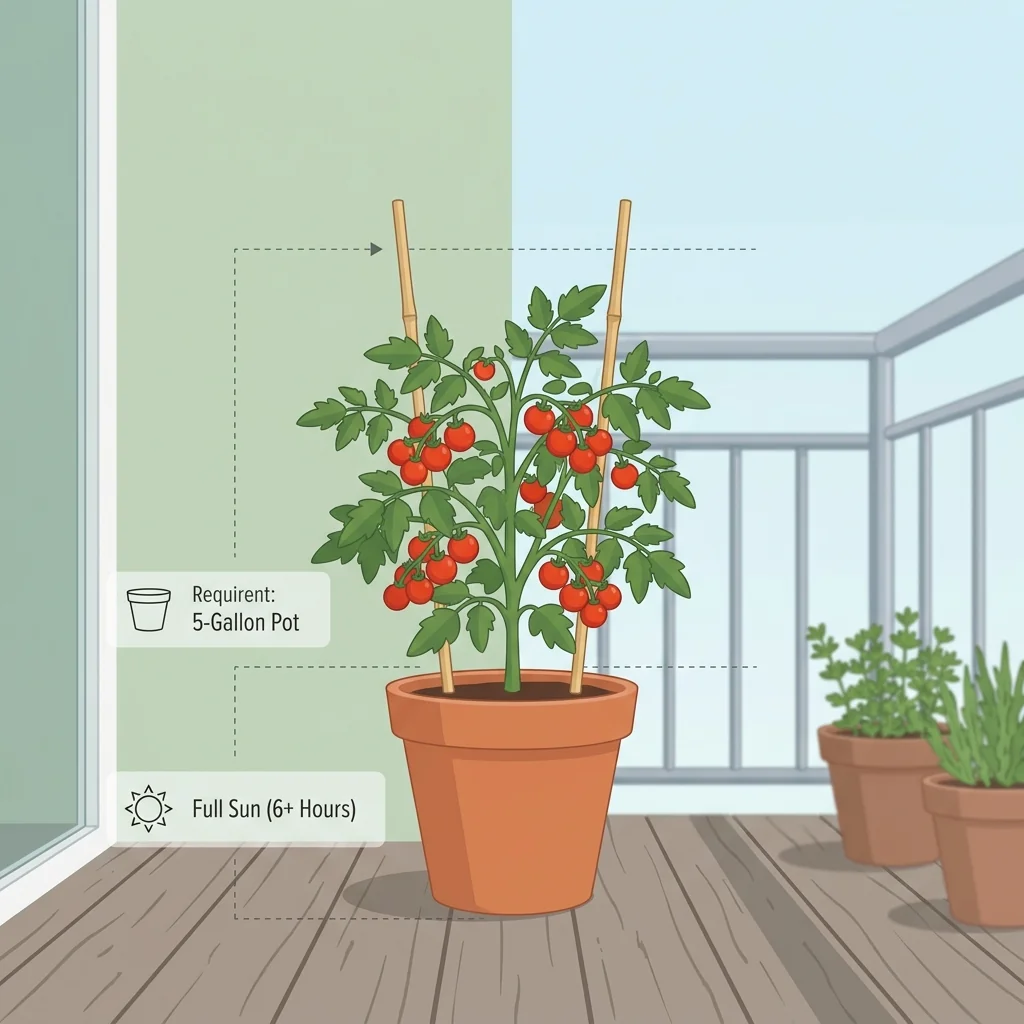
Traditional tomato plants grow into massive, untameable 8-foot jungle vines that require giant cages and take over your entire balcony. But with modern 'micro-dwarf' or patio tomato varieties, you can grow heavy yields of sweet cherry tomatoes on a plant that stays under 2 feet tall. Here is the dwarf tomato container blueprint.
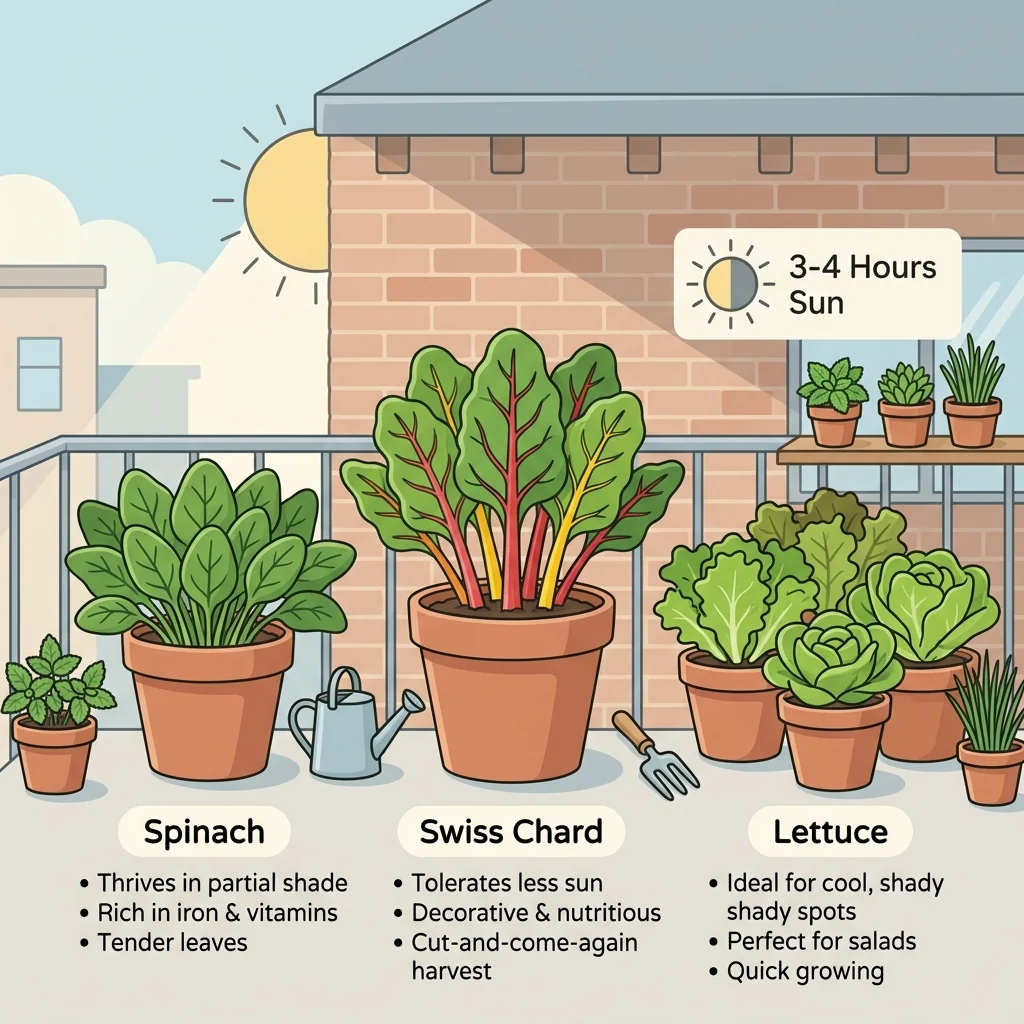
You do not need a baking, south-facing balcony to grow your own food. While sun-loving tomatoes are out, a collection of delicious leafy greens, crisp root crops, and robust herbs will thrive in as little as 3 to 4 hours of indirect light. Here is your shady balcony survival plan.
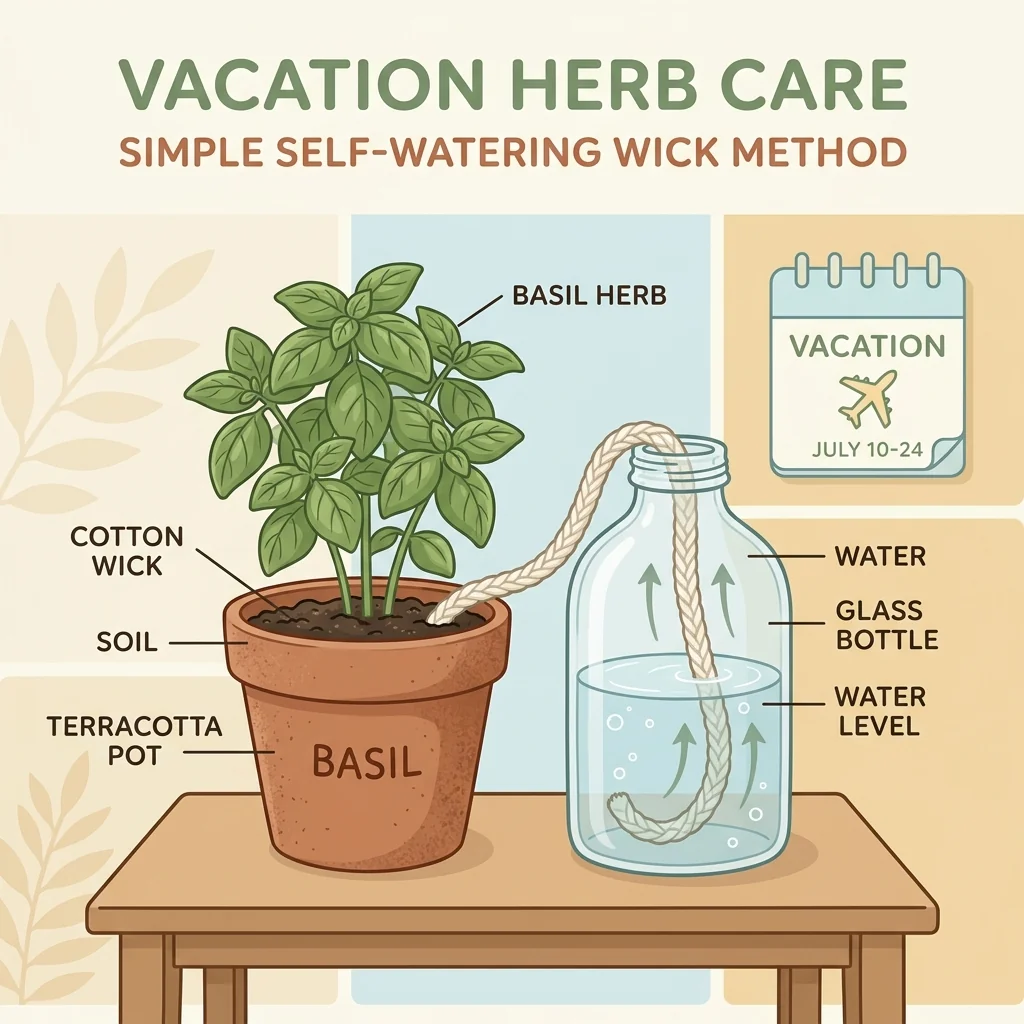
Potted herbs are notoriously sensitive to drying out. If you leave your apartment for a week without a plan, you will return to a graveyard of crispy, brown basil and dead mint. Here are five simple, passive self-watering systems you can build in minutes.
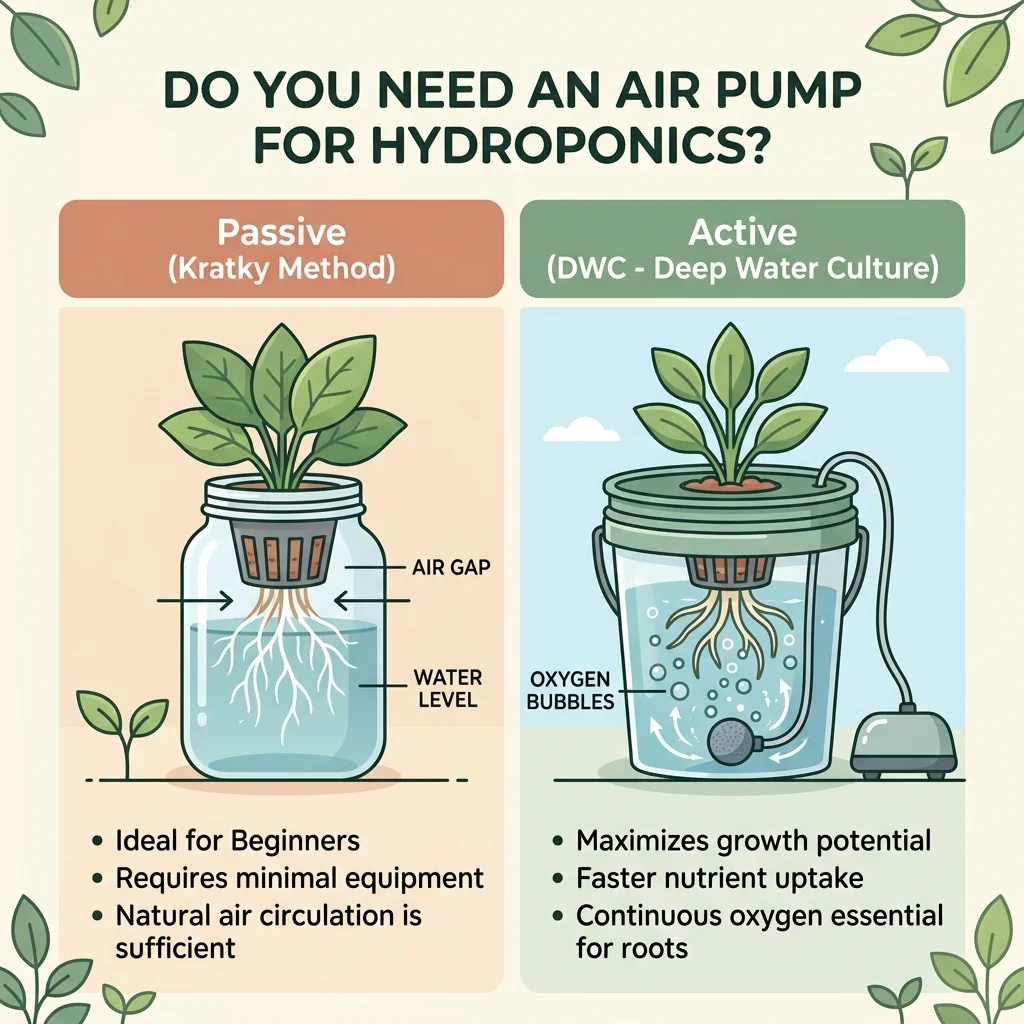
If you search for hydroponic tutorials, you will see a maze of air pumps, plastic tubing, and bubbling airstones. But do you actually need electrical aeration to grow plants in water? Here is the science of passive vs. active hydroponic setups.
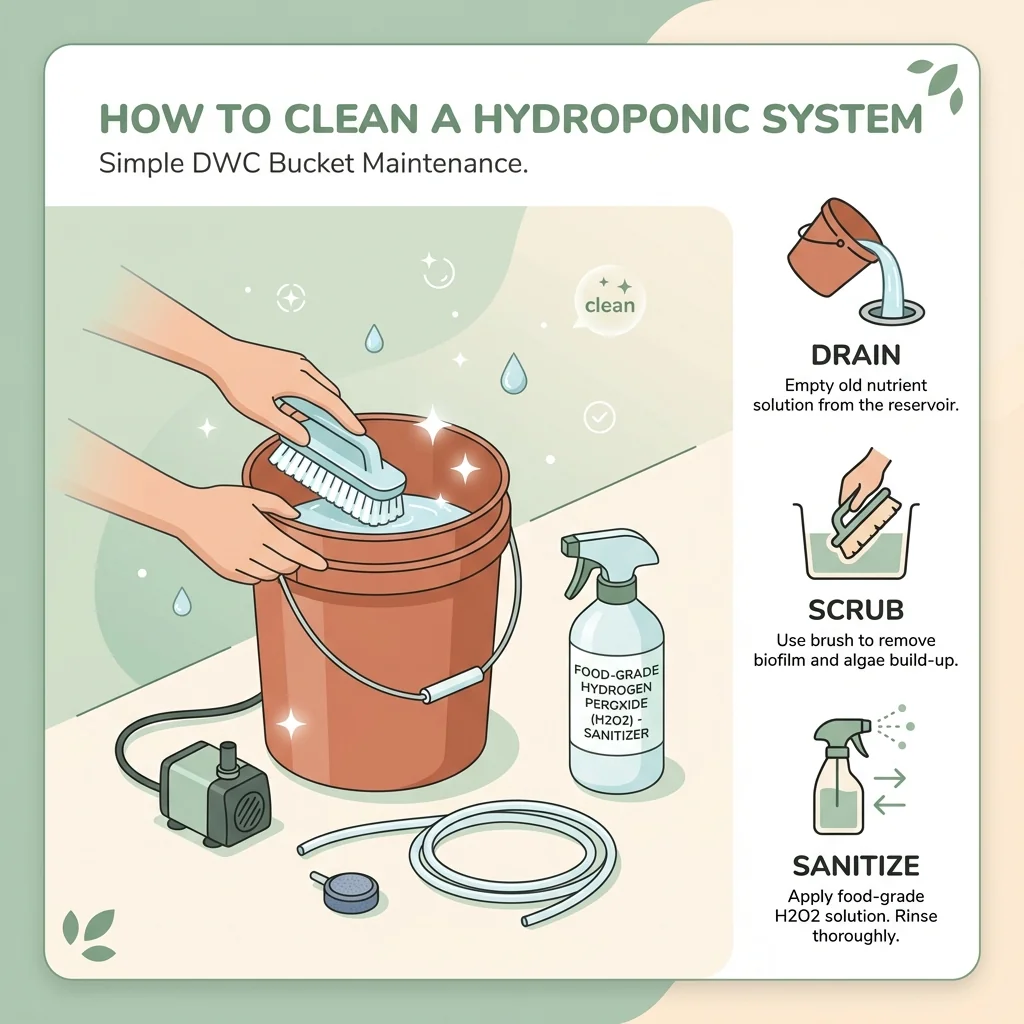
A small hydroponic setup does not need constant chemical intervention. But between harvest cycles, a rigorous deep-clean is non-negotiable to prevent algae, mineral scaling, and deadly root rot spores from infecting your next crop. Here is the ultimate guide to system hygiene.
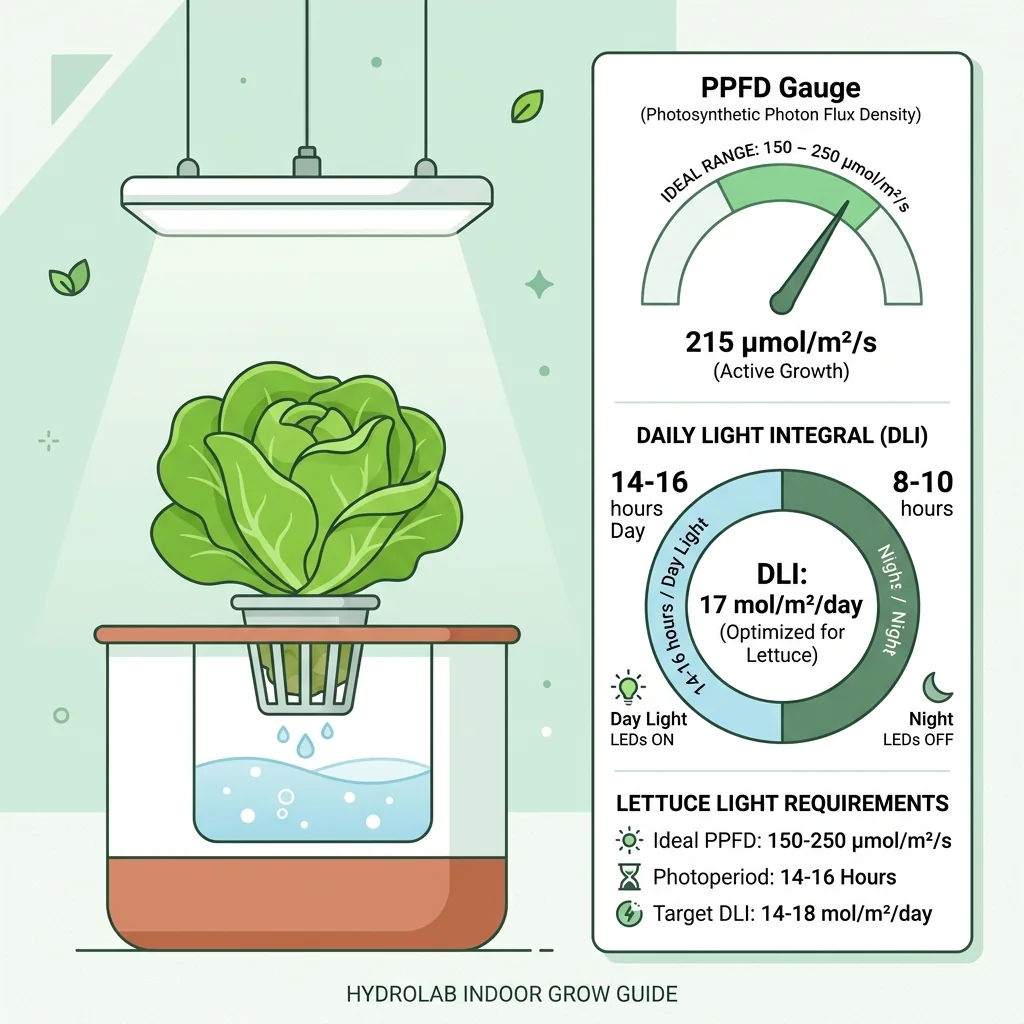
Unlike tomatoes or peppers that require massive amounts of energy to produce fruit, lettuce is a simple leaf factory. If you blast it with high-intensity light, it will stress and die. Here are the exact scientific lighting rules for sweet, crunchy lettuce.
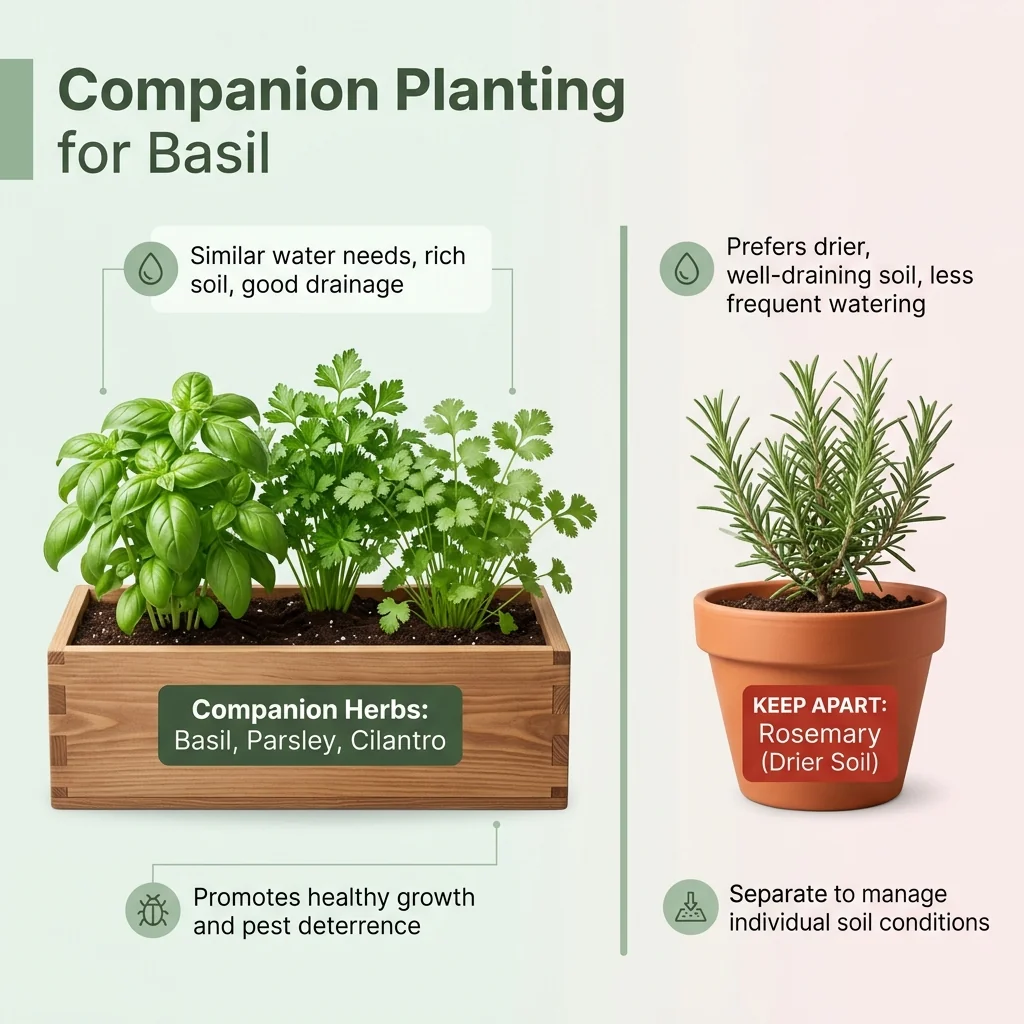
Basil grows happily with other thirsty herbs like parsley, cilantro, and dill, but clashes with drought-tolerant herbs. Here is what to plant with basil and what to skip.
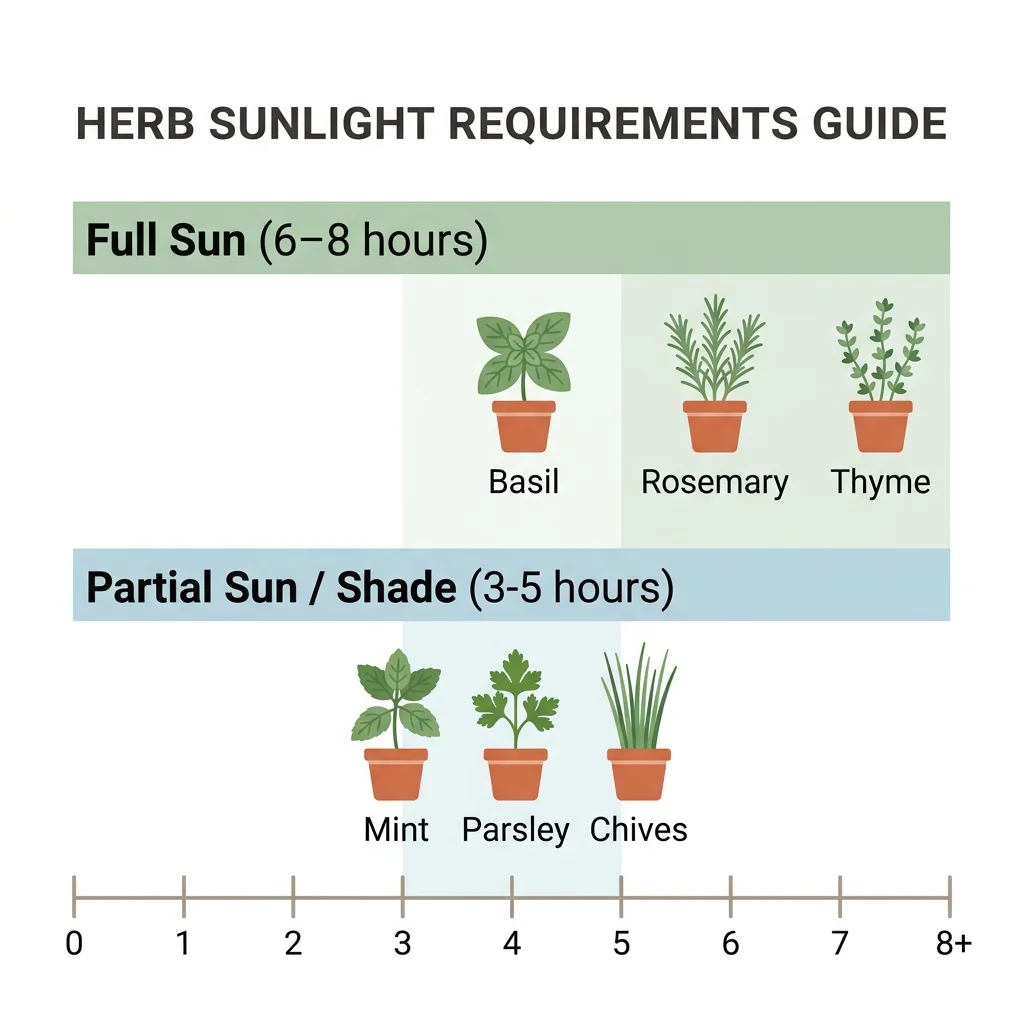
A simple sunlight chart for common herbs, split into full-sun, part-shade, and low-light tolerant, so you can match what you grow to the light your space actually gets.
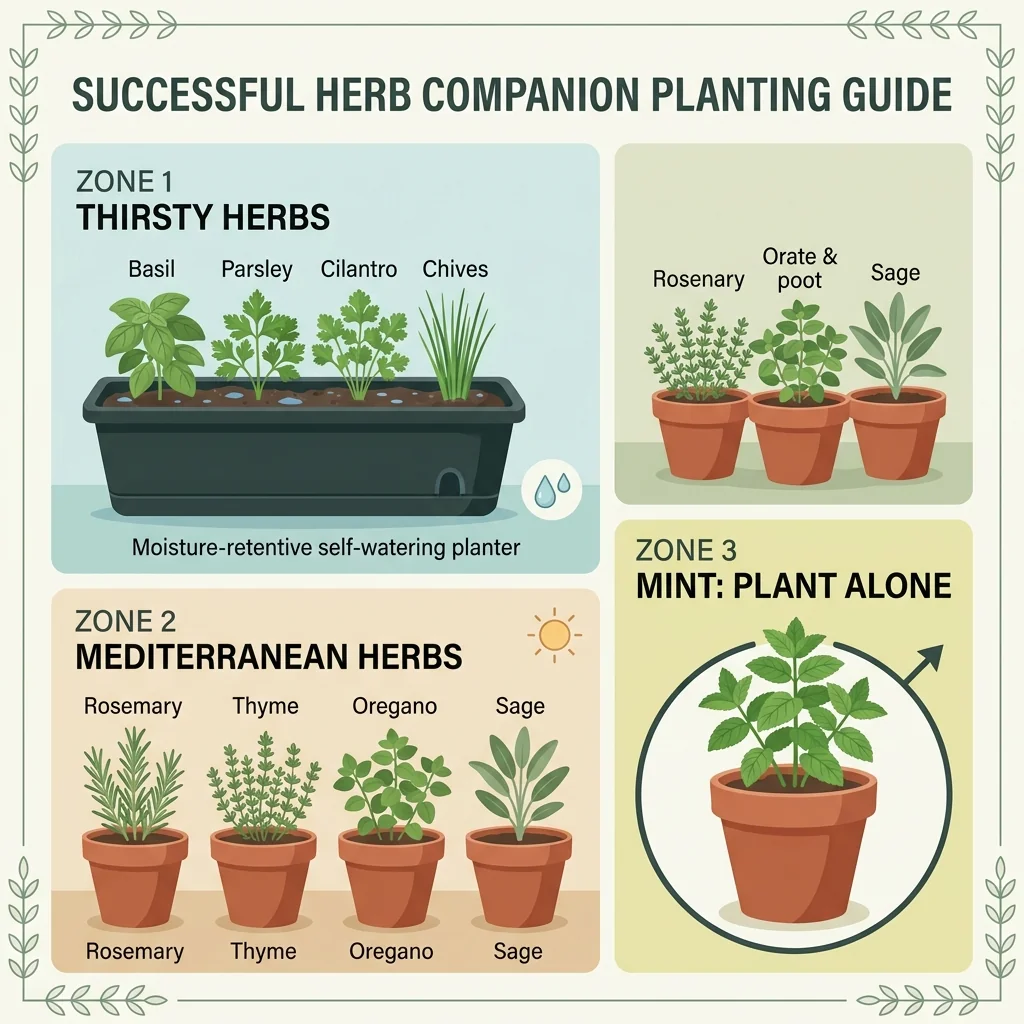
The simple rule for planting herbs together is to match their water and light needs. This chart shows which herbs share a pot happily and which ones to keep apart.
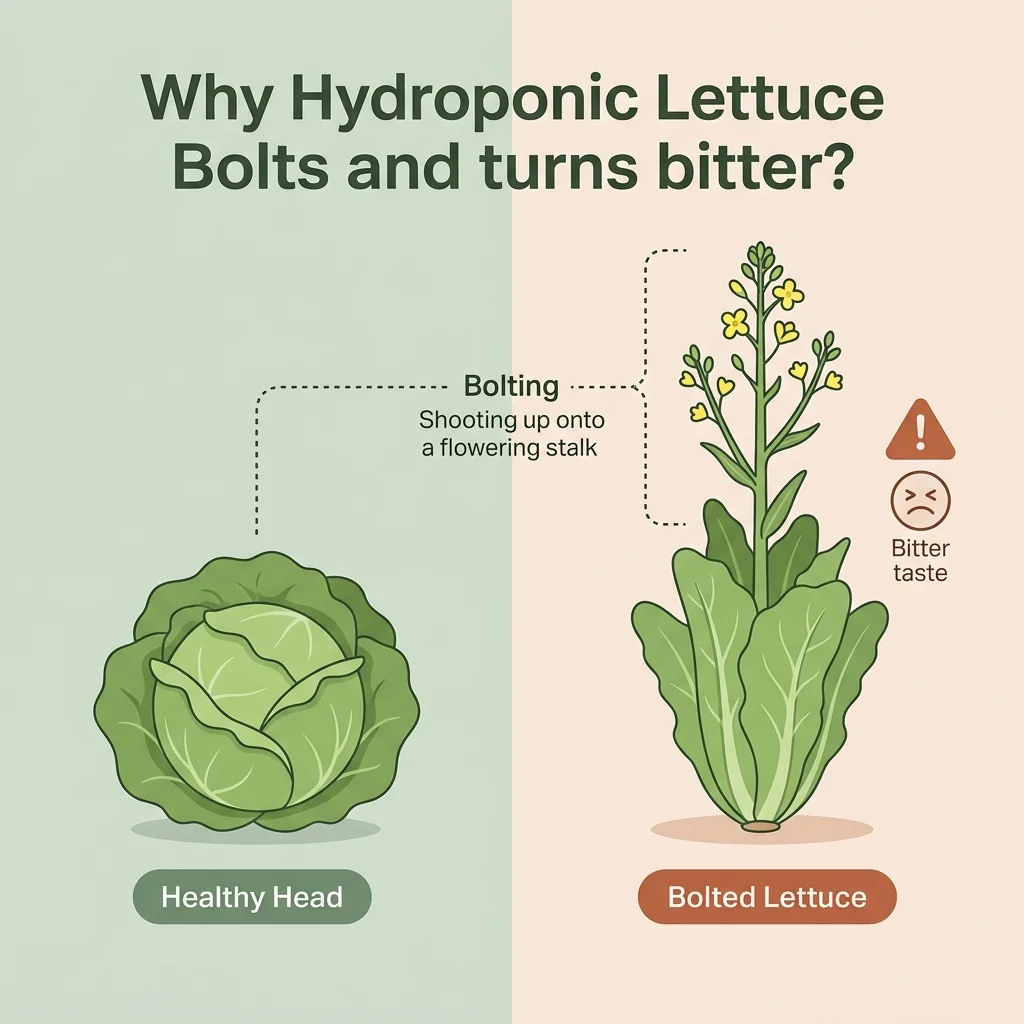
One day your hydroponic lettuce is a perfect, compact green rosette. The next, it has shot up like a pine tree, and a bite of the leaf leaves a horribly bitter taste in your mouth. Here is the science of lettuce bolting and how to stop it.
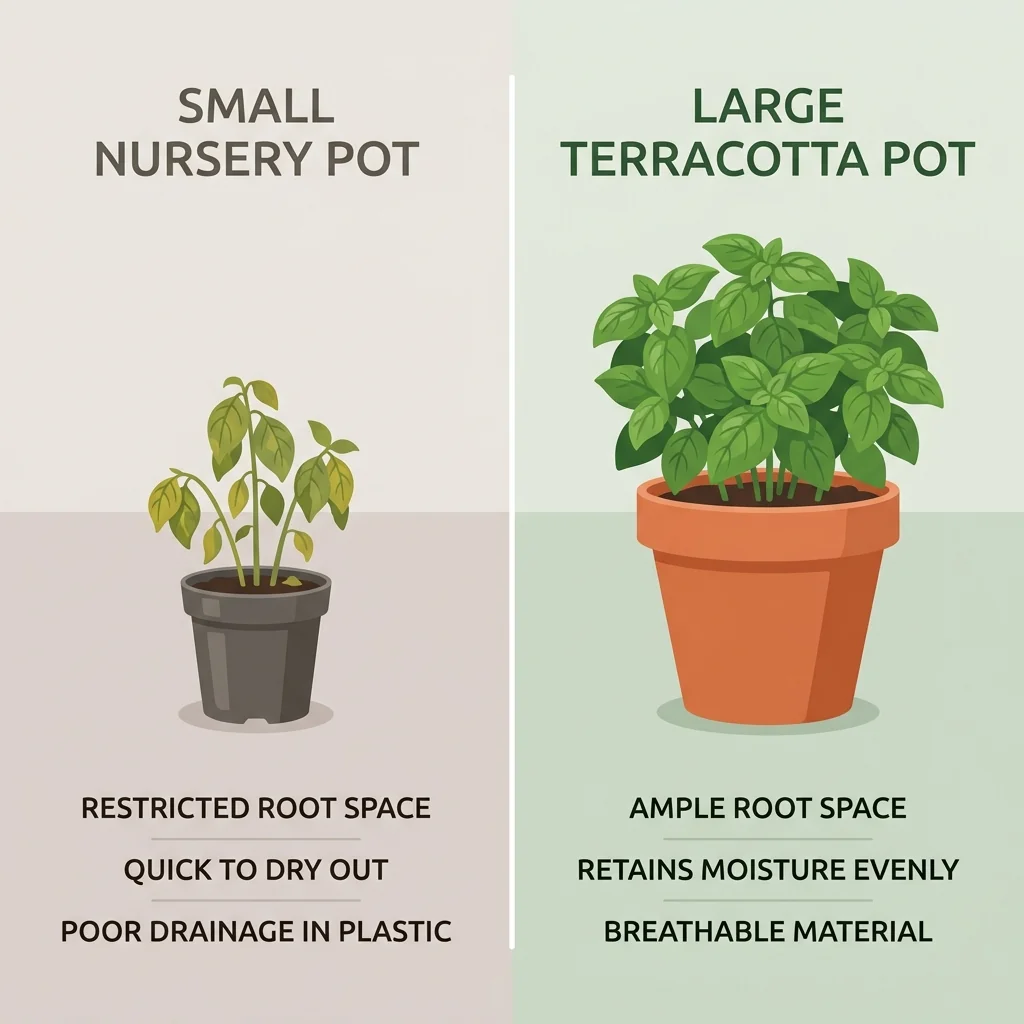
Basil struggles in the small pots it is often sold in. A bigger container holds more water and steadier roots, which is the simplest fix for daily wilting.
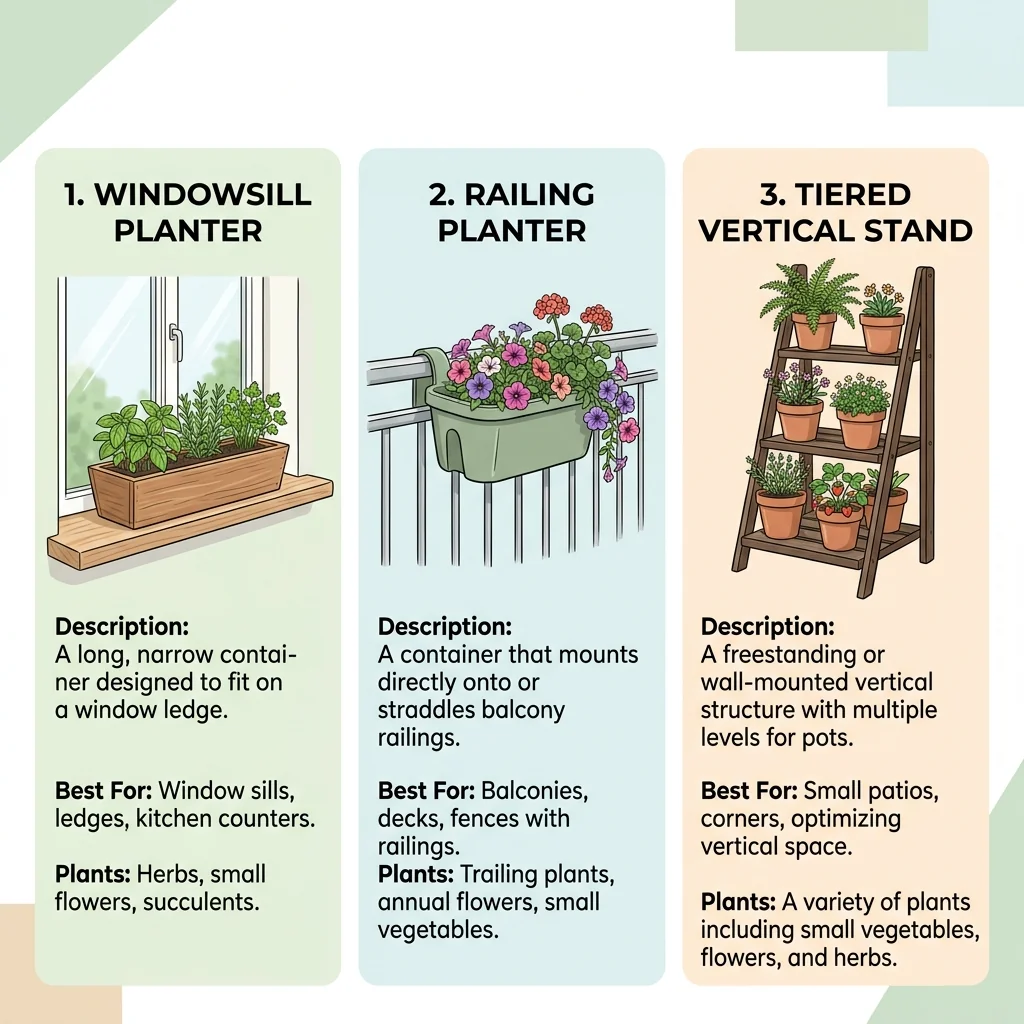
Small spaces reward planters that use vertical room and fit a sill or rail. Here are the best types for windowsills, balconies, and walls, and what to check before buying.
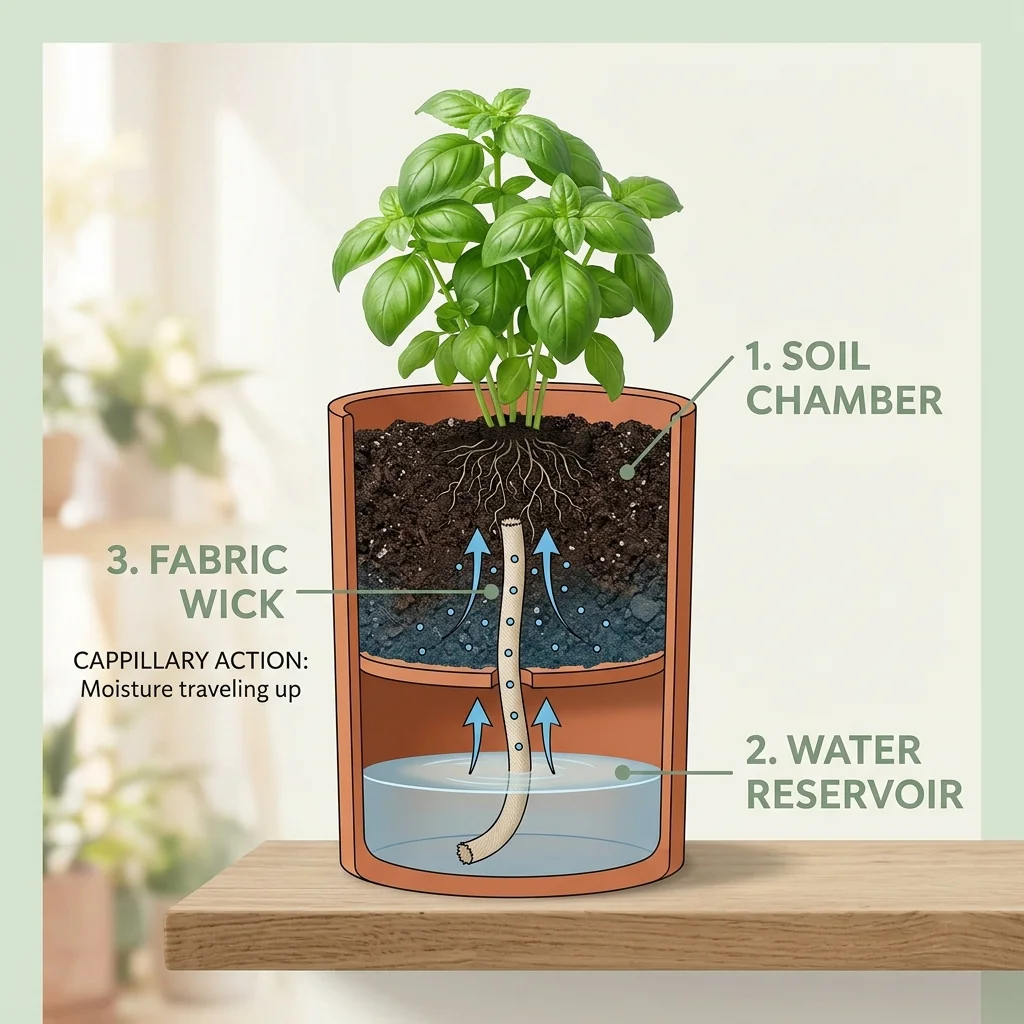
Self-watering pots take the guesswork out of watering thirsty herbs, but they are wrong for Mediterranean herbs. Here is how to choose and who they suit.
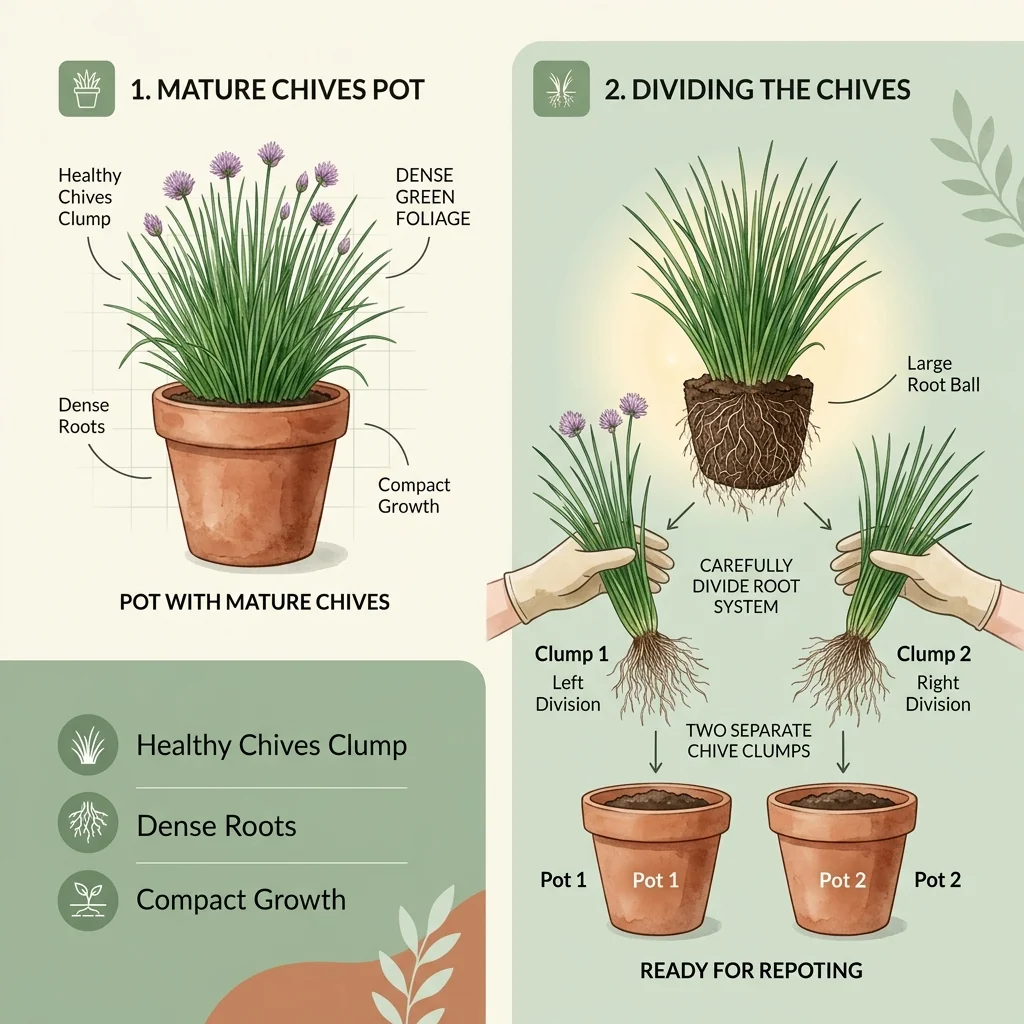
Chives are one of the easiest herbs to pot because their roots stay compact. A 6 inch pot is enough, and dividing the clump gives you free plants over time.
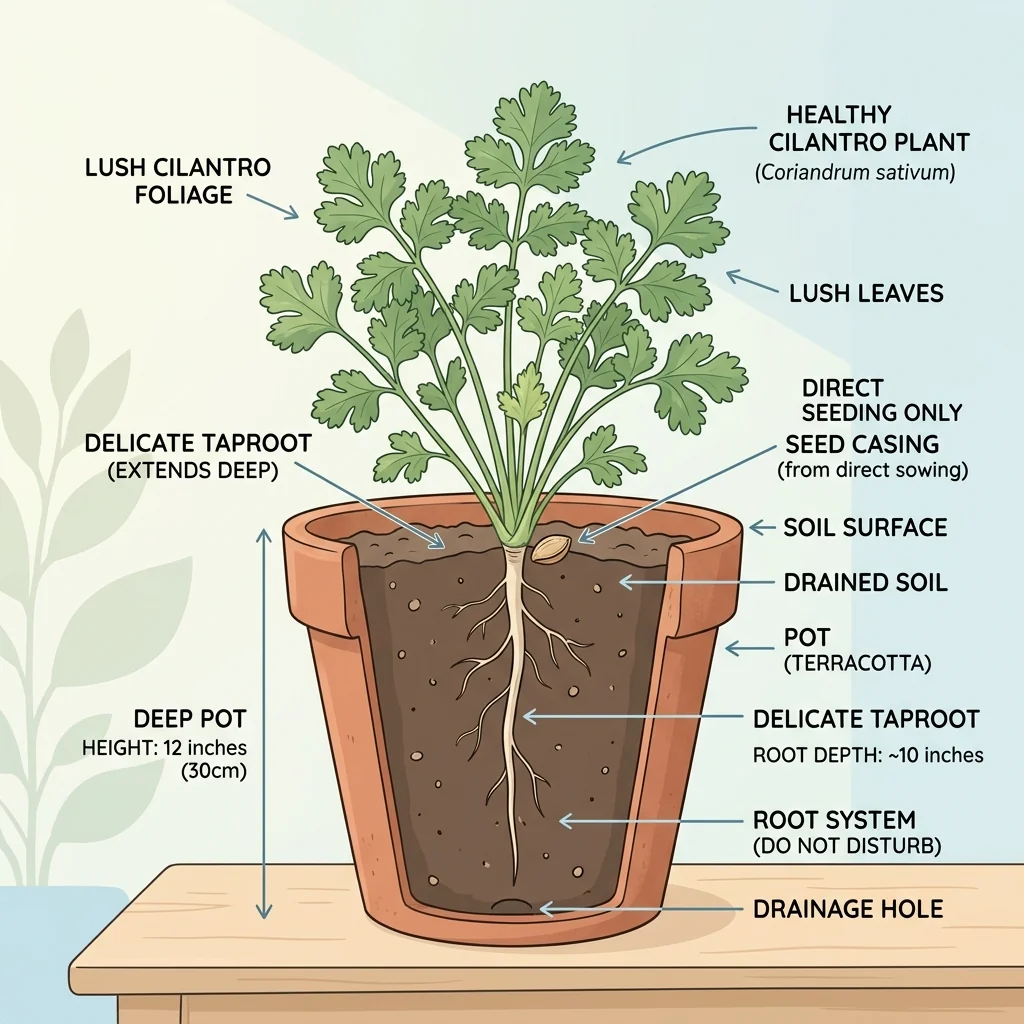
Cilantro grows a taproot and resents being moved, so depth and direct sowing matter more than width. Get the pot right and you can succession-sow for steady leaves.
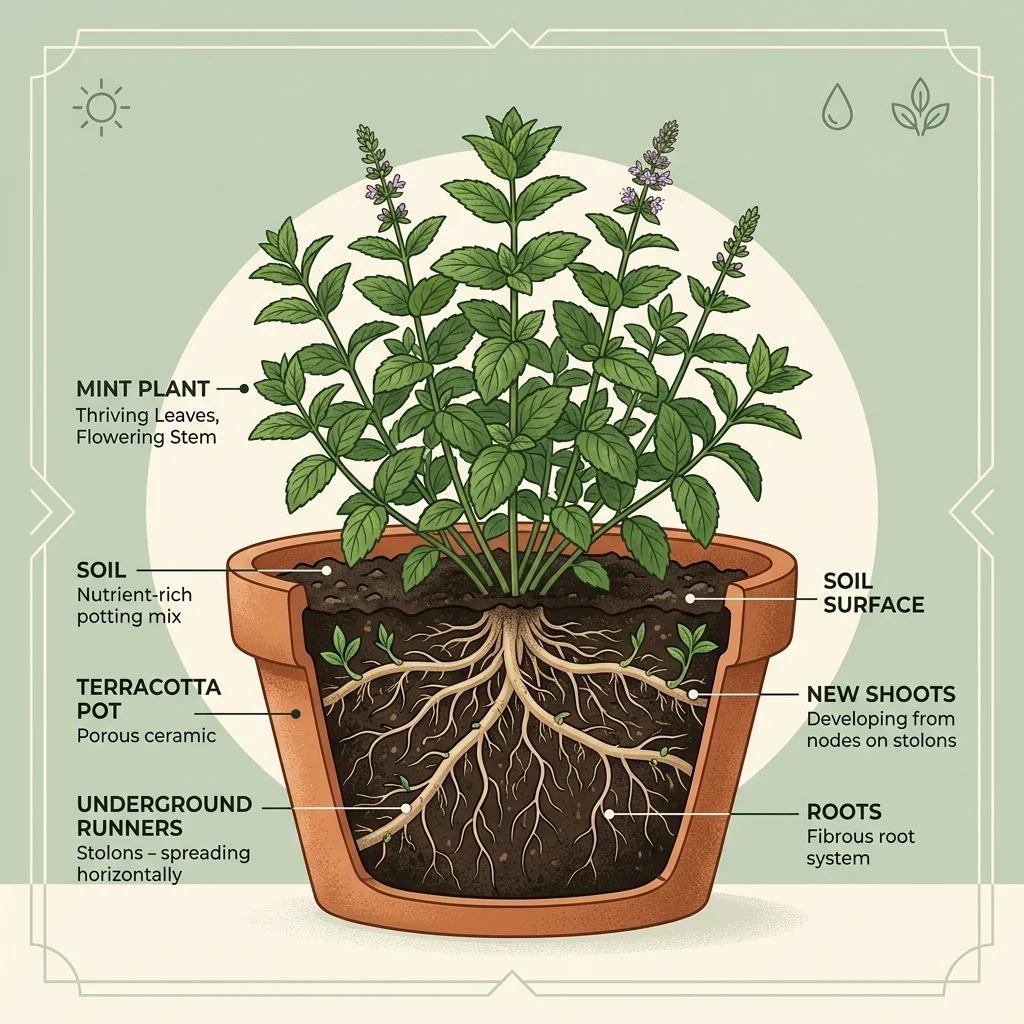
Mint is a vigorous spreader that will crowd out anything it shares a pot with. Give it a roomy container of its own, 8 to 12 inches wide, and you will get years of growth.
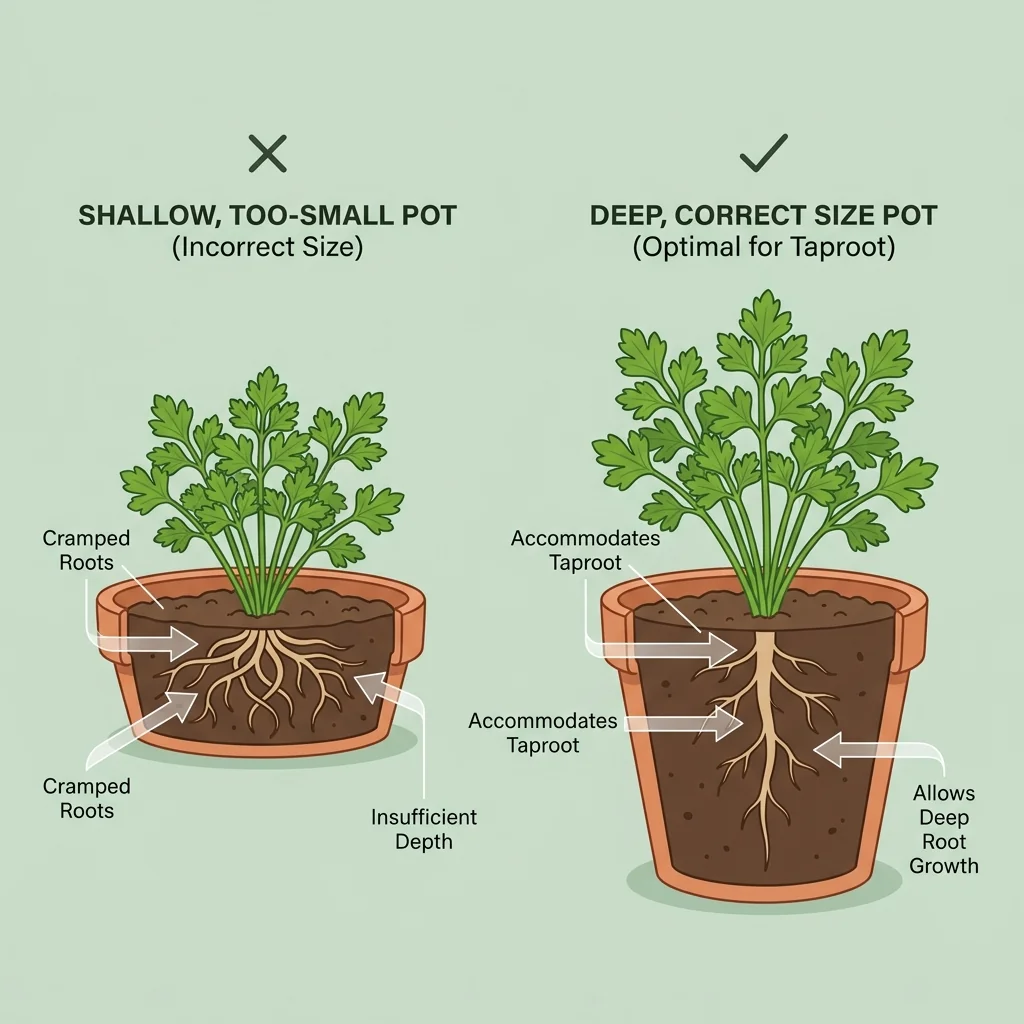
Parsley has a deeper taproot than most kitchen herbs, so pot depth matters more than width. This guide gives the exact size range, spacing, and drainage to get it right.
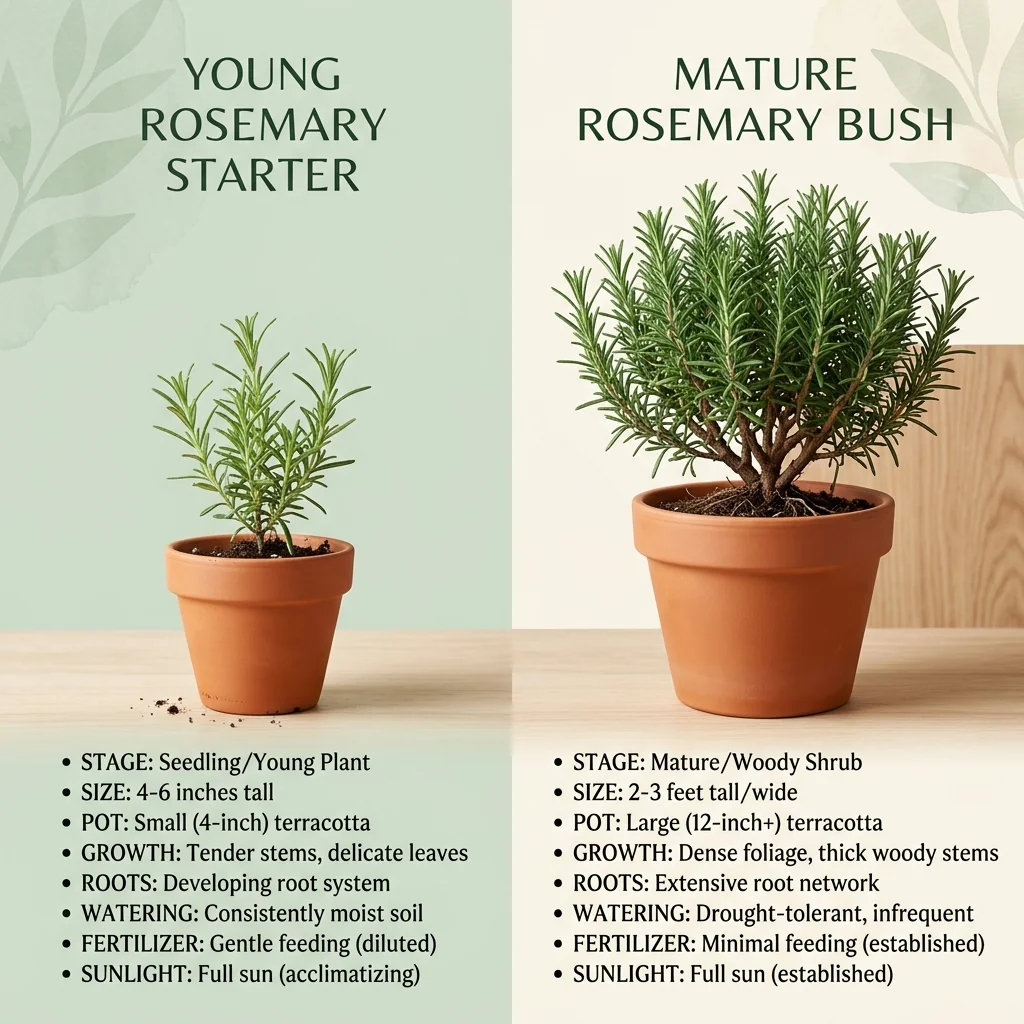
Rosemary is a small shrub in disguise. It starts in a modest pot but needs upsizing as it grows woody, plus the sharp drainage every Mediterranean herb demands.
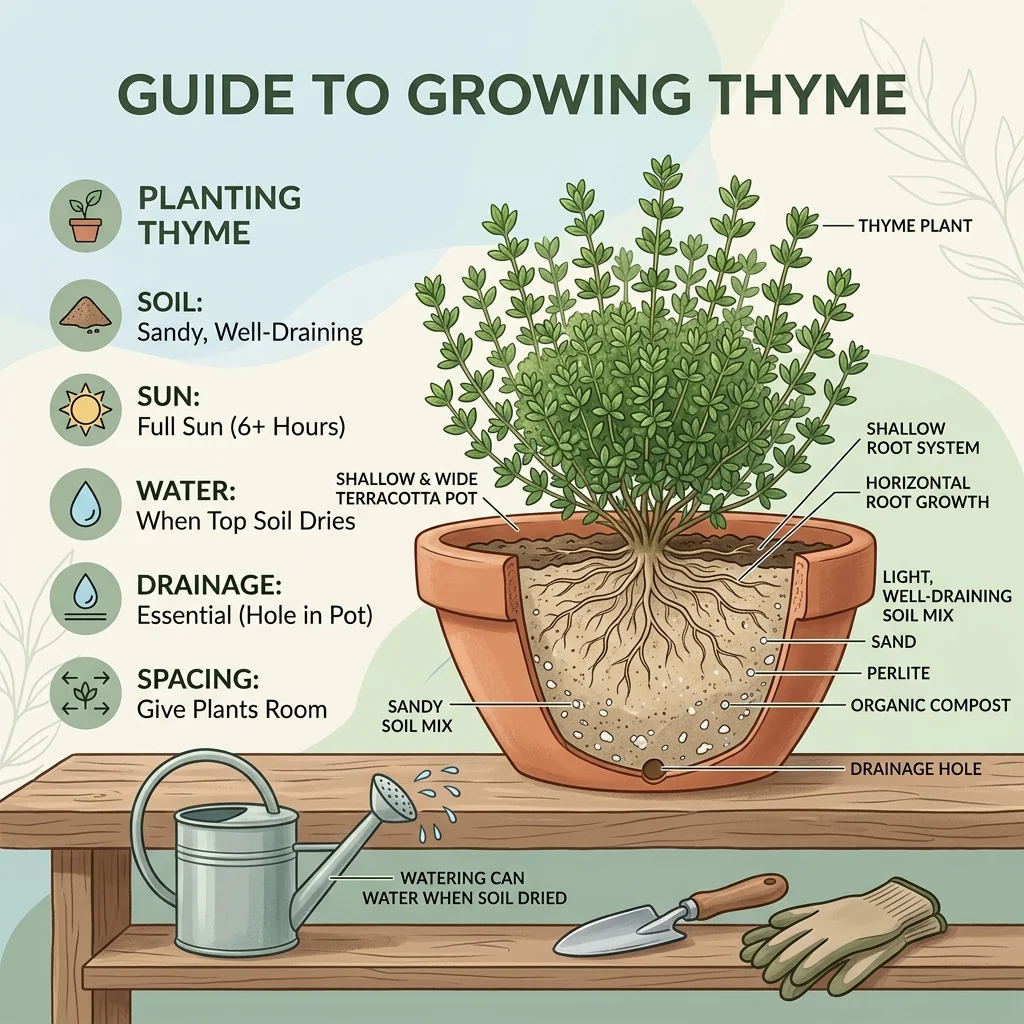
Thyme is the opposite of parsley: its roots spread sideways rather than down, so width and drainage matter more than depth. Here is the right container size.
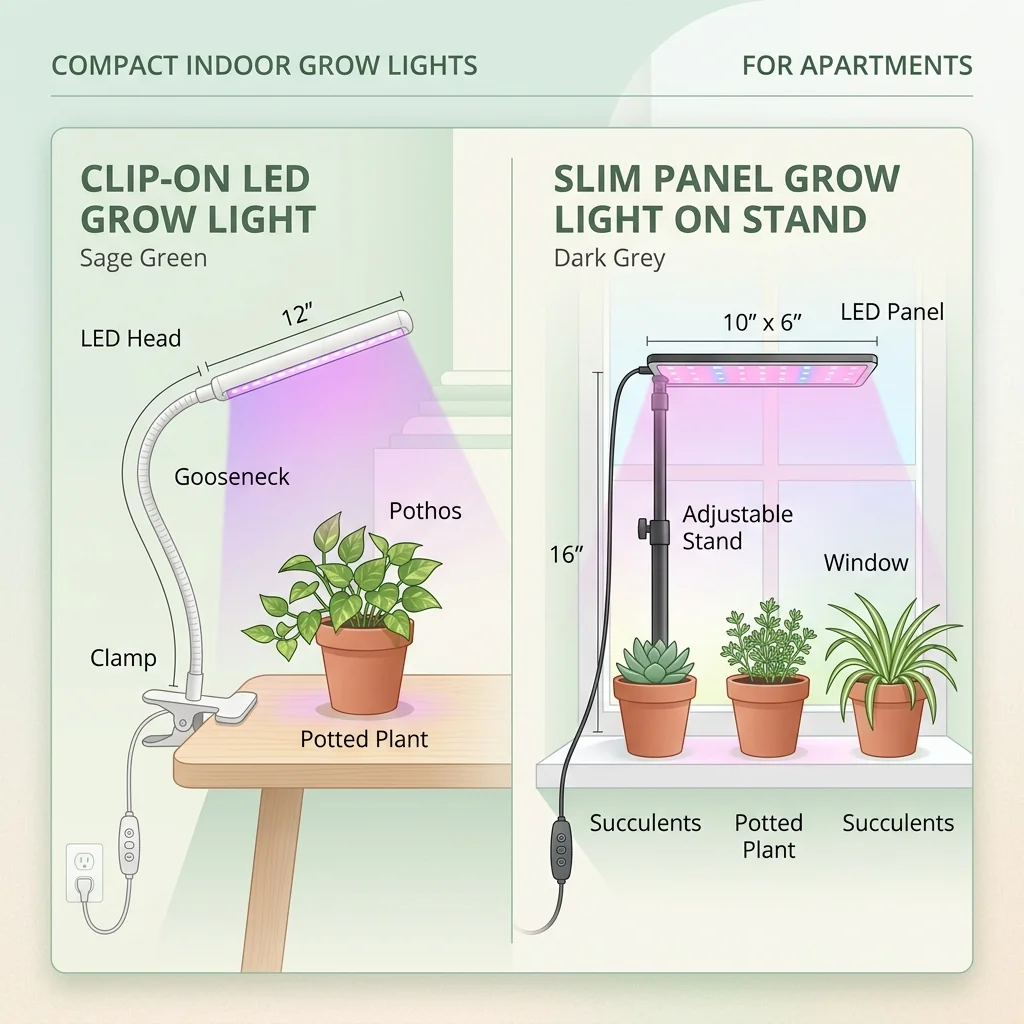
Apartments need grow lights that fit a small space and look acceptable in a living room. Here are the best compact LED types and what to check before buying.
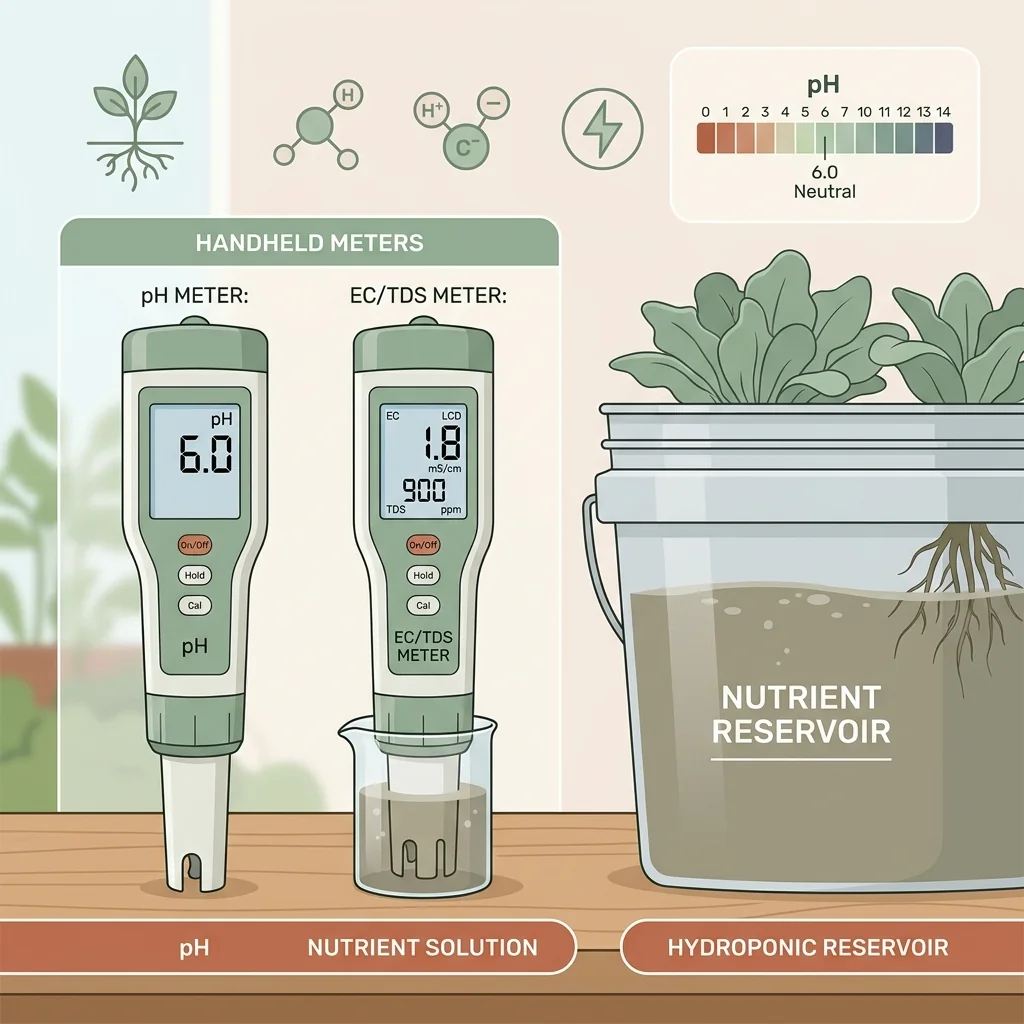
A useful hydroponic meter is easy to verify and maintain. Compare pH pens, EC meters and combination devices, then set up a calibration routine you will actually keep.
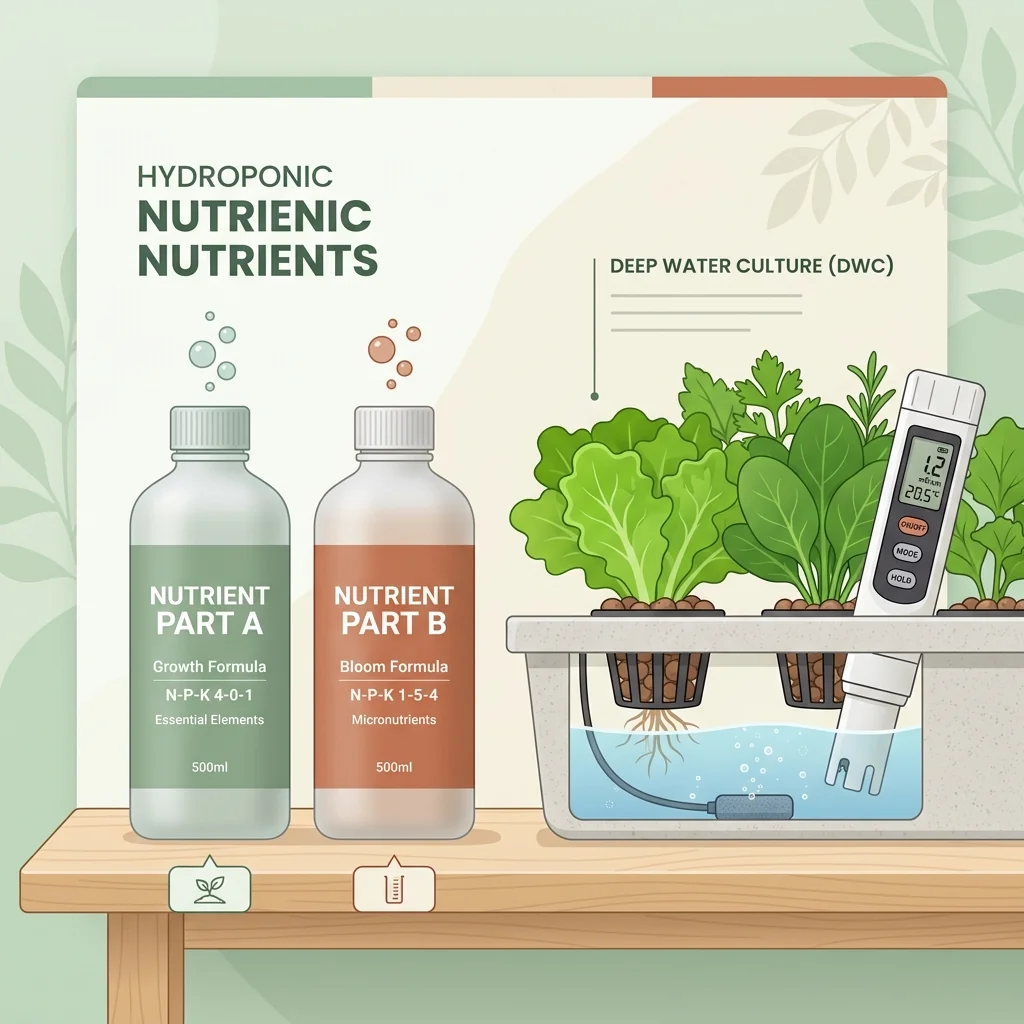
Leafy greens and herbs do not need exotic nutrients, just a complete, balanced formula with the right micronutrients. Here is what to look for and which type to pick.
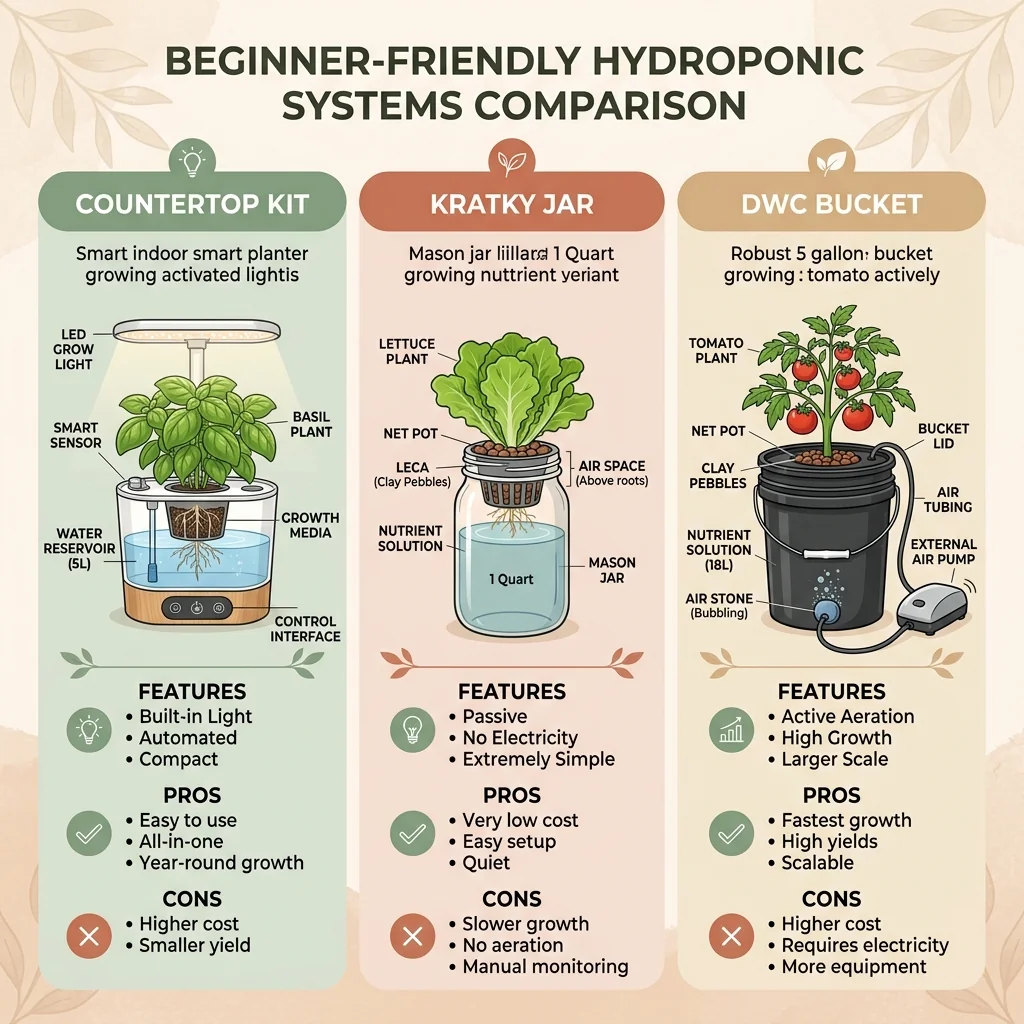
You do not need a complex rig to start hydroponics. These beginner-friendly systems, from all-in-one countertop kits to DIY Kratky jars, cover most first setups.
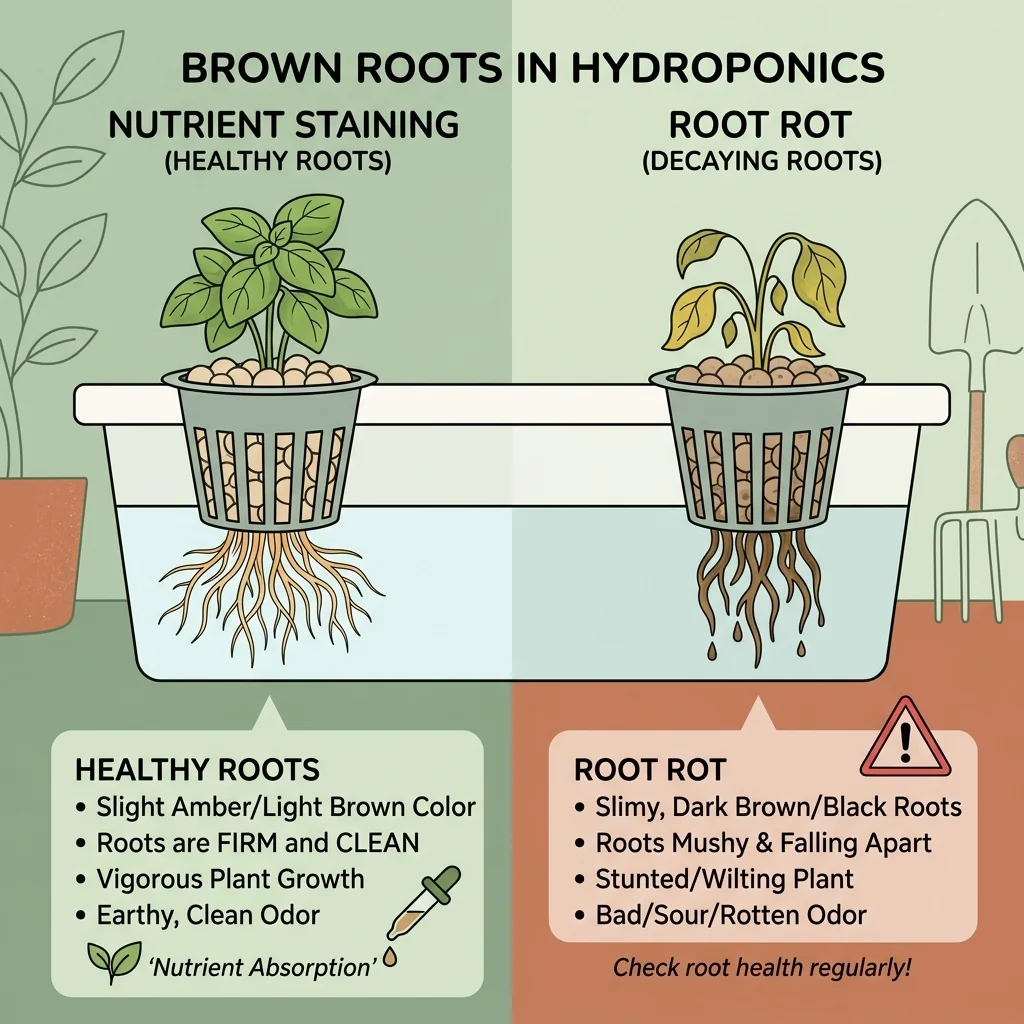
Finding brown roots in your hydroponic reservoir can cause instant panic. But before you dump your nutrients, you need to know: is it a harmless stain or a fatal infection? Here is how to diagnose the difference in seconds.
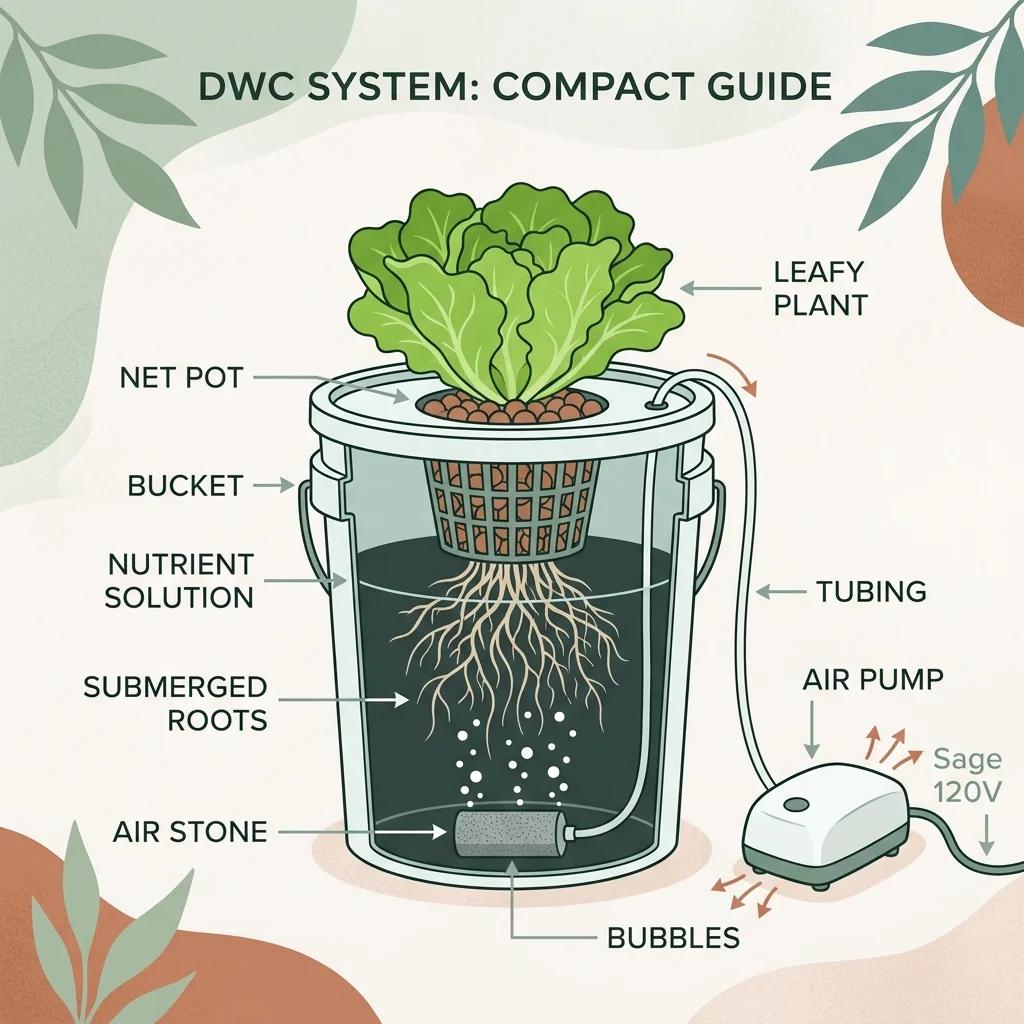
DWC suspends roots in aerated nutrient solution for fast growth. It is one of the best active systems for a small space, as long as you manage oxygen and heat.
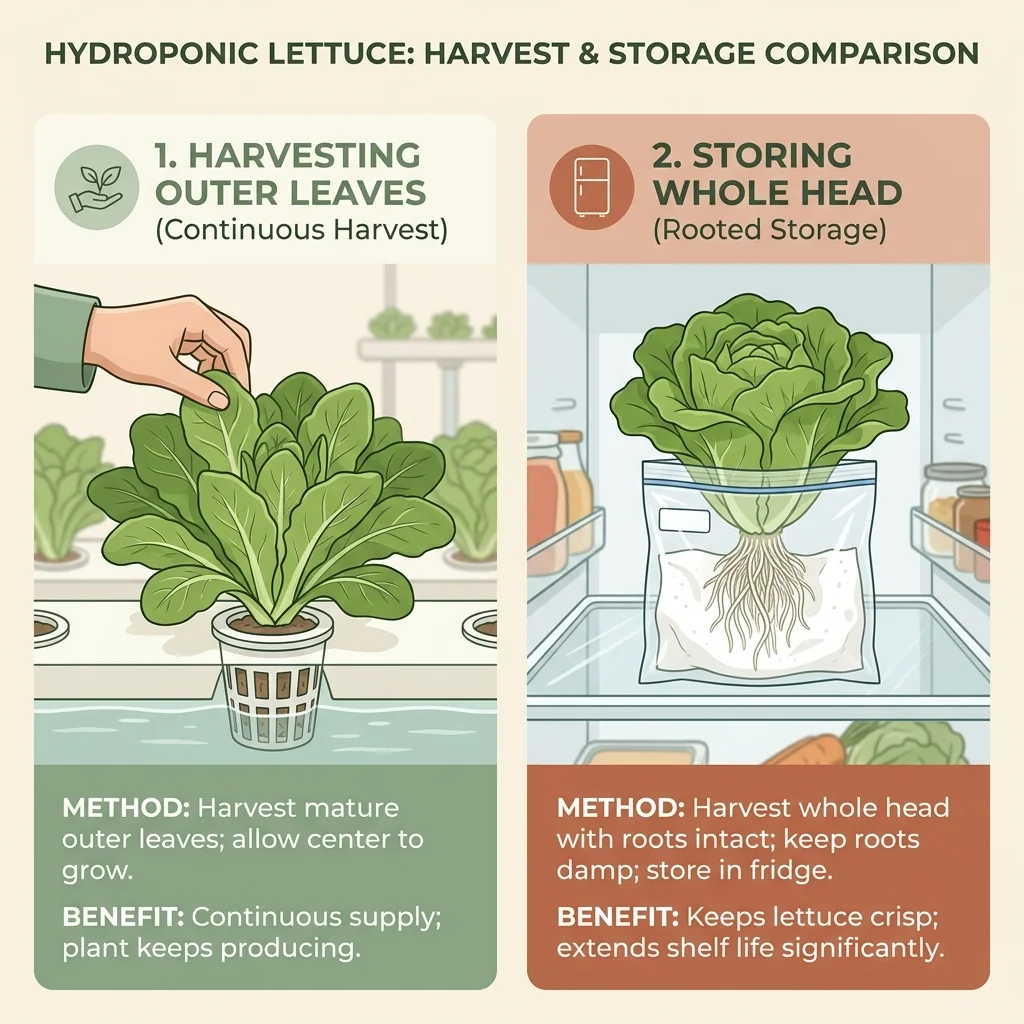
Hydroponic lettuce can out-keep store-bought by days if you harvest and store it right. Here is when to cut, how to take leaves repeatedly, and how to keep it crisp.
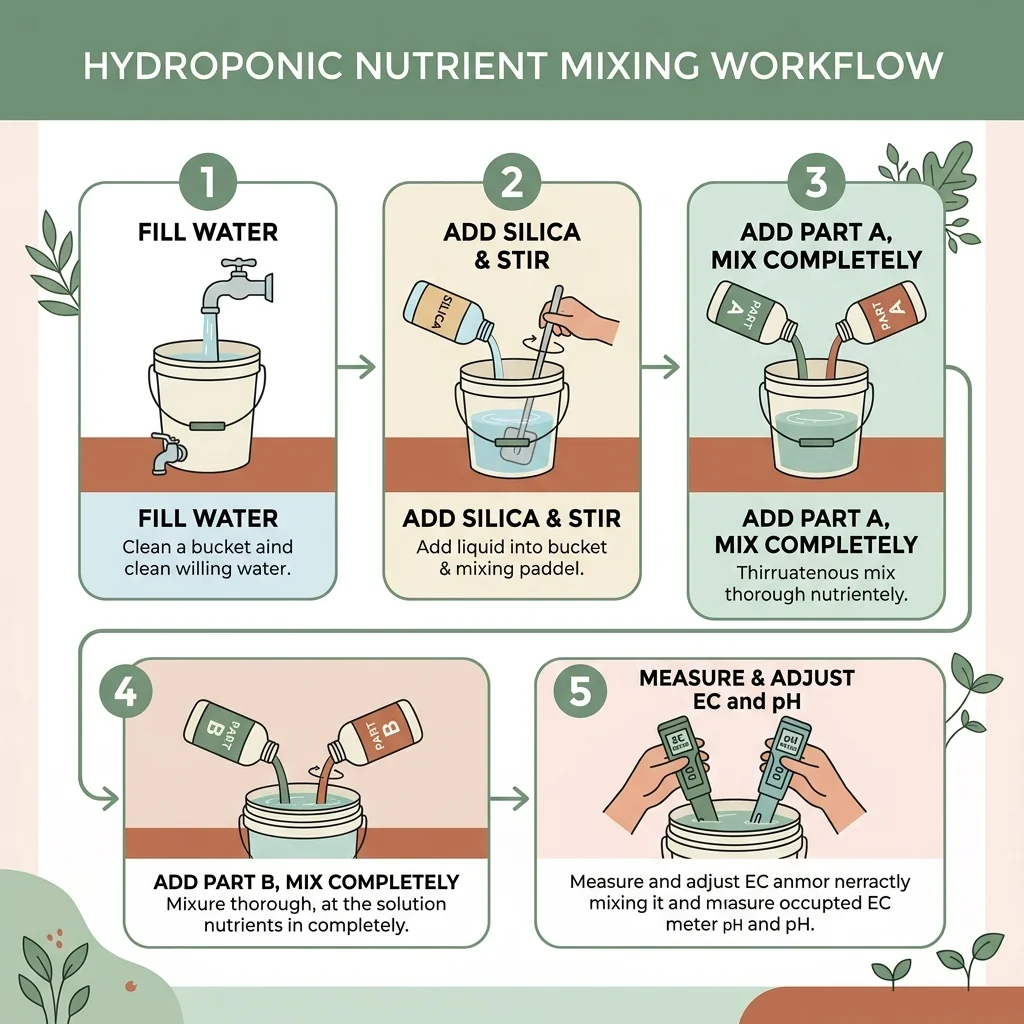
Mixing hydroponic nutrients is simple once you know the order: water first, nutrients separately, measure EC, then adjust pH last. Here is the step-by-step.
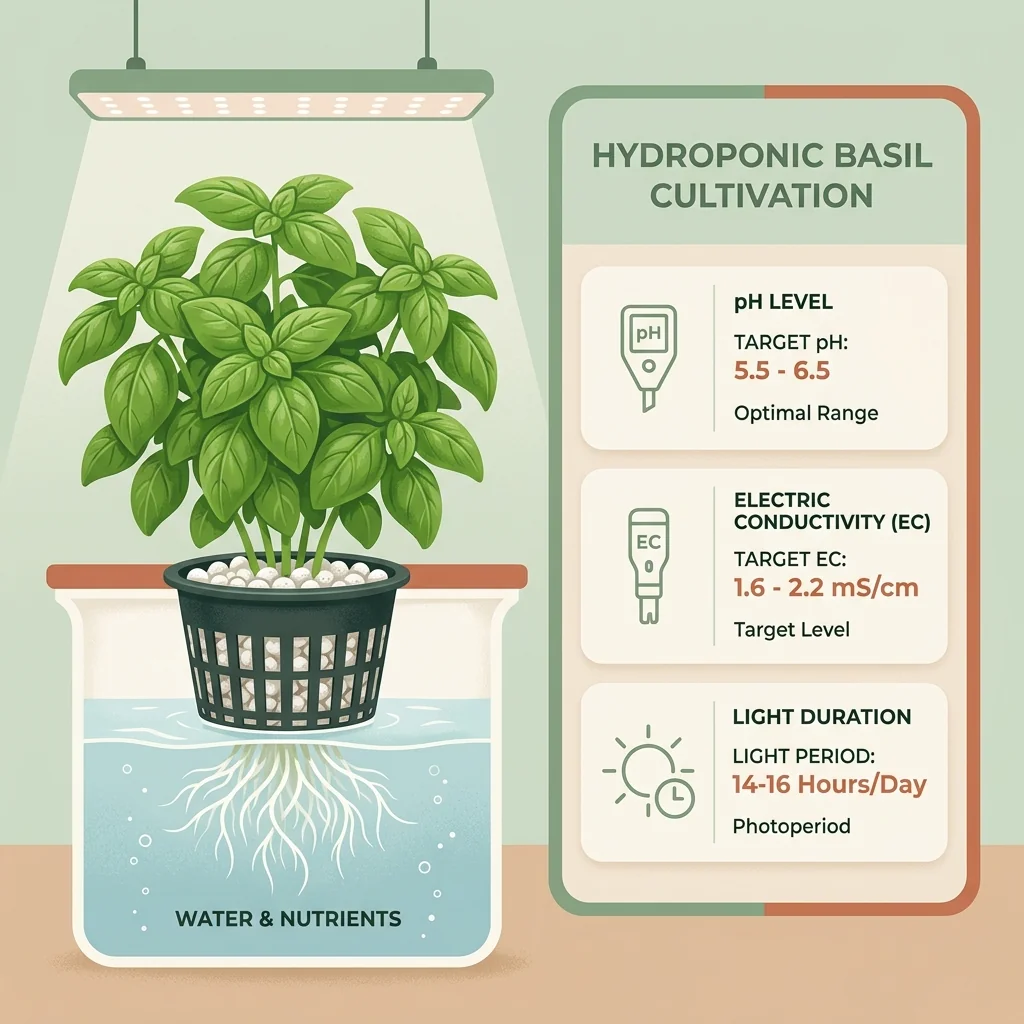
Basil is one of the fastest, most rewarding hydroponic crops once the water chemistry and light are right. Here are the exact EC, pH, and light targets to hit.
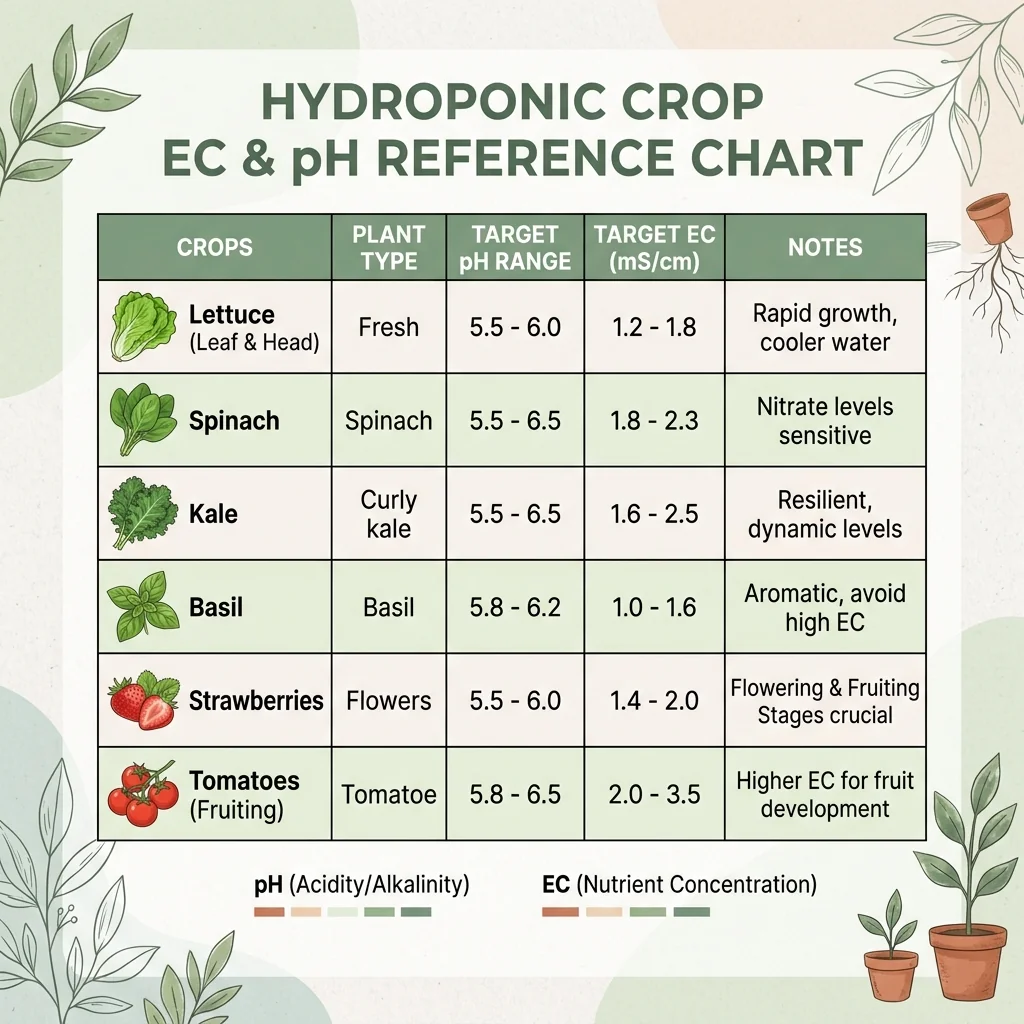
One reference chart for the EC and pH targets of common hydroponic crops, from leafy greens and herbs to fruiting plants, plus how to use the numbers safely.
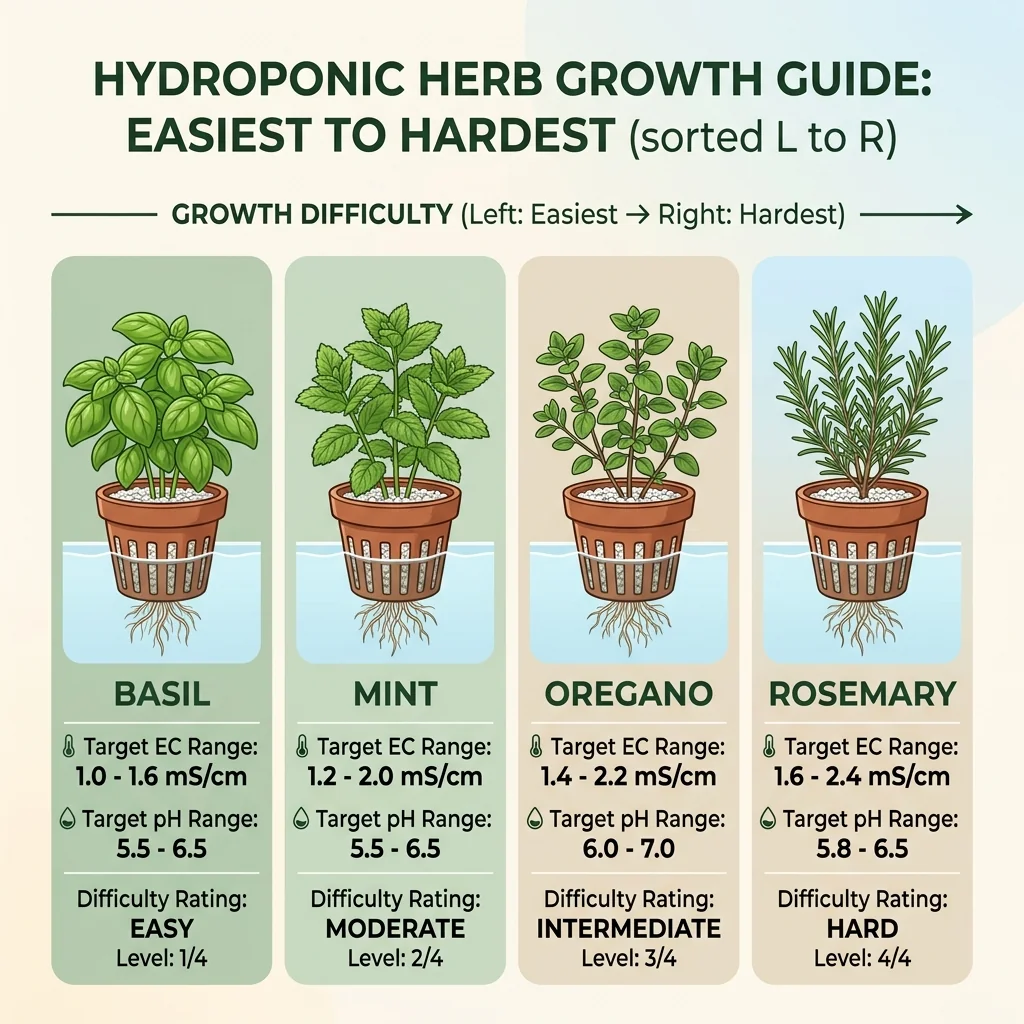
Most soft, leafy herbs thrive in hydroponics, while woody Mediterranean herbs are trickier. Here is a ranked guide to which herbs grow best and how to set them up.
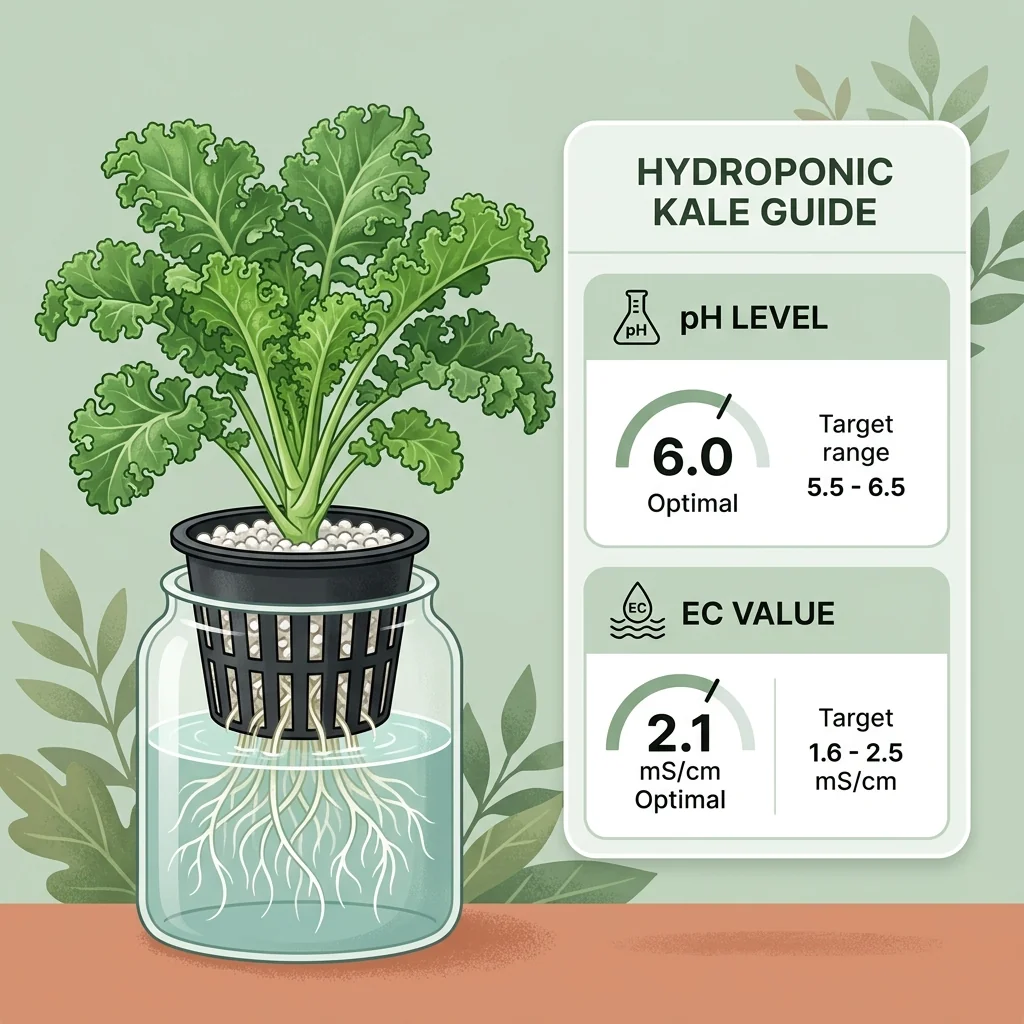
Kale is tough, forgiving, and fast in hydroponics, which makes it a great beginner crop after lettuce. Here are the EC, pH, light, and harvesting basics.
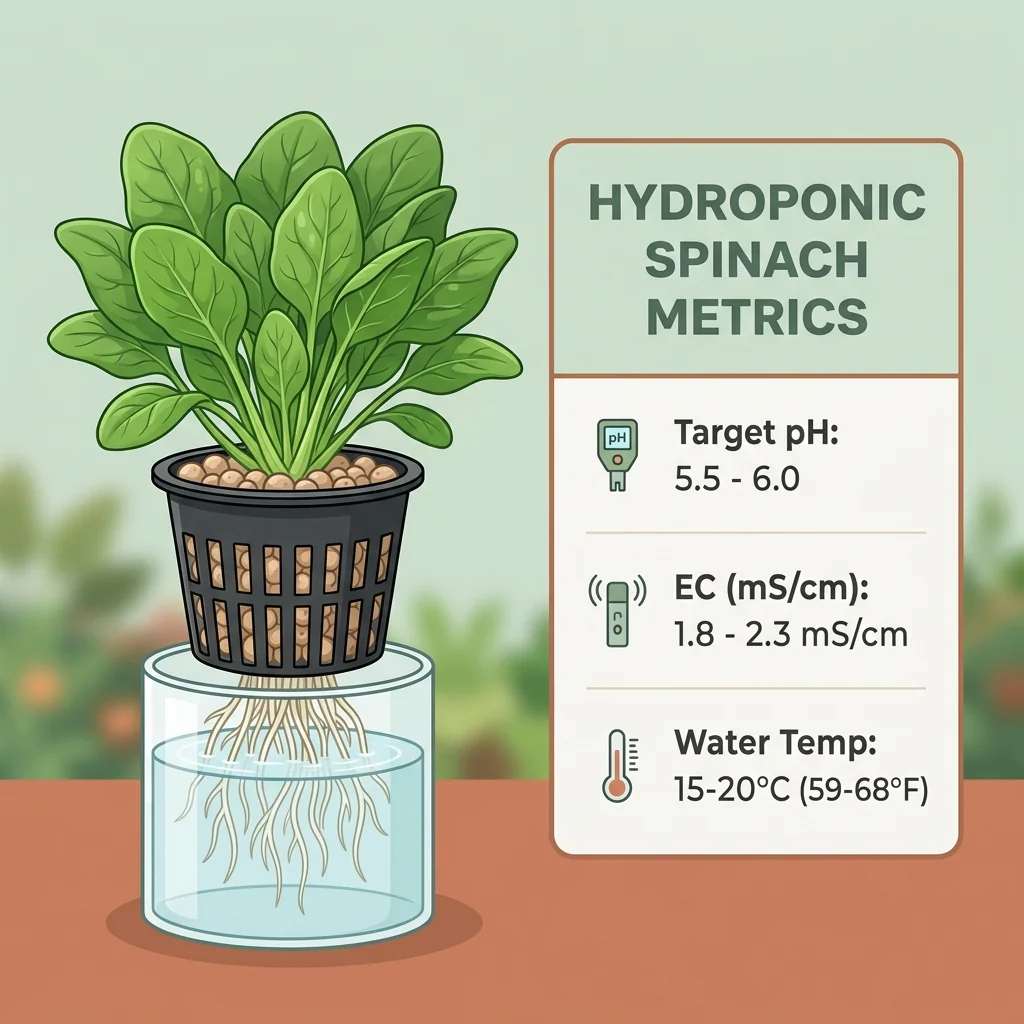
Spinach is a cool-season hydroponic crop that bolts in heat. Get the EC, pH, and especially the temperature right and it stays leafy and productive.
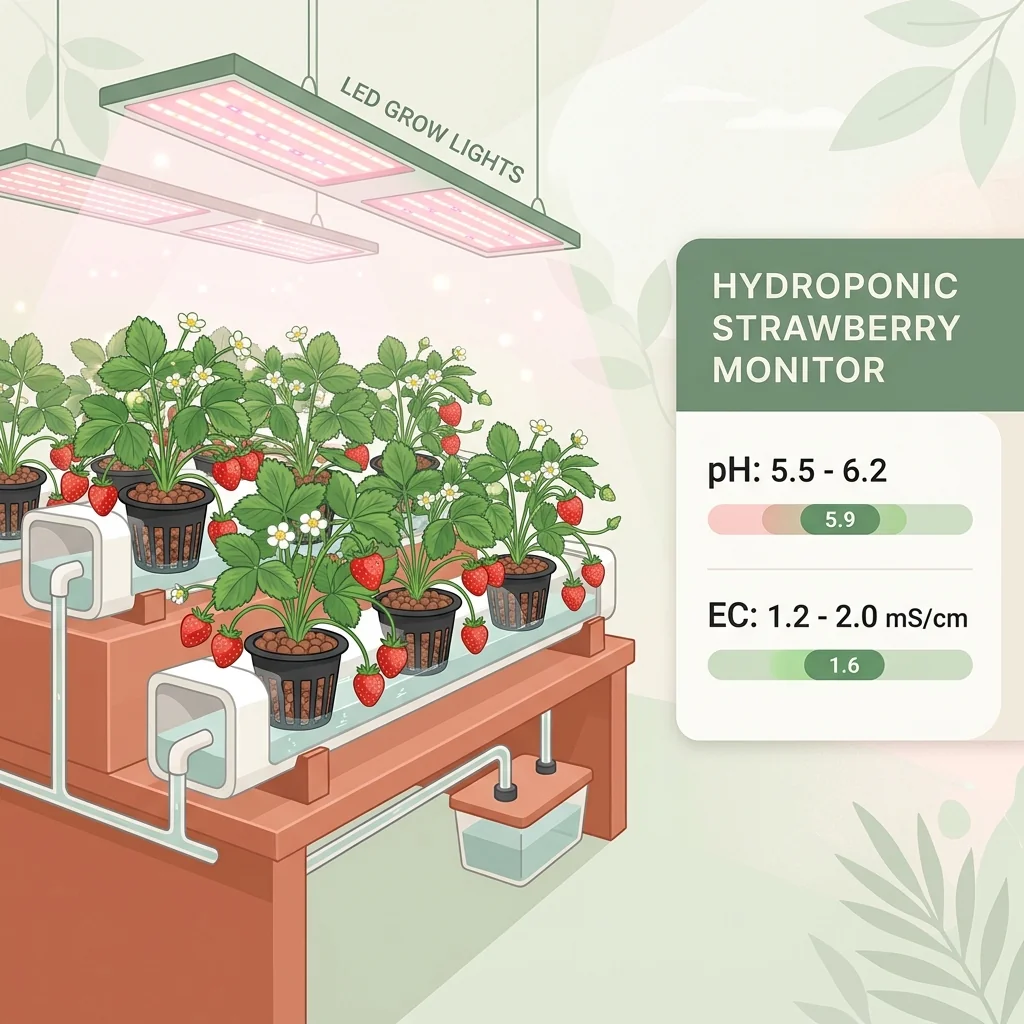
Indoor hydroponic strawberries are rewarding but demanding: they need strong light, hand pollination, and patience. Here is an honest look at whether it is worth it.
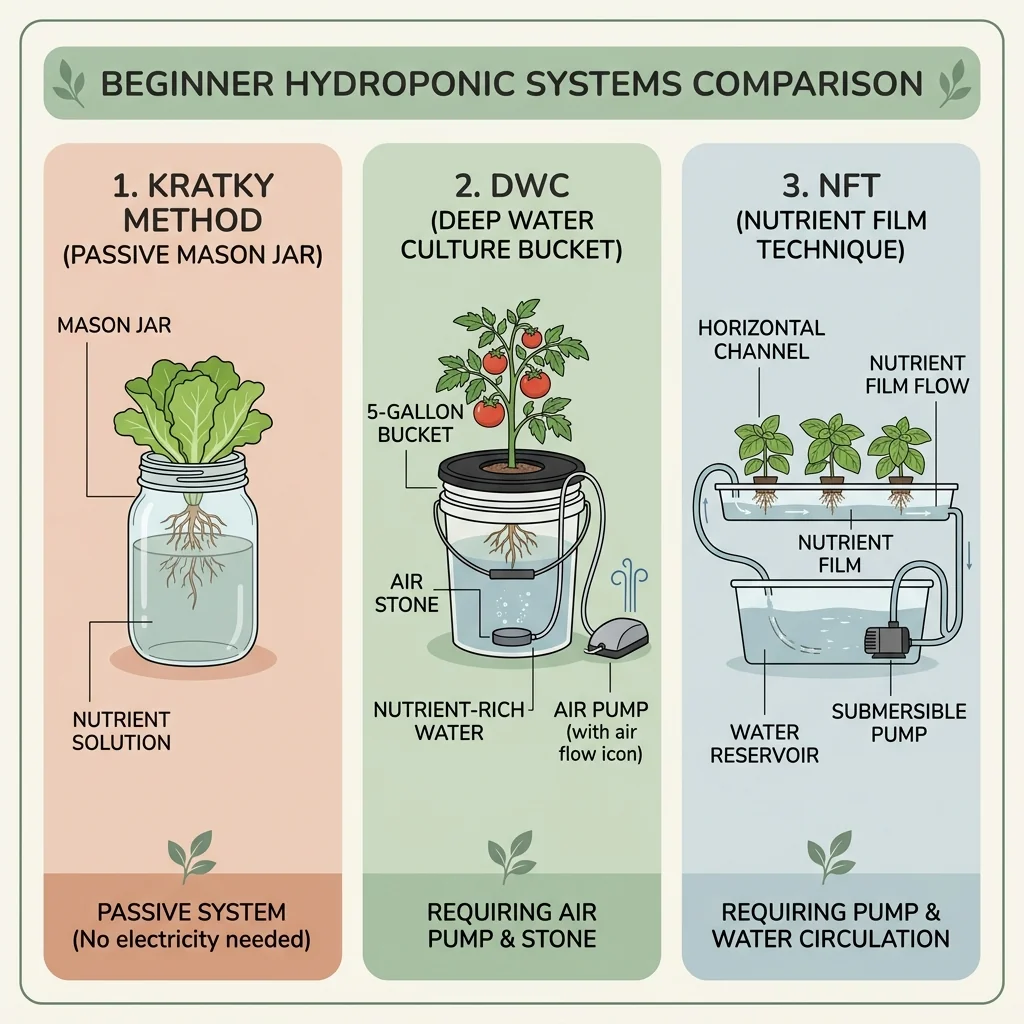
Three systems dominate small-space hydroponics: Kratky, DWC, and NFT. This comparison shows how they differ and which one a beginner should actually start with.
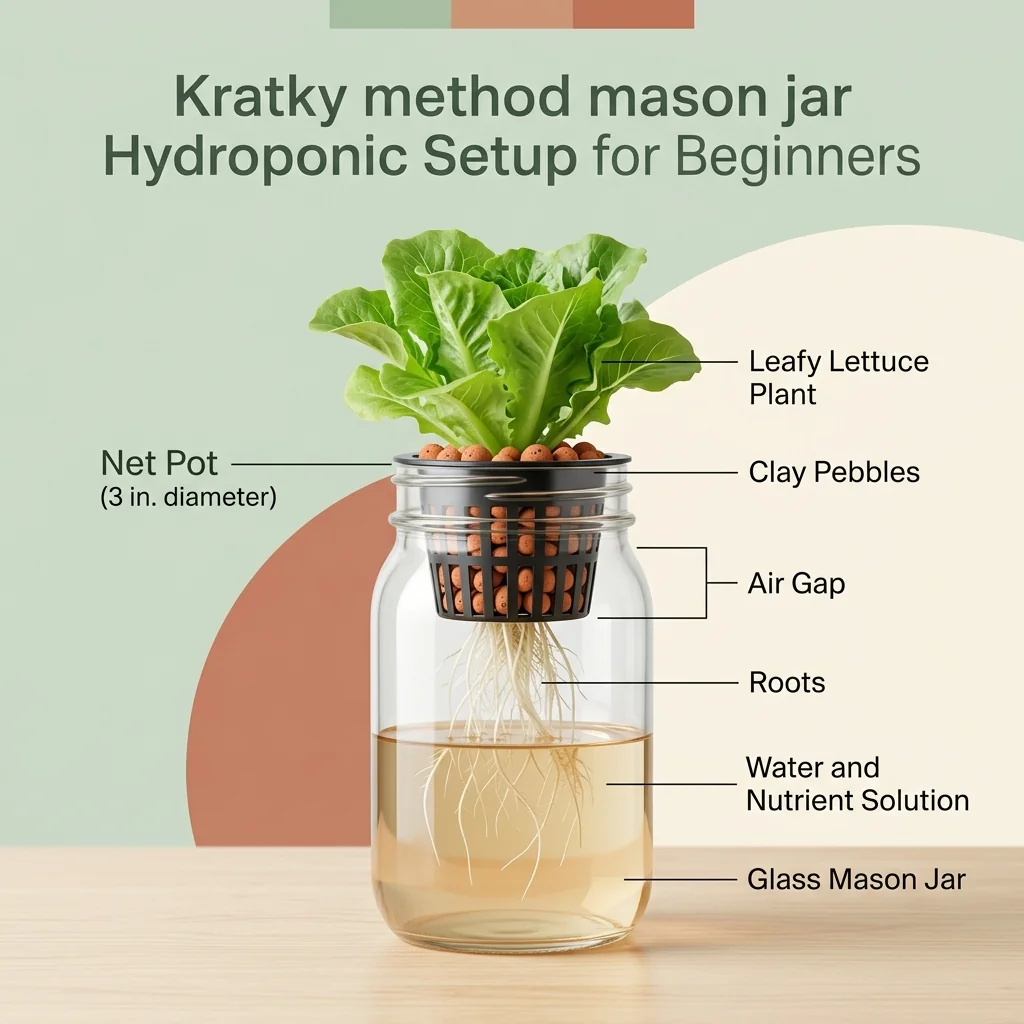
The Kratky method is the simplest way into hydroponics: a container of nutrient solution, a net pot, and no pump or power. Here is how it works and its limits.
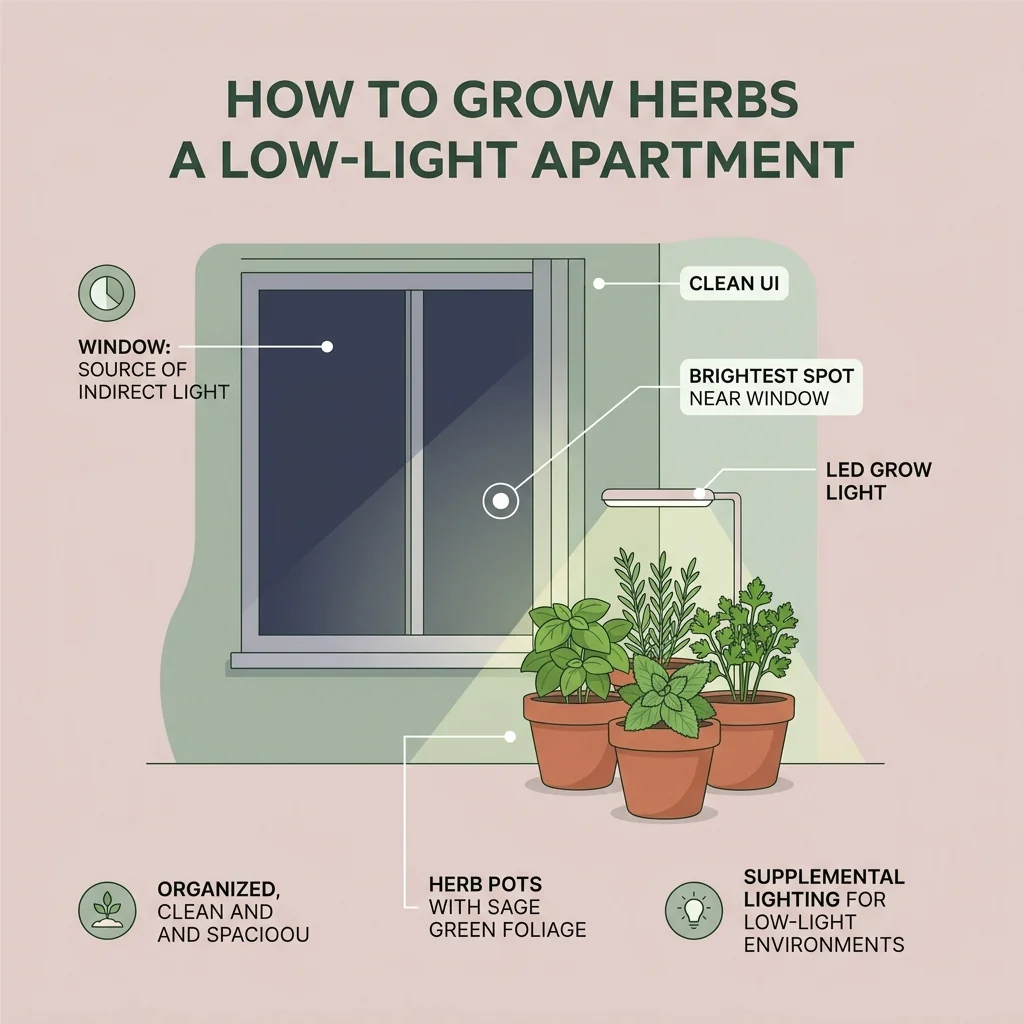
A dark apartment does not rule out herbs, but it changes the strategy. This is a how-to for placement, expectations, and the grow-light decision, not just a herb list.
Growing food in an apartment works when light, containers, crops, and routine are planned together. This is a simple, step-by-step plan to start from scratch.
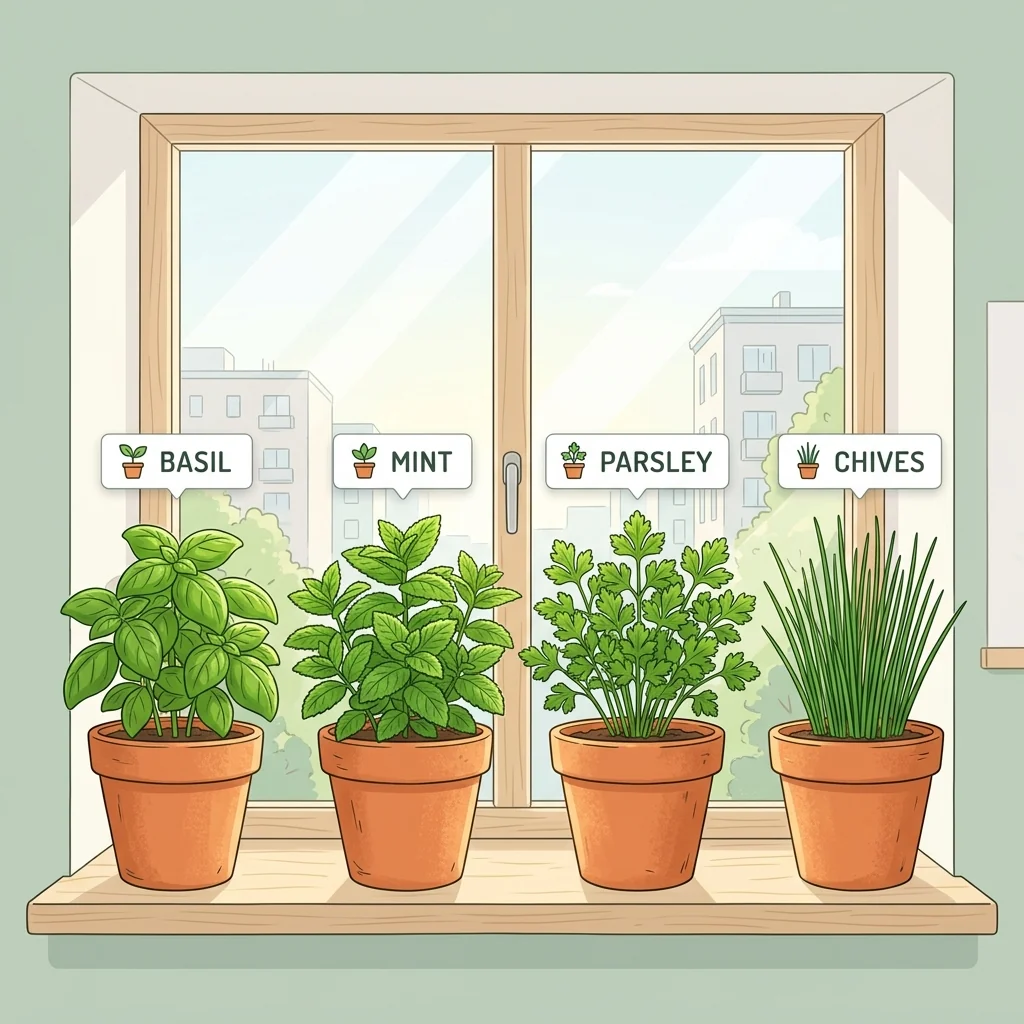
You do not need a yard to grow herbs. These forgiving, compact herbs do well on apartment windowsills and counters, matched to how much light you actually have.
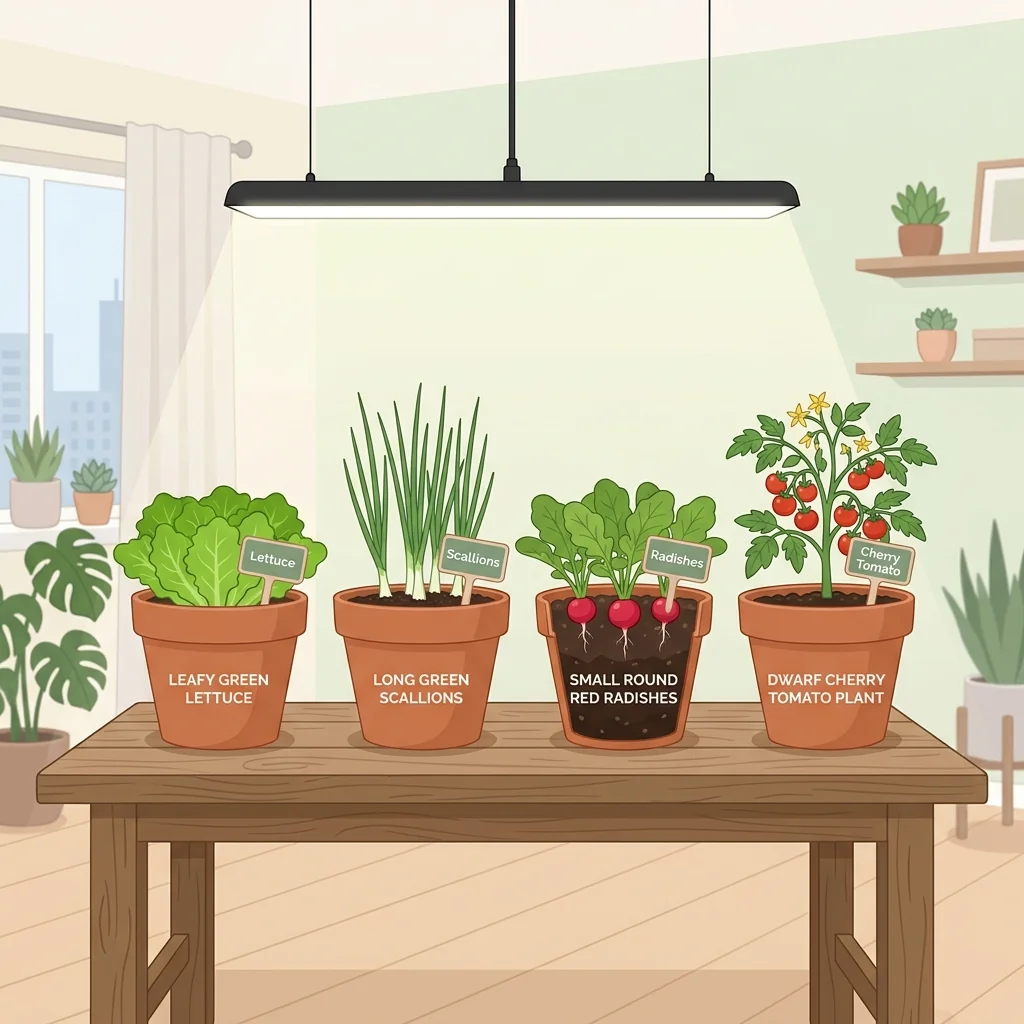
Beyond herbs, plenty of vegetables grow indoors in an apartment. Leafy greens and fast crops are the easy wins; fruiting veg are possible with strong light.
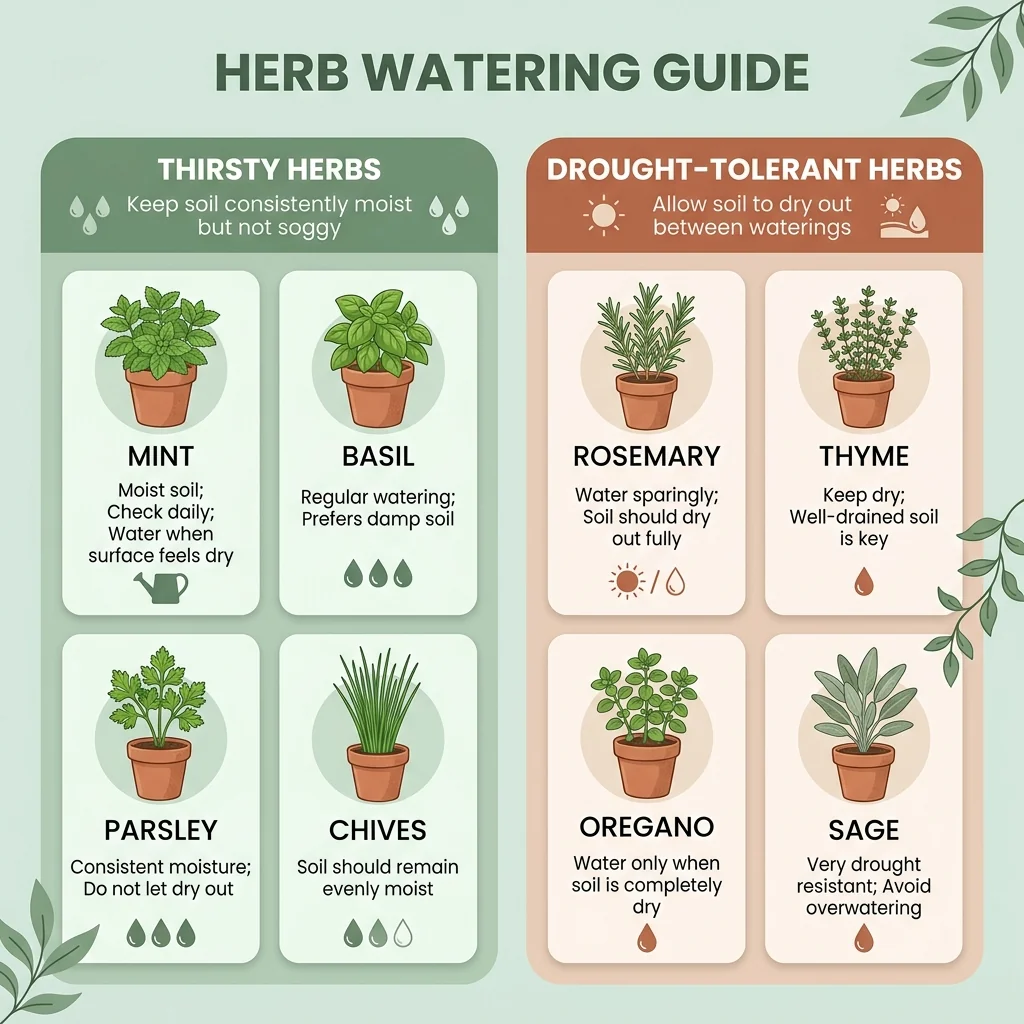
How to water several potted herbs at once: which camp each herb belongs to, which pot to check first, and how to tell a dry wilt from a wet one.
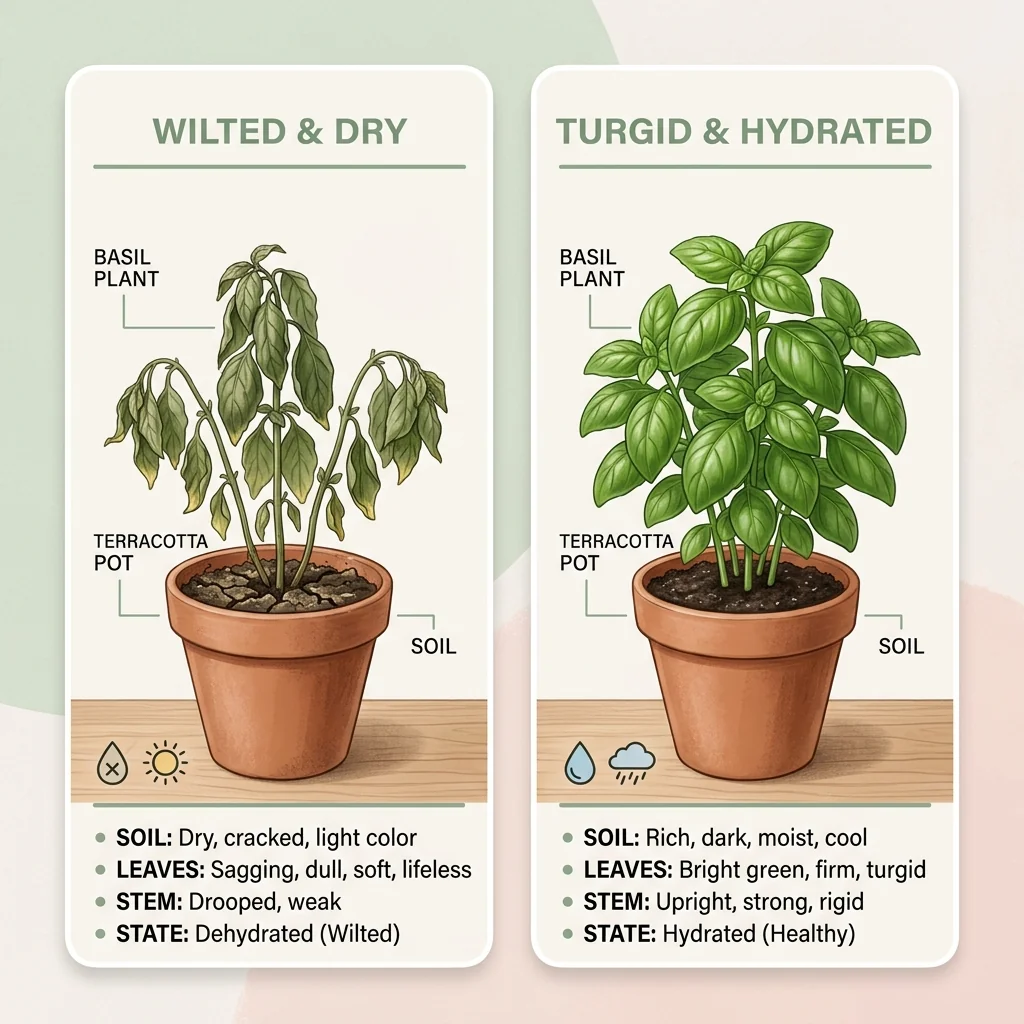
Potted basil often needs water every one to three days, but the reliable trigger is a drying upper root zone plus a lighter pot—not a repeating alarm.
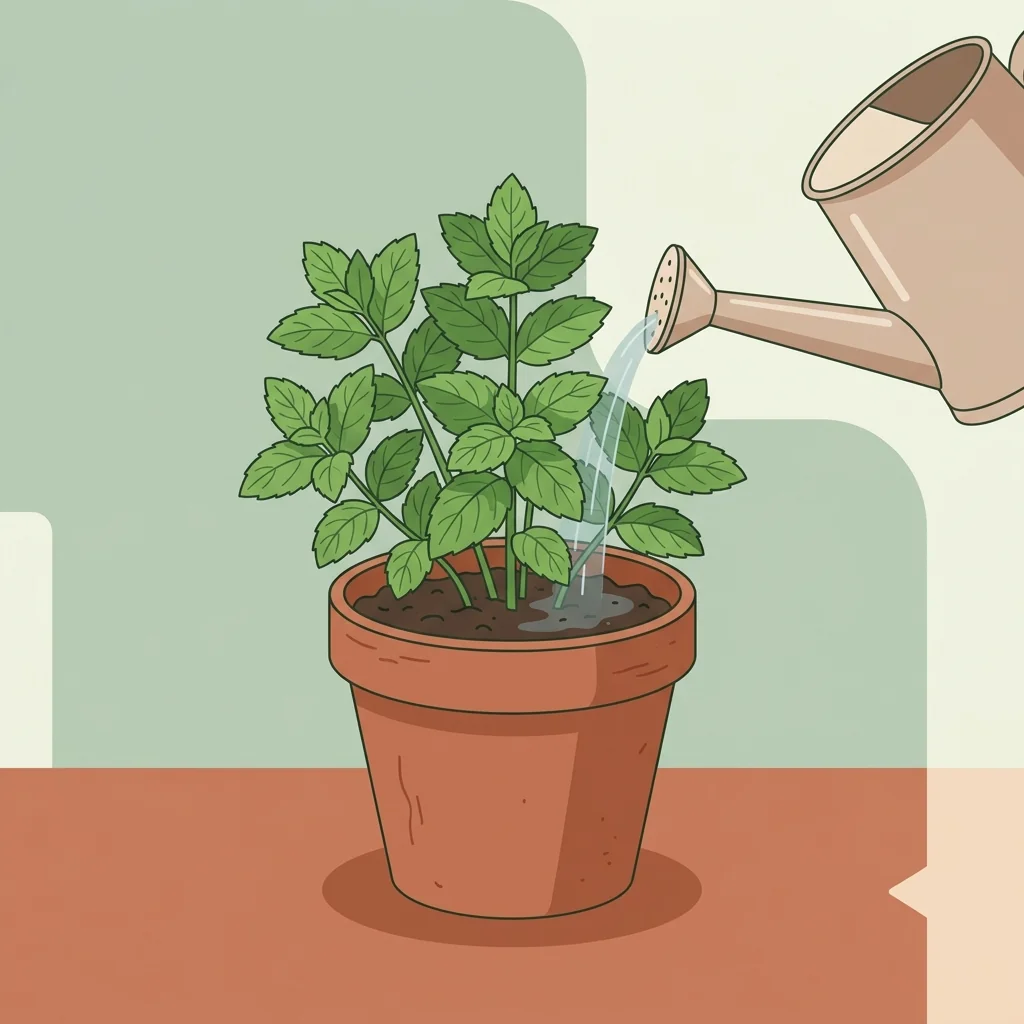
Mint is thirstier than most herbs and sulks when it dries out. Keep the soil lightly and consistently moist, and it will grow as fast as you can pick it.
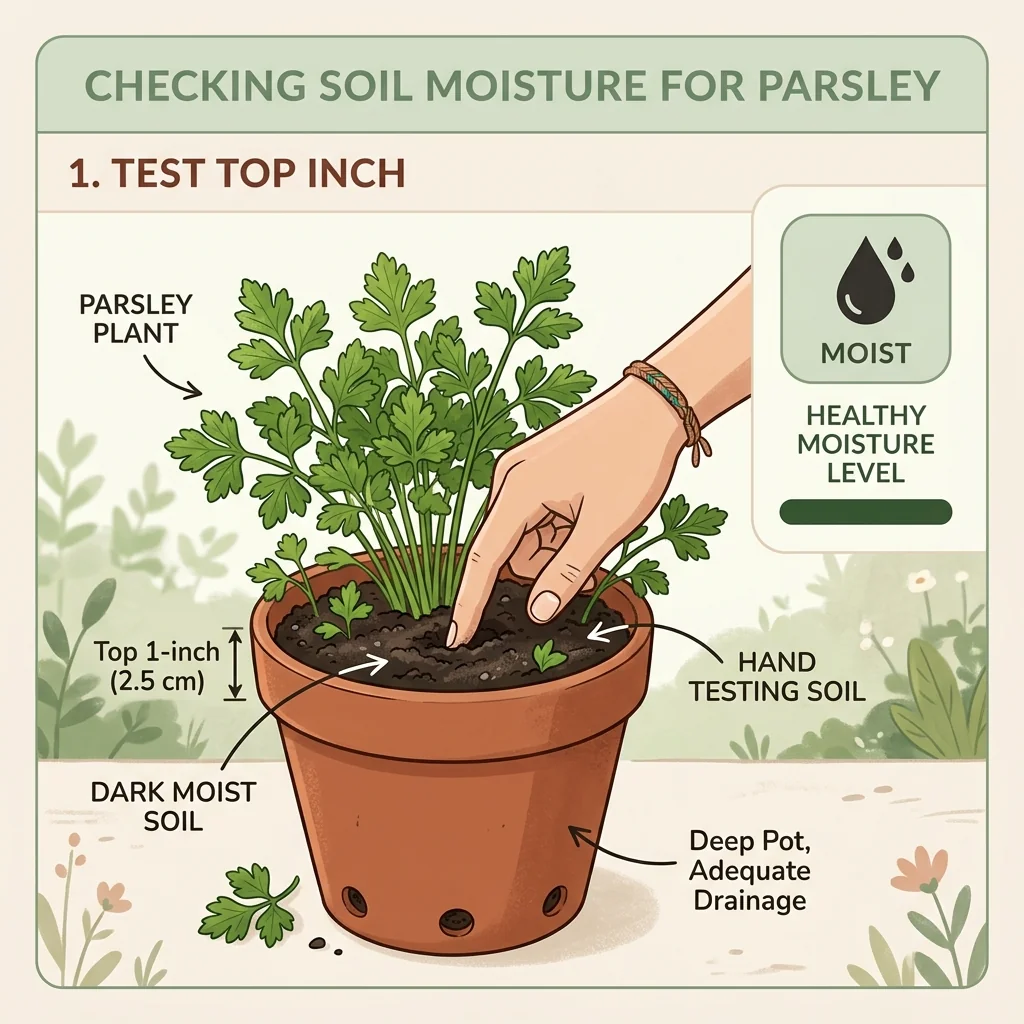
Parsley sits in the middle of the watering scale: it wants steady moisture for its taproot but not soggy soil. Water when the top inch dries and it stays lush.
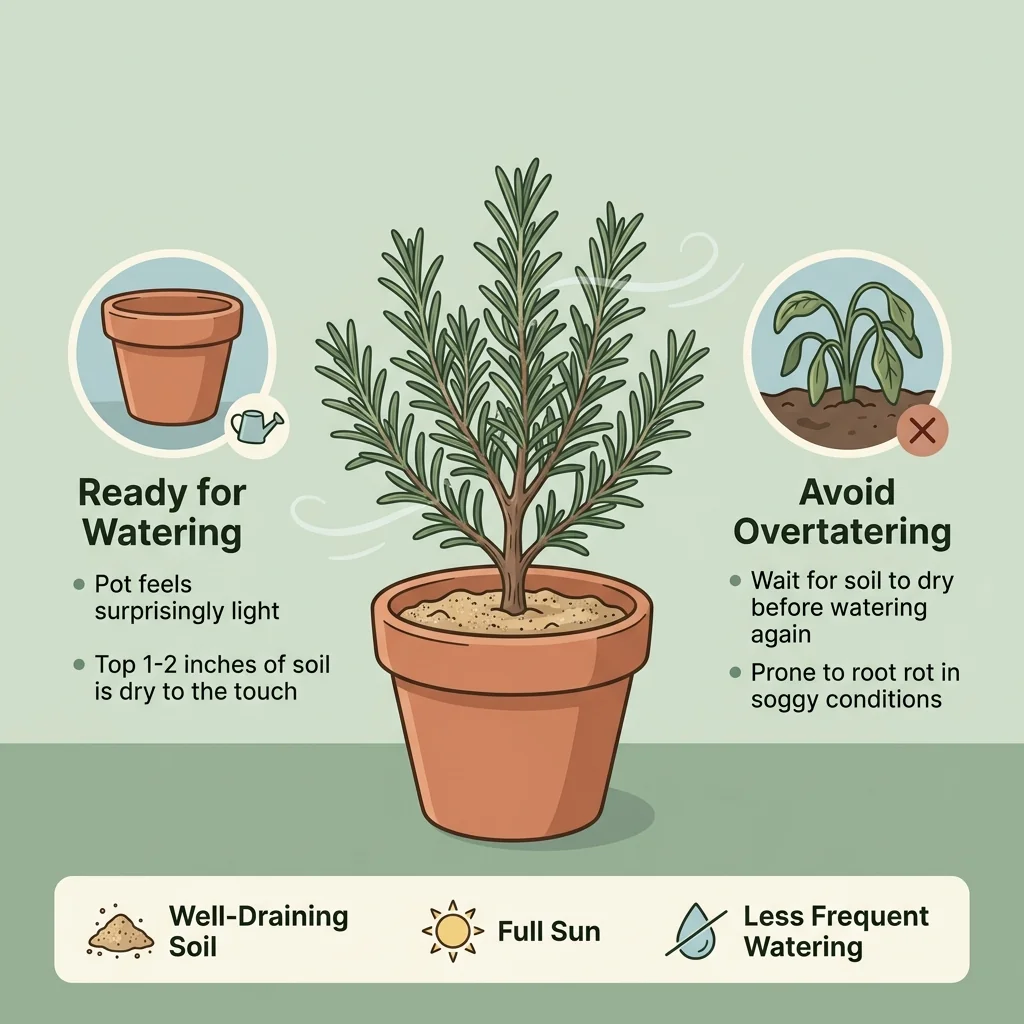
Rosemary kills more gardeners with kindness than neglect. Water it deeply but infrequently, only once the soil has dried, and it will thrive on the dry side.
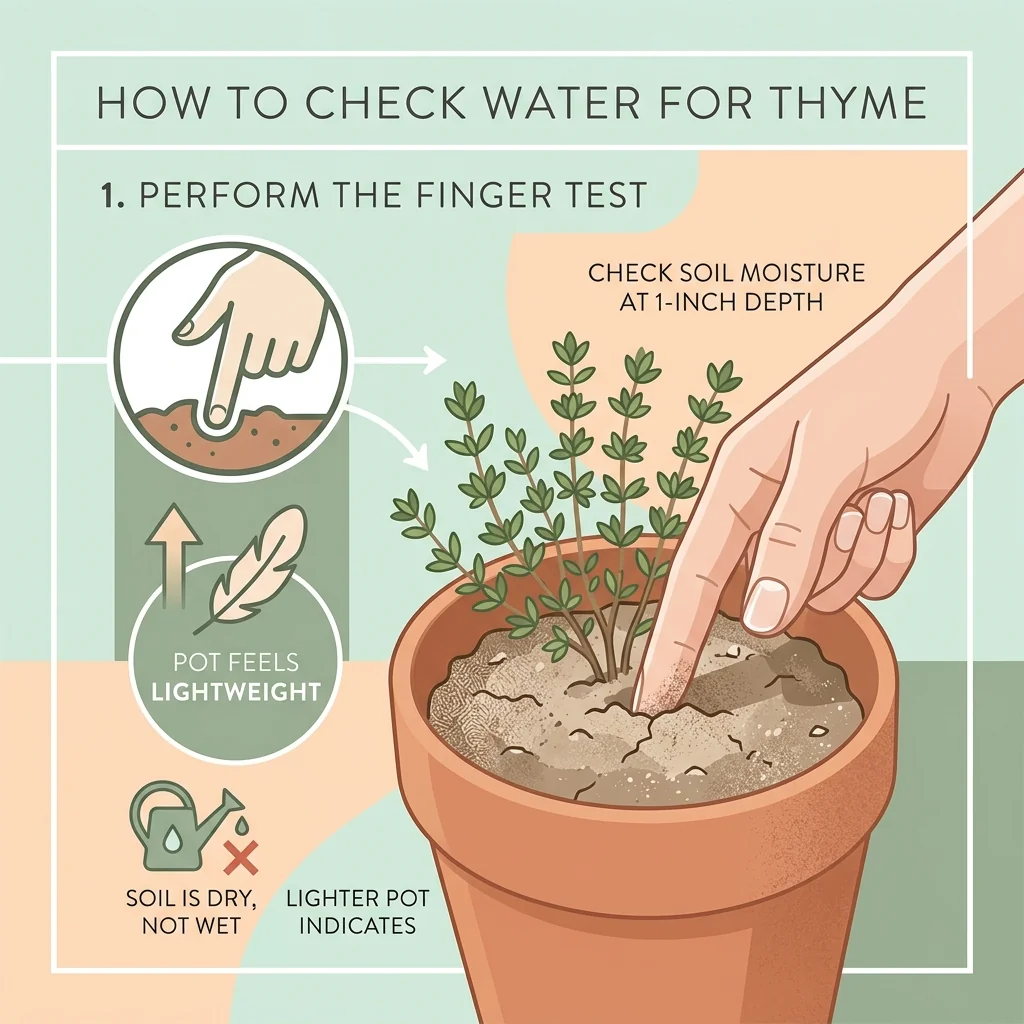
Thyme is a Mediterranean herb that hates wet feet. Water it only when the pot feels light and the soil is dry, and it will reward you for the neglect.
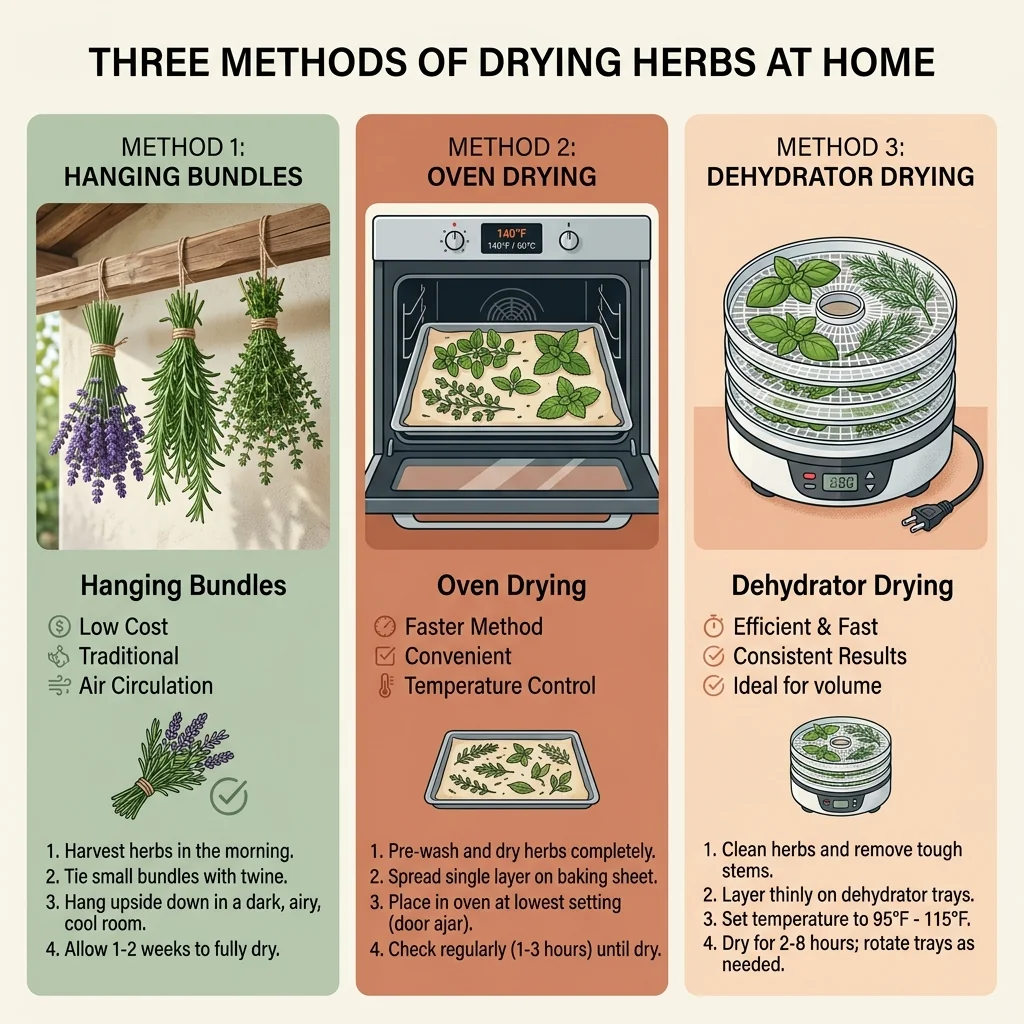
Drying is the best way to preserve woody herbs like rosemary, thyme, and oregano. Here are three methods, the temperatures to use, and which herbs to skip.
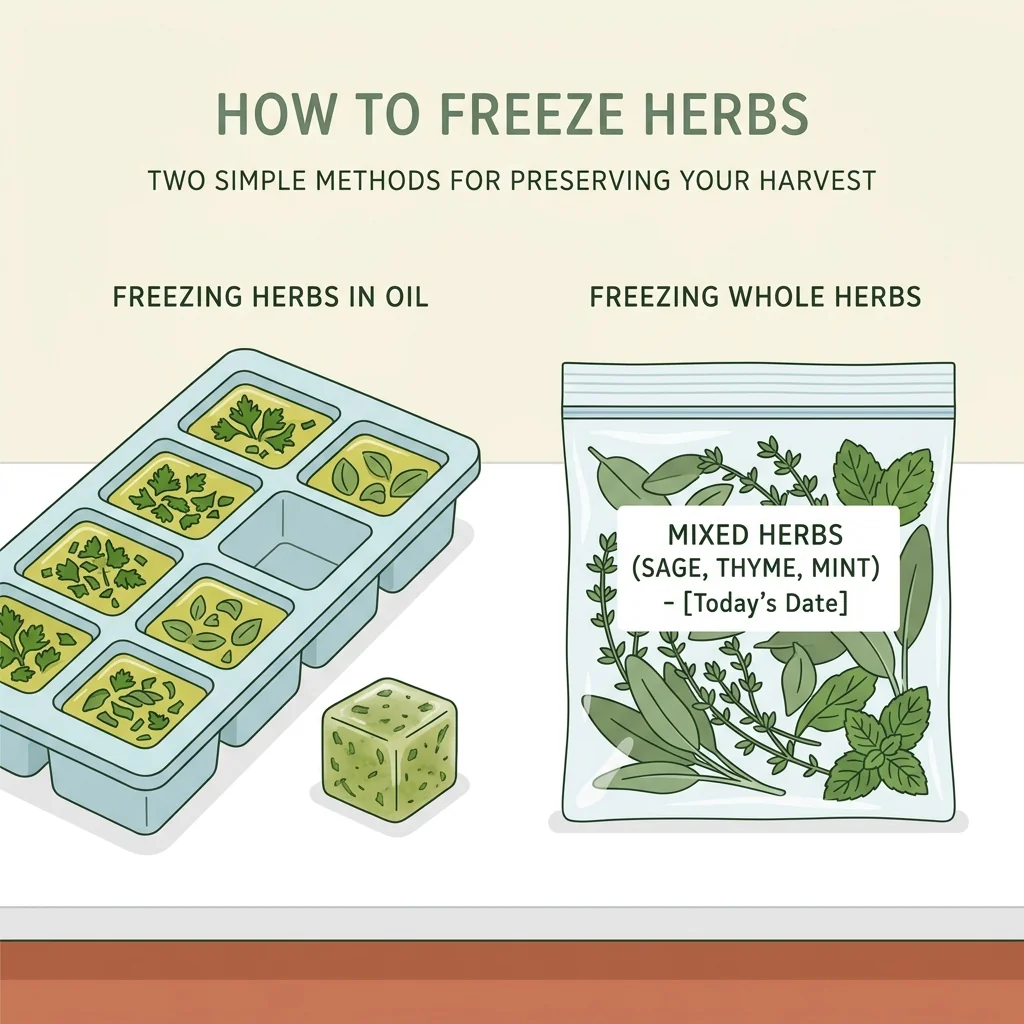
Freezing beats drying for soft herbs. Chopped into oil-filled ice cube trays or frozen whole, basil and parsley keep far more of their fresh flavor.
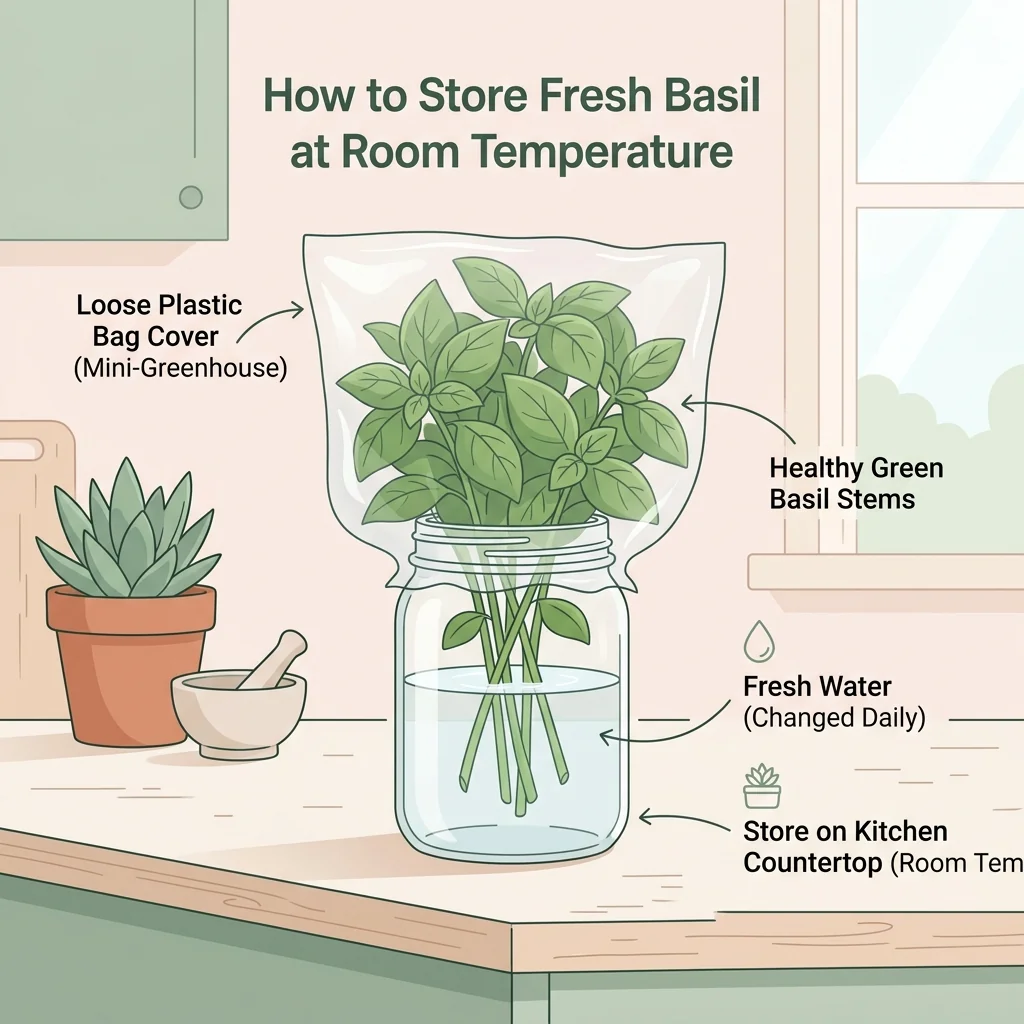
Basil is cold-sensitive, but storage also depends on whether it is a rooted plant, cut stems, or loose leaves. Use this test-and-inspect method.
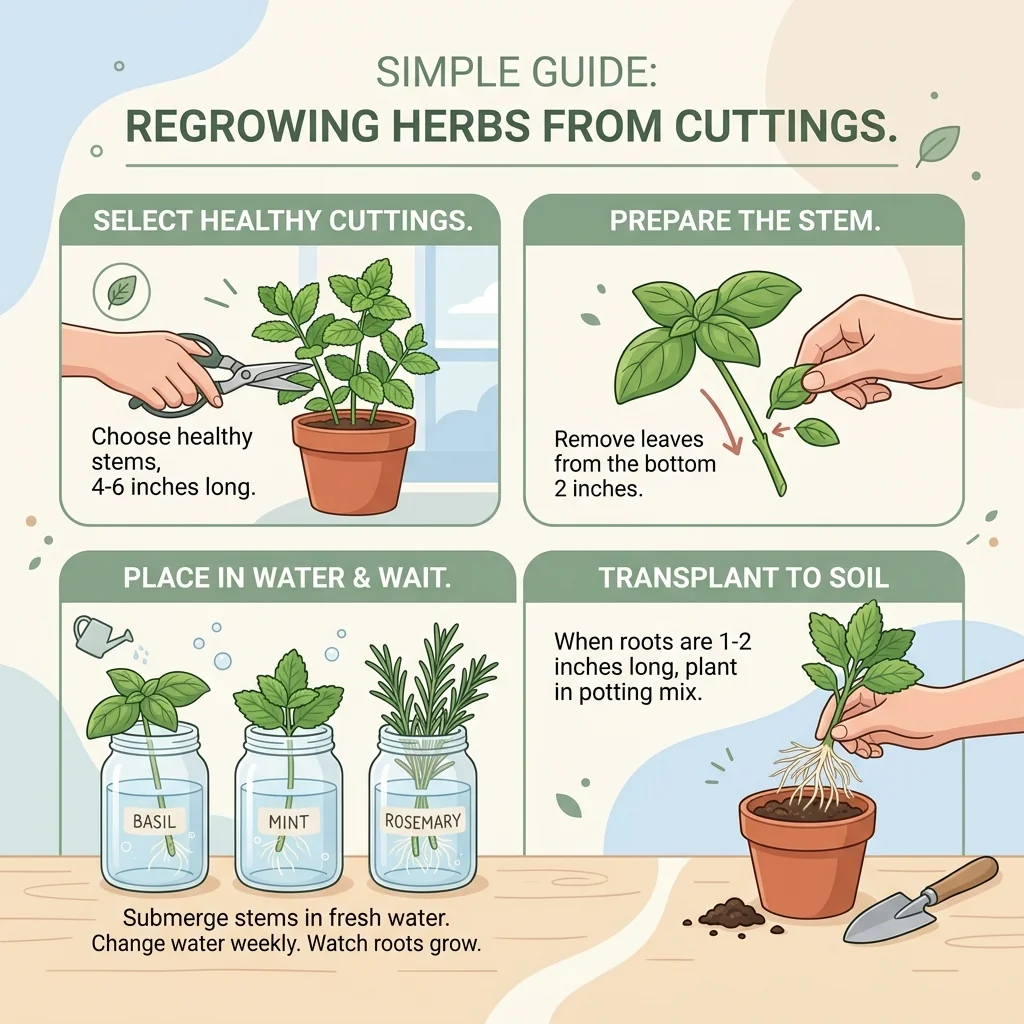
Many herbs root from a simple stem cutting in a glass of water. It is the cheapest way to turn one plant, or a supermarket bunch, into many.
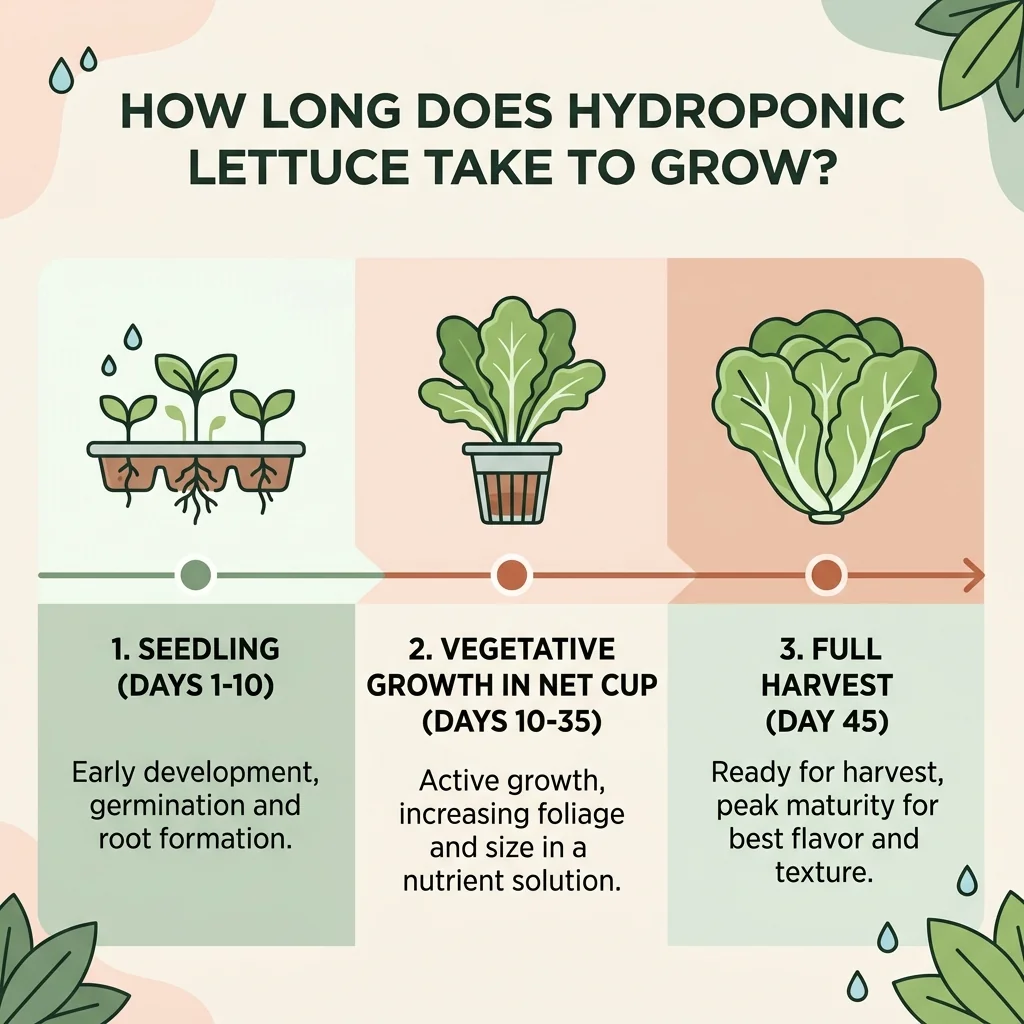
Plan roughly 45 to 55 days from seed for a home hydroponic lettuce crop, then use roots, leaf count, head size, and variety to decide each transition.
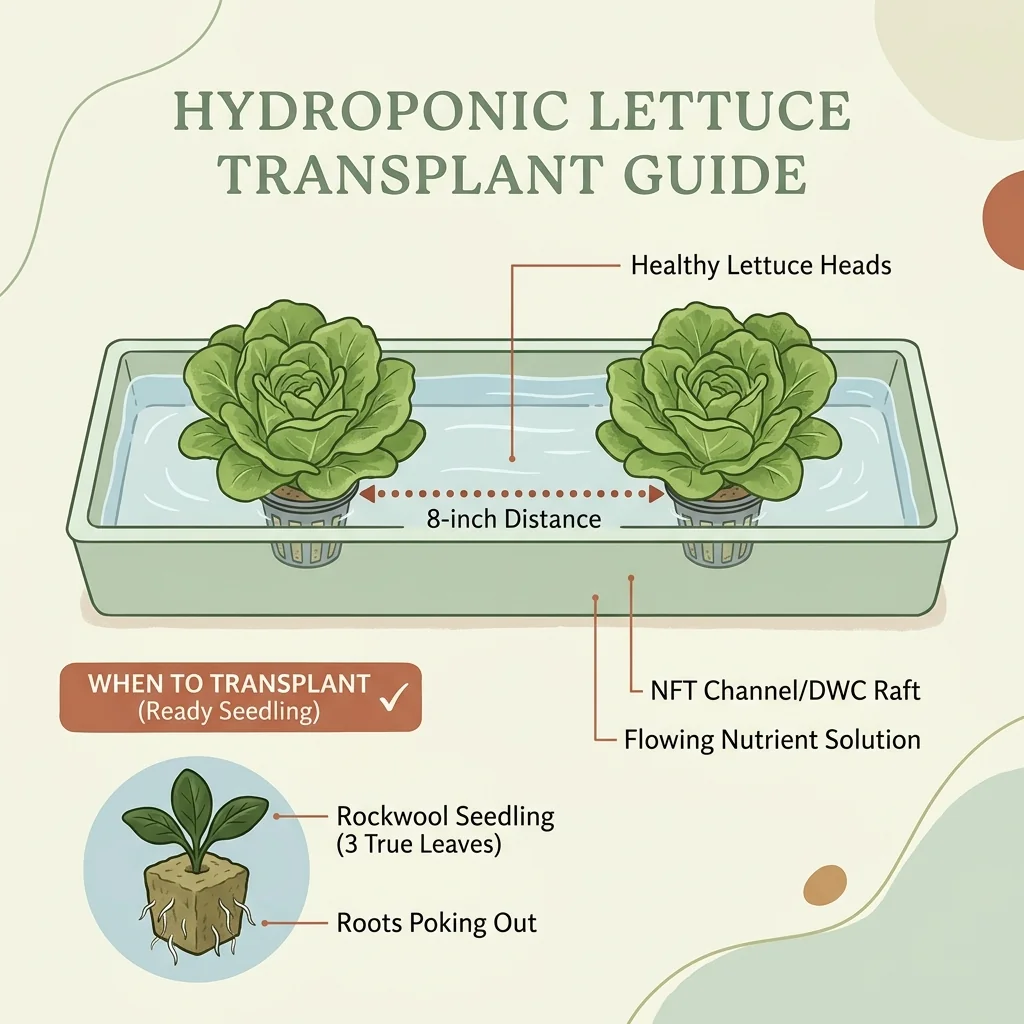
Moving your fragile seedling from the nursery tray to the main hydroponic system is a high-risk maneuver. If you move it a day too early, it will drown. If you plant the heads too close together, they will choke each other out. Here are the exact metrics for a perfect transplant.
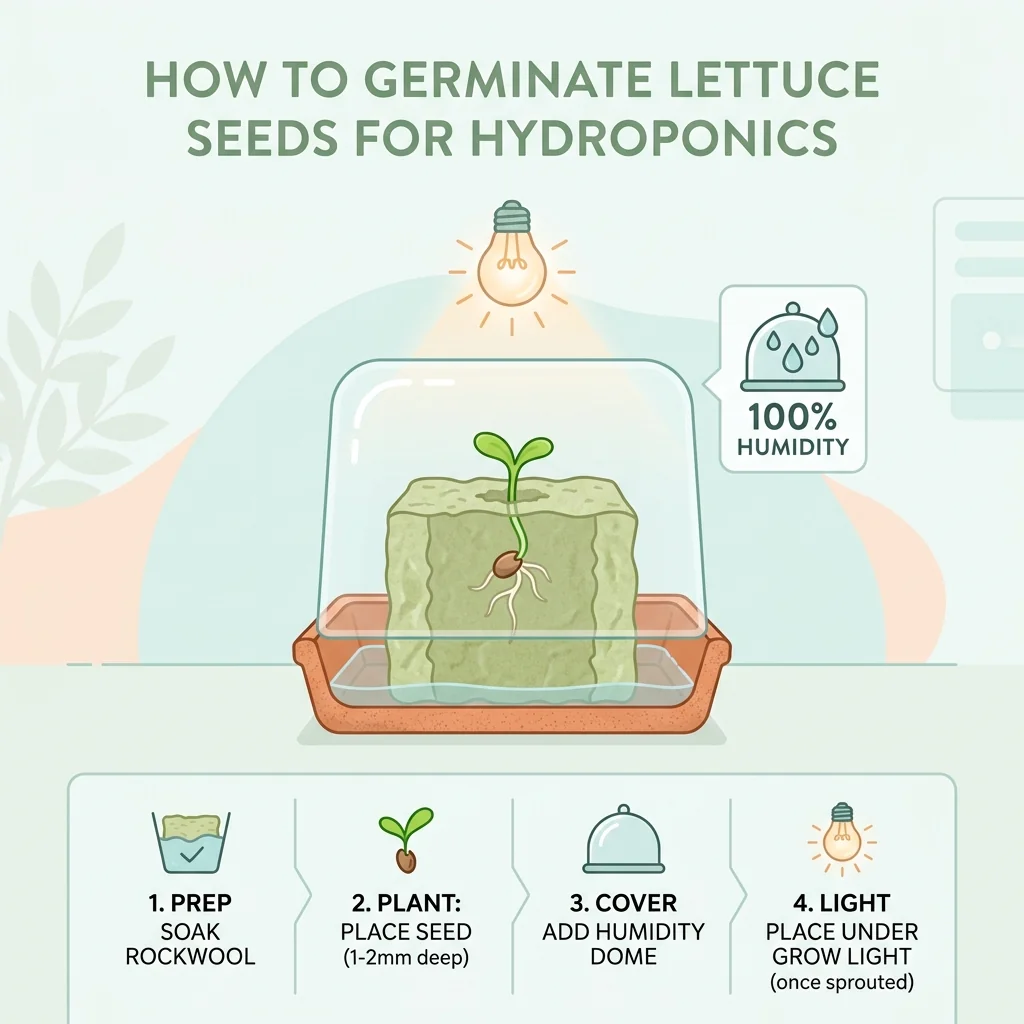
You cannot start hydroponic seeds in potting soil. The dirt will wash off into your reservoir, clogging your pump and causing a massive bacterial bloom. Here is the sterile, foolproof method to start seeds for water-based growing.
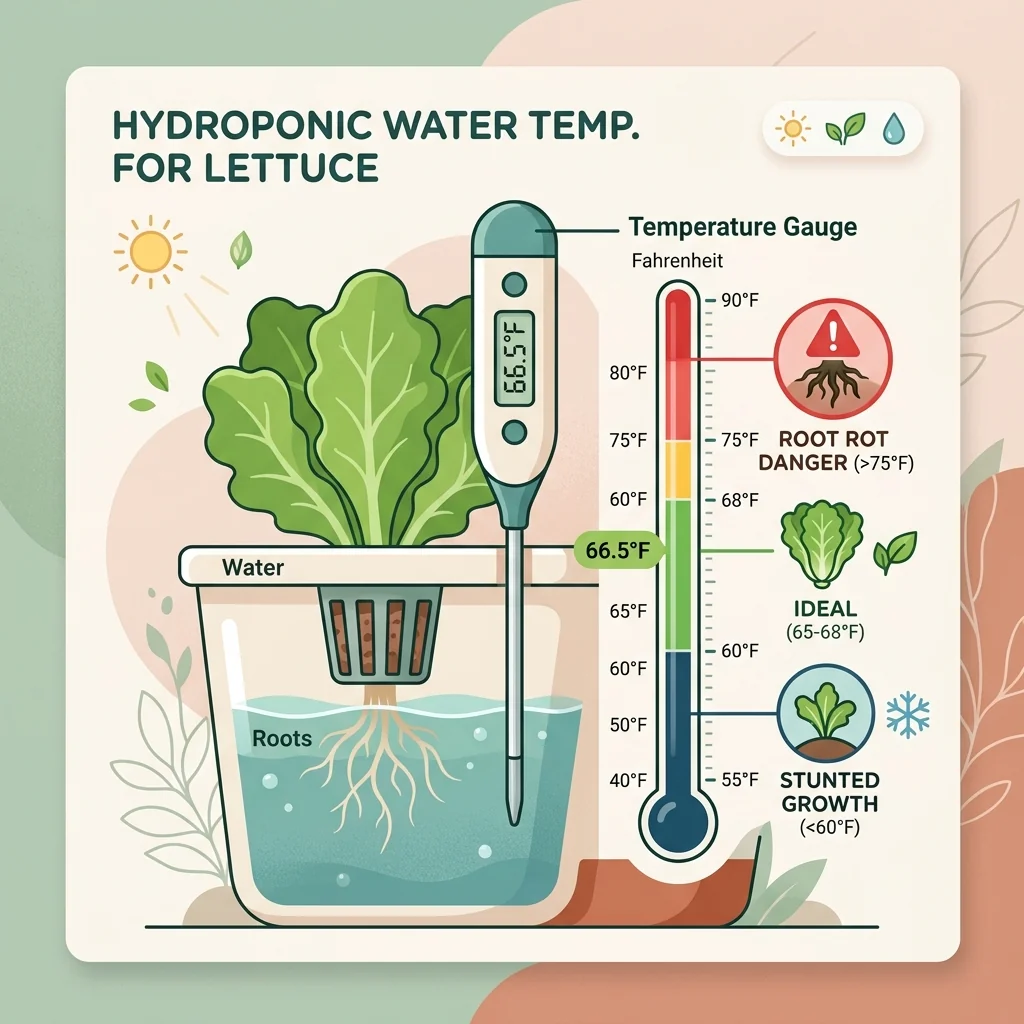
You can have perfect pH, perfect nutrients, and a massive air pump. But if your hydroponic reservoir is sitting at 80°F, your lettuce is actively suffocating. Here is why water temperature dictates everything in hydroponics.
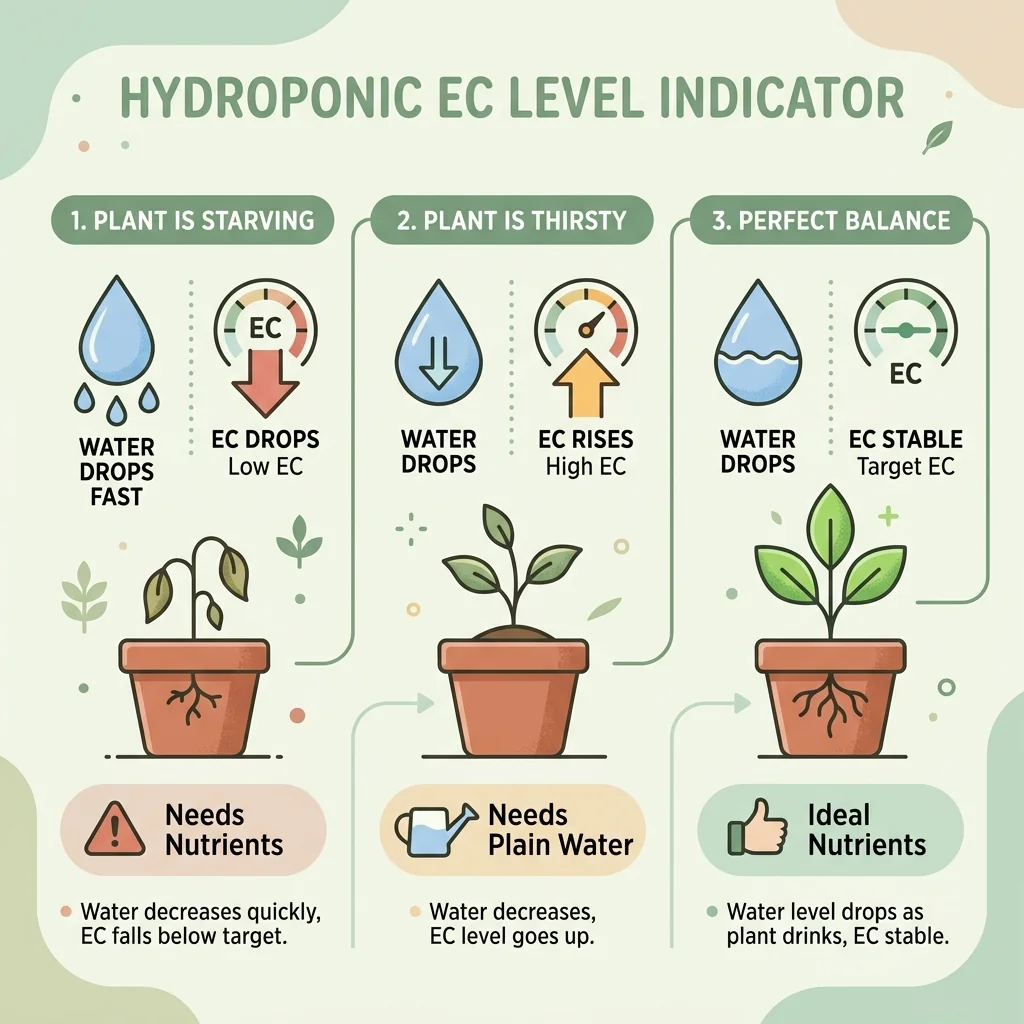
Your EC meter is a direct line of communication with your plants. By observing how the EC changes in relation to the water level, you can instantly determine if your plants are thirsty, starving, or perfectly balanced.
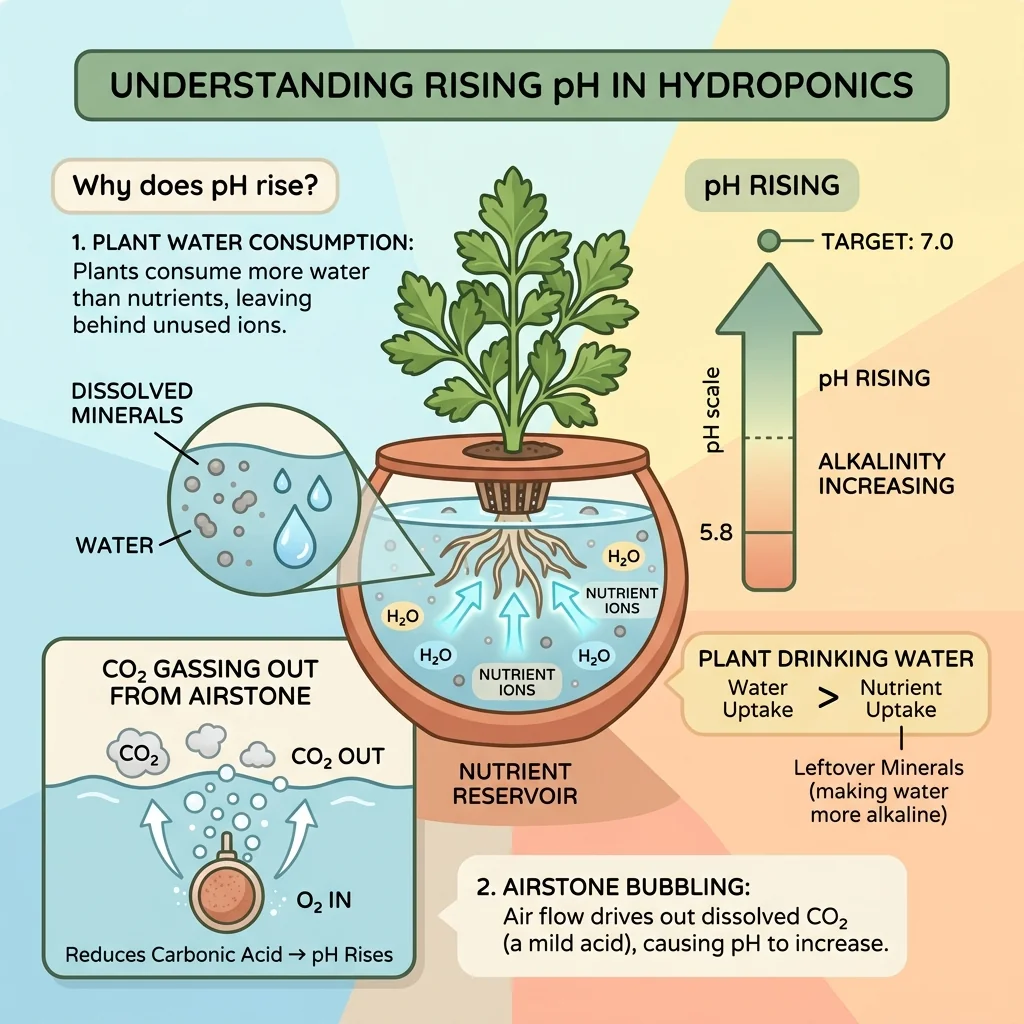
You balanced your hydroponic reservoir to a perfect 5.8 pH. Two days later, it has drifted back up to 6.8. This constant upward drift is the bane of hydroponic growers. Here is the chemistry behind why it happens and how to fix it.
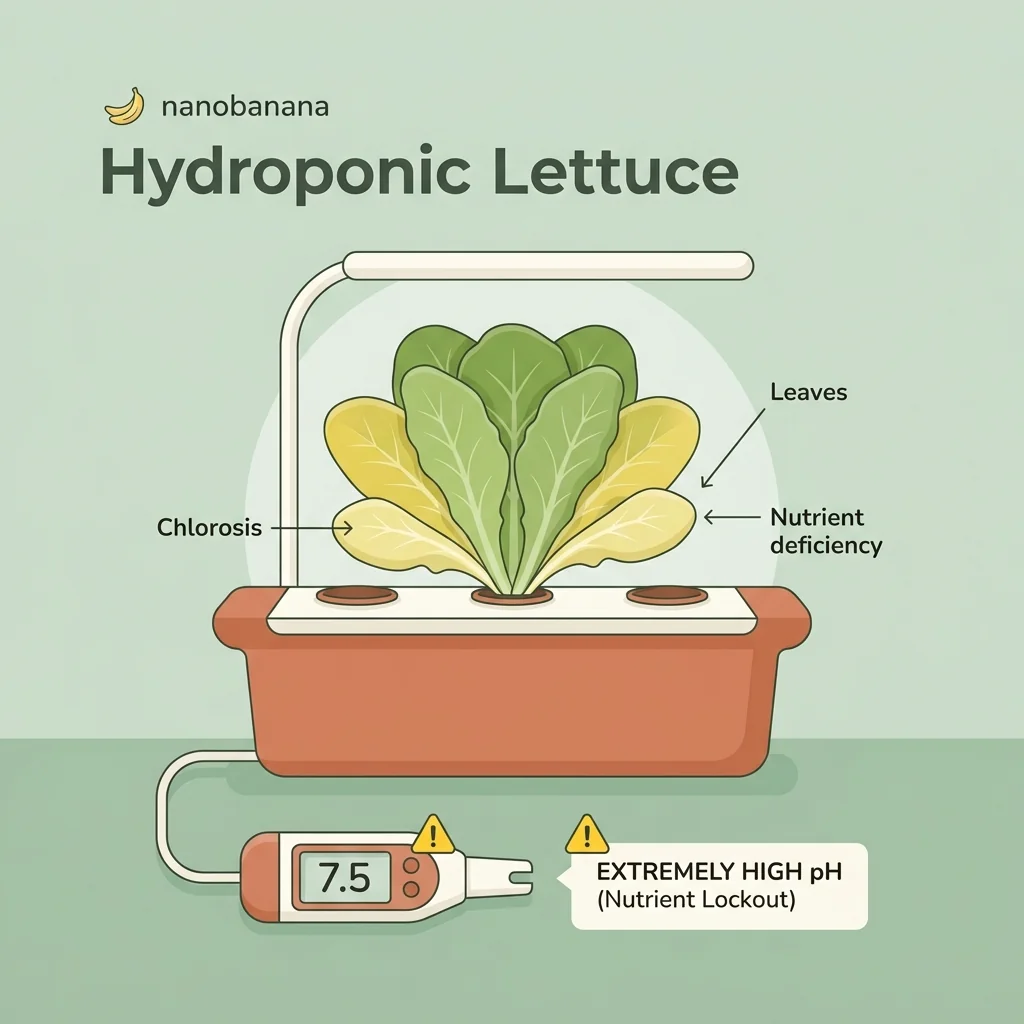
A thriving hydroponic lettuce head should be a vibrant, deep green. If your entire crop is turning a sickly, pale yellow, the plants are starving. Here is a step-by-step diagnostic framework to find the exact cause and rescue the crop.
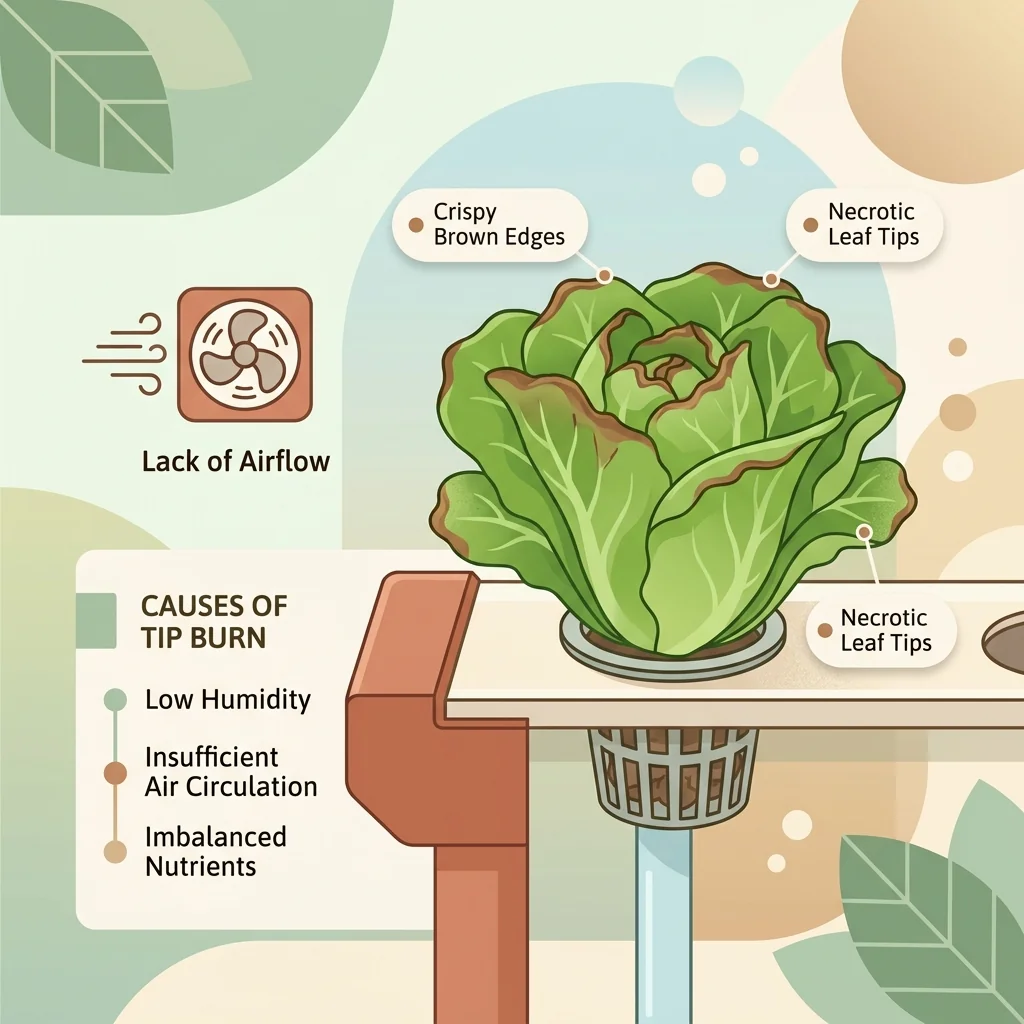
It is the most frustrating problem in indoor hydroponics: your lettuce looks perfect until the very edges of the youngest leaves turn brown and die. This is Tip Burn, and it is almost never caused by the nutrients in your reservoir.
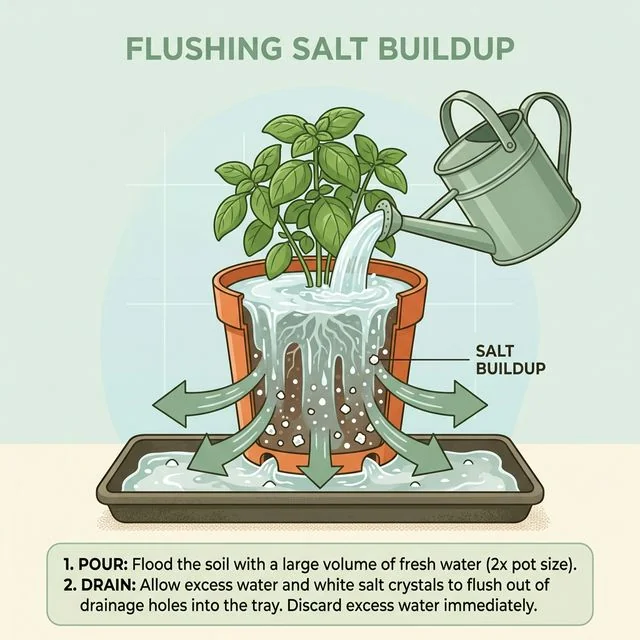
Every time you water your plants with liquid fertilizer, you are leaving heavy chemical salts behind. If you don't periodically wash them out, your herbs will suffer from chemical burn and nutrient lockout.
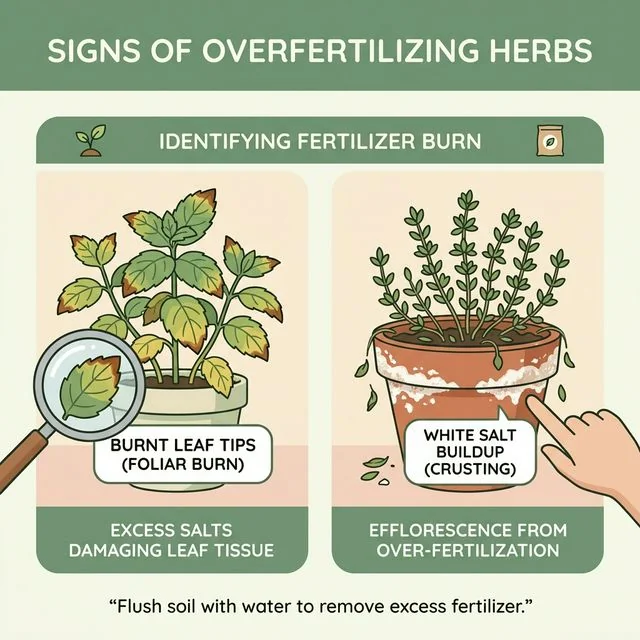
It is incredibly tempting to pour extra fertilizer on a slow-growing herb plant. But unlike humans, plants don't 'eat' fertilizer—they 'eat' sunlight. Forcing excess chemical salts into the soil will burn the roots and kill the plant.
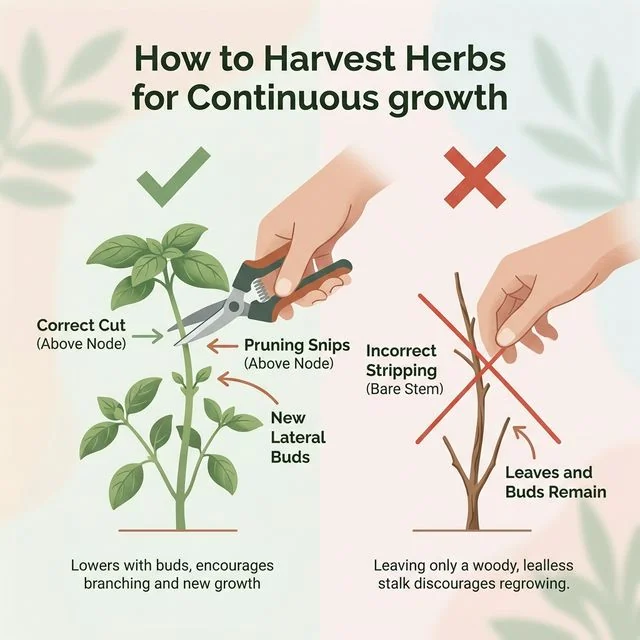
The fastest way to destroy an indoor herb plant is to harvest it incorrectly. If you just pull random leaves off the stem, the plant will eventually go bald and die. Here is the exact botanical method to harvest your herbs so they yield endlessly.
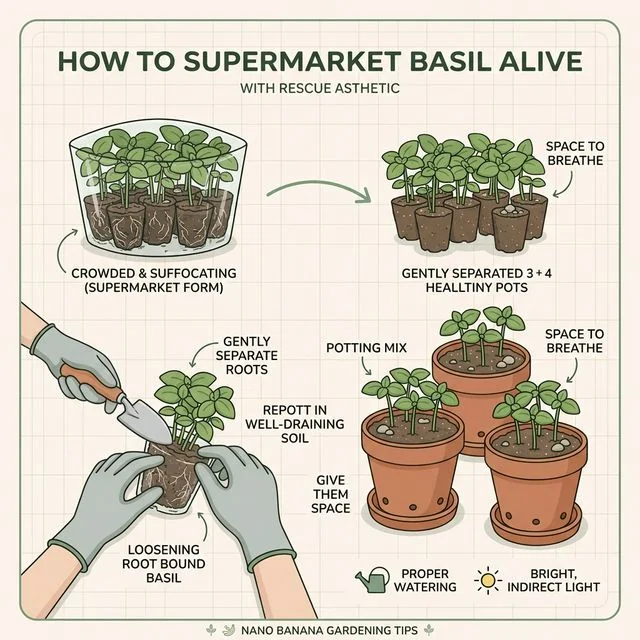
We have all done it. You buy a beautiful, lush basil plant from the produce aisle to make pesto. You put it on your windowsill, and exactly 12 days later, it collapses and dies. Here is why the supermarket set you up to fail, and exactly how to rescue the plant.
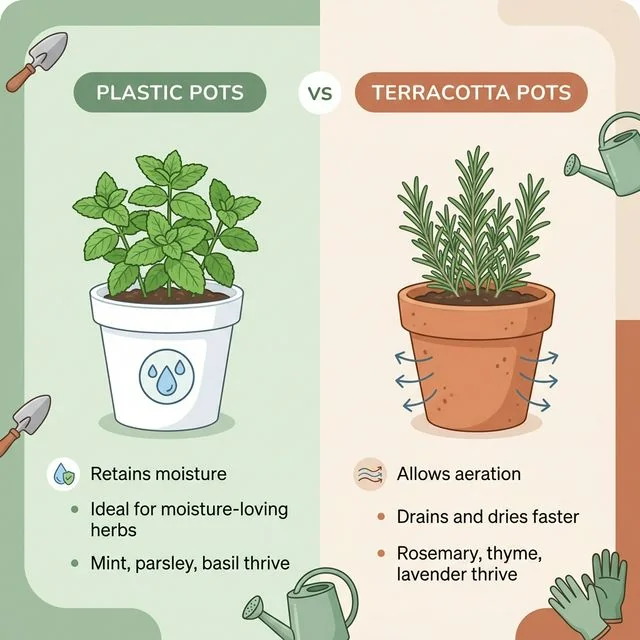
The material of your pot dictates how fast your soil dries out. If you put a thirsty mint plant in unglazed terracotta, you will be watering every single day. If you put rot-prone rosemary in a plastic pot, you must be extremely careful.
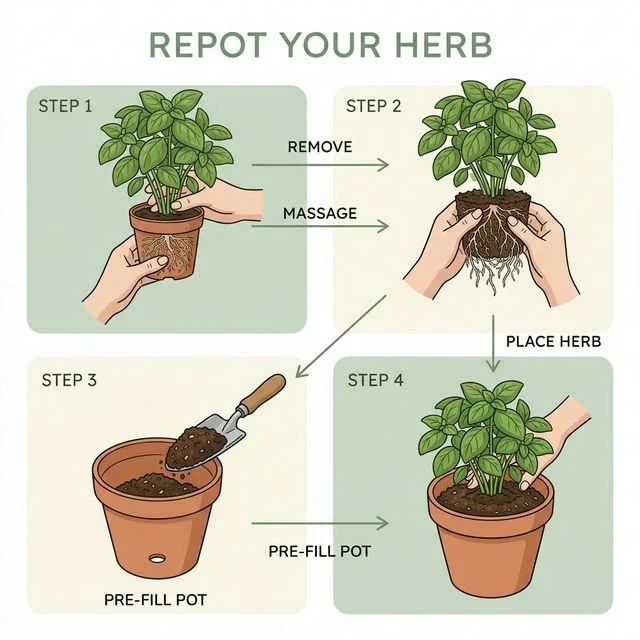
Moving an herb to a bigger pot should trigger a massive growth spurt. If your plants wilt and drop leaves after repotting, you are suffering from transplant shock. Here is how to upgrade your container without stressing the roots.
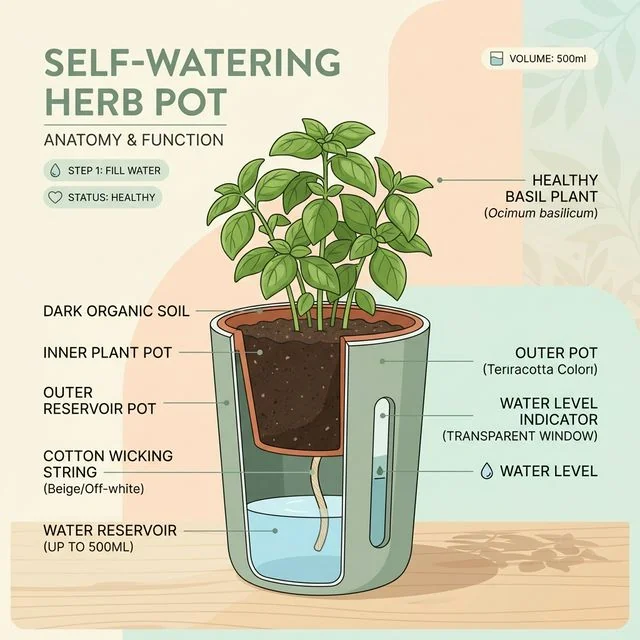
Self-watering pots sound like the holy grail for busy gardeners. While they are fantastic for moisture-loving herbs like mint, they can quickly turn into a swamp of rotting roots for drought-tolerant plants like rosemary.
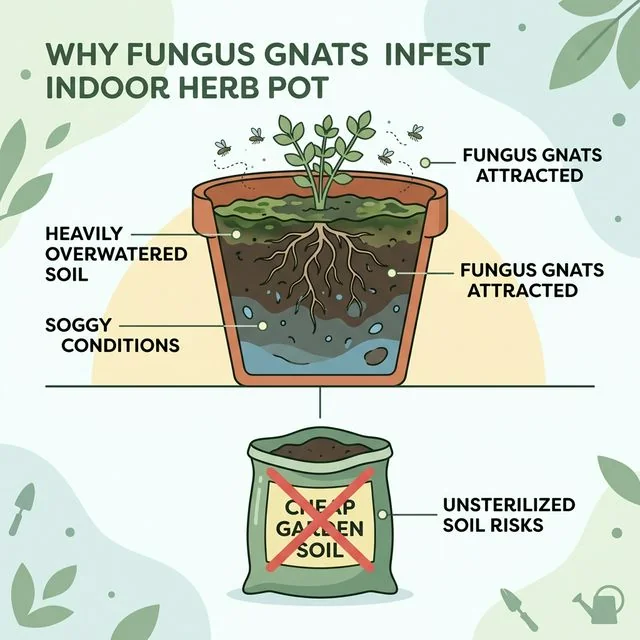
Fungus gnats are the absolute bane of indoor gardeners. If a cloud of tiny black flies eradicates your peace every time you walk past your basil plant, you are treating the symptom, not the cause.
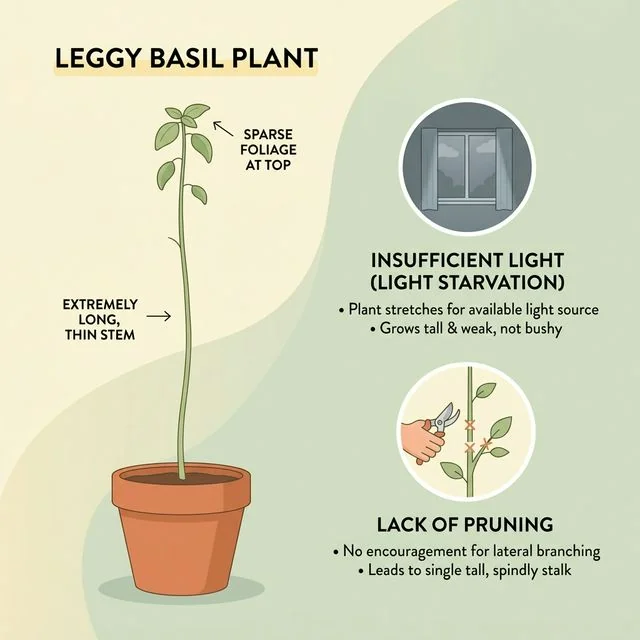
A bushy, compact basil plant is the goal of every gardener. If your plant is growing into a ridiculously tall, flimsy vine with only a few leaves at the top, you have 'leggy' basil. Here is how to diagnose and fix it.
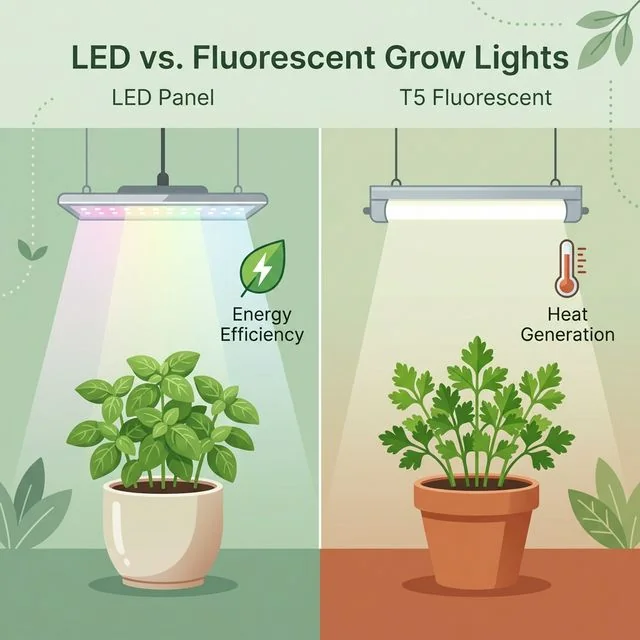
Fluorescent tubes used to be the gold standard for indoor gardeners, but modern LEDs have changed the game. Find out which technology is right for your space and budget.
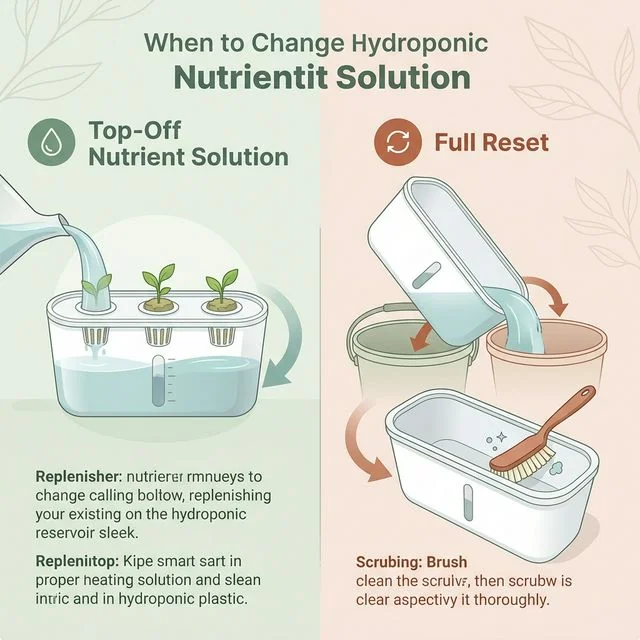
A hydroponic reservoir should not be treated like a closed loop forever. This guide shows when a simple top off is enough and when a full reset is the safer move.
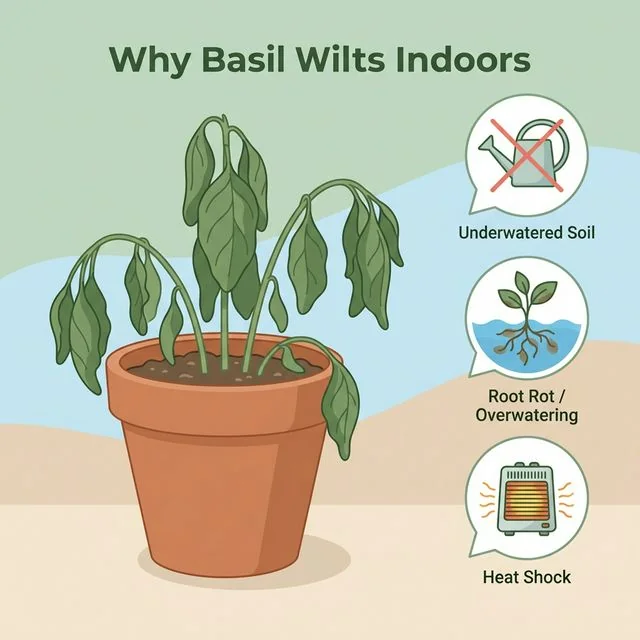
Basil is famous for being dramatic. If your plant suddenly wilts into a sad green puddle, don't panic. Here is exactly how to diagnose the droop and revive it.
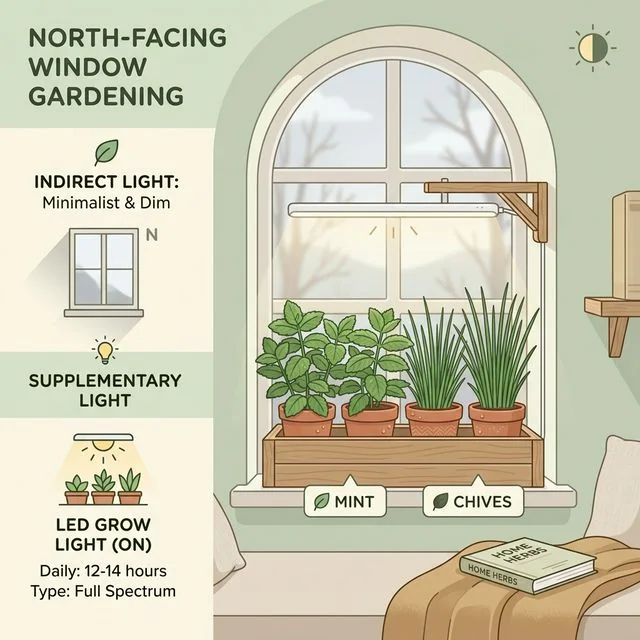
A north-facing window is widely considered the death sentence of an indoor garden. But with the right selection of shade-tolerant herbs and strategic placement, you can still harvest fresh greens year-round.
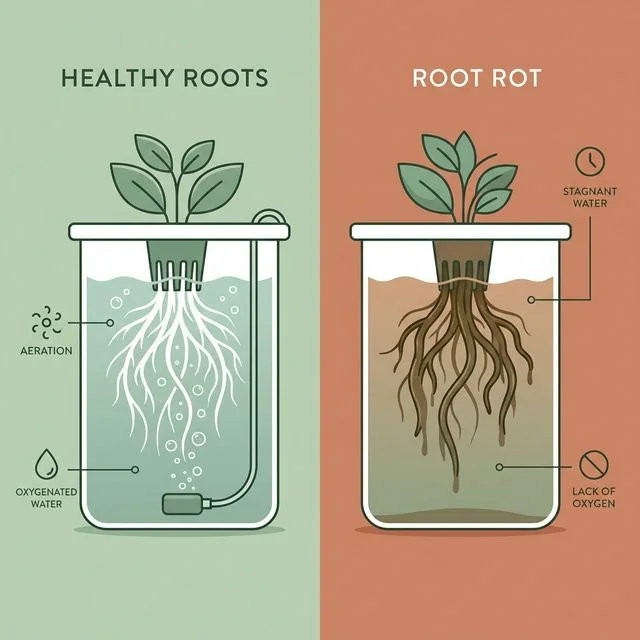
Brown, slimy or swampy-smelling roots mean root rot. Catch it early and fix the conditions behind it — warm water, low oxygen and stagnant flow.
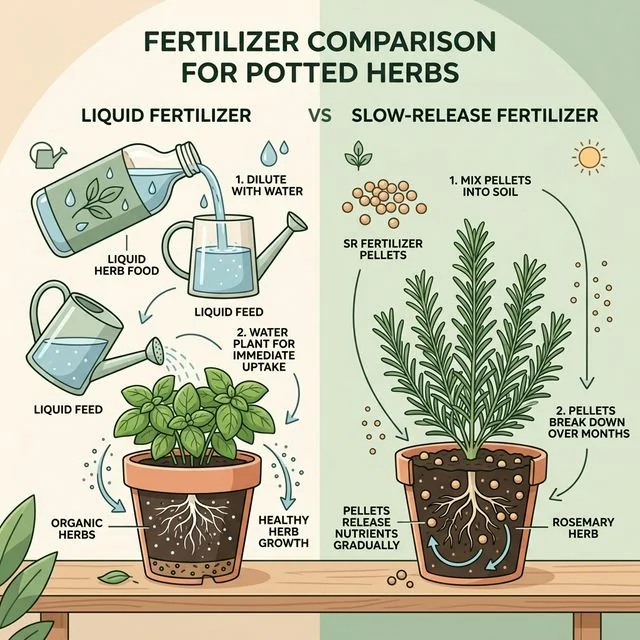
Most potted herbs need fertilizer eventually, but timing matters. This guide explains when to feed, how often to do it, and how to avoid burning stressed roots.
Basil and mint should be cut above a node, parsley should be harvested from the outer stems, and chives should be cut like a small patch of grass.
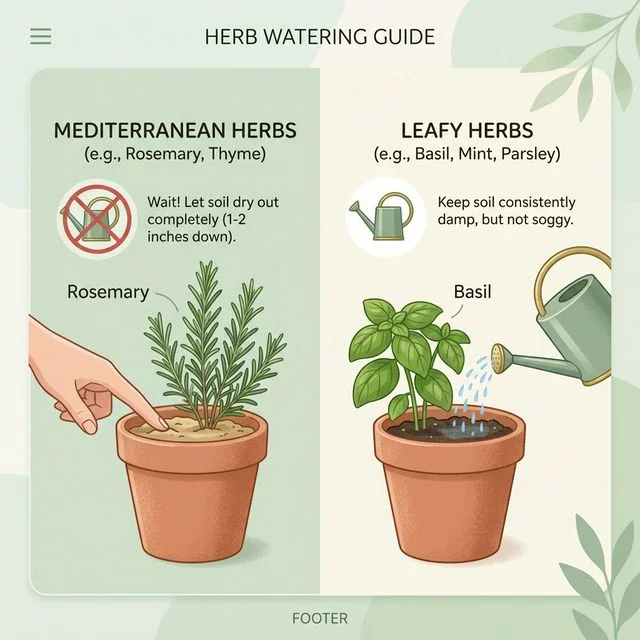
Most potted herbs should be checked often but watered only when the root zone is actually drying. Judge the pot instead of following a rigid calendar.
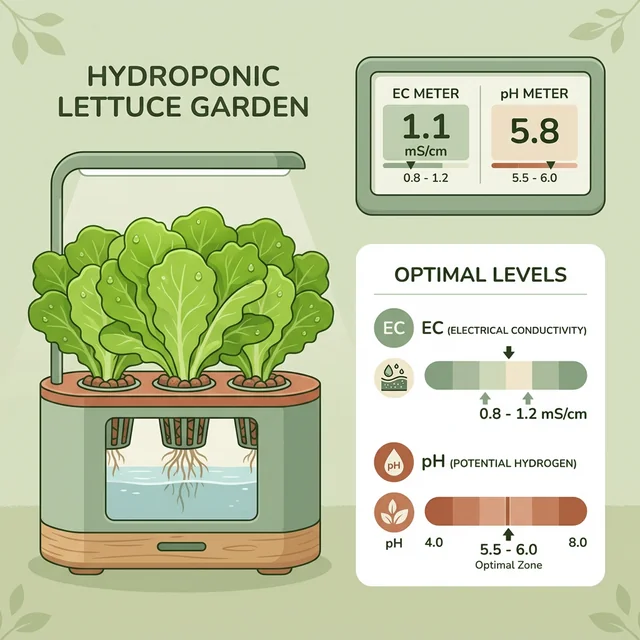
Lettuce is the easiest crop to grow hydroponically, but it requires specific water chemistry. Use this beginner-friendly EC and pH guide to prevent tip burn and slow growth.
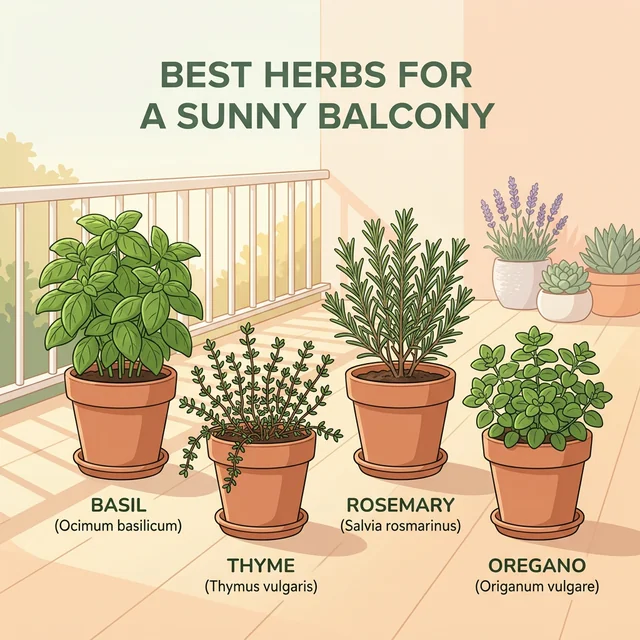
A sunny balcony is perfect for herbs, but the intense heat and wind require the right crop choices. Start with basil, thyme, and rosemary for reliable harvests.
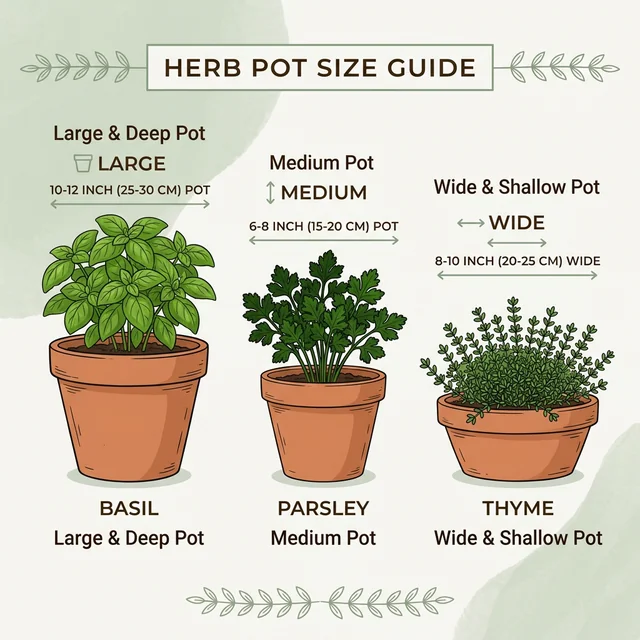
A practical herb pot size guide for the most common kitchen herbs, with simple size ranges that make container growing easier to read and maintain.
A practical buyer's guide to choosing potting mix for potted herbs, from richer blends for basil and parsley to faster-draining options for rosemary and thyme.
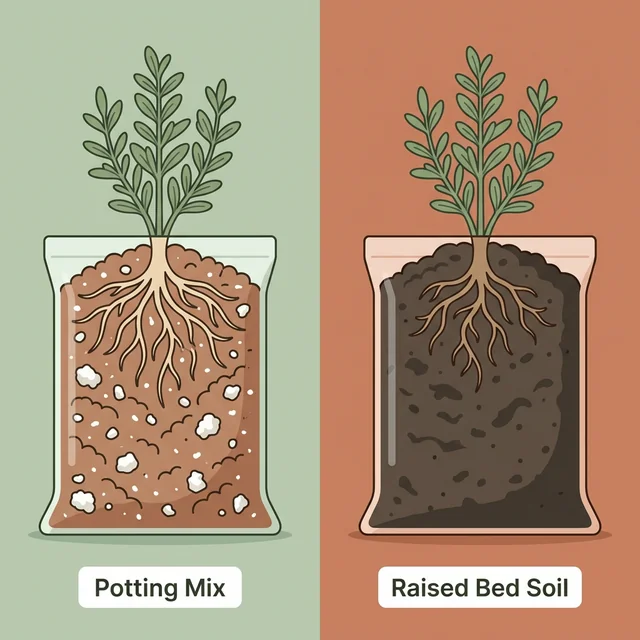
Using the wrong dirt is the fastest way to kill a potted herb. This guide explains the critical difference between indoor potting mix and outdoor raised bed soil.
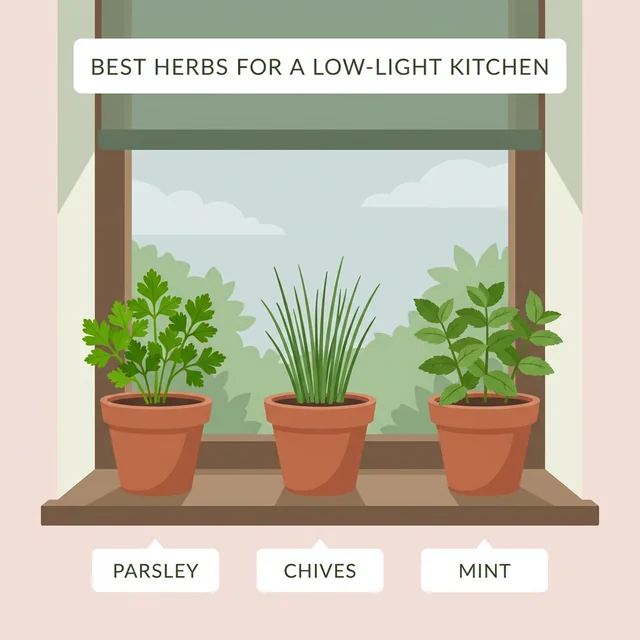
Stop trying to force basil to grow in the dark. If your kitchen gets limited indirect light, stick to these forgiving herbs like parsley, chives, and mint.
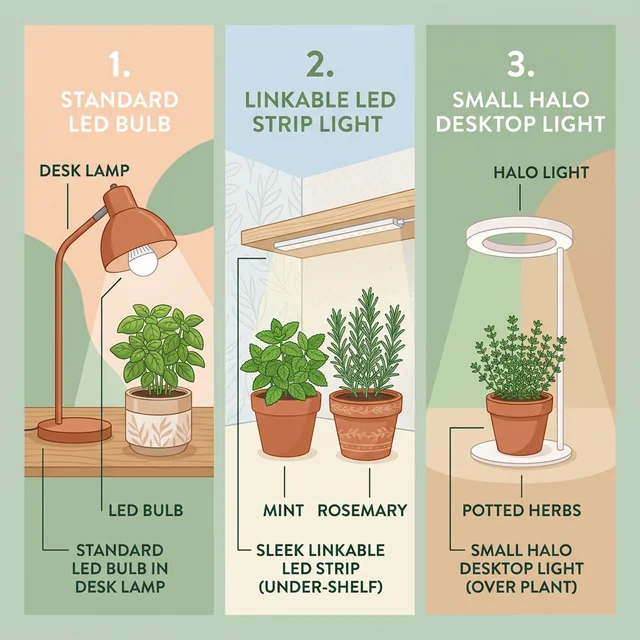
Most indoor herbs don't need a massive, expensive grow tent light. Here is how to choose the right LED bulbs, strips, or halos for your real apartment setup.
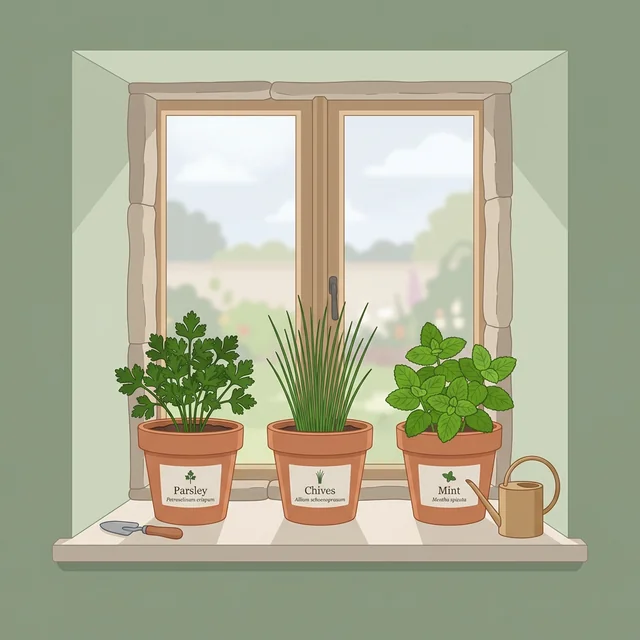
A practical windowsill herb guide for homes that feel bright enough to people but still struggle to keep basil and other herbs compact without extra help.
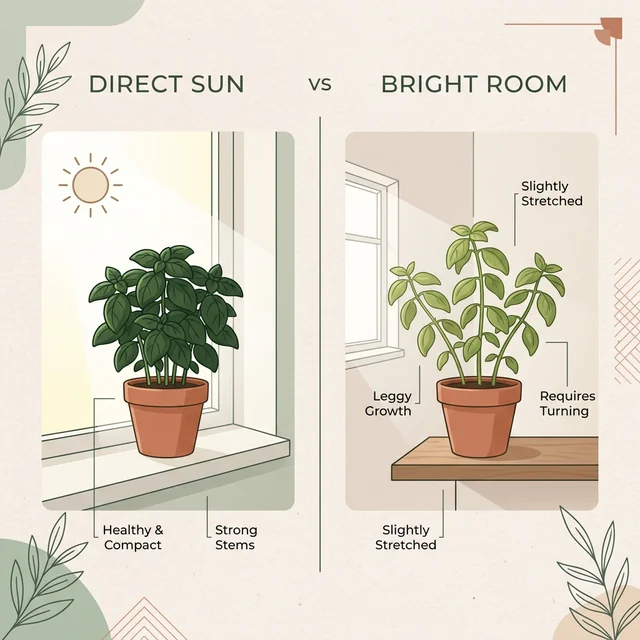
A realistic answer to a common indoor-herb question, with clear expectations for growth, herb choice, and when a grow light becomes the cleaner solution.
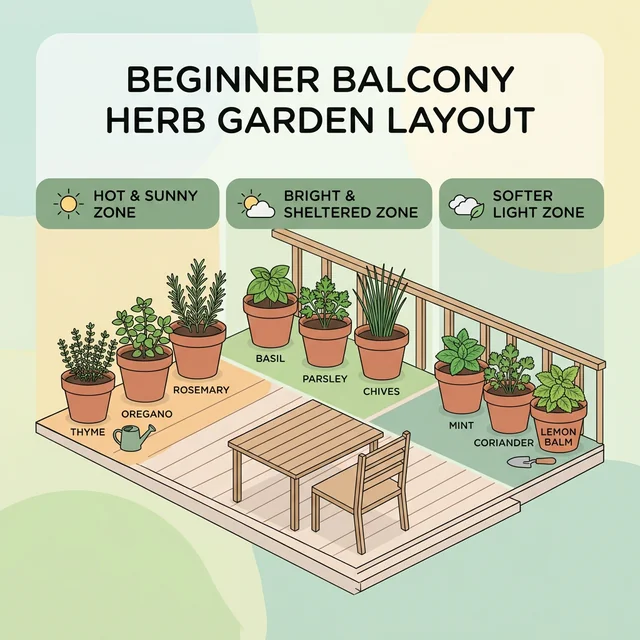
A practical beginner guide to starting a balcony herb garden that stays simple to water, easy to read, and realistic to maintain.

A practical apartment herb guide for people growing entirely indoors, with realistic advice on light, layout, containers, and everyday maintenance.
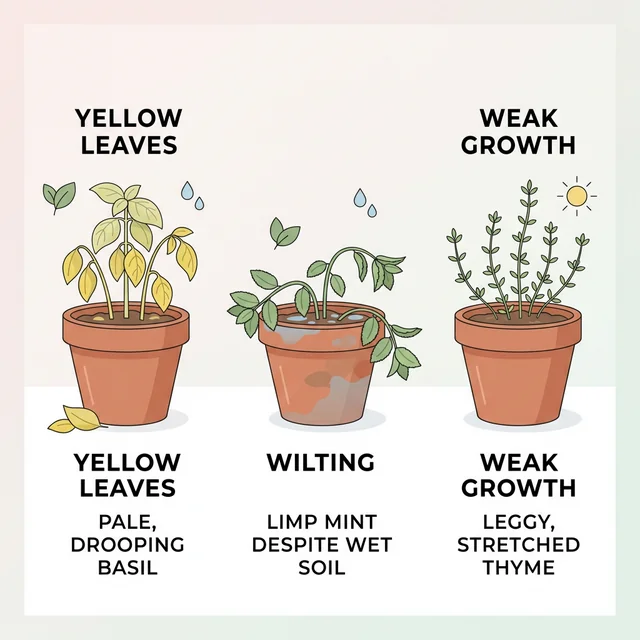
Common potted herb problems usually show up as yellow leaves, wilting, or weak growth, but the useful diagnosis starts with light, drainage, and root stress.
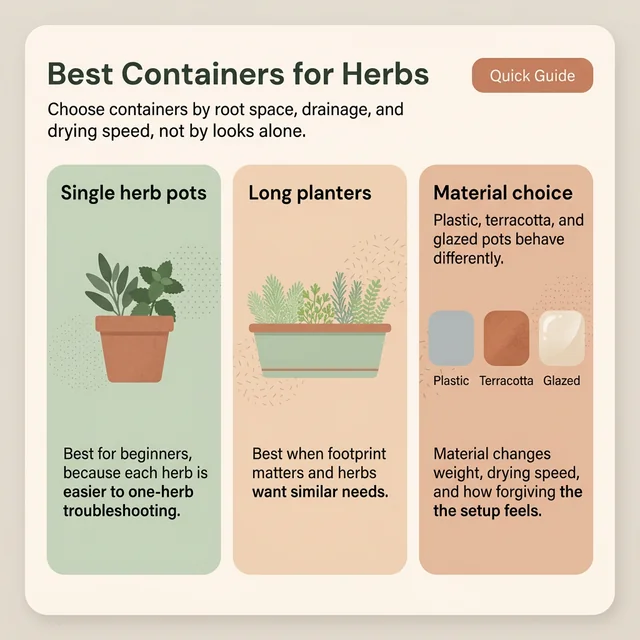
A practical guide to herb containers that explains which pots work best, why drainage matters, and how material changes the way containers dry.
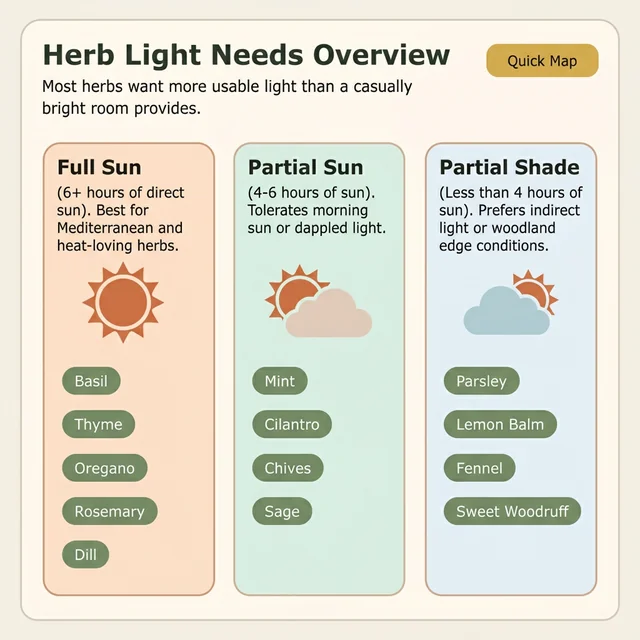
A practical guide to how much light herbs need, including a quick answer for direct sun, indoor windows, and grow light setups that actually support growth.
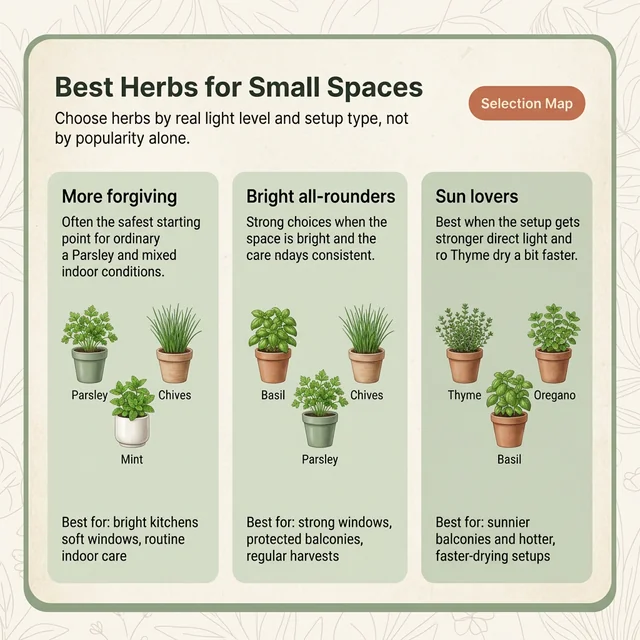
A practical guide to the herbs that actually perform well in compact homes, with selection logic for bright windows, balconies, and more forgiving low-space setups.
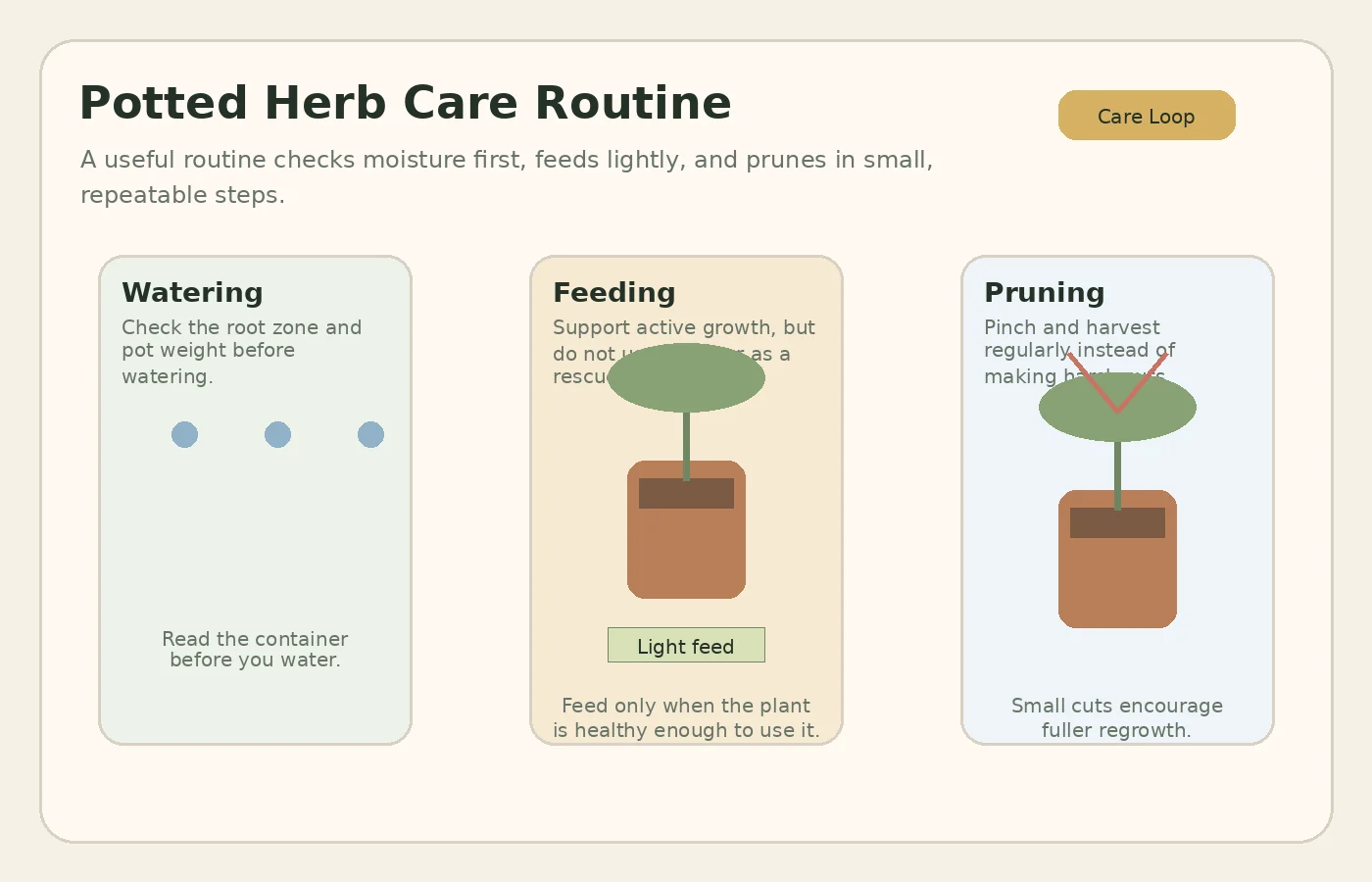
A practical guide to keeping basil, parsley, mint, thyme, and chives healthy by matching watering, feeding, and pruning to the setup.
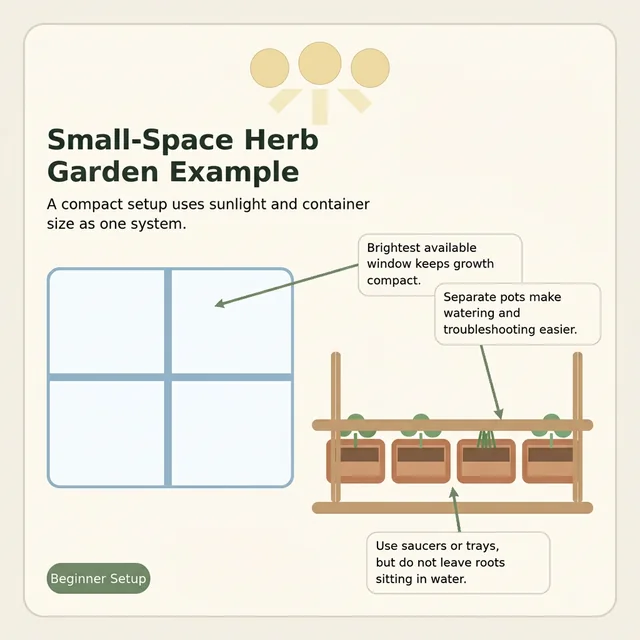
A calm, practical guide to starting a herb garden on a balcony, windowsill, or bright indoor corner without overbuying or overcomplicating the setup.
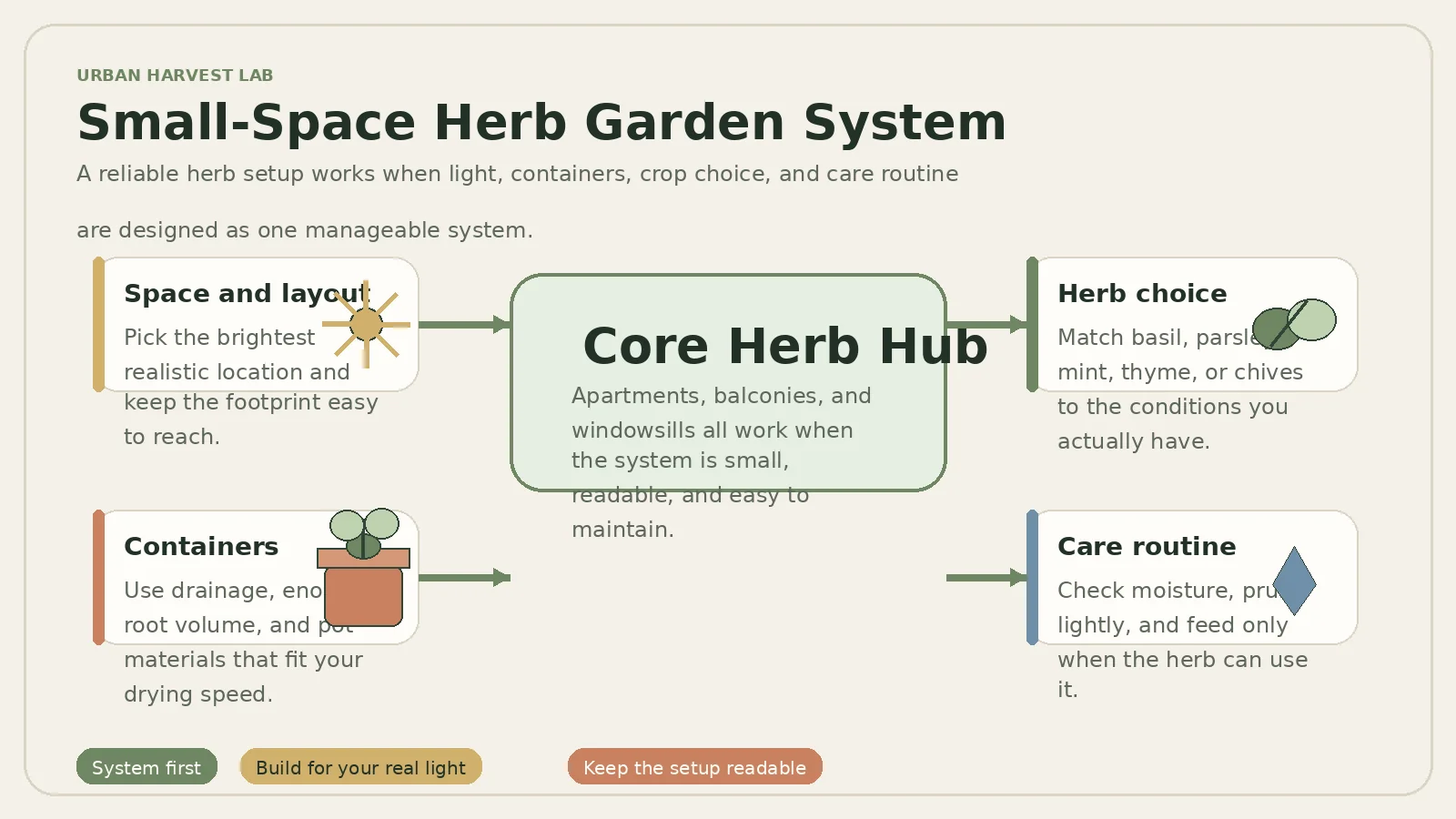
A navigation hub for apartment, balcony, and indoor herb gardening that connects the core setup, herb selection, light, container, and care guides in the right order.
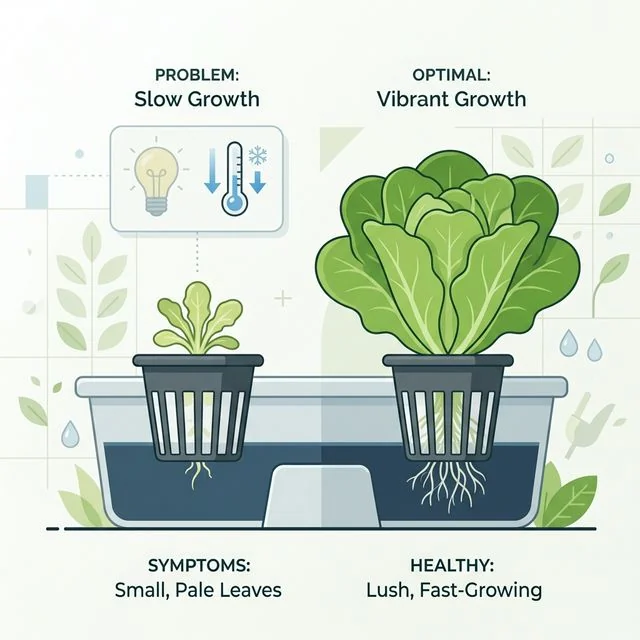
Slow hydroponic lettuce is usually a systems problem, not a mystery deficiency. The goal is to find the bottleneck without overcorrecting five variables at once.
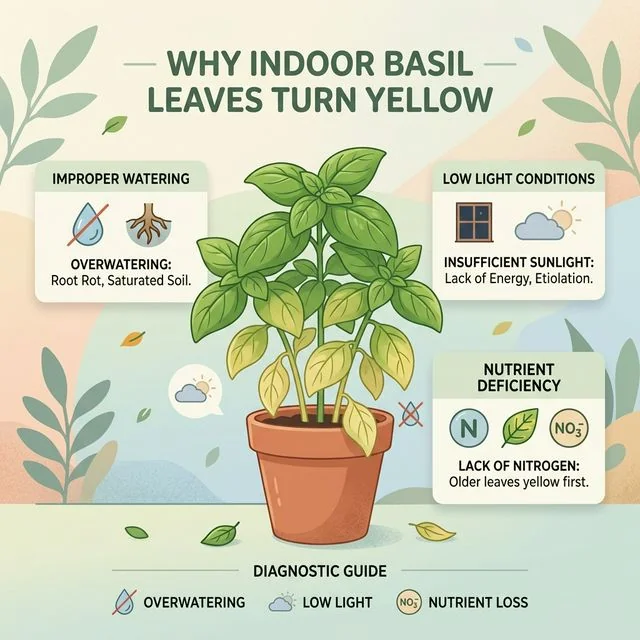
Yellow basil rarely has a single universal cause. The pattern of yellowing, the growing medium, and the recent care routine usually tell the story.
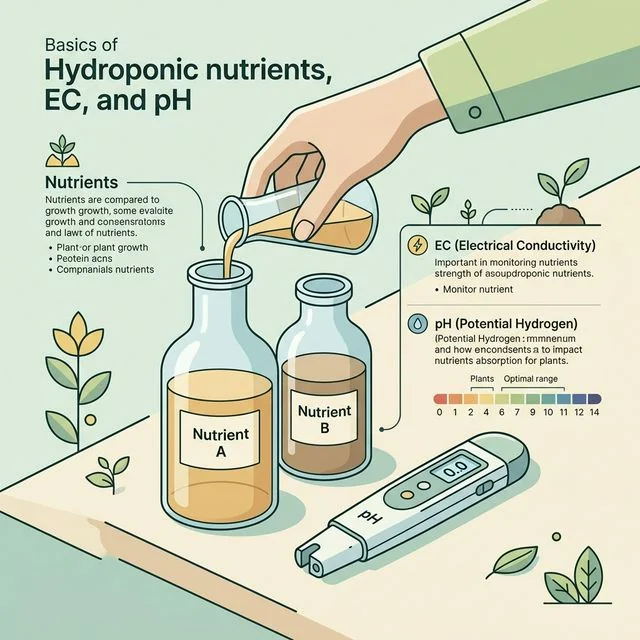
Most hydroponic problems are not mysterious. They come from concentration drift, pH drift, heat, or neglected maintenance. This guide covers the basics clearly.
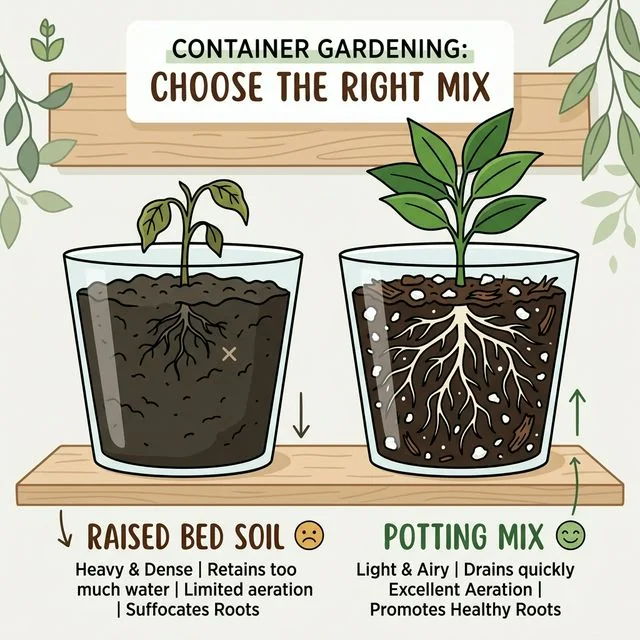
Most container problems start with the wrong medium, not the wrong fertilizer. This guide explains why pots usually need a lighter mix than raised beds.
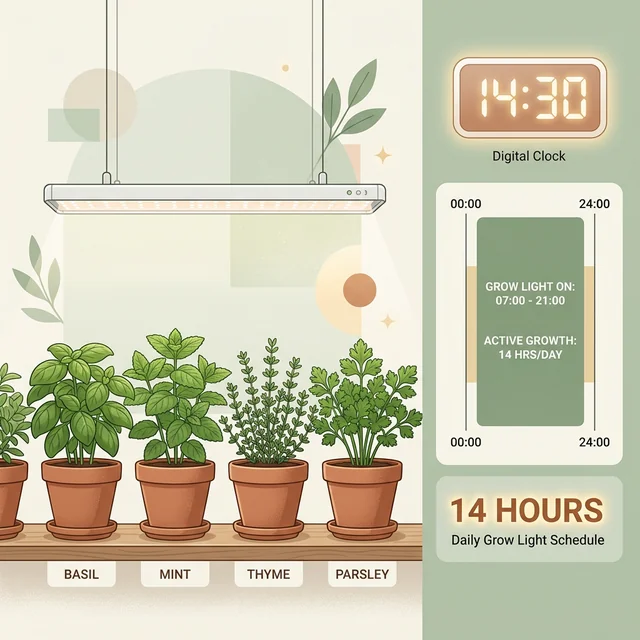
Most herb grow lights should run about 12 to 16 hours per day, but intensity, distance, and a stable dark period matter as much as the timer itself.
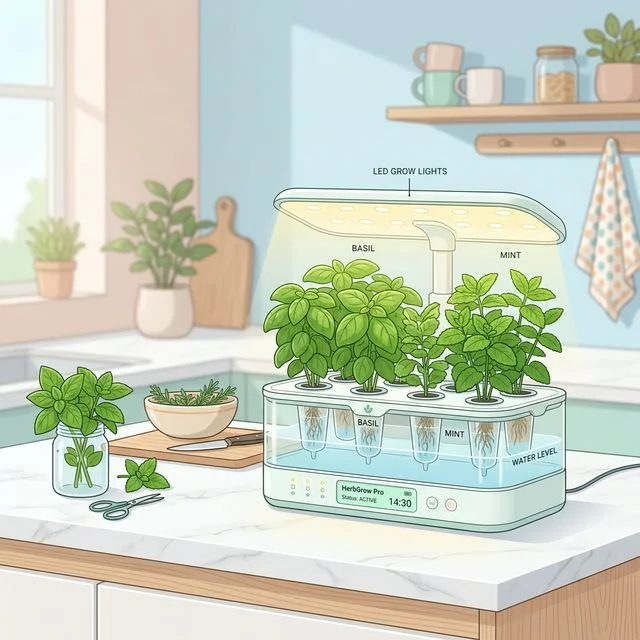
Countertop hydroponic systems can work very well for herbs, but only if you treat them as small growing systems rather than decorative appliances.
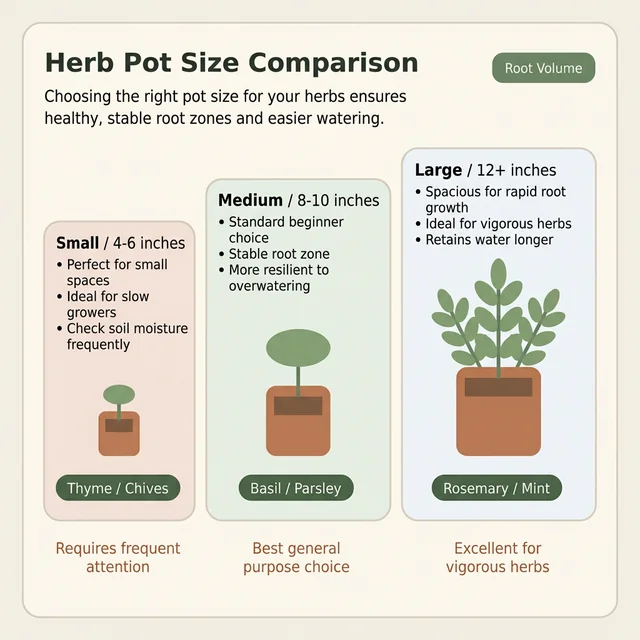
Container size is one of the highest-leverage decisions in small-space gardening. When root volume is too small, every other care task becomes harder.
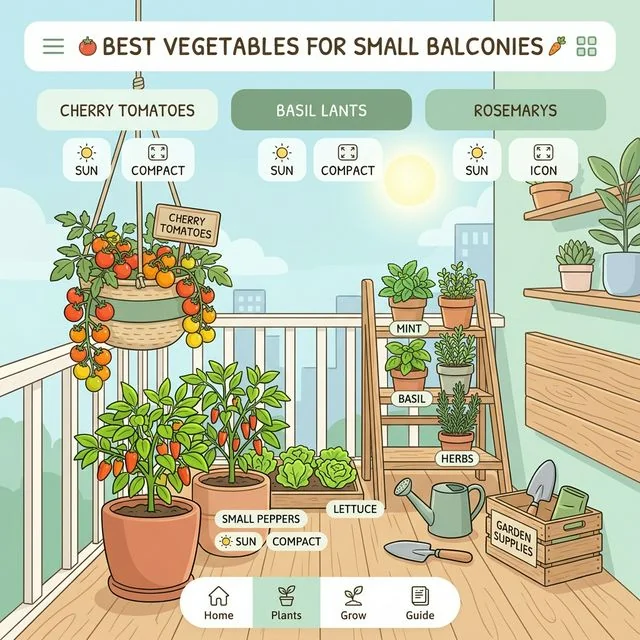
Not every vegetable belongs on a balcony. These are the crops most likely to reward limited square footage without turning watering and support into a daily headache.
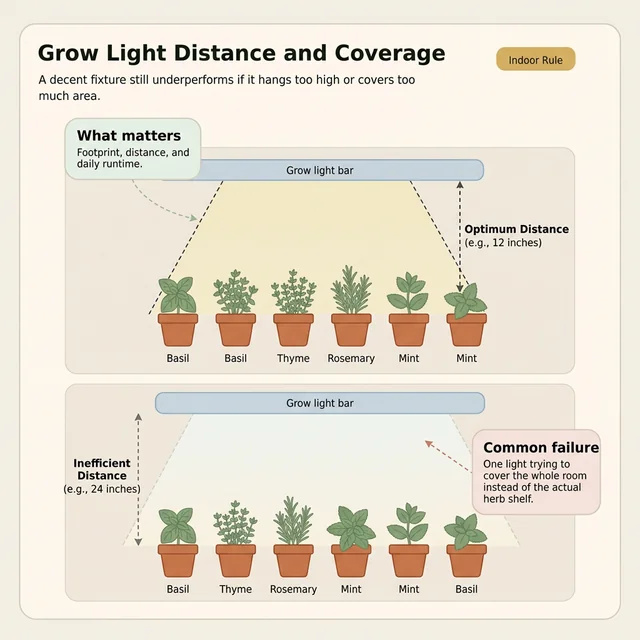
Seedlings usually need grow lights much closer than beginners expect, but the exact distance depends on fixture strength, lens design, and plant response.