
Lemongrass in a pot: the numbers by source
| Question | Figure | Source |
|---|---|---|
| Rooting a grocery stalk in water | About 2 weeks; 2-3 weeks if it is going to root | Utah State; Wisconsin |
| Feeding, outdoors in a pot | Half-strength balanced feed every week to 10 days | Utah State |
| Feeding, indoors in a pot | Monthly | Utah State |
| Ready to cut | Stalks about 1/2 inch thick | Utah State; Wisconsin |
| Time to a full clump from a slip | About 6 to 9 months | University of Guam |
| Frozen storage | Up to about 6 months | Utah State; University of Guam |
| Fridge storage, sealed bag | Up to 3 weeks | University of Guam |
Lemongrass grows well in a pot if you treat it as the tropical grass it is: start it from a fresh grocery stalk or a division, give it full sun and plenty of water and feed, and bring it indoors before frost. Utah State Extension describes it as a tender perennial that is commonly grown as an annual in cooler areas. Clemson Extension lists lemongrass as hardy only in USDA Zones 9-10, so outside those zones the pot has to come indoors for winter. A container is how you get it through the winter.
It is also one of the few herbs you can start from the supermarket. If you already root basil or mint that way, the method in regrowing herbs from cuttings is the same idea, with a few differences for lemongrass below.
Start from a supermarket stalk or a division
Utah State Extension says fresh stalks of lemongrass, with the leaves and roots absent, will root in a glass of water in about 2 weeks. Wisconsin Extension is more cautious: you may be able to root grocery-store stalks in water or potting mix if enough root plate is left on the stem, and roots should form within two or three weeks if they are going to.
So choose well. Pick firm stalks with a plump, moist base, and look at the bottom: the flat disc where the roots were cut off should still be there. Stand the stalks in a glass of water on a bright windowsill, with the base submerged. When roots show, pot them up.
Division is the more reliable route if a neighbour or nursery has a clump. The University of Guam Extension describes detaching one or more slips with some rhizome from the parent plant, trimming the leaves to about 10 inches, and planting the slip 4 to 6 inches deep in a pot of good compost or potting soil. It says to keep the soil moist for a few weeks after planting.
Seed is a poor route. Wisconsin Extension says lemongrass seed typically germinates poorly because many seeds are infertile, and Utah State notes it is rarely grown from seed.
Pot, mix and sun
Utah State Extension says lemongrass prefers well-drained, moist, rich loam with high organic content, and that waterlogged soil should be avoided. In a pot that means a good potting mix with compost in it and a hole in the bottom. The University of Guam Extension makes the same point: pots need adequate drainage.
For light, the University of Guam Extension says full sun is preferred but light shade is tolerated. On a balcony, give it your sunniest spot, the one you would choose for the plants in the sunny balcony herb list.
Wisconsin Extension says to put plants outside once the danger of frost is past, and to acclimate them to outdoor conditions first. Give a plant that has spent months on a windowsill a few days in a sheltered spot before it takes full sun.
Size the pot to the plant. The University of Guam Extension says a clump can reach 3 feet or more in height and diameter, and that large plants become root-bound. Utah State gives 3 to 6 feet tall and 3 feet wide for a ground-grown plant with ideal conditions. A pot holds that back, but start with a pot you can comfortably move, since you will be carrying it in and out.
Water and feed more than you expect
This is where most pots go wrong. Wisconsin Extension says lemongrass requires a great deal of water. The University of Guam Extension says potted plants need more moisture than ones in the ground, that heat and wind dry the mix faster outdoors, and that container plants require frequent watering. Utah State says to water regularly so the pots do not dry out.
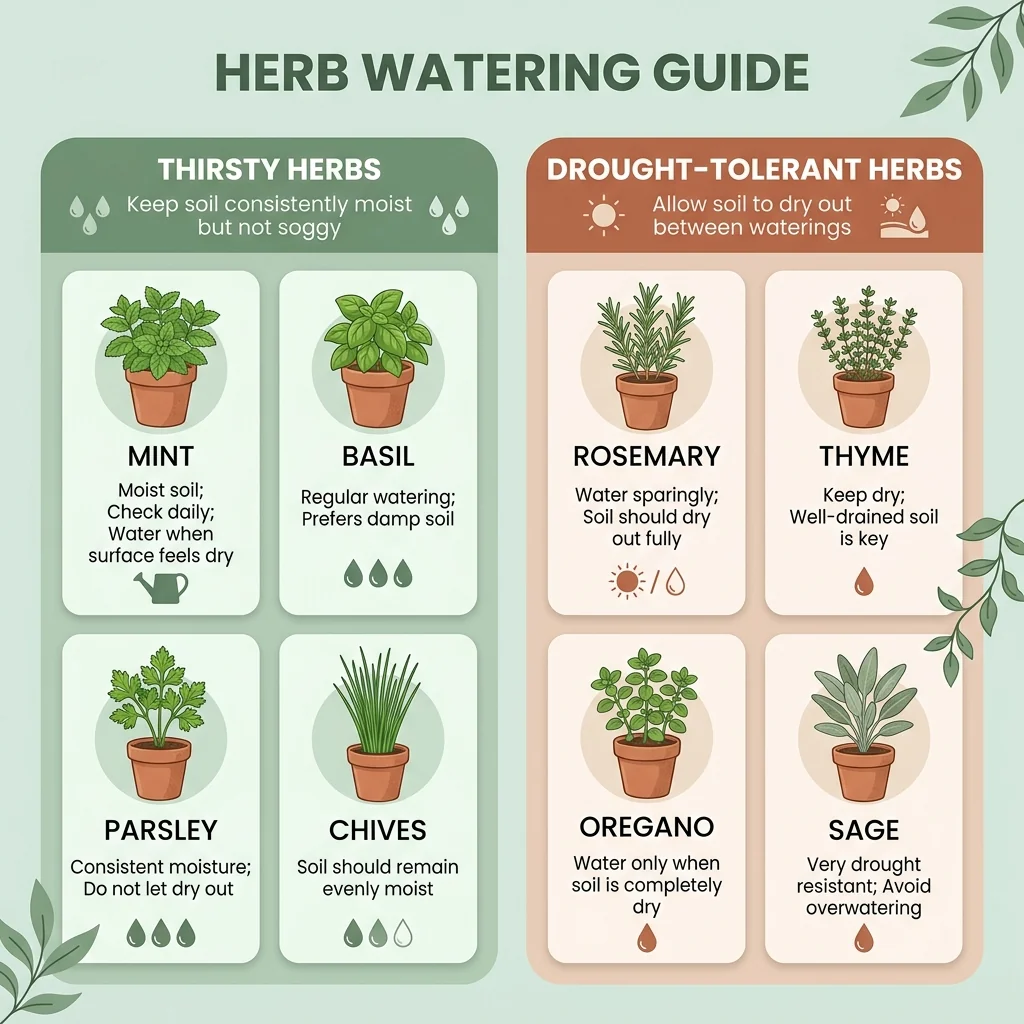
Wet is not the same as waterlogged. Keep the mix moist and the drainage open. Empty the saucer after watering; Utah State says waterlogged soil should be avoided. The routine in the herb watering chart applies, but lemongrass sits at the thirsty end.
Feeding matters too, because lemongrass is a grass. Utah State Extension says it requires lots of nitrogen in summer. For a potted plant outdoors it recommends a half-strength solution of a balanced, water-soluble fertiliser every week to 10 days, and for indoor potted plants a feed monthly. Growth is slow until summer heat arrives, then the plant increases in size dramatically (Utah State), so do not judge it in spring.
Harvest
Utah State and Wisconsin Extension both say to cut stalks once they are about half an inch thick. Cut at ground level, or push an outside stem to the side, twist and pull it off. Wisconsin adds that you can take selected stems from the edge of the clump instead of the whole thing, and Utah State says to take older stalks first to promote new growth.
The University of Guam Extension says a clump will have many stalks about 6 to 9 months from planting, and that frequent harvest then stimulates new growth. Do not expect a big first-summer harvest from a rooted grocery stalk.
Remove the leaves and the woody outer layers. Wisconsin says the whole stalk is too hard to eat, so it is usually smashed and simmered in liquid, then removed before serving.
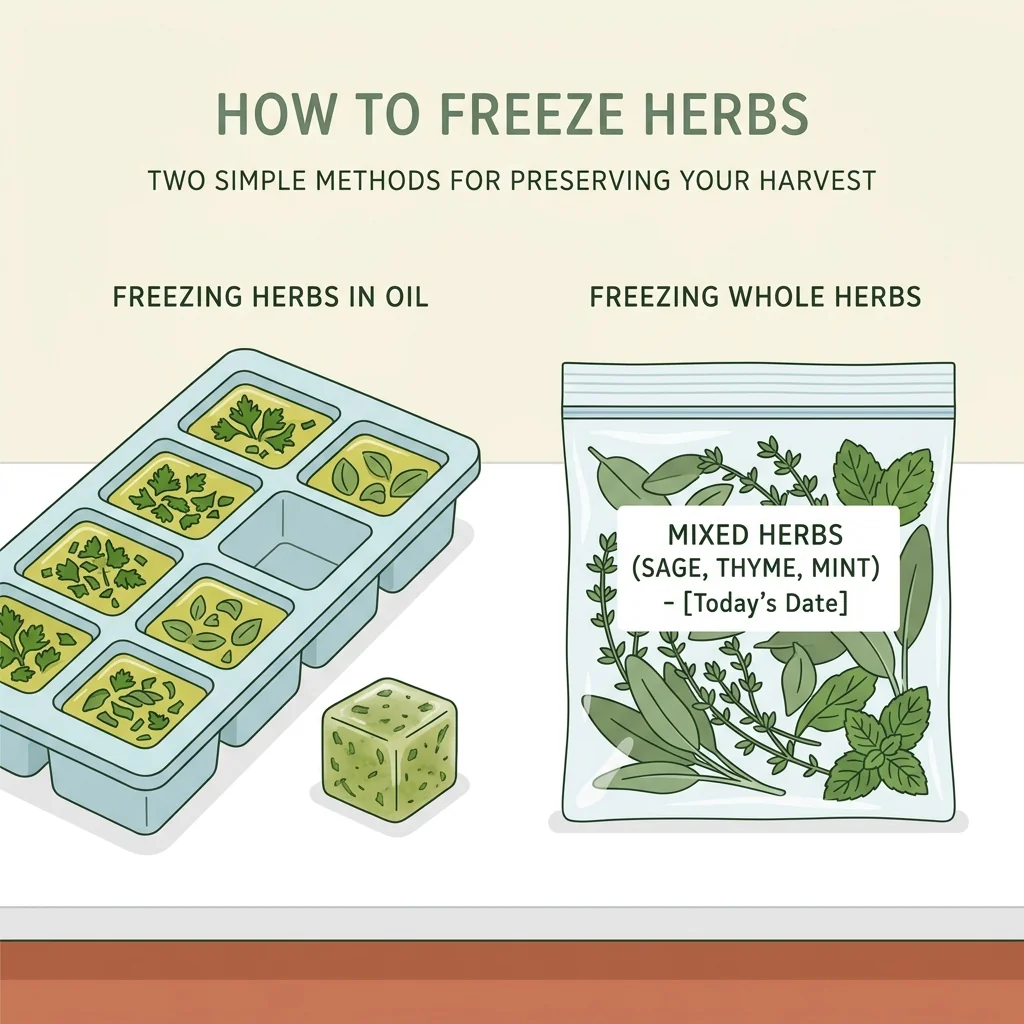
To keep a surplus, Utah State says lemongrass can be frozen for up to 6 months, and the University of Guam says about 6 months in freezer bags without flavour loss. The same Guam sheet gives up to 3 weeks in the fridge in a tightly sealed bag. For method, see how to freeze herbs.
The leaf blades are rough. Wisconsin Extension describes the edges as finely serrated, rough enough to cut skin, so wear gloves when you cut the clump back.
When it outgrows the pot
The University of Guam Extension says large plants become root-bound and need root pruning, and that this is a good time to divide the clump into many new plants. Utah State agrees that dividing older plants improves productivity. Slide the clump out, split it with a knife or spade, and repot the strongest pieces in fresh mix. Spares make good gifts. The root pruning guide covers the cutting itself.
Winter
Wisconsin Extension says frost will kill or severely damage lemongrass, so harvest or dig it before overnight temperatures reach freezing. Utah State says to bring potted plants indoors when temperatures cool in autumn, and that small container plants can be overwintered indoors in a warm, bright, sunny location.
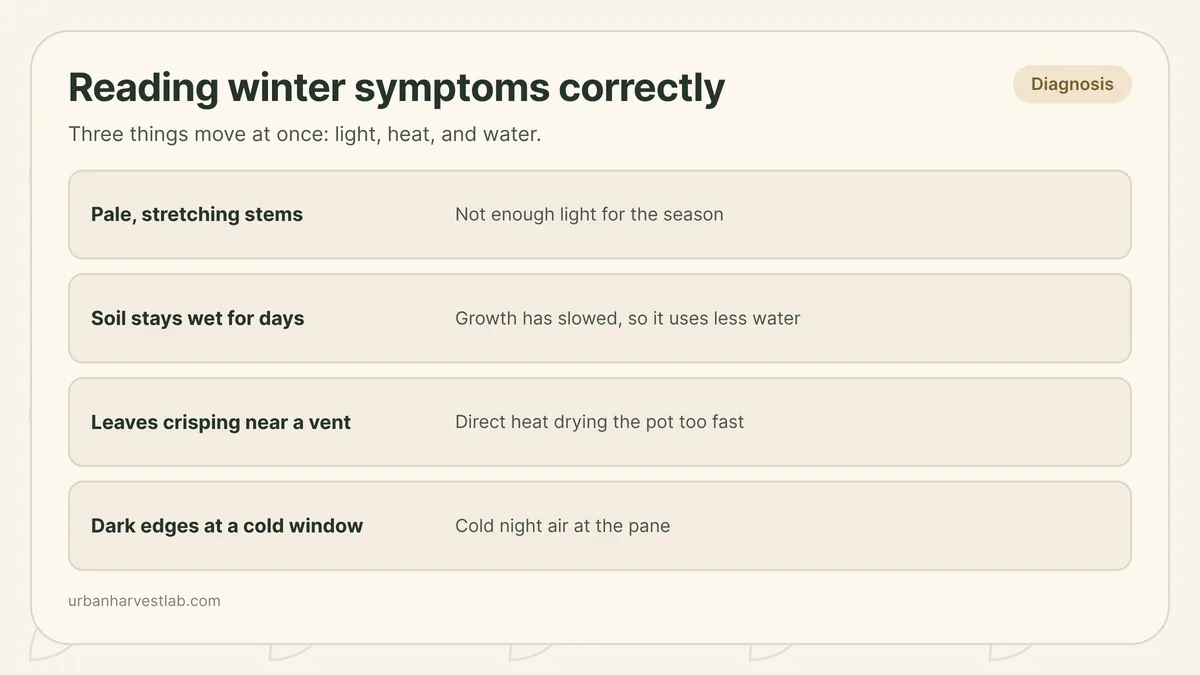
Indoors the plant slows. Utah State notes that lemongrass grown indoors will not produce as many stalks because of low light, and that you should feed monthly instead of weekly. Keep it as near your brightest window as you can. The setup in growing herbs indoors in winter is a good starting point.
Utah State lists spider mites as a mostly indoor problem, with tiny yellow or white speckling on the leaves. It suggests a forceful jet of water to dislodge them, so check the blades when the plant comes in.
If you lack the space for a full pot, Utah State has a fallback: before the first fall frost, save a 6 inch section of the bulbous shoot base with roots attached. These sections can be divided and potted for use the following year. It also says the plant comes back quickly when returned outdoors the next year.
Sources
Herbs through the seasons
Rooting cuttings, bringing herbs in for winter and picking a sunny spot.
Common questions
How do you grow lemongrass in a pot?
Root a fresh stalk in water or divide a clump, plant it in a pot with drainage and a rich, well-drained mix, and put it in full sun after frost has passed. Keep the mix moist, feed it regularly through summer (Utah State Extension), and bring the pot indoors when temperatures cool in autumn.
Can you grow lemongrass from supermarket stalks?
Often, yes. Utah State Extension says fresh stalks with the leaves and roots removed will root in a glass of water in about 2 weeks. Wisconsin Extension says it only works if enough root plate is left on the stem, and that roots should form within two or three weeks if they are going to.
How big does potted lemongrass get?
The University of Guam Extension says a clump can reach 3 feet or more in height and diameter. Utah State Extension gives 3 to 6 feet tall and 3 feet wide in the ground with ideal water, feed and light, and a pot will keep it smaller. Expect to divide it once it is root-bound.
How do you keep lemongrass over winter?
Bring the pot indoors before frost, which kills or severely damages the plant (Wisconsin Extension), and keep it in a warm, bright, sunny place. Utah State Extension also suggests saving a 6 inch section of the shoot base with its roots before the first fall frost, to pot up for next year.
Related guides
How to grow herbs indoors in winter
A kitchen windowsill that carried herbs all summer often starts failing in November, and it is rarely one single cause. Light, heated air, and watering all shift at the same time.
Watering a mixed herb collection: which pot to check first
How to water several potted herbs at once: which camp each herb belongs to, which pot to check first, and how to tell a dry wilt from a wet one.
How to freeze herbs without losing flavor
Freezing beats drying for soft herbs. Chopped into oil-filled ice cube trays or frozen whole, basil and parsley keep far more of their fresh flavor.