Best Grow Lights for Herbs: What Actually Matters Before You Buy
The best grow light for herbs is the one that matches your footprint, crop density, and tolerance for heat and visual clutter. This guide focuses on fit before hype.
The blog is organized for depth, readability, and future expansion. Start with cornerstone guides or browse by category depending on your current growing constraint.
The best grow light for herbs is the one that matches your footprint, crop density, and tolerance for heat and visual clutter. This guide focuses on fit before hype.

Most hydroponic problems are not mysterious. They come from concentration drift, pH drift, heat, or neglected maintenance. This guide covers the basics clearly.
Container plants need air space, drainage, and predictable structure. That is why raised bed soil and in-ground blends usually disappoint in pots.
Browse every published article or jump into a category: Urban Gardening , Hydroponics , Grow Lights , Containers , Soil & Fertilizers , Plant Problems .
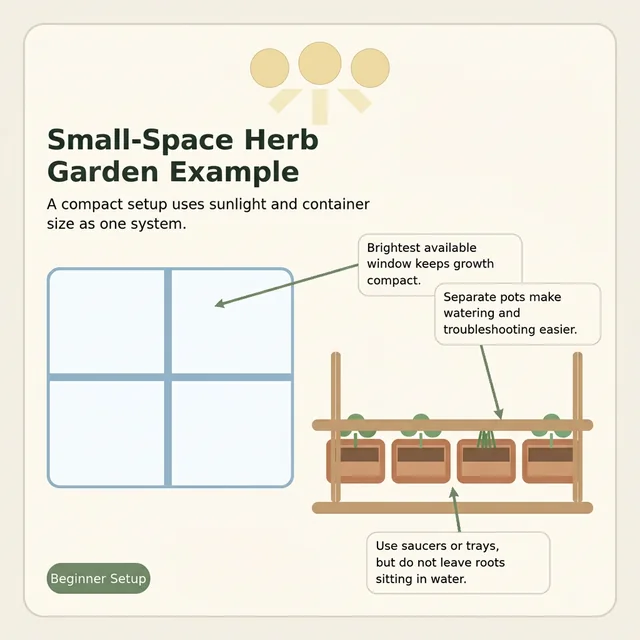
A calm, practical guide to starting a herb garden on a balcony, windowsill, or bright indoor corner without overbuying or overcomplicating the setup.
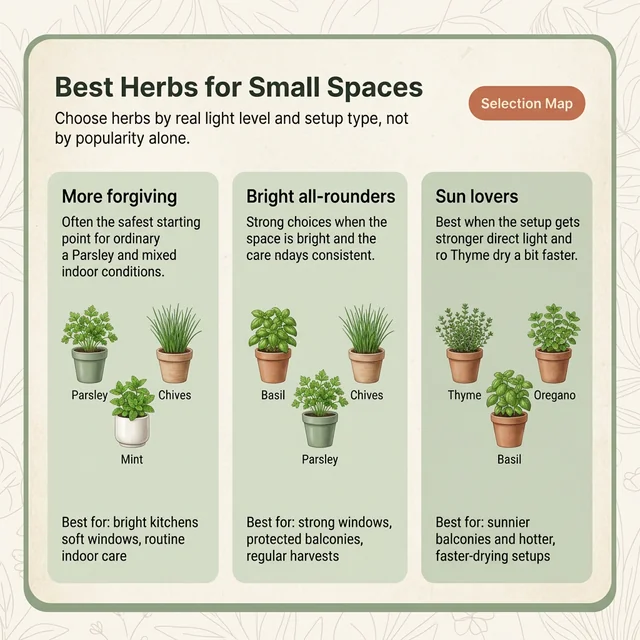
A practical guide to the herbs that actually perform well in compact homes, with selection logic for bright windows, balconies, and more forgiving low-space setups.
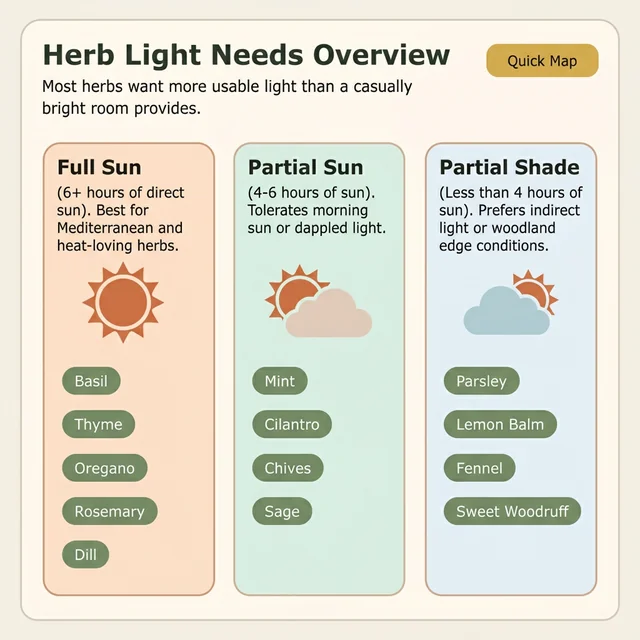
A practical guide to herb light needs for real homes, with clear rules for sunny windows, balconies, dimmer apartments, and beginner grow light setups.
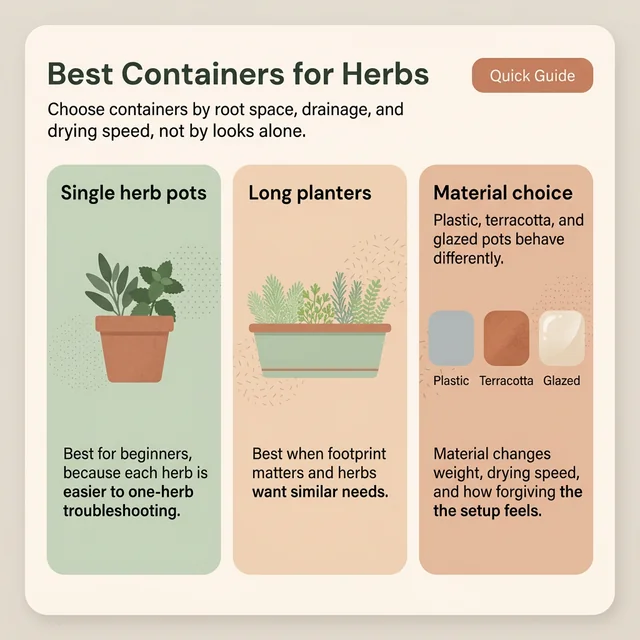
A practical guide to selecting herb containers that make watering easier, reduce root problems, and actually suit apartments, balconies, and windowsills.
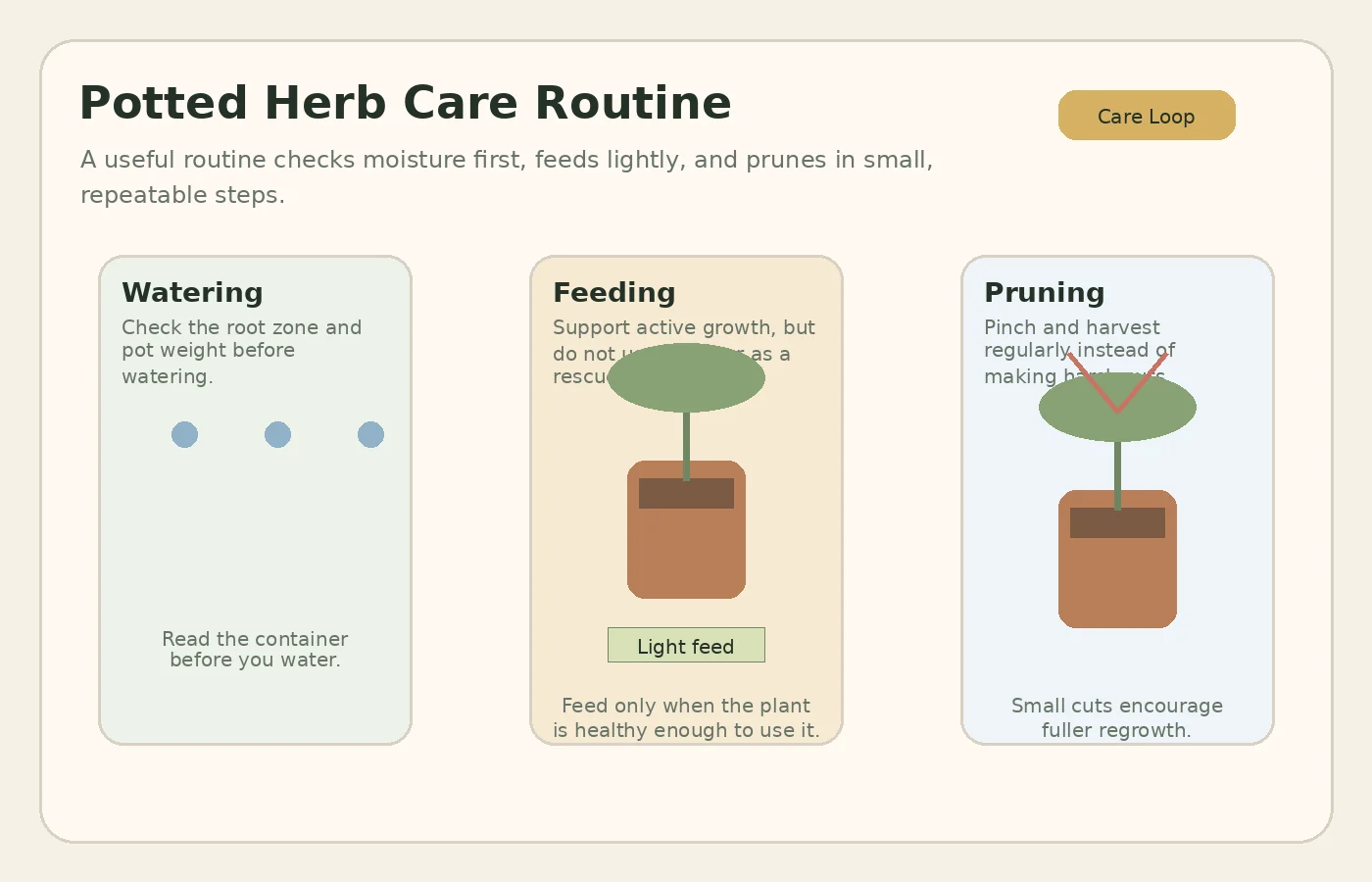
A calm, science-based guide to keeping basil, parsley, mint, thyme, chives, and other potted herbs healthy without turning the routine into guesswork.
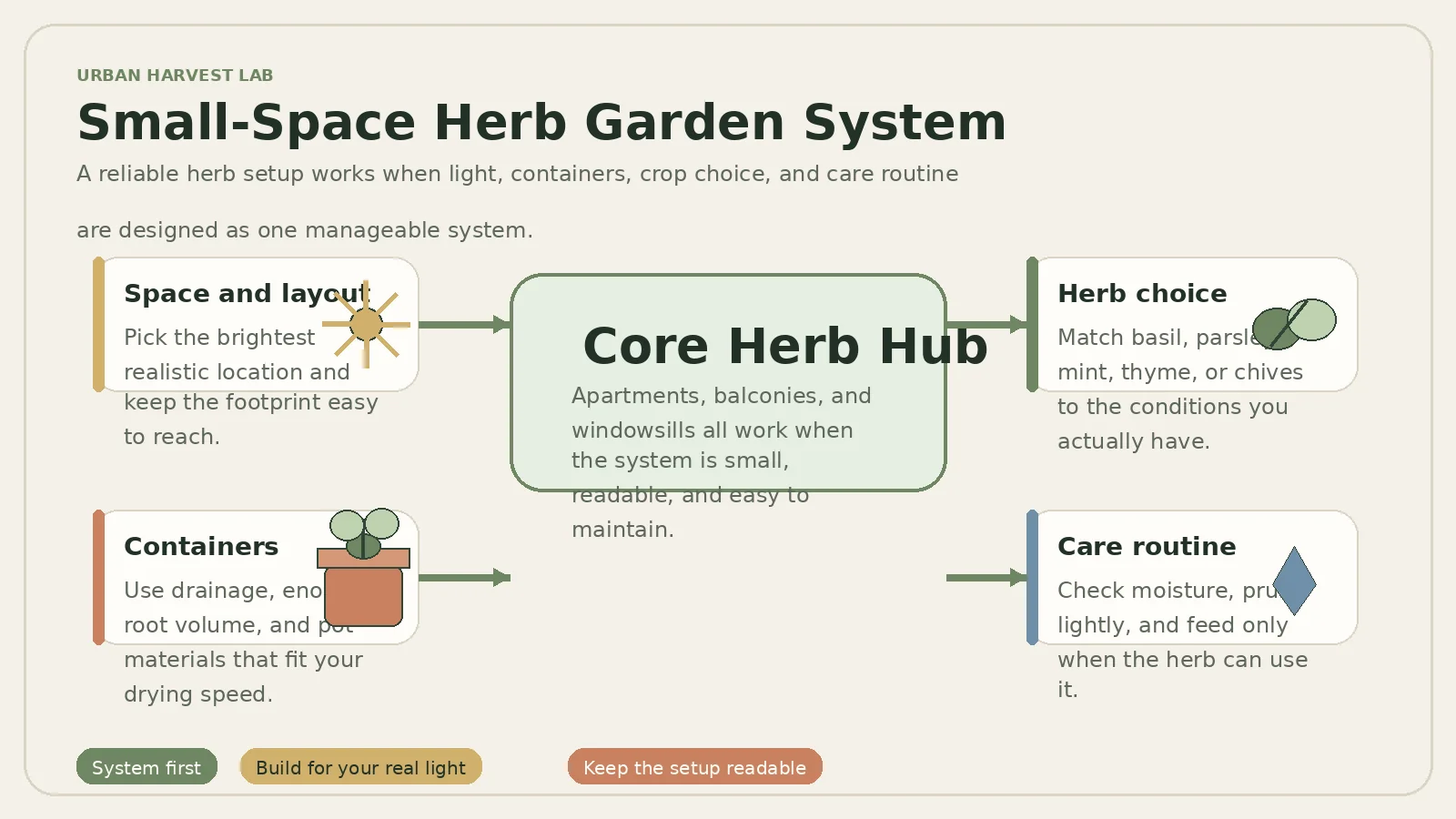
A navigation hub for apartment, balcony, and indoor herb gardening that connects the core setup, herb selection, light, container, and care guides in the right order.
The best grow light for herbs is the one that matches your footprint, crop density, and tolerance for heat and visual clutter. This guide focuses on fit before hype.
Slow hydroponic lettuce is usually a systems problem, not a mystery deficiency. The goal is to find the bottleneck without overcorrecting five variables at once.
Yellow basil rarely has a single universal cause. The pattern of yellowing, the growing medium, and the recent care routine usually tell the story.
Most hydroponic problems are not mysterious. They come from concentration drift, pH drift, heat, or neglected maintenance. This guide covers the basics clearly.
Container plants need air space, drainage, and predictable structure. That is why raised bed soil and in-ground blends usually disappoint in pots.
A longer light schedule is not always a better one. Herbs need enough daily light, but they also benefit from a stable dark period and realistic fixture placement.
Countertop hydroponic systems can work very well for herbs, but only if you treat them as small growing systems rather than decorative appliances.
A practical starter plan for growing basil, parsley, mint, chives, and other herbs on a balcony without turning the setup into a maintenance burden.
Container size is one of the highest-leverage decisions in small-space gardening. When root volume is too small, every other care task becomes harder.
Not every vegetable belongs on a balcony. These are the crops most likely to reward limited square footage without turning watering and support into a daily headache.
Seedlings usually need grow lights much closer than beginners expect, but the exact distance depends on fixture strength, lens design, and plant response.