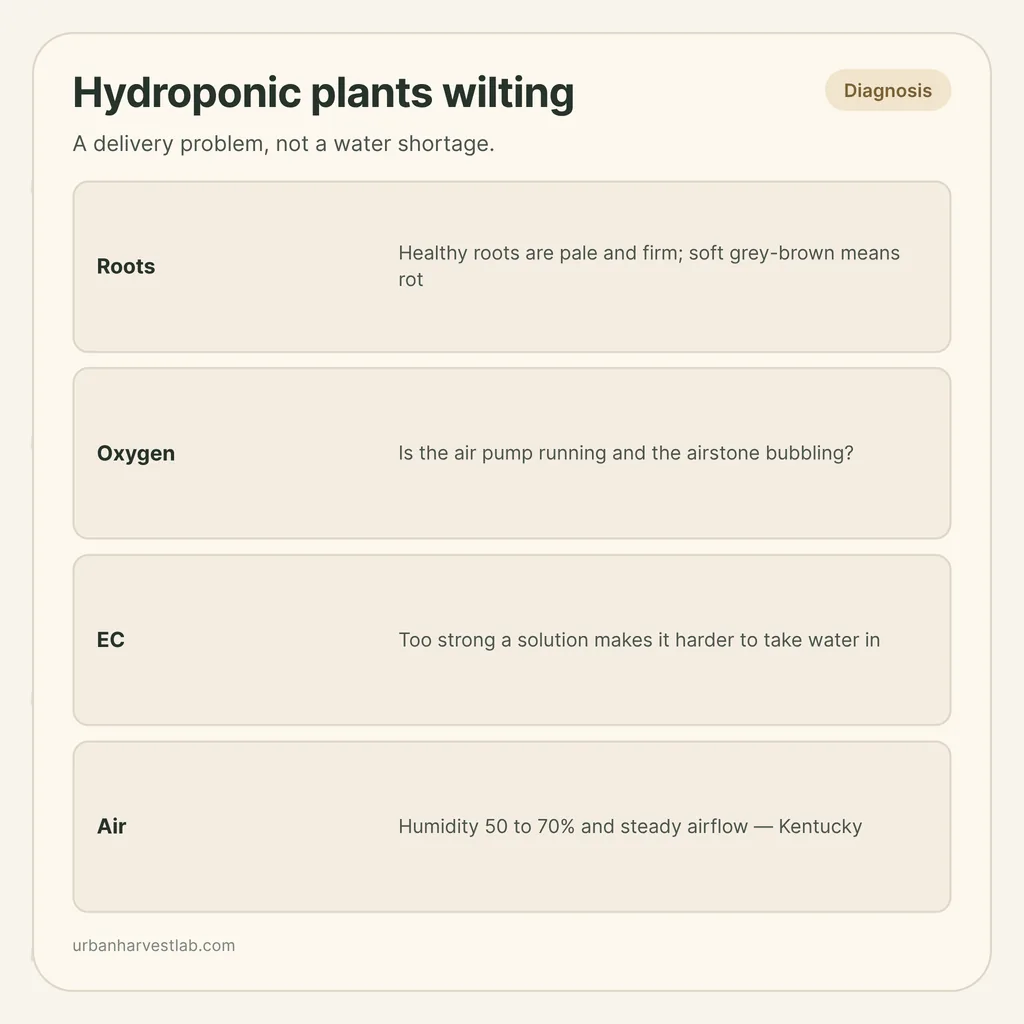
Hydroponic plants wilting: how to find the cause
A wilted plant standing in water is not short of water. Work through the roots, the oxygen, the EC and the air in that order and the cause usually shows itself.
This is the plain utility list for every published hydroponics guide. For the main topic page with curated pathways, featured entry points, and broader context, use the primary hub.
Hydroponics rewards consistency more than complexity. This hub organizes beginner system choices, nutrient management, troubleshooting, and advanced indoor-growing decisions around stable, repeatable small-space setups.
Browse the full set of published guides in Hydroponics. This archive stays intentionally simple so it does not compete with the main hub.
A wilted plant standing in water is not short of water. Work through the roots, the oxygen, the EC and the air in that order and the cause usually shows itself.

The switch from growth to bloom feed is really a staged rise in nitrogen and potassium, timed by flower trusses rather than by the calendar. Here is what the university programmes change, and what they leave alone.

Old reservoir water still carries nitrogen and phosphorus. Put it to work on soil plants, and keep it out of storm drains and waterways.

The four media most home growers choose between behave very differently: one needs a pH soak, one drains in seconds, one carries salt, one falls apart. Here is which fits which system.

Where a symptom starts tells you which nutrient is short. Use the chart to narrow it down, then rule out pH and roots before you add anything to the reservoir.

Watercress is a water-loving crop that suits a still tank, if you keep it cool and refresh the solution. The Hawaii work gives numbers, and CDC gives one food-safety rule worth knowing.

A balcony gives a hydroponic system free light and takes away your control of temperature and water. Here is what to do about the reservoir heat, algae, rain and wind.

Woody Mediterranean herbs evolved for dry roots, so constant water culture is the wrong default. Here is what the research shows and which systems suit them.

Fish waste becomes plant food through two kinds of bacteria. What that means for a home setup: the start-up wait, fish and crop choices, daily upkeep and handling raw greens safely.

A tower grows many more plants per square foot of floor than a flat system, but plants at the base get less light and yield less. Light and pump head decide whether one suits you.

Vinegar works for a day and costs you growth. Here is what a university trial measured when vinegar and lime juice were compared with pH Down, and what to do instead.
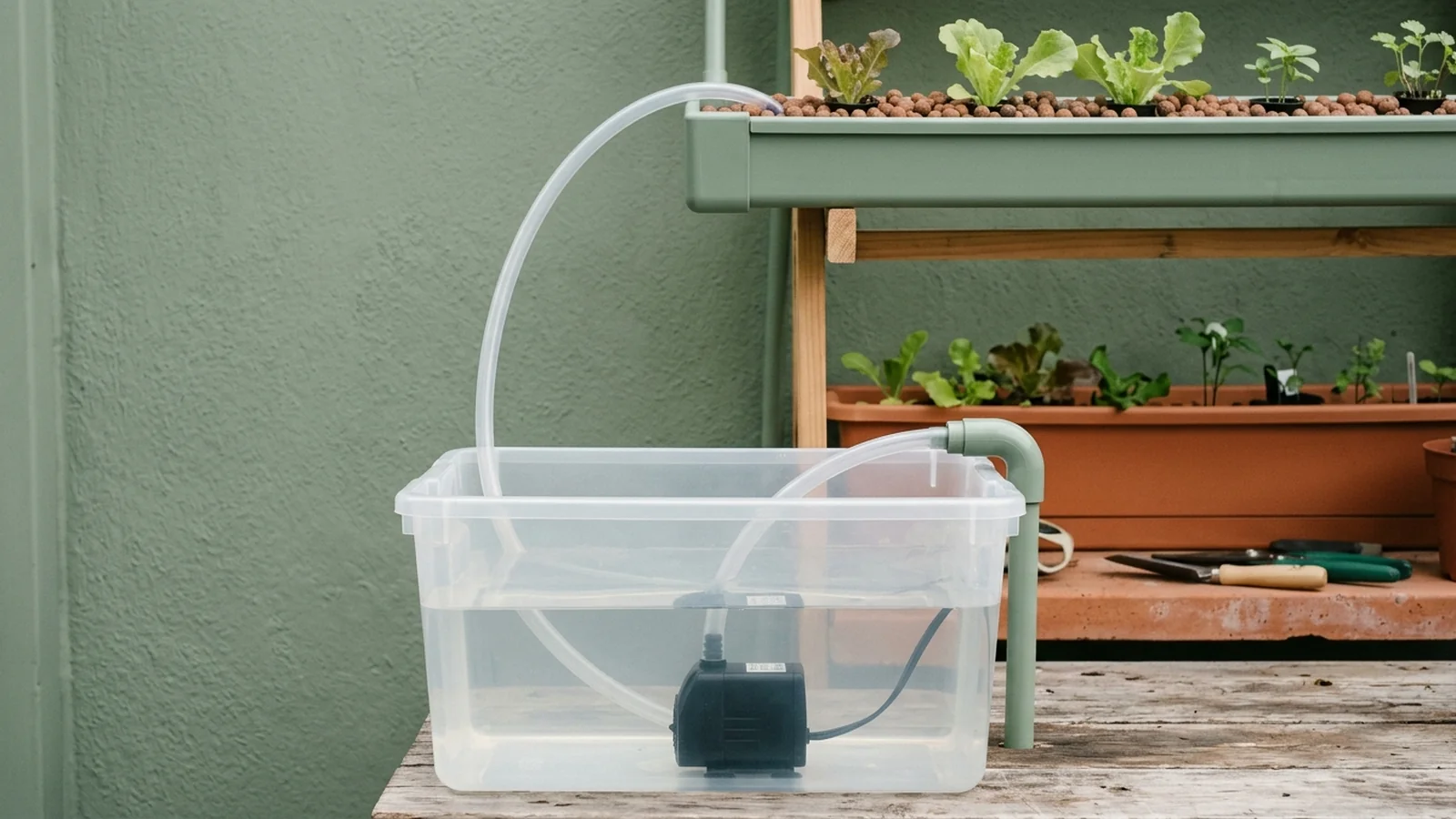
The GPH figure on a submersible pump's box is measured with no vertical lift at all. The moment that pump has to raise water, flow drops along a curve specific to that model, reaching zero at its maximum head.
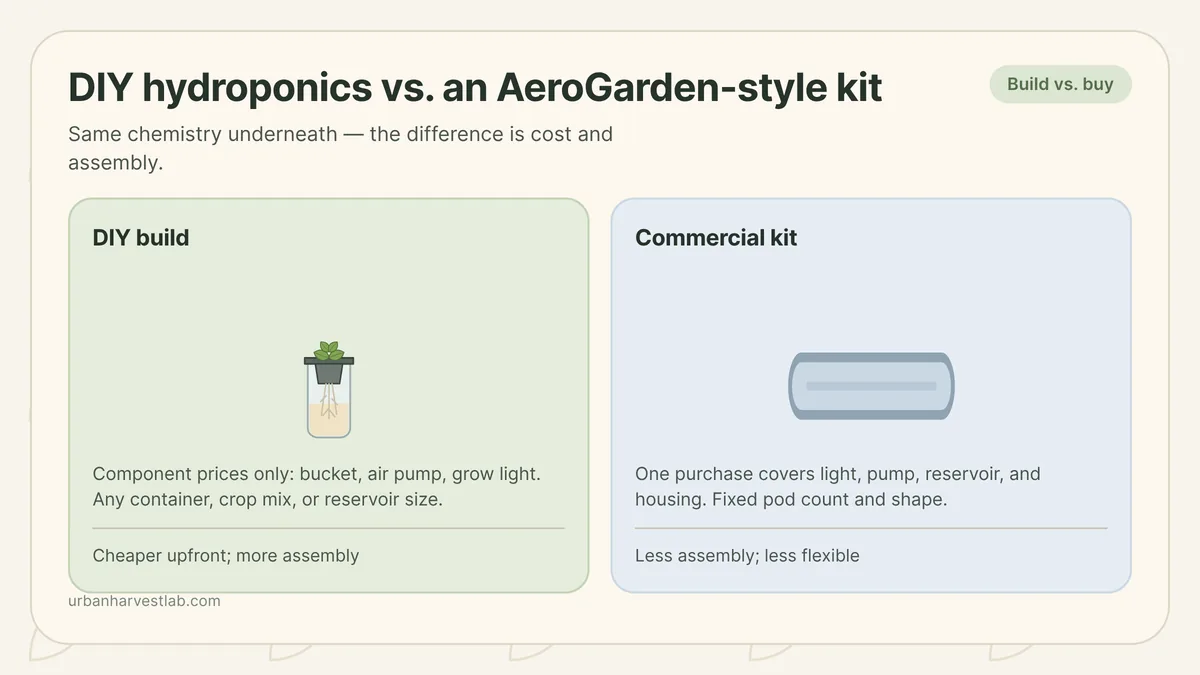
A DIY bucket build and a commercial countertop kit run on the same chemistry. What differs is upfront cost, ongoing cost, and how much assembly you want to do yourself.
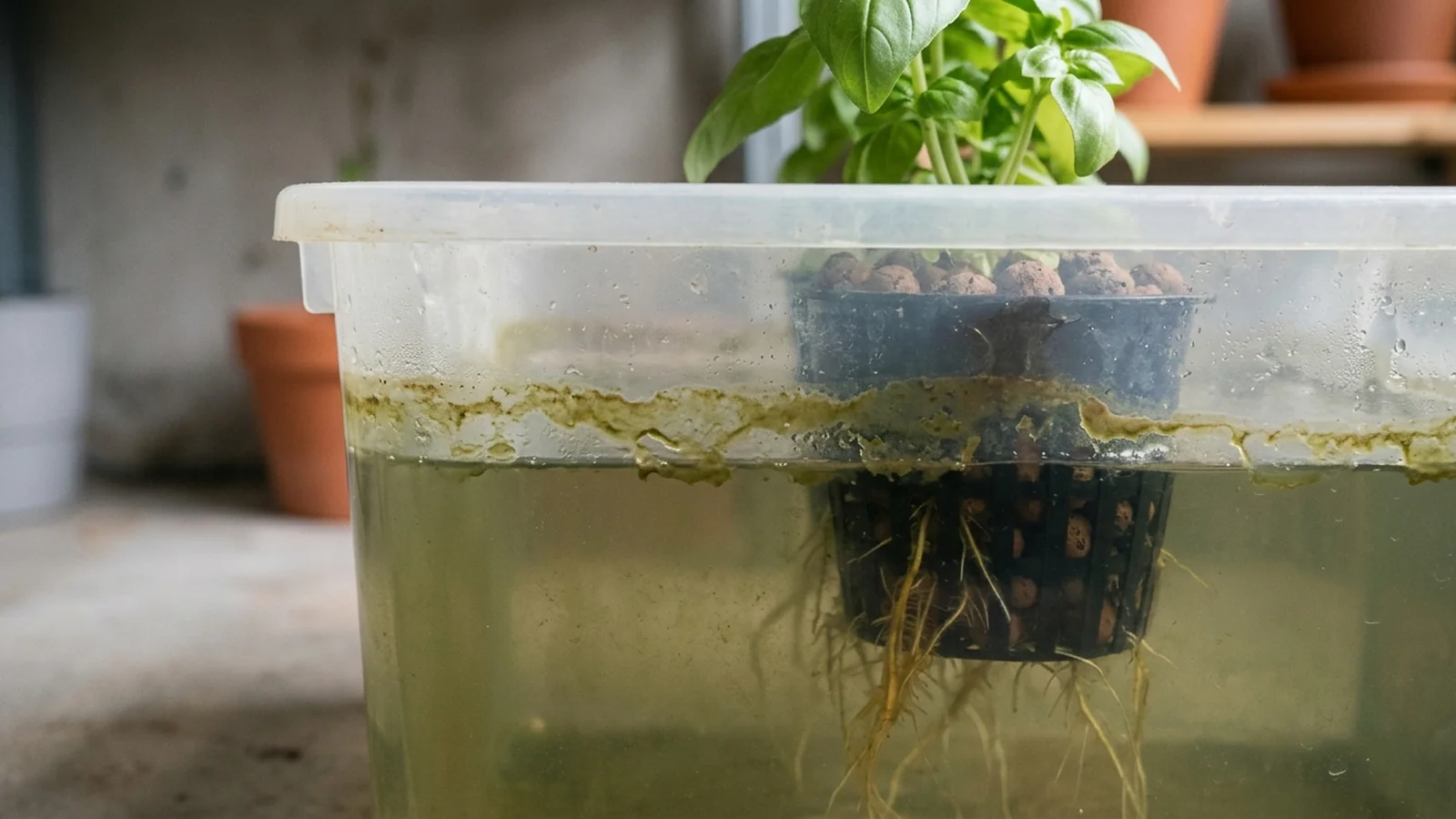
Algae needs light, water, and nutrients, and a hydroponic reservoir hands it all three. Block the light and the outbreak stops feeding itself.
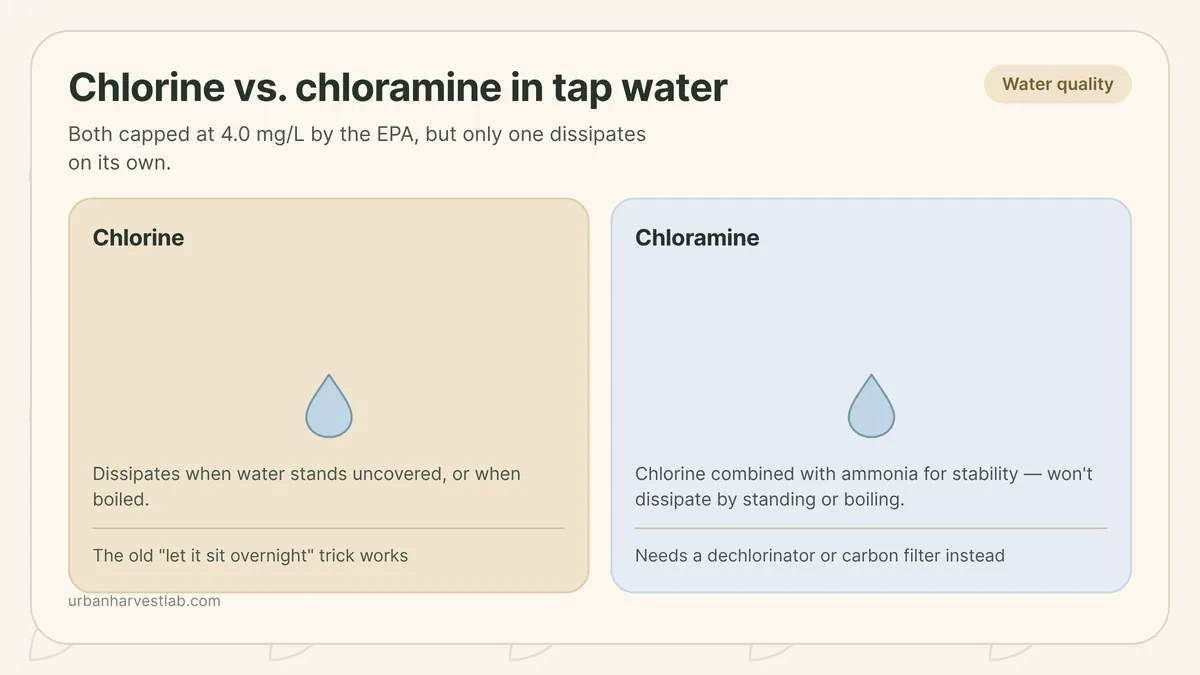
Tap water usually carries some chlorine or chloramine. Here is how much is actually in it, why the two disinfectants behave differently, and when dechlorinating is worth the extra step.
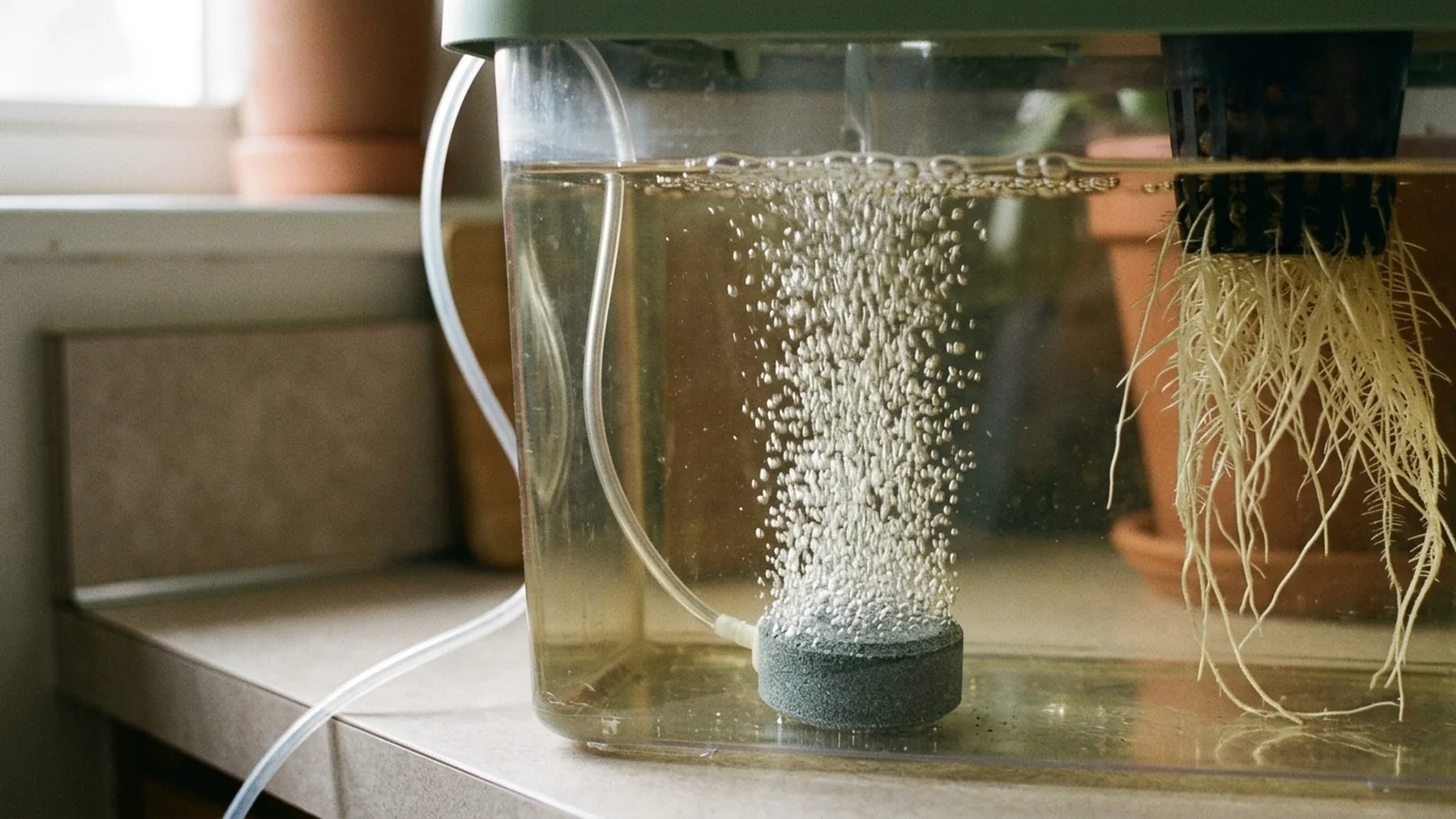
Roots breathe oxygen dissolved in the water around them, not the air above it. Here are the actual targets, what temperature really does to that oxygen, and how to check yours without a lab meter.
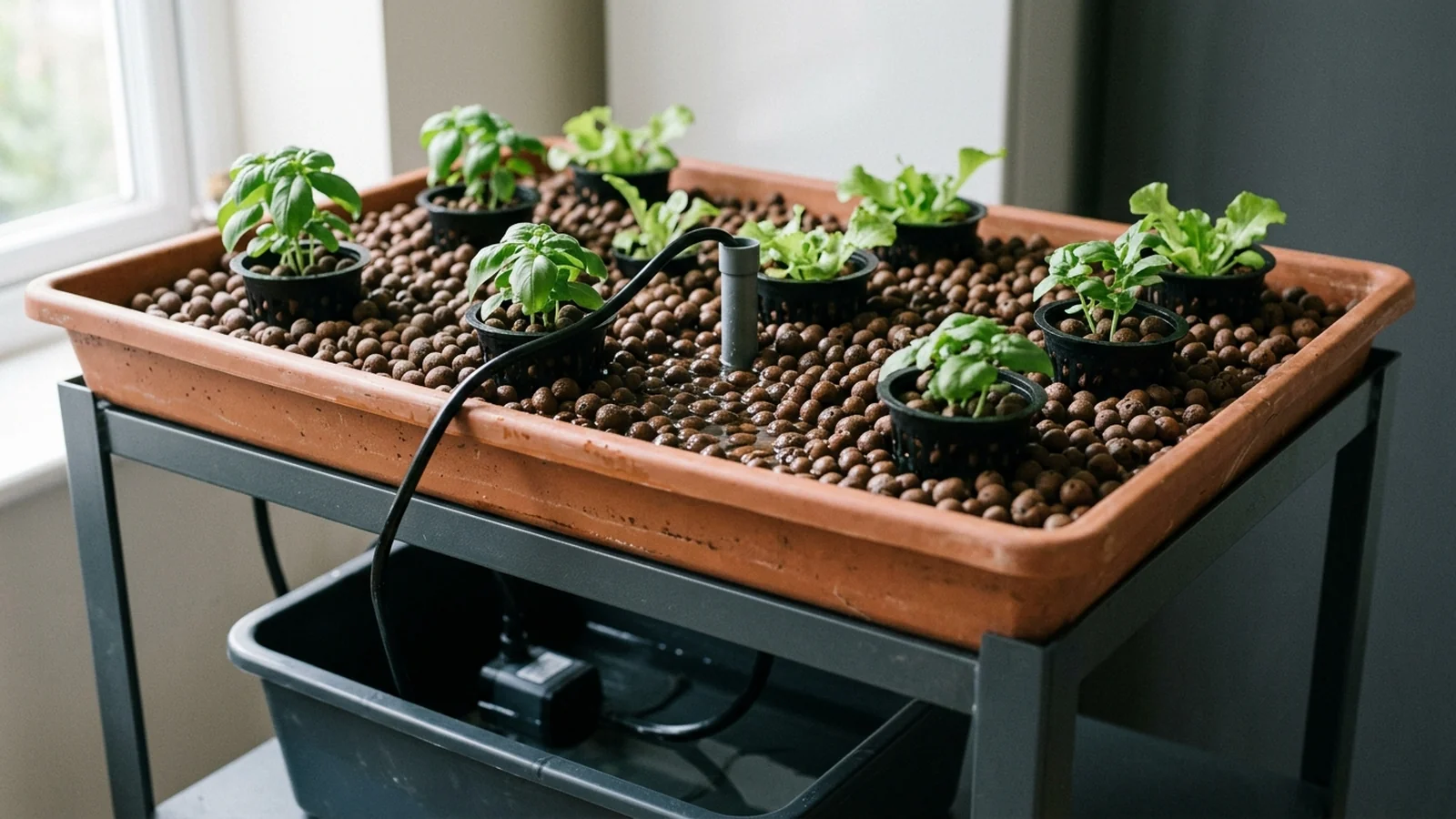
Ebb and flow floods a grow tray on a timer, then drains it back to the reservoir. Get the cycle and the media right and the roots stay out of stagnant water.
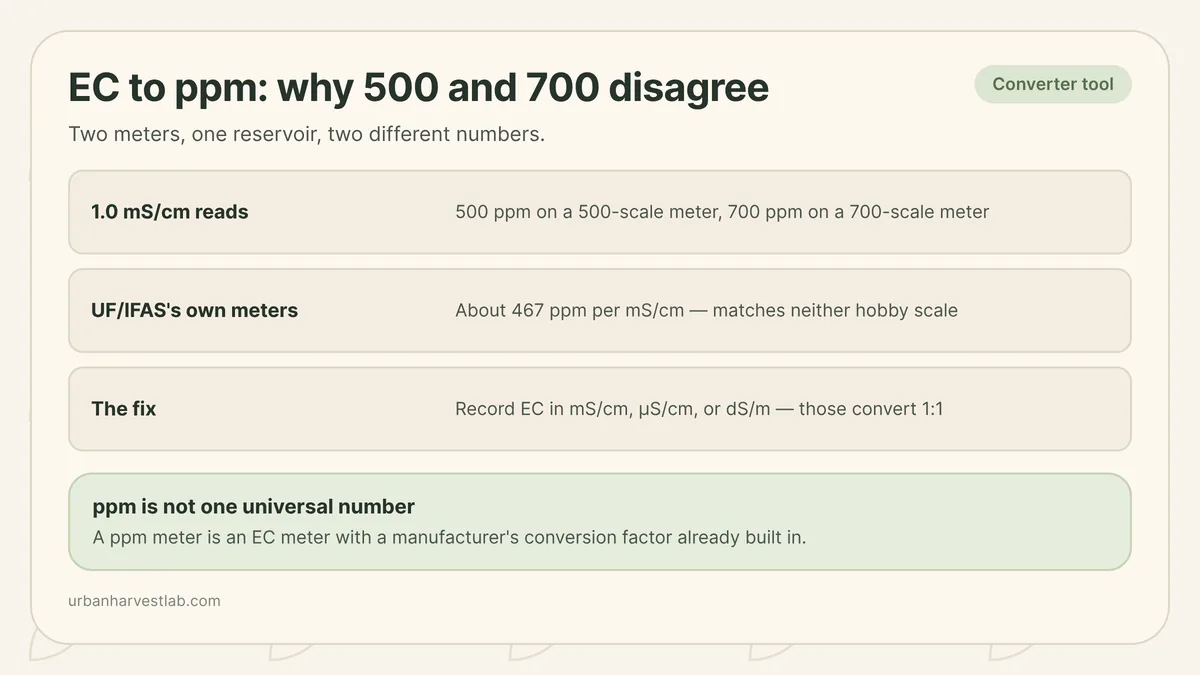
An EC reading converts to two different ppm numbers depending on which scale a meter uses. Convert both directions here, and see why 500 and 700 disagree.
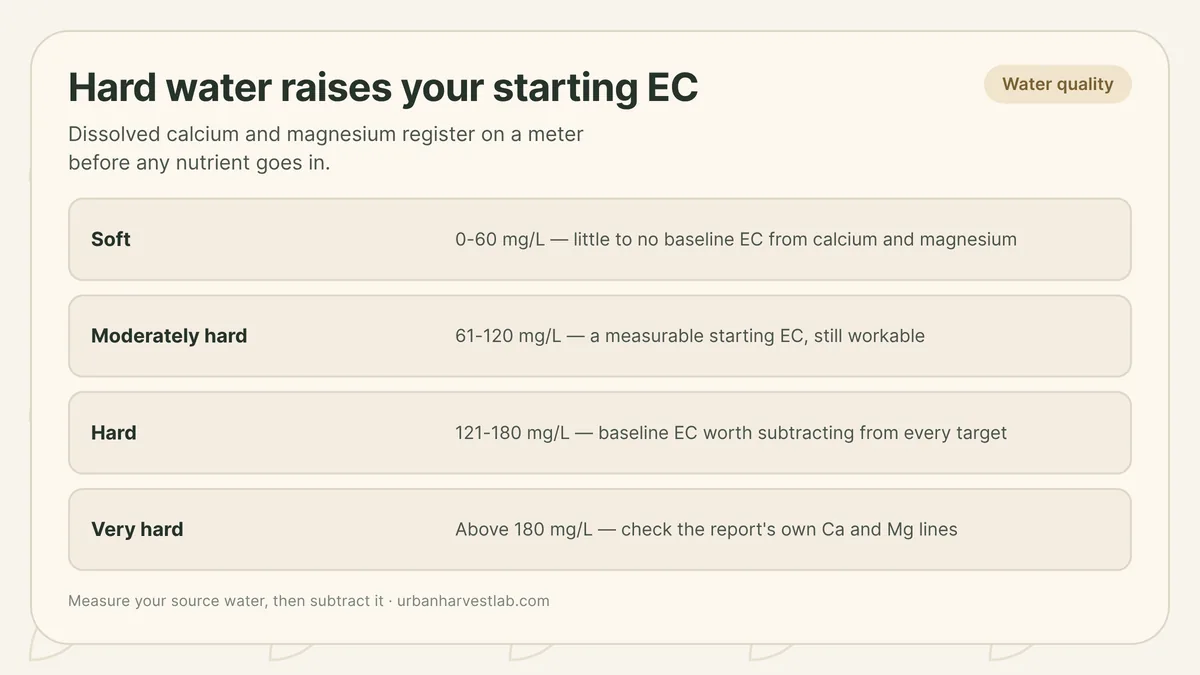
Tap water carrying dissolved calcium and magnesium does not start at zero EC. Here is how much that shifts your baseline, and how to mix around it.
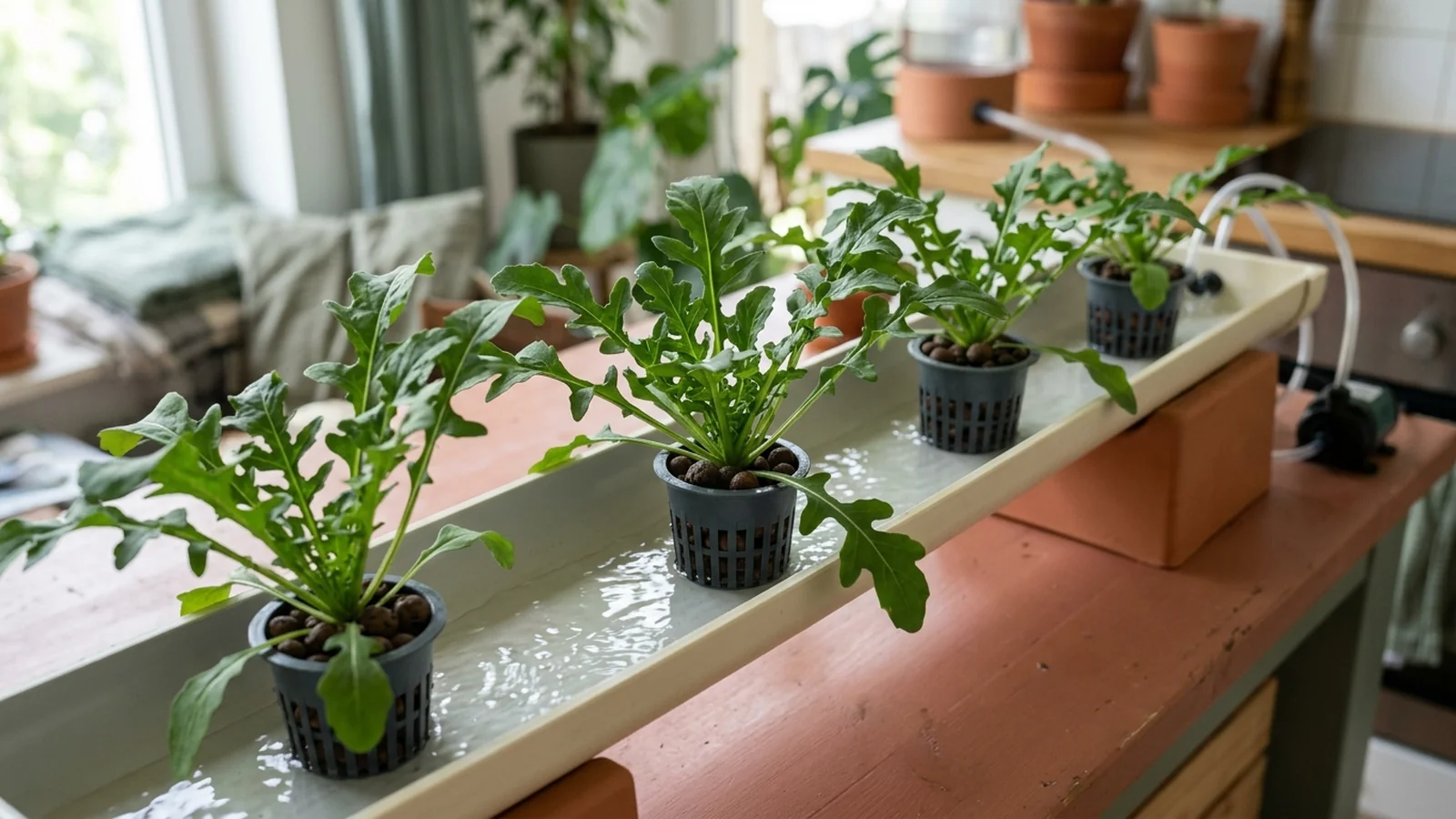
Arugula has no dedicated hydroponic EC or pH figure in the extension research, and it is one of the few crops grown here as both a full hydroponic leafy green and a fast microgreen.
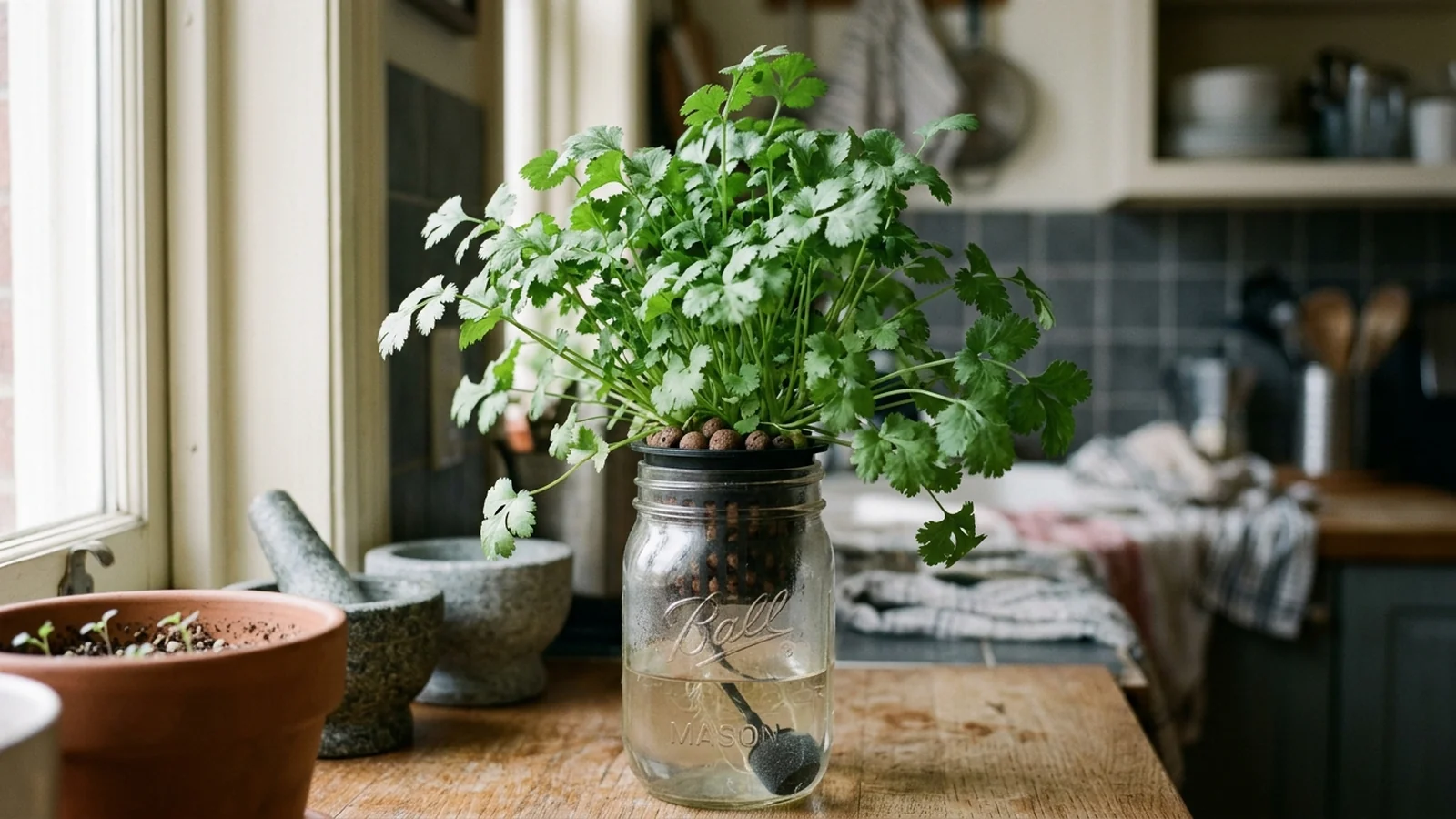
Oklahoma State's hydroponic crop table skips cilantro the way it skips mint and arugula. Here is what to run instead, and why the plant's speed to flower matters more than its water chemistry.
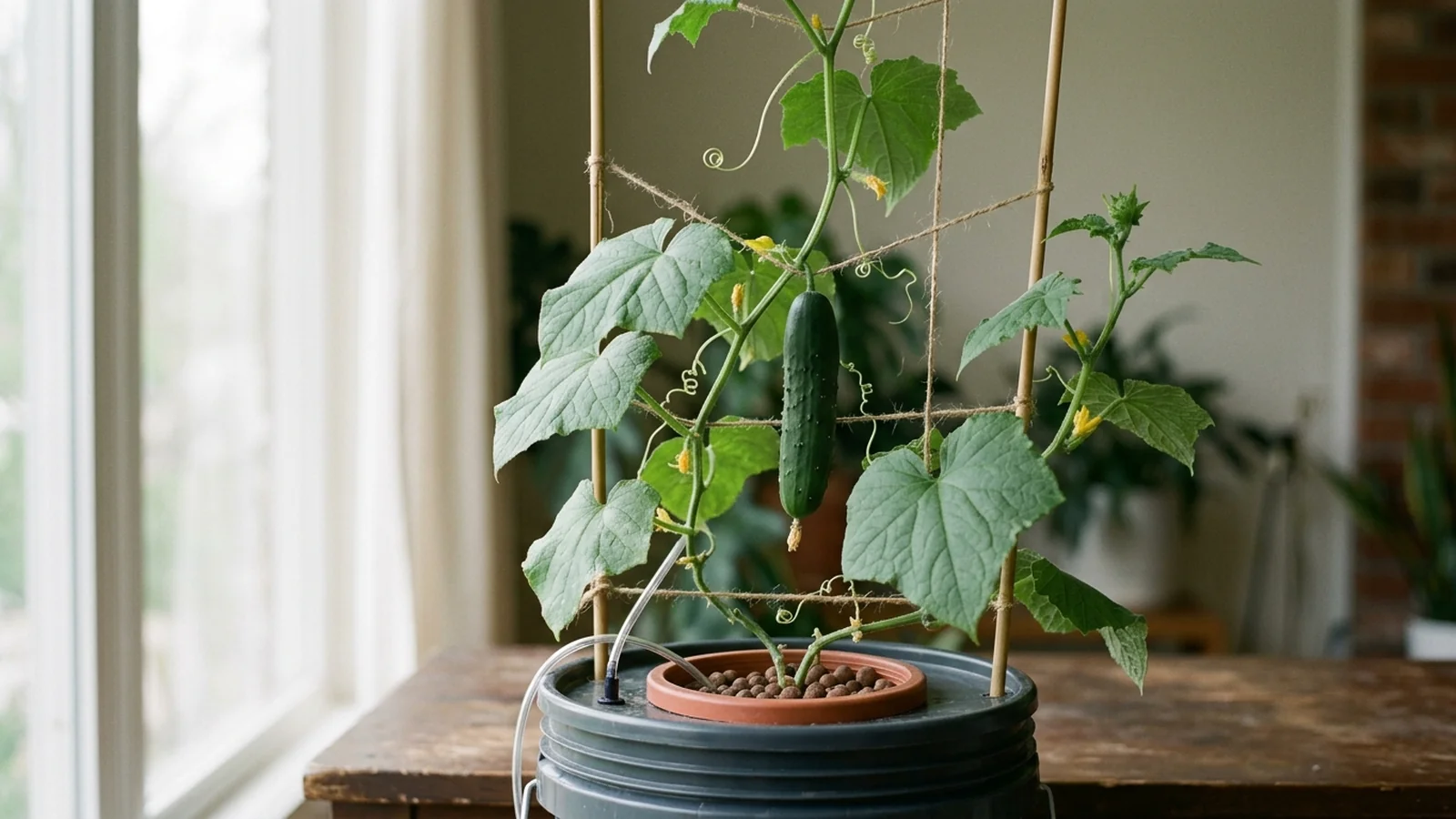
Hydroponic cucumbers need a more acidic solution than most crops, and a vine that keeps climbing well past where a leafy-green tray stops. Here is the footprint an apartment setup actually takes, trellis included.
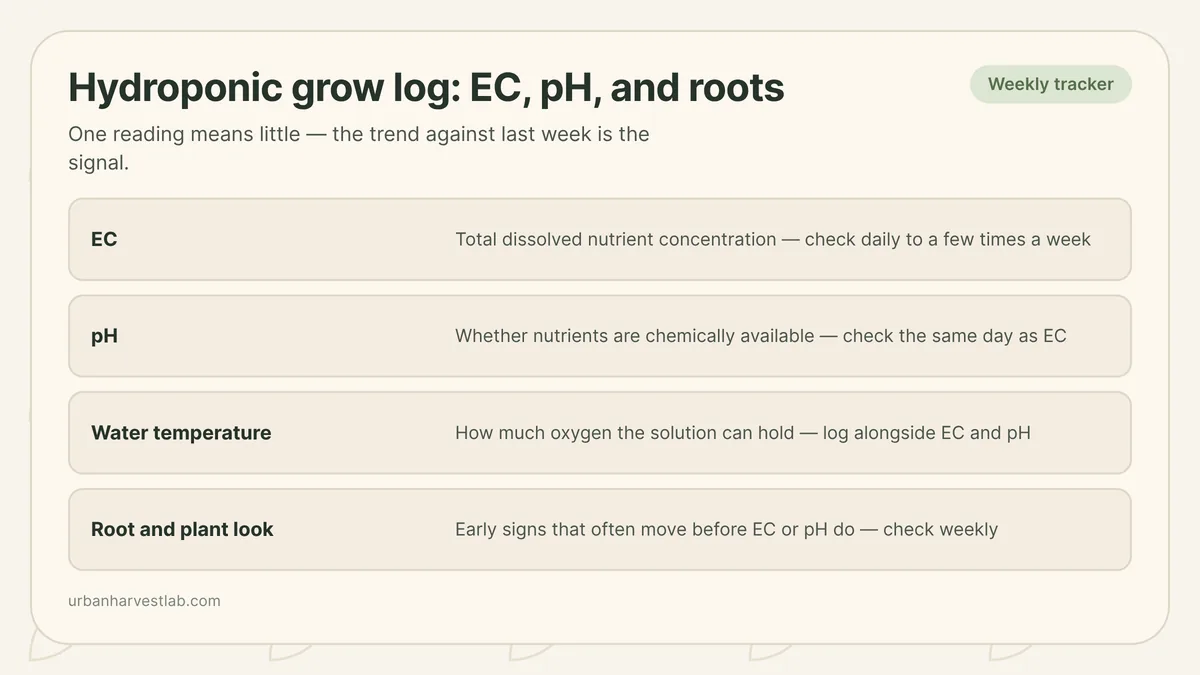
A single EC or pH reading tells you almost nothing. The same number logged every week, compared against last week's, is what actually catches a problem before the plant shows it.
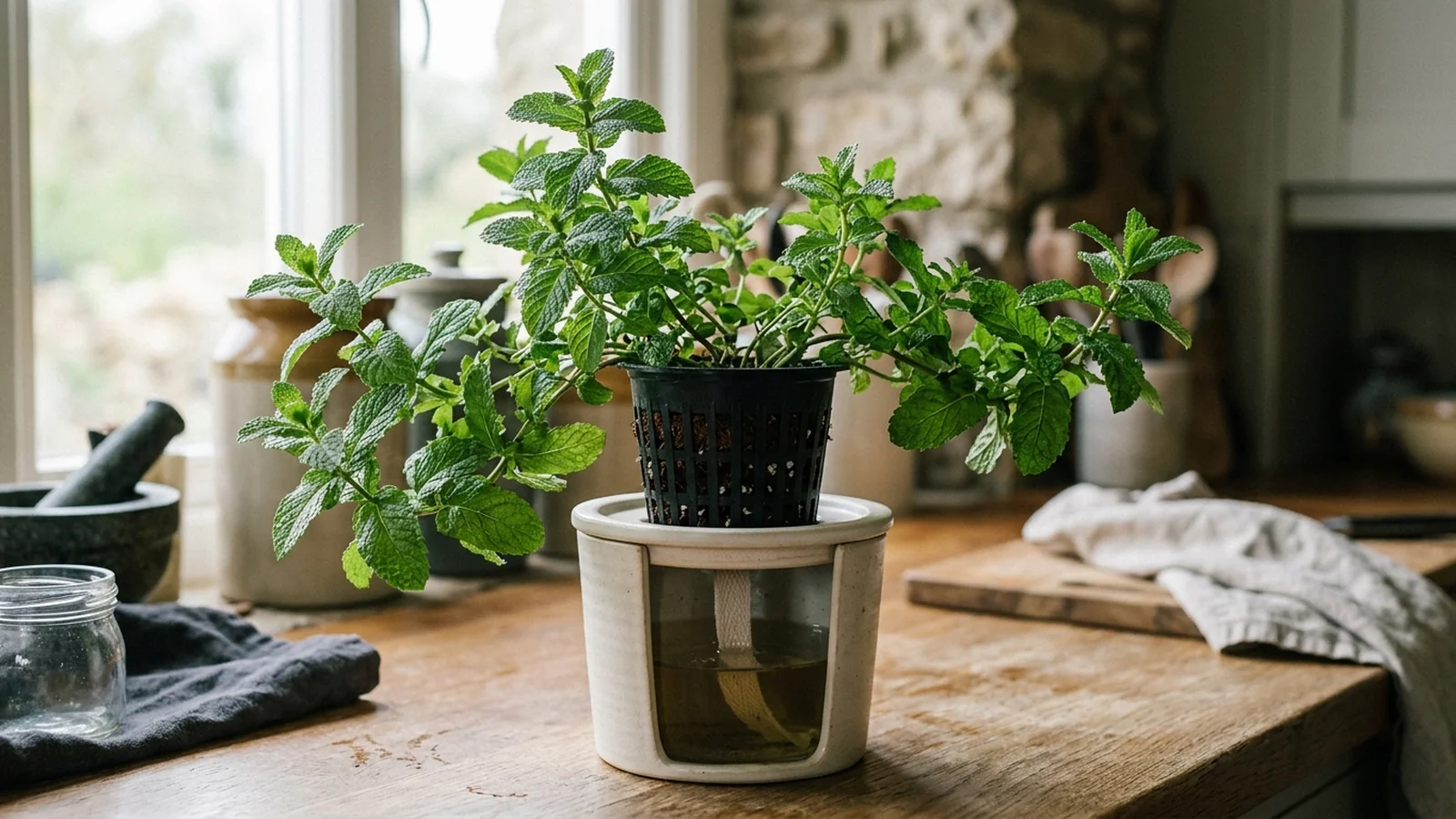
Mint's spreading roots make it one of the easiest hydroponic herbs and one of the worst reservoir-mates. Give it a system of its own and harvest it hard, and it rewards you all season.
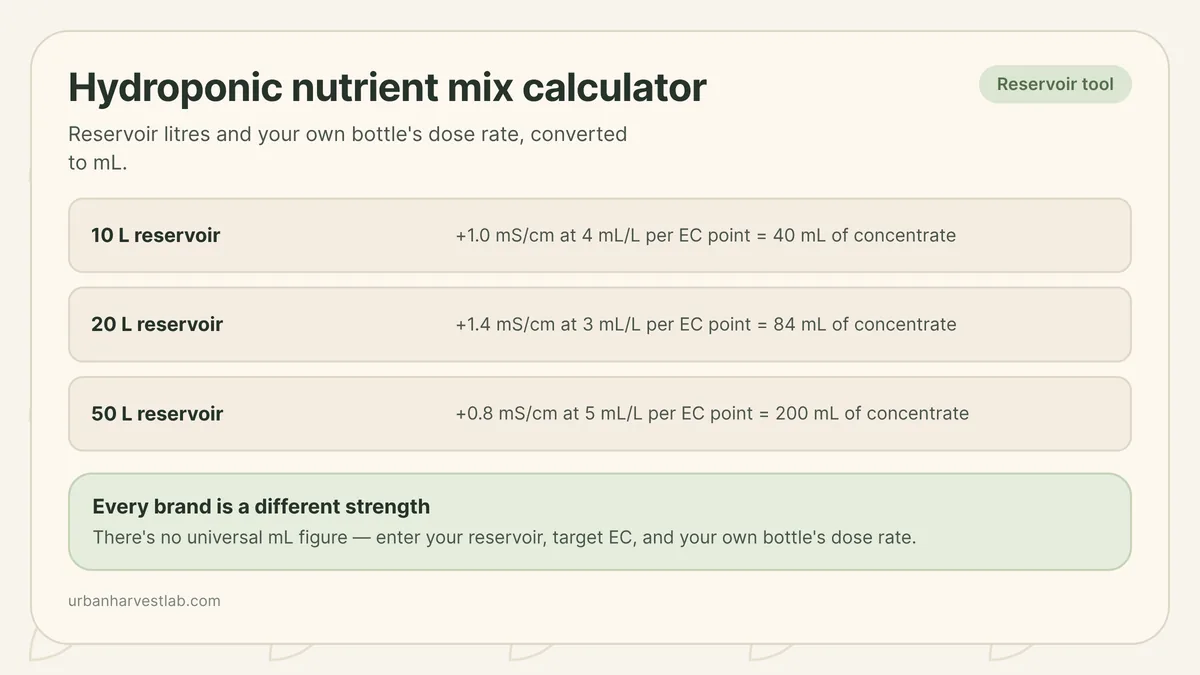
There is no single ml-per-litre number for hydroponic nutrients, because every brand's concentrate is a different strength. Enter your reservoir, your target EC, and your own label's dose rate here.
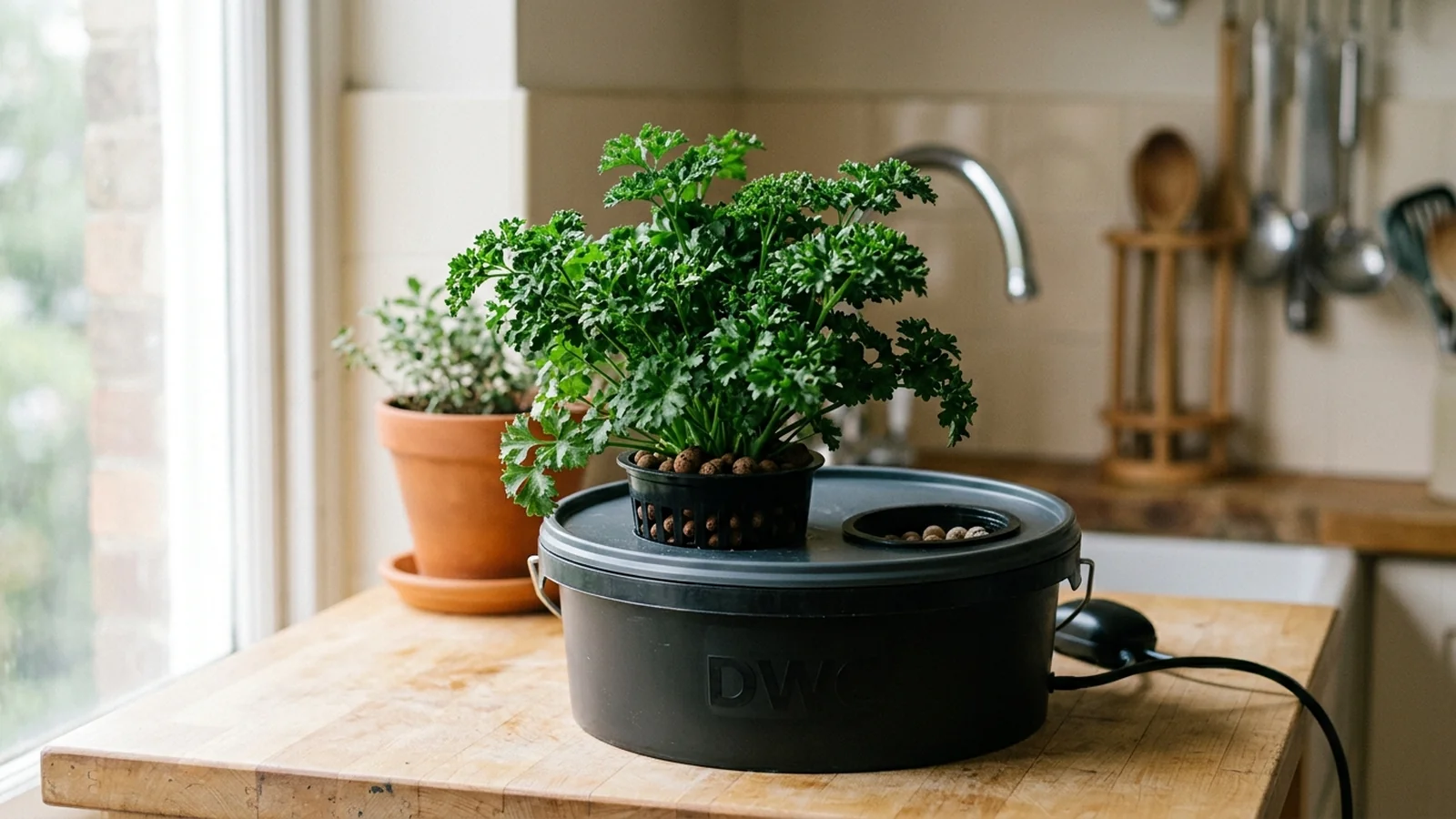
Parsley grows into a dense, productive hydroponic herb, but it makes you wait for it. Here is what to expect at the germination tray and at the reservoir.
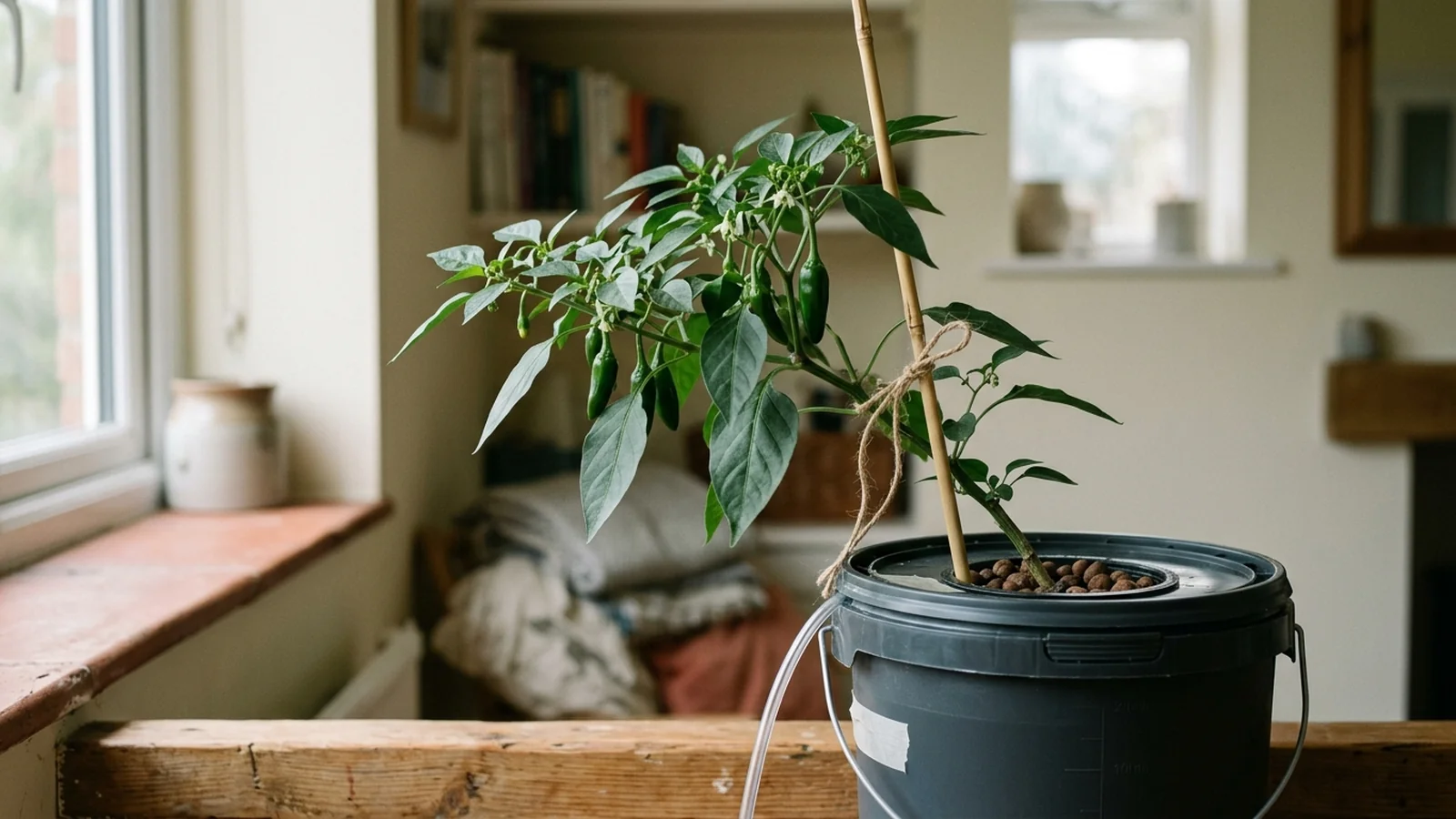
Peppers are the hydroponic fruiting crop that forgives a mixing mistake tomatoes would not. That does not make them a light or pollination shortcut.
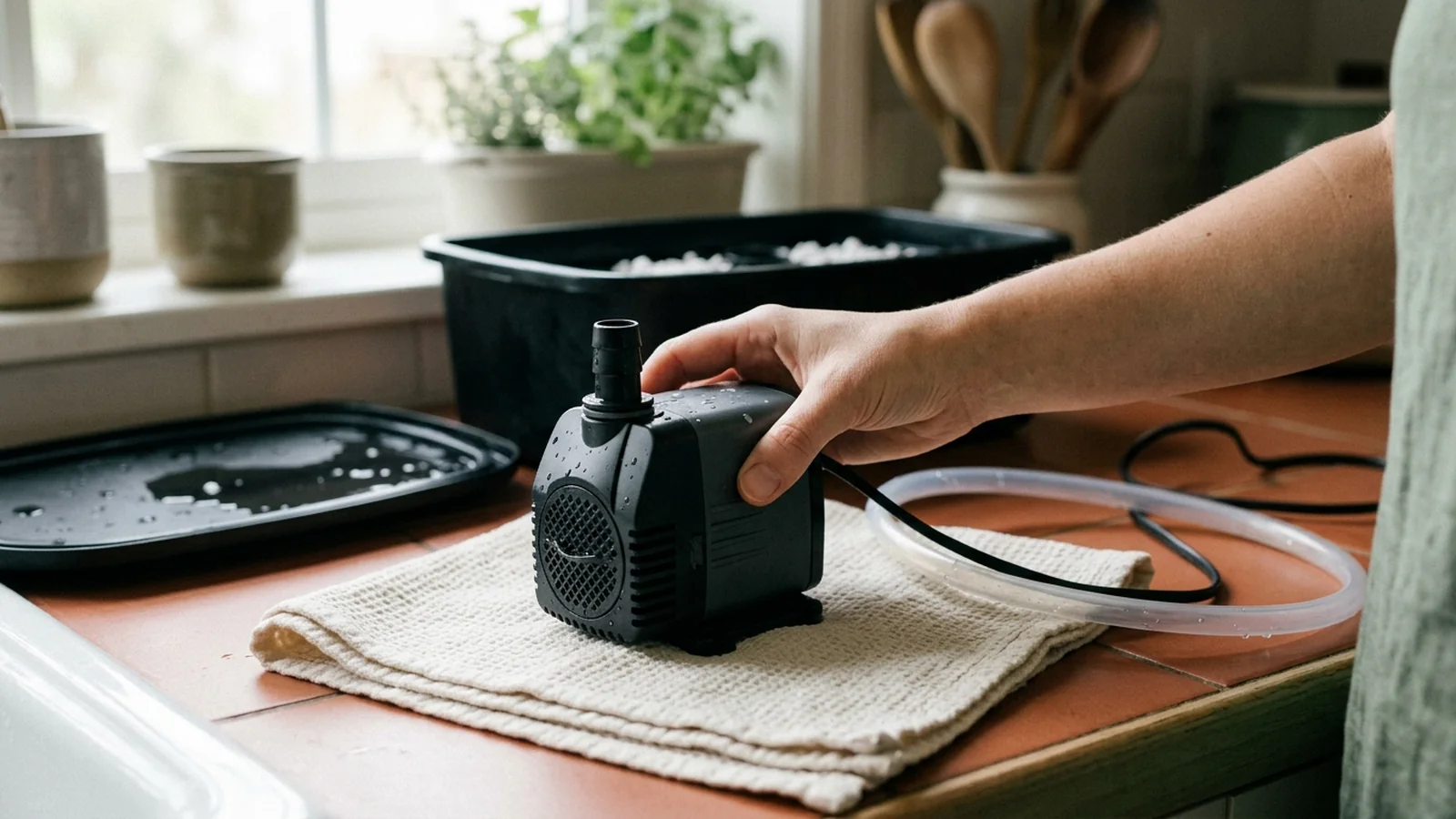
A stopped pump does not threaten every hydroponic system the same way. Here is the mechanism behind each one, and the plan to run when yours goes quiet.
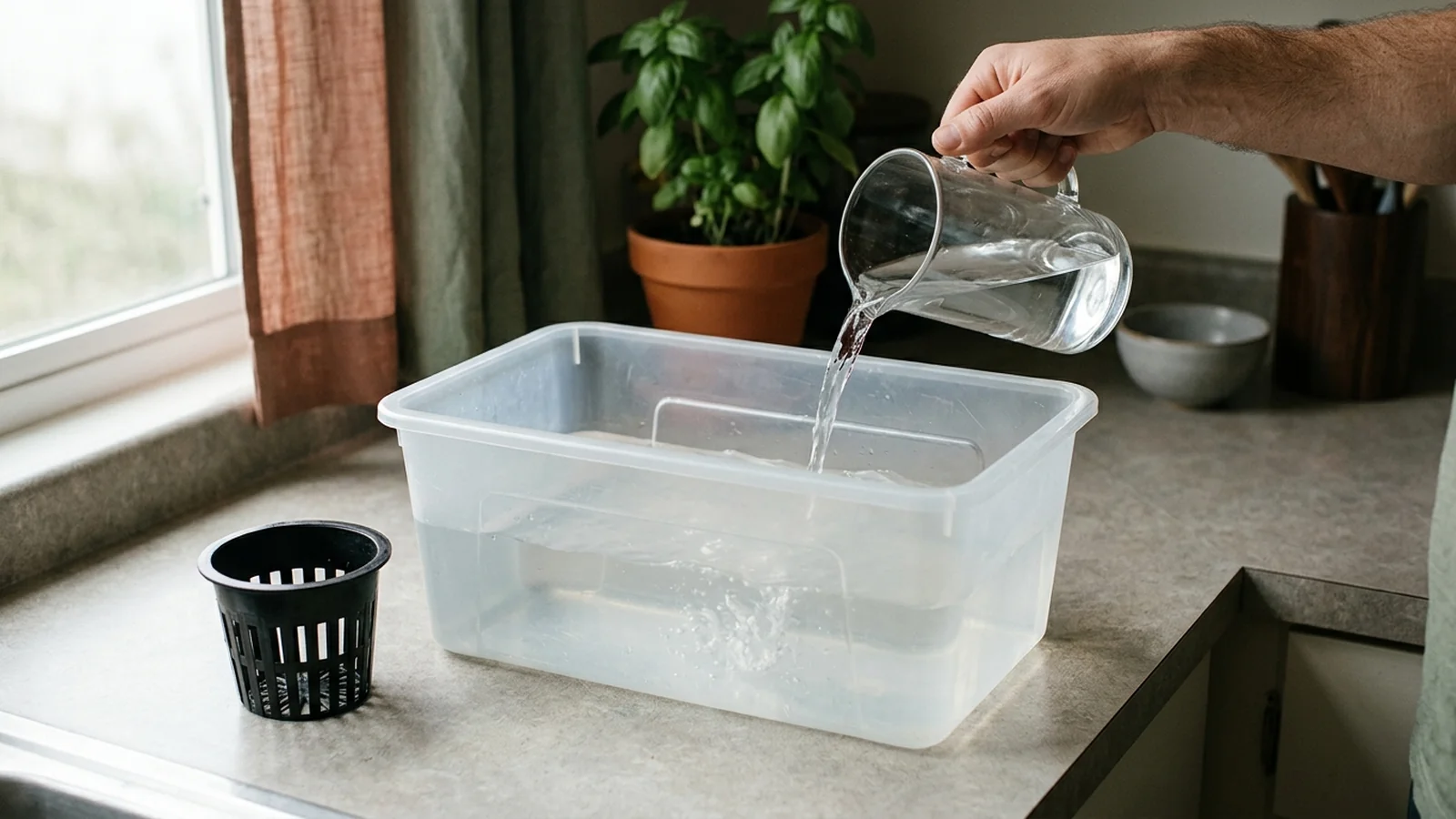
Reservoir size is a function of plant count, system type, and one sourced rule for deep water culture: more than 4 litres per plant. Here is how to size yours.
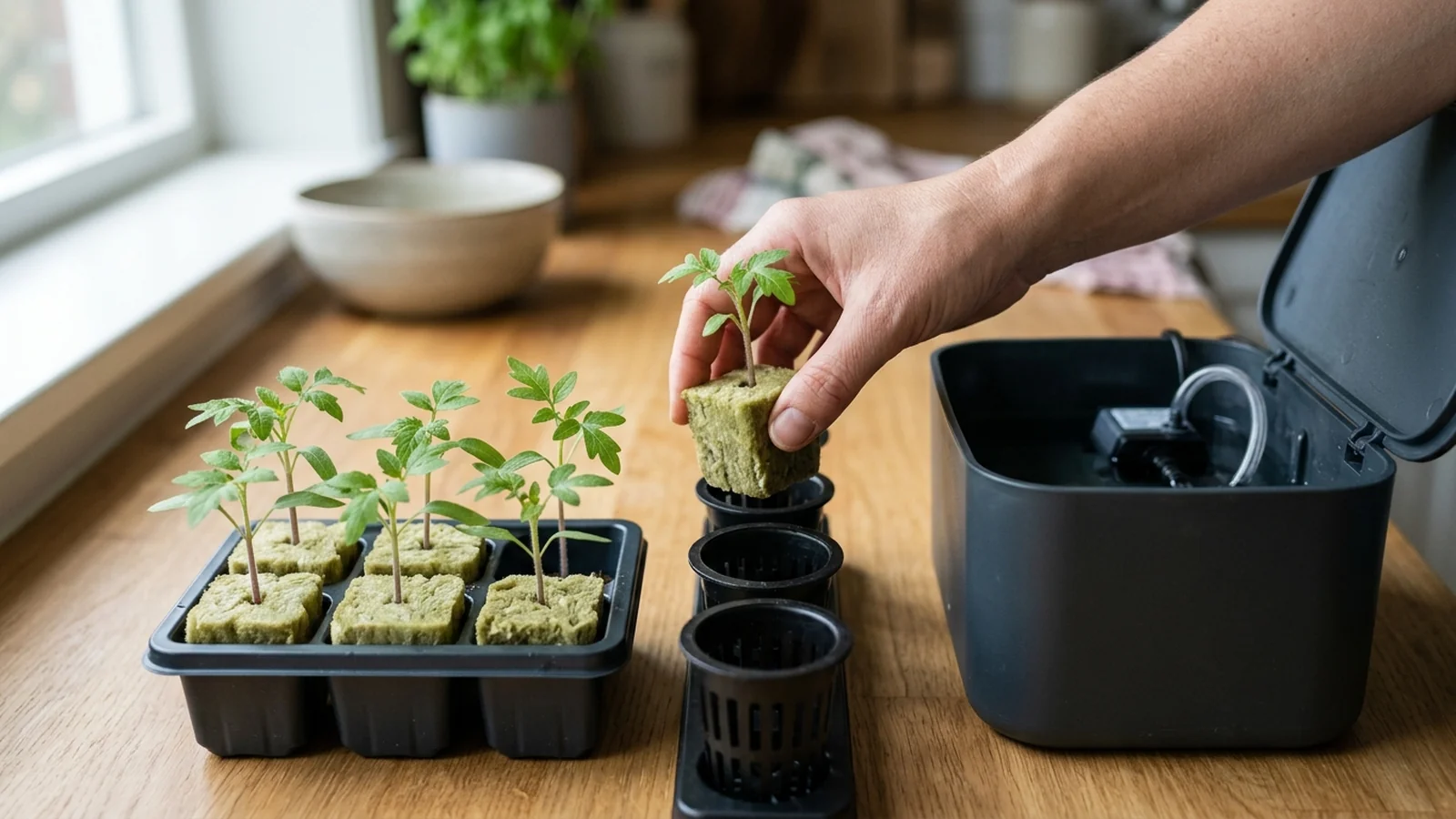
Print this before you move a single seedling: root and leaf checks, reservoir prep, and the handling steps that keep transplant shock from turning into a lost tray.
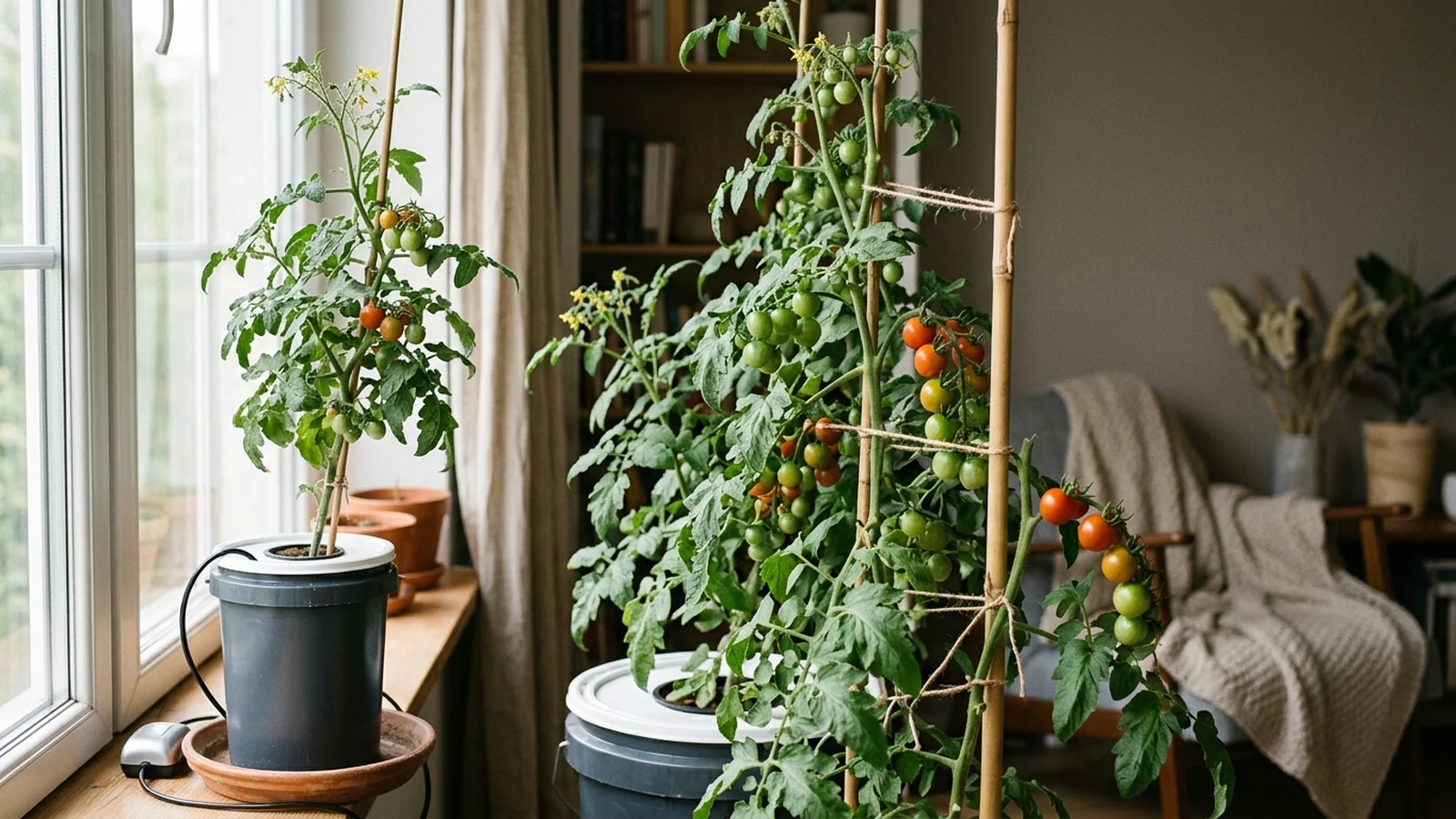
Tomatoes are the first fruiting crop most hydroponic growers try indoors, and the jump from lettuce is bigger than it looks. Here is the system, the EC program, and what to expect.
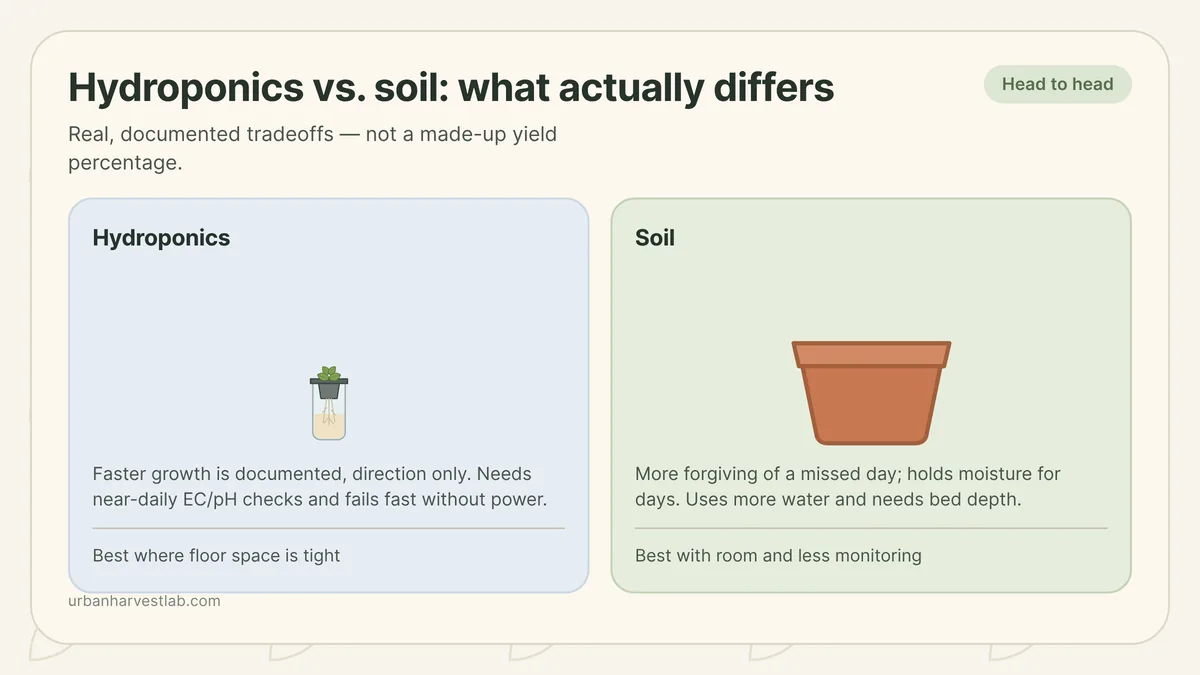
Hydroponics and soil differ in real, documented ways, but a single head-to-head yield percentage is not one of them. Here is what university extension research actually measured.
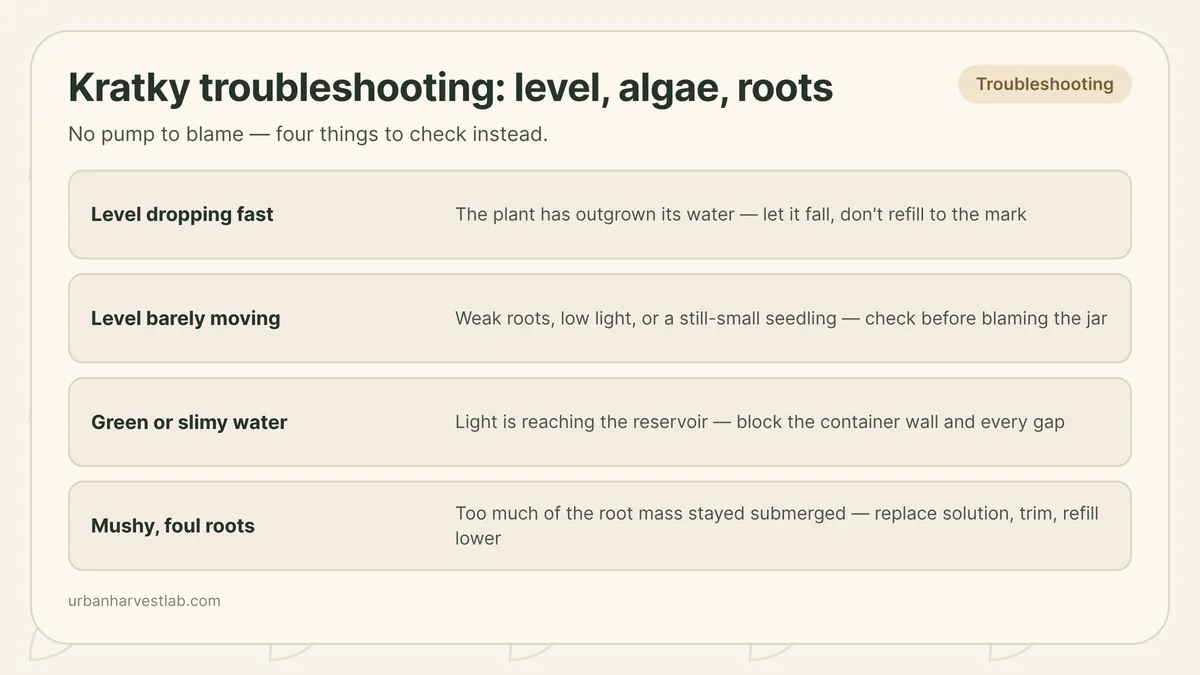
Most Kratky failures trace to one of four things: the water level, light reaching the reservoir, an over-submerged root zone, or a tray too small for the plant. Here is how to tell which one is yours.
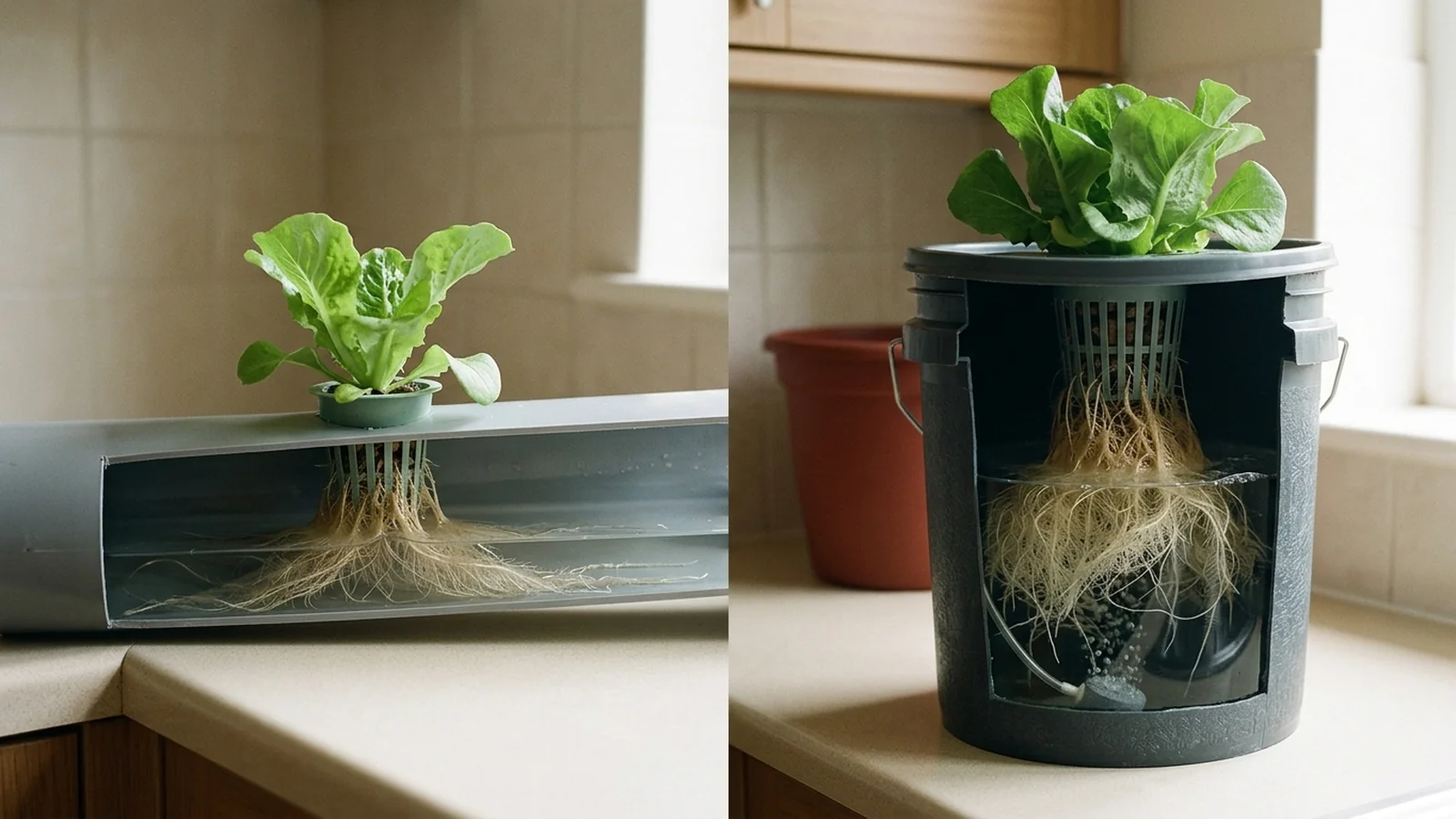
NFT and DWC both grow lettuce and greens well, but they get oxygen to the roots in opposite ways, and that difference decides how each one fails.
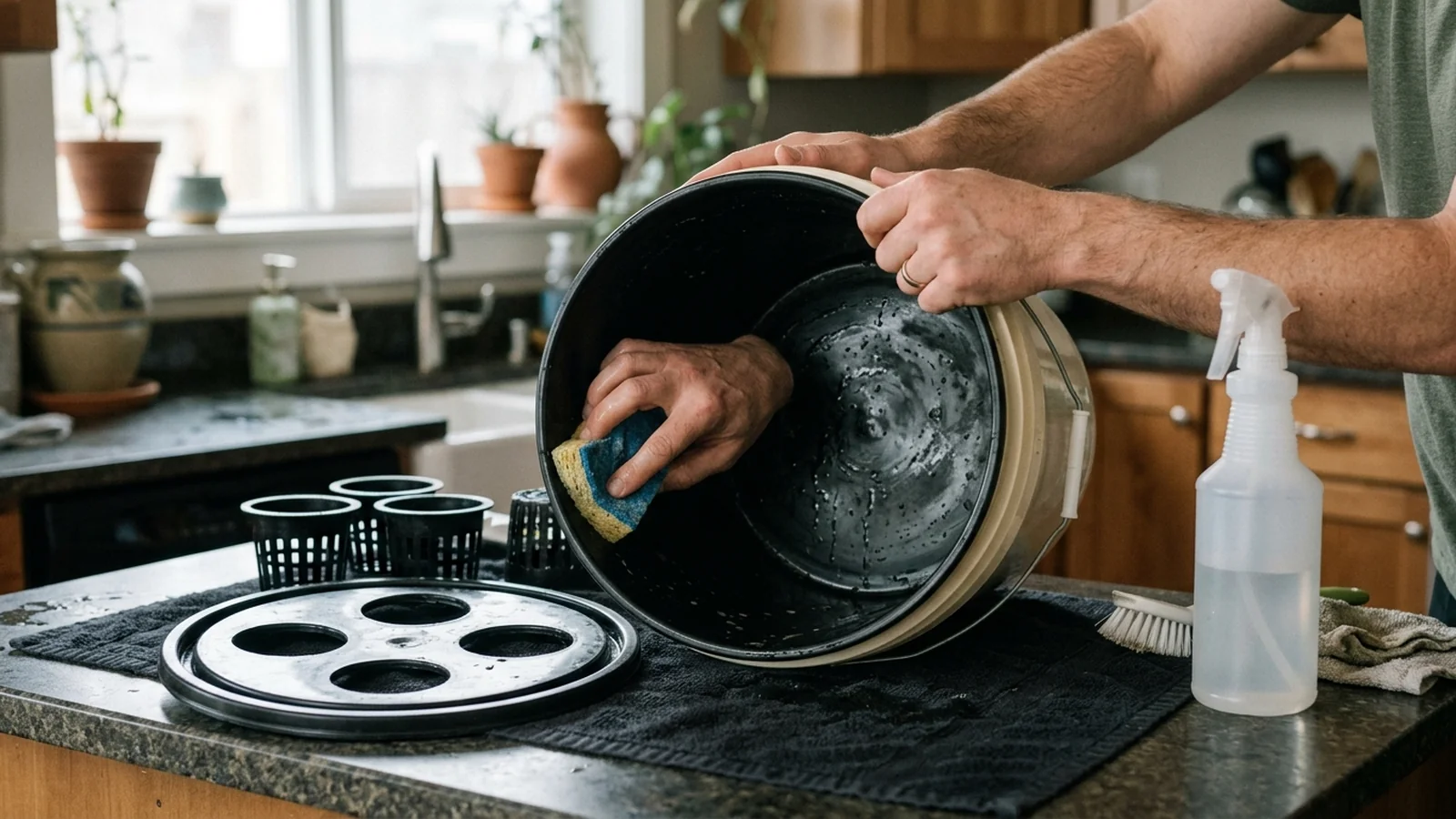
Cleaning gets the biofilm off. Sanitizing between crops is a separate, timed step with its own dose and its own rinse rule — and the reservoir and the equipment surfaces do not get the same ending.
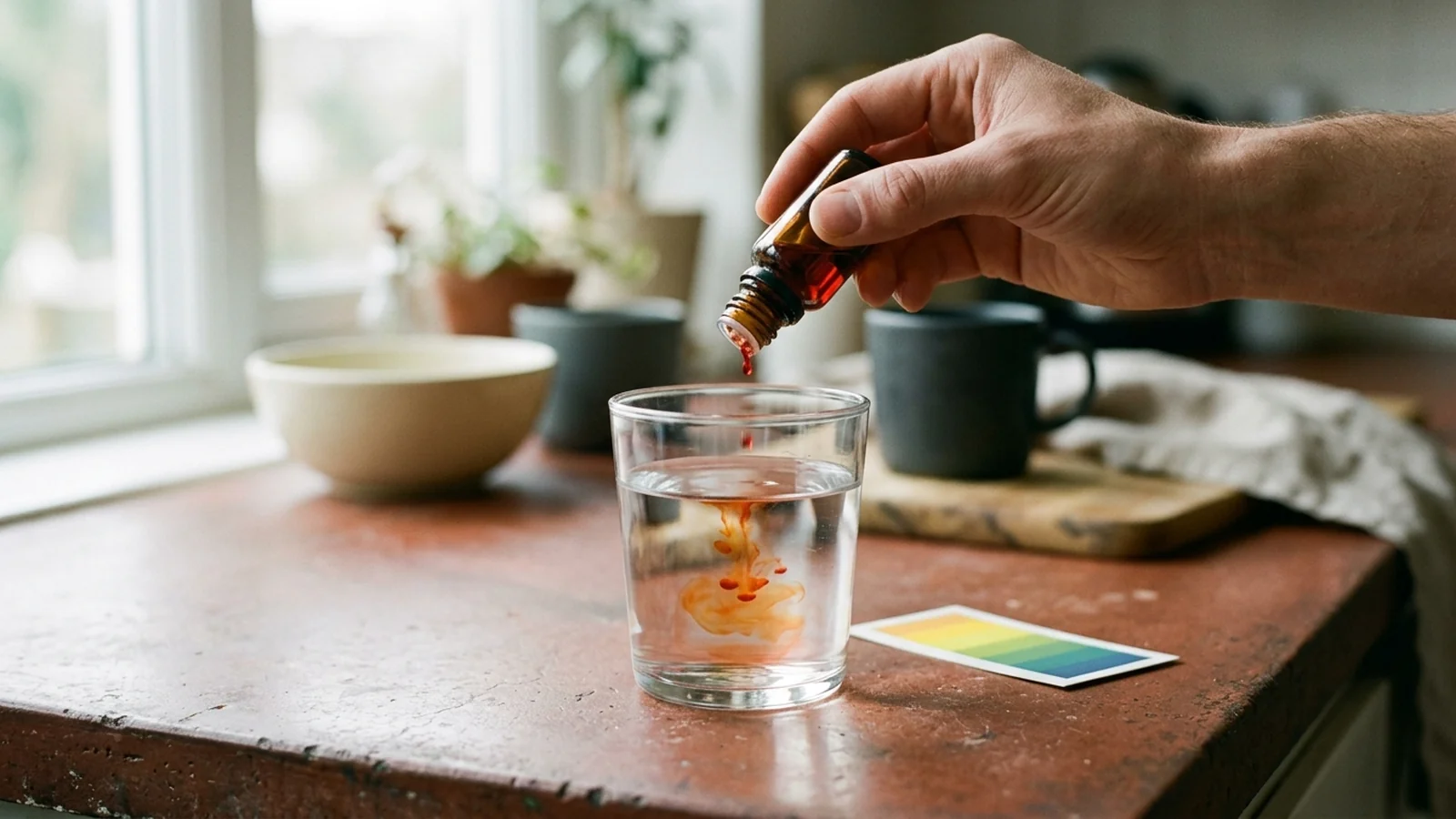
Dosing pH down and watching the reading climb back up within a day usually means the water itself is buffered against the change. Here is what alkalinity measures, the range that keeps a reservoir stable, and how it differs from hardness.
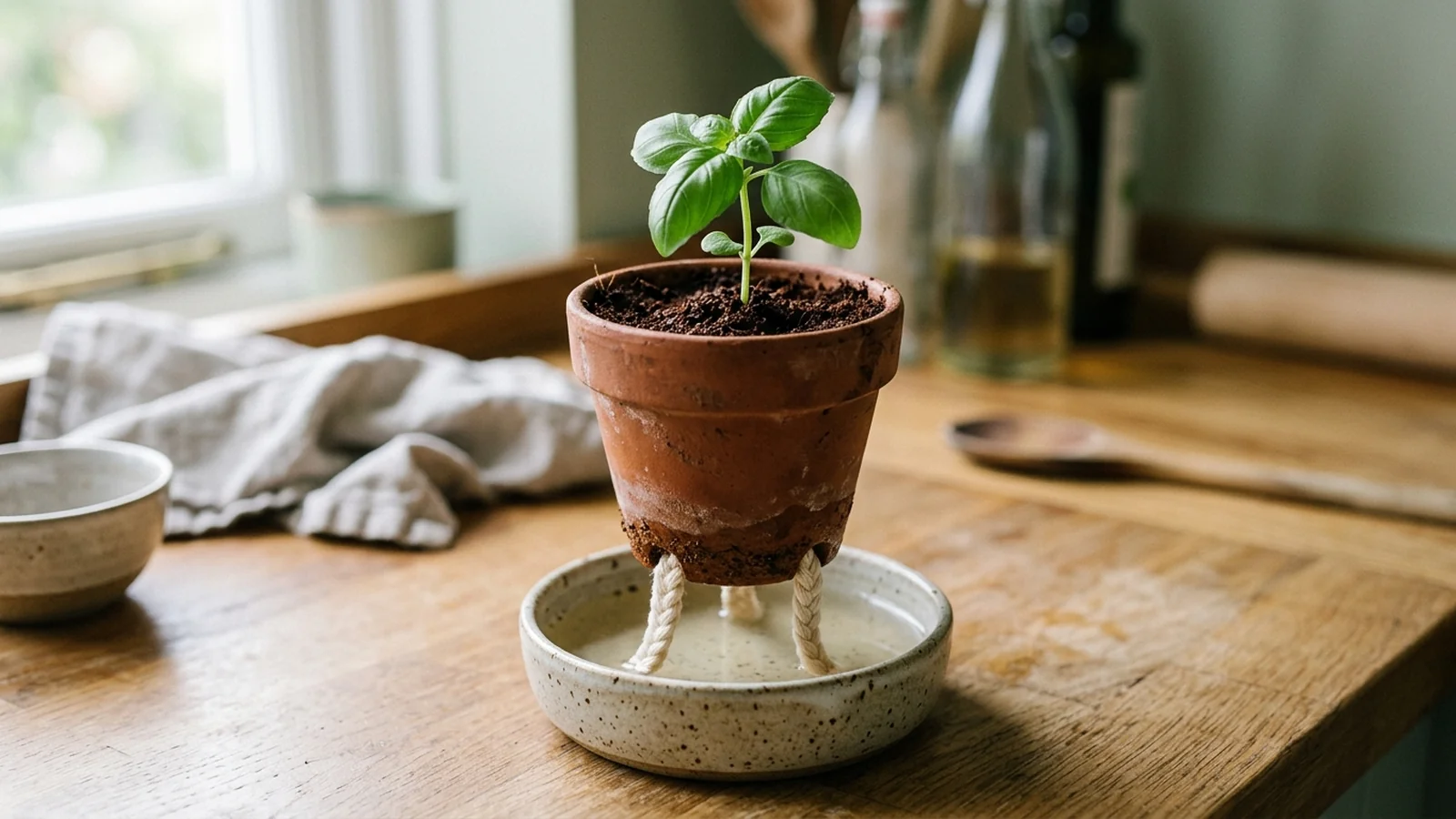
A wick hydroponic system has no pump, no air stone, and no moving parts at all; a wick just pulls nutrient solution up into the growing medium. That simplicity is also its ceiling.
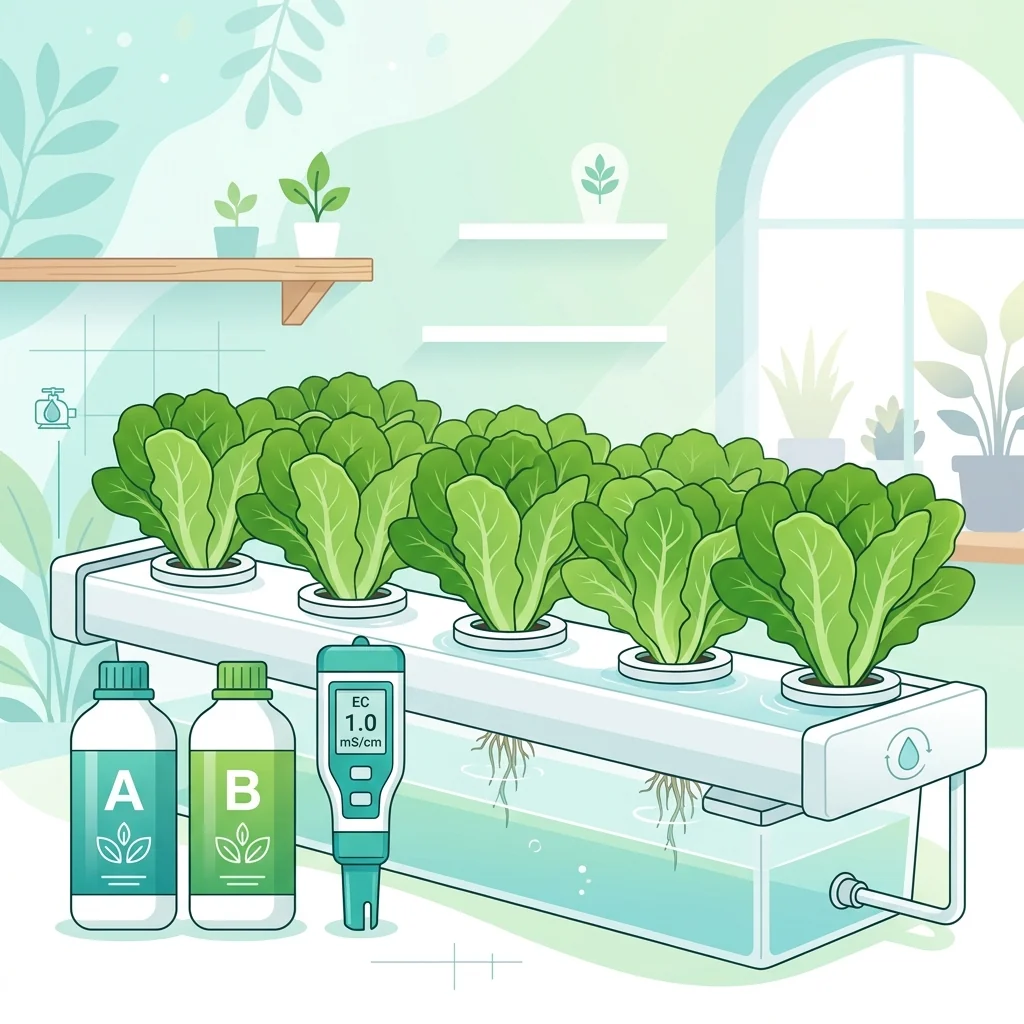
Lettuce is a light, fast feeder. It does not need a fancy nutrient, just a complete leafy-green formula run at a low EC. Here is what to buy and how to dose it.
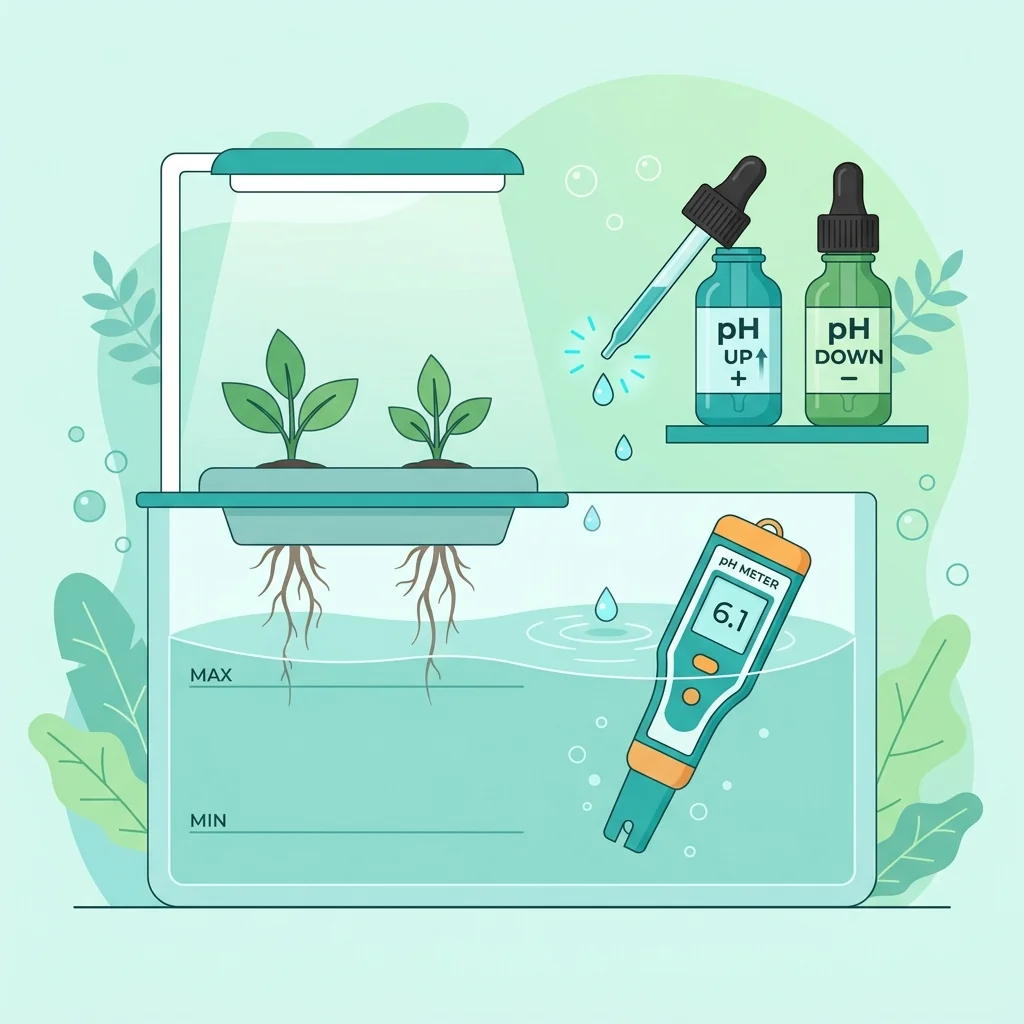
Adjusting hydroponic pH is simple once you know which product does what. Here is how to raise and lower pH safely, in small steps, without chasing the meter.
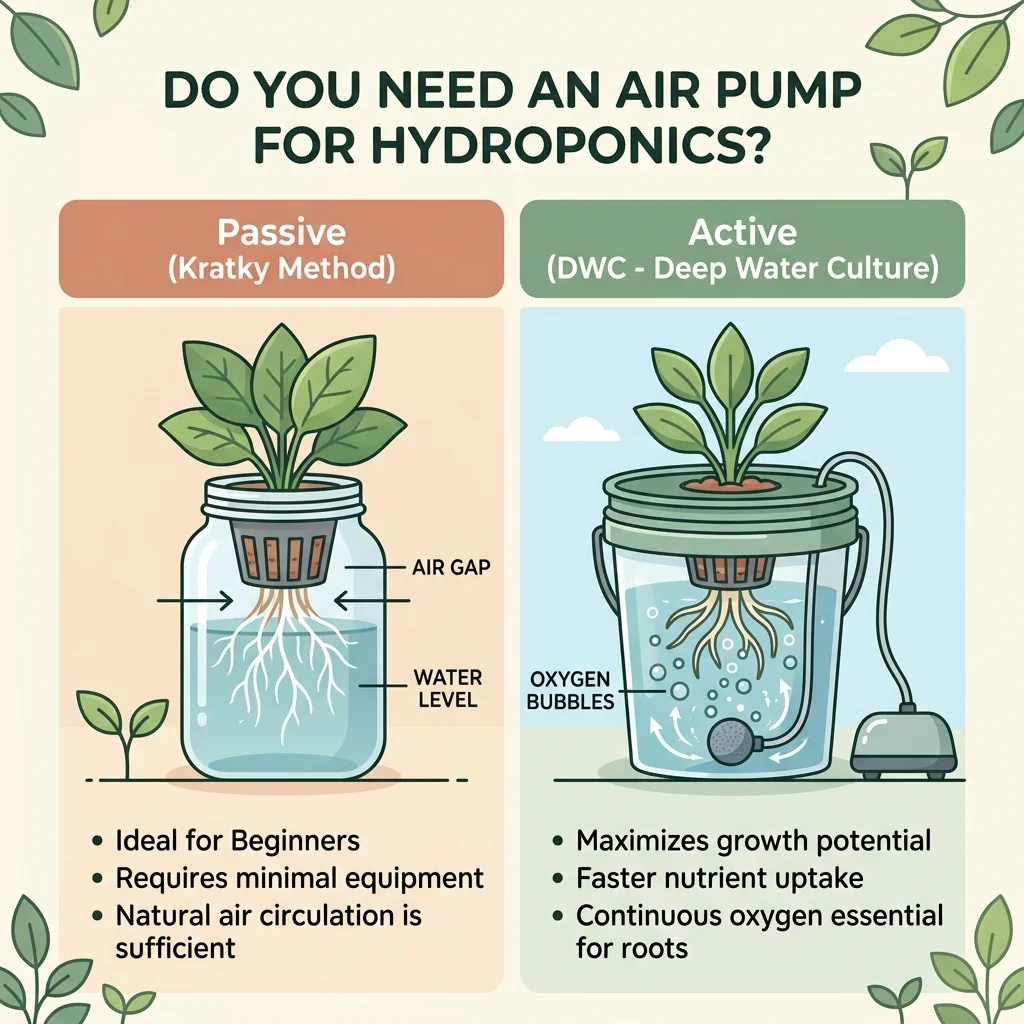
If you search for hydroponic tutorials, you will see a maze of air pumps, plastic tubing, and bubbling airstones. But do you actually need electrical aeration to grow plants in water? Here is the science of passive vs. active hydroponic setups.
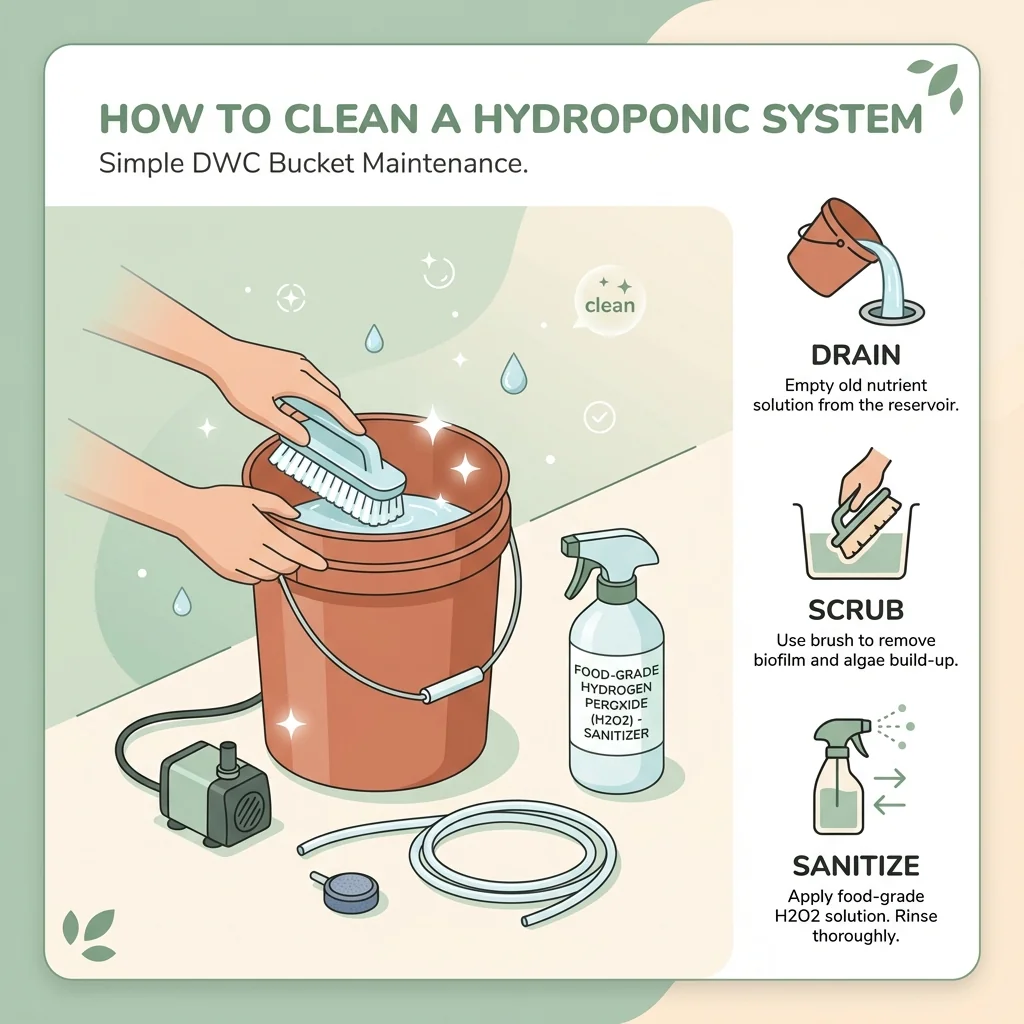
A small hydroponic setup does not need constant chemical intervention. But between harvest cycles, a rigorous deep-clean is non-negotiable to prevent algae, mineral scaling, and deadly root rot spores from infecting your next crop. Here is the ultimate guide to system hygiene.
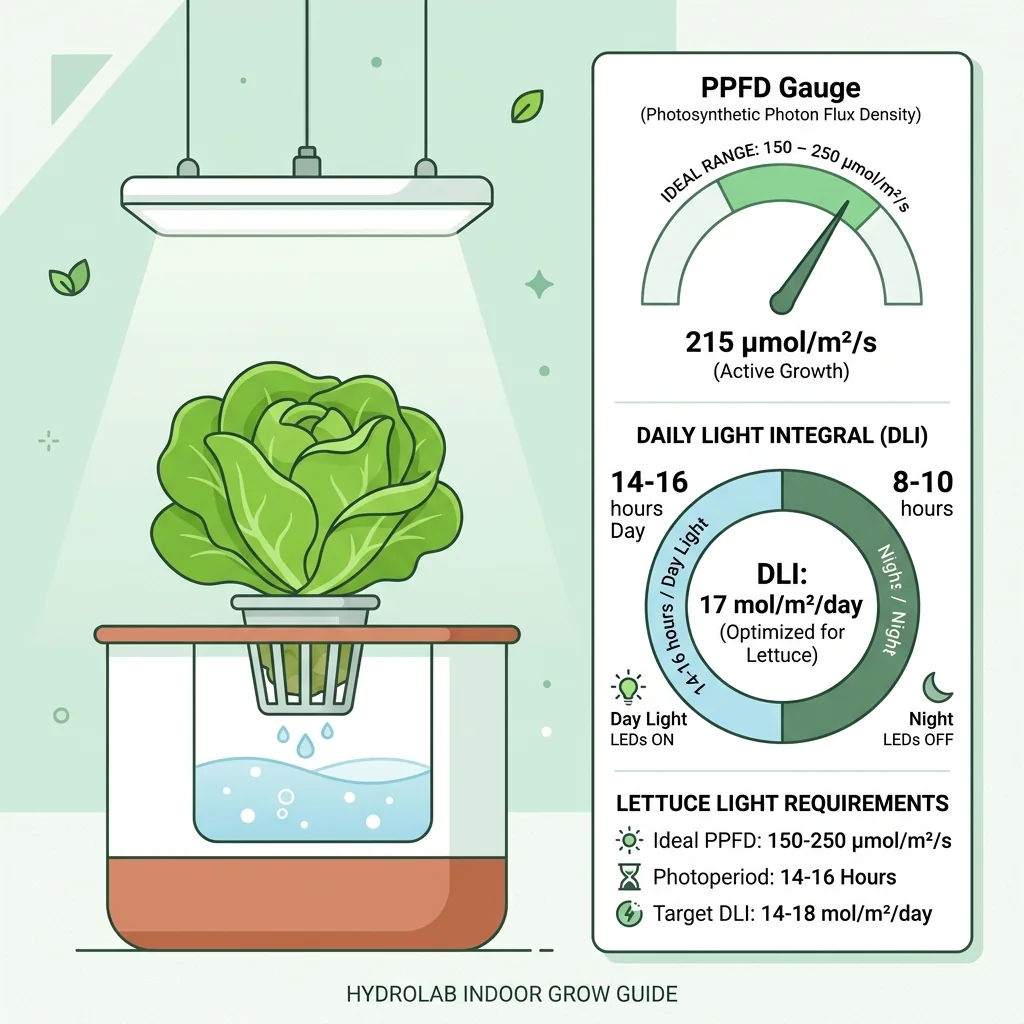
Unlike tomatoes or peppers that require massive amounts of energy to produce fruit, lettuce is a simple leaf factory. If you blast it with high-intensity light, it will stress and die. Here are the exact scientific lighting rules for sweet, crunchy lettuce.
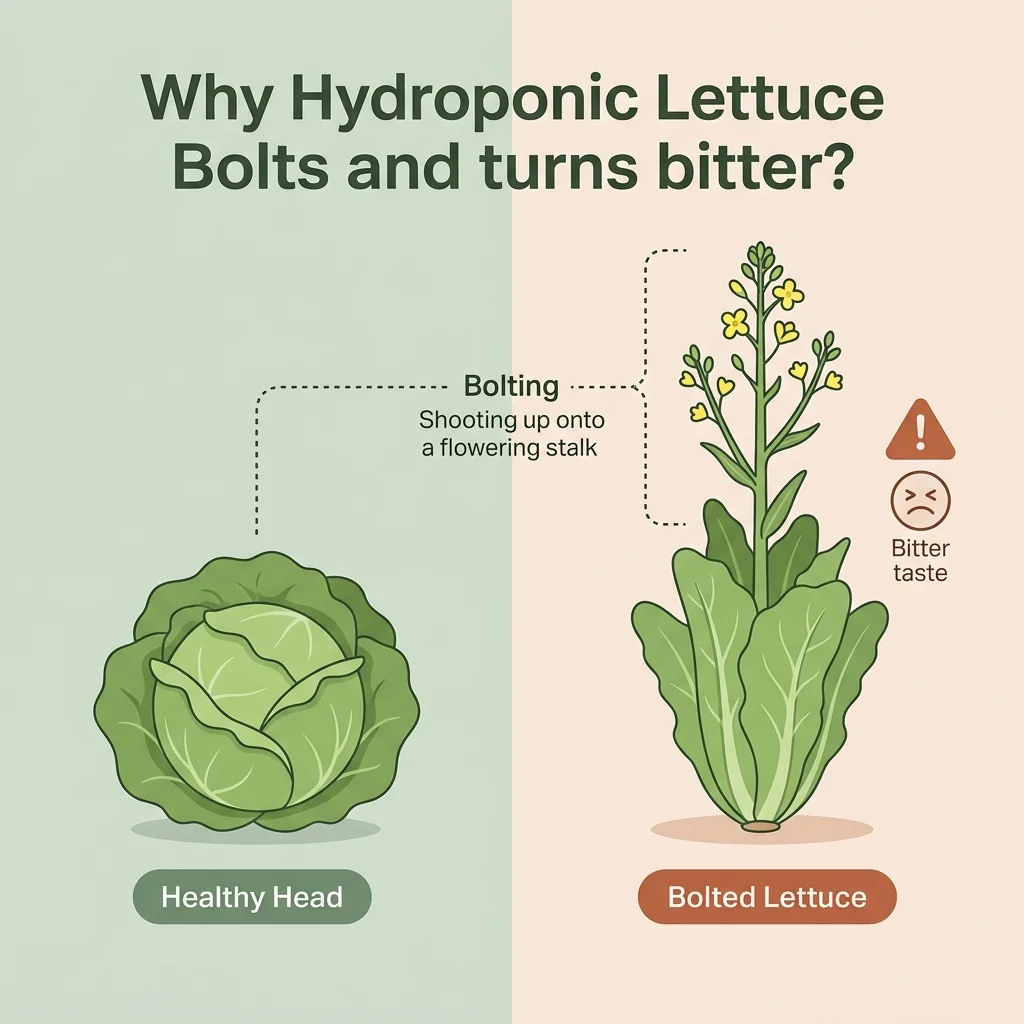
One day your hydroponic lettuce is a perfect, compact green rosette. The next, it has shot up like a pine tree, and a bite of the leaf leaves a horribly bitter taste in your mouth. Here is the science of lettuce bolting and how to stop it.
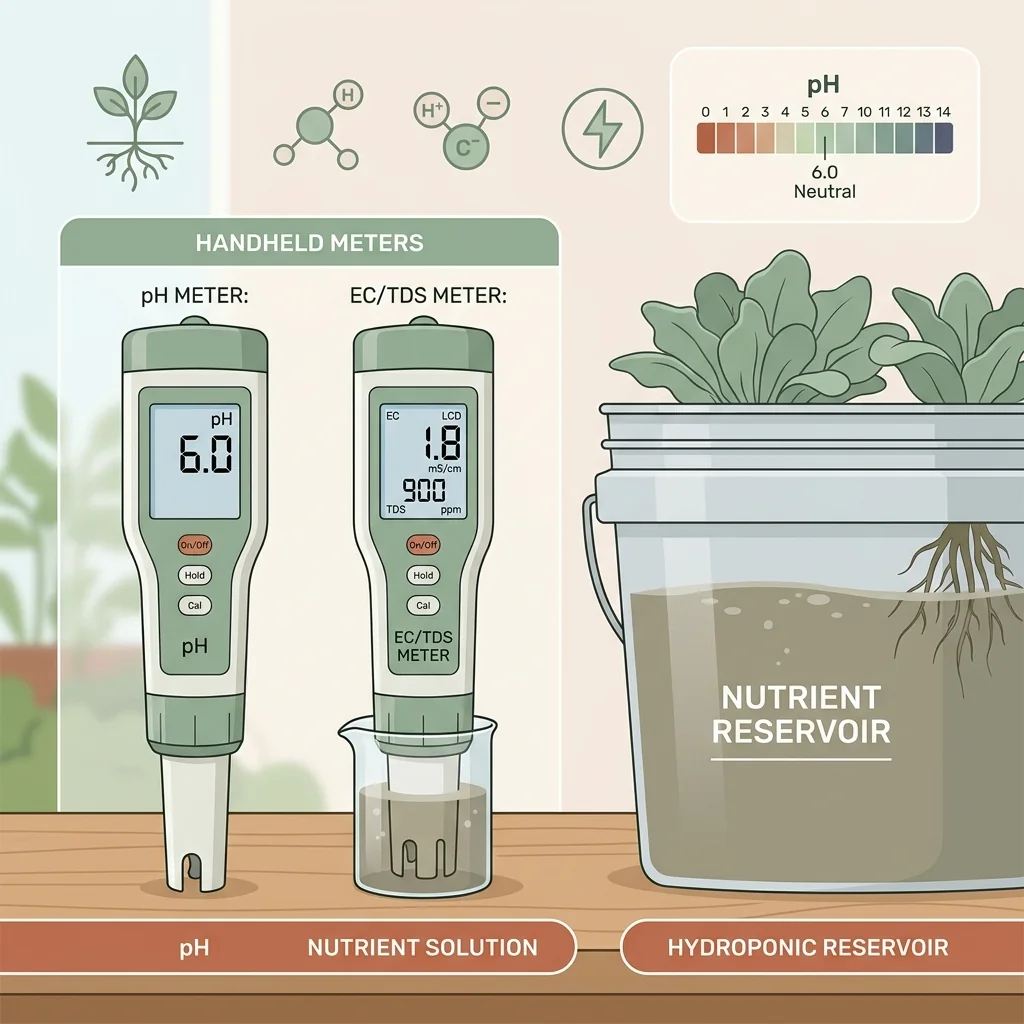
A useful hydroponic meter is easy to verify and maintain. Compare pH pens, EC meters and combination devices, then set up a calibration routine you will actually keep.
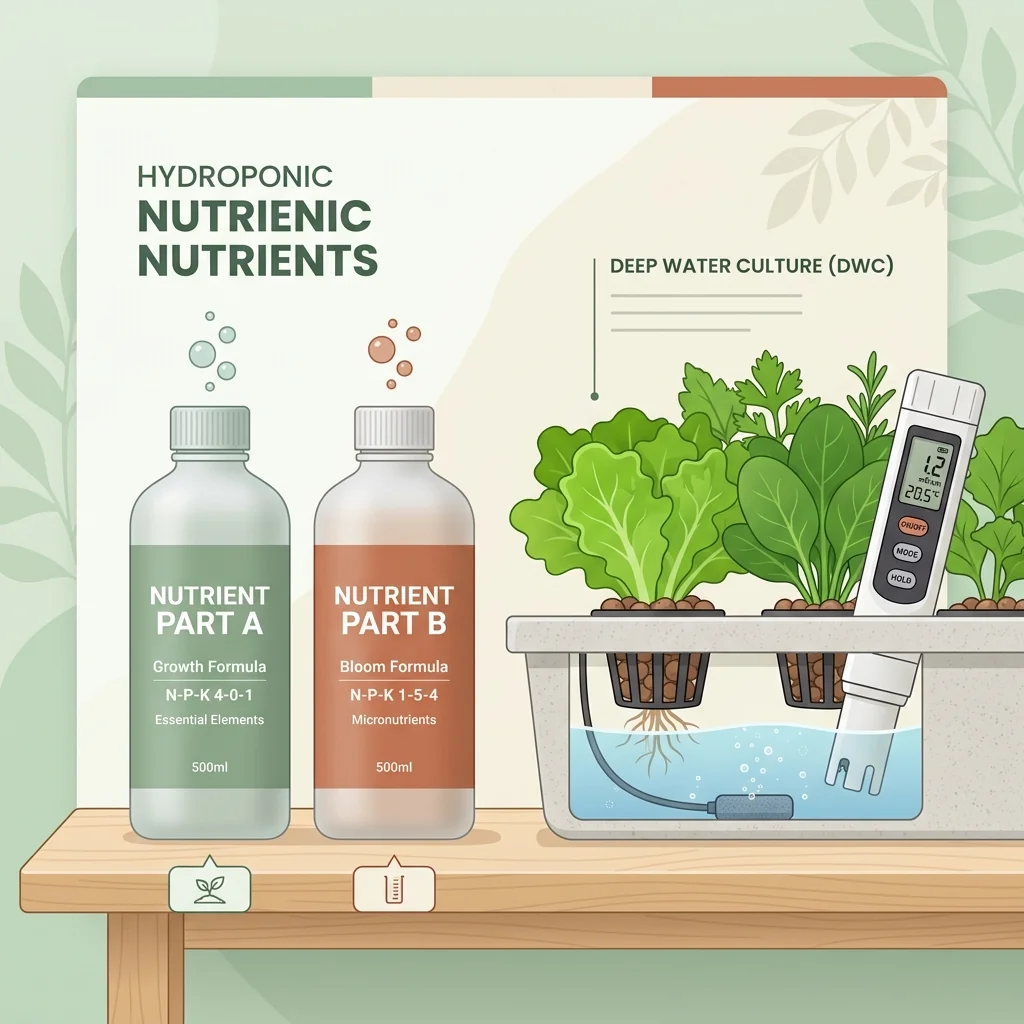
Leafy greens and herbs do not need exotic nutrients, just a complete, balanced formula with the right micronutrients. Here is what to look for and which type to pick.
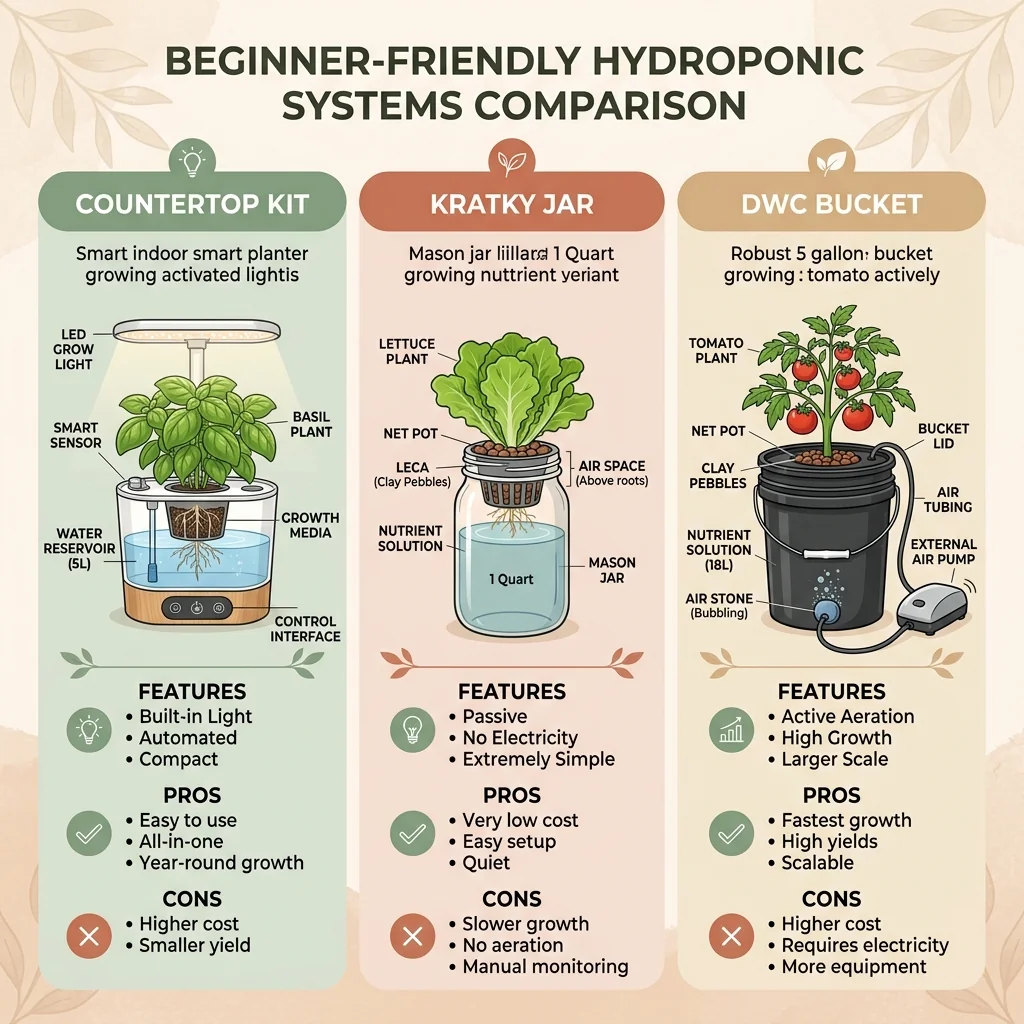
You do not need a complex rig to start hydroponics. These beginner-friendly systems, from all-in-one countertop kits to DIY Kratky jars, cover most first setups.
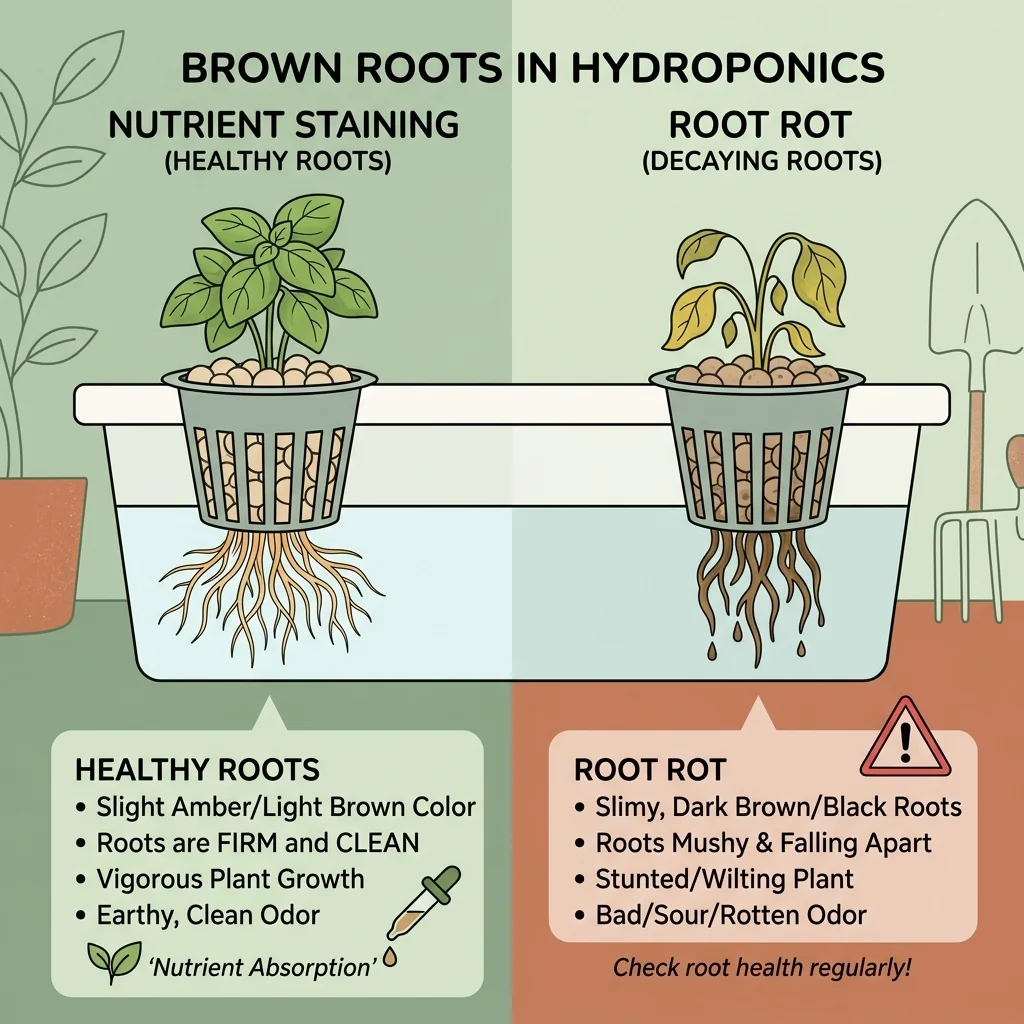
Finding brown roots in your hydroponic reservoir can cause instant panic. But before you dump your nutrients, you need to know: is it a harmless stain or a fatal infection? Here is how to diagnose the difference in seconds.
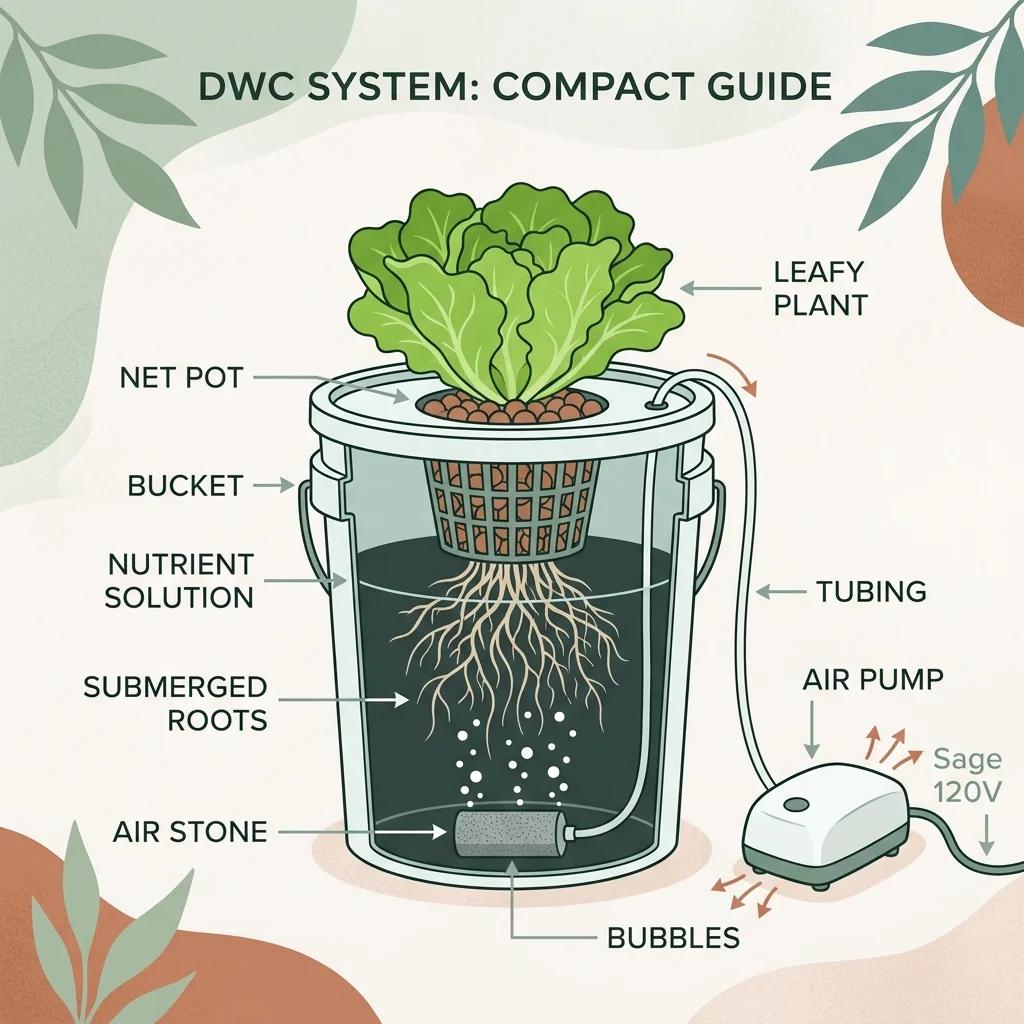
DWC suspends roots in aerated nutrient solution for fast growth. It is one of the best active systems for a small space, as long as you manage oxygen and heat.
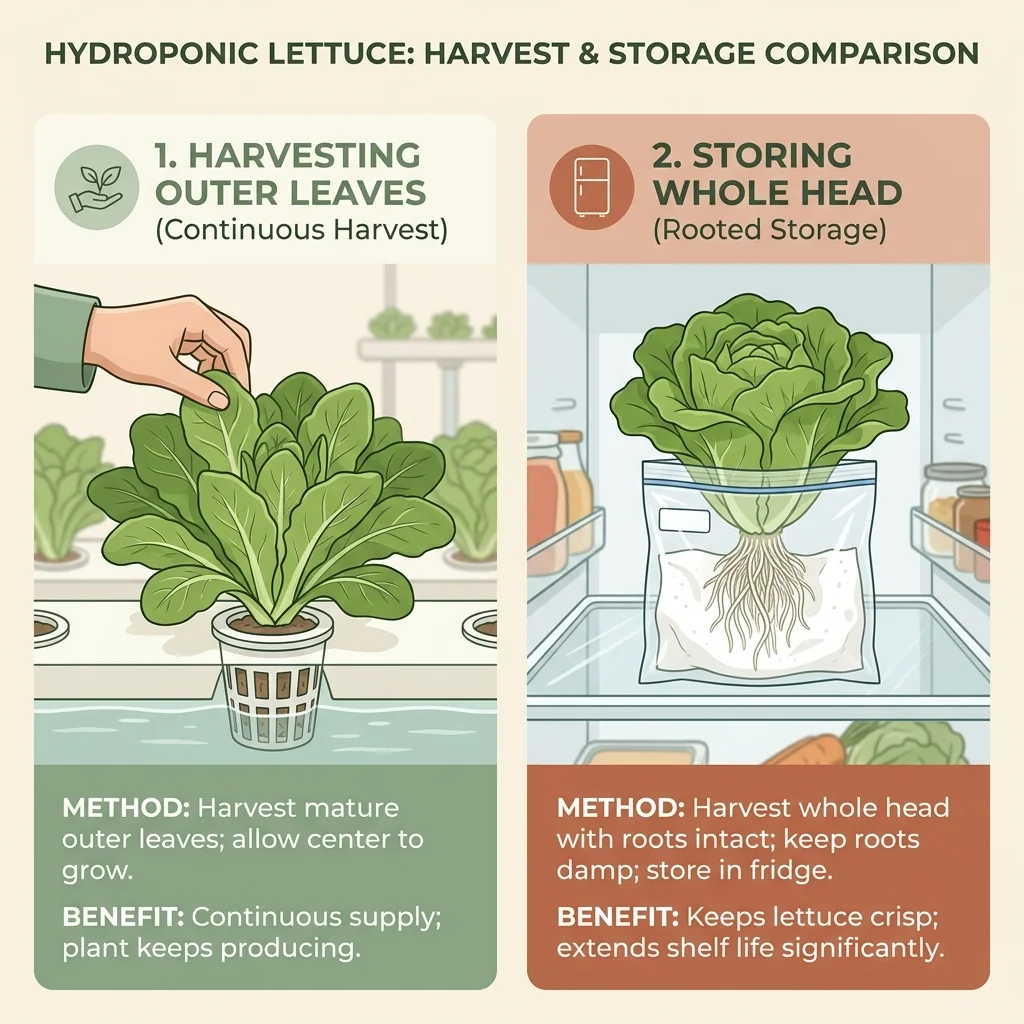
Hydroponic lettuce can out-keep store-bought by days if you harvest and store it right. Here is when to cut, how to take leaves repeatedly, and how to keep it crisp.
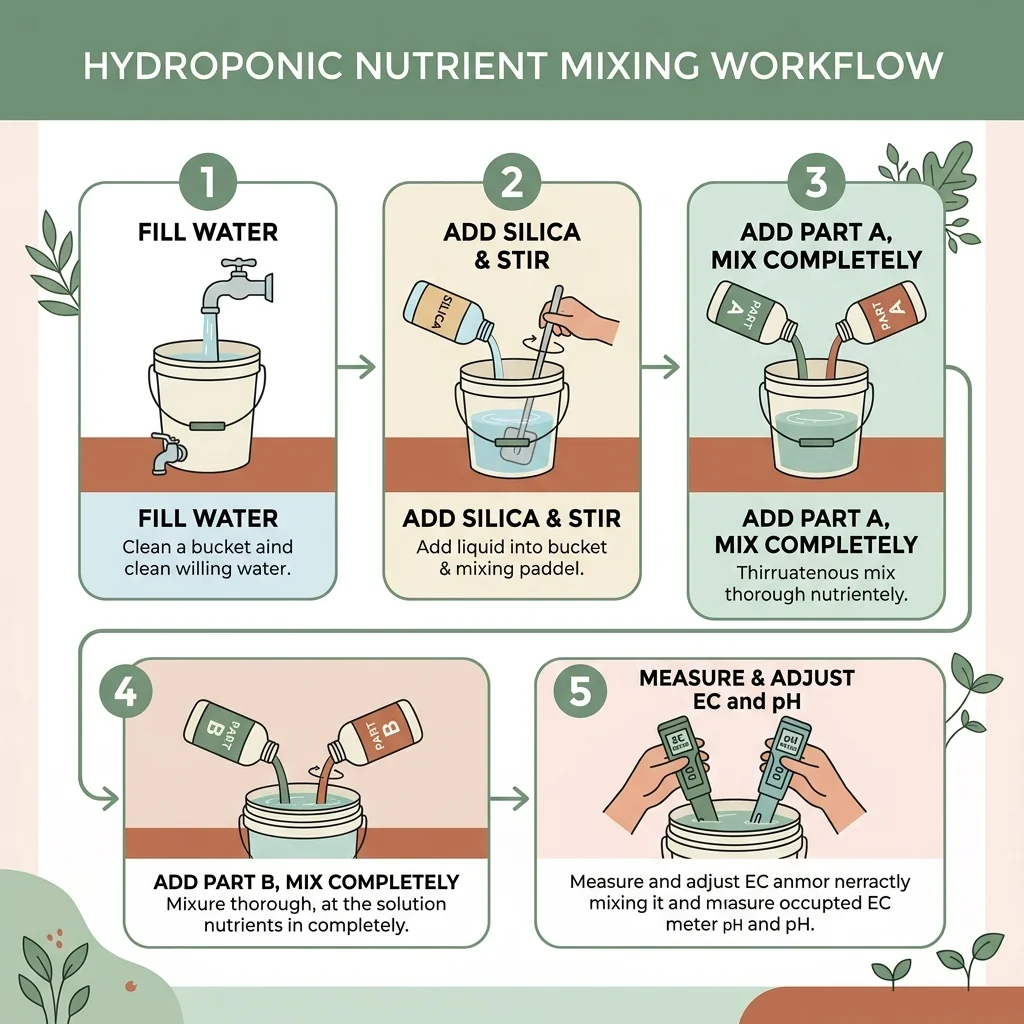
Mixing hydroponic nutrients is simple once you know the order: water first, nutrients separately, measure EC, then adjust pH last. Here is the step-by-step.
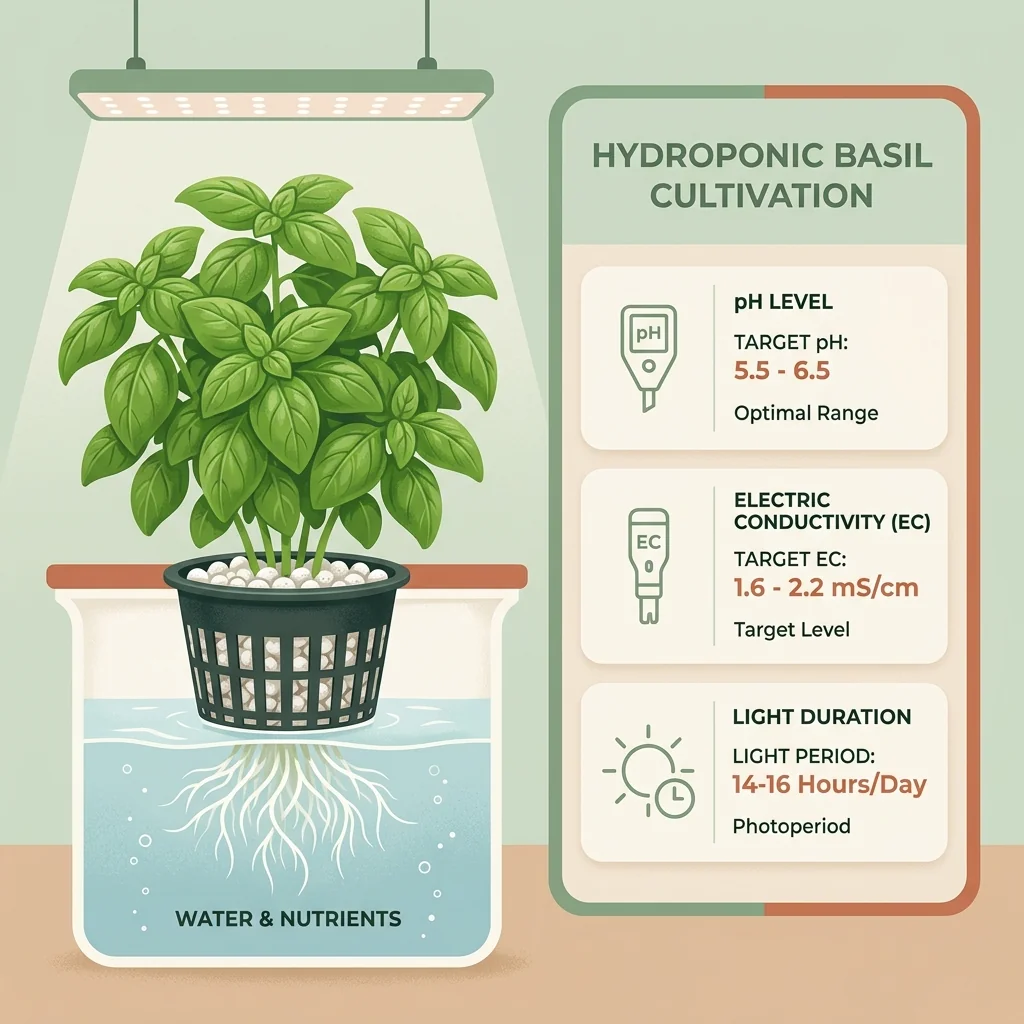
Basil is one of the fastest, most rewarding hydroponic crops once the water chemistry and light are right. Here are the exact EC, pH, and light targets to hit.
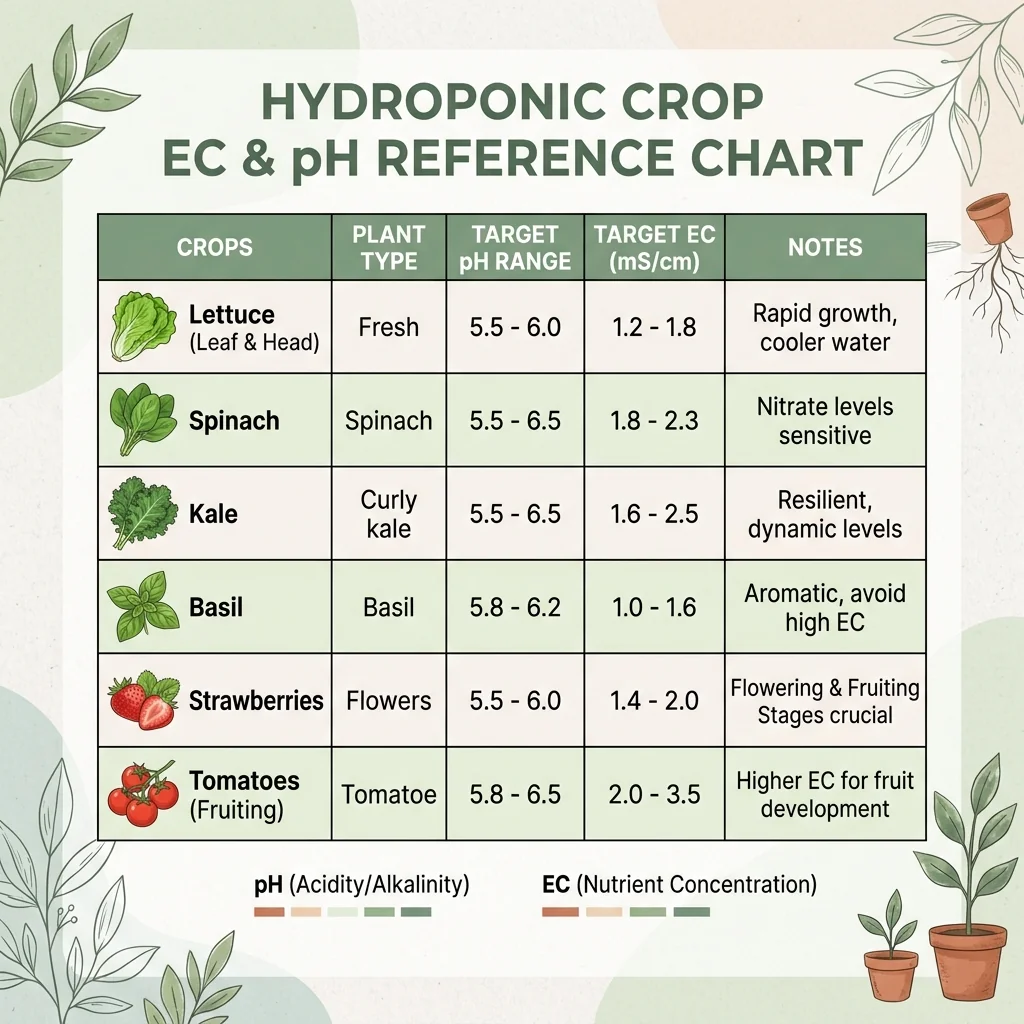
One reference chart for the EC and pH targets of common hydroponic crops, from leafy greens and herbs to fruiting plants, plus how to use the numbers safely.
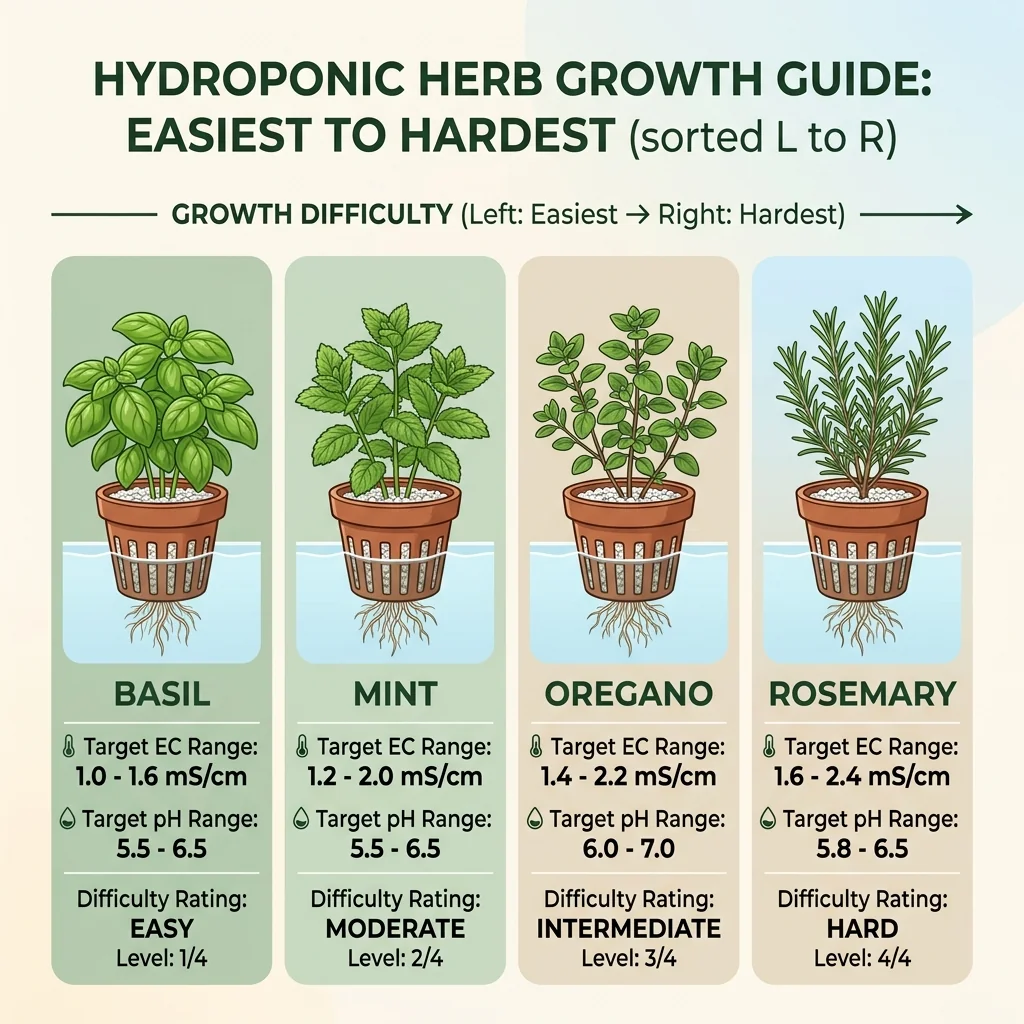
Most soft, leafy herbs thrive in hydroponics, while woody Mediterranean herbs are trickier. Here is a ranked guide to which herbs grow best and how to set them up.
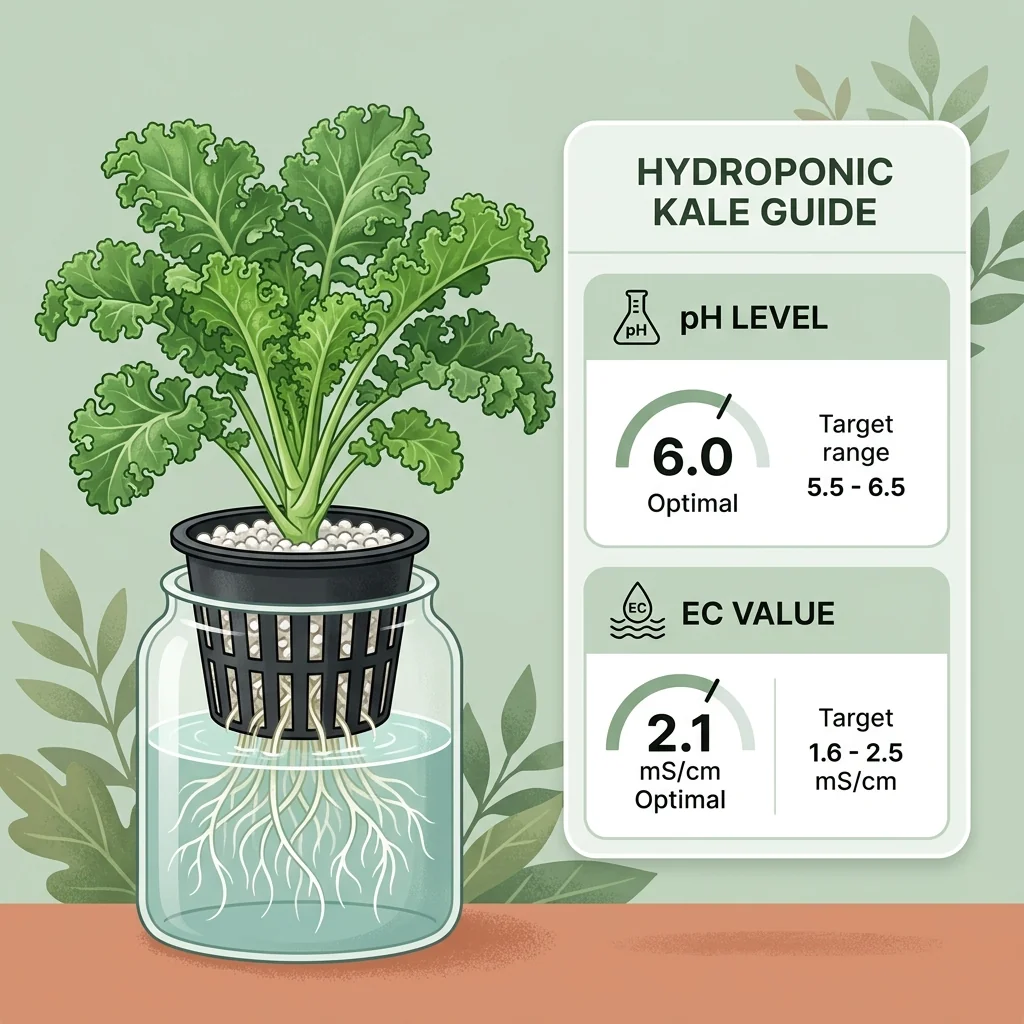
Kale is tough, forgiving, and fast in hydroponics, which makes it a great beginner crop after lettuce. Here are the EC, pH, light, and harvesting basics.
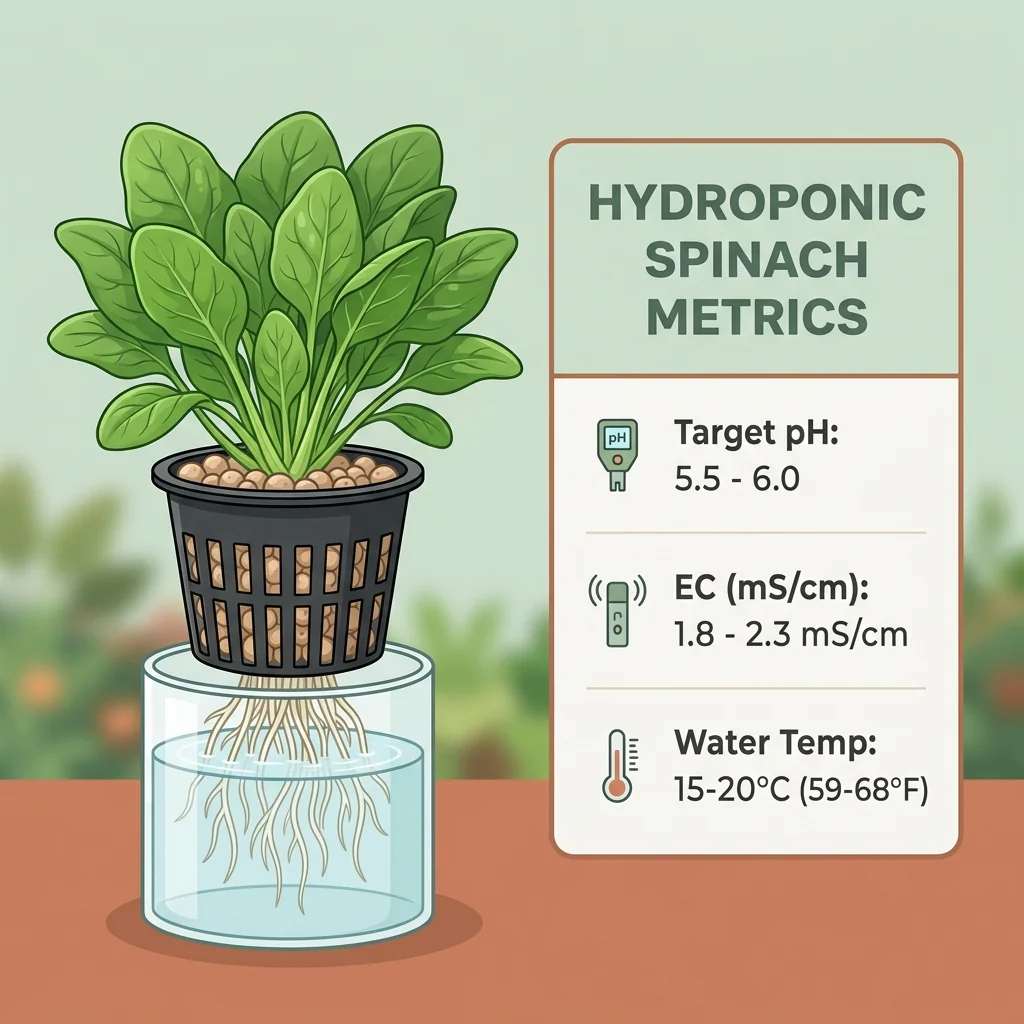
Spinach is a cool-season hydroponic crop that bolts in heat. Get the EC, pH, and especially the temperature right and it stays leafy and productive.
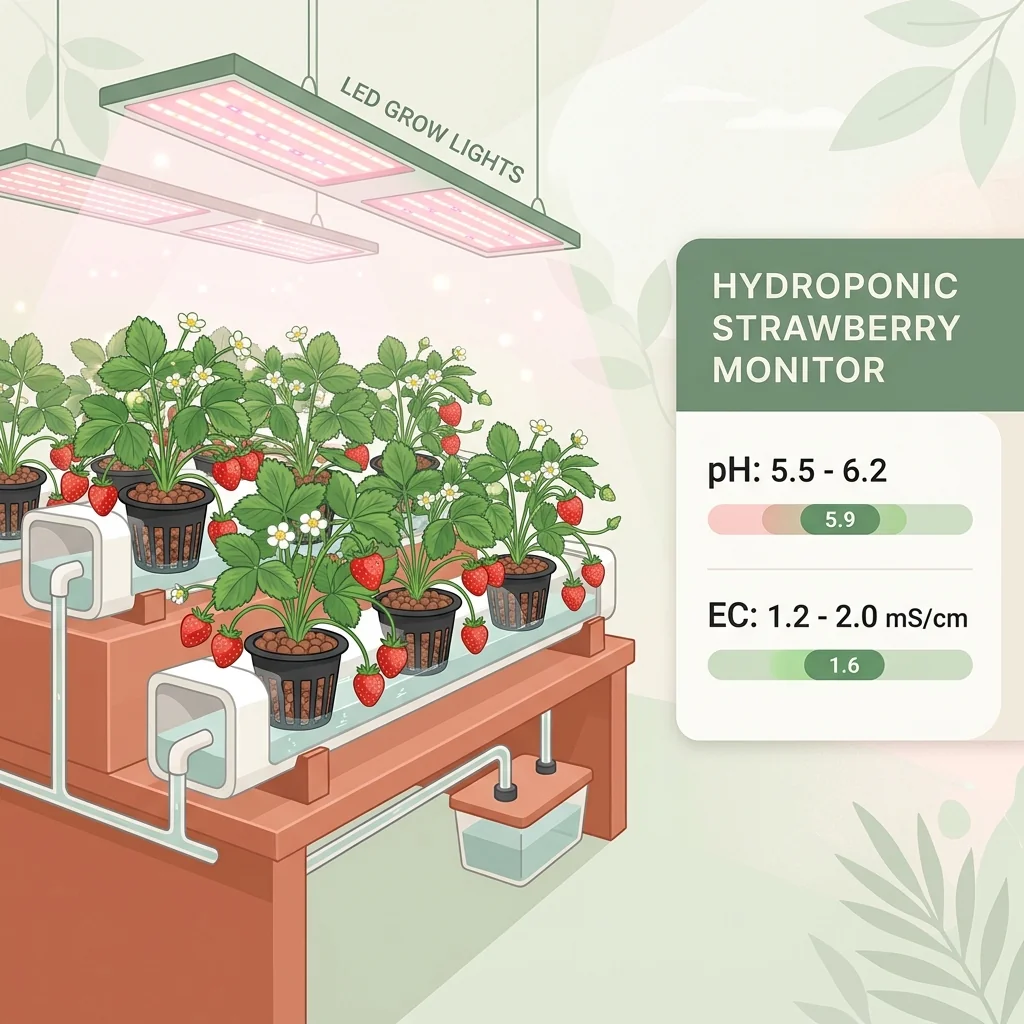
Indoor hydroponic strawberries are rewarding but demanding: they need strong light, hand pollination, and patience. Here is an honest look at whether it is worth it.
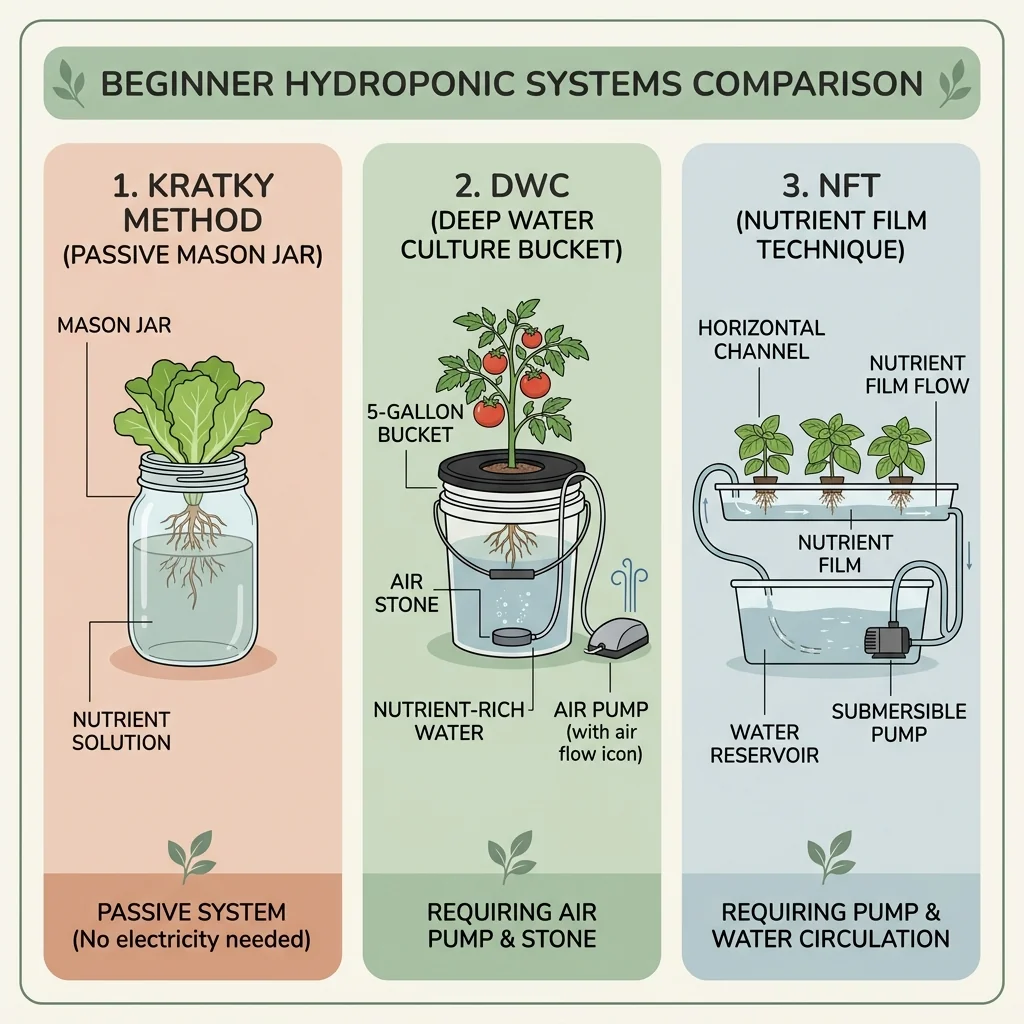
Three systems dominate small-space hydroponics: Kratky, DWC, and NFT. This comparison shows how they differ and which one a beginner should actually start with.
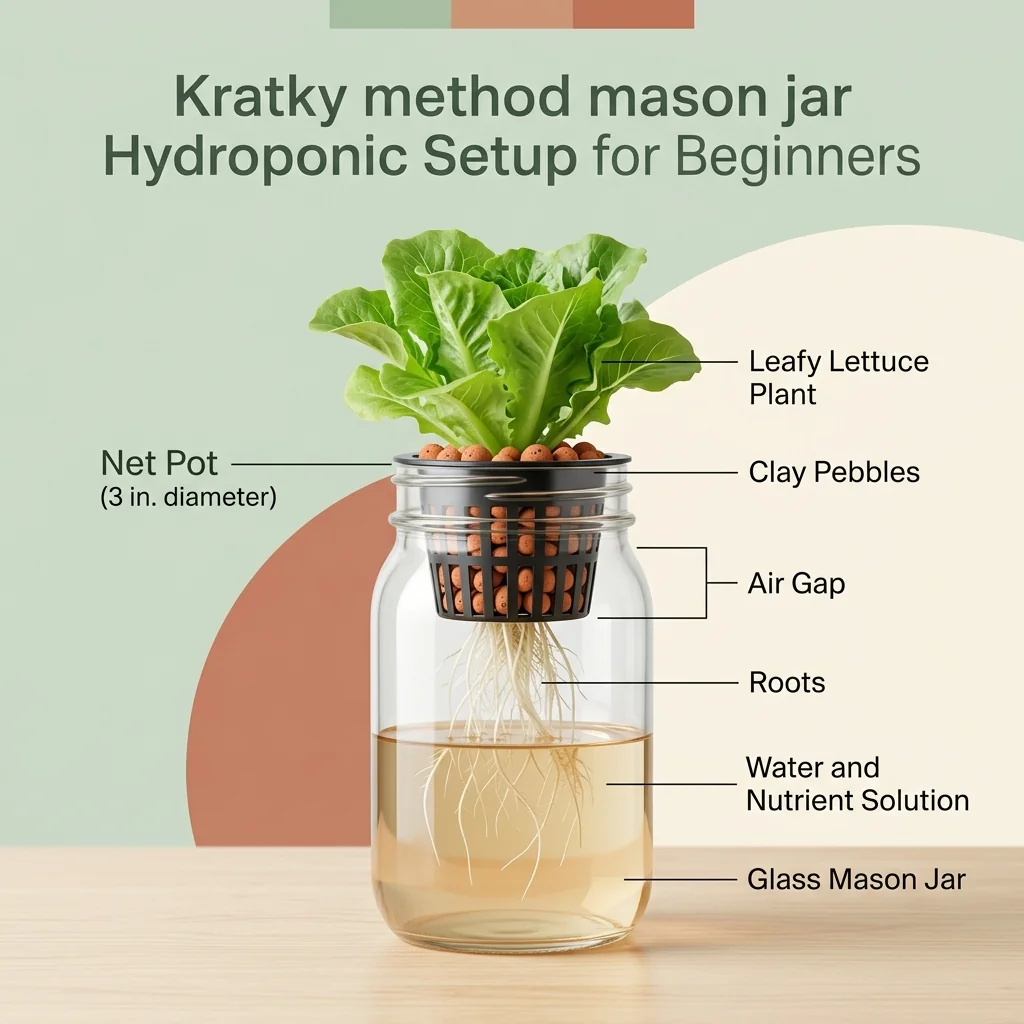
The Kratky method is the simplest way into hydroponics: a container of nutrient solution, a net pot, and no pump or power. Here is how it works and its limits.
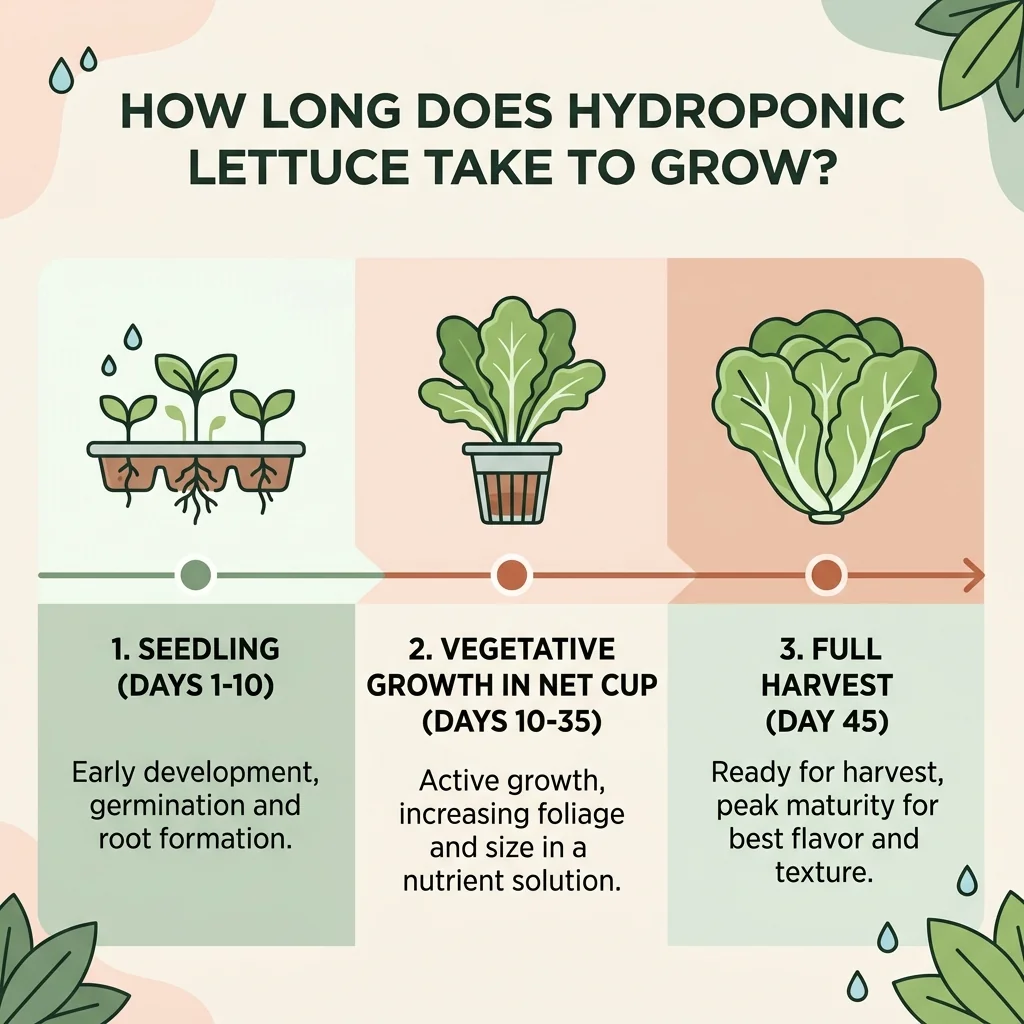
Plan roughly 45 to 55 days from seed for a home hydroponic lettuce crop, then use roots, leaf count, head size, and variety to decide each transition.
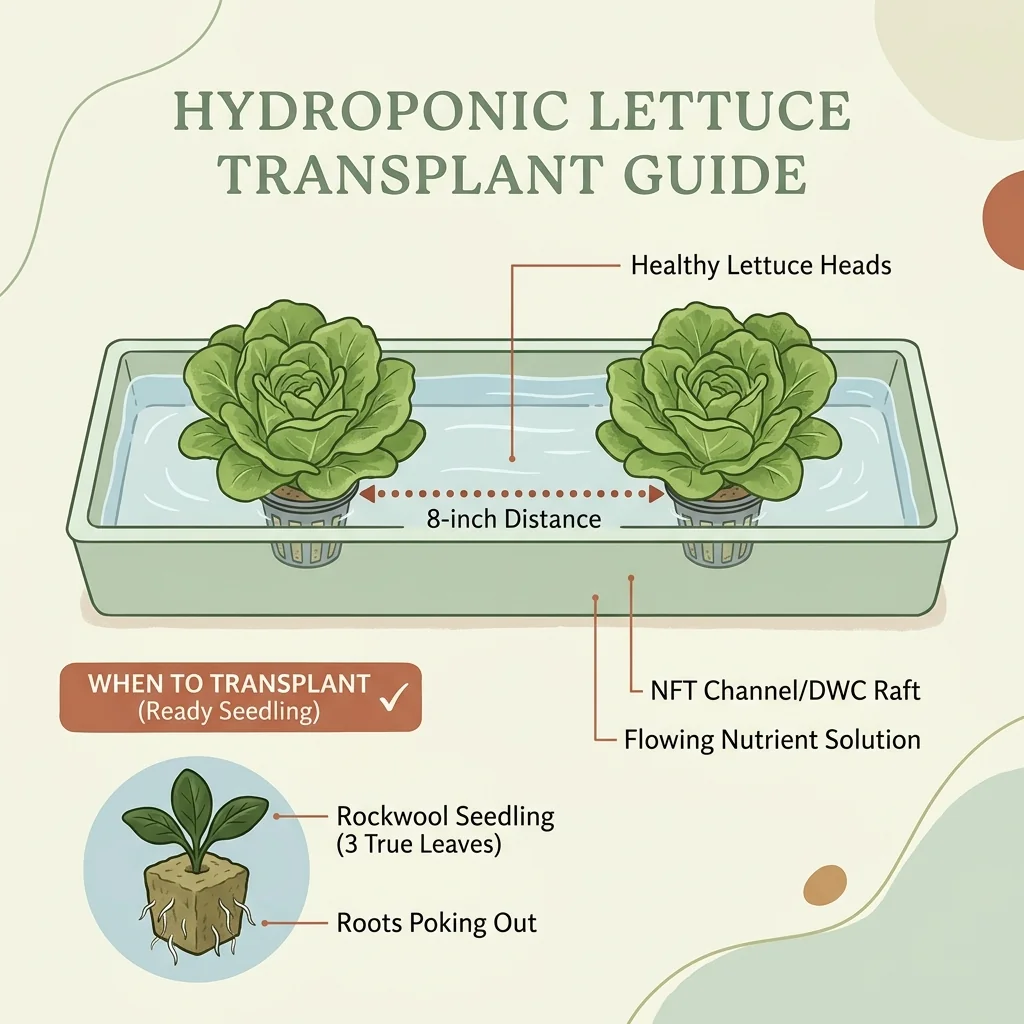
Moving your fragile seedling from the nursery tray to the main hydroponic system is a high-risk maneuver. If you move it a day too early, it will drown. If you plant the heads too close together, they will choke each other out. Here are the exact metrics for a perfect transplant.
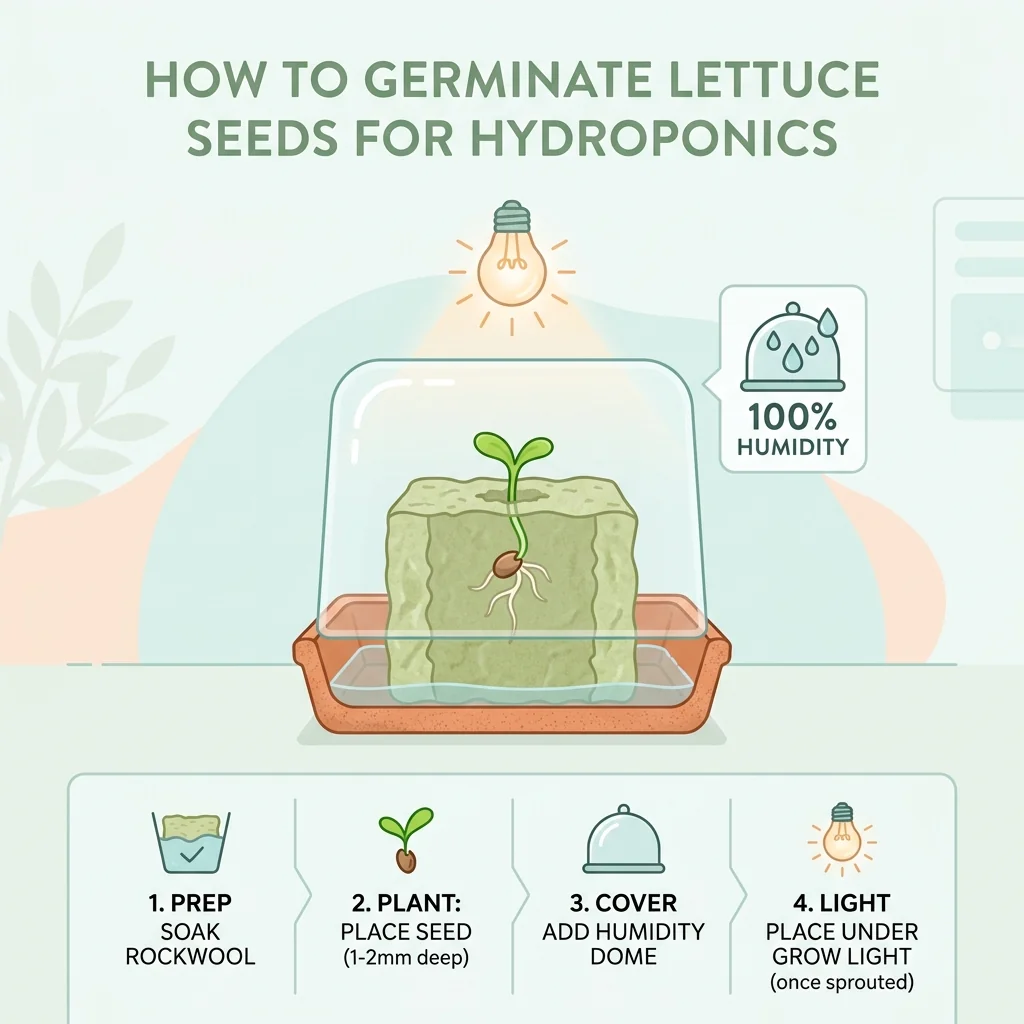
You cannot start hydroponic seeds in potting soil. The dirt will wash off into your reservoir, clogging your pump and causing a massive bacterial bloom. Here is the sterile, foolproof method to start seeds for water-based growing.
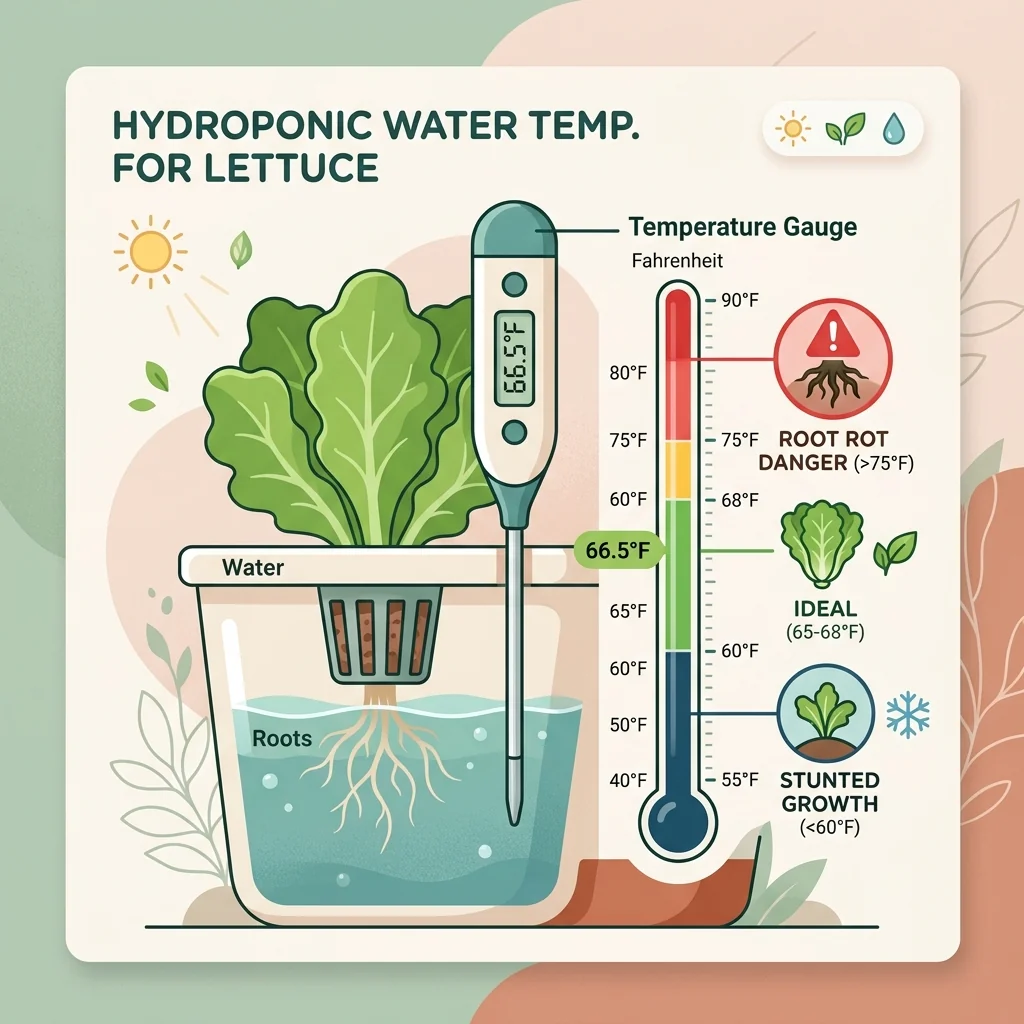
You can have perfect pH, perfect nutrients, and a massive air pump. But if your hydroponic reservoir is sitting at 80°F, your lettuce is actively suffocating. Here is why water temperature dictates everything in hydroponics.
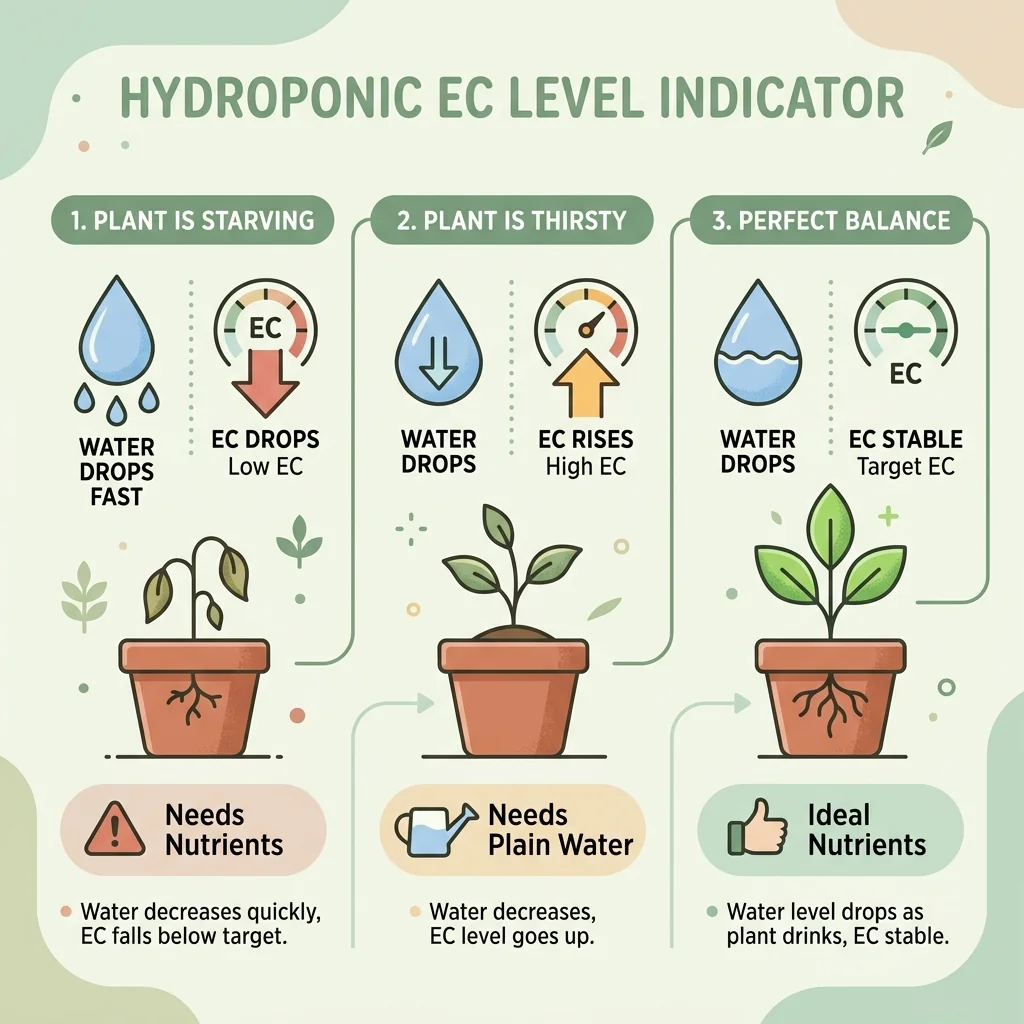
Your EC meter is a direct line of communication with your plants. By observing how the EC changes in relation to the water level, you can instantly determine if your plants are thirsty, starving, or perfectly balanced.
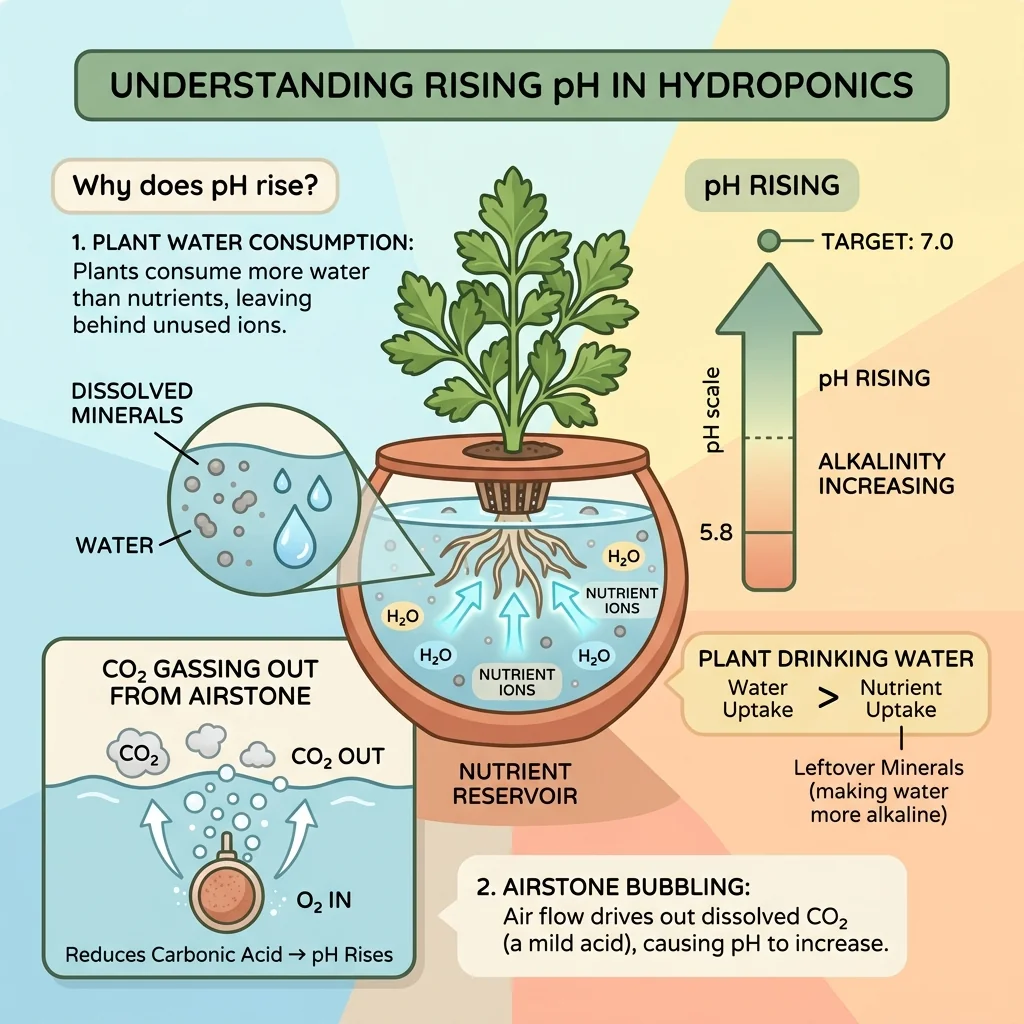
You balanced your hydroponic reservoir to a perfect 5.8 pH. Two days later, it has drifted back up to 6.8. This constant upward drift is the bane of hydroponic growers. Here is the chemistry behind why it happens and how to fix it.
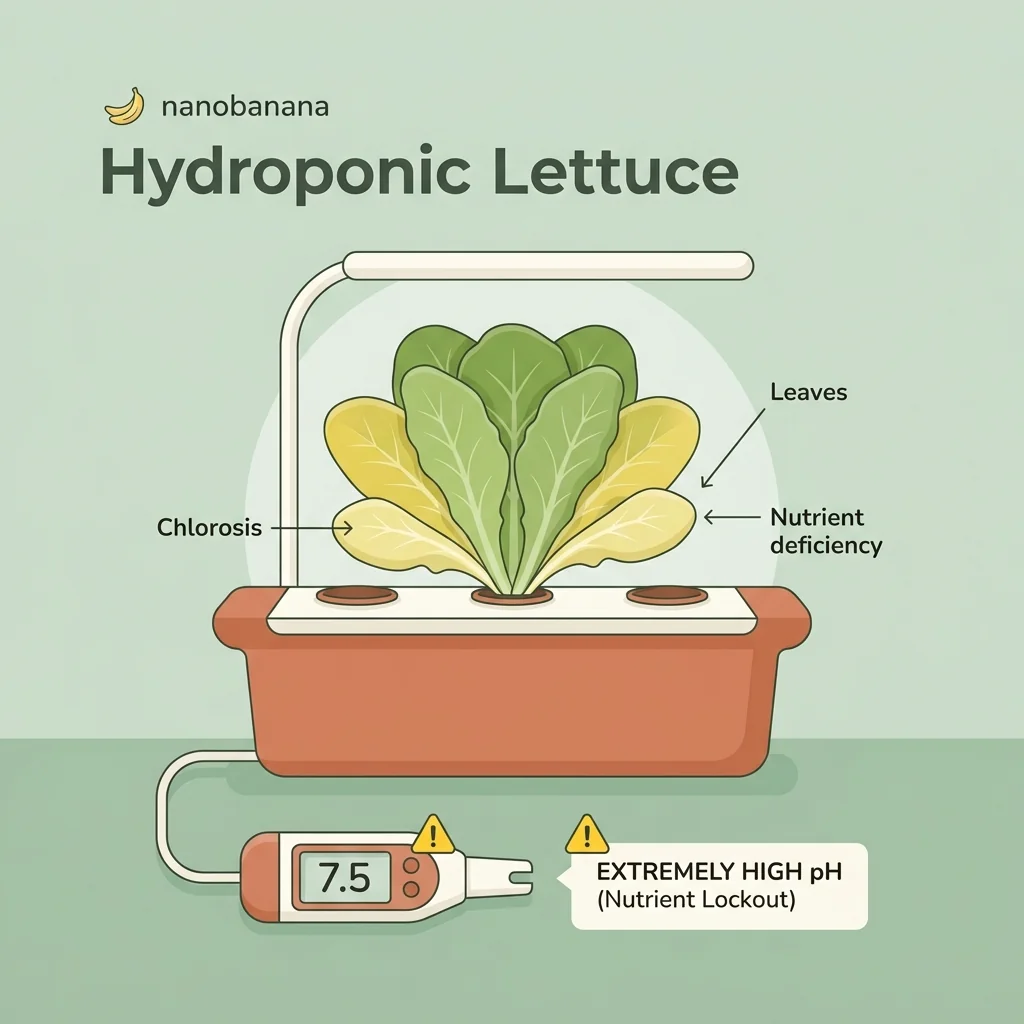
A thriving hydroponic lettuce head should be a vibrant, deep green. If your entire crop is turning a sickly, pale yellow, the plants are starving. Here is a step-by-step diagnostic framework to find the exact cause and rescue the crop.
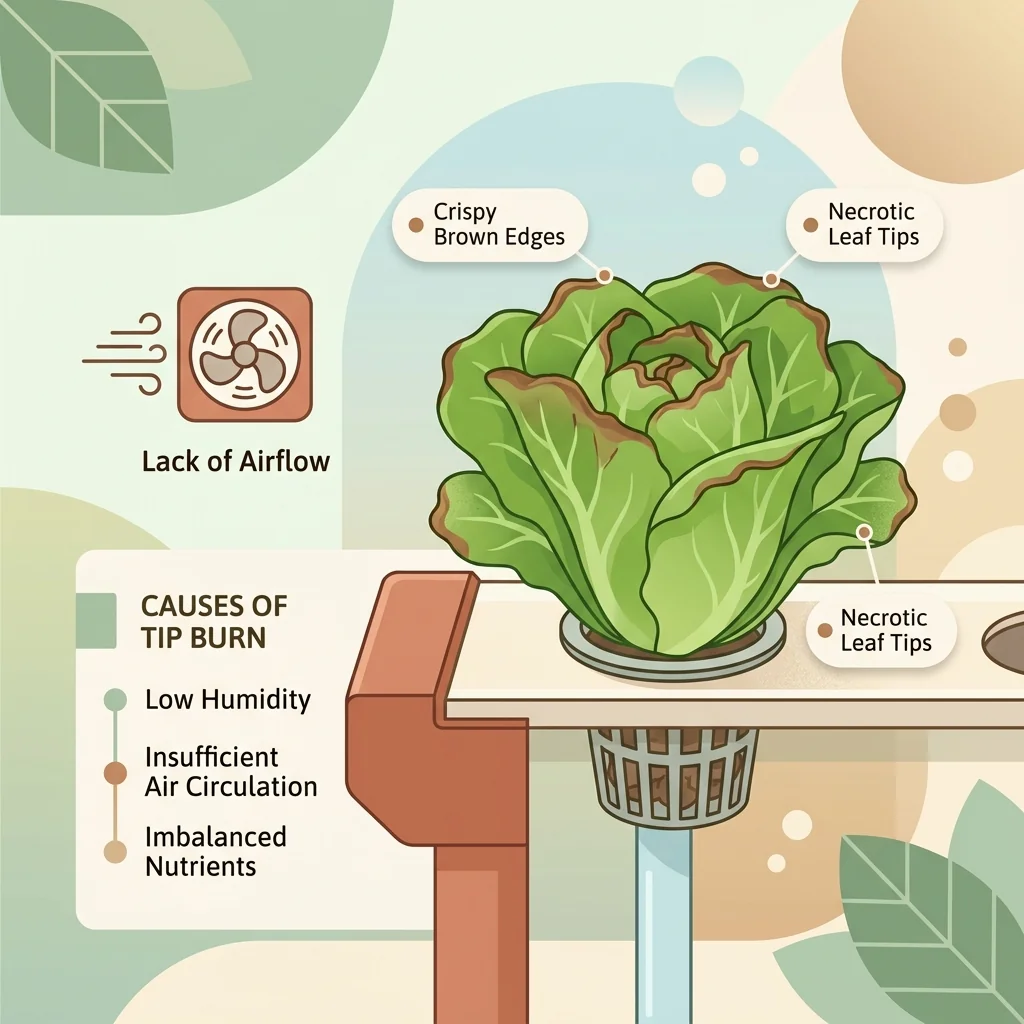
It is the most frustrating problem in indoor hydroponics: your lettuce looks perfect until the very edges of the youngest leaves turn brown and die. This is Tip Burn, and it is almost never caused by the nutrients in your reservoir.
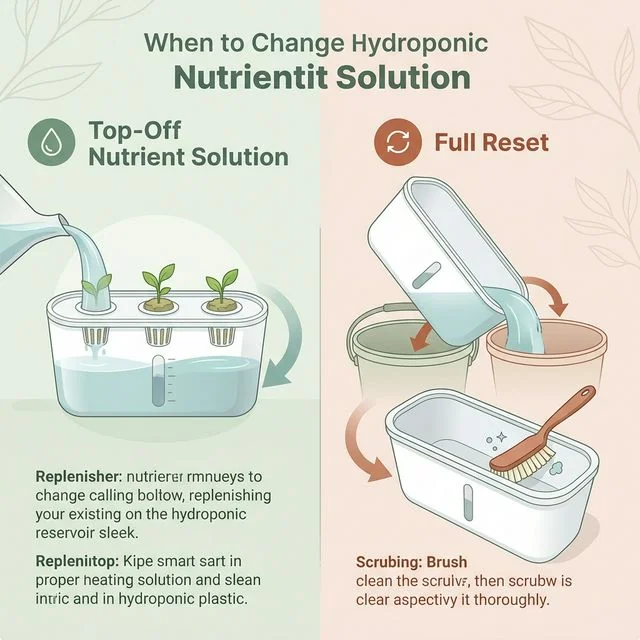
A hydroponic reservoir should not be treated like a closed loop forever. This guide shows when a simple top off is enough and when a full reset is the safer move.
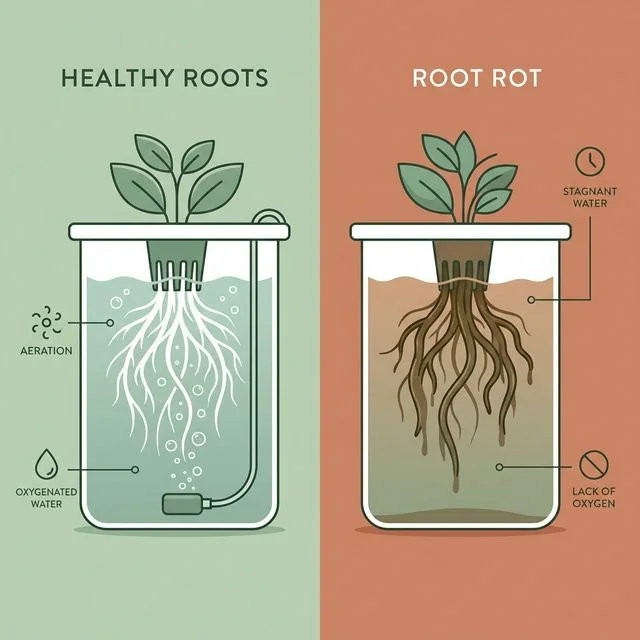
Brown, slimy or swampy-smelling roots mean root rot. Catch it early and fix the conditions behind it — warm water, low oxygen and stagnant flow.
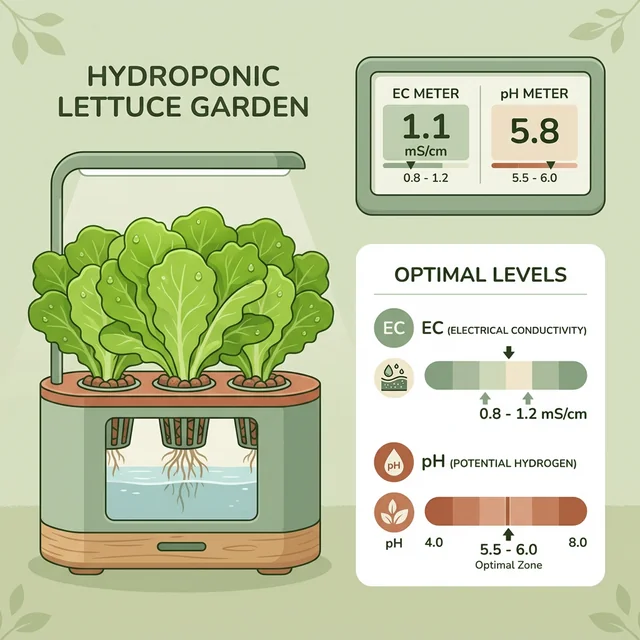
Lettuce is the easiest crop to grow hydroponically, but it requires specific water chemistry. Use this beginner-friendly EC and pH guide to prevent tip burn and slow growth.
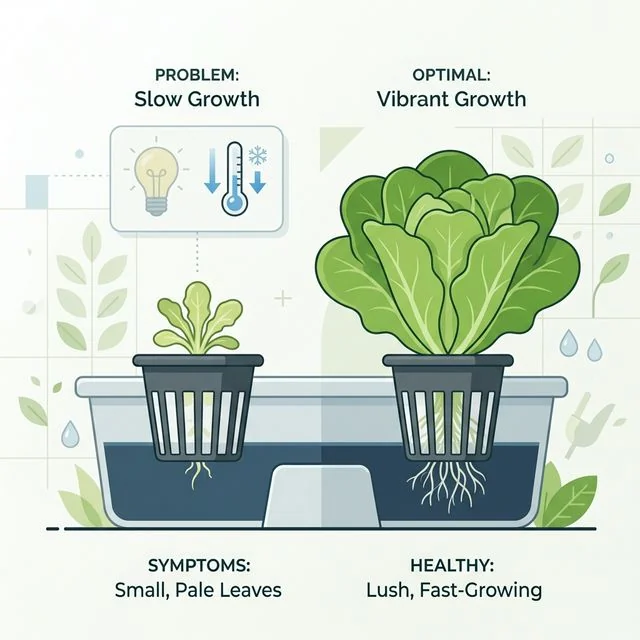
Slow hydroponic lettuce is usually a systems problem, not a mystery deficiency. The goal is to find the bottleneck without overcorrecting five variables at once.
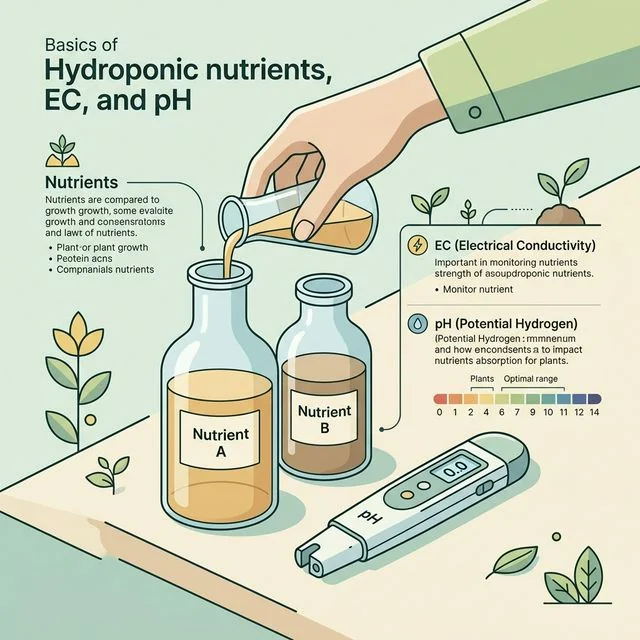
Most hydroponic problems are not mysterious. They come from concentration drift, pH drift, heat, or neglected maintenance. This guide covers the basics clearly.
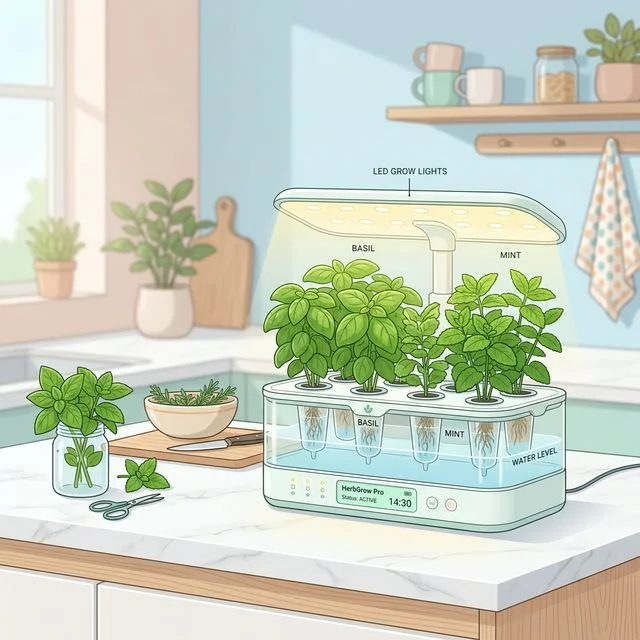
Countertop hydroponic systems can work very well for herbs, but only if you treat them as small growing systems rather than decorative appliances.