Best fertilizer for herbs in pots: what to use
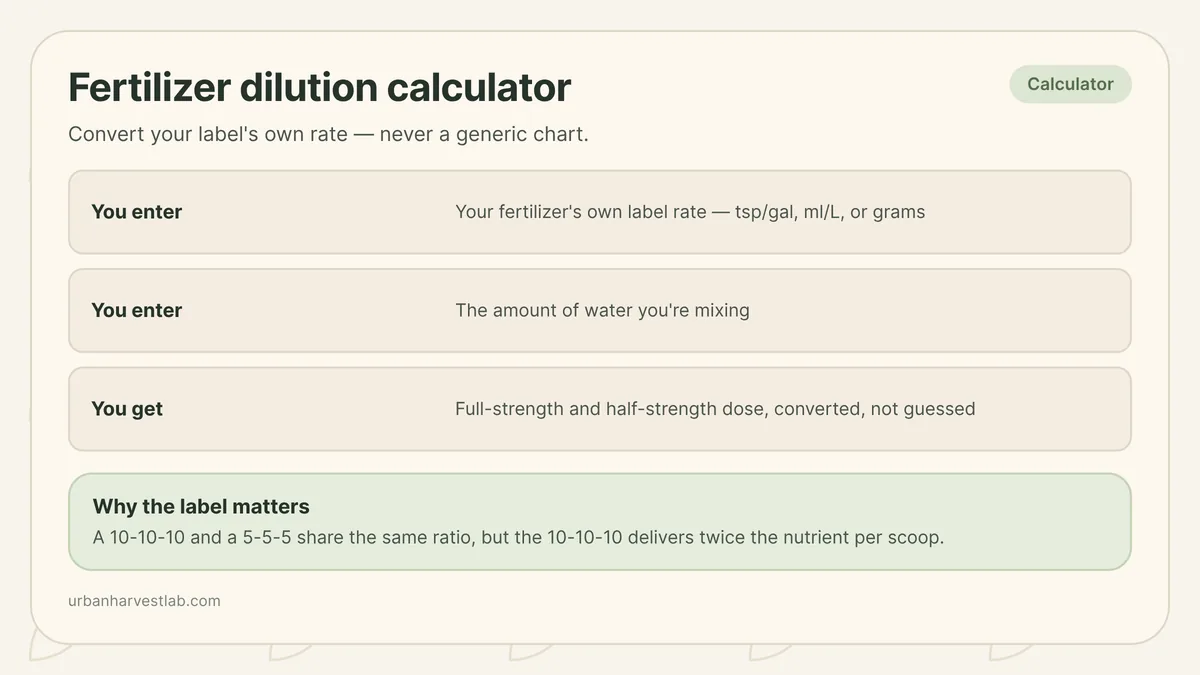
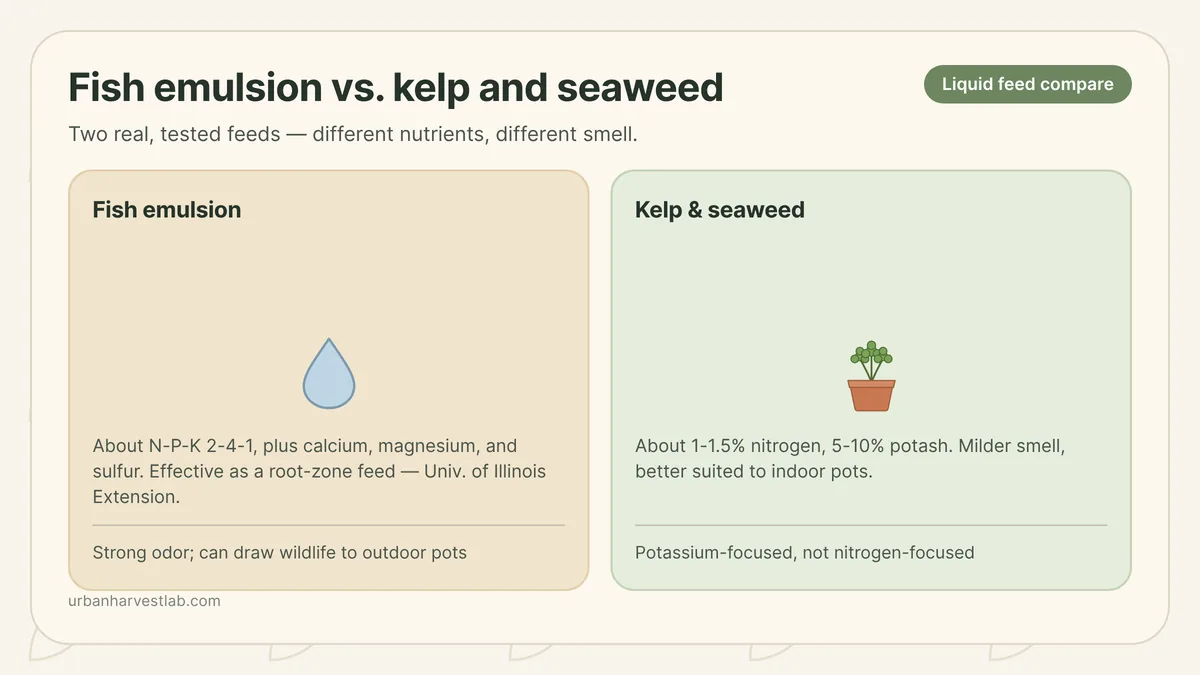
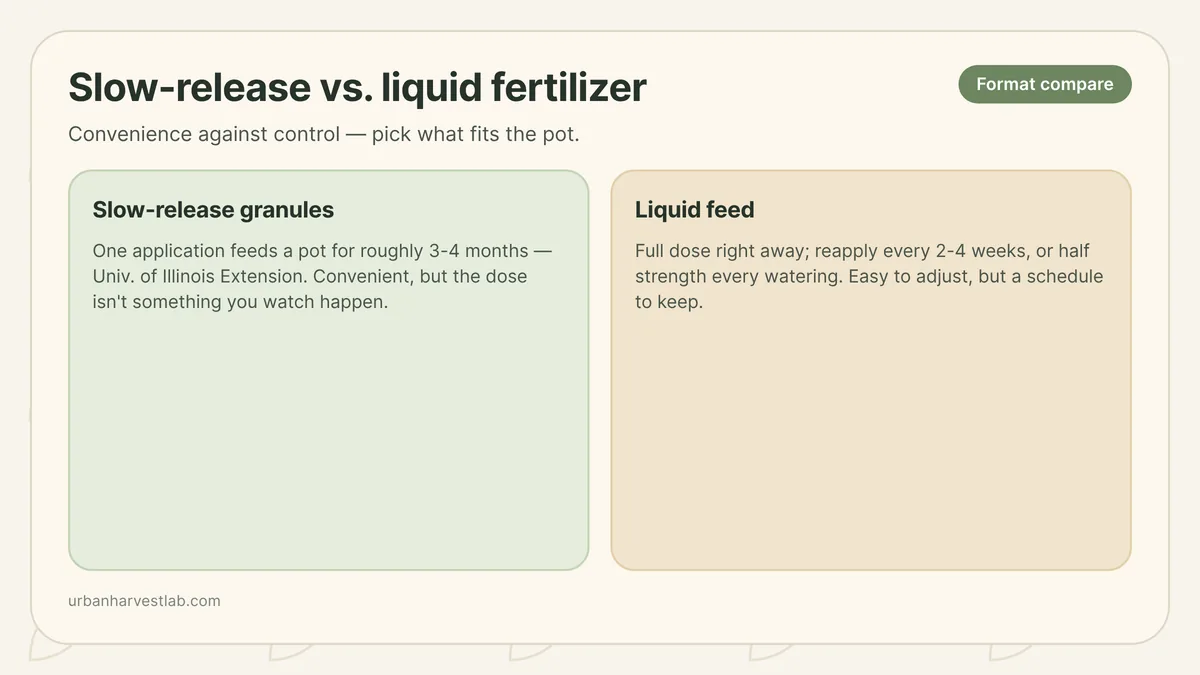
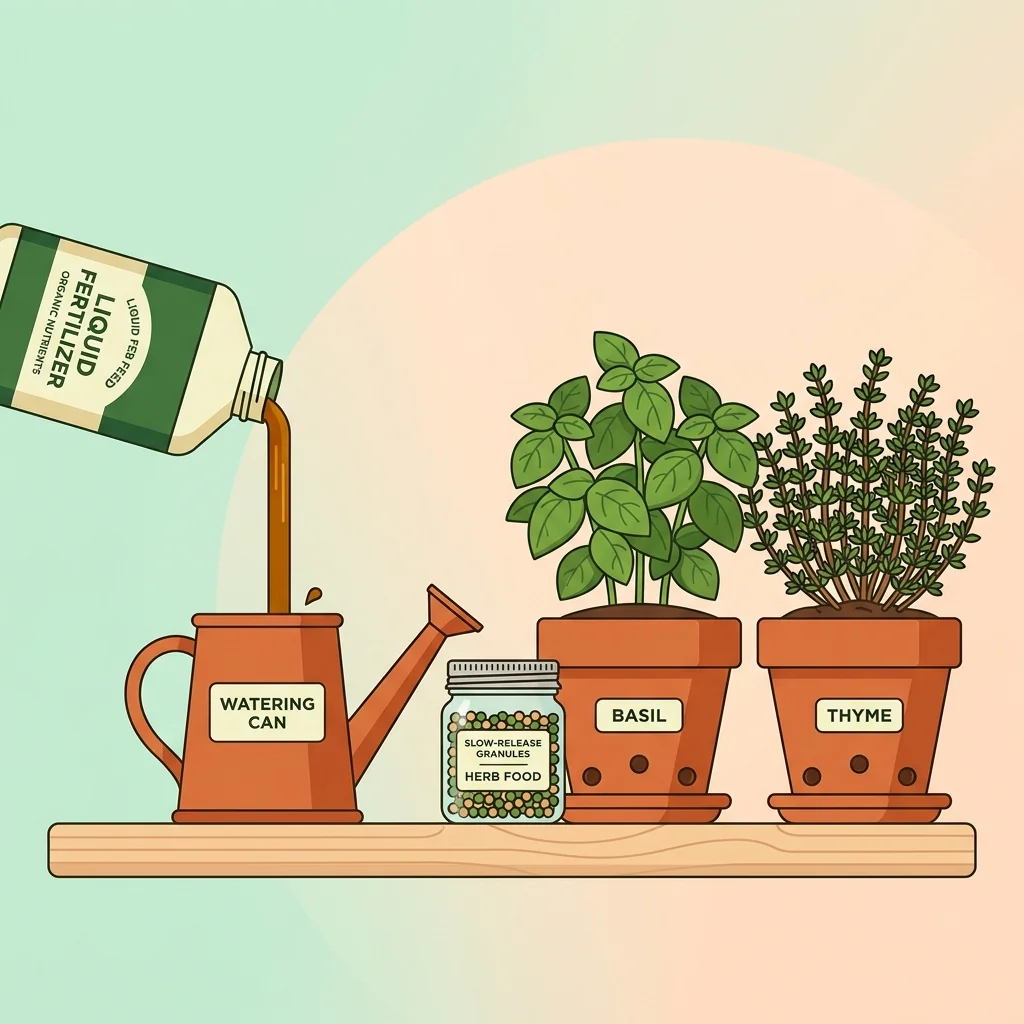
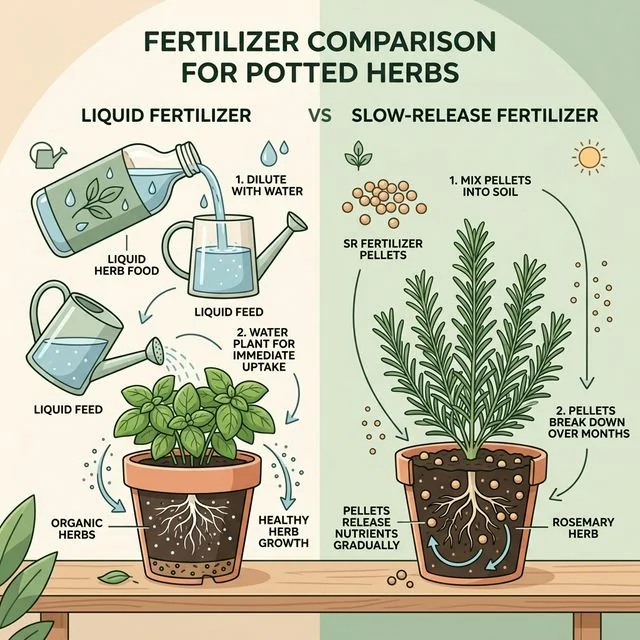
Potted herbs need feeding once the mix runs out, but not much. Here is the best fertilizer for herbs in pots, liquid vs slow-release, and how to feed without burning them.
This is the plain utility list for every published soil & fertilizers guide. For the main topic page with curated pathways, featured entry points, and broader context, use the primary hub.
Soil and fertilizer questions are usually really structure and management questions. This hub organizes container media, feeding, and troubleshooting guidance around how roots, air, moisture, and nutrients behave in compact systems.
Browse the full set of published guides in Soil & Fertilizers. This archive stays intentionally simple so it does not compete with the main hub.
Potted herbs need feeding once the mix runs out, but not much. Here is the best fertilizer for herbs in pots, liquid vs slow-release, and how to feed without burning them.
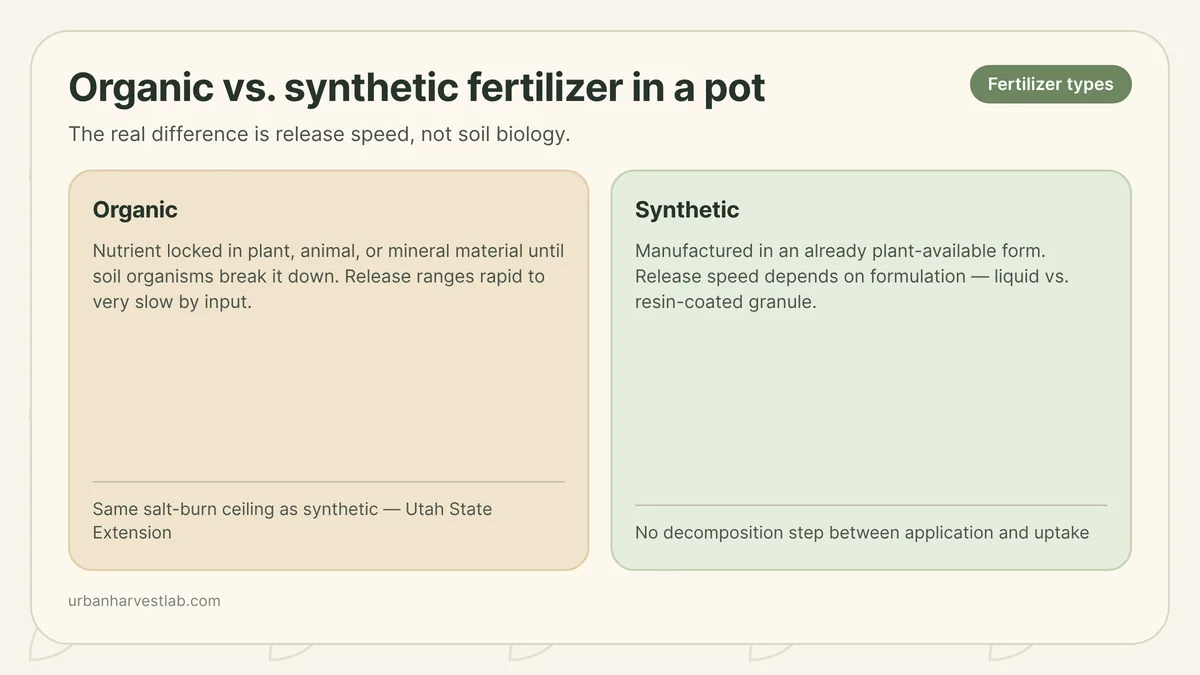
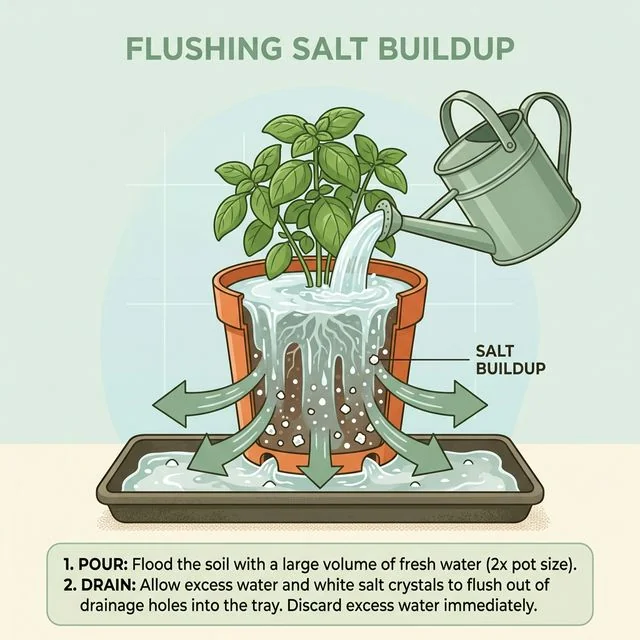
Every time you water your plants with liquid fertilizer, you are leaving heavy chemical salts behind. If you don't periodically wash them out, your herbs will suffer from chemical burn and nutrient lockout.
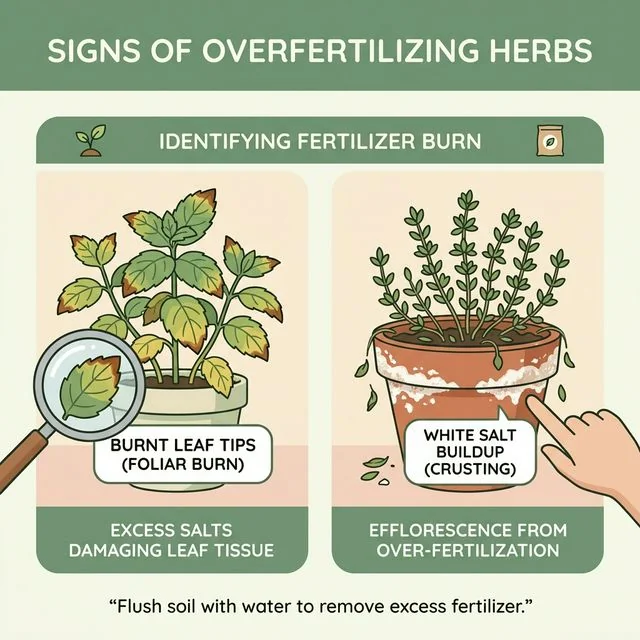
It is incredibly tempting to pour extra fertilizer on a slow-growing herb plant. But unlike humans, plants don't 'eat' fertilizer—they 'eat' sunlight. Forcing excess chemical salts into the soil will burn the roots and kill the plant.
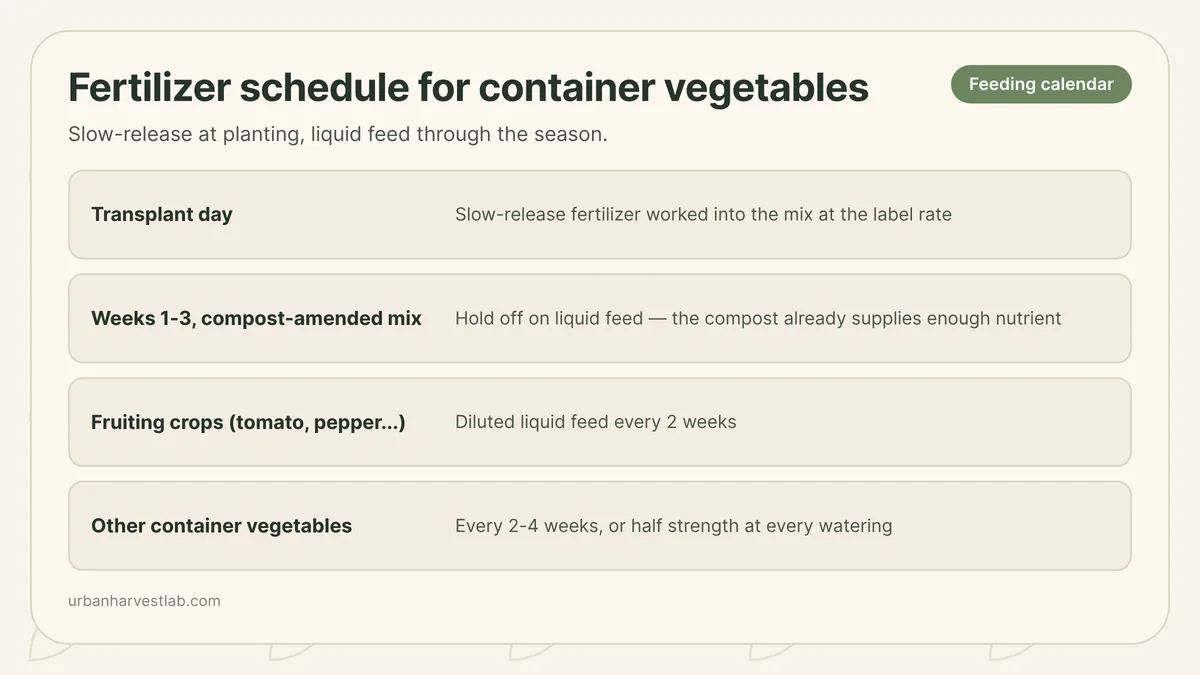
Most potted herbs need fertilizer eventually, but timing matters. This guide explains when to feed, how often to do it, and how to avoid burning stressed roots.
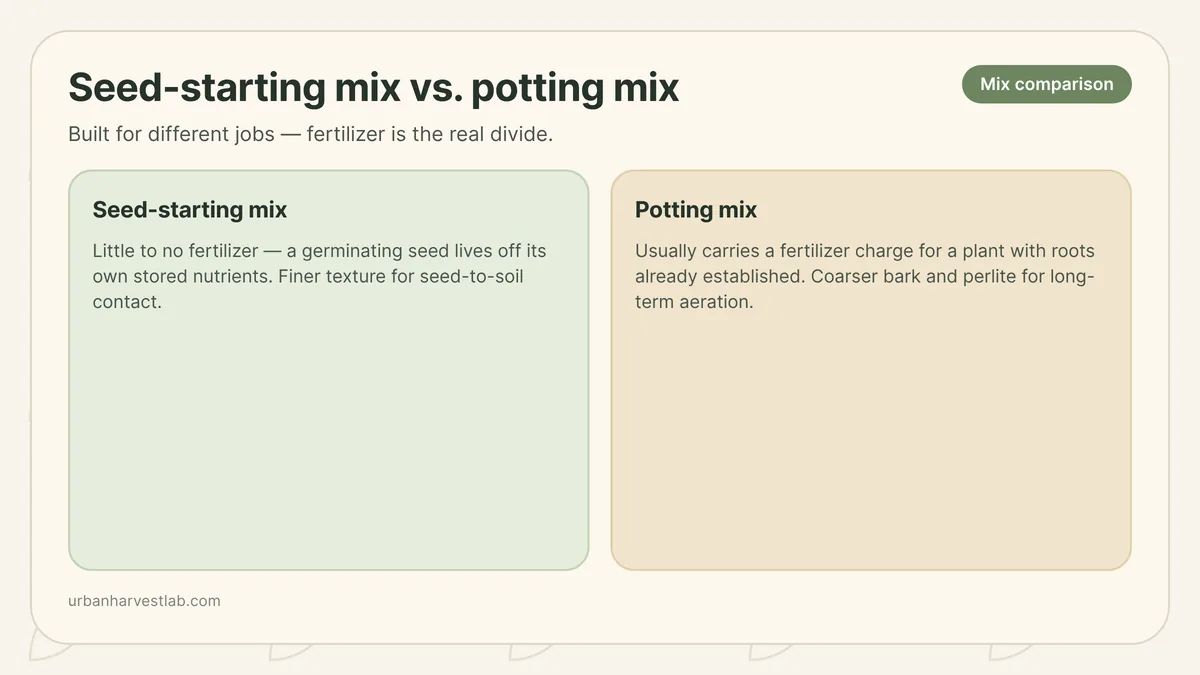
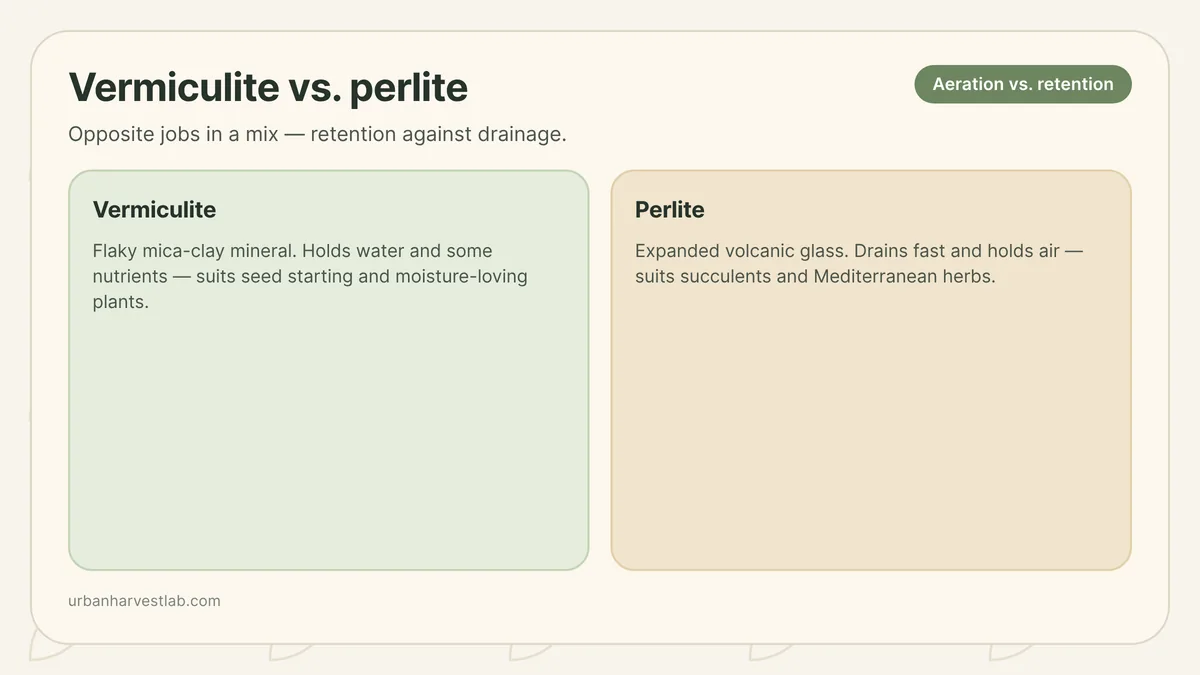
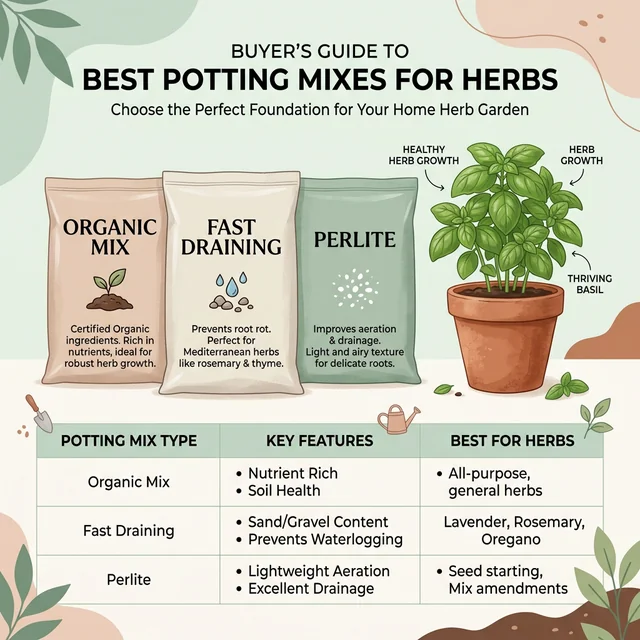
A practical buyer's guide to choosing potting mix for potted herbs, from richer blends for basil and parsley to faster-draining options for rosemary and thyme.
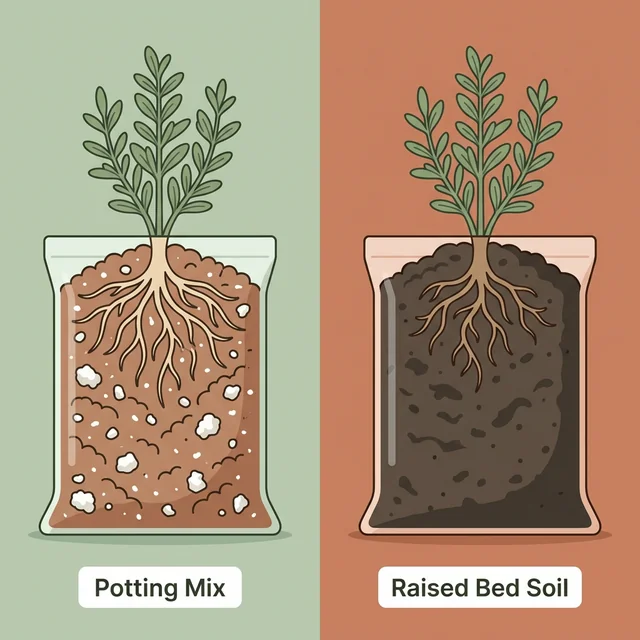
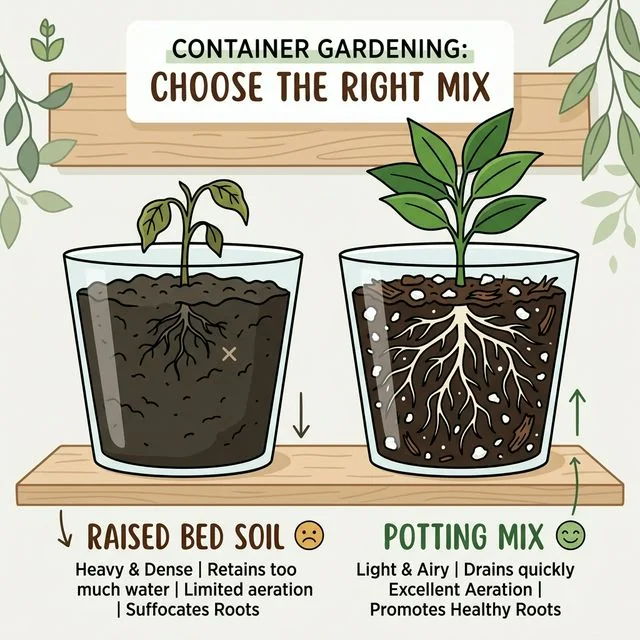
Using the wrong dirt is the fastest way to kill a potted herb. This guide explains the critical difference between indoor potting mix and outdoor raised bed soil.
Most container problems start with the wrong medium, not the wrong fertilizer. This guide explains why pots usually need a lighter mix than raised beds.